

Helene Spring Travel Guide
Free Guide: Denmark's legendary healing spring hidden within an ancient twisted-pine forest.


A brief summary of Helene Spring
Denmark's legendary healing spring hidden within an ancient twisted-pine forest.
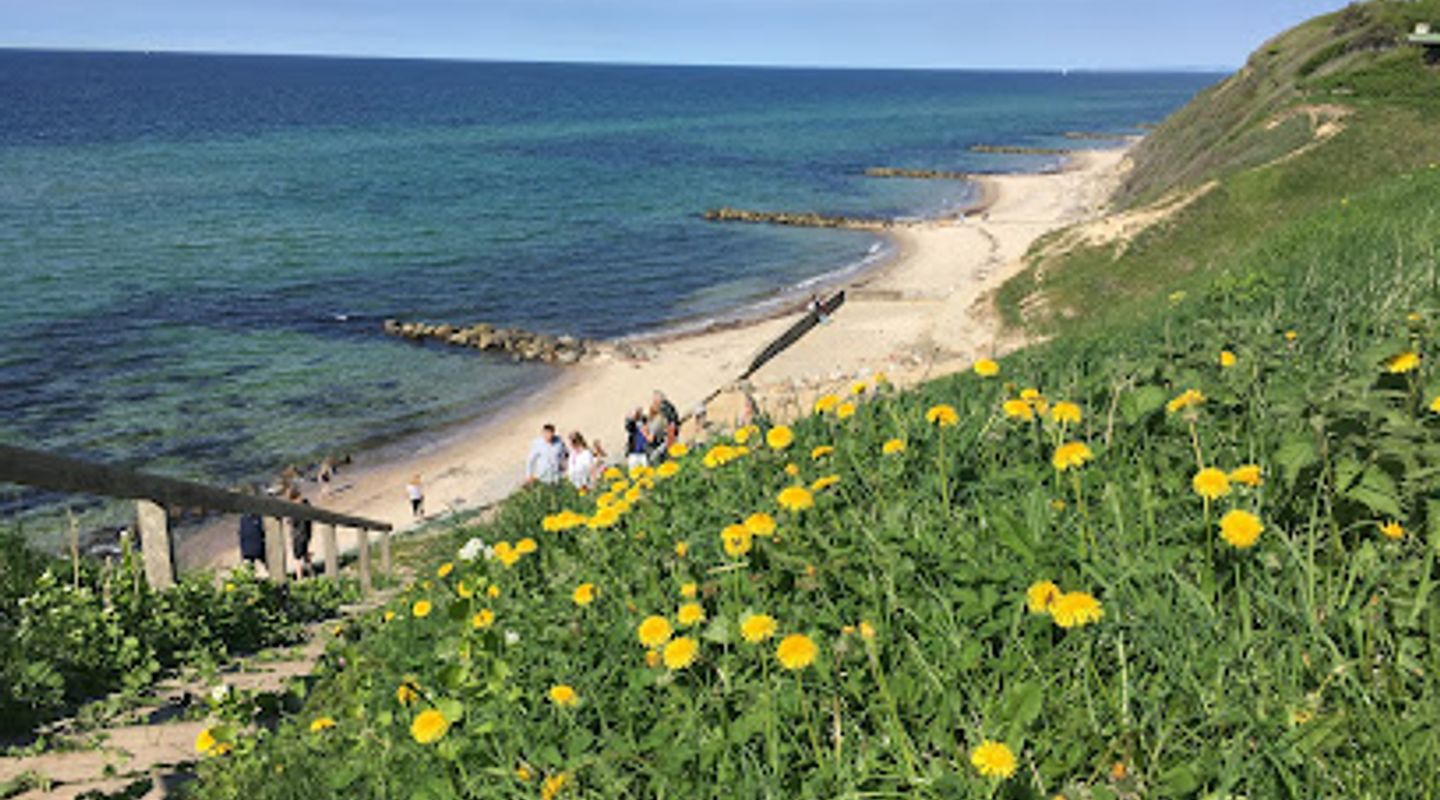
Helene Spring is one of Denmark's most celebrated natural springs, nestled in the woodland near Tisvildeleje on the North Zealand coast. According to local legend, the spring possesses healing properties, and tradition holds that visitors who drink from it on Midsummer's Eve and remain at nearby Helene's Tomb until dawn may be cured of ailments. The spring sits within the atmospheric Tisvilde Hegn forest, surrounded by gnarled pine trees and offering serene woodland views.
On-site amenities
 Trash bins
 Information boards
Opening hours
- Every dayOpen 24 hours
Opening hours as listed on the venue’s Google Business Profile. Hours can change for services and special events, so check with the venue before you go.
- Address
- Strandvejen 27, 3220 Tisvildeleje
Getting there
Train from Copenhagen
Car from Copenhagen
Bus from Hillerød
Bicycle from Godhavn Station
Discover more about Helene Spring
A Spring Steeped in Healing Legend
Helene Spring, known locally as Helenes Kilde, stands as one of Denmark's most renowned natural springs, celebrated for centuries as a site of spiritual and physical healing. The spring emerges from the forest floor near Tisvildeleje, a picturesque coastal village on North Zealand's dramatic shoreline. According to deeply rooted Danish tradition, anyone whose illness has resisted conventional treatment should visit the spring on Sankt Hans Eve—Midsummer's Eve, June 23rd—and drink from its waters. The legend deepens with the belief that those who consume a certain amount of water during the night and then remain at Saint Helene's grave until morning may be cured of all their sicknesses. This mystical reputation has drawn pilgrims and seekers for generations, transforming the spring into a place where folklore, nature, and hope intersect.
The Sacred Tomb and Forest Setting
At the heart of the spring's spiritual significance lies Helene's Tomb, a simple yet evocative monument consisting of a rectangular grazed area surrounded by low stone fences. Two boulders lean against each other to mark the grave, creating an intimate focal point within the surrounding woodland. The tomb sits within Tisvilde Hegn, a vast 1,300-hectare forest planted between 1800 and 1900 to reclaim land that had been devastated by drifting sand. The forest's distinctive character comes from its gnarled and twisted pine trees, which have become iconic symbols of the North Zealand landscape. Walking among these ancient trees, visitors encounter an atmosphere of quiet reverence, where the interplay of light through the canopy and the soft forest floor create an almost cathedral-like sense of peace.
Historical Transformation and Environmental Recovery
The landscape surrounding Helene Spring tells a remarkable story of environmental restoration. From the medieval period through the 18th century, massive sand dunes migrated inland, burying villages and rendering vast tracts of countryside barren and uninhabitable. The Drifting Sands Monument, erected in 1738 and inscribed in Danish, German, and Latin, commemorates this period of environmental crisis. Tibirke Church, once nearly consumed by advancing dunes, stands as a testament to the region's struggle against nature's relentless forces. Beginning around 1800, a concerted effort to plant forests—including Tisvilde Hegn and associated plantations at Asserbo and Liseleje—gradually reversed this devastation. The spring itself became a focal point of this reclaimed landscape, embodying both the region's natural resilience and humanity's capacity to restore what had been lost.
The Coastal Village and Its Character
Tisvildeleje, the coastal settlement adjacent to Tisvilde, evolved from a humble fishermen's village into one of Denmark's most exclusive and picturesque destinations. The name "Leje" roughly translates as "plain," reflecting the area's original geography. Today, the former fishermen's cottages have been transformed into quintessential summer residences, and the area has become renowned for some of the highest property values in Denmark. The village maintains a charming, unhurried atmosphere despite its affluence, with tree-lined streets, local galleries, and historic churches creating a sense of timeless elegance. The proximity of Helene Spring to both the forest and the sea makes it a natural focal point for visitors exploring this distinctive corner of North Zealand.
Visiting the Spring and Surrounding Attractions
The spring is accessible year-round, though the Midsummer's Eve tradition remains the most culturally significant time to visit. The immediate area offers several complementary attractions: the Wieth-Knudsen Observatory, built in 1959 in the southern part of town, hosts public astronomical meetings twice monthly throughout the year. Tisvilde's beaches, including Tisvildeleje Beach and Tisvilde Leje Strand, provide opportunities for swimming and coastal walks. The broader region supports hiking trails through Tisvilde Hegn, where the twisted trees and forest paths offer both physical activity and contemplative solitude. The village center contains galleries, cafes, and restaurants, making it easy to combine a visit to the spring with exploration of local culture and cuisine.
Practical Considerations for Visitors
The spring itself requires no entrance fee and is freely accessible to visitors at any time. The woodland setting means that comfortable walking shoes and weather-appropriate clothing are essential, as paths can be muddy and uneven, particularly after rain. The site's natural, undeveloped character—while spiritually appealing—means that facilities are minimal; visitors should bring water and supplies if planning an extended visit. The spring's location within a protected forest area emphasizes the importance of respecting the natural environment and following leave-no-trace principles. Mobile reception in the area is generally reliable, though the forest setting may occasionally reduce signal strength.
Evendo Review Centre
 Google
Guest reviews
Best time to go
Quietest: Jan, Feb & Dec · before 6am or at 10pm
Busy times are Evendo estimates for a typical year, to help you plan. Actual crowds vary with events, school holidays and the weather.
Explore Helene Spring on the map
A handpicked selection of must-see spots near Helene Spring, mapped for you.
Get your free copy of our complete guide to Helene Spring, delivered straight to you.
Everything on this page, from opening hours and how to get there to Eve’s tips and the best time to go, in one PDF you can read offline, print or share.
Already have an account? Sign in
Your Helene Spring guide is ready.
We'll send it to · Not you? Sign out

Getting your guide ready…
We are putting together a fresh copy of the Helene Spring guide. This can take up to a minute.
This can take a few moments. If your browser asks, choose Allow so the download can start. You'll find the guide in your Downloads folder.
Nothing happened? Download it again
Sorry, the guide is taking longer than usual. Please try again in a minute, or get it by email instead.
Other nearby places you may find interesting
The closest places of the same kind, if this one is not quite what you had in mind.
-
-
-
-
-


Swipe for more places
More to explore near Helene Spring

 Best experiences near Helene Spring
 Best hotels near Helene Spring
 Best landmarks near Helene Spring
 Best attractions near Helene Spring
 Best shops near Helene Spring
 Best restaurants near Helene Spring
 Best bars near Helene Spring
Do you manage this location?
Take control to get all the benefits, like improved information, better appearance, and stronger visibility across AI-powered discovery.
Explore more

Explore more of North Zealand
Explore North Zealand, Denmark's enchanting region of castles, beaches, and royal estates, perfect for history buffs, nature enthusiasts, and seaside lovers.
Explore North Zealand
Explore more of Denmark
Discover Denmark: A perfect blend of history, modern design, and the cozy concept of hygge. Explore vibrant cities, serene landscapes, and world-class cuisine.
Explore Denmark
