Tisvildeleje Beach Travel Guide
Free Guide: A long, dune-fringed slice of the Danish Riviera where clear shallows, nostalgic bathhouses and nearby pine forests create a classic North Zealand beach escape.


A brief summary of Tisvildeleje Beach
A long, dune-fringed slice of the Danish Riviera where clear shallows, nostalgic bathhouses and nearby pine forests create a classic North Zealand beach escape.
Tisvildeleje Beach on North Zealand’s so‑called Danish Riviera is a long, dune-backed sweep of pale sand on the Kattegat coast, where shallow, clear water and two summer lifeguard posts make it especially appealing for families. A string of classic wooden bathhouses lends the beachfront a nostalgic charm, while behind the dunes trails lead towards the coastal pine forests of Tisvilde Hegn. Just a short walk from the cafés and ice-cream stalls of Tisvildeleje town, it combines easy access and facilities with a surprisingly wild, natural feel.
On-site amenities
 Restrooms
 Drink options
 Food options
 Seating areas
 Trash bins
 Information boards
Opening hours
- Every dayOpen 24 hours
Opening hours as listed on the venue’s Google Business Profile. Hours can change for services and special events, so check with the venue before you go.
- Address
- Ved Stranden 7, 3220 Tisvildeleje
- Website
Getting there
Train and walk from Copenhagen
Car from Copenhagen and North Zealand
Regional bus connection within North Zealand
Discover more about Tisvildeleje Beach
Where Forest Meets the Danish Riviera
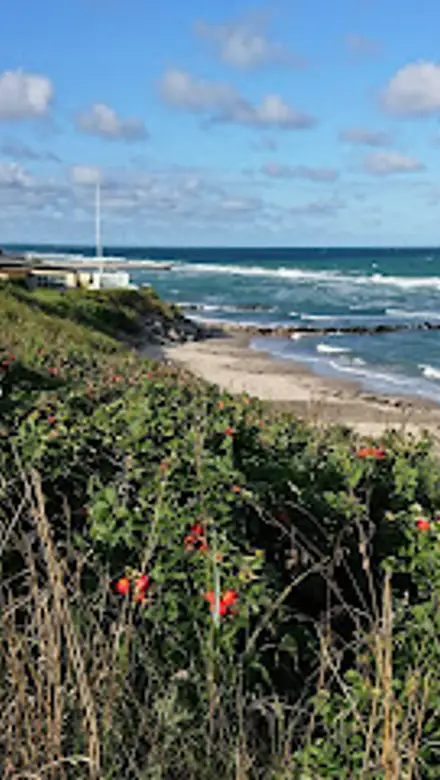
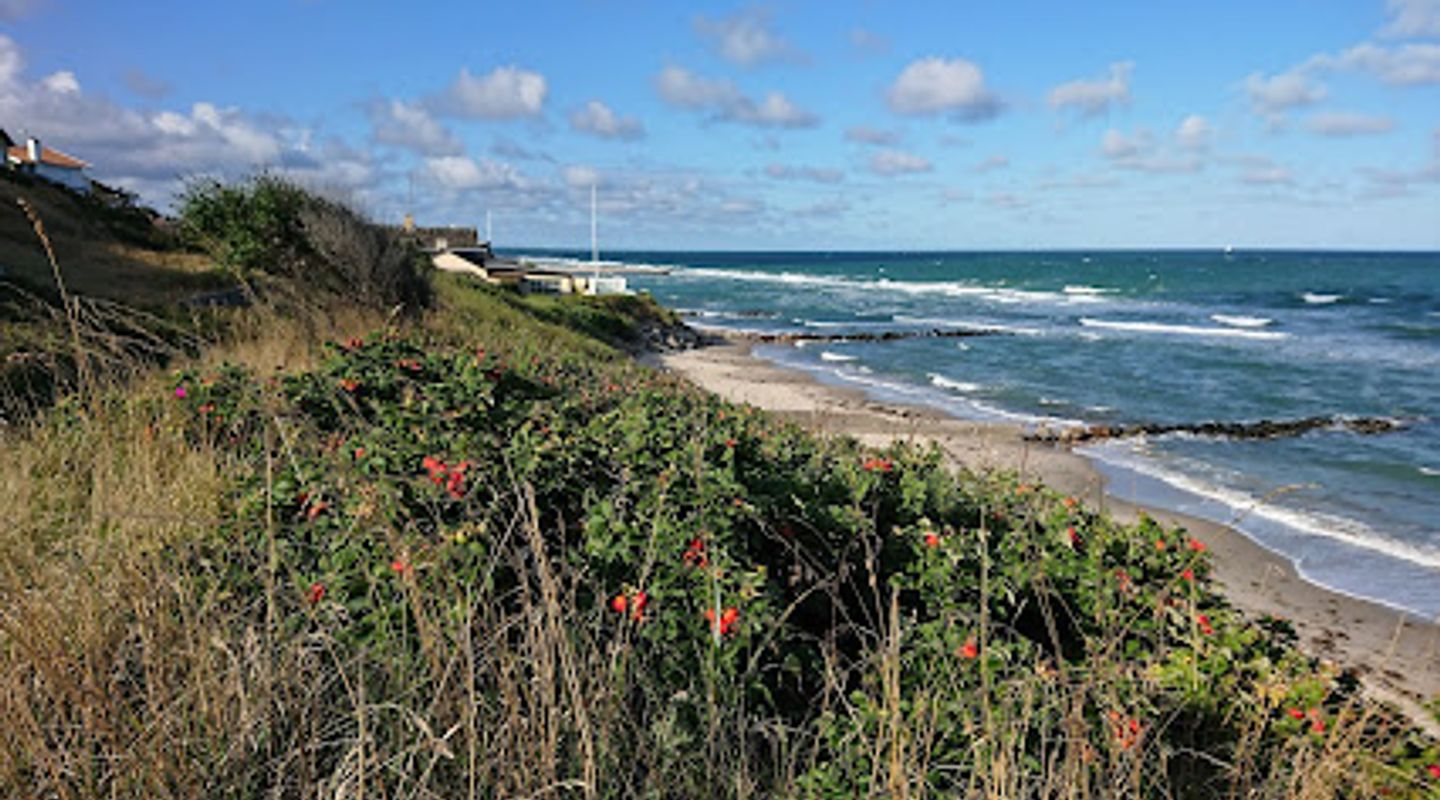
Tisvildeleje Beach stretches for several kilometres along the North Zealand coastline, part of the coastal strip often dubbed the Danish Riviera for its sand, light and relaxed holiday mood. Here the Kattegat meets a broad band of pale sand, backed by low dunes tufted with marram grass and rose bushes. The beach feels expansive and open, yet the small-scale wooden bathhouses and modest jetties keep the atmosphere human and intimate.Step back from the shoreline and you quickly sense how close the coastal pine forest of Tisvilde Hegn lies. The scent of resin and sea air mingle, and paths from town lead naturally from ice-cream kiosks to wooded tracks and back down again to the water. This interplay between sea, dunes and forest is what gives the area its distinctive character.
Seaside Traditions and Summer Holiday Culture
Tisvildeleje was once a small fishing settlement, but from the late 19th century train connections from inland Zealand turned it into a favored summer retreat. Simple cottages evolved into classic painted summer houses, beach hotels appeared on the bluffs, and the wooden bathhouses that still line parts of the shore became treasured family heirlooms.Reminders of older traditions linger in the landscape. Nearby Helenekilde, associated with a historic healing spring, hints at centuries of pilgrimage to this coastline. Over time, religious journeys gave way to bathing culture: swims in the clear Kattegat, long, light evenings on the sand and a seasonal rhythm that still shapes the town’s main street and beachfront life.
A Day on the Sand and in the Water
On a calm summer day the beach is all about simple pleasures: swimming, sandcastle building and lazy hours sprawled on towels between the dunes. The seabed shelves gently along much of the main stretch, offering comparatively shallow water that suits cautious swimmers and families, though conditions can change with wind and weather.In peak season two lifeguard posts watch over key sections of the beach, and coloured flags signal bathing conditions. The long shoreline means you can choose your own mood: stay close to the main access points for a livelier feel near kiosks and facilities, or walk further along the sand to find quieter corners and uninterrupted views of the horizon.
Architecture of Bathhouses, Dunes and Light
Visually, Tisvildeleje Beach is defined as much by what is behind it as by the water itself. The neat row of small, often brightly painted bathhouses set just above the sand creates a rhythmic line along the shore, a reminder of early 20th‑century seaside style. Against this, the dunes remain largely natural, with scrub, wild roses and sea buckthorn softening the transition from town to sea.The quality of light is a draw in its own right. Long Nordic evenings, particularly around midsummer, stretch out in pale gold, and from the higher ground near the bluffs you can watch the sun sink over the Kattegat with the beach below gradually emptying and the bathhouses turning into silhouettes. On blustery days, waves and shifting clouds give the scene a more dramatic edge, but the backdrop of dunes and forest keeps it feeling sheltered.
Practical Comforts by a Natural Shoreline
Despite its natural look, the beach is served by practical amenities just behind the sand. Parking areas sit a short walk from the water, and by the main access point you find toilet facilities, seasonal kiosks and simple food and drink options. The town’s main street, only a brief stroll away, adds cafés, small shops and places to linger if clouds roll in.Accessibility has been considered along parts of the eastern stretch, where dedicated parking, adapted paths and suitable toilets make it easier for wheelchair users to reach the water’s edge. Mobile reception is generally reliable, yet the landscape still invites you to pocket your phone and focus on the waves, the cry of sea birds and the rustle of the dunes.
Beyond the Beach: Paths, Legends and Coastal Walks
From the sand it is easy to slip into a wider coastal landscape. Trails behind the dunes lead into Tisvilde Hegn and the evocatively named Troldeskoven, a forest of wind-shaped, twisting trees that feels almost storybook in the right light. Walking west or east along the shore rewards you with changing perspectives: steeper bluffs, quieter coves and stretches where wild roses and sea buckthorn cling to the slopes above the beach.Whether you stay for a quick dip or settle in for a full day with a picnic, Tisvildeleje Beach offers both the immediate satisfaction of a classic sandy shore and the slower discovery of a coastline with deep roots in Danish holiday culture.
Evendo Review Centre
 Google
Guest reviews
Best time to go
Quietest: Jan, Feb & Mar · before 7am or from 11pm
Busy times are Evendo estimates for a typical year, to help you plan. Actual crowds vary with events, school holidays and the weather.
Explore Tisvildeleje Beach on the map
A handpicked selection of must-see spots near Tisvildeleje Beach, mapped for you.
Get your free copy of our complete guide to Tisvildeleje Beach, delivered straight to you.
Everything on this page, from opening hours and how to get there to Eve’s tips and the best time to go, in one PDF you can read offline, print or share.
Already have an account? Sign in
Your Tisvildeleje Beach guide is ready.
We'll send it to · Not you? Sign out

Getting your guide ready…
We are putting together a fresh copy of the Tisvildeleje Beach guide. This can take up to a minute.
This can take a few moments. If your browser asks, choose Allow so the download can start. You'll find the guide in your Downloads folder.
Nothing happened? Download it again
Sorry, the guide is taking longer than usual. Please try again in a minute, or get it by email instead.
Other nearby places you may find interesting
The closest places of the same kind, if this one is not quite what you had in mind.
-
-
-
-
-


Swipe for more places
More to explore near Tisvildeleje Beach

 Best experiences near Tisvildeleje Beach
 Best hotels near Tisvildeleje Beach
 Best landmarks near Tisvildeleje Beach
 Best attractions near Tisvildeleje Beach
 Best shops near Tisvildeleje Beach
 Best restaurants near Tisvildeleje Beach
 Best bars near Tisvildeleje Beach
Do you manage this location?
Take control to get all the benefits, like improved information, better appearance, and stronger visibility across AI-powered discovery.
Explore more

Explore more of North Zealand
Explore North Zealand, Denmark's enchanting region of castles, beaches, and royal estates, perfect for history buffs, nature enthusiasts, and seaside lovers.
Explore North Zealand
Explore more of Denmark
Discover Denmark: A perfect blend of history, modern design, and the cozy concept of hygge. Explore vibrant cities, serene landscapes, and world-class cuisine.
Explore Denmark