

Tisvilde Hegn, North Zealand Travel Guide
Coastal forest, drifting-sand history and a twisted “troll” woodland combine in Tisvilde Hegn, a protected North Zealand landscape of easy trails and hidden ruins.
Tisvilde Hegn is one of Denmark’s most atmospheric coastal forests, fringed by white-sand beaches along the Kattegat and laced with easy hiking, cycling and riding trails. Planted in the 17th and 18th centuries to tame destructive drifting sands, it is now part of Kongernes Nordsjælland National Park and a Natura 2000 protected habitat, rich in rare plants, insects and birds. Among the pines and heather you’ll find castle ruins, Stone Age burial mounds, the vanished village of Torup and the twisted pines of Troldeskoven, a fairytale “troll forest” perfect for slow rambles and day-long nature escapes.
A brief summary to Tisvilde Hegn
- DK
- Duration: 2 to 8 hours
- Free
-
 Outdoor
- Mobile reception: 3 out of 5

Know before you go
Hi, I'm Eve. Here are a few practical things to know before exploring Tisvilde Hegn.
- Wear sturdy shoes: sandy, hilly sections and exposed roots are common, especially on routes through Troldeskoven and around Harehøjene.
- Bring a map or hiking app if you follow coloured routes like the Yellow Quality Path, as some waymarks can be missing or weathered.
- Pack layers and a windproof jacket; weather can change quickly along the Kattegat, and forest shade often feels cooler than the beach.
- Combine forest time with a swim by planning your walk to cross the dunes to the wide sandy beach when conditions and water temperature allow.
- Check local guidelines on fires and camping; use only designated shelters and firepits, and follow leave‑no‑trace principles to protect this Natura 2000 area.
Do you manage this location?
Take control to get all the benefits, like improved information, better appearance, and stronger visibility across AI-powered discovery. Learn more about listing your business on Evendo
Activate your presenceOther nearby places you may find interesting
The closest places of the same kind, if this one is not quite what you had in mind.
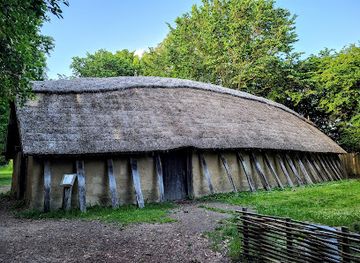
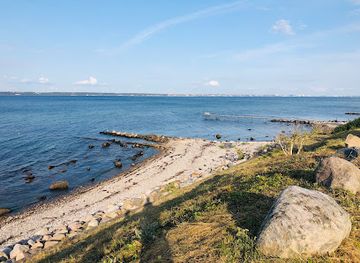
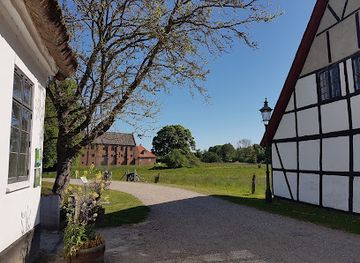
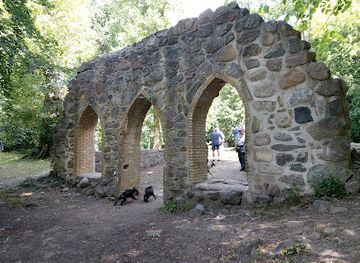
Explore Tisvilde Hegn on the Map
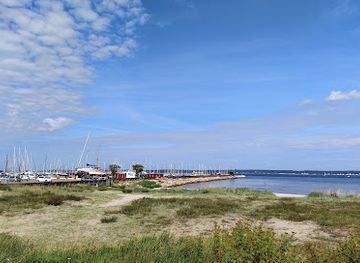
A handpicked selection of must-see spots near Tisvilde Hegn, mapped for you.
Getting There
-
Regional train + local bus from Copenhagen
From central Copenhagen, take a regional train towards Hillerød and change to the local line to Tisvildeleje; total rail time is typically 1–1.5 hours depending on connections. From Tisvildeleje Station, it is roughly a 20–30 minute walk on mixed pavement and forest tracks to the eastern edge of Tisvilde Hegn, suitable for most walkers but not ideal for wheelchairs. A standard adult single ticket for the full journey generally falls in the range of 80–120 DKK, depending on discounts and time of travel.
-
Car from Copenhagen and North Zealand towns
Driving from Copenhagen to the main access points at Tisvildeleje or Asserbo typically takes about 1–1.25 hours in normal traffic, while journeys from nearby towns such as Hillerød or Helsingør are often 30–45 minutes. Parking is usually available at designated forest car parks and by Asserbo Castle ruins, but spaces can fill on sunny weekends and in school holidays, so early arrival is advisable. Fuel and potential parking fees will vary, but you should budget roughly 100–200 DKK in total operating costs for a day trip by car from Copenhagen.
-
Bus connections within North Zealand
Several regional buses link towns like Helsinge and Frederiksværk with stops near Tisvilde Hegn, with travel times in the 20–40 minute range depending on route and traffic. From bus stops on the edges of Tisvildeleje or near Asserbo, expect an additional 15–25 minutes of walking on paved roads and forest paths to enter the main trail network, which may be uneven and sandy in places. A typical single bus fare within the region is in the order of 24–36 DKK, with reduced prices for children and certain travel cards.
For the on-the-go comforts that matter to you
-
 Restrooms
-
 Drinking Water
-
 Trash Bins
-
 Picnic Areas
-
 Seating Areas
-
 Information Boards
Discover more about Tisvilde Hegn
Where North Zealand’s Forest Meets the Kattegat
Tisvilde Hegn stretches for around 8 km along the north coast of Zealand, where dense woodland runs right up to pale dunes and a broad sandy beach. The forest forms the wild green backdrop to Tisvildeleje, blending sheltered trails with sudden openings onto sea views and wind-ruffled heather. Paths criss-cross the woods in every direction, from broad sandy tracks to narrow, rooty single‑trail used by hikers, runners and mountain bikers. Underfoot, the terrain shifts from flat pine stands to surprisingly steep sandy hills shaped by centuries of moving dunes.Despite its popularity as an excursion spot, it is easy to find quiet corners where the only sounds are wind through needles and the distant wash of waves. The combination of salt air, resinous pine scent and soft forest light gives the area a distinctly coastal character that feels different from Denmark’s inland woods.A Landscape Forged by Drifting Sands
The forest exists because of a natural disaster. From the 16th century, fierce sand drifts swept in from the coast, burying fields, farms and even churches. By around 1700, large parts of the area had been abandoned. In the 1720s, the Crown launched an ambitious project to halt the dunes, led by Johan Ulrich Røhl and carried out with local farmers and soldiers. They stabilised the sand with seaweed and trenches, then planted hardy Scots pine, later adding spruce, birch, beech and oak.These efforts created Denmark’s oldest plantation forest, now recognised as part of a Natura 2000 area within Kongernes Nordsjælland National Park. The sandy soils and varied micro‑habitats support valuable flora, including orchids, and a diverse insect life with rare beetles and butterflies. Birdlife is equally rich, particularly in the more open plantation sections where edges between heath, woodland and clearings encourage many species.Ruins, Lost Villages and Ancient Graves
Hidden in the trees are traces of earlier settlement. Near an open, grassed clearing stand the remains of Asserbo Castle, a 12th‑century monastery complex later converted into a fortified manor. Sand and neglect led to its abandonment; today you can walk around low walls and a surrounding moat that hint at its former importance. Elsewhere lie burial mounds from the Stone Age, soft domes in the forest floor that remind you how long people have lived in this landscape.A short hike away is Torup, the vanished village swallowed by drifting sand in the late 16th century. Only subtle earthworks and interpretive signs mark where farmsteads once stood. Together, the castle, graves and lost village form a quiet open‑air archive of human struggle against an unforgiving environment.Troldeskoven and the Spirit of the Troll Forest
Perhaps the most evocative corner of Tisvilde Hegn is Troldeskoven, the “Troll Forest”. Here, old Scots pines twist and bend in contorted shapes, sculpted by centuries of wind and sand. Many trunks lean at improbable angles or loop low over the ground, creating natural tunnels and gnarled silhouettes that feel lifted from folklore. Children are often told stories of trolls hiding among the roots, and it is easy, even as an adult, to see how such tales were born.The surrounding heathland, studded with juniper and heather, opens occasional views towards Harehøjene and the sea. On bright days, the contrast between dark, twisted trunks and intense coastal light makes this one of the most photogenic spots in the forest, ideal for slow, contemplative walks and unhurried photography.Trails, Quality Routes and Coastal Rambles
Marked trails of various lengths lace Tisvilde Hegn, from family‑friendly loops to longer rambles that link forest and beach. A popular option is the certified Yellow Quality Path, an approximately 7.2 km circuit over gently hilly ground that passes Asserbo Castle ruins, the site of Torup and sections of Troldeskoven. The way is marked with yellow dots, though gaps in the markings mean many walkers combine signs with a map or hiking app.Long‑distance hikers can incorporate the forest into stages of the 77 km Tisvildevejen route between Esrum Abbey and Tisvilde, while cyclists and riders share several wide forest roads. After time among the trees, it is easy to detour over the dunes to the wide, white‑sand shore for a swim in calm weather or to simply watch the changing colours of the Kattegat.Planning a Day in the Woods and on the Heath
A visit to Tisvilde Hegn comfortably fills half a day, but many travellers linger for longer, using the forest as a backdrop to picnics, birdwatching or photography sessions. The terrain is generally accessible, though sandy rises and exposed sections can feel demanding in strong wind or heat. Simple facilities such as information boards, designated picnic spots and a few shelters support low‑key outdoor use without disrupting the feeling of being in a natural landscape.Weather transforms the experience: in crisp sunlight, colours are sharp and views far‑reaching; in mist or light rain, the forest becomes hushed and introspective. Whichever conditions you encounter, the interplay of cultural history, coastal nature and shaped plantation makes Tisvilde Hegn one of North Zealand’s most characterful outdoor landscapes.












Your all‑in‑one travel companion app
Explore expert travel guides, compare and book tours, experiences, hotels, and more—all from the palm of your hand. Download now for seamless trip planning wherever your wanderlust takes you.


Explore More of North Zealand
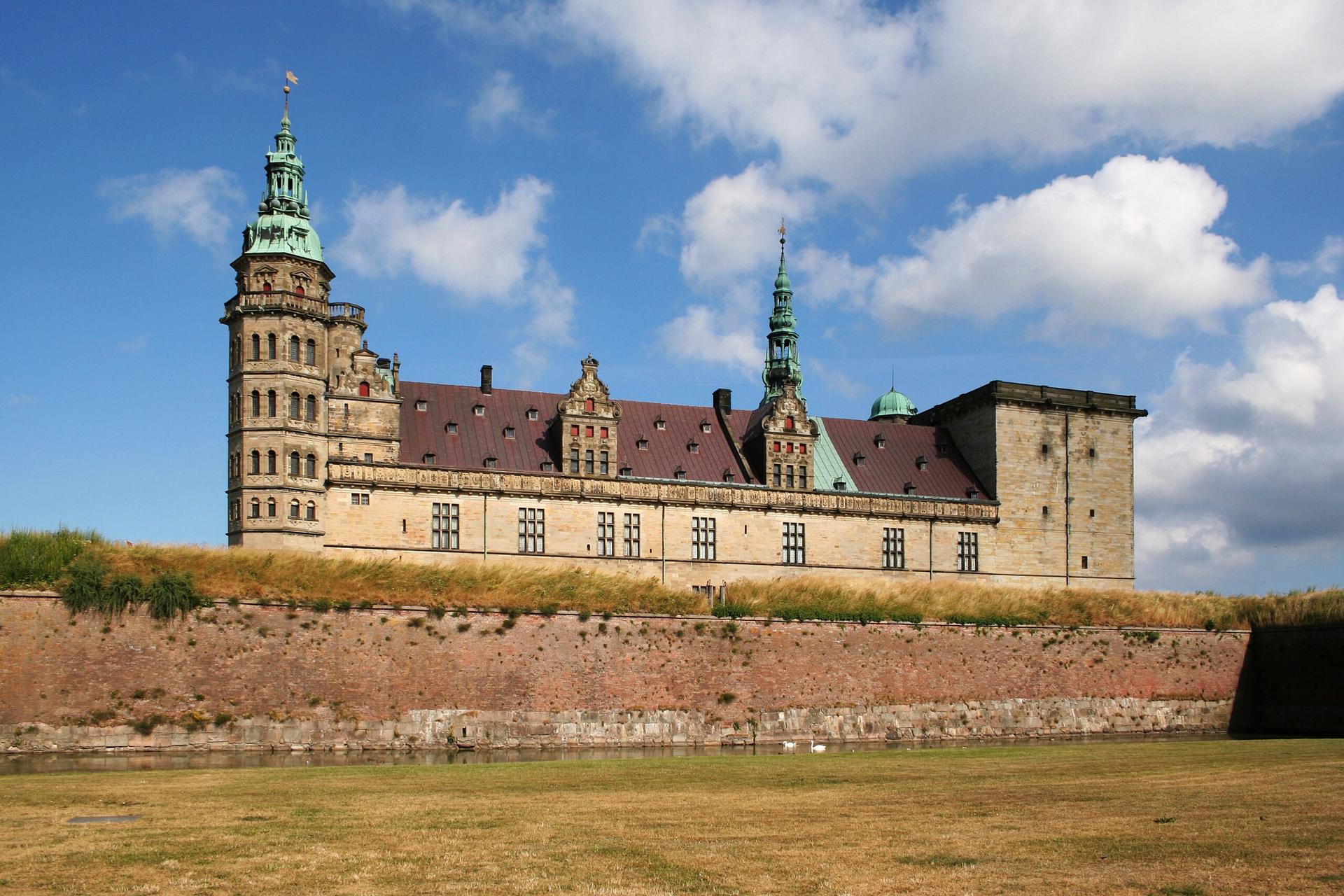
Looking beyond Tisvilde Hegn? Discover North Zealand for broader travel guides, local hot-spots, and regional highlights.
Explore North Zealand
Napoleonic-era earthworks, surviving cannons and sweeping Kattegat views meet on a wind-battered cliff edge above Hundested’s harbour and sandy shoreline.

Grass-covered castle and monastery ruins hidden in North Zealand’s forest, where medieval power, monastic silence and drifting sands shaped a quiet historic clearing.
