

Nivå Bugt Strandenge Travel Guide
Free Guide: Low, windswept coastal meadows where Øresund meets the Nivå river, offering tranquil paths, wide skies and remarkably rich birdlife just south of Nivå.


A brief summary of Nivå Bugt Strandenge
Low, windswept coastal meadows where Øresund meets the Nivå river, offering tranquil paths, wide skies and remarkably rich birdlife just south of Nivå.
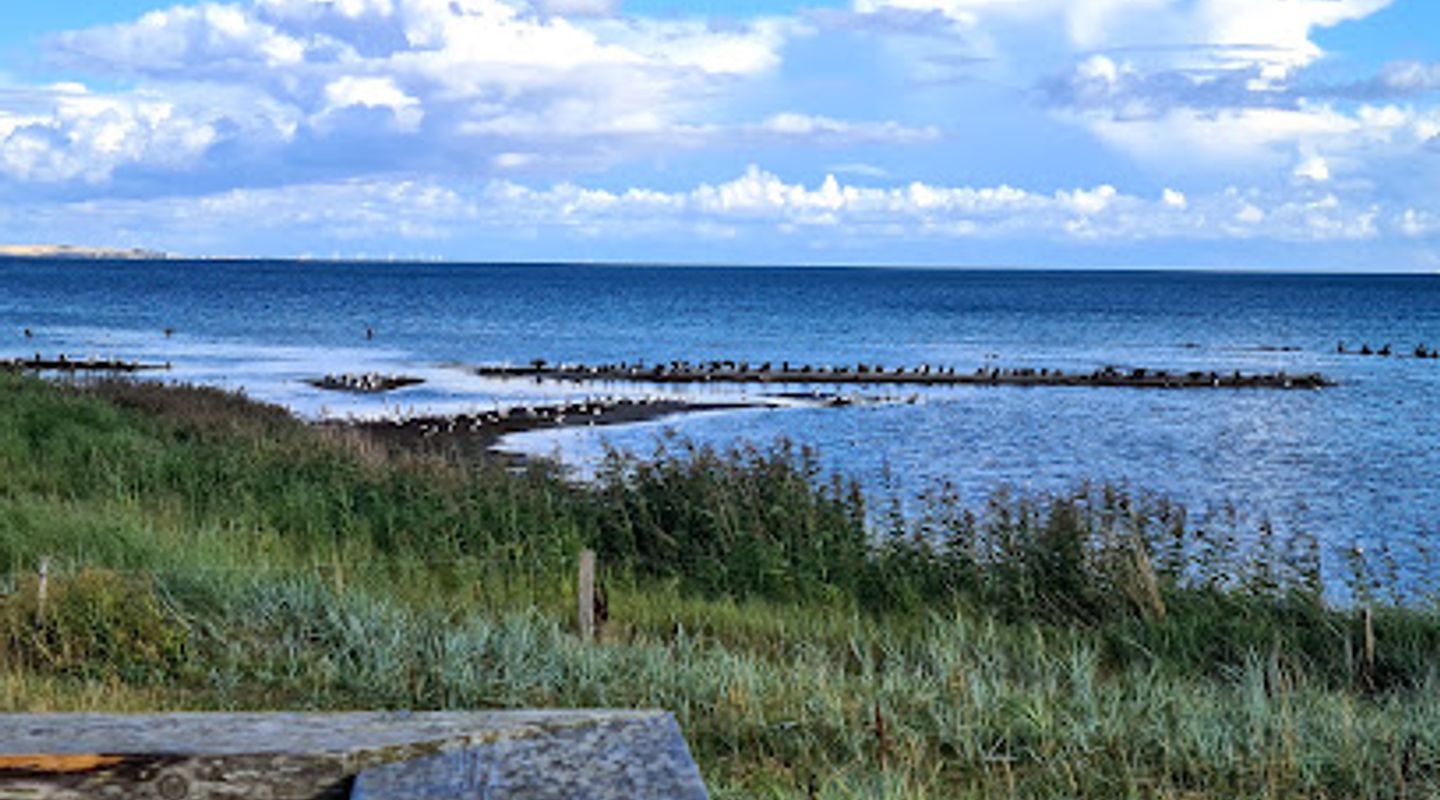
Nivå Bugt Strandenge is a protected bird reserve on the Øresund coast just south of Nivå, where shallow bay waters, salt meadows, reed beds and ponds create a rich mosaic of habitats. As one of the few open coastal wetlands on North Zealand’s east coast, it is a vital stopover for waders and waterbirds on migration, with over 200 species recorded. A simple trail system, information boards and a birdwatching tower make this low-key landscape easy to explore for nature lovers of all ages.
On-site amenities
 Restrooms
 Seating areas
 Trash bins
 Information boards
- Address
- Strandvejen, 2990 Nivå
- Phone
- Website
Getting there
Regional train and on-foot
Car from Copenhagen
Bicycle along the Øresund coast
Discover more about Nivå Bugt Strandenge
Coastal wetlands on the edge of Øresund
Nivå Bugt Strandenge stretches along the low coastline just south of Nivå, where land and sea blur into a patchwork of salt meadows, shallow inlets and reed-fringed pools. The area forms the seaward part of the wider Nivå river valley protection zone, a landscape set aside to safeguard both natural and cultural values. Here the Nivå stream fans out and meets Øresund, and tidal movements, wind and fresh water continually reshape the soft shoreline.Despite its modest size, the reserve feels surprisingly open. Grassy marshland is broken by glinting water surfaces and rustling belts of common reed, while the broad sky and distant views across the sound create a sense of space that is rare so close to Copenhagen. Underfoot, the ground ranges from firm grassy paths to damp meadow, a reminder that this is an active wetland rather than a manicured park.
A vital haven for thousands of birds
What makes Nivå Bugt Strandenge truly special is its role as a refuge for migrating and wintering birds. The shallow bay and exposed sand and mud flats offer ideal feeding grounds for waders, ducks and geese moving along the Øresund flyway. Over the years more than 200 bird species have been observed, from familiar oystercatchers and redshanks to scarcer sandpipers and terns. In late summer the shoreline can be busy with flocks probing the wet sand for worms and small shellfish.Spring and autumn also bring birds of prey, which patrol above the meadows in search of small mammals and resting waders. In colder months, rafts of diving ducks and sea ducks gather in the bay, while the reed beds shelter small songbirds. Even on quieter days there is usually movement somewhere: a heron stalking the shallows, gulls drifting overhead or swans grazing in the distance.
Conservation, grazing and living landscape
Nivå Bugt Strandenge is managed by a nature conservation foundation in cooperation with local landowners, with a focus on protecting birdlife and maintaining open coastal meadow. Grazing cattle and young stock are used as a key tool, keeping the vegetation low and varied so that ground-nesting birds can find suitable breeding sites and open views to spot predators. The animals also create small bare patches and trampled zones that increase plant diversity and feeding opportunities for invertebrates and birds.Legal protection of the broader Nivå river valley dates back to the mid-20th century, and the reserve has since been expanded to give wild nature more room. The combination of traditional grazing and modern habitat management has turned the area into an important demonstration of how low-lying farmland can be allowed to return gradually to a wetter, more natural state while remaining accessible to visitors.
Walking paths, bird tower and simple facilities
For visitors, the reserve offers a straightforward but rewarding experience. A small network of paths leads out across the meadows and along the shoreline, with an information board near the main access explaining the area’s significance and outlining the walking options. Wayfinding is intuitive rather than heavily signposted, which adds to the sense of being in a genuine landscape rather than a constructed attraction.One of the highlights is the wooden birdwatching tower, raised just enough above the flat terrain to give sweeping views over the bay, the reed beds and the river mouth. From here you can scan with binoculars in all directions and follow the changing patterns of light over water and grassland. There are no cafés or visitor centres within the reserve itself, which helps preserve the quiet atmosphere; this is a place to bring your own snacks and simply linger.
Seasons, weather and atmosphere
The character of Nivå Bugt Strandenge shifts markedly with the seasons. In spring the meadows brighten with new growth and displaying waders, the air filled with trilling calls and the buzzing of insects. Summer can be warm and fragrant, with grazing cattle and a steady chorus of reed warblers from the margins of the wetlands. Autumn brings fresher winds, larger bird flocks and more dramatic skies, while in winter the landscape feels stripped back, the palette reduced to greys, browns and the steel-blue of Øresund.Because of the open setting, wind is a constant companion, and conditions can change quickly. On still days the reserve feels almost meditative, with soft sounds carrying across the water; when the breeze picks up, waves slap the shore and the reed beds sway in unison. Good footwear is advisable year-round, as patches of the meadow can remain damp even in dry weather.
A quiet pause in North Zealand
Although close to towns, Nivå Bugt Strandenge retains a gentle, contemplative mood. It works as a short stop on a coastal outing or as a half-day excursion for those who like to move slowly, watch wildlife and notice small details in the landscape. Photographers will find subtle compositions in cloud reflections, grazing cattle and low sunsets over the water, especially outside the brightest hours of the day.The reserve also has a small cultural footprint beyond nature: its evocative landscape has inspired creative work, including modern Danish literature. Yet it remains low-key on the ground, with few built elements and an emphasis on giving space back to water, plants and animals. For anyone interested in coastal ecosystems, bird migration or simply breathing out by the sea, this is a quietly compelling corner of North Zealand.
Evendo Review Centre
 Google
Guest reviews
Best time to go
Quietest: Jan, Feb & Dec · before 6am or from 9pm
Busy times are Evendo estimates for a typical year, to help you plan. Actual crowds vary with events, school holidays and the weather.
Explore Nivå Bugt Strandenge on the map
A handpicked selection of must-see spots near Nivå Bugt Strandenge, mapped for you.
Get your free copy of our complete guide to Nivå Bugt Strandenge, delivered straight to you.
Everything on this page, from opening hours and how to get there to Eve’s tips and the best time to go, in one PDF you can read offline, print or share.
Already have an account? Sign in
Your Nivå Bugt Strandenge guide is ready.
We'll send it to · Not you? Sign out

Getting your guide ready…
We are putting together a fresh copy of the Nivå Bugt Strandenge guide. This can take up to a minute.
This can take a few moments. If your browser asks, choose Allow so the download can start. You'll find the guide in your Downloads folder.
Nothing happened? Download it again
Sorry, the guide is taking longer than usual. Please try again in a minute, or get it by email instead.
Other nearby places you may find interesting
The closest places of the same kind, if this one is not quite what you had in mind.
-
Frederikssund Viking Village Open‑air Viking village and legendary summer saga play on the shores of Roskilde Fjord, where costumed warriors, longhouses and Norse myths come vividly to life.
-
Gummistranden Compact urban beach on Helsingør’s waterfront, with Kronborg Castle on the horizon, easy promenade access and big Øresund views just minutes from the town centre.
-
Esrum Kloster & Møllegård A 12th-century Cistercian abbey turned cultural hub, where red-brick history, herb gardens and North Zealand’s gentle landscapes meet around Esrum Lake.
-
Island of imagination A quiet royal ruin on a forested lake, where fragments of a 19th‑century retreat invite you to weave Nordic myths, royal tales and your own stories together.
-
Udsigtsplateau A modest wooden platform with a million‑kroner view over Øresund, Kronborg’s silhouette and the Swedish coast, perfect for a quiet coastal pause in Helsingør.
Swipe for more places
More to explore near Nivå Bugt Strandenge

 Best experiences near Nivå Bugt Strandenge
 Best hotels near Nivå Bugt Strandenge
 Best landmarks near Nivå Bugt Strandenge
 Best attractions near Nivå Bugt Strandenge
 Best shops near Nivå Bugt Strandenge
 Best restaurants near Nivå Bugt Strandenge
 Best bars near Nivå Bugt Strandenge
Do you manage this location?
Take control to get all the benefits, like improved information, better appearance, and stronger visibility across AI-powered discovery.
Explore more

Explore more of North Zealand
Explore North Zealand, Denmark's enchanting region of castles, beaches, and royal estates, perfect for history buffs, nature enthusiasts, and seaside lovers.
Explore North Zealand
Explore more of Denmark
Discover Denmark: A perfect blend of history, modern design, and the cozy concept of hygge. Explore vibrant cities, serene landscapes, and world-class cuisine.
Explore Denmark
