
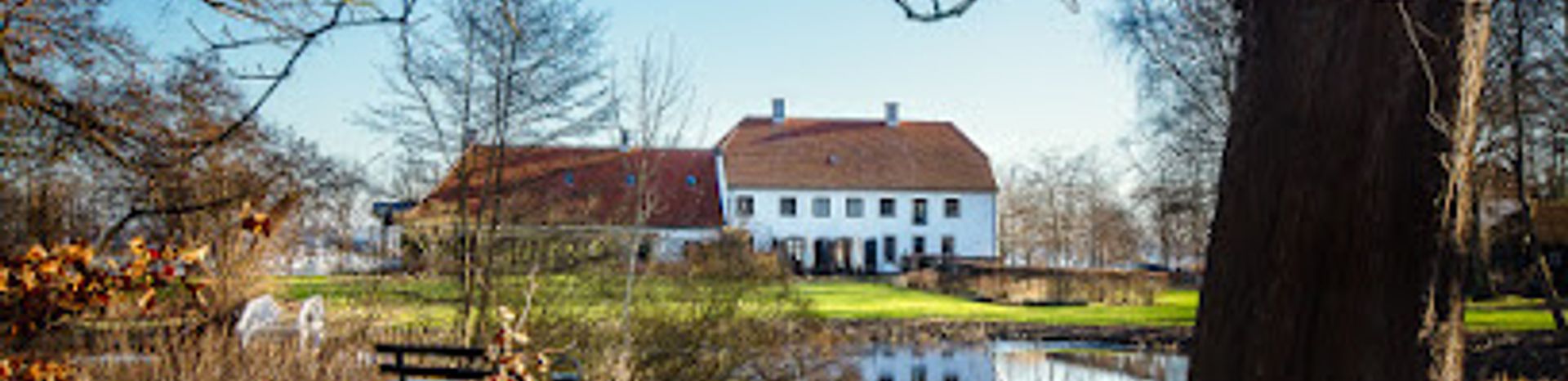
Karen Blixen Museum Rungstedlund
Intimate author’s home on the Øresund, where Karen Blixen’s preserved rooms, bird sanctuary and woodland grave reveal the world behind Out of Africa.
Set on the Øresund coast north of Copenhagen, the Karen Blixen Museum at Rungstedlund is the atmospheric former home of the celebrated Danish author of Out of Africa and Babette’s Feast. The 18th‑century house preserves Blixen’s rooms almost exactly as she left them, filled with art, books, fresh flower arrangements and personal objects that evoke her cosmopolitan life. Outside, a 15‑hectare bird sanctuary, woodland paths, her grave beneath an ancient beech and a cozy café make this both a literary pilgrimage and a tranquil nature escape.
A brief summary to Karen Blixen Museum Rungstedlund
- Rungsted Strandvej 111, Rungsted, 2960, DK
- +4545571057
- Visit website
- Duration: 1.5 to 3 hours
- Mid ranged
-
 Mixed
Mixed
- Mobile reception: 5 out of 5
- Tuesday 11 am-9 pm
- Wednesday 11 am-9 pm
- Thursday 11 am-9 pm
- Friday 11 am-5 pm
- Saturday 11 am-5 pm
- Sunday 11 am-5 pm
Local tips
- Plan at least two hours to explore both the house and the bird sanctuary; the interiors are compact but the grounds reward an unhurried walk.
- Combine your visit with a late afternoon slot on a clear day to enjoy soft coastal light in the gardens before the house closes.
- If you want café seating with a view, aim for off‑peak mealtimes when the terrace is quieter and you can linger over coffee.
- Bring a light jacket or layers even in summer; the coastal location can feel breezy when you are walking through the sanctuary.

For the on-the-go comforts that matter to you
- Restrooms
- Drink Options
- Drinking Water
- Food Options
- Seating Areas
- Sheltered Areas
- Trash Bins
- Information Boards
- Visitor Center
Getting There
-
Regional train and short walk
From central Copenhagen, take an Øresund or regional train toward Helsingør and get off at Rungsted Kyst; the ride usually takes 25–35 minutes and trains run several times an hour. Standard adult single tickets typically cost around 40–60 DKK depending on discounts and zones. From the station, allow about 10–15 minutes on foot along level paths through the coastal area; surfaces are mostly paved or well‑trodden, but those with limited mobility may prefer a taxi for the final stretch, especially in wet or icy weather.
-
Car or taxi from Copenhagen
Driving from central Copenhagen to Rungstedlund along the coastal road or motorway usually takes 25–40 minutes, depending on traffic. Expect a taxi fare in the region of 350–550 DKK one way, higher at busy times. The museum provides free visitor parking on site, but spaces can fill on sunny weekends or during special events, so arriving earlier in the day offers a better chance of finding a convenient spot.
-
Bicycle along Strandvejen
Confident cyclists can follow the scenic Strandvejen coastal route from northern Copenhagen suburbs to Rungsted, a journey that often takes 45–70 minutes each way depending on pace. The route includes cycle lanes and shared paths but also sections alongside car traffic, so it is best suited to riders comfortable with urban and suburban conditions. Wind off the Øresund can be strong, particularly in spring and autumn, so check the forecast and bring layers; you can return by train with your bike outside the local peak commuter periods for an additional small bike ticket.
Karen Blixen Museum Rungstedlund location weather suitability
-
 Mild Temperatures
-
 Clear Skies
-
 Any Weather
-
 Cold Weather
-
 Hot Weather
Discover more about Karen Blixen Museum Rungstedlund
A Coastal Estate Steeped in Literary History
Rungstedlund stands on the old coastal road north of Copenhagen, a low, whitewashed manor house that feels both intimate and quietly grand. This is where Karen Blixen was born in 1885 and where she returned after her years in Kenya, living and working here until her death in 1962. The building, one of the older properties along Strandvejen, has the proportions of an aristocratic country home, yet the atmosphere is unmistakably that of a writer’s refuge. Within these walls she wrote the stories that would carry her name far beyond Denmark, including Out of Africa and Babette’s Feast. The estate is more than a backdrop: it shaped her view of nature, memory and identity, and many visitors sense that the house itself is part of her narrative, a place where Europe and Africa, realism and myth, mingle in subtle ways.Inside the Preserved Home of an Author
The museum leads you through a sequence of rooms that still look and feel lived in. Drawing rooms, studies and bedrooms are furnished with antiques, paintings and textiles that Blixen herself chose, combining Danish pieces with objects from her African years. Fresh, seasonal flower arrangements echo the bouquets she liked to assemble, adding colour and fragrance to pale walls and polished floors. Display cases hold manuscripts, letters, photographs and first editions that trace her late but decisive breakthrough as an author under the pen name Isak Dinesen. Rather than overwhelming with detail, the interpretation offers clear entry points into her life story: her aristocratic roots, the African coffee farm, personal losses and the disciplined craft of turning experience into literature.Gardens, Bird Sanctuary and a Woodland Grave
Step outside and the mood shifts from salon to sanctuary. Behind the house stretches a 15‑hectare bird reserve laid out as meadows, ponds and woodland. Established in 1958 on Blixen’s own initiative, it remains freely accessible and is managed with biodiversity in mind, with nesting boxes and varied habitats that attract songbirds, waterfowl and raptors through the seasons. Paths wind through tall grass and under beech and oak, eventually leading to a prehistoric burial mound shaded by a 300‑year‑old beech tree. At its foot lies Blixen’s simple grave, an understated resting place that reflects her wish to be buried close to the land she loved. The quiet here, broken mainly by wind and birdsong, offers a contemplative counterpoint to the more curated interiors of the house.Café Life, Bookshop Finds and Literary Trails
In outbuildings near the main house, the museum café Madam Carlsen serves brunches, lunches and cakes with views of both forest and sea. Named after Blixen’s long‑time housekeeper, it feels like an extension of the home: wooden tables, soft light and an easy blend of locals and visitors lingering over coffee. On fine days, the terrace becomes a vantage point over lawns and treetops towards the Øresund. The shop next door stocks her works in several languages, along with studies of her life, art prints and carefully chosen design pieces. Rungstedlund is also the starting point for the signed BLIXEN hiking route, a circular 16‑kilometre trail with audio stories that connects the estate to the wider coastal landscape, inviting you to experience the region through her words.A Day’s Escape from the City
Although only a short journey from central Copenhagen, the estate feels worlds away from urban pace. The combination of museum, garden, sanctuary and café encourages an unhurried visit, moving back and forth between house and grounds as the light changes over the Øresund. In summer, leafy paths and birdsong dominate; in winter, the low Nordic light and bare trees lend the place a stark, reflective beauty. Whether you arrive as a devoted reader or simply curious, Rungstedlund offers an unusually cohesive picture of a writer’s universe. The preserved rooms, the coastal setting and the emphasis on nature all help to illuminate how Karen Blixen’s life and surroundings informed the stories that still carry her voice around the world.Iconic landmarks you can’t miss

Hørsholm Slotshave
2.7 km
A baroque garden where Scandinavia's lost palace still echoes through ancient linden trees.
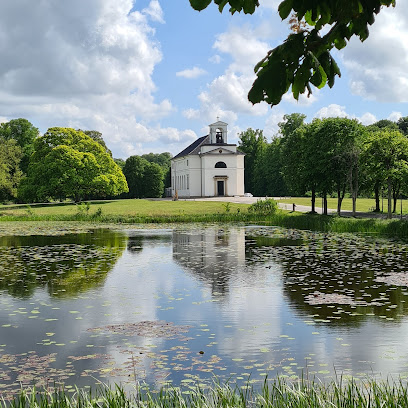
Henriksholm
3.0 km
A quiet Vedbæk hillside where Stone Age burials, villa culture and Cold War command history meet in a leafy coastal neighbourhood north of Copenhagen.
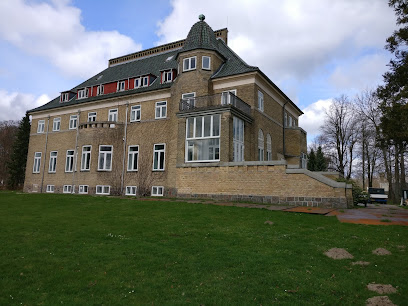
Lyngby Storcenter
12.7 km
Discover a world of shopping and dining at Lyngby Storcenter, one of Denmark's largest malls, offering a vibrant mix of international brands and local favorites in the heart of Kongens Lyngby.
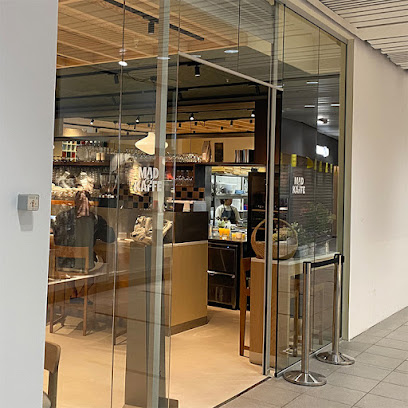
Furesø
12.8 km
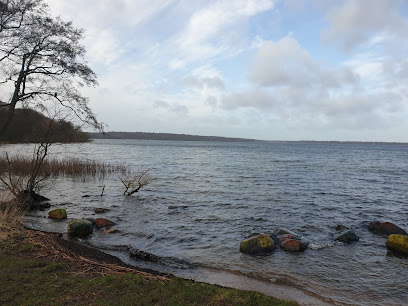
Denmark's deepest lake offers pristine waters, historic heritage, and year-round outdoor adventures just 20 km from Copenhagen.
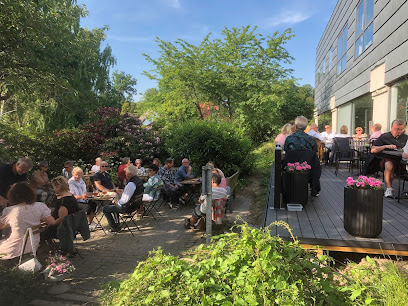
Country Market
13.9 km
Experience the charm of Fredensborg at Country Market, a vibrant marketplace offering local delicacies, artisan products, and a cozy café atmosphere in the heart of town.
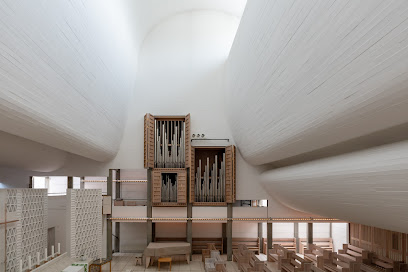
Bagsværd Kirke
14.9 km
A modest suburban shell concealing Jørn Utzon’s luminous “cloud” church, where Nordic minimalism, sculpted concrete and tranquil courtyards create a serene urban sanctuary.
Hillerød St.
15.3 km
North Zealand's essential transport hub connecting Copenhagen, regional destinations, and Frederiksborg Castle.
Hillerød Rectory
15.7 km
Discover the Befrielsessten in Høgsholt, Vejle—a serene memorial park honoring Denmark's journey to freedom amidst lush landscapes.
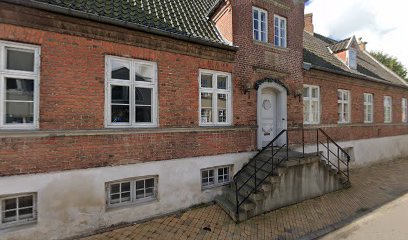
Old town hall
15.8 km
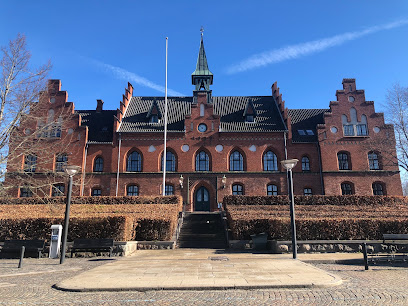
A dignified brick landmark on Hillerød’s main square, the Old Town Hall anchors the town’s civic heart between cobbled streets, cafés and castle views.
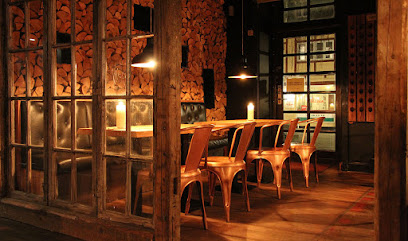
Skänk øl, vin & madbar Hillerød
15.8 km
Experience Danish craft beers, global wines, and tasty tapas at Skänk in Hillerød, a cozy spot with castle views and a welcoming atmosphere on Torvet square.
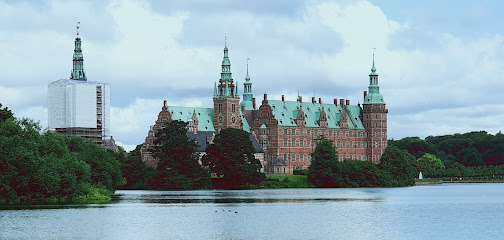
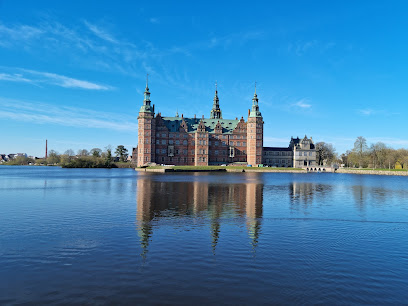
Frederiksborg Castle
16.1 km
Discover 500 years of Danish history at Frederiksborg Castle, Scandinavia's largest Renaissance castle, home to the Museum of National History and stunning Baroque gardens.
The Museum of National History
16.1 km
Discover 500 years of Danish history within the walls of Frederiksborg Castle, a breathtaking Renaissance masterpiece showcasing portraits, art, and royal splendor in a fairytale setting.
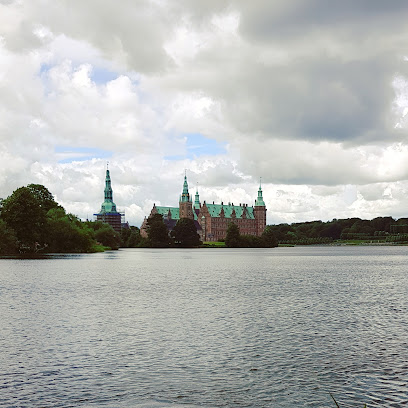
Frederiksborg Castle Chapel
16.2 km
Denmark's most exquisite royal chapel—a 400-year-old sanctuary of Baroque splendor and unbroken spiritual tradition.
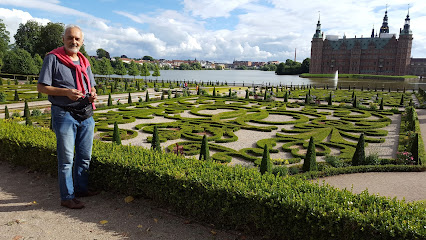
Drive in Put and Take
16.3 km
Discover a serene fishing escape at Drive in Put and Take in Lynge, Denmark, boasting clear waters, family-friendly facilities, and a tranquil atmosphere just a short drive from Copenhagen.
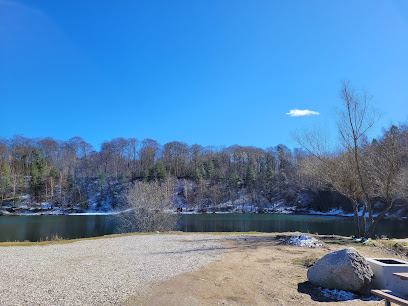
Kingo Houses
16.7 km
Pioneering social housing where modernist design meets human dignity and natural landscape harmony.
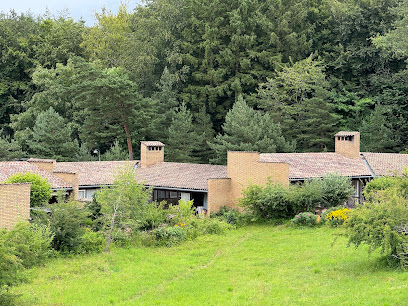
Unmissable attractions to see

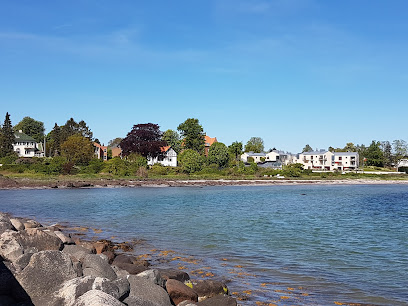
Rungsted Harbour
0.2 km
Lively Øresund marina where sleek yachts, waterfront cafés, and wide coastal views blend into a relaxed Danish seaside atmosphere all year round.
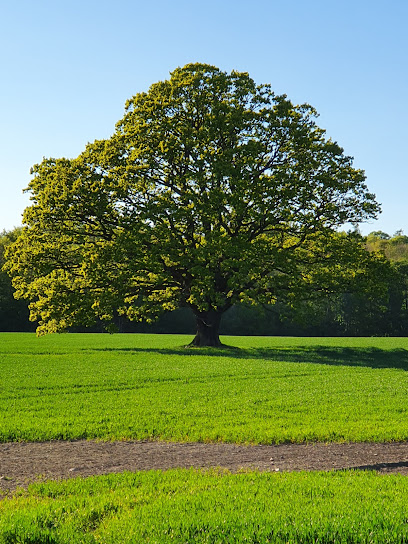
Kongeegen i Vedbæk
2.2 km
A quietly impressive old oak on the edge of Vedbæk’s houses and greenery, offering a brief, grounding pause in everyday surroundings.
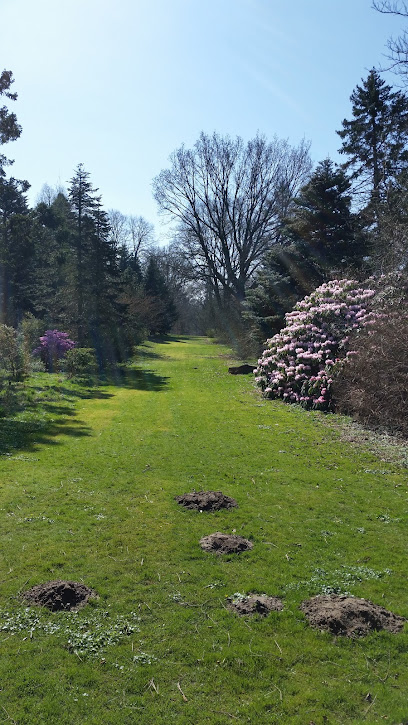
Arboretum
2.9 km
A tranquil university-run arboretum in Hørsholm, showcasing 2,000 tree and shrub species in a spacious park of winding paths, ponds and seasonal colour.
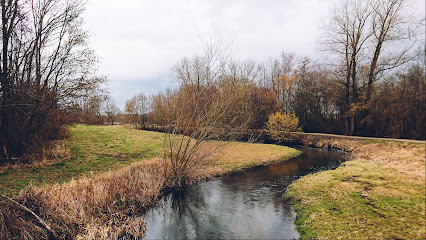
Usserød Å
3.9 km
A gentle North Zealand stream weaving a green, everyday escape through Kokkedal’s neighbourhoods, perfect for unhurried walks, fresh air and simple nature moments.
Elleskovstien
4.8 km
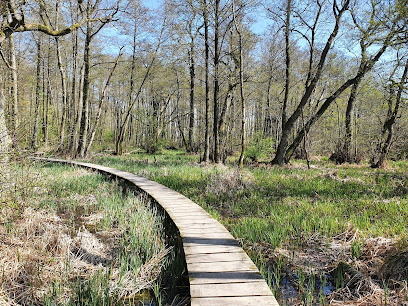
A raised wooden boardwalk leads you into Hørsholm’s own “mini‑mangrove”: a quiet marsh and lakeside wetland where alder forest, reeds and artful details reward unhurried wandering.
Nivågård’s Malerisamling
5.2 km
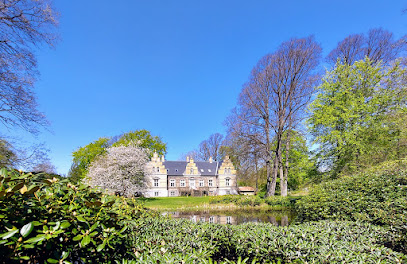
An intimate North Zealand art museum where Renaissance masters, Dutch Baroque painters and Danish Golden Age canvases meet in a romantic garden by the Øresund coast.
Nivå Bugt Strandenge
5.3 km
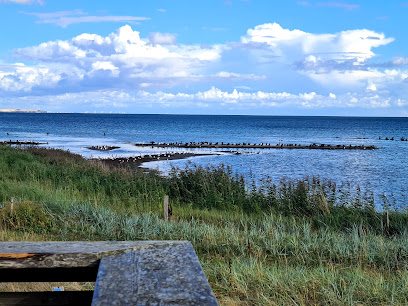
Low, windswept coastal meadows where Øresund meets the Nivå river, offering tranquil paths, wide skies and remarkably rich birdlife just south of Nivå.
Bøllemosen
6.5 km
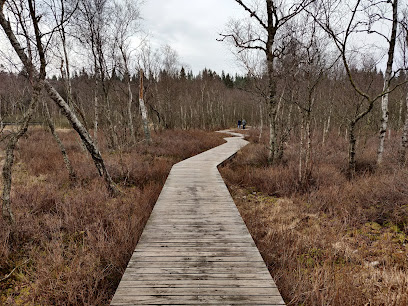
Ancient peat bog and beech forest with boardwalk trails, nature playground, and bonfire facilities near Copenhagen.
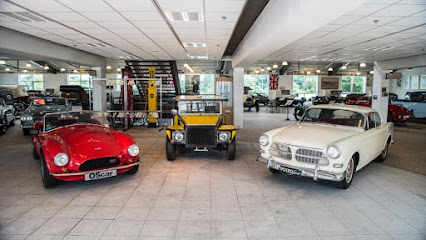
Sommer's Automobile Museum
7.3 km
A three-storey Danish car haven where Jaguars, Volvos and rare home-built specials tell a vivid story of 20th‑century motoring and mechanical passion.
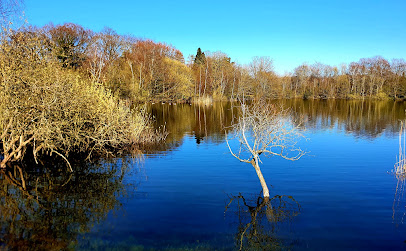
Store Donse Dam
8.8 km
A tranquil forest-fringed lake in North Zealand where calm water, simple shelters and soft Danish light invite slow walks, campfires and quiet reflection.
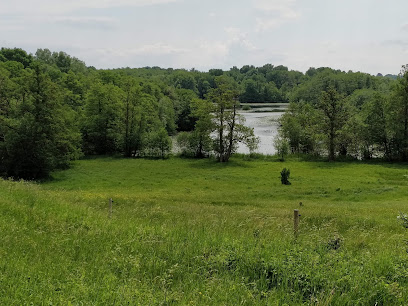
Vaserne
8.8 km
Sheltered between Birkerød and Sjælsø, Vaserne is a protected wetland reserve of reeds, swamp forest and bird-filled lakes offering quietly immersive nature on the city’s edge.
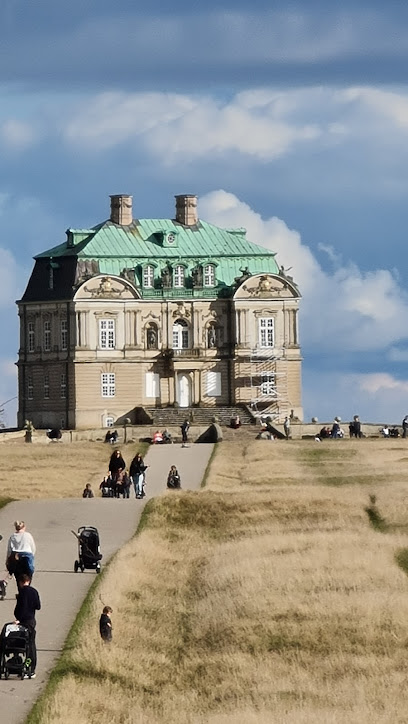
Jægersborg Dyrehave
9.2 km
UNESCO-listed royal deer park just north of Copenhagen, where ancient oaks, open meadows and free-roaming herds create a vast, car-free escape from the city.
Geels Skov
9.4 km
An accessible Copenhagen-edge woodland of beech trees, clear trails and cosy fire pits, Geels Skov is where everyday life slips easily into fresh-air forest time.
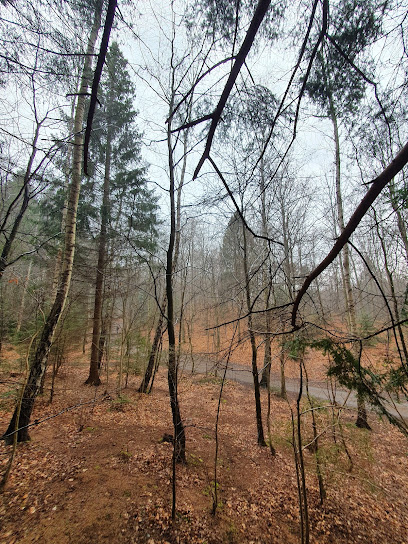
Louisiana Museum of Modern Art
9.6 km
An iconic modern art museum where glass pavilions, sculpture gardens and seaside views weave art, architecture and Danish coastal light into one seamless experience.
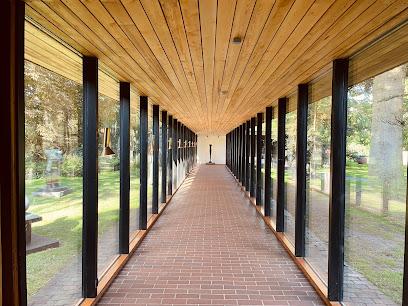
Ven
9.8 km
A small Öresund island of high cliffs, open fields and Tycho Brahe’s starry legacy, best explored at bike pace between harbours, churches and big horizons.
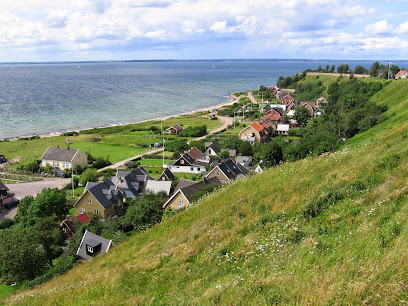
Essential places to dine

Bistro No. 22
0.2 km
Relaxed harbourfront bistro on Rungsted Havn, serving comforting Nordic brasserie dishes with marina views from light-filled interiors and a lively waterfront terrace.
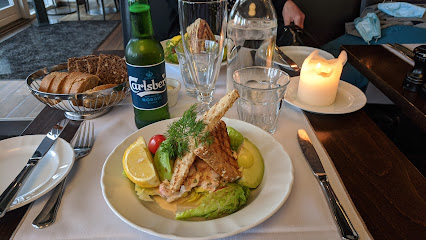
MASH Rungsted Havn
0.4 km
Harbourfront steakhouse indulgence at Rungsted Havn, where prime cuts, a serious wine list and a broad terrace meet white sails and Øresund views.
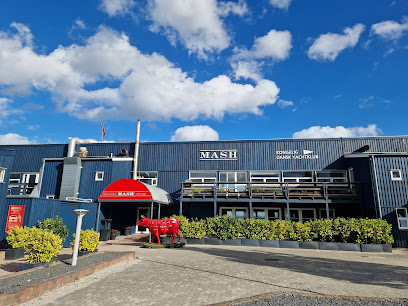
Søllerød Kro
8.3 km
Historic thatched Danish inn turned Michelin-starred dining destination, where refined French-inspired cuisine, deep wines and warm village charm meet by a tranquil pond.
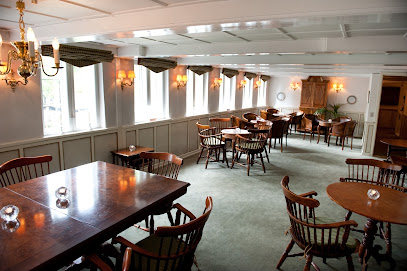
Gl. Humlebæk Kro
9.9 km
Historic Danish kro since 1740, serving traditional smørrebrød and coastal hospitality.
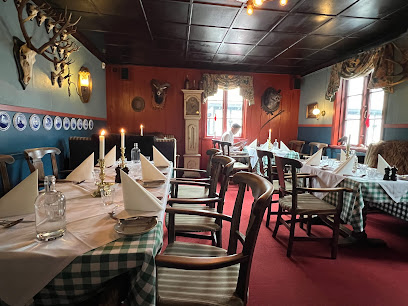
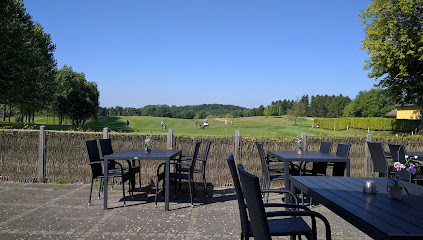
Lakeside Restaurant
10.8 km
Casual dining on the edge of Simons Golf Club, where generous Danish-inspired dishes meet wide green views and a calm North Zealand countryside setting.
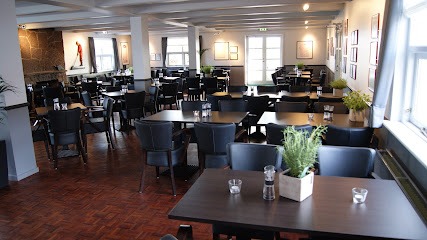
Restaurant Nysøgaard ApS
13.7 km
Homely Danish cooking in a farmhouse‑style setting on the edge of Hillerød, ideal for relaxed lunches and family meals after exploring Frederiksborg Castle.
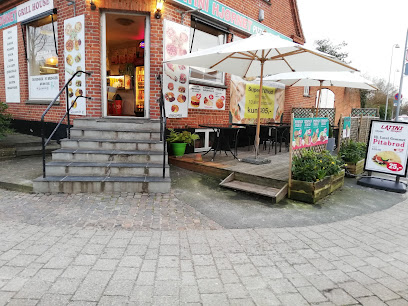
Latini Hjørnet
14.3 km
Casual corner pizzeria and burgerhouse in suburban Hillerød, serving hearty pizzas, pastas and fast‑food favourites for easy eat‑in or takeaway meals.
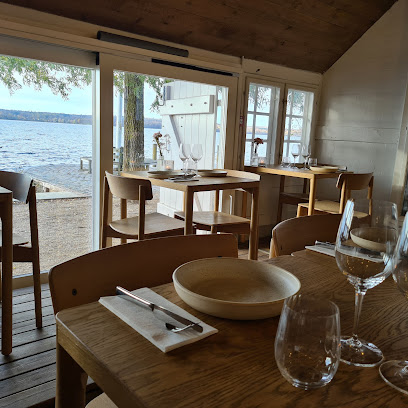
Skipperhuset Fredensborg
14.8 km
Refined Nordic cuisine and panoramic sunsets on the shores of Lake Esrum.
Hong Kong Bistro & Grill
14.9 km
Unfussy Chinese‑Thai grill and wok spot in Hillerød serving hearty noodles, curries, steaks and spareribs in a simple, relaxed neighborhood setting.
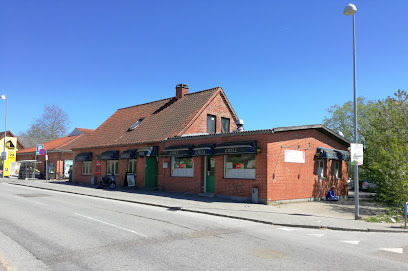
Lpm Restauranter v/Lars Peter Mølvang
15.0 km
Contemporary Nordic dining in the heart of Hillerød, open daily for lunch and dinner.
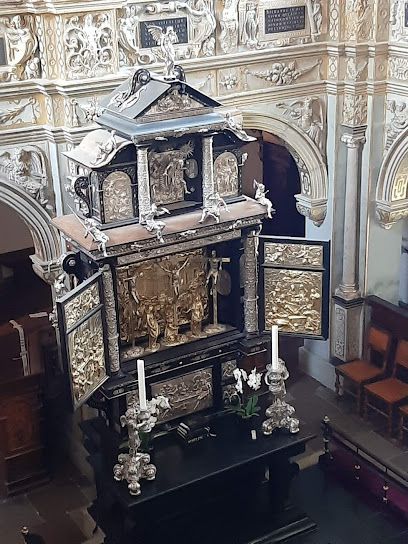
Cafe Station Pizza Bar
15.3 km
Casual, station‑side pizza and café classics in the heart of Hillerød’s transport hub, ideal for quick bites, easy dinners and relaxed, no‑frills stopovers.
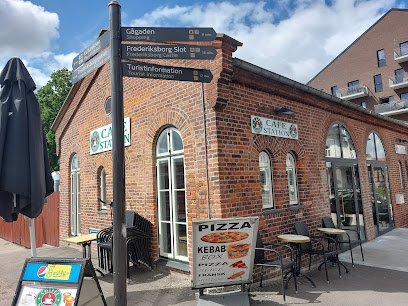
You Sushi
15.3 km
Casual Japanese-inspired sushi spot by Hillerød station, blending open-kitchen theatrics, ad libitum feasts and easy takeaway for locals and visitors alike.
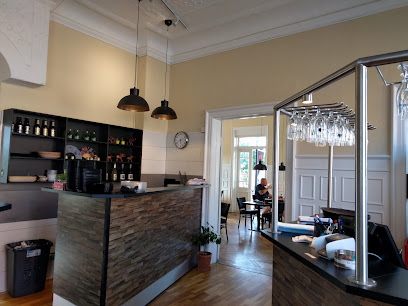
Gourmet Sushi
15.6 km
Compact sushi specialist by Hillerød station, serving fresh rolls and generous gourmet platters with a relaxed, takeaway‑first vibe and a few informal seats.
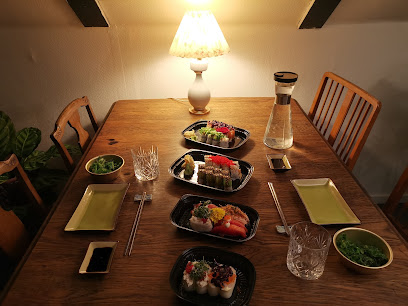
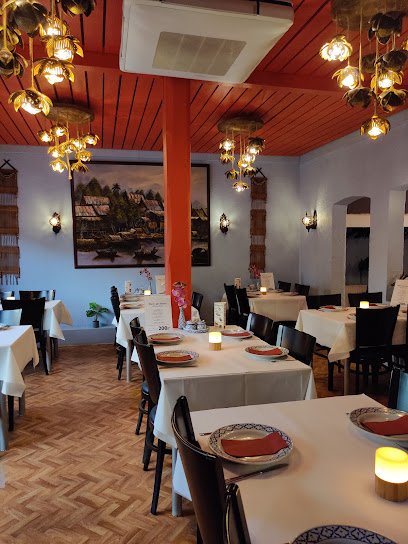
Thai 4 You - Thai Restaurant og Take Away
15.7 km
Authentic Thai flavors prepared by professional chefs in central Hillerød.
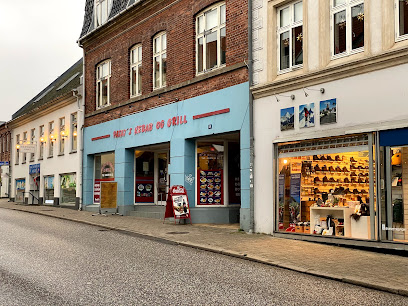
Patats Kebab & Grill
15.7 km
Casual Turkish-style kebab and grill in central Hillerød, serving generous, inexpensive plates, pitas and durums just a short walk from the town’s main sights.
Markets, malls and hidden boutiques

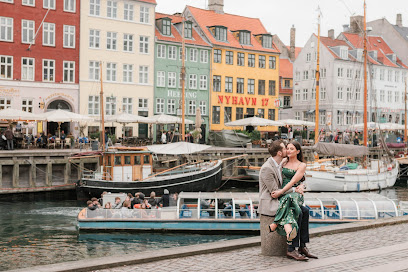
The Late Morning Post Photographer
14.0 km
Fine art wedding and family photography studio capturing authentic moments with artistic vision and warmth.
Kids Coolshop Helsingør
15.3 km
Expertly curated toys for every age, where playtime possibilities meet personalized service.

Prøvestencentret
15.4 km
A practical, car-friendly shopping hub in Helsingør, ideal for everyday essentials, free parking and quick errands between more traditional North Zealand sights.
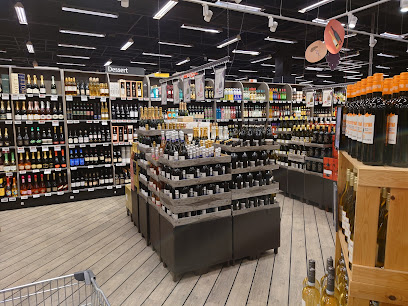
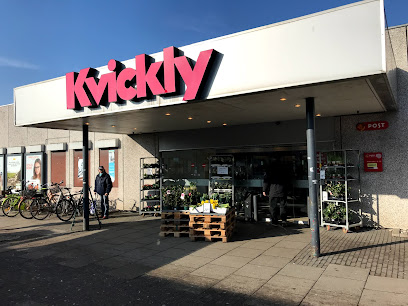
Kvickly
15.4 km
Spacious Danish supermarket and home goods store in Helsingør’s Prøvestenscentret, ideal for stocking up on groceries, picnic supplies and everyday essentials.
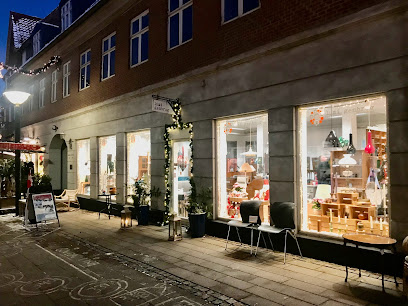
Lumi Op Shop
15.7 km
Cosy Hillerød charity thrift store and café where vintage furniture, second-hand finds and lakeside castle views meet to support meaningful mission projects.
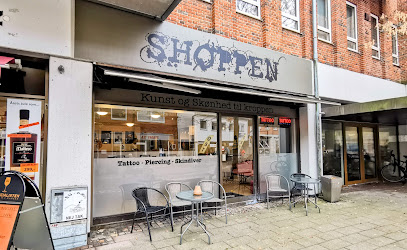
Shoppen
15.8 km
A local tattoo studio woven into Hillerød’s main pedestrian street, where custom ink sessions sit just steps from cafés, shops and everyday Danish life.
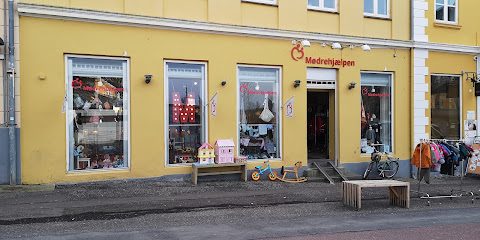
Mothers' Aid Op Shop
15.8 km
Bright, family‑focused charity shop on Hillerød’s main square, where gently used children’s clothes and toys support vital work for parents and kids in Denmark.
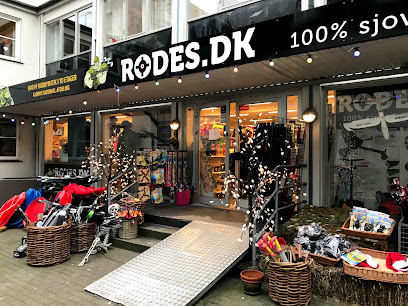
Rodes
15.9 km
Two floors of toys, gear and airsoft in an 800 m² megastore that turns central Hillerød into a playground for kids, teens and grown‑up hobby enthusiasts.
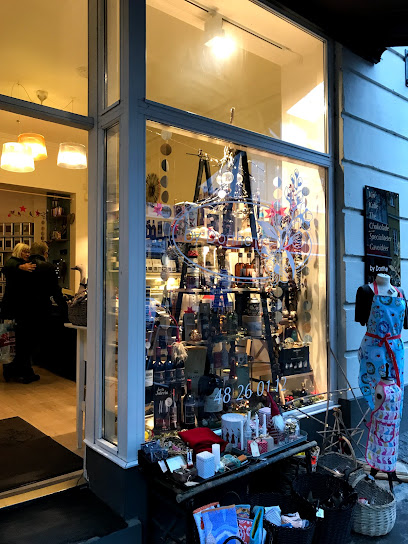
Vinbutikken
15.9 km
Cosy wine and delicacies shop on historic Slotsgade in Hillerød, pairing castle-side charm with handpicked bottles, gourmet treats and friendly, expert advice.
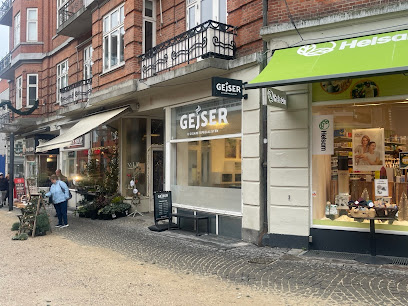
GEjSER ApS
15.9 km
Expert vape shop on Slotsgade offering quality e-cigarettes, e-liquids, and accessories for all experience levels.
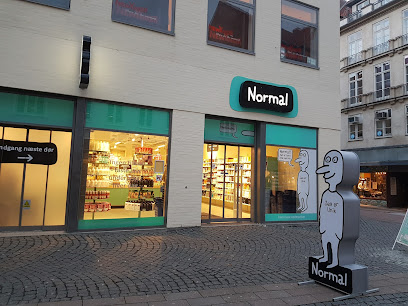
Normal
15.9 km
Bright, budget-friendly high-street shop in the heart of Hillerød, ideal for topping up toiletries, snacks and quirky small finds between castle-town explorations.
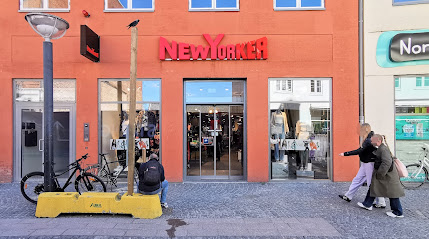
NEW YORKER
15.9 km
Contemporary fashion trends and accessible style in Hillerød's shopping heart.
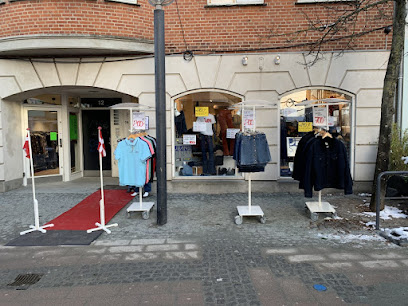
JeansStore
16.0 km
Denmark's premier denim specialist offering authentic Lee and Wrangler collections with expert guidance.
Gine
16.0 km
A compact, Scandinavian-inspired womenswear boutique on historic Slotsgade, perfect for a relaxed browse between castle views, coffee stops and city-center strolls.
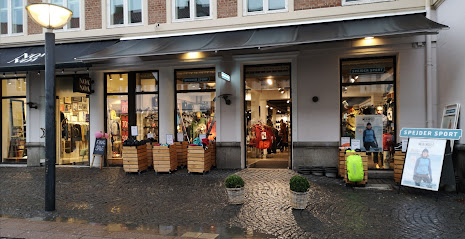
Spejder Sport
16.0 km
Denmark's largest outdoor chain where expert staff and quality gear prepare you for every adventure.
Essential bars & hidden hideouts

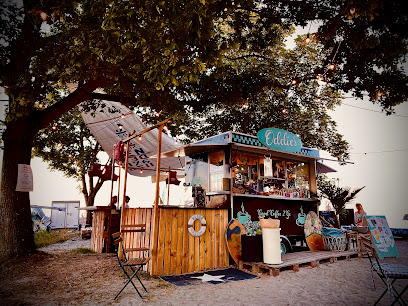
Oddies Beach Bar
0.2 km
Relaxed beach bar on the sand at Rungsted Havn, blending Nordic coastal charm with a hint of tropical island mood and sweeping Øresund sea views.
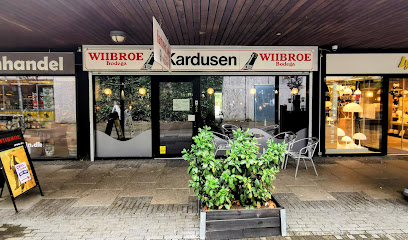
Kardusen
15.3 km
Casual wine bar in central Helsingør offering relaxed evenings and accessible pricing.
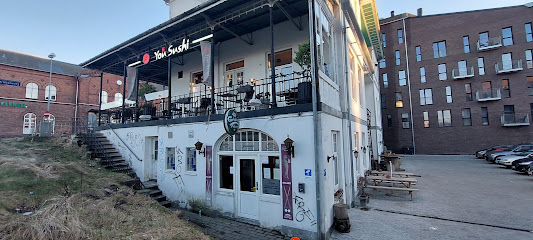
Jernstangen
15.3 km
Old-school Hillerød pub opposite the station, with billiards, darts, dice games and live music nights in a laid‑back, locals-first atmosphere.
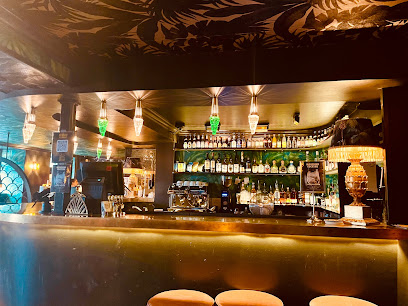
Crane Brothers
15.8 km
Cosy cocktail bar on Hillerød’s main square, blending inventive drinks, warm design and a relaxed, grown-up atmosphere with access to the adjacent Tahonga Lounge.
Tahonga Lounge
15.8 km
Intimate tiki-style lounge bar off Hillerød’s central square, blending cocktails, small-stage events and private parties in a cozy tropical hideaway.
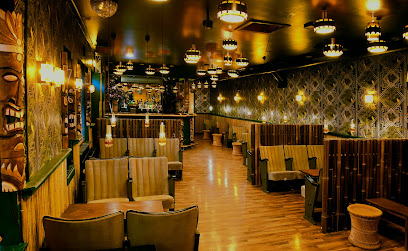
The Old Irish Pub
15.9 km
Lively Irish-style bar and late-night dance venue on Hillerød’s central square, pouring pints, playing hits and catering to a sociable, mature party crowd.
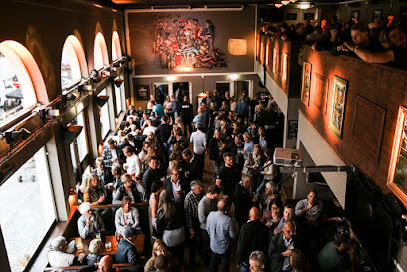
Møllen
16.1 km
A welcoming Danish bodega in Hillerød's heart, where locals gather for drinks, snacks, and authentic social connection.
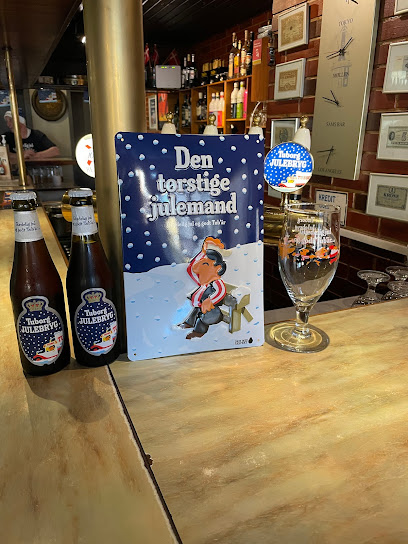
Head/Foam
17.0 km
Modern neighbourhood bar near Helsingør’s historic centre, pouring craft beer and cocktails from midday to the early hours in a lively, social setting.
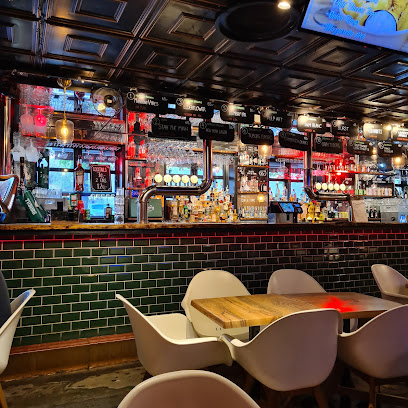
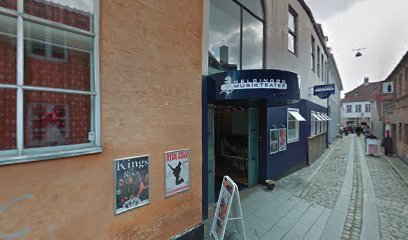
Helsingør Musikteater
17.3 km
Historic theatre and bar hosting live concerts, exhibitions, and dinner events in central Elsinore.
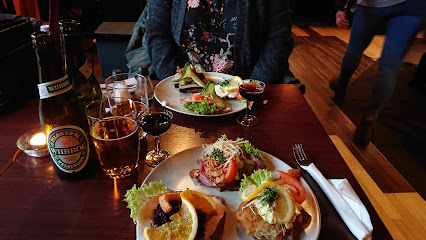
Strandborg
17.3 km
Waterfront bar and restaurant where Helsingør's harbor views meet casual Nordic dining and evening social scene.
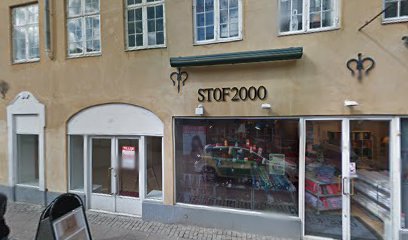
Banana joe
17.4 km
Compact late-night bar above Helsingør’s nightlife strip, serving straightforward drinks, warm lighting and a relaxed local vibe long after the streets quieten.
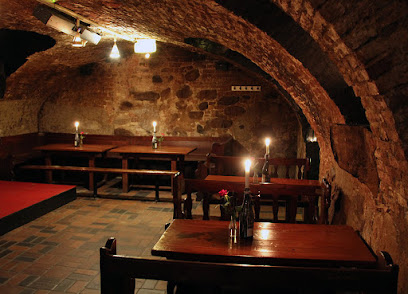
Holger
17.4 km
Cozy cellar bodega on Helsingør’s Stengade, pouring inexpensive beers and spirits, with live music nights and a laid-back local crowd deep into the night.
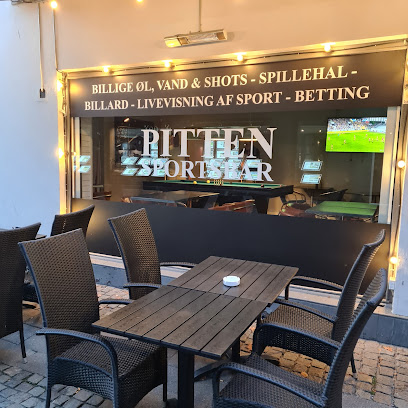
Pitten Sport Bar
17.5 km
Straightforward sports, cold beer and local Helsingør character in a relaxed neighbourhood bar just a short stroll from the harbour and historic centre.
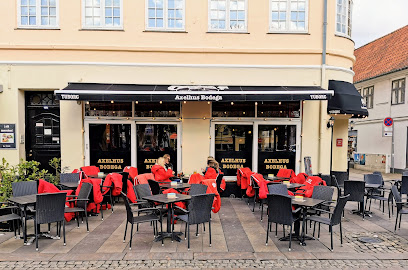
Axelhus
17.5 km
Casual bodega and burger bar in Helsingør's old town, open late on weekends with beer and Danish comfort food.
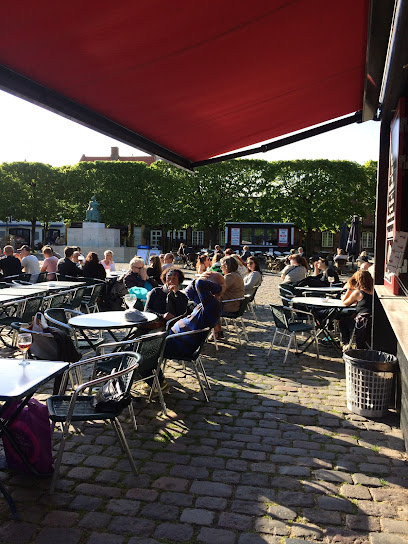
Hold-An
17.5 km
Unfussy beer hall and local bar in central Helsingør, pouring cold brews, simple bites and everyday Danish hygge from late morning to late night.
Nightclubs & after hour spots

Walther's grillkylling og svuppeklub
15.9 km
Intimate neighborhood nightclub in Helsingør with loud music, simple drinks, and a playful local vibe behind an unassuming facade on Rødegårdsvej.

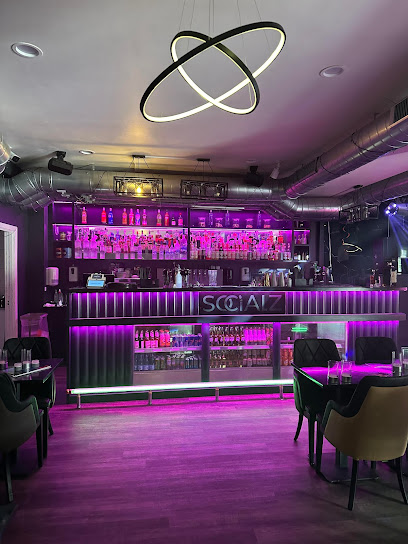
Socialz
16.2 km
Intimate cocktail bar and nightclub in the heart of Hillerød, blending shisha lounge vibes, late-night DJ sets and a compact dance floor on lively Slotsgade.
Rustik
17.0 km
Helsingør's premier weekend nightclub with craft cocktails and high-energy dancing until dawn.
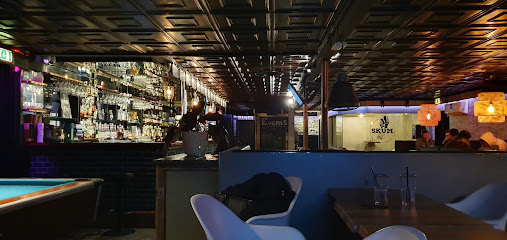
Retro
17.4 km
High-energy weekend nightclub in central Helsingør, mixing big-room beats, bright lights and a young crowd in what calls itself the largest club north of Copenhagen.
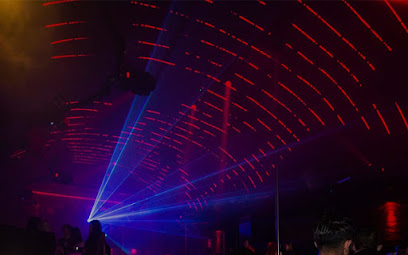
SIGURD CPH
20.0 km
Discover the pulse of Copenhagen's nightlife at SIGURD CPH, where vibrant dancing, fine wines, and pachinko gaming come together for an unforgettable experience.
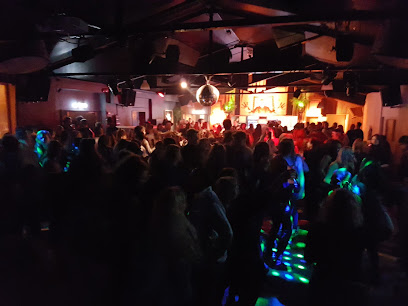
Afrobeat Palace Nightclub
20.4 km
Discover the energetic Afrobeat Palace Nightclub in Copenhagen, where music, dance, and multicultural vibes unite for an unforgettable nightlife experience.
RUST Natklub
21.4 km
Discover the pulsating heart of Copenhagen's nightlife at RUST Natklub, where eclectic beats and vibrant energy come together for an unforgettable experience.
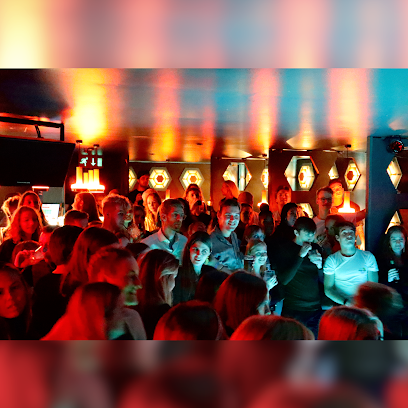
Temple Bar
21.6 km
Discover the energetic vibe of Temple Bar in Nørrebro, Copenhagen, where great drinks and lively entertainment meet.
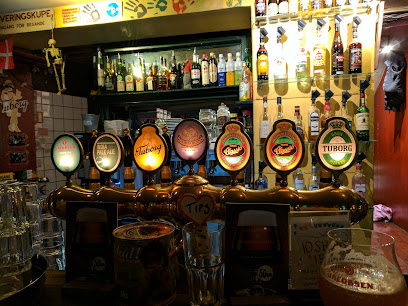
Falafelberg
21.9 km
Discover the pulsating nightlife of Frederiksberg at Falafelberg, a night club offering delicious falafel and electrifying music for an unforgettable experience.
Culture Box
22.1 km
Discover the heartbeat of Copenhagen's nightlife at Culture Box, where music, art, and dance create an unforgettable experience.
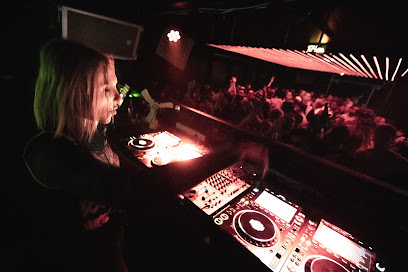
Moon Club
22.4 km
Discover the pulsating nightlife of Copenhagen at Moon Club, where electrifying beats and vibrant energy create unforgettable nights.
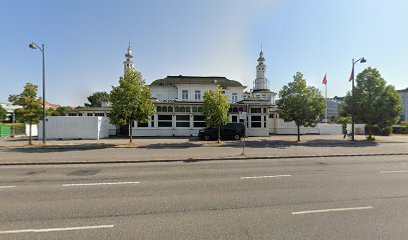
Mirage
22.5 km
Dive into the electrifying nightlife at Mirage, Copenhagen's premier night club for an unforgettable evening of music, dancing, and entertainment.

Mini Bar
22.5 km
Discover the vibrant nightlife of Copenhagen at Mini Bar, a premier night club offering eclectic tunes and a lively atmosphere for unforgettable nights.
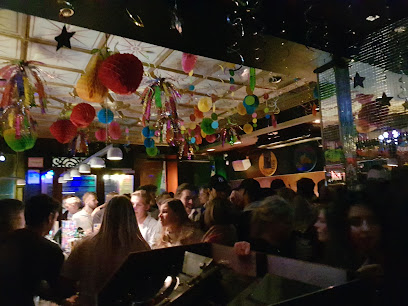
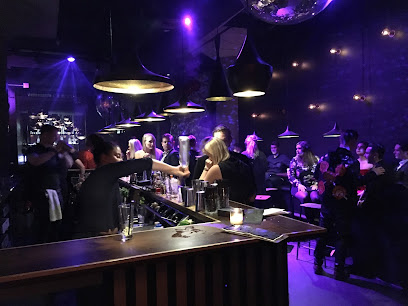
Arch
22.5 km
Discover the vibrant nightlife of Copenhagen at Arch, a premier night club offering electrifying music and an unforgettable atmosphere.

The Zoo
22.6 km
Intimate late-night nightclub on Sværtegade in Copenhagen’s historic center, blending a compact dance floor, DJ-driven beats and a casual, social bar atmosphere.
For the vibe & atmosphere seeker
- Tranquil
- Scenic
- Relaxing
- Unique
- Casual
- Romantic
For the design and aesthetic lover
- Vintage Styles
- Rustic Designs
For the architecture buff
- Historic
- Landmarks
- Parks & Gardens
- Heritage Neighborhoods
For the view chaser and sunset hunter
- Iconic Views
- Panoramas
- Sunset Spots
- Waterfront
For the social media creator & influencer
- Photo Spots
- Architectural Shots
- Instagrammable
- Aesthetic Corners
- Reel-Friendly
For the eco-conscious traveler
- Protected Area
- Wildlife Habitat
- Public-Transport Accessible
- Locally Managed
- Low Impact
For the kind of experience you’re after
- Cultural Heritage
- Photowalk
- Nature Escape
- Day Trip
- Mindfulness
- Adventure Photo Shoot
- Myth & Legends
For how adventurous you want the journey to be
- Easy Access
Location Audience
- Family Friendly
- Senior Friendly
- Teen Friendly
- Child Friendly
- Wheelchair Access
- Solo Friendly
- Couple Friendly
- Solo Female Friendly
- LGBT Friendly


