
Flynderupgårdmuseet, Helsingor Travel Guide
A historic North Zealand manor farm where fields, animals and a working kitchen bring everyday Danish country life of the early 1900s vividly back to life.
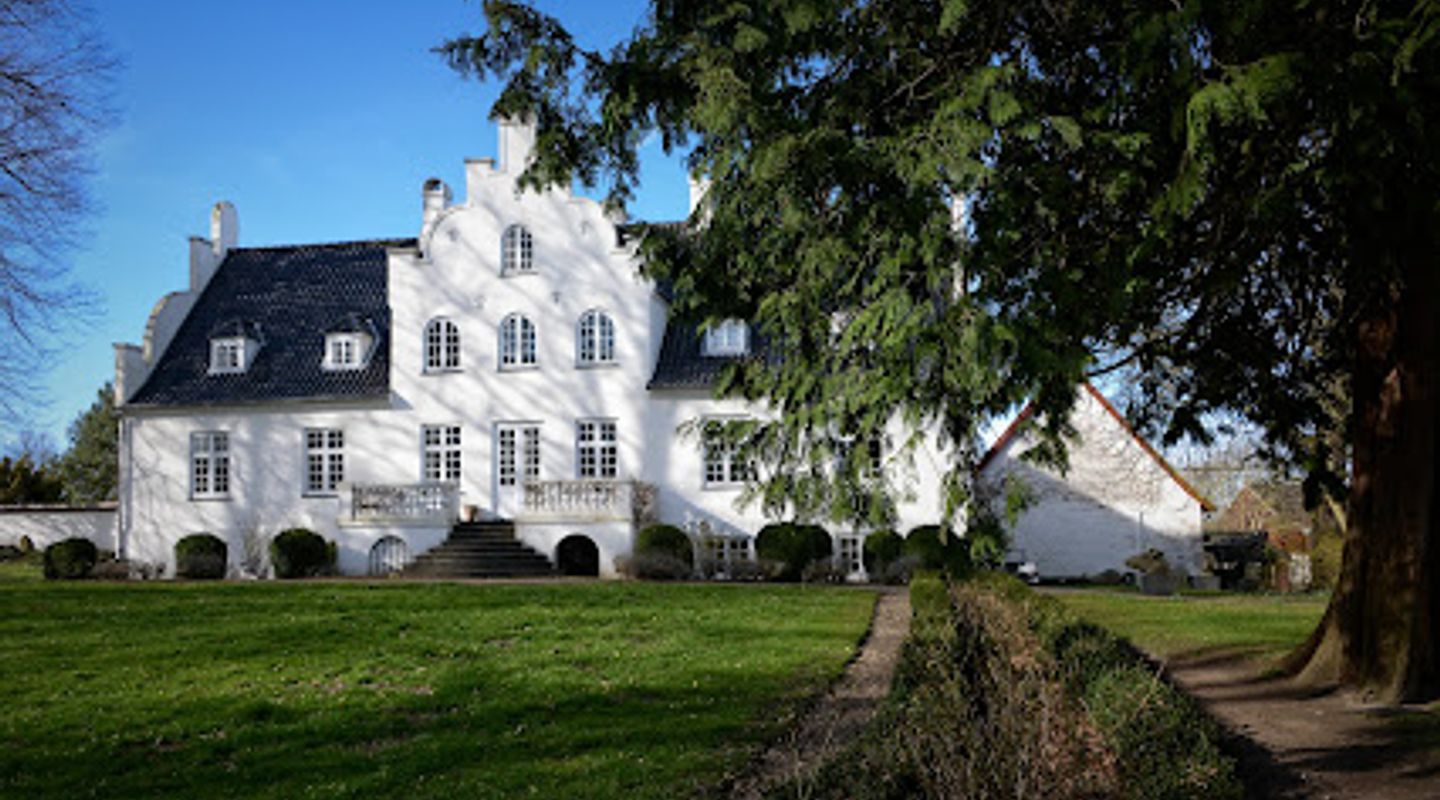
Set in a former manor on the edge of Espergærde, Flynderupgård Museum brings rural North Zealand to life with historic farm buildings, working fields and a homely old kitchen. Here you step into everyday Danish country life from the early 1900s, surrounded by orchards, gardens and traditional livestock. Exhibitions, seasonal activities and changing displays explore agriculture, local culture and food traditions, making this a gentle, hands-on escape from nearby Helsingør and Kronborg.
A brief summary to Flynderupgårdmuseet
- Agnetevej 9, Espergærde, 3060, DK
- Click to display
- Click to display
- Duration: 1 to 3 hours
- Budget
-
 Mixed
Mixed
- Mobile reception: 4 out of 5
- Thursday 12 pm-4 pm
- Friday 12 pm-4 pm
- Saturday 12 pm-4 pm
- Sunday 12 pm-4 pm

Know before you go
Hi, I'm Eve. Here are a few practical things to know before exploring Flynderupgårdmuseet.
- Check current opening days in advance; the museum typically opens limited afternoons and may adjust hours seasonally and around holidays.
- Allow extra time if you want to explore nearby walking trails that connect Flynderupgård with the countryside between Helsingør and Hammermøllen.
- Wear comfortable shoes suitable for gravel yards and grassy areas, as much of the experience takes place outdoors around the farm buildings.
- Look out for seasonal events featuring the historic kitchen or farm animals, which add hands-on elements especially engaging for children.
- Bring a light jacket; even on sunny days, sea breezes and shade around the old buildings can make temperatures feel cooler than expected.
Do you manage this location?
Take control to get all the benefits, like improved information, better appearance, and stronger visibility across AI-powered discovery. Learn more about listing your business on Evendo
Activate your presenceOther nearby places you may find interesting
The closest places of the same kind, if this one is not quite what you had in mind.
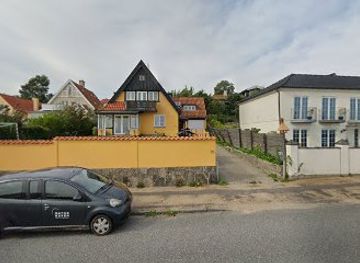
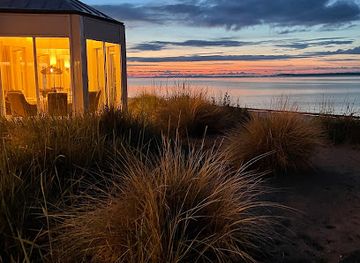
Explore Flynderupgårdmuseet on the Map
A handpicked selection of must-see spots near Flynderupgårdmuseet, mapped for you.
Getting There
-
Regional train and local walk from Helsingør
From Helsingør, board a regional or coastal train toward Copenhagen and get off at Espergærde Station; the ride usually takes 7–10 minutes and a standard adult ticket costs roughly 25–35 DKK one way. From the station, expect a 15–20 minute walk on pavements and quiet residential streets with gentle inclines. Surfaces are mostly even, but wheelchair users may prefer assistance for the final approach due to occasional uneven sections and gravel near the museum.
-
Train from central Copenhagen
From central Copenhagen, take the coastal line toward Helsingør and alight at Espergærde Station; the journey typically takes 40–50 minutes with departures several times per hour during the day. A one-way adult ticket usually ranges from 80–110 DKK depending on discounts and time of purchase. From Espergærde Station, the museum is reachable on foot in about 15–20 minutes along urban paths, suitable for most visitors in normal weather but less ideal in heavy rain or snow.
-
Car or taxi within North Zealand
Driving from Helsingør or nearby North Zealand towns takes around 10–20 minutes, depending on starting point and traffic. There is typically free or low-cost parking close to the museum, but spaces can be limited during school holidays or special events. A taxi from central Helsingør generally costs in the range of 150–250 DKK one way, varying with time of day and traffic conditions; this option offers the easiest access for visitors with limited mobility.
For the on-the-go comforts that matter to you
-
 Restrooms
-
 Drink Options
-
 Food Options
-
 Seating Areas
-
 Sheltered Areas
-
 Trash Bins
-
 Information Boards
Discover more about Flynderupgårdmuseet
A manor farm on the edge of town
Flynderupgård Museum sits just outside Espergærde, where the suburbs thin out into open fields and the Øresund light hangs over the landscape. Centered on a low whitewashed manor house with red-tiled roofs, the site feels more like a lived-in farm than a conventional museum. Gravel crunches underfoot, barns and stables frame the yard, and the smell of earth and hay often hangs in the air.The estate tells the story of a North Zealand country property that once supplied grain, vegetables and livestock to the surrounding communities. Indoors, rooms are furnished much as they might have been in the early 20th century, from polished wood furniture to patterned textiles and everyday objects left as if the owners had just stepped out.Everyday life in historic interiors
Inside the main building you wander through parlors, bedrooms and workrooms that recreate rural middle-class life around the turn of the last century. Display cases are kept to a minimum; instead, the narrative unfolds through carefully arranged interiors, photos and tools that show how people cooked, worked and celebrated.The museum’s historic kitchen is a particular highlight. Here the heavy stove, worn chopping boards and copper pots evoke a time before modern appliances, when meals were built around local produce and careful preservation. On selected days the kitchen becomes a working space again, with traditional recipes, seasonal dishes and the aromas of slow cooking filling the room, underlining the connection between farm, field and table.Yard, animals and cultivated landscape
Step back outside and the story continues in the farmyard. Outbuildings, sheds and stables frame small paddocks and pens that, depending on the season, may host heritage breeds of sheep, chickens or other livestock. Their presence adds sound and movement, reminding you that this was once a productive workplace rather than a static display.Beyond the buildings, paths lead past kitchen gardens, orchards and small fields that illustrate traditional cultivation in North Zealand. Old fruit varieties, neatly laid-out vegetable beds and simple tools hint at the rhythms of sowing, harvesting and preserving that structured life here long before supermarkets and fridges.Changing exhibitions and seasonal rhythms
Flynderupgård also functions as a small cultural center for the surrounding area. Indoors, exhibition rooms host changing displays on themes such as local history, crafts, social life or the coastal landscape around the Øresund. These temporary shows add fresh layers to the permanent presentation of rural culture.The museum’s own calendar often follows the agricultural year, with activities linked to planting, harvests or festive seasons. At certain times you may encounter events focusing on traditional food, children’s activities in the yard or small thematic days that bring particular aspects of country life into focus.A quiet counterpoint to Helsingør’s castles
In a region known for grand sights like Kronborg Castle, Flynderupgård offers a quieter, more intimate window onto the past. Instead of royal halls, you explore modest rooms where everyday decisions were made; instead of formal gardens, you walk through working plots and practical orchards.This smaller scale makes the museum easy to absorb in a single visit while still offering plenty of detail for those curious about Danish rural heritage. Benches in the yard and garden invite you to pause, listen to birdsong and imagine the farm as it might have felt a century ago, when the boundary between home, work and landscape was far less defined.Gateway to North Zealand’s walking country
Flynderupgård is also a waypoint in the wider countryside of North Zealand. Long-distance trails link the farm to forest mills and coastal scenery, and the surrounding paths make it simple to combine a museum visit with a gentle walk. In this way the site acts both as a cultural stop and as a starting point for exploring fields, woods and shoreline.Whether you spend an hour or an afternoon, the museum offers a compact, tangible introduction to the agricultural world that once underpinned life in and around Helsingør, making the region’s history feel close at hand.












Your all‑in‑one travel companion app
Explore expert travel guides, compare and book tours, experiences, hotels, and more—all from the palm of your hand. Download now for seamless trip planning wherever your wanderlust takes you.


Explore More of Helsingor
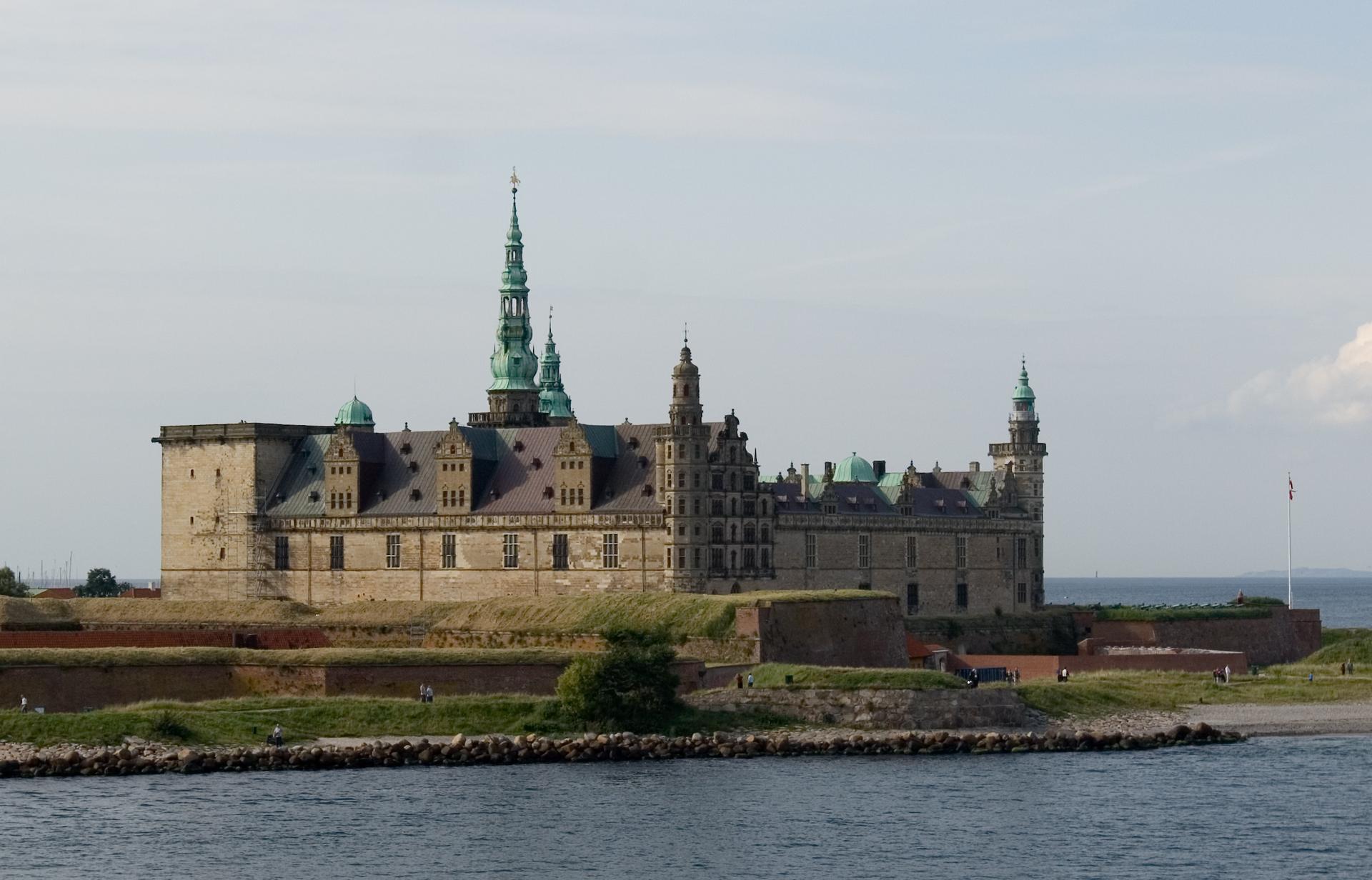
Looking beyond Flynderupgårdmuseet? Discover Helsingor for broader travel guides, local hot-spots, and regional highlights.
Explore Helsingor
A compact working harbor at the narrowest point of the Øresund, where everyday port life unfolds against big-sky views toward the Swedish coast.

Coastal forest breathing space on North Zealand’s Øresund shore, with a simple plateau campsite where beech trees, sea views and low-key outdoor living meet.
