

Pindemosen sphagnummose, Helsingor Travel Guide
Free Guide: A small but evocative sphagnum bog on Helsingør’s edge, where soft peat, moss carpets and quiet wetland life offer a gentle, close-up encounter with Danish peatland nature.


A brief summary of Pindemosen sphagnummose
A small but evocative sphagnum bog on Helsingør’s edge, where soft peat, moss carpets and quiet wetland life offer a gentle, close-up encounter with Danish peatland nature.
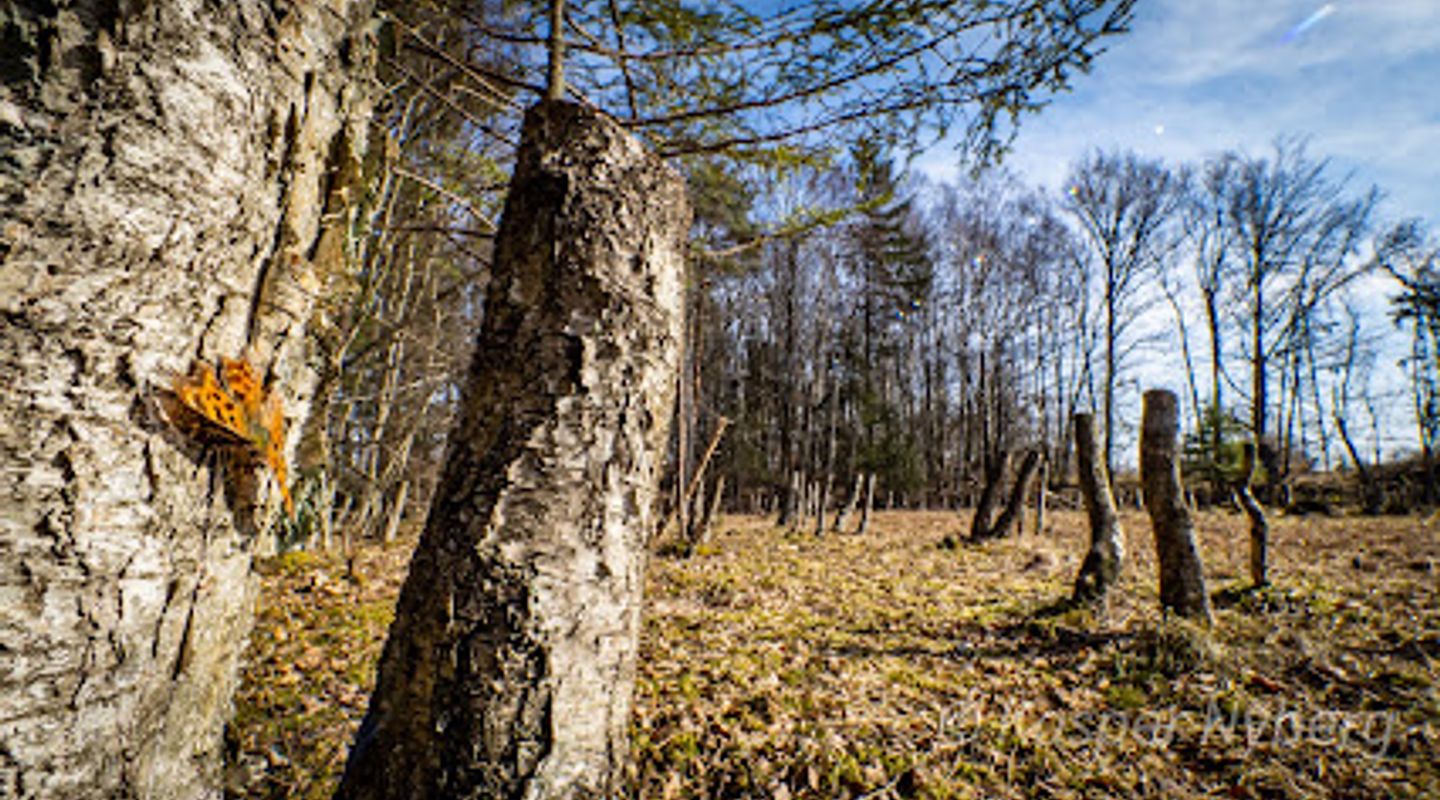
Tucked on the edge of Helsingør, Pindemosen sphagnummose is a small, quietly atmospheric bog where raised sphagnum moss, waterlogged hollows and delicate wetland plants create a rare pocket of wild nature. Once more enclosed, this little mire is now fringed by open land and gardens yet still feels surprisingly remote when you step onto its soft, springy ground. It is a low-key but rewarding stop for nature enthusiasts, birdwatchers and anyone curious about Denmark’s threatened bog landscapes.
- Address
- 2HM4+74, 3000 Helsingør
Getting there
Regional train and local walk from central Helsingør
Local bus within Helsingør and short walk
Bicycle from Helsingør town centre
Taxi from Helsingør Station
Discover more about Pindemosen sphagnummose
A hidden patch of wild bog near Helsingør
Pindemosen sphagnummose is a compact, waterlogged basin on the outskirts of Helsingør, where the ground under your feet has been slowly building for centuries. Here, layer upon layer of dead sphagnum moss has accumulated into a soft, spongy carpet, storing vast amounts of water and carbon. The area feels like a secret annex of wild nature, pressed up against the edge of the suburban fringe yet ecologically distinct from the surrounding fields and gardens.The bog sits within the broader Pindemosen landscape, once more continuously marshy than it appears today. Over time, drainage and cultivation have reshaped the margins, but the core of the sphagnum bog has survived as a moist hollow, its surface hovering only slightly above the water table. Step away from the nearby paths and the change underfoot is instant: firm ground gives way to yielding moss and a mosaic of small wet depressions.
Moss carpets, wet hollows and quiet details
The defining feature here is sphagnum moss, which forms thick, cushiony mats in shades of pale green, yellow and rusty red. In between rise wiry sedges, cotton grass tufts, and other moisture-loving plants adapted to the bog’s acidic, nutrient-poor water. In summer, the area can be sprinkled with tiny flowers and seed heads that reward anyone who pauses to look closely.These damp niches provide cover and feeding grounds for insects and spiders, which in turn attract small birds. Dragonflies patrol the open glades on still days, their wings catching the light above dark, peaty pools. The best way to experience the site is to slow down: crouch to see the intricate structure of the moss, feel the cool, humid air close to the ground, and listen for the faint rustle of life in the reeds.
Shaped by drainage, framed by gardens
Historically, small bogs like this would have been part of a much larger wetland belt around Helsingør, gradually infilled and drained as settlements grew. Pindemosen sphagnummose hints at that earlier landscape. It has at times been completely enclosed by denser vegetation, but today stands more exposed, with clearer transitions to neighbouring plots and pathways.That proximity to human activity makes its survival all the more striking. Housing, allotment gardens and infrastructure sit only a short distance away, yet the bog has retained enough of its hydrology and vegetation to remain recognisably natural. When mist hangs low on cool mornings, the contrast between manicured hedges and the rough, brown-green surface of the mire can be particularly evocative.
A living classroom for bog ecology
For anyone interested in ecology, Pindemosen sphagnummose offers an accessible, open-air lesson in how peatlands function. You can see how sphagnum holds rainwater like a sponge, learn how plants survive in nutrient-poor conditions, and observe the subtle micro-relief formed by hummocks and hollows. These raised areas and shallow pools create tiny differences in moisture and acidity, supporting a diversity of species in a surprisingly small area.Because peat accumulates so slowly, each centimetre represents many decades of growth. The bog surface is therefore both a living habitat and a record of environmental change. Simply standing on the moss, you are literally above layers that formed long before modern Helsingør expanded into the surrounding countryside.
Experiencing the bog with care
Visiting Pindemosen sphagnummose is a quiet, contemplative experience rather than a dramatic outing. There are no large facilities or showpiece attractions, and the ground can be uneven, damp and muddy in places. Sturdy, waterproof footwear is highly recommended, especially outside the driest months.Because the bog surface is fragile, it is important to tread lightly, stay on existing informal paths where visible, and avoid trampling the wettest sphagnum carpets. This low-key approach helps preserve the area for the species that depend on it, from mosses and sedges to invertebrates and birds. In return, you get a sense of stepping briefly outside everyday urban life into a small, breathing remnant of wild Denmark.
Evendo Review Centre
 Google
Guest reviews
Best time to go
Quietest: Jan, Feb & Dec · before 8am or at 7pm
Busy times are Evendo estimates for a typical year, to help you plan. Actual crowds vary with events, school holidays and the weather.
Explore Pindemosen sphagnummose on the map
A handpicked selection of must-see spots near Pindemosen sphagnummose, mapped for you.
Get your free copy of our complete guide to Pindemosen sphagnummose, delivered straight to you.
Everything on this page, from opening hours and how to get there to Eve’s tips and the best time to go, in one PDF you can read offline, print or share.
Already have an account? Sign in
Your Pindemosen sphagnummose guide is ready.
We'll send it to · Not you? Sign out

Getting your guide ready…
We are putting together a fresh copy of the Pindemosen sphagnummose guide. This can take up to a minute.
This can take a few moments. If your browser asks, choose Allow so the download can start. You'll find the guide in your Downloads folder.
Nothing happened? Download it again
Sorry, the guide is taking longer than usual. Please try again in a minute, or get it by email instead.
Other nearby places you may find interesting
The closest places of the same kind, if this one is not quite what you had in mind.
-
-
-
-
-


Swipe for more places
More to explore near Pindemosen sphagnummose
-
 Best experiences near Pindemosen sphagnummose
-
 Best hotels near Pindemosen sphagnummose
-
 Best landmarks near Pindemosen sphagnummose
-
 Best attractions near Pindemosen sphagnummose
-
 Best shops near Pindemosen sphagnummose
-
 Best restaurants near Pindemosen sphagnummose
-
 Best bars near Pindemosen sphagnummose


Do you manage this location?
Take control to get all the benefits, like improved information, better appearance, and stronger visibility across AI-powered discovery.
Explore more

Explore more of Helsingor
Discover Helsingør, Denmark's historic coastal city, home to Kronborg Castle and a vibrant cultural scene, offering a blend of history, scenic beauty, and local charm.
Explore Helsingor
Explore more of Denmark
Discover Denmark: A perfect blend of history, modern design, and the cozy concept of hygge. Explore vibrant cities, serene landscapes, and world-class cuisine.
Explore Denmark
