

Klostermoseskoven, Helsingor Travel Guide
Free Guide: A modest 19th‑century plantation forest on Helsingør’s industrial edge, Klostermoseskoven offers quiet paths, gentle hills and an easy dose of everyday Danish nature.


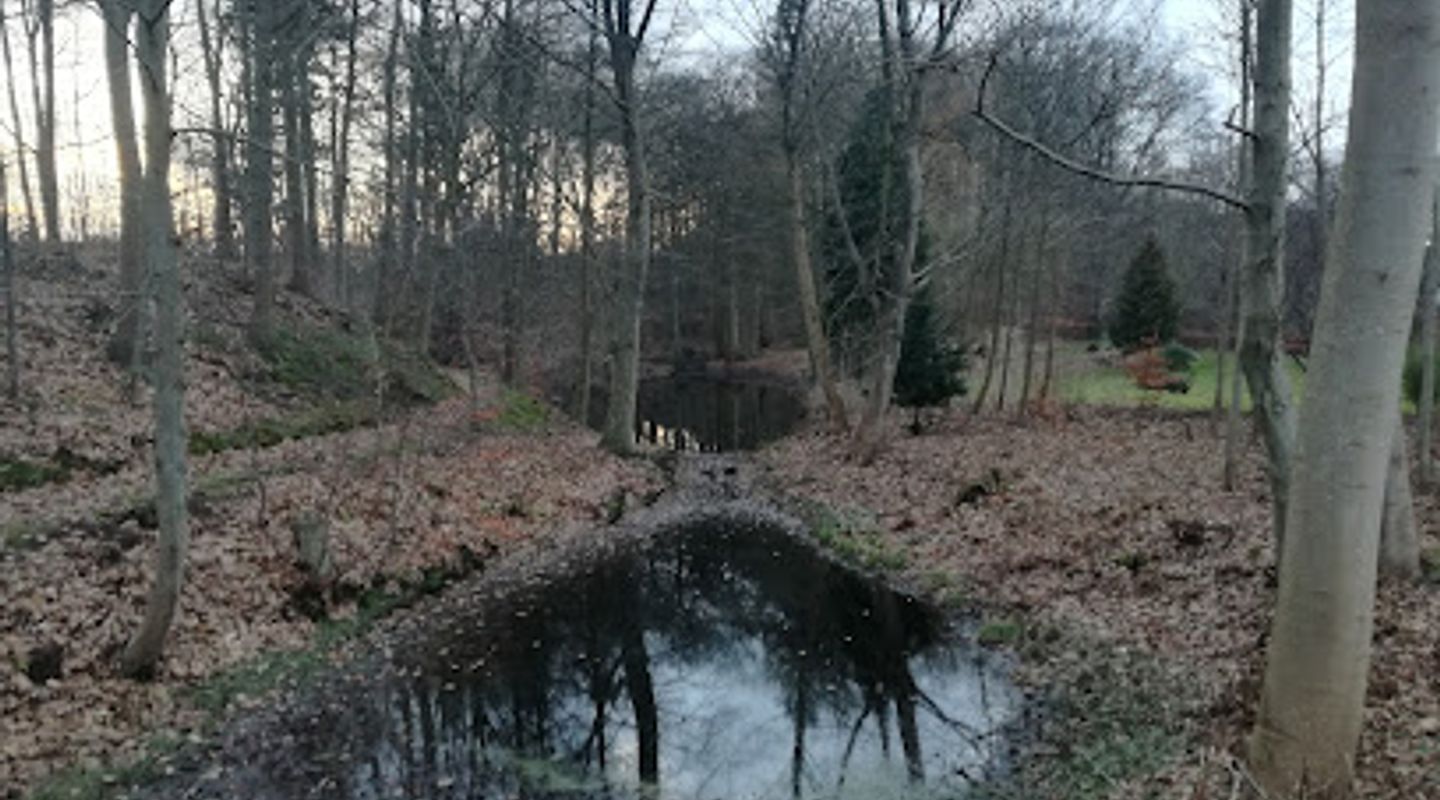
A brief summary of Klostermoseskoven
A modest 19th‑century plantation forest on Helsingør’s industrial edge, Klostermoseskoven offers quiet paths, gentle hills and an easy dose of everyday Danish nature.
Tucked beside the light-industrial edge of Helsingør, Klostermoseskoven is a petite 19th‑century plantation forest that feels surprisingly secluded. Planted in the 1850s on gentle hills, this pocket of woodland offers looping paths, birdlife and pockets of calm where you can step away from the bustle of Kronborg and the waterfront. It is ideal for an unhurried stroll, a run among trees, or a quiet breather between city sights in North Zealand.
- Address
- Fabriksvej 12B, 3000 Helsingør
Getting there
Walk from central Helsingør
Local bus within Helsingør
Taxi from station or harbour
Discover more about Klostermoseskoven
A Small Forest on the Edge of Helsingør
Klostermoseskoven is a modest but characterful woodland tucked up against the western industrial district of Helsingør. Step in from Fabriksvej and the hum of workshops and warehouses fades quickly, replaced by the softer rustle of leaves, birdsong and the crunch of gravel underfoot. The forest sits on gently rolling ground that rises and dips just enough to make a short walk feel like a tiny excursion into nature.Although it is not a vast wilderness, there is a clear sense of being in a separate world. Narrow paths weave between trunks and pockets of undergrowth, giving you choices between more open stretches and denser corners of greenery. For locals, this is a classic everyday escape: somewhere to walk the dog, let children burn off energy, or lace up running shoes and clock a quick loop in the trees.
From 1850s Plantation to Urban Green Buffer
Klostermoseskoven was planted in the 1850s under the direction of Heinrich von Krogh, part of a wave of planned afforestation that reshaped the outskirts of many Danish towns. At the time, these new woods were designed both as practical resources and as pleasant landscapes for walking. Today, the forest still reflects those origins in its fairly regular planting patterns, but decades of growth have softened the geometry.The woodland now acts as a green buffer between the town’s industrial zone and surrounding neighbourhoods. While you may occasionally glimpse factory roofs or hear distant traffic, the prevailing impression is of shade, trunks and birds flitting between branches. It is an intriguing example of how a deliberately planted forest has matured into an unpretentious, lived‑in piece of everyday nature.
Walking Paths, Quiet Corners and Local Life
The main experience here is simple: walking. Unmarked paths branch and rejoin, creating easy loops that can be tailored to how much time you have. The terrain is mostly gentle, with a mix of compacted earth and small stones that can become muddy after rain. Benches are sparse, so expect to lean against a trunk or perch on a fallen log if you want to linger.You are likely to share the forest with joggers tracing familiar circuits, families on short outings and the occasional geocacher hunting for a cleverly hidden container. In summer, the canopy closes overhead, filtering light into greenish tones; in winter, bare branches open up longer views across the slopes and between the trees. Because the forest is small, it is hard to get properly lost, which makes it easygoing for casual visitors.
Nature Details in an Everyday Woodland
Although not a formal nature reserve, Klostermoseskoven offers a taste of North Zealand’s woodland character in miniature. Look for different tree ages and species, the result of successive plantings and natural regeneration over more than a century and a half. Underfoot, carpets of leaves hide insects, while low bushes and brambles provide cover for birds.At quieter times of day, especially in the early morning or late afternoon, you may notice more of these small details: the patterns of bark, spider webs catching the light, or the way sound carries differently in leafed and bare seasons. It is a place where everyday nature reveals itself gradually, rather than through dramatic viewpoints or monuments.
Pairing with Helsingør’s Historic Waterfront
Because Klostermoseskoven lies only a short journey from central Helsingør, it pairs naturally with the town’s more famous sights. After exploring castle walls and historic streets, this unpretentious patch of woodland offers a reset for the senses. There are no formal attractions here, just the simple rhythm of walking under trees.For visitors staying nearby, it can easily become part of a daily routine: a quick loop before breakfast, a run at dusk, or a slow wander while children explore the paths. In a region known for royal castles and sweeping coastal views, Klostermoseskoven stands out not for grand gestures, but for its role as a humble, much‑used green lung at the town’s edge.
Evendo Review Centre
 Google
Guest reviews
Best time to go
Quietest: Jan, Feb & Mar · before 6am or from 9pm
Busy times are Evendo estimates for a typical year, to help you plan. Actual crowds vary with events, school holidays and the weather.
Explore Klostermoseskoven on the map
A handpicked selection of must-see spots near Klostermoseskoven, mapped for you.
Get your free copy of our complete guide to Klostermoseskoven, delivered straight to you.
Everything on this page, from opening hours and how to get there to Eve’s tips and the best time to go, in one PDF you can read offline, print or share.
Already have an account? Sign in
Your Klostermoseskoven guide is ready.
We'll send it to · Not you? Sign out

Getting your guide ready…
We are putting together a fresh copy of the Klostermoseskoven guide. This can take up to a minute.
This can take a few moments. If your browser asks, choose Allow so the download can start. You'll find the guide in your Downloads folder.
Nothing happened? Download it again
Sorry, the guide is taking longer than usual. Please try again in a minute, or get it by email instead.
Other nearby places you may find interesting
The closest places of the same kind, if this one is not quite what you had in mind.
-
-
-
-
-


Swipe for more places
More to explore near Klostermoseskoven

 Best experiences near Klostermoseskoven
 Best hotels near Klostermoseskoven
 Best landmarks near Klostermoseskoven
 Best attractions near Klostermoseskoven
 Best shops near Klostermoseskoven
 Best restaurants near Klostermoseskoven
 Best bars near Klostermoseskoven
Do you manage this location?
Take control to get all the benefits, like improved information, better appearance, and stronger visibility across AI-powered discovery.
Explore more

Explore more of Helsingor
Discover Helsingør, Denmark's historic coastal city, home to Kronborg Castle and a vibrant cultural scene, offering a blend of history, scenic beauty, and local charm.
Explore Helsingor
Explore more of Denmark
Discover Denmark: A perfect blend of history, modern design, and the cozy concept of hygge. Explore vibrant cities, serene landscapes, and world-class cuisine.
Explore Denmark
