Amalienborg Palace: The Living Heart of Denmark's Monarchy
Explore Denmark’s regal heritage at Amalienborg Palace, an architectural masterpiece and home to the Danish royal family in central Copenhagen.
Amalienborg Palace in central Copenhagen stands as the official residence of Denmark's royal family. Composed of four rococo palaces encircling a grand square, it offers visitors not just regal architecture but also a deep immersion into centuries of Danish royal history. Every day, the changing of the Royal Guard provides a glimpse of tradition in action.
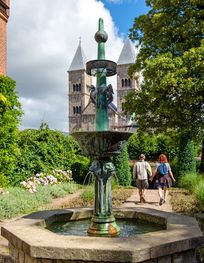
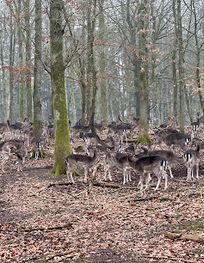
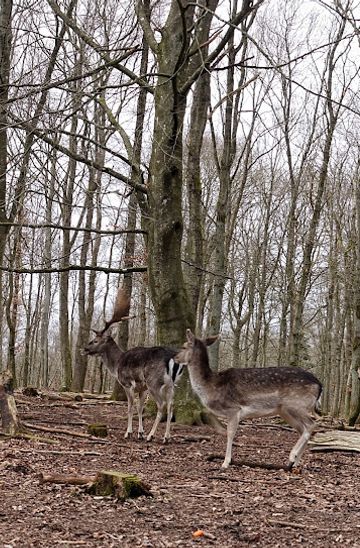
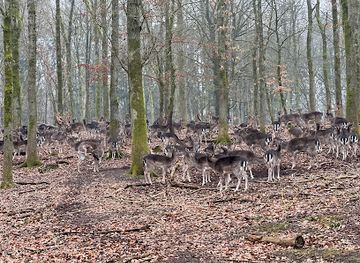
A brief summary to Randers Dyrehave
- Skovboulevarden, Langaa, 8870, DK
- Click to display
Local tips
- Arrive just before noon to witness the dramatic changing of the Royal Guard in the central square.
- Admission to the palace museum is separate; tickets are best booked in advance during holidays.
- Photography is permitted in most museum areas, but flash and tripods are not allowed.
- Combine your visit with nearby Frederik's Church for outstanding city views from its dome.
- Be aware that some rooms might close unexpectedly for royal functions—check the daily schedule.

Do you manage this location?
Take control to get all the benefits, like improved information, better appearance, and stronger visibility across AI-powered discovery. Learn more
Activate your presenceOther nearby places you may find interesting
Getting There
-
Public Transport
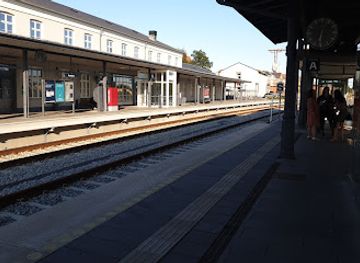
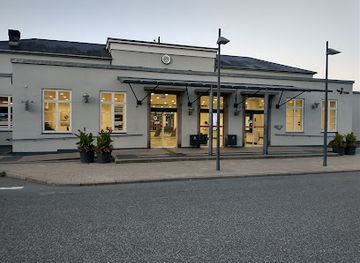
From Roskilde's train station, frequent regional trains whisk travelers toward Copenhagen's central station in about 25–35 minutes (single adult tickets typically 84 DKK). From there, the palace is best reached by metro toward Kongens Nytorv or a short city bus ride, with the iconic square and palace rooftops soon coming into view after a brief walk through Copenhagen's historic center.
-
Taxi/Rideshare
Taxis offer a direct ride from Roskilde, often taking 35–50 minutes depending on traffic. Expect fares in the range of 650–800 DKK one way. The drop-off zone is close to Amalienborg’s square, but note that vehicle access may be restricted during major royal events.
-
Private Car
Drivers arriving from Roskilde will find parking options in garages or street parking near the Frederiksstaden district. Parking fees typically range from 30–45 DKK per hour. Public parking spaces can be limited, especially during peak times and when major events occur nearby.
Discover more about Randers Dyrehave
Explore the best of what Randers Dyrehave has to offer















More about Randers
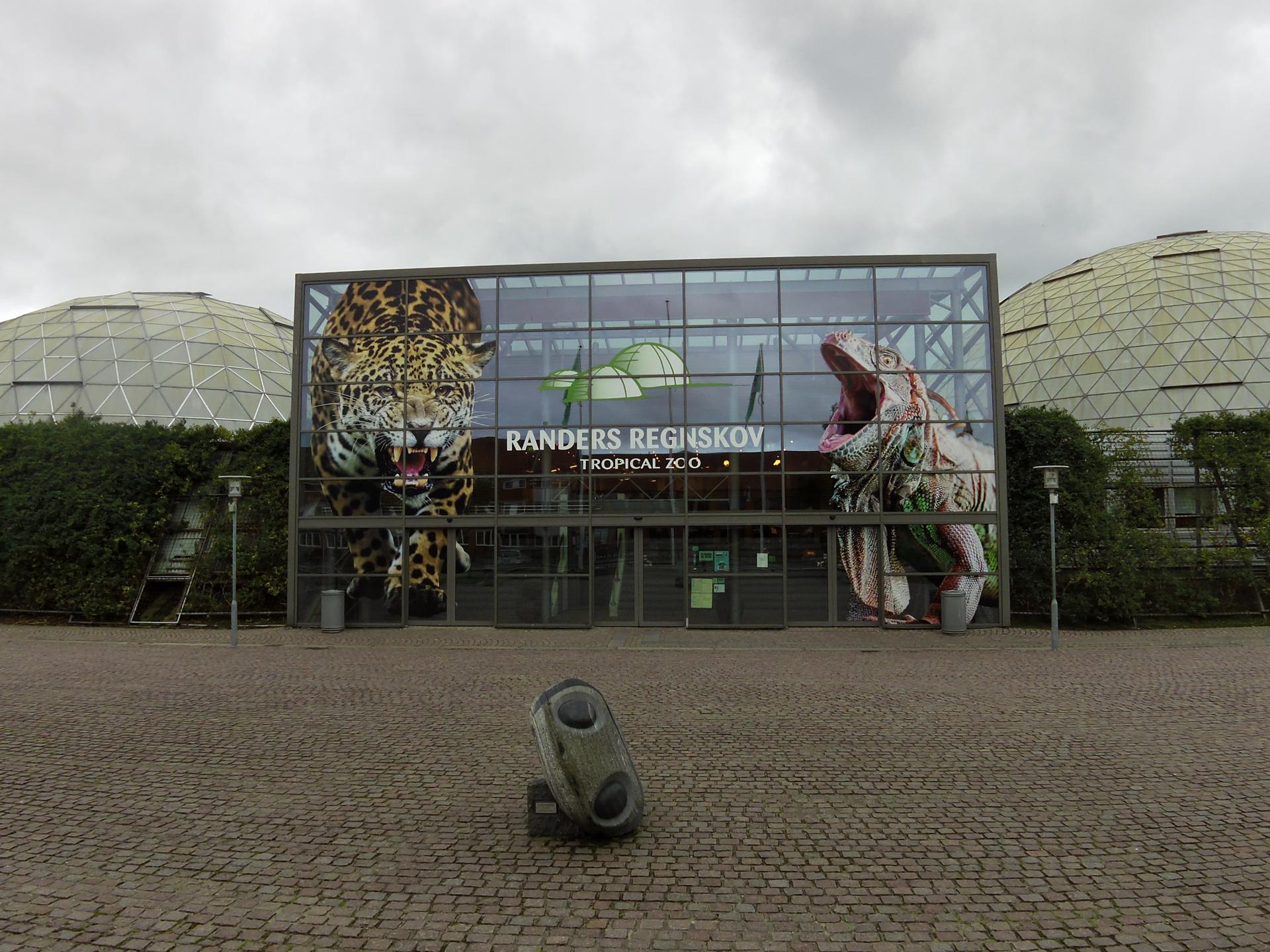
Discover Randers, Denmark's riverside jewel, where history meets nature in a city full of cultural charm and scenic beauty.
Tell me more about Randers