
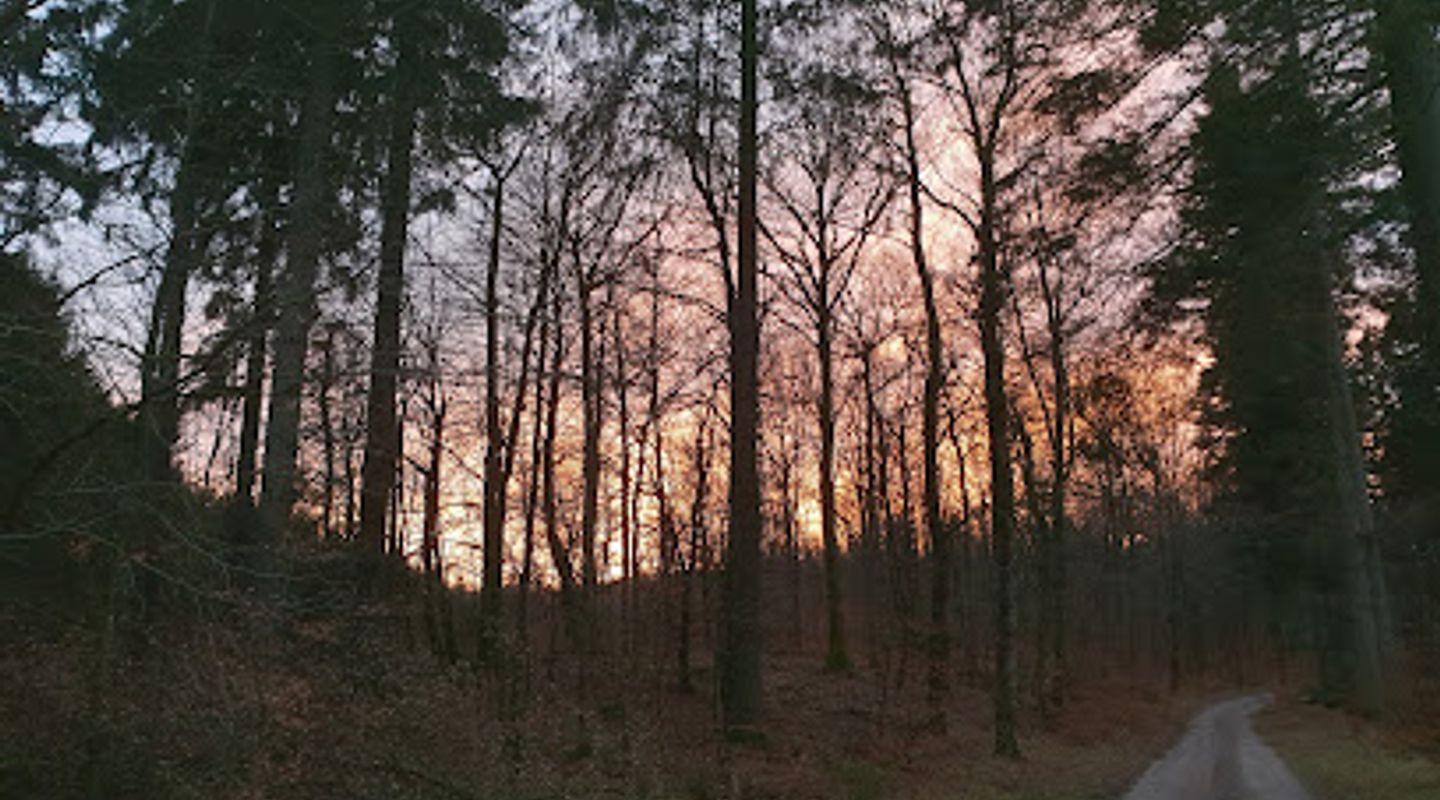
Midt inde i Rold Skov, North Jutland Travel Guide
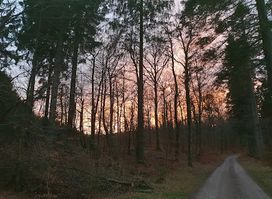
Deep within Denmark's largest forest, a serene woodland viewpoint revealing ancient landscapes and timeless natural beauty.
A scenic woodland viewpoint nestled within Denmark's largest forest, Rold Skov. This intimate spot offers visitors a peaceful vantage point to experience the forest's ancient beech trees, rolling hills, and pristine natural landscape. Perfect for nature lovers seeking quiet contemplation amidst centuries-old woodland.
A brief summary to Midt inde i Rold Skov
- Skørping, 9520, DK
- Click to display
- Duration: 1 to 4 hours
- Free
-
 Outdoor
- Mobile reception: 2 out of 5

Know before you go
Hi, I'm Eve. Here are a few practical things to know before exploring Midt inde i Rold Skov.
- Visit on weekday mornings for the most peaceful experience. The forest attracts more visitors on weekends, but venturing beyond popular spots like Store Blåkilde ensures solitude and tranquility.
- Wear sturdy hiking boots with good grip. Forest trails can be uneven and muddy, especially after rain. The terrain varies significantly with steep sections and root-covered paths.
- Download offline maps before visiting. Mobile reception is unreliable throughout much of the forest, making GPS navigation essential for safe exploration.
- Respect access restrictions in privately owned areas. Stay on designated paths and roads between 6 AM and dusk. Maintain at least 150 metres distance from residential and operational buildings.
- Bring water and snacks. While the forest has springs and streams, facilities are limited. Pack out all waste to preserve the pristine environment.
Do you manage this location?
Take control to get all the benefits, like improved information, better appearance, and stronger visibility across AI-powered discovery. Learn more about listing your business on Evendo
Activate your presenceOther nearby places you may find interesting
The closest places of the same kind, if this one is not quite what you had in mind.
Explore Midt inde i Rold Skov on the Map
A handpicked selection of must-see spots near Midt inde i Rold Skov, mapped for you.
Getting There
-
By Car
From Aalborg city centre (approximately 25 kilometres away), drive south on Route 180 toward Skørping. Follow signs for Rold Skov or use GPS coordinates 56.814°N, 9.835°E to reach the scenic viewpoint. Travel time is approximately 30-40 minutes. Multiple parking areas are available throughout the forest, though specific parking at this viewpoint may be limited. Free parking is available at designated forest entrances.
-
By Bicycle
From Skørping town centre (approximately 6 kilometres away), cycling routes lead directly into Rold Skov. The journey takes 20-30 minutes depending on fitness level and route selection. Designated cycling paths wind through the forest, though terrain can be hilly and challenging. Mountain bikes are recommended for off-road trails. Bike rental is available at nearby accommodations including Rold StorKro.
-
By Public Transport and Walking
Train service reaches Skørping Station from Aalborg (approximately 45 minutes). From the station, local bus services provide limited connections to forest entrances, though schedules are infrequent. Walking from Skørping town centre to forest entrances takes 45 minutes to 1 hour depending on the specific entry point. This option requires advance planning due to limited public transport frequency.
-
Guided Tour
Local tourism operators and accommodation providers including Rold StorKro offer guided forest tours and nature experiences. These typically include transport from nearby towns, interpretation of forest ecology and history, and access to less-known viewpoints. Tours range from 2-4 hours and cost approximately 200-400 Danish Krone per person, depending on group size and inclusions.
For the on-the-go comforts that matter to you
-
 Trash Bins
-
 Information Boards
Discover more about Midt inde i Rold Skov
Gateway to Denmark's Ancient Forest
Midt inde i Rold Skov translates to "Deep Inside Rold Forest," and this scenic spot lives up to its name. Located within Rold Skov, Denmark's largest connected forest spanning 8,000 hectares across North Jutland's Himmerland region, this viewpoint offers an intimate window into one of Scandinavia's most significant natural landscapes. The forest itself is a living archive of geological and human history, shaped by ice age forces over 18,000 years ago and inhabited by humans since prehistoric times.Geological Marvels and Landscape Drama
The terrain surrounding this scenic spot exemplifies Rold Skov's dramatic topography. The landscape rises from the Lindenborg River valley at just 10 metres above sea level to moraine plateaus reaching 60-80 metres, creating a landscape of extraordinary visual contrast. This elevation variation has carved deep gullies, sinkholes, and springs throughout the forest. The most notable is Store Blåkilde, Denmark's largest basin spring, where crystal-clear sapphire-blue water emerges from chalk-rich underground aquifers. The forest's sandy and gravelly moraine soil, combined with abundant rainfall, supports dense stands of ancient spruce and carefully preserved old-growth beech forest, particularly in Nørreskoven to the north.Layers of Human Heritage
Walking through Rold Skov reveals centuries of human presence etched into the landscape. Bronze Age burial mounds cluster throughout the forest, with approximately 50 large grave mounds concentrated in Nørreskoven, some dating back over 3,000 years. Sunken lanes—roads eroded metres deep by centuries of foot and cart traffic—crisscross the forest, particularly around ancient crossing points like Skillingbro. The most famous legend involves Røverstuen, a 12-metre-deep sinkhole where robbers allegedly hid during medieval times, stringing bells across the forest road to alert them of approaching travellers. These hollow ways and sinkholes transform the forest floor into a tangible record of medieval commerce and folklore.Ecological Significance and Spring Systems
The forest's numerous springs—including Lille Blåkilde, Ravnkilde, Gravlevkilden, and Egebækkilden—maintain constant temperatures of 7.5 degrees Celsius year-round, creating unique ecological niches. This stability has allowed both warm-period and ice-age relics to survive, supporting distinctive flora and fauna found nowhere else in Denmark. The springs' lime-rich waters create a network of pristine streams flowing through the forest, sustaining wetland habitats and supporting rare plant species. These protected spring areas represent some of Denmark's most ecologically sensitive zones.Forest Composition and Conservation
Rold Skov comprises multiple named woodlands including Hesselholt Skov, Nørreskov, Nørlund Skov, and Rold Vesterskov. Approximately 75 percent of the forest is privately owned by three major estates—Lindenborg Gods, Nørlundfonden, and Willestrup Gods—while the remaining 25 percent is administered by the Danish Nature Agency. This mixed ownership creates distinct access patterns: private areas restrict movement to designated paths and roads between 6 AM and dusk, while public lands offer unrestricted access 24 hours daily with established hiking, biking, and skiing trails. The forest's composition shifted dramatically after a severe 1981 storm that thinned the dense spruce stands, reshaping the forest's character and opening the canopy to new growth.Recreation and Natural Experiences
This scenic viewpoint serves as an entry point to diverse recreational opportunities throughout Rold Skov. Mountain biking trails wind through varied terrain, while hiking paths range from gentle woodland walks to challenging routes through hilly sections. Several lakes—Madum Lake, Økssø, Mossø, and the restored Gravlev Lake—offer swimming and fishing opportunities. Nature playgrounds integrated into the landscape provide family-friendly exploration points. The forest's scale and varied terrain ensure that visitors can find solitude by venturing beyond popular destinations, experiencing the deep silence and natural beauty that define Rold Skov's character.












Your all‑in‑one travel companion app
Explore expert travel guides, compare and book tours, experiences, hotels, and more—all from the palm of your hand. Download now for seamless trip planning wherever your wanderlust takes you.


Explore More of North Jutland
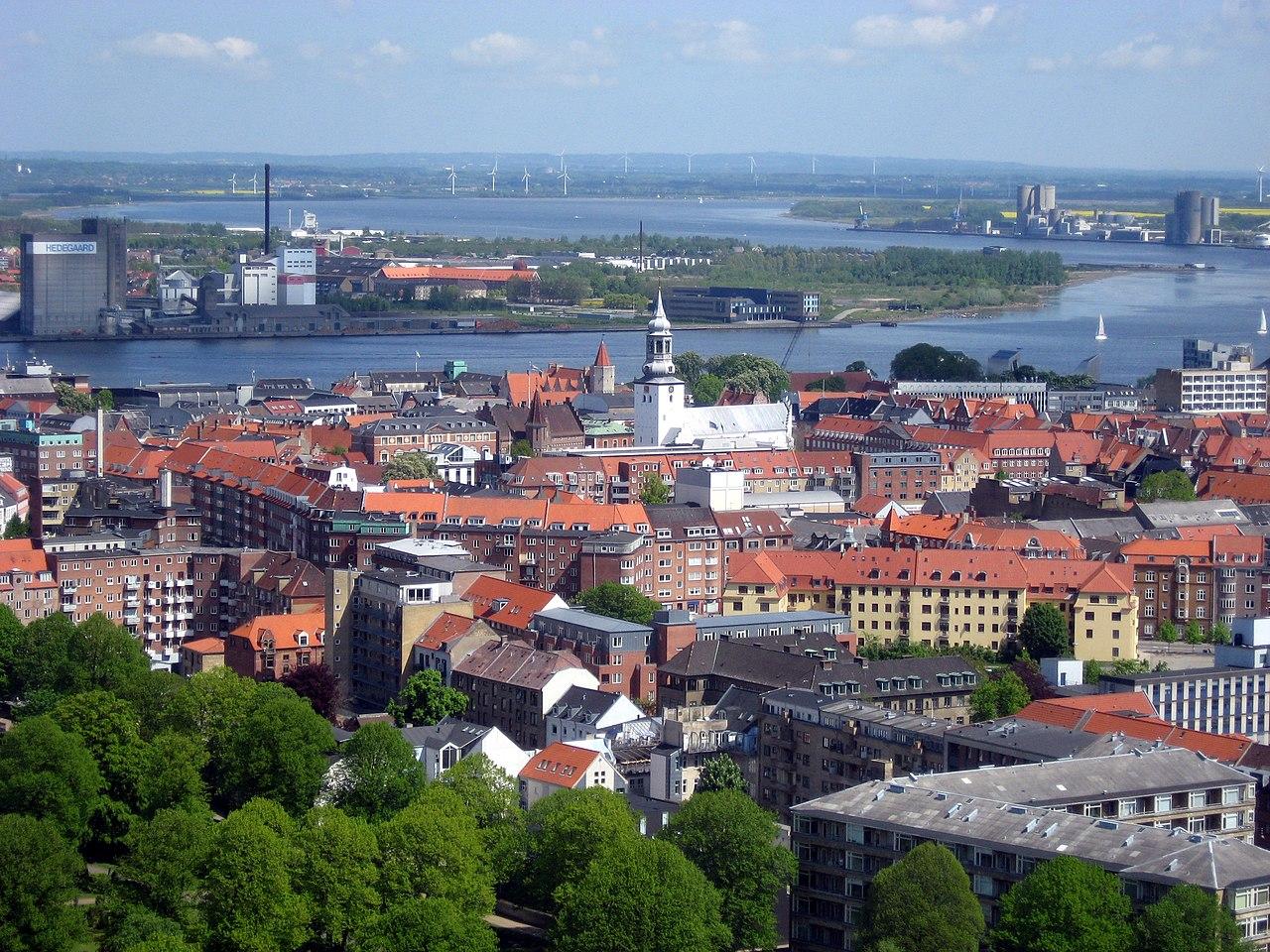
Looking beyond Midt inde i Rold Skov? Discover North Jutland for broader travel guides, local hot-spots, and regional highlights.
Explore North Jutland
A quiet chalk quarry at the edge of Rold Skov where ancient seabed fossils, rare wildflowers and forest lore meet in a compact, hands-on slice of deep time.
A tranquil green heart deep inside Rold Skov, where tall trees, clear springs and quiet paths offer an immersive pause in one of Denmark’s great forests.
