Rømø Redningsmuseum RRB-88 Travel Guide
Free Guide: A small island museum preserving Denmark’s last active oar-powered lifeboat and the gripping rescue stories of Rømø’s storm-battered North Sea coast.


A brief summary of Rømø Redningsmuseum RRB-88
A small island museum preserving Denmark’s last active oar-powered lifeboat and the gripping rescue stories of Rømø’s storm-battered North Sea coast.
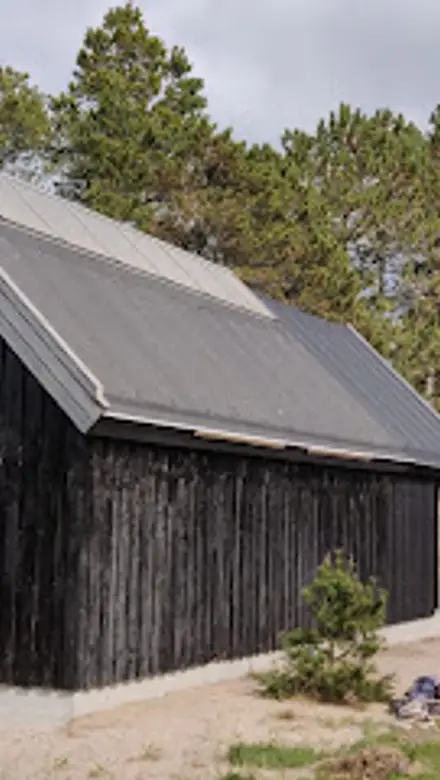
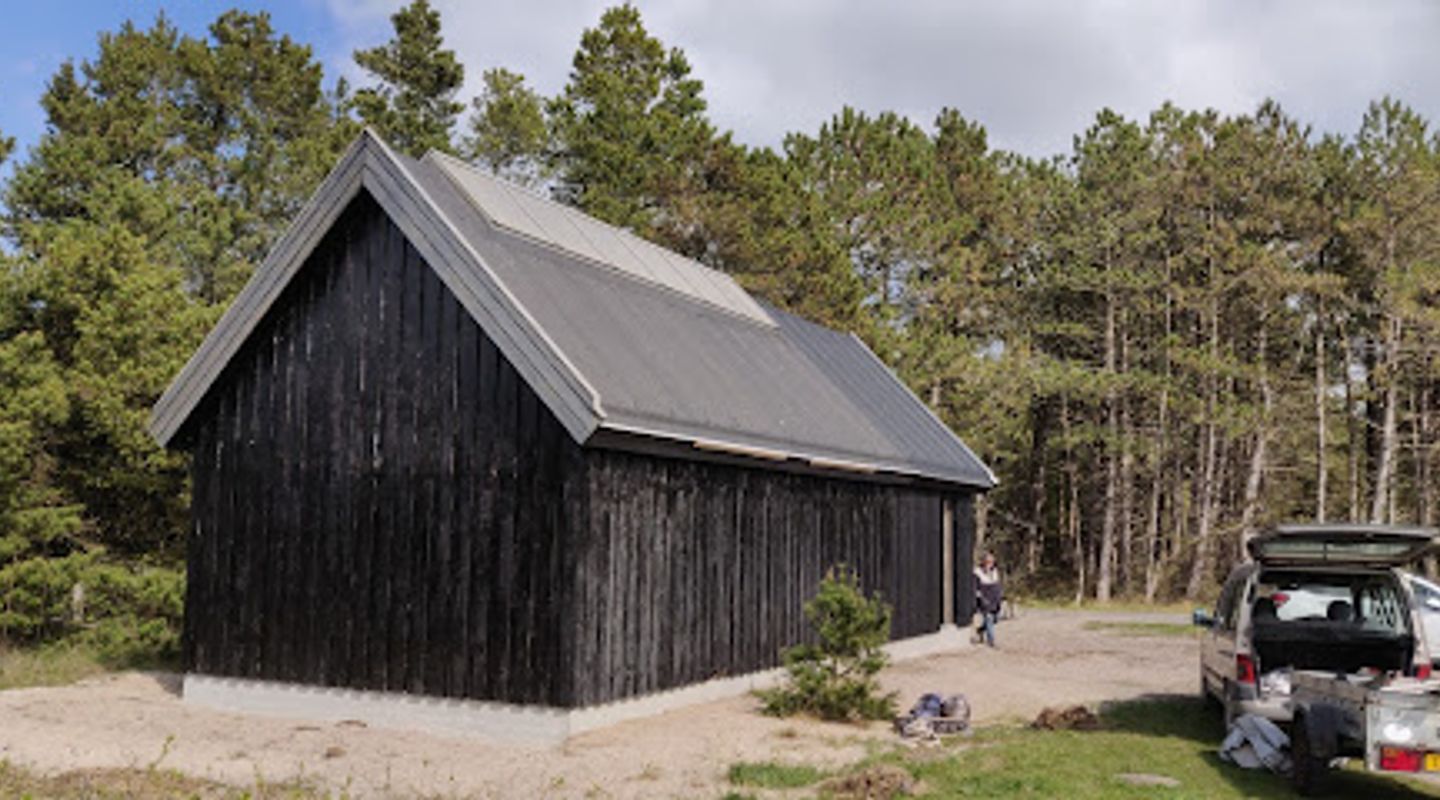
Rømø Redningsmuseum RRB-88 in Østerby is a small, characterful rescue museum dedicated to Denmark’s last active oar-powered lifeboat. Housed in a modest building close to the island’s windswept heath and dunes, it tells the story of the crews who rowed into stormy North Sea swells to save ships and sailors. Detailed displays, tools and uniforms are presented with bilingual explanations, making this a compact but evocative stop for maritime history fans and families exploring Rømø.
On-site amenities
 Information boards
- Address
- Lyngvejen 7, Østerby, 6792 Rømø
- Phone
Getting there
Car from Havneby ferry terminal
Bike from central Rømø
Bus and short walk within the island
Discover more about Rømø Redningsmuseum RRB-88
Island lifeboat heritage on the edge of the North Sea
Rømø Redningsmuseum RRB-88 sits quietly on Lyngvejen in Østerby, yet it preserves some of the most dramatic stories from Denmark’s North Sea coast. The museum focuses on the island’s former lifeboat station and its oar-powered rescue boat, once launched into breaking surf to reach distressed ships off Rømø. Wind, shifting sand and the roar of the sea shaped daily life here, and the museum’s modest scale fits the hardy, unadorned character of the rescue crews it commemorates.Stepping inside, you move from present-day holiday island to an era when maritime trade, fishing and storm warnings defined the rhythm of life. The surrounding dunes and heaths, visible just beyond the museum, help you imagine how isolated and exposed this coast once felt when every winter gale could spell disaster offshore.
Denmark’s last active oar-powered rescue boat
At the heart of the museum is Denmark’s last active rowed lifeboat, carefully preserved with its original equipment. The boat’s broad hull, heavy timbers and powerful oar arrangement show just how much strength was needed to punch through surf and swell. You can walk close to the craft, tracing the metal fittings, worn gunwales and sturdy thwarts that once supported a tightly packed crew.Around the boat, the associated gear is displayed with care: cork lifejackets, flares, tools and communication equipment that illustrate how rescues were coordinated before modern electronics. Text panels in Danish and German explain how launch procedures worked, how the crew trained, and how many lives were saved from this very coast.
Stories of storms, shipwrecks and island courage
The museum’s exhibits reach beyond the boat itself to explore the wider culture of sea rescue on Rømø. Photographs and charts show notorious sandbanks and fairways, while logs and documents record rescue missions carried out in darkness, sleet and hurricane-force winds. You learn how crews were summoned, how they raced across the dunes to the launch site, and how island families waited for their return.These stories also highlight the close-knit nature of Rømø’s community. Many rescuers were fishermen and sailors themselves, volunteering for lifeboat duty in addition to their regular work. The museum conveys a sense of solidarity and duty: a recognition that anyone working these waters might one day depend on the courage of neighbours rowing out through the breakers.
A small, self-guided museum with year-round access
Rømø Redningsmuseum RRB-88 is designed for unhurried, self-guided visits. Admission is free, and the doors are typically accessible daily within generous daylight opening hours, making it easy to combine a stop here with walks, beach outings or a broader circuit of the island. Compact rooms and straightforward displays mean you can see the essentials in a short time, yet there is enough detail for maritime enthusiasts to linger.Bilingual information makes the exhibits approachable even if you do not speak Danish, and the quiet setting invites you to reflect rather than rush. This is not a large, high-tech institution; instead it offers intimacy and the chance to connect directly with specific artefacts that once saw service in real emergencies just offshore.
Family-friendly insight into life by the sea
The museum is particularly well suited to families exploring Rømø. Children can see the size of the lifeboat up close and grasp how demanding it must have been to row it in heavy seas. Simple, tangible objects like lanterns, ropes and lifejackets help younger visitors understand key ideas such as safety at sea and teamwork.Because the visit is relatively short and informal, it works well as a break between outdoor activities. Combining time here with a walk in the surrounding dunes or a visit to other local heritage sites gives a rounded picture of island life, from everyday routines ashore to extraordinary efforts during coastal emergencies.
Connecting Rømø’s maritime past to today’s visitors
Although modern navigation and motorised lifeboats have transformed sea rescue, Rømø Redningsmuseum RRB-88 preserves the skills and bravery of an earlier generation. By presenting one specific boat, one station and one community, it avoids abstraction and keeps the human dimension in focus.For anyone interested in maritime culture, coastal landscapes or the realities behind romantic images of the sea, this small museum offers a clear, grounded perspective. It is a reminder that the beaches and horizons enjoyed by today’s visitors were once a demanding workplace, where local crews put their lives on the line whenever distress signals appeared beyond the surf.
Evendo Review Centre
 Google
Guest reviews
Best time to go
Quietest: Jan, Feb & Nov · before 7am or from 7pm
Busy times are Evendo estimates for a typical year, to help you plan. Actual crowds vary with events, school holidays and the weather.
Explore Rømø Redningsmuseum RRB-88 on the map
A handpicked selection of must-see spots near Rømø Redningsmuseum RRB-88, mapped for you.
Get your free copy of our complete guide to Rømø Redningsmuseum RRB-88, delivered straight to you.
Everything on this page, from opening hours and how to get there to Eve’s tips and the best time to go, in one PDF you can read offline, print or share.
Already have an account? Sign in
Your Rømø Redningsmuseum RRB-88 guide is ready.
We'll send it to · Not you? Sign out

Getting your guide ready…
We are putting together a fresh copy of the Rømø Redningsmuseum RRB-88 guide. This can take up to a minute.
This can take a few moments. If your browser asks, choose Allow so the download can start. You'll find the guide in your Downloads folder.
Nothing happened? Download it again
Sorry, the guide is taking longer than usual. Please try again in a minute, or get it by email instead.
Other nearby places you may find interesting
The closest places of the same kind, if this one is not quite what you had in mind.
-
-
-
-
-


Swipe for more places
More to explore near Rømø Redningsmuseum RRB-88
-
 Best experiences near Rømø Redningsmuseum RRB-88
-
 Best hotels near Rømø Redningsmuseum RRB-88
-
 Best landmarks near Rømø Redningsmuseum RRB-88
-
 Best attractions near Rømø Redningsmuseum RRB-88
-
 Best shops near Rømø Redningsmuseum RRB-88
-
 Best restaurants near Rømø Redningsmuseum RRB-88
-
 Best bars near Rømø Redningsmuseum RRB-88


Do you manage this location?
Take control to get all the benefits, like improved information, better appearance, and stronger visibility across AI-powered discovery.
Explore more

Explore more of Rømø
Discover Rømø: Denmark's serene island with expansive beaches, rich Viking history, and thrilling windsurfing adventures in the heart of the Wadden Sea National Park.
Explore Rømø
Explore more of Denmark
Discover Denmark: A perfect blend of history, modern design, and the cozy concept of hygge. Explore vibrant cities, serene landscapes, and world-class cuisine.
Explore Denmark