

Mossø Travel Guide
Free Guide: Jutland’s largest lake, where wide horizons, protected birdlife and easygoing outdoor adventures meet in the rolling Danish Lake Highlands.


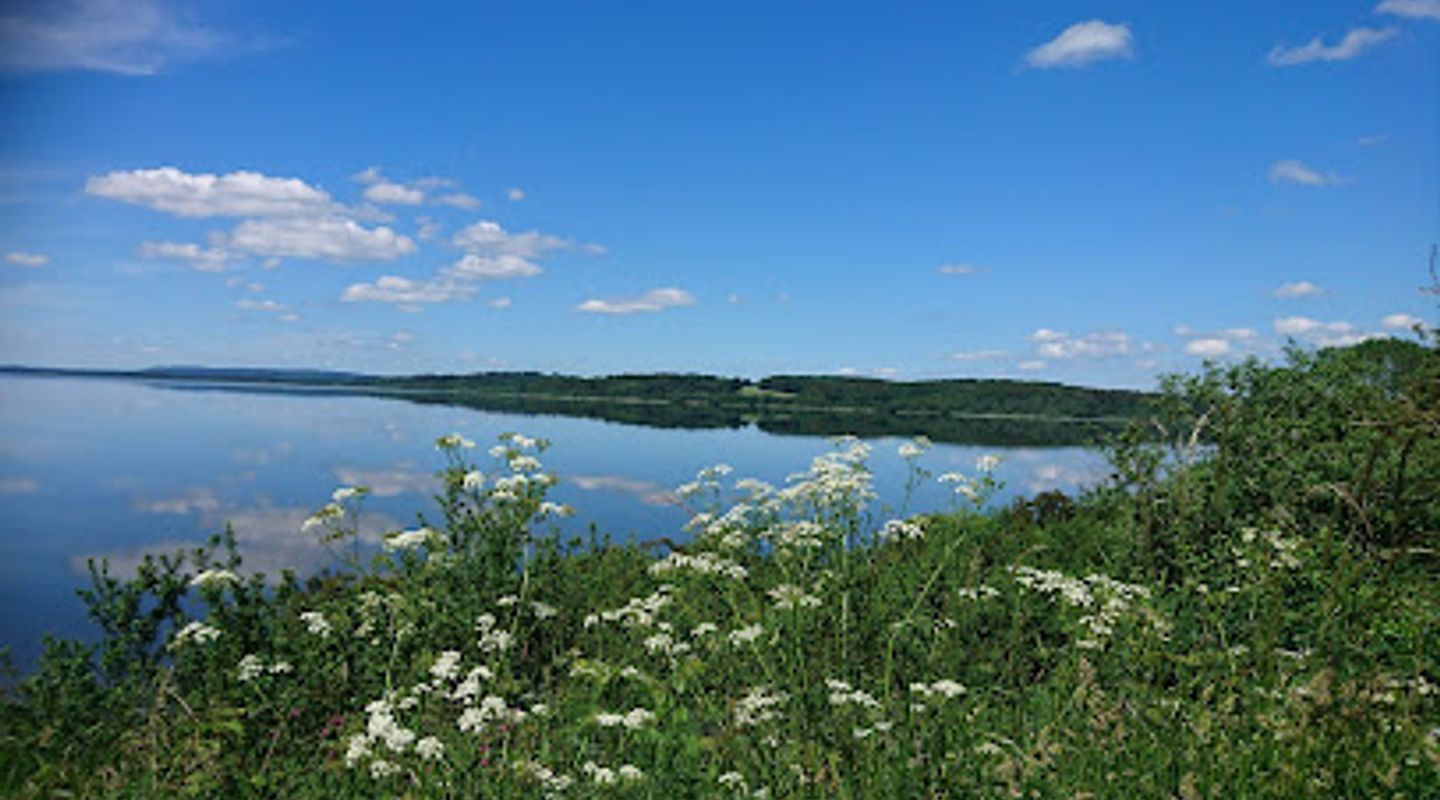
A brief summary of Mossø
Jutland’s largest lake, where wide horizons, protected birdlife and easygoing outdoor adventures meet in the rolling Danish Lake Highlands.
Mossø is Denmark’s third-largest freshwater lake and the largest in Jutland, set just west of Skanderborg in the rolling, wooded Lake Highlands. Fringed by small villages, quiet beaches and reed beds, it’s a place for unhurried cycling, lakeside hikes, swimming and paddling. Protected as a Natura 2000 area and important bird site, Mossø offers a rare mix of big-sky scenery, rich birdlife and low-key Danish lakeside life, all within easy reach of eastern Jutland’s towns.
On-site amenities
 Restrooms
 Drinking water
 Food options
 Seating areas
 Picnic areas
 Trash bins
 Information boards
 Visitor centre
 Sheltered areas
- Address
- Skanderborg Municipality
Getting there
Regional train and local bus from Aarhus
Car from Skanderborg and surrounding towns
Cycling from Skanderborg or Ry
Taxi from Skanderborg station
Discover more about Mossø
A wide Jutland lake in the heart of the Lake Highlands
Mossø spreads out west of Skanderborg as a broad sheet of freshwater, ringed by low hills, fields and pockets of woodland. It is Denmark’s third-largest freshwater lake and the biggest in Jutland, so the first impression is one of space: long horizons, gentle slopes and a shoreline that always seems to curve out of sight. The water sits in the landscape known as Søhøjlandet, the Lake Highlands, where ice-age glaciers carved out basins and ridges that still define the terrain today.The lake is shared between Skanderborg and Horsens municipalities, and small hamlets, holiday cottages and campsites dot the shores. Despite its size, Mossø feels quietly rural rather than grand; tractors still work the surrounding fields, and many stretches of shore remain simple grassy banks, reeds and small jetties.
Protected waters and remarkable birdlife
Mossø’s natural value is recognised through its status as part of a large Natura 2000 protected area and as an international bird protection site. Broad shallows, deeper basins and undisturbed reed beds create varied habitats that support a wide range of species. Ospreys are seen hunting over the surface, and white‑tailed eagles have established themselves here as breeding birds, still an uncommon sight in Denmark.Closer to the waterline, you may spot grebes, ducks and marshland songbirds using the reeds as shelter. The mix of open water and surrounding woodland also makes the area attractive to migratory birds, so the character of the lakeshore changes subtly with the seasons. Conservation restrictions help keep some sections of shoreline relatively wild, which is part of Mossø’s appeal.
Cycling, swimming and life along the shore
For visitors, Mossø is above all a place to be outdoors. A popular 28 km cycling route loops around the lake, alternating between quiet country roads and sections close to the water. It is long enough to feel like an outing but manageable in a leisurely day, with pauses for viewpoints, ice creams or a swim. Several small bathing spots and grassy beaches give straightforward access to the water in summer.Kayaks, canoes and small boats share the surface, taking advantage of coves and inlets that feel far from any road. Anglers are drawn by freshwater fish, while walkers use local paths that link farms, forest patches and lakeside viewpoints. Facilities are modest rather than built‑up: simple picnic tables, the occasional shelter or jetty, and plenty of open shoreline where you can just sit in the grass.
Surrounding hills, abbey ruins and local stories
The lake does not exist in isolation; it is part of a wider cultural and natural landscape. To the north, the ruins of Øm Abbey sit close to the water, a reminder of centuries when monastic communities shaped local agriculture and travel routes. Other historical sites in the region reflect Jutland’s long human presence, from prehistoric burial mounds to more recent rural architecture.Nearby high points in the Lake Highlands offer long views over Mossø’s surface, especially on clear days when the light picks out bays and wooded peninsulas. From above, the scale of the lake is easier to grasp, and you can trace how streams and smaller lakes in the region feed into Mossø and eventually onwards through Jutland’s river systems.
Seasonal moods and practical expectations
Mossø’s atmosphere shifts with the calendar. In high summer the shoreline feels gently lively, with swimmers, cyclists and families enjoying the long northern evenings. Spring and early autumn are quieter, rewarding patient birdwatchers and those who prefer cool air and softer light. Winter can be raw and windswept, but the broad sky, bare trees and steely water have their own stark beauty.Facilities are scattered rather than centralised, so it is sensible to arrive with what you need for a few hours outside: appropriate clothing for changeable weather, drinks and snacks, and perhaps binoculars or a camera. Mobile reception around much of the lake is generally adequate but can fluctuate away from main roads. Overall, Mossø is less a single attraction and more a sizable, flexible landscape where you shape your own pace, whether that means a brisk loop by bike or a slow afternoon watching the play of light on the water.
Evendo Review Centre
 Google
Guest reviews
Best time to go
Quietest: Jan, Feb & Mar · before 6am or from 10pm
Busy times are Evendo estimates for a typical year, to help you plan. Actual crowds vary with events, school holidays and the weather.
Explore Mossø on the map
A handpicked selection of must-see spots near Mossø, mapped for you.
Get your free copy of our complete guide to Mossø, delivered straight to you.
Everything on this page, from opening hours and how to get there to Eve’s tips and the best time to go, in one PDF you can read offline, print or share.
Already have an account? Sign in
Your Mossø guide is ready.
We'll send it to · Not you? Sign out

Getting your guide ready…
We are putting together a fresh copy of the Mossø guide. This can take up to a minute.
This can take a few moments. If your browser asks, choose Allow so the download can start. You'll find the guide in your Downloads folder.
Nothing happened? Download it again
Sorry, the guide is taking longer than usual. Please try again in a minute, or get it by email instead.
Other nearby places you may find interesting
The closest places of the same kind, if this one is not quite what you had in mind.
-
-
-
-
-


Swipe for more places
More to explore near Mossø

 Best experiences near Mossø
 Best hotels near Mossø
 Best landmarks near Mossø
 Best attractions near Mossø
 Best shops near Mossø
 Best restaurants near Mossø
 Best bars near Mossø
Do you manage this location?
Take control to get all the benefits, like improved information, better appearance, and stronger visibility across AI-powered discovery.
Explore more
Explore more of Samsø
Samsø: Explore Denmark's eco-friendly island, rich in natural beauty, culinary delights, and cultural heritage.
Explore Samsø
Explore more of Denmark
Discover Denmark: A perfect blend of history, modern design, and the cozy concept of hygge. Explore vibrant cities, serene landscapes, and world-class cuisine.
Explore Denmark
