Møllehøj, DK's highest hill, Mollehoj Travel Guide
A modest hill with a millstone marker, Møllehøj turns Denmark’s highest natural point into a gentle countryside detour packed with quiet geographic significance.
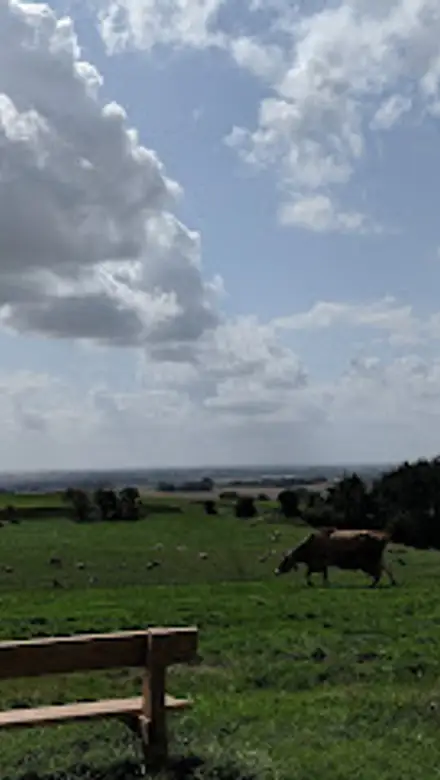
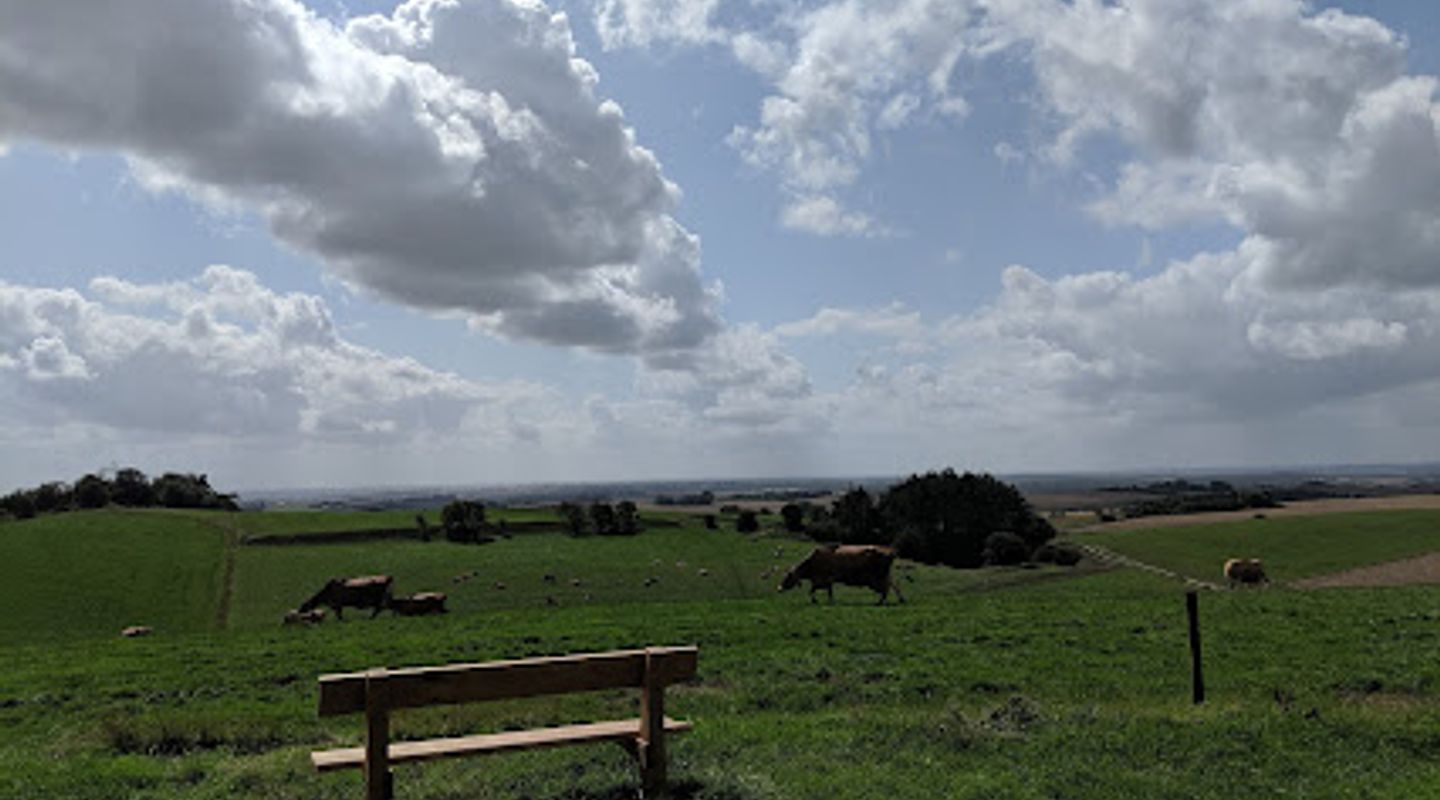
Rising to just 170.86 m, Møllehøj near Skanderborg holds the title of Denmark’s highest natural point. Set amid the low, rolling hills of the Ejer Bjerge, the summit is marked by a millstone from a former windmill and sits beside a working farm. A short, gentle walk from nearby Ejer Bavnehøj brings you to this quietly significant spot, where information boards, simple views over cultivated fields, and the novelty of standing on the country’s top natural point make for an easy, quirky detour in eastern Jutland.
A brief summary to Møllehøj, DK's highest hill
- Bjødstrupvej 16, Skanderborg, 8660, DK
- Click to display
- Duration: 0.5 to 1.5 hours
- Free
-
 Outdoor
- Mobile reception: 4 out of 5

Know before you go
Hi, I'm Eve. Here are a few practical things to know before exploring Møllehøj, DK's highest hill.
- Combine Møllehøj with nearby Ejer Bavnehøj to see both the current and former “highest points” in one easy circular walk.
- Wear shoes suitable for grass and potentially muddy farm tracks, especially after rain, as the path crosses working farmland.
- Bring snacks or a thermos; you will find basic facilities at Ejer Bavnehøj but nothing directly at the Møllehøj summit.
- Respect farm boundaries, close gates behind you, and keep a respectful distance from any grazing livestock along the route.
Do you manage this location?
Take control to get all the benefits, like improved information, better appearance, and stronger visibility across AI-powered discovery. Learn more about listing your business on Evendo
Activate your presenceOther nearby places you may find interesting
The closest places of the same kind, if this one is not quite what you had in mind.

Explore Møllehøj, DK's highest hill on the Map
A handpicked selection of must-see spots near Møllehøj, DK's highest hill, mapped for you.
Getting There
-
Car from Skanderborg
From central Skanderborg, reaching Møllehøj via the Ejer Bavnehøj area by car typically takes 20–30 minutes, depending on traffic. The route follows main regional roads and the E45 motorway before smaller country roads lead to the Ejer Bavnehøj monument area, which offers a free car park and seasonal kiosk and restrooms. From there, Møllehøj is accessed on foot via a short farm track of a few hundred metres. There is no specific parking at the summit itself, and motor vehicles are not allowed on the farm access path.
-
Regional bus plus short walk
Public buses run between Skanderborg and nearby villages along the Ejer Bjerge ridge, with journeys usually taking 30–45 minutes depending on the route and schedule. From the nearest stop, expect an additional 15–25 minutes of walking along rural lanes and signed paths to reach Ejer Bavnehøj and then Møllehøj. Bus tickets within the local zone system generally cost the equivalent of 3–6 EUR one way. Services can be less frequent in evenings and on weekends, so checking current timetables in advance is important.
-
Cycling from Skanderborg
Cycling from Skanderborg to Møllehøj is a realistic option for experienced cyclists comfortable with rolling countryside and some traffic on rural roads. The ride usually takes about 45–70 minutes each way, depending on pace and chosen route. The gradients are moderate but continuous in places as you climb onto the Ejer Bjerge ridge. There is no fee to bring your bike, but if you combine cycling with a regional train, expect to pay a modest supplement of around 3–5 EUR for bicycle carriage on most services.
-
Walking from Ejer Bavnehøj
Most visitors treat Møllehøj as a short extension of a visit to Ejer Bavnehøj. From the monument area, the walk to the summit takes around 10–20 minutes each way on a combination of grass tracks and farm paths. Surfaces can be wet or muddy after rain, and there are a couple of gates to pass through, but no steep sections. This option is suitable for most ability levels, though it is not ideal for wheelchairs or very narrow pushchairs due to uneven ground and farm infrastructure.
For the on-the-go comforts that matter to you
-
 Restrooms
-
 Seating Areas
-
 Trash Bins
-
 Information Boards
Discover more about Møllehøj, DK's highest hill
On Top of Denmark, Almost Without Noticing
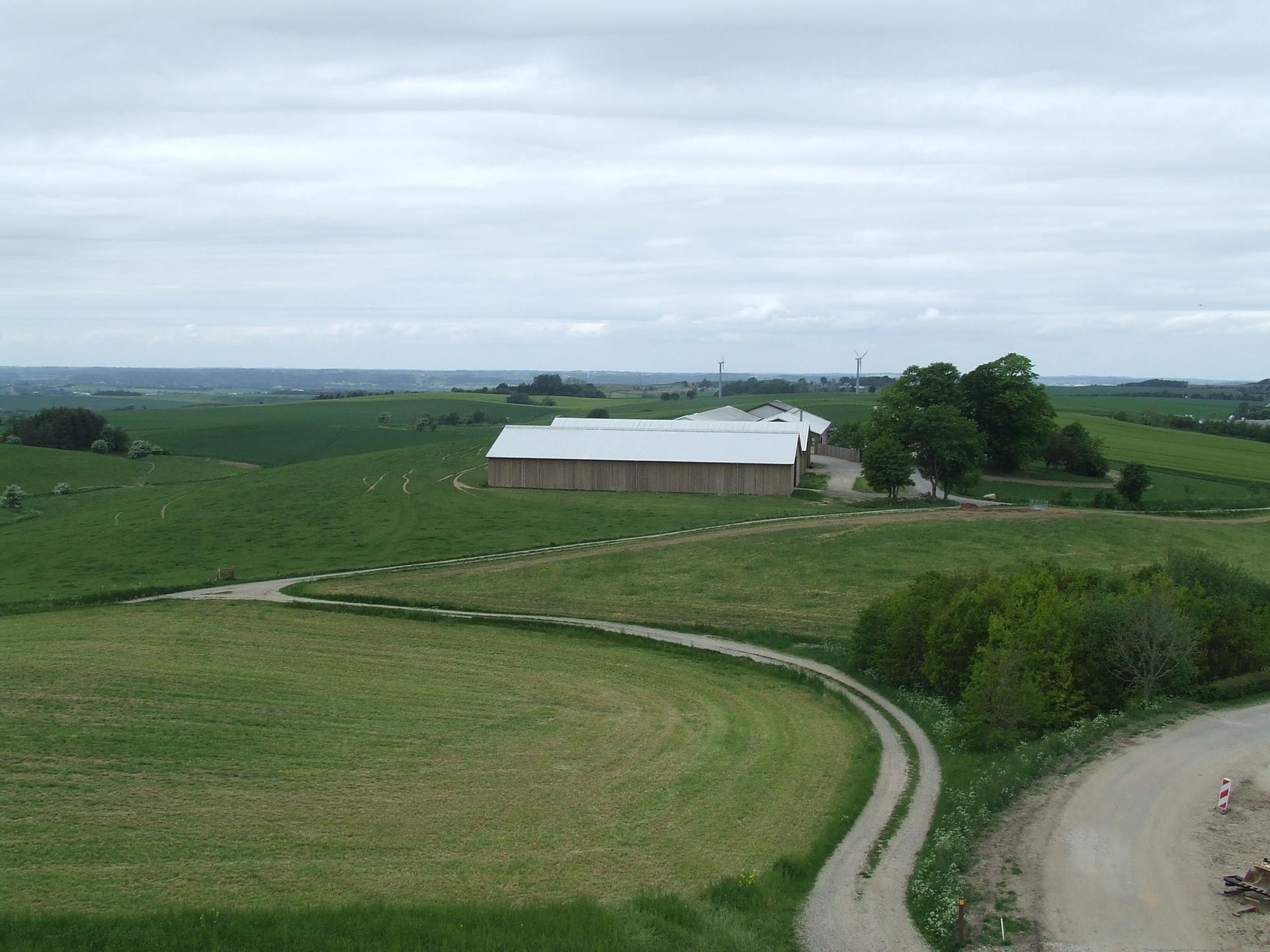
Møllehøj is a place where geography and understatement meet. At just 170.86 m above sea level, this gently rounded hill in eastern Jutland is officially Denmark’s highest natural point, edging out neighbouring Ejer Bavnehøj and Yding Skovhøj by only a few centimetres. You do not come here for thin air or dramatic cliffs, but for the quiet satisfaction of standing at the country’s highest natural spot in the middle of softly undulating farmland.The hill lies within the Ejer Bjerge, a modest chain of rises that locals sometimes affectionately dub the “Danish Alps.” Around you, patchwork fields, farms and windbreaks of trees roll away towards the horizon, more pastoral than alpine, but charming all the same. The sense of achievement here is oddly playful: you can “bag” Denmark’s highest peak in ordinary walking shoes and still have time for coffee afterwards.The Millstone and the Farm on the Summit
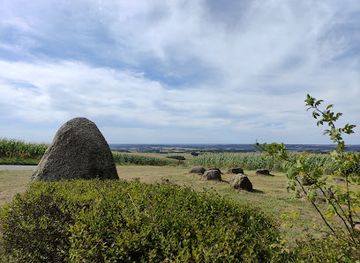
The summit of Møllehøj is marked not by a grand monument but by a simple millstone set into the ground, a remnant of the windmill that once stood beside the farm here. Its name literally means “Mill Height,” and the agricultural setting is impossible to miss. As you approach, you pass gates and barns, and the path keeps to a clearly signed route through a working farmyard before climbing gently onto the crest.Near the millstone you will usually find a few benches and an information board explaining the story of Denmark’s competing “highest points.” It is a surprisingly intimate spot: standing by the marker, you are only a short distance from the farm buildings, with cattle pastures and fields just beyond the fences. That proximity gives the place a lived-in, everyday feel rather than the remoteness often associated with national high points.Rival Peaks and Shifting Measurements
Møllehøj’s status is relatively recent. For many years, other hills claimed the title of Denmark’s highest point, from Himmelbjerget to Ejer Bavnehøj and later Yding Skovhøj. Detailed surveys in the 20th and early 21st centuries gradually refined the measurements, and in 2005 precise data finally crowned Møllehøj as the highest natural point.The arguments hinged on small differences in elevation, and on whether man‑made features such as Bronze Age burial mounds should count. When these were excluded, Møllehøj nudged ahead, with Ejer Bavnehøj and Yding Skovhøj relegated to very close second and third places. The story adds a layer of gentle intrigue to an otherwise unassuming hill, and information signs in the area often delve into this quietly intense topographic rivalry.An Easy Country Walk with Quiet Views
Visiting Møllehøj is less a hike and more a pleasant stroll. Most visitors begin at nearby Ejer Bavnehøj, where there is a car park, restrooms and an observation tower with broader views. From there, a short grassy track and farm path of only a few hundred metres lead towards Møllehøj’s millstone.The terrain is easy underfoot and the gradients are mild, making this a good outing for most fitness levels. Views from the summit itself are more limited than from the tower at Ejer Bavnehøj, with roughly half the horizon screened by farm buildings and sheltering trees. Still, the open side reveals a peaceful panorama of fields, hedgerows and the characteristic soft landscape of central Jutland.Making the Most of a Brief Visit
Most travellers spend less than an hour between the two neighbouring high points, but the area rewards unhurried wandering. You can combine the short walk to Møllehøj with time atop the Ejer Bavnehøj tower, reading the interpretive panels and tracing the story of Denmark’s evolving list of “highest mountains.” On clear days, the horizons feel surprisingly broad for such a low elevation.This is also a pleasant stop on a wider exploration of Jutland, breaking up a journey with a leg‑stretch and an unusual geographical milestone. There is no entrance fee for walking to the summit, and the low‑key facilities nearby underscore the simple, rural character of the site. In the end, Møllehøj’s charm lies in its modesty: a national high point that looks and feels like a quiet corner of the countryside, with a story that is bigger than its height suggests.More to explore near Møllehøj, DK's highest hill













Your all‑in‑one travel companion app
Explore expert travel guides, compare and book tours, experiences, hotels, and more—all from the palm of your hand. Download now for seamless trip planning wherever your wanderlust takes you.


Explore More of Mollehoj
Looking beyond Møllehøj, DK's highest hill? Discover Mollehoj for broader travel guides, local hot-spots, and regional highlights.
Explore Mollehoj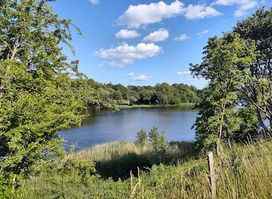
Semi-wild shoreline, big skies and rich birdlife make North Beach at Nørrestrand Horsens’ quietly scenic escape for walks, simple swims and unhurried nature time.
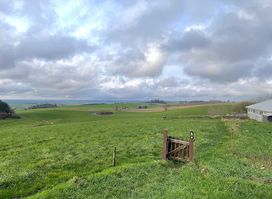
Stand on Denmark’s highest natural point atop a quiet Jutland farm hill, marked by a lone millstone and wide views across the gently rolling Ejerbjerge.