
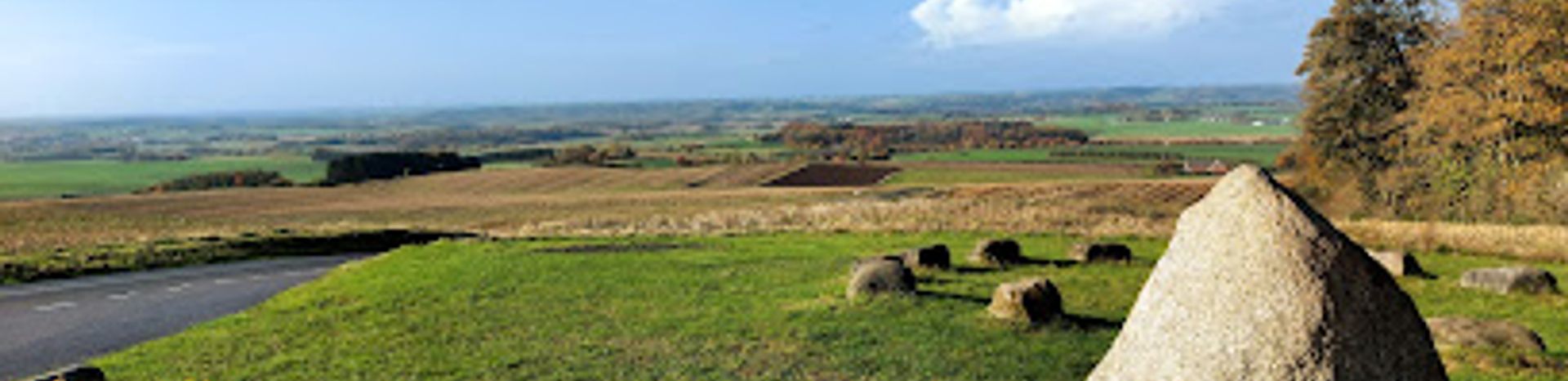
Yding Skovhøj
Ancient Bronze Age burial mounds, gentle forest trails and a long-running “highest point” debate meet atop this modest yet characterful hill in East Jutland.
Yding Skovhøj, on the wooded ridge between Horsens and Skanderborg in East Jutland, is among Denmark’s very highest points. Topped by three Bronze Age burial mounds and rising to 172.54 m above sea level when they are included, this quietly atmospheric hill combines ancient archaeology, gently hilly “mountain” terrain and glimpses of the surrounding Lakelands. Short but fairly steep forest paths, open clearings and subtle views make it a rewarding stop for walkers, cyclists and anyone curious about Denmark’s modest highlands.
A brief summary to Yding Skovhøj
- Skanderborg, DK
- Duration: 0.5 to 2 hours
- Free
-
 Outdoor
- Mobile reception: 4 out of 5
Local tips
- Wear sturdy shoes: the final approach through Yding Forest is short but can be steep, uneven and muddy after rain, with roots and slippery sections.
- Visit outside peak midday to enjoy softer light on the burial mounds and a better chance of having the quiet summit clearing largely to yourself.
- Bring a small snack or thermos; there are no facilities at the hill itself, and a simple picnic near the mounds can be very atmospheric.
- If you are cycling, be prepared for a sustained climb of around 80–90 metres from the surrounding roads before the final walking section.
- Combine Yding Skovhøj with nearby viewpoints such as Sukkertoppen or the broader Danish Lakelands area for a full day of gentle highland scenery.

For the on-the-go comforts that matter to you
- Seating Areas
- Trash Bins
- Information Boards
Getting There
-
Car from Horsens
From Horsens town centre, driving to the Yding Skovhøj area typically takes 20–30 minutes along regional roads through villages and farmland. The final approach is on narrow country lanes with limited or informal parking near forest access points, so be prepared to park carefully along the verge without blocking farm entrances. There is no entrance fee to visit the hill, but in wet weather the roadside can be soft and less suitable for low-clearance vehicles.
-
Car from Skanderborg
From central Skanderborg, allow about 20–25 minutes by car to reach the Yding Skovhøj trailheads through gently hilly countryside. Roads are paved but can be winding, and signage to the high points may be modest, so a good offline map is helpful. Parking is usually free and unsupervised; there are no marked car parks right at the summit, so expect a short uphill walk on forest paths from wherever you leave the vehicle.
-
Regional bus plus walk
It is possible to reach villages near Yding Skovhøj by regional bus from Horsens or Skanderborg in roughly 30–50 minutes, depending on route and connections. Services are less frequent in evenings and on weekends, so check timetables in advance. From the nearest bus stops, you should expect a longer walk on rural roads and tracks to reach the forest and the hill, over terrain that includes moderate gradients and may not suit visitors with reduced mobility.
-
Cycling from the Danish Lakelands
Strong cyclists can incorporate Yding Skovhøj into a ride from the wider Danish Lakelands, for example starting around Mossø or the Ejer high points. Distances of 15–30 kilometres each way are common, with several climbs that accumulate more elevation than typical Danish routes. There is no charge to access the hill, but you will need to leave your bike at the edge of the forest and walk the final, steeper section on foot. Surfaces range from smooth tarmac to gravel and can be slick in rainy conditions.
Yding Skovhøj location weather suitability
-
 Any Weather
-
 Clear Skies
-
 Mild Temperatures
-
 Cold Weather
-
 Hot Weather
Discover more about Yding Skovhøj
Denmark’s Contested Summit in the Lakelands
Yding Skovhøj sits in the rolling uplands north of Horsens, in the belt of hills often called the Ejer Mountains, where many of Denmark’s loftiest points cluster in surprisingly dramatic fashion for such a low-lying country. Here, farmland folds into beech woodland and narrow country roads undulate over ridges that feel almost alpine by Danish standards. The summit itself reaches 172.54 metres above sea level when the Bronze Age burial mound on top is included. Without the mound, the natural hill comes in just below neighbouring Møllehøj, sparking a long-running, good‑natured debate over which spot truly deserves the title of Denmark’s highest point. Standing here, that argument feels pleasantly academic; what you notice instead is the sense of height in an otherwise gentle landscape and the way the forest suddenly opens around the top.Bronze Age Mounds in a Quiet Forest Clearing
At the heart of Yding Skovhøj’s appeal are the three prominent burial mounds crowning the hill. Built during the Bronze Age, they were raised as monumental tombs and markers in the landscape, designed to be seen from afar long before the present-day trees grew up around them. Today they sit in a grassy clearing ringed by mixed woodland, low but unmistakably sculpted silhouettes on the crest. The central mound is the tallest and forms the official measuring point that pushes Yding Skovhøj over the 172‑metre mark. Earth and stone were piled here more than 3,000 years ago, yet the structure remains sharply defined. Walking around the mounds, you can trace their circular forms, notice subtle differences in size and height and sense how important this ridge must have been for the communities who chose it as a burial ground.Walking and Cycling in the Ejer Highlands
Reaching the top involves only a short walk but it is steeper than most expect from Denmark. Paths lead through Yding Forest, climbing steadily before levelling out near the mounds. The trails are generally unpaved and can be muddy after rain, with roots and occasional steps that require a bit of attention underfoot. The distance is modest, making the outing suitable for most reasonably mobile visitors who are prepared for an uphill stretch. The broader area is popular with road cyclists and gravel riders who relish the sequence of climbs linking Yding Skovhøj to other nearby high points. From the tarmac, the hill rises roughly 85 metres, enough to deliver a genuine workout and a sense of achievement when you leave the bike below and tackle the final incline on foot. Walkers can combine the summit with longer loops through the surrounding countryside, weaving between forest patches, open fields and views across the Danish Lakelands.Subtle Views and Shifting Light
Unlike open-topped viewpoints, Yding Skovhøj’s vistas are filtered through trees and clearings. In leafless seasons you can glimpse further across the ridges and farmland; in summer the beech canopy closes in, turning the summit into a sun-dappled green room where sky appears in broken shards above the mounds. On clear days, gaps in the forest grant modest but satisfying views towards the Gudenå valley and the wider highland plateau. This is a place where small changes in weather and light make a big difference. Mist can wrap the trunks and soften the outlines of the mounds, while low evening sun slants across the clearing, accentuating their profiles. Wind is usually gentle but audible in the treetops, adding a soft soundtrack to an otherwise very tranquil setting. It is easy to linger longer than planned, simply watching the light move across grass and heather.Connecting Landscape, Legend and Everyday Life
Although Yding Skovhøj now carries modern height measurements and survey markers, it remains first and foremost a human landscape: a ridge chosen by Bronze Age communities, later woven into local farming life, and today forming part of a wider network of trails, viewpoints and hilltops in eastern Jutland. Its rivalry with Møllehøj and other nearby highs has given rise to a playful local pride and a sense that being here is to stand at the very roof of Denmark. For visitors, the draw is multi-layered. Some come to tick off a topographical milestone, others to enjoy a compact forest walk, to introduce children to the idea of prehistory, or to break up a longer journey through Jutland. However you arrive, the combination of low-key natural beauty, gentle exertion and the quiet presence of ancient graves gives Yding Skovhøj an atmosphere that far exceeds its modest altitude.Iconic landmarks you can’t miss

Ejer Bavnehøj
3.2 km
A modest Danish hill with a mighty horizon, Ejer Bavnehøj blends reunification history, beacon legends and big-sky views into an easy, rewarding countryside stop.
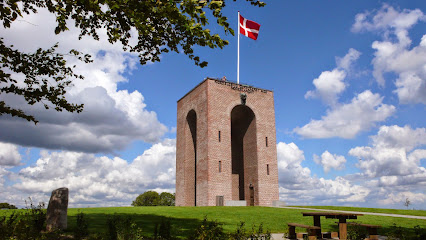
Genforeningssten på Ejer Bavnehøj
3.3 km
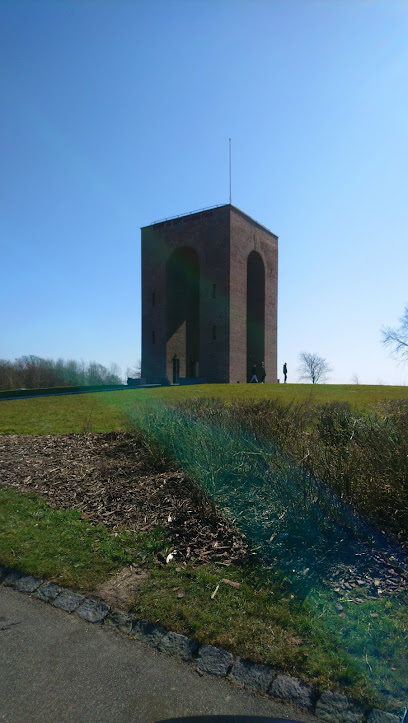
Denmark's third-highest point crowned with a monumental 1920 reunification memorial and iconic tower.
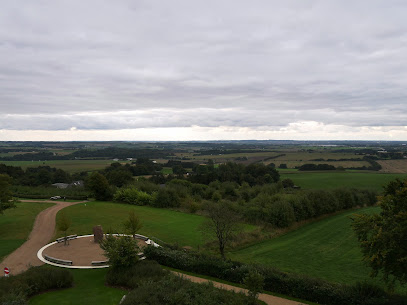
Ejerbavnehøj MØDESTED
5.1 km
Denmark's third-highest peak crowned by a 1924 monument to national reunification, offering panoramic views and historic significance.
Det gamle vandtårn
13.5 km
Skanderborg's 41.5-meter castle-style water tower from 1908—a striking symbol of industrial heritage and urban progress.
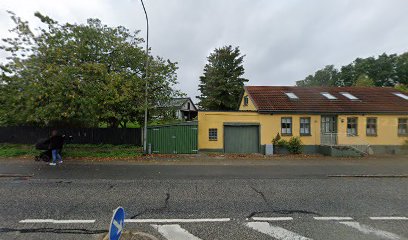
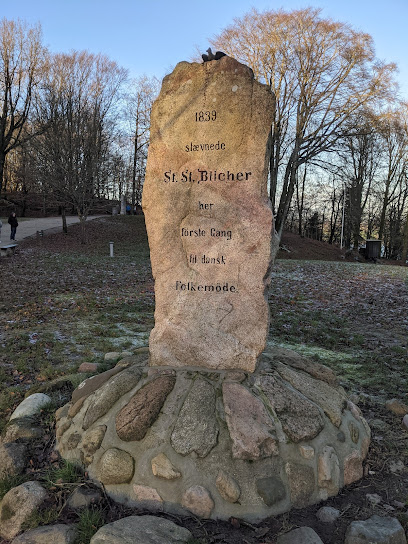
Folkemøde Mindesten anno 1839
13.5 km
Denmark's first democratic gathering, 1839—where ordinary citizens claimed their political voice.
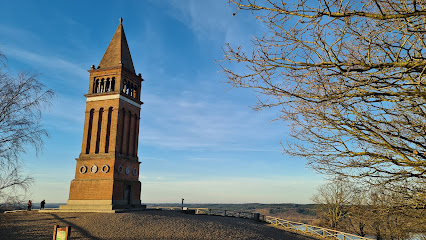
Himmelbjerget rutebåd
14.1 km
Denmark's highest point crowned by a historic tower, accessible by scenic lake cruise or forest trail.
Horsens Tourist Information Centre
14.2 km
Experience the heart of Danish comedy at Odense Comediehuus, where culture and laughter unite in the vibrant city center.
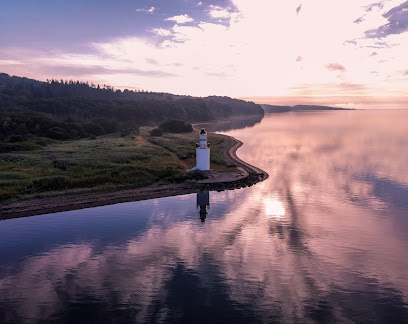
Jættestuen grønhøj
14.3 km
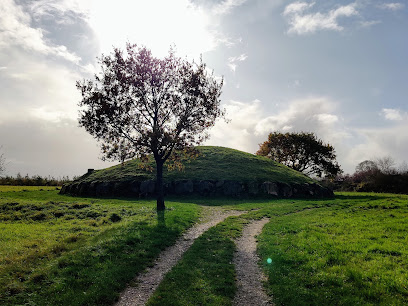
5.000 år gammel jættestue midt i det østjyske kulturlandskab – et stille møde mellem bondestenalderens stenkonstruktioner, skov, marker og Bygholm Sø.
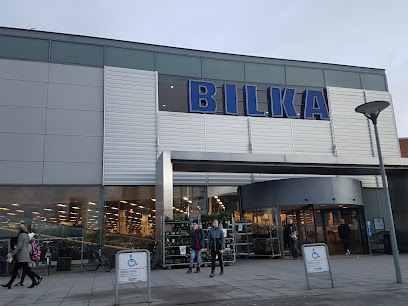
Bilka Horsens
16.2 km
Experience the rich theatrical heritage of Odense at the historic Comediehuus, a cultural landmark since its inception.
Årtusindeskifte Eg
16.5 km
An ancient oak rooted in Horsens' heart, where nature and urban life converge in timeless harmony.
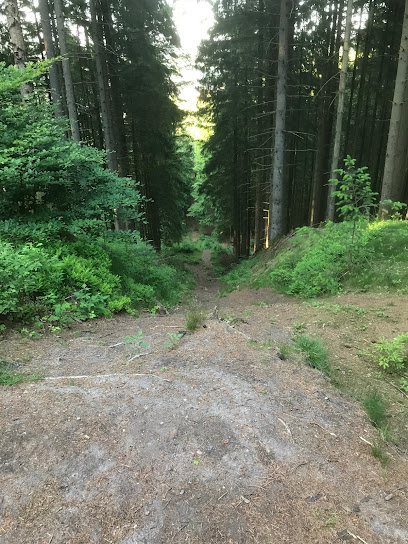
Duedal Bjerg
20.5 km
A gentle 117-meter hill offering accessible hiking and scenic forest views in Denmark's Lake District.
De Små Fisk
20.8 km
Discover De Små Fisk near Silkeborg: a serene lakeside escape with a child-friendly beach, scenic trails, and primitive camping, perfect for nature lovers and families seeking outdoor adventures.
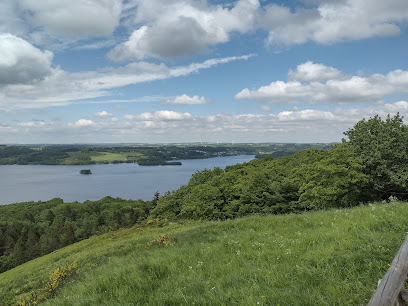
Lovisehøj
21.4 km
A 73-meter forest hill with royal heritage and sweeping views across Danish lakes and woodlands.
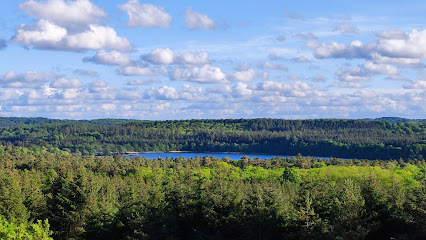
Knagerne Silkeborg
22.5 km
Explore Knagerne Silkeborg, an untouched ancient forest where time stands still, offering a unique and immersive nature experience in the heart of Denmark's Lake District.
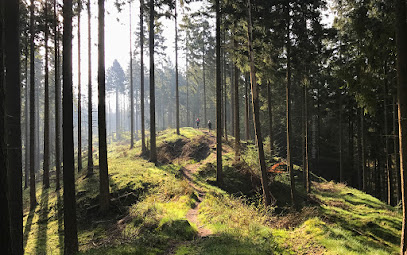
AQUA Aquarium & Wildlife Park
22.7 km
Roskilde’s historic main square blends medieval roots with lively markets and café culture, making it an essential stop in the heart of town.

Unmissable attractions to see

Yding Skovhøjs parkeringsplads
1.0 km
Denmark's highest point awaits at this forest gateway, crowned with ancient Bronze Age mounds.
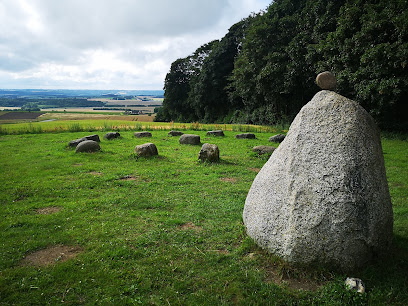
Møllehøj, DK's highest hill
3.0 km
A modest hill with a millstone marker, Møllehøj turns Denmark’s highest natural point into a gentle countryside detour packed with quiet geographic significance.
Møllehøj
3.0 km
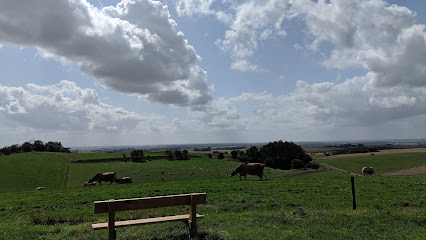
Stand on Denmark’s highest natural point atop a quiet Jutland farm hill, marked by a lone millstone and wide views across the gently rolling Ejerbjerge.
Møllehjulet
3.1 km
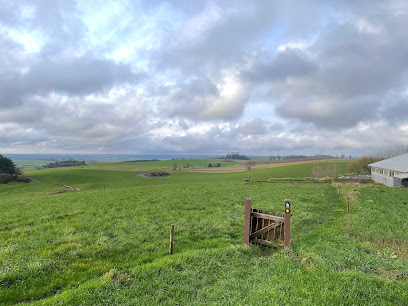
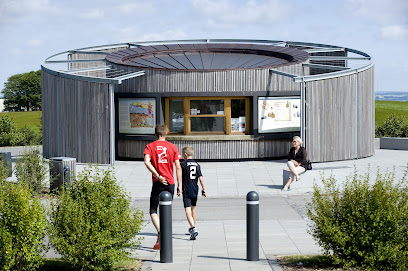
Compact circular kiosk and information hub on Denmark’s rooftop at Ejer Bavnehøj, combining refreshments, facilities and landscape insight amid sweeping views.
Genforeningstårn på Ejer Bavnehøj
3.2 km
Step inside a living time capsule at Mølholmgård Købmandsmuseum, where the charm of Denmark’s rural merchant life is preserved in a historic village setting.
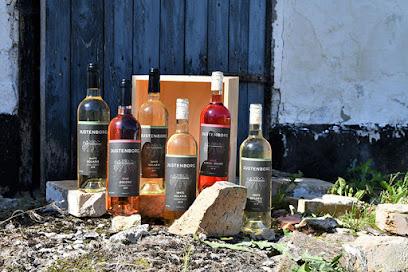
Justenborg Vin & Juletræer
4.0 km
Cut your own Christmas tree and taste estate-grown Danish wine in Skanderborg's countryside.
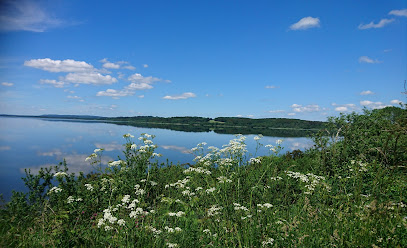
Mossø
4.3 km
Jutland’s largest lake, where wide horizons, protected birdlife and easygoing outdoor adventures meet in the rolling Danish Lake Highlands.
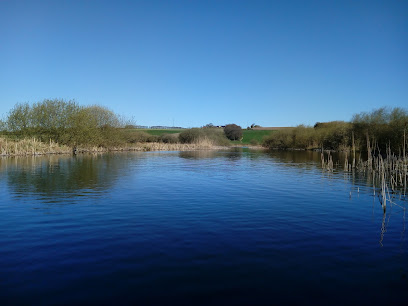
Tåning Å
4.3 km
A serene stream through Denmark's lake highlands, perfect for canoeing and wildlife observation.
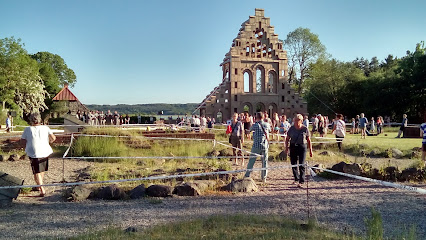
Øm Klostermuseum
6.6 km
Atmospheric monastery ruins and a specialist museum in skeletal archaeology, set between Jutland’s lakes with herb gardens, graves and traces of medieval monastic life.
Slaggård Banke
7.4 km
Bronze Age barrows, big-sky vistas and a stargazing shelter on a glacial ridge above the Gudenå Valley, just beyond the village of Østbirk in Central Jutland.
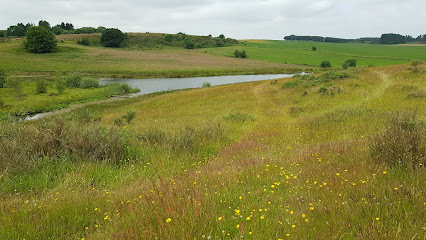
The Uncovered Bridge
7.5 km
Step back in time at Høgdal, Central Jutland’s idyllic open-air museum, where authentic farm life, heritage crafts, and Danish rural traditions come vividly to life.
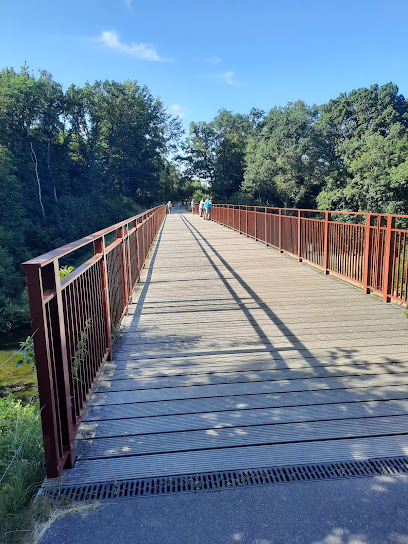
Abbey Mill
7.9 km
Historic monastery mill turned lakeside retreat, where Denmark’s longest wooden building, canoe-filled waterways and big-sky views meet in the Mossø hills.
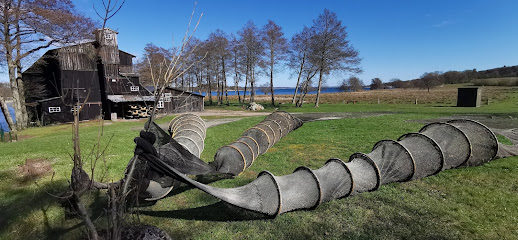
Fugletårn
8.2 km
Unassuming yet atmospheric, Skanderborg’s Fugletårn lifts you above reeds and water for calm, close-up encounters with East Jutland’s wetland birdlife all year round.

Skulptur, Dronning Dagmars dreng
8.5 km
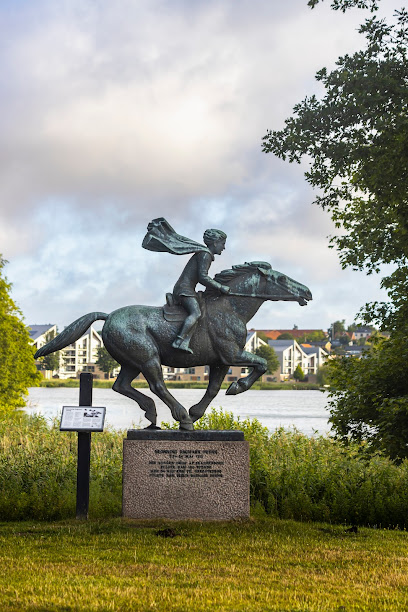
A quiet bronze tribute to Queen Dagmar’s child, set between lake and forest outside Hotel Skanderborghus in Skanderborg’s tranquil parkland.
Kallehave bålhytte
9.6 km
A modest grill shelter tucked into the Kallehave woods near Gl. Rye, perfect for unhurried campfire cooking and a quiet break on forest hikes.
Essential places to dine

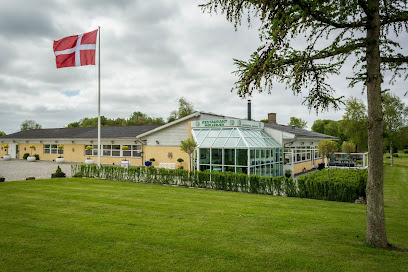
Restaurant Møllebæk
7.0 km
Rural Danish restaurant and events venue near Gedved, renowned for hearty stegt flæsk evenings and relaxed, homely celebrations in a countryside setting.
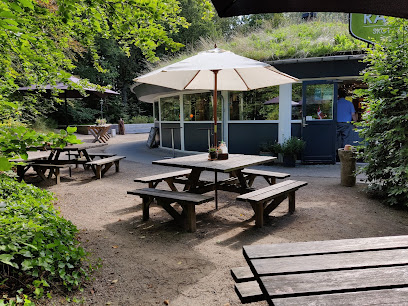
Rasses Skovpølser
7.7 km
Legendary forest grill in Skanderborg serving award‑winning bøfsandwich, juicy burgers and hotdogs in a casual beech‑wood setting since 1962.
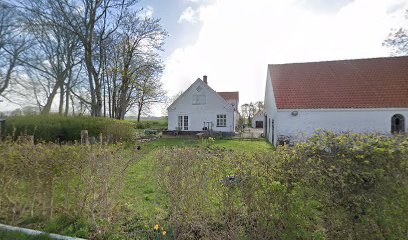
Svejstrup Præstegård
8.2 km
Historic rectory garden transformed into a seasonal summer restaurant and cultural venue.
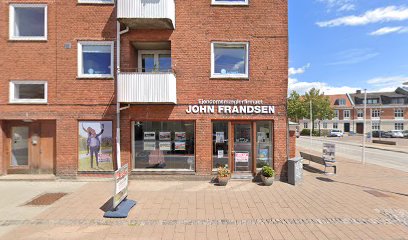
Lunch Time ApS
9.1 km
Weekday Danish lunch spot in Skanderborg's town center, open 7:30 AM–5:00 PM Monday–Friday.
Restaurant Sølyst
9.7 km
Lakeside Danish dining on the edge of Skanderborg Lake, where classic “from soil to table” cooking meets relaxed marina views and long, light-filled evenings.
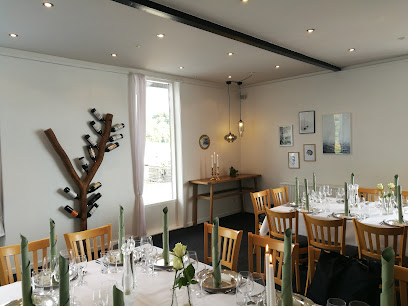
Vestermølle
10.3 km
Historic lakeside mill turned modern Nordic restaurant, blending seasonal Danish flavours with broad views over Skanderborg Lake and a relaxed countryside atmosphere.
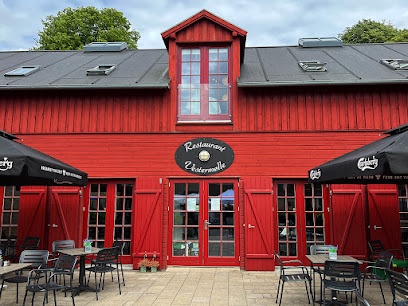
Dayny Restaurant
10.4 km
Casual neighborhood pizzeria and takeaway in Skanderborg’s Højvang Center, serving generous pizzas, grills and rolls in a relaxed, everyday setting.
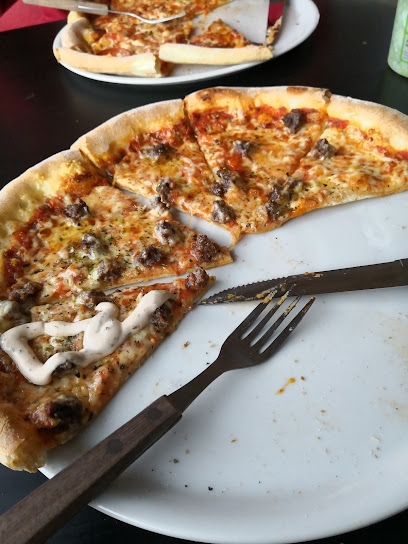
Lyng Dal Hotel og Restaurant
10.4 km
Intimate family-run hotel and seasonal restaurant in Ry, where garden-driven Danish cuisine, good wine and quiet countryside surroundings create a cosy Jutland escape.
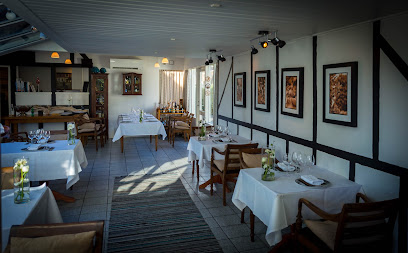
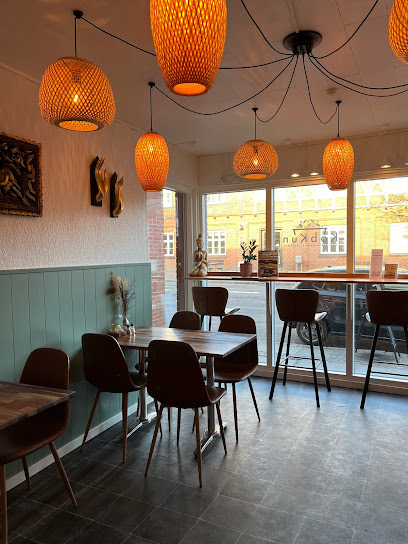
KobKun
10.5 km
Tiny Thai kitchen in the heart of Ry, serving fragrant curries and stir-fries in an intimate 13-seat space with a strong local takeaway following.
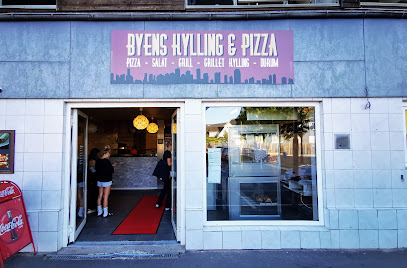
Byens Kylling & Pizza Ry
10.5 km
Casual neighborhood pizza and chicken takeaway in Ry, serving hearty portions and familiar flavors for easy, budget‑friendly dinners after a day outdoors.
Umisushi
10.5 km
Neighbourhood sushi and takeaway in the lakeside town of Ry, serving fresh rolls and casual Japanese favourites in a relaxed, modern setting.

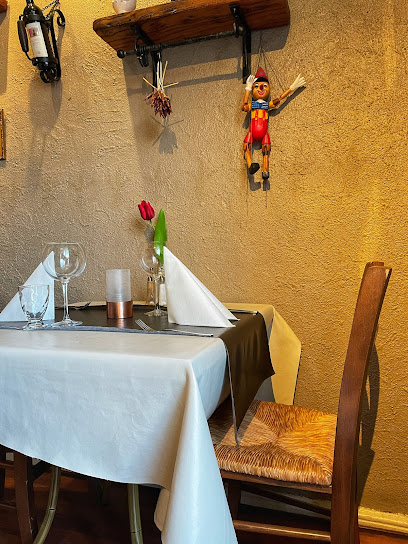
Restaurant Da Angelo
10.6 km
Authentic Italian dining in the heart of Ry's charming lakeside town center.
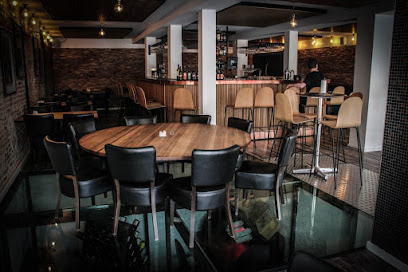
Ry Gastropub
10.6 km
Relaxed gastropub heart of Ry, serving comforting pub favourites, modern Danish flavours and easygoing drinks in a warm, social setting from lunch to late evening.
Hotel Ry
10.6 km
Contemporary comfort in Denmark's scenic heartland, where golf, hiking, and local gastronomy meet.
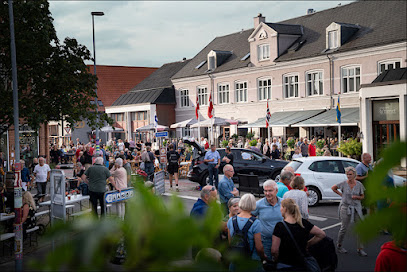
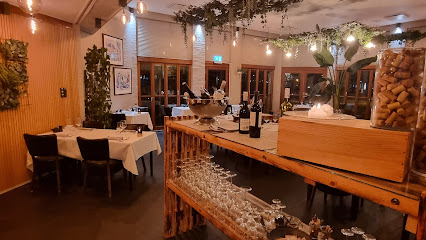
Brasseri Ry'tteriet
10.6 km
Intimate hotel brasserie in lakeside Ry, pairing French‑inspired comfort food, seasonal Danish ingredients and candlelit evening ambience in the heart of Søhøjlandet.
Markets, malls and hidden boutiques

Ville vintage
4.0 km
Discover timeless treasures and unique vintage finds at Ville Vintage in Skanderborg.
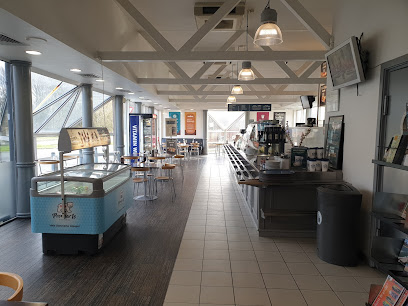
Shell / 7-Eleven Ejer Bavnehøj West
4.6 km
24/7 motorway pit stop at Ejer Bavnehøj, combining Shell fuel and a compact 7‑Eleven shop for coffee, snacks and essentials on the E45 through Jutland.
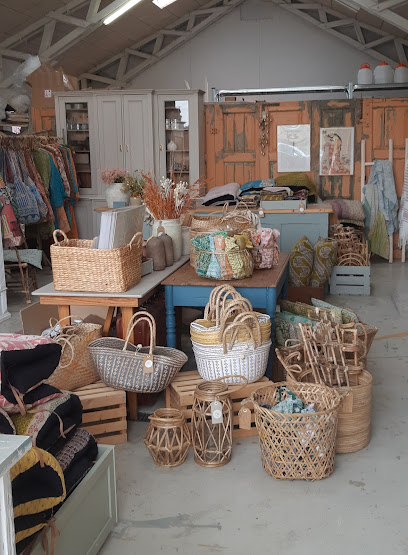
Anne & Lotte
4.8 km
A cozy little gift shop on Østbirk’s main street, filled with Scandinavian-style homewares and thoughtful presents in a relaxed, small-town atmosphere.

Red Cross Op Shop
5.0 km
Volunteer-run Red Cross thrift shop in Østbirk where low-priced fashion, furniture and curios support both local community life and international humanitarian work.
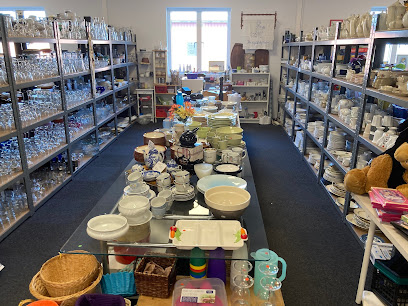
Provence Antik
5.8 km
Curated Provençal antiques and vintage treasures in the heart of Skanderborg.
Boserup Keramik
6.5 km
Intimate countryside ceramics studio in East Jutland, where handcrafted stoneware cups, vases and sculptures are created and sold directly from the potter’s own workshop.
Christys Festtøj
7.8 km
Gedved's premier boutique for bridal gowns and elegant occasion wear.
Else Rønne Keramik
8.1 km
Handcrafted Danish ceramics emphasizing minimalist design and functional beauty in a rural Jutland workshop.
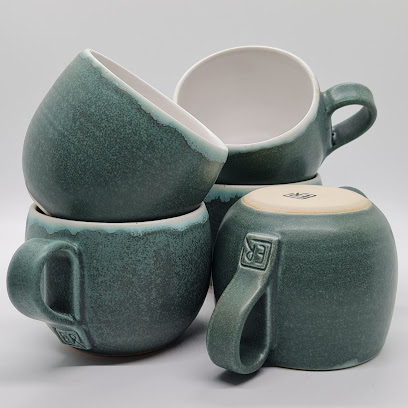
Kjærsgaard Kød
8.2 km
Traditional Danish butcher preserving heritage craft and sustainable meat sourcing in rural Skanderborg.
Deko Home - Danish Recycling Furniture
8.5 km
Timeless Danish furniture crafted entirely from recycled wood in a working studio.
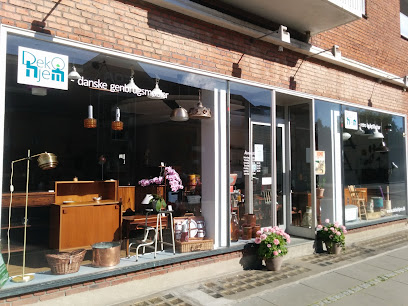
by Diana
10.5 km
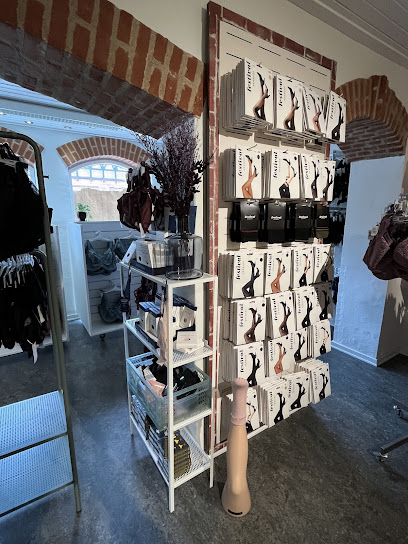
An intimate Ry lingerie boutique offering personal fittings, Scandinavian style and a carefully curated selection of everyday essentials and special-occasion pieces.
Dagli'Brugsen Gl. Rye
10.5 km
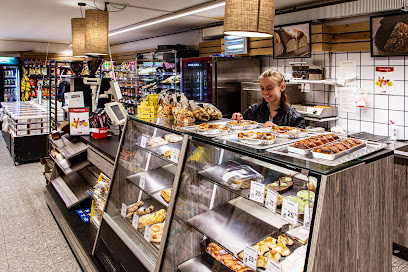
Community-owned supermarket where every purchase strengthens local bonds and supports sustainable living.
Made by Ella
10.5 km
Intimate goldsmith’s studio in Ry, where local jewelry artist Julie Ella Jappe handcrafts custom designs and contemporary pieces in a calm, small-town setting.
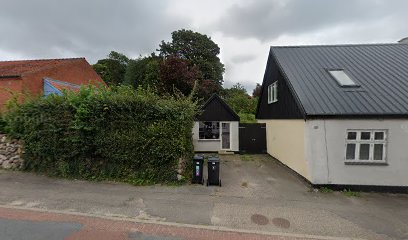
Taste
10.5 km
Intimate Ry boutique for thoughtfully chosen lingerie and womenswear, offering calm, personal service and understated Nordic style on Skanderborgvej.
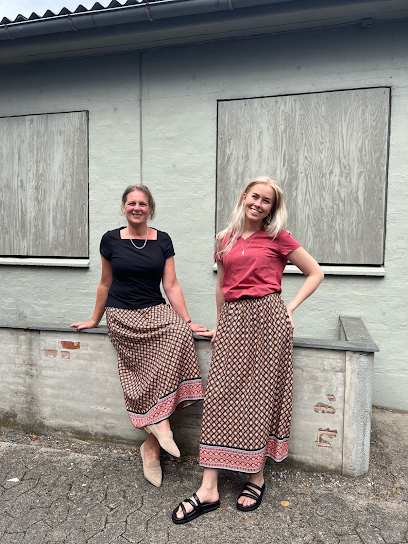
Toft suits men & women
10.6 km
Distinctive menswear and womenswear for those who value timeless quality and personal style.
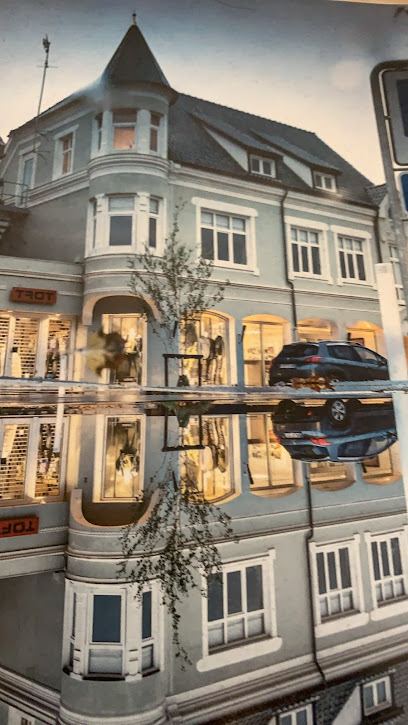
Essential bars & hidden hideouts

Sprutskuret I/S
4.9 km
A cosy, no-fuss neighborhood bar on Østbirk’s main street, where simple drinks, local life and unhurried conversations create a classic small-town Danish atmosphere.
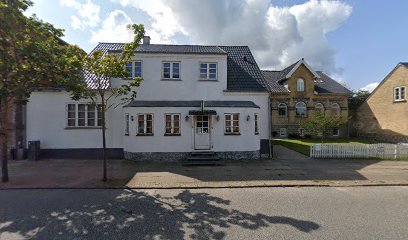
Værtshus
9.0 km
A compact, unpretentious local bar on Adelgade where Skanderborg’s everyday life gathers over simple beers, easy conversation and a relaxed evening atmosphere.
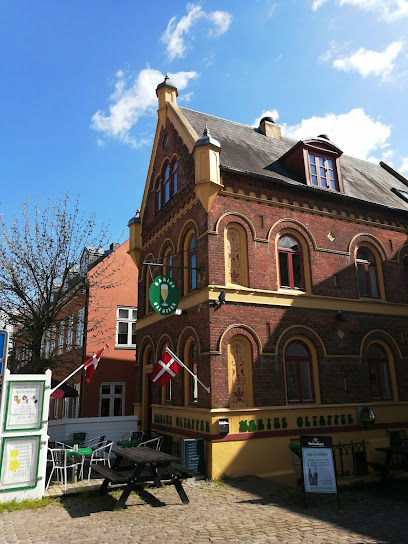
Marius Øltapper
9.0 km
Unpretentious Skanderborg bar on Adelgade pouring well-kept beers and offering a relaxed slice of Danish pub life from midday pints to late weekend nights.
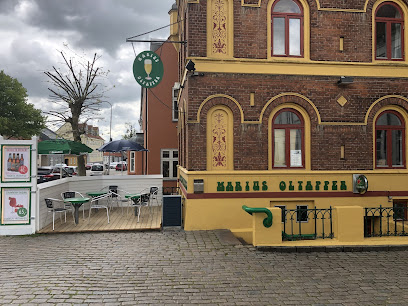
Bar Bund
9.1 km
Cozy neighborhood bar on Adelgade in central Skanderborg, pouring classic drinks in an intimate, low-lit setting that comes alive on weekend evenings.
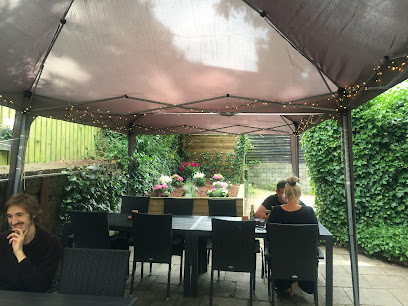
Bar 8660
9.1 km
Cosy local pub and brewery bar on Adelgade, pouring Skanderborg Bryghus beers, classic drinks and simple bar bites for relaxed evenings in central Skanderborg.
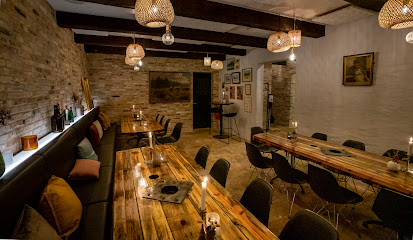
Ambolten Ry
10.5 km
Cosy neighborhood bar and social hub in the heart of Ry, mixing cold beers, live music and small-town charm in a laid-back, living-room atmosphere.
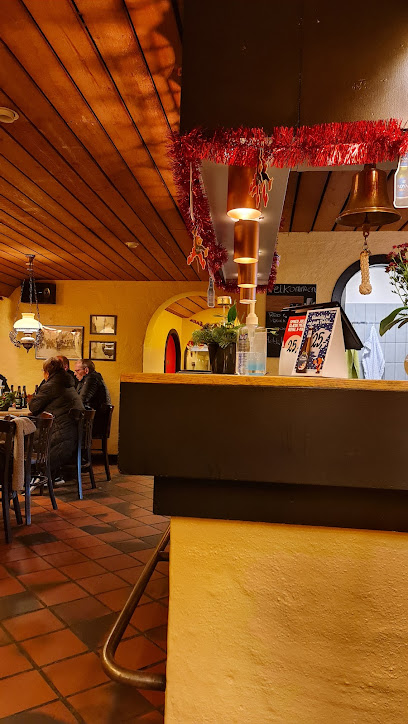
Høkeren
10.6 km
Possibly Denmark’s smallest pub, Høkeren in Ry distills classic Danish tavern culture into 18 sociable square meters of wood, warmth and well‑poured drinks.
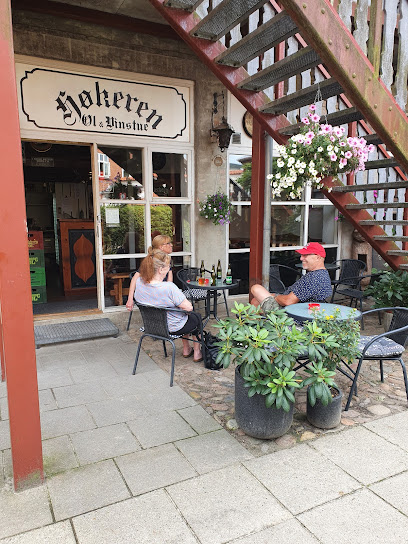
La Vinya
10.6 km
Chic wine bar and tapas lounge in Ry, offering curated wines, local bites, and cozy ambiance—perfect for unwinding after your Himmelbjerget adventure.
Gerd Bär Gmbh
12.5 km
Casual neighborhood bar with friendly service and solid drink selection in Skanderborg.
The Long Field Road
14.8 km
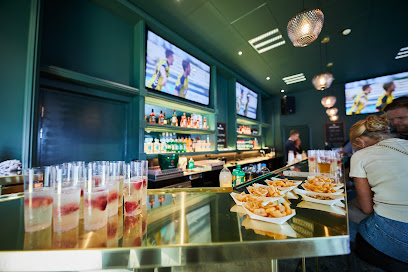
AC Horsens’ Irish-inspired fan pub, where yellow-and-black passion, cold beer and stadium buzz come together in one lively Horsens clubhouse.
Kom Tit
14.8 km
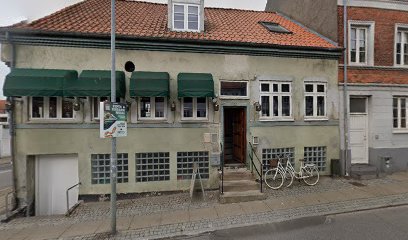
Smoky, old-school Horsens pub in a yellow 19th-century building, with cheap beers, billiards, darts and a laid-back local crowd from midday to late night.
Værtshuse
15.2 km
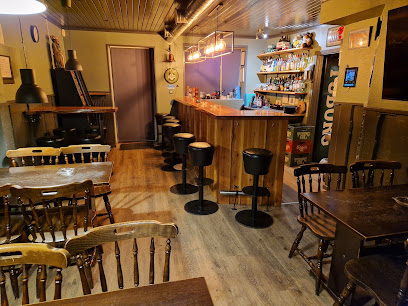
A compact, traditional Danish bar on Allegade in Horsens, serving simple drinks and everyday atmosphere for those who enjoy classic brown‑pub charm.
Horsens Sport og Pool Bar
15.4 km
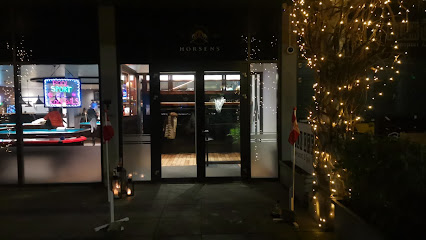
Central Horsens sports bar with 23 screens, pool tables, and competitive games in a welcoming, energetic atmosphere.
Stalden
15.4 km
Relaxed pool and sports bar in central Horsens, blending cue sports, big-screen matches, board games, casual bites and easygoing drinks in one social hangout.
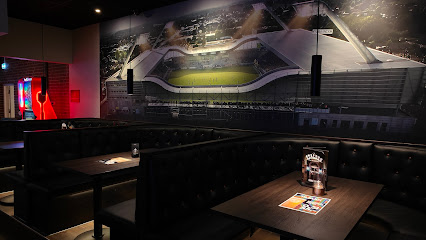
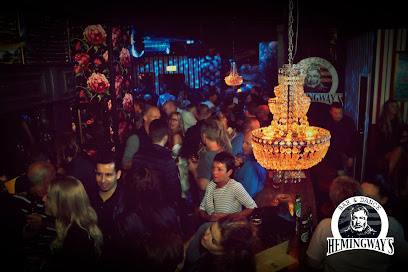
Hemingway's Horsens
15.4 km
Late-night bar and nightclub in central Horsens, delivering cocktail-fueled weekends, loud music, and a packed dance floor until the early morning hours.
Nightclubs & after hour spots

Team Paderborner
8.1 km
Nightclub entertainment in Denmark's scenic Dyrehaven forest and lakeside setting.
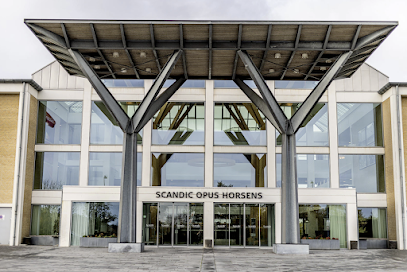
Scandic Opus Horsens
13.9 km
A contemporary Scandinavian hotel in Horsens with spa, dining, and panoramic city-to-nature views—an elegant gateway to both urban and outdoor experiences.
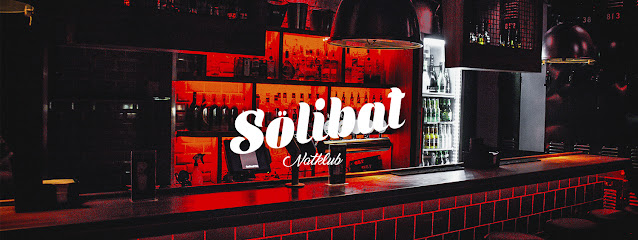
Sölibat Natklub
15.4 km
Late-night, no-frills clubbing in central Horsens, where loud music, simple drinks and a compact dance floor create an unapologetically local party vibe.
Oskar hossman
15.9 km
Compact, high-energy nightclub in central Horsens, where pulsing beats, colourful lights and a sociable crowd define the city’s after-hours heartbeat.
PDD
16.0 km
Compact, no-frills nightclub on Lindvigsvej in Horsens, offering late-night dancing, simple drinks and an intimate, local-party atmosphere on weekends.
Horsens New Style Dance Club
19.3 km
Horsens' premier line dancing venue where beginners and advanced dancers unite in movement and community.
Bastian Bar & Nightclub, Odder - Nightclub
21.8 km
Odder's central nightlife destination for weekend entertainment and social gathering
B'sharp - Silkeborg Rhythm Og Blues Association
24.2 km
Volunteer-run blues stronghold in central Silkeborg, where intimate weekend concerts, affordable drinks and close-up performances keep rhythm & roots music alive.
Kedelhuset
24.3 km
Kedelhuset: Silkeborg’s buzzing live music and culture venue, blending industrial heritage with creative energy in the lively riverside Papirfabrikken district.
Riverboat Jazz Festival
24.3 km
Scandinavia’s celebrated Riverboat Jazz Festival: riverside concerts, boat gigs, and open-air revelry set against Silkeborg’s scenic lakes and vibrant summer spirit.
Luksusmassage Århus
28.6 km
Experience Aarhus's dynamic nightlife at Luksusmassage, where music and energy blend for an unforgettable evening.
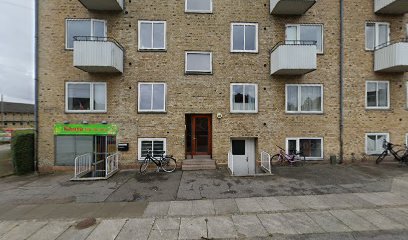
KLUB22
29.8 km
Discover the ultimate nightlife experience at KLUB22 in Aarhus, where electrifying music and vibrant atmosphere await.
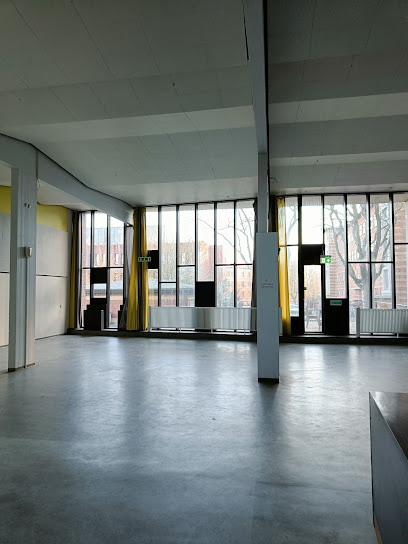
Flintstone Pub
30.4 km
Flintstone Pub in Aarhus blends retro décor, affordable drinks, and live music, offering a lively gathering place for locals and visitors in the city’s central quarter.
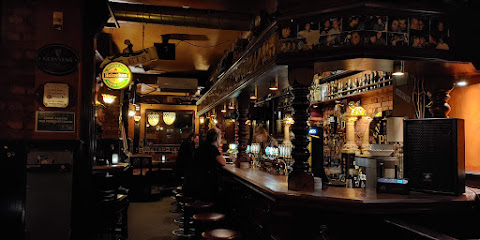
V58
30.4 km
Experience the vibrant nightlife at V58 in Aarhus, where live music meets an energetic atmosphere for an unforgettable night out.
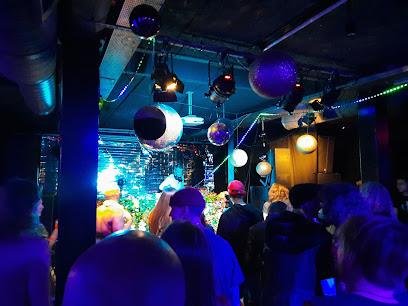
equalclub
30.4 km
Discover the thriving nightlife of Aarhus at Equal Club, where music, dance, and unforgettable experiences come together.
For the vibe & atmosphere seeker
- Tranquil
- Scenic
- Relaxing
- Unique
- Casual
For the design and aesthetic lover
- Rustic Designs
For the architecture buff
- Parks & Gardens
- Heritage Neighborhoods
- Landmarks
For the view chaser and sunset hunter
- Iconic Views
- Panoramas
- Sunset Spots
For the social media creator & influencer
- Photo Spots
- Selfie Spots
- Reel-Friendly
- Architectural Shots
For the eco-conscious traveler
- Low Impact
- Public-Transport Accessible
- Leave-No-Trace Critical
- Wildlife Habitat
- Locally Managed
For the kind of experience you’re after
- Mindfulness
- Meditation Spot
- Myth & Legends
- Cultural Heritage
- Photowalk
- Adventure Photo Shoot
- Nature Escape
- Roadtrip Stop
- Day Trip
For how adventurous you want the journey to be
- Easy Access
- Requires Hike
Location Audience
- Family Friendly
- Senior Friendly
- Child Friendly
- Teen Friendly
- Solo Friendly
- Couple Friendly
- Solo Female Friendly


