Koldinghus Travel Guide
Free Guide: A 13th‑century border fortress reborn as an award‑winning museum, where ruined walls, modern timber and royal stories meet above the heart of Kolding.


A brief summary of Koldinghus
A 13th‑century border fortress reborn as an award‑winning museum, where ruined walls, modern timber and royal stories meet above the heart of Kolding.
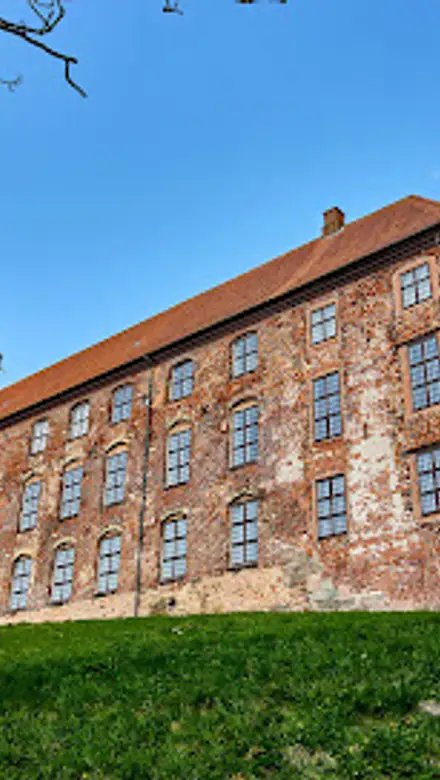
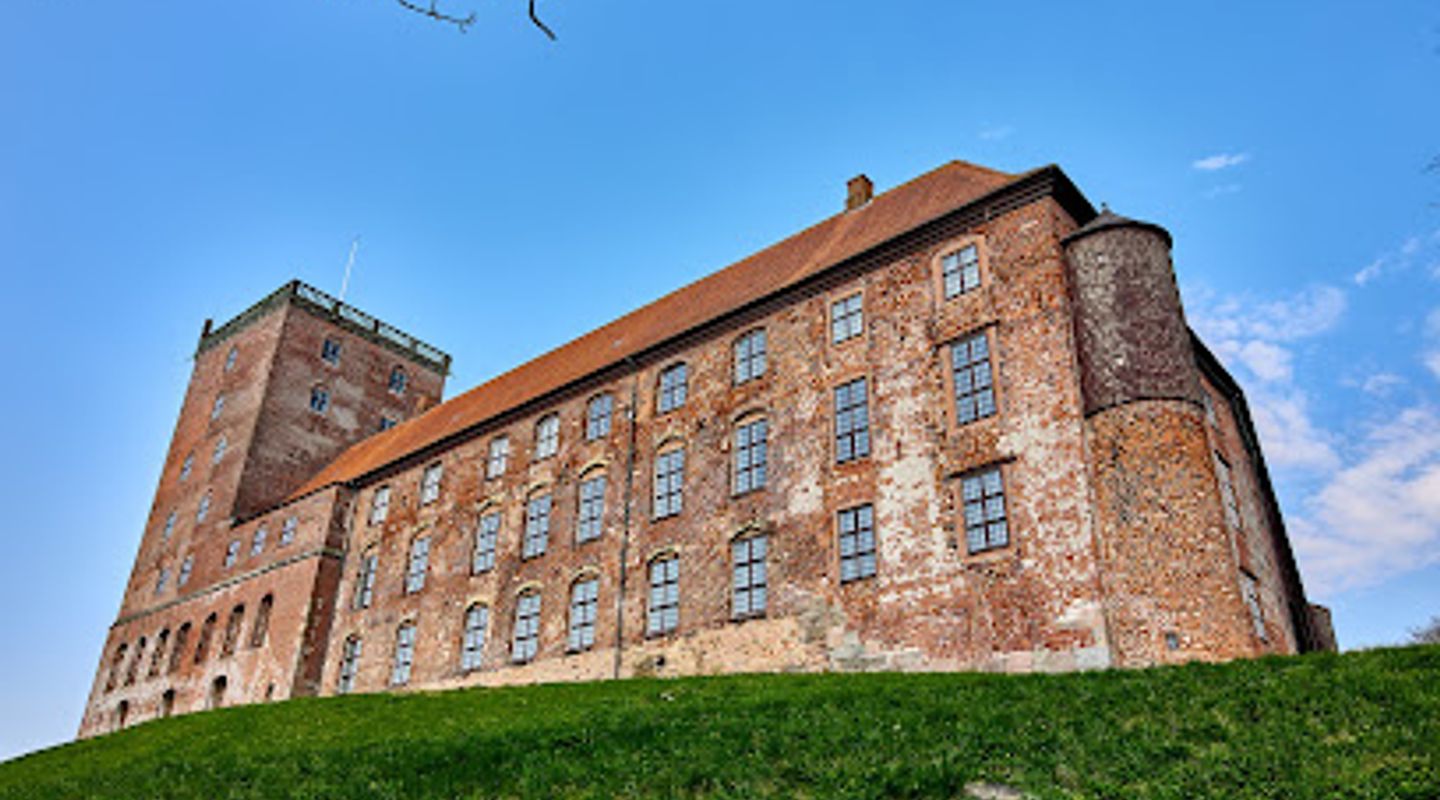
Rising above the center of Kolding, **Koldinghus** is a 13th‑century royal castle turned award‑winning museum, famous for its dramatic fire of 1808 and bold modern restoration. Inside, medieval walls meet contemporary timber and steel, housing exhibitions on Danish history, design and royal life. Climb Christian IV’s great tower for sweeping views over the town and castle lake, explore atmospheric ruins and vaulted halls, and pause for a meal in the castle’s vaulted restaurant for a full, time‑layered experience.
On-site amenities
 Restrooms
 Drink options
 Drinking water
 Food options
 Seating areas
 Sheltered areas
 Trash bins
 Information boards
 Visitor centre
Opening hours
- Every day10 am–5 pm
Opening hours as listed on the venue’s Google Business Profile. Hours can change for services and special events, so check with the venue before you go.
- Address
- Koldinghus 1, 6000 Kolding
- Phone
- Website
Getting there
Train and short walk from Kolding Station
Local bus within Kolding
Car or rental car from regional cities
Discover more about Koldinghus
A Border Fortress That Became a Royal Home
Koldinghus began life in the 13th century as a strategic fortress guarding Denmark’s southern border against the Duchy of Schleswig. Built on a prominent hill with moats and ramparts, it watched over key land routes through Jutland while projecting royal power across the region. Over time, stone wings replaced early timber structures, and successive monarchs expanded and refined the complex.By the 16th century, the castle’s defensive role had faded as cannons changed the nature of warfare. Kings like Christian III reshaped Koldinghus into a refined royal residence, adding new wings around a central courtyard and creating comfortable apartments fit for court life. For generations, it served as a favored royal retreat, a place where political decisions were made and royal children, including future king Frederik II, spent formative years.
Fire, Ruin and a Radical Restoration
The turning point came in 1808, when foreign troops quartered in the castle accidentally started a devastating fire. The blaze gutted the interiors and left Koldinghus a towering ruin, its scorched walls open to wind and weather. For almost a century the shell of the castle stood as a romantic emblem above Kolding, ivy‑clad and slowly deteriorating, more memorial than functioning building.From the late 19th century, restoration campaigns began, but it was in the late 20th century that Koldinghus was truly reborn. Architects Inger and Johannes Exner devised a daring approach: instead of erasing the ruin, they preserved the scarred brickwork and inserted new structures in wood and steel clearly distinct from the old masonry. Their solution created dramatic volumes, vertiginous walkways and exposed trusses, earning international recognition for its sensitive balance of conservation and innovation.
Museum Galleries in Historic Castle Rooms
Today Koldinghus functions as a museum under the Royal Danish Collection, filling former royal apartments and newly created halls with exhibitions that span centuries. Permanent displays trace the story of the castle and the monarchy, while others focus on Danish art, design and craftsmanship. A highlight is the presentation of Flora Danica porcelain, the lavish hand‑painted service once intended as a diplomatic gift and now one of Denmark’s national treasures.Temporary exhibitions range from historical themes to contemporary design and fashion, making each visit slightly different. Throughout, the building itself acts as a giant exhibit: rough medieval walls, soot‑darkened bricks and massive timber columns tell their own story of fire and renewal. Interpretive panels and objects are woven into this architectural drama rather than overshadowing it, letting the castle remain the main protagonist.
Towers, Views and Castle Atmosphere
Exploring Koldinghus is as much about atmosphere as about artefacts. Narrow staircases lead to lofty galleries, and from Christian IV’s great tower you step out to a commanding view over Kolding’s rooftops, the castle lake and gentle South Jutland landscapes beyond. On breezy days flags snap above the courtyard, adding to the feeling of an active, lived‑in fortress.Inside, shafts of light fall across old brick and raw timber, especially in the large halls where modern walkways cut through voids left by the fire. On quieter days you may hear your footsteps echo as you cross suspended bridges between ruin walls. In the vaulted basement, the Madkælderen restaurant serves meals in a setting that recalls the castle’s working underbelly, with thick walls, low arches and a sense of centuries of service life.
Family Activities and Living History
Koldinghus also embraces hands‑on experiences, particularly for younger visitors. The Royal Workshop and costume areas allow children and adults to step into historical outfits, handle replicas and imagine courtly life within these same rooms. Seasonal programs often bring fencing demonstrations, storytelling and craft activities into the courtyards and halls, giving the building a lively, lived‑in feel that contrasts with its long period as a silent ruin.Because the museum is compact yet layered, most visits take two to three hours, though it is easy to linger longer if you dive into detailed displays or pause for a meal. Whether you come for the architecture, the royal history, the exhibitions or simply the views over Kolding, the experience is one of time stacked upon time, with every wall and beam quietly recording another chapter of the castle’s 750‑plus‑year story.
Evendo Review Centre
 Google
Guest reviews
Best time to go
Quietest: Jan, Feb & Mar · before 8am or at 6pm or at 7pm
Busy times are Evendo estimates for a typical year, to help you plan. Actual crowds vary with events, school holidays and the weather.
Explore Koldinghus on the map
A handpicked selection of must-see spots near Koldinghus, mapped for you.
Get your free copy of our complete guide to Koldinghus, delivered straight to you.
Everything on this page, from opening hours and how to get there to Eve’s tips and the best time to go, in one PDF you can read offline, print or share.
Already have an account? Sign in
Your Koldinghus guide is ready.
We'll send it to · Not you? Sign out

Getting your guide ready…
We are putting together a fresh copy of the Koldinghus guide. This can take up to a minute.
This can take a few moments. If your browser asks, choose Allow so the download can start. You'll find the guide in your Downloads folder.
Nothing happened? Download it again
Sorry, the guide is taking longer than usual. Please try again in a minute, or get it by email instead.
Other nearby places you may find interesting
The closest places of the same kind, if this one is not quite what you had in mind.
-
-
-
-
-


Swipe for more places
More to explore near Koldinghus

 Best experiences near Koldinghus
 Best hotels near Koldinghus
 Best landmarks near Koldinghus
 Best attractions near Koldinghus
 Best shops near Koldinghus
 Best restaurants near Koldinghus
 Best bars near Koldinghus
Do you manage this location?
Take control to get all the benefits, like improved information, better appearance, and stronger visibility across AI-powered discovery.
Explore more
Explore more of Sønderjylland
Sønderjylland: A Journey Through Denmark's Scenic Landscapes, Rich History, and Vibrant Traditions.
Explore Sønderjylland
Explore more of Denmark
Discover Denmark: A perfect blend of history, modern design, and the cozy concept of hygge. Explore vibrant cities, serene landscapes, and world-class cuisine.
Explore Denmark