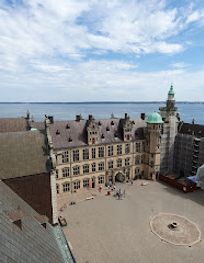
Kronborg Castle
Shakespeare's Hamlet castle commands the Danish sound—Renaissance grandeur meets legendary Danish heroes.
Kronborg Castle is a magnificent Renaissance fortress in Helsingør, Denmark, immortalized as Elsinore in Shakespeare's Hamlet. Built between 1574 and 1585 by King Frederik II, this UNESCO World Heritage Site commands the Øresund Strait between Denmark and Sweden. Visitors explore grand ballrooms, royal chambers, underground casemates, and the legendary statue of Holger the Dane while enjoying sweeping views across the sound. Located just 45 minutes from Copenhagen, it remains one of Northern Europe's most important Renaissance castles.
A brief summary to Kronborg Slot
- Kronborg 1B, Helsingør, 3000, DK
- Click to display
- Click to display
- Duration: 2 to 3.5 hours
- Mid ranged
-
 Mixed
Mixed
- Mobile reception: 5 out of 5
- Monday 10 am-5 pm
- Tuesday 10 am-5 pm
- Wednesday 10 am-5 pm
- Thursday 10 am-5 pm
- Friday 10 am-5 pm
- Saturday 10 am-5 pm
- Sunday 10 am-5 pm

Know before you go
Hi, I'm Eve. Here are a few practical things to know before exploring Kronborg Slot.
- Visit the underground casemates to discover the statue of Holger the Dane and experience the fortress's military architecture. These atmospheric chambers offer a stark contrast to the opulent royal rooms above.
- Climb to the top of the cannon tower for panoramic views across the Øresund Strait to Sweden. The vantage point illustrates why this location was so strategically vital for centuries.
- Time your visit for August if possible to experience the Shakespeare Festival, where international theatre companies perform Hamlet and other works within the castle walls.
- Allow 2–3 hours to explore both the interior chambers and exterior ramparts. The Great Hall and royal apartments deserve particular attention for their Renaissance craftsmanship.
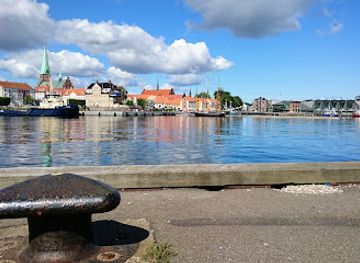
- Explore the charming town of Helsingør beyond the castle. The historic harbour, maritime museum, and local street food market complement a castle visit perfectly.
Do you manage this location?
Take control to get all the benefits, like improved information, better appearance, and stronger visibility across AI-powered discovery. Learn more
Activate your presenceOther nearby places you may find interesting
Getting There
-
Train from Copenhagen
Take a DSB train from Copenhagen Central Station directly to Helsingør station. The journey takes approximately 45 minutes. From Helsingør station, Kronborg Castle is a pleasant 20-minute walk through the town centre, or a short taxi ride. Train tickets cost around 78–120 DKK (approximately 10–16 EUR) depending on the time of travel.
-
Car from Copenhagen
Drive north from Copenhagen via the E47 motorway toward Helsingør, approximately 45 kilometres. Journey time is roughly 1 hour depending on traffic. Parking is available at the castle grounds. Note that tolls may apply on certain Danish motorway sections.
-
Ferry from Helsingborg, Sweden
If arriving from Sweden, take the Helsingør–Helsingborg ferry across the Øresund Strait. The crossing takes approximately 20 minutes. From Helsingborg ferry terminal, Kronborg Castle is visible across the water and accessible via the same ferry service in reverse, or by driving around via the Øresund Bridge.
-
Guided tour from Copenhagen
Book a full-day or half-day guided tour from Copenhagen that includes transport, entrance fees, and expert commentary on the castle's history and Shakespeare connection. Tours typically depart from central Copenhagen hotels and include visits to other nearby attractions such as Frederiksborg Castle or Roskilde Cathedral.
For the on-the-go comforts that matter to you
-
 Restrooms
-
 Drink Options
-
 Food Options
-
 Seating Areas
-
 Information Boards
-
 Visitor Center
Discover more about Kronborg Slot
Shakespeare's Immortal Setting
Kronborg Castle stands as the world-famous setting for William Shakespeare's tragedy Hamlet, known in the play as Elsinore. Though historians debate whether Shakespeare ever visited the castle, British players performed at Kronborg during his lifetime, and the playwright clearly drew inspiration from the castle's dramatic location and the rumors of its decadent court. Today, the castle hosts an annual Shakespeare Festival each August, where international and Danish theatre companies perform his works against the authentic backdrop of the fortress that inspired them. The connection between the castle and literature has made Kronborg one of the most culturally significant sites in Europe.Renaissance Fortress and Military Stronghold
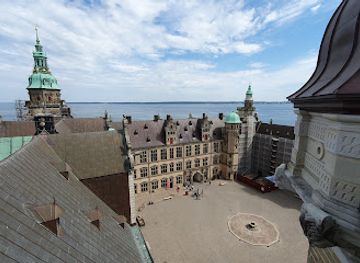
Kronborg's story begins in 1420 when Eric of Pomerania built the original fortress, Krogen, to control maritime traffic and collect tolls from ships entering the Baltic Sea. Between 1574 and 1585, King Frederik II transformed this medieval stronghold into a sumptuous Renaissance castle, employing Flemish architects Hans Hendrik van Paesschen and Anthonis van Obbergen. The castle's four wings surround a spacious courtyard, with bright sandstone facades featuring horizontal bands, towers, and spires adorned with intricate ornamental designs. The fortifications were further reinforced in the late 17th century with advanced bastions and artillery positions. A devastating fire in 1629 destroyed much of the interior, though the chapel miraculously survived. Christian IV oversaw its reconstruction with elaborate Baroque decorations, and the castle remained a symbol of Danish power until Swedish occupation in 1658.Architectural Grandeur and Interior Splendor
The castle's interior showcases the opulence of Danish royal life across centuries. The Great Hall, or banqueting hall, stands as one of the most exquisite rooms from the Renaissance period and the largest of its kind in Northern Europe. Visitors encounter magnificent tapestries, antique furniture, and richly decorated chambers that reflect the wealth and ambition of its royal inhabitants. The royal apartments display sumptuous furnishings and artistic treasures, while the chapel retains its original integrity from the 1629 fire. The castle's architectural details—from sandstone ornaments to copper roofs and decorative spires—demonstrate the craftsmanship and resources devoted to creating a monument of power and prestige.Strategic Command of the Sound
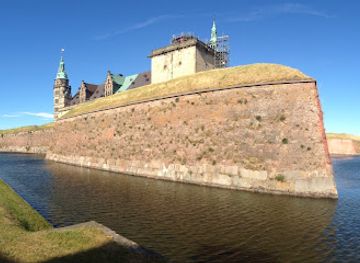
Situated at the narrowest point of the Øresund Strait, Kronborg's strategic importance cannot be overstated. The castle controlled the entrance to the Baltic Sea and collected the Sound Dues, a lucrative toll system that financed much of the castle's construction and made Helsingør one of Europe's wealthiest towns for over 400 years. Massive ramparts, cannon batteries, and fortified bastions still point toward the Swedish coast across the water, a visual reminder of the castle's role as a military fortress. The views from the cannon tower encompass both the Danish and Swedish shores, illustrating the geopolitical significance of this narrow waterway.The Legend of Holger the Dane
Deep beneath the castle, in the underground casemates, visitors encounter the imposing stone statue of Holger the Dane (Holger Danske), a legendary figure central to Danish cultural identity. According to myth, this heroic warrior sleeps in the castle's depths and will awaken to defend Denmark in times of greatest need. The casemates themselves—the fortress's underground defensive chambers—create an atmospheric journey through the castle's military past, with damp stone corridors and vaulted passages that speak to centuries of strategic vigilance.From Military Barracks to Cultural Monument
After the royal court abandoned Kronborg in the late 17th century, the castle served as a military barracks and prison from 1785 to 1923. This utilitarian period, while diminishing its grandeur, preserved the structure intact. Following comprehensive restoration in the 1920s, Kronborg was returned to its Renaissance splendor and opened to the public. In 2000, it was inscribed on the UNESCO World Heritage List, recognizing its immense symbolic value to Danish culture and its significance in the history of Northern Europe. Today, the castle functions as both a museum and a living cultural venue, hosting performances, exhibitions, and events that celebrate its multifaceted heritage.Explore the best of what Kronborg Slot has to offer













More about Copenhagen Region
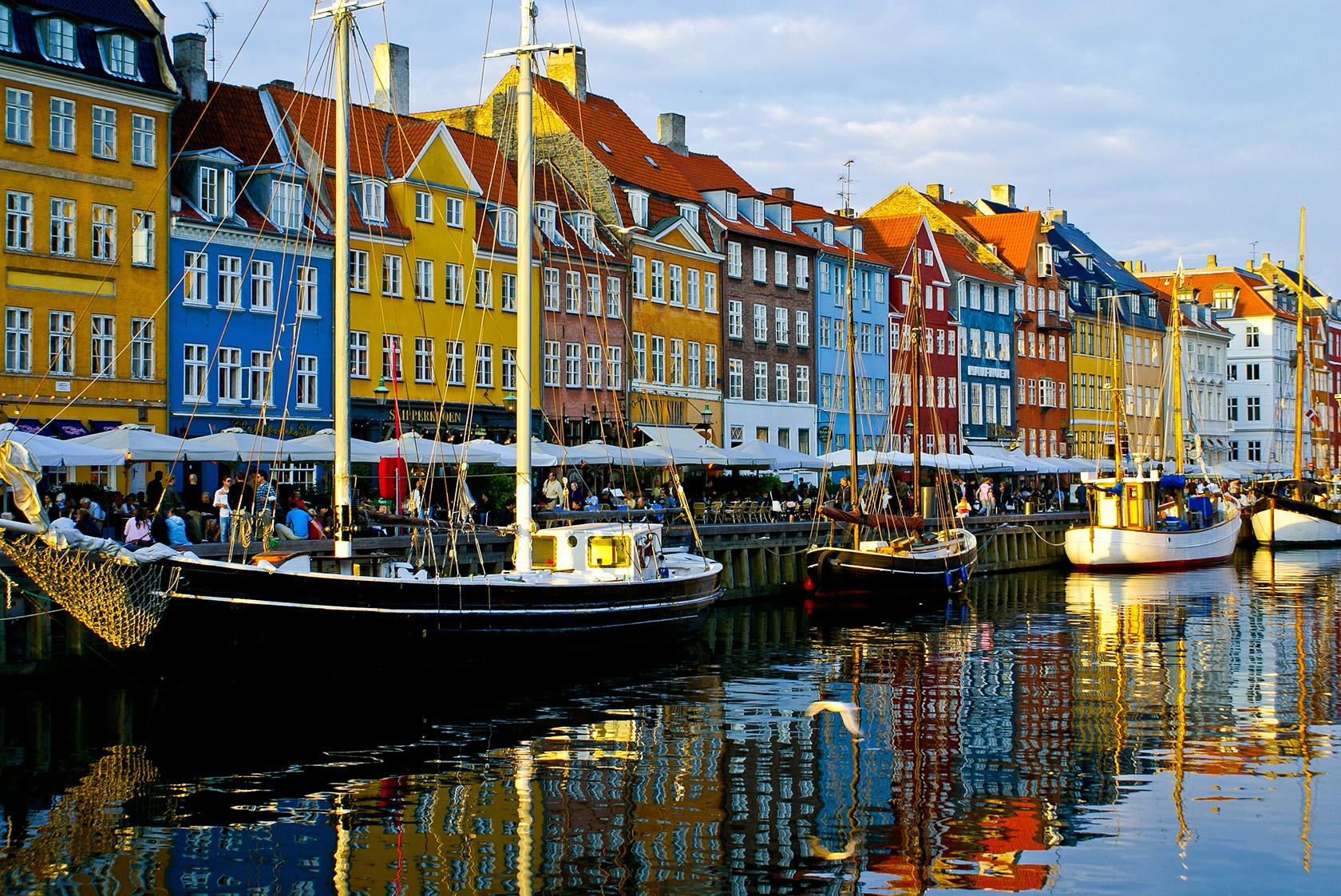
Discover the Copenhagen Region: A perfect mix of historic charm and modern vibrancy, offering scenic beauty, cultural landmarks, and a high quality of life.
Tell me more about Copenhagen Region