

Windmill Travel Guide
Free Guide: Denmark's iconic windmill and national symbol of resilience, rebuilt after war and transformed into a living museum of history.


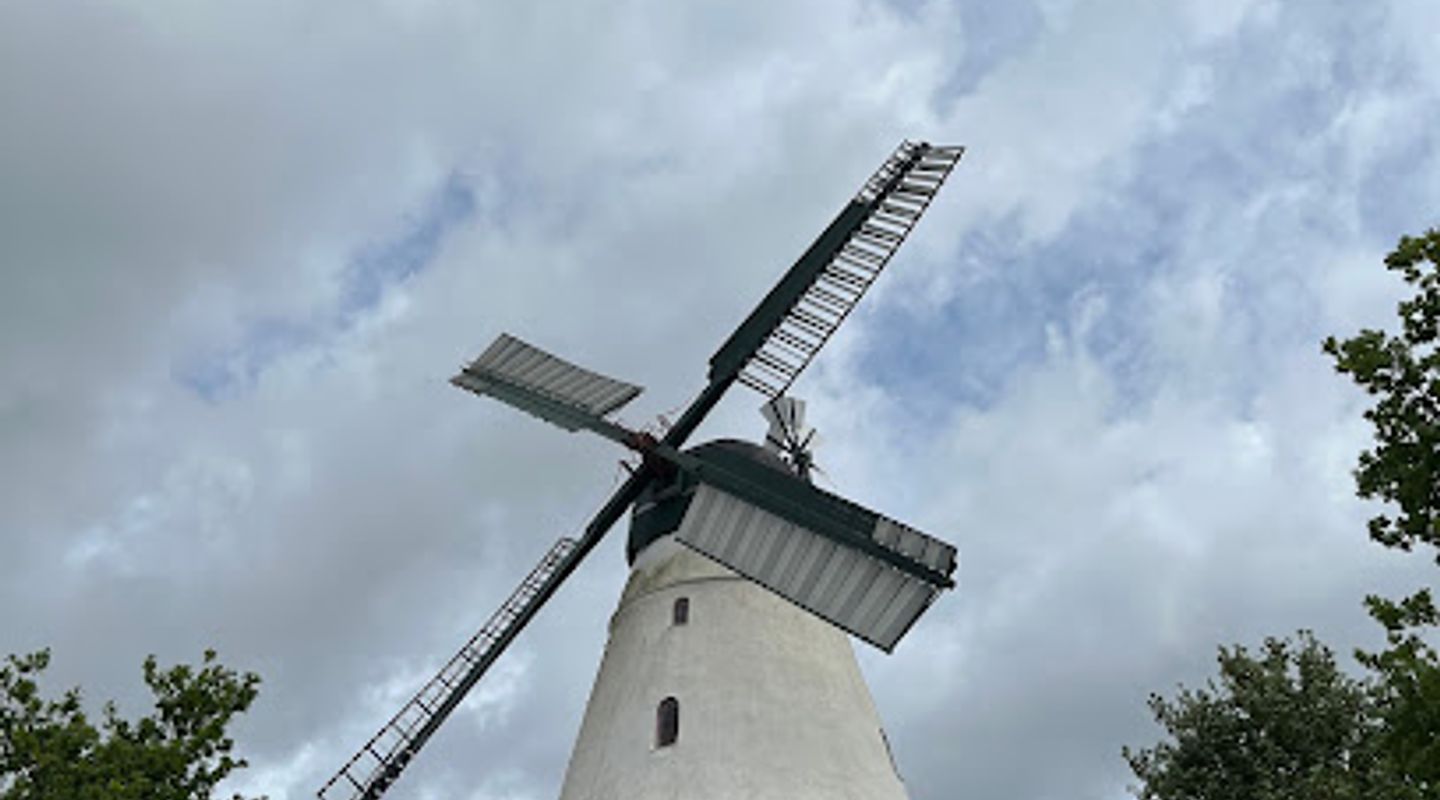
A brief summary of Windmill
Denmark's iconic windmill and national symbol of resilience, rebuilt after war and transformed into a living museum of history.
A white wooden smock mill standing on Dybbøl Hill near Sønderborg, Denmark, this iconic structure is both a functioning museum and a national symbol of Danish resilience. Built in 1936 on the site of mills destroyed during the 1864 Schleswig War, it houses original grinding stones, historical exhibits spanning 1744 to 2020, and offers scenic views from its gallery. The mill represents a pivotal moment in Danish history and remains one of Denmark's most recognizable landmarks.
On-site amenities
 Restrooms
 Drink options
 Food options
 Seating areas
 Information boards
 Visitor centre
Opening hours
- Every dayOpen 24 hours
Opening hours as listed on the venue’s Google Business Profile. Hours can change for services and special events, so check with the venue before you go.
- Address
- Rosengade 14C, 6400 Sønderborg
Getting there
Bus from Sønderborg City Centre
Walking from Sønderborg City Centre
Car with Free Parking
Cycling from Sønderborg
Discover more about Windmill
A Monument to Danish Resistance and National Identity
Dybbøl Mill stands as Denmark's most iconic windmill, a symbol of national bravery and historical resilience. Built in 1936 on Dybbøl Hill near Sønderborg, the white wooden smock mill was reconstructed on the site of earlier mills destroyed during the 1864 Schleswig War between Denmark and Prussia. This location holds profound significance in Danish history—it marks the site of the pivotal Battle of Dybbøl in 1864, where Prussian and Austrian forces defeated Denmark, resulting in the loss of Schleswig-Holstein territories. The mill's reconstruction itself became an act of remembrance, transforming a place of military defeat into a symbol of cultural continuity and national identity.
The Mill's Mechanical Heritage and Interactive Exhibits
Inside the tower, visitors encounter original grinding stones and a large spur wheel that demonstrate traditional milling mechanics. The museum's interactive exhibits allow visitors to experience the physical labor of grain milling by hand, providing genuine appreciation for the engineering and effort required to produce flour in pre-industrial times. The ground floor focuses on the military history of the Schleswig Wars, displaying artifacts and memorabilia from the 1864 conflict. As visitors ascend, exhibits transition to explain the mill's functioning and the lives of its various owners throughout history. The museum's comprehensive collection spans from 1744 to 2020, documenting Danish-German relations through documents, photographs, and historical objects.
Panoramic Views and Surrounding Landscape
The mill's elevated position on Dybbøl Hill provides commanding views of the surrounding region, including vistas toward Sønderborg and Vemmingbund. A gallery and balcony halfway up the mill tower offer visitors opportunities to survey the landscape and appreciate the strategic importance of this hilltop location. The open grounds around the mill invite exploration and provide space for contemplation of the historical events that unfolded here. The proximity to water and the gentle topography of the Sønderborg area create a picturesque setting that contrasts with the mill's serious historical narrative.
Cultural Significance and National Symbolism
Dybbøl Mill transcends its function as a museum to become a cultural touchstone in Danish consciousness. The mill achieved such prominence that it inspired one of Denmark's most famous protest songs in the 1970s, with the opening line referencing the mill's symbolic importance. Any Dane asked to name a single windmill will invariably answer Dybbøl Mill, reflecting its deep integration into national identity. The structure embodies the Danish experience of historical adversity and cultural persistence, making it far more than a mechanical curiosity—it is a repository of national memory and resilience.
Visitor Experience and Museum Operations
The mill operates seasonally from April through October, with hours from 10:00 to 16:00. Guided tours are available on weekends, providing deeper context for the historical and mechanical aspects of the site. A museum shop sells Dybbøl Mill-branded merchandise, including local alcohol and beer, ice cream, sweets, and books related to the mill's history. English-language guide pamphlets are available for visitors, making the exhibits accessible to international guests. The free parking directly opposite the mill accommodates visitors traveling by car, while the site's location approximately 2 kilometers from downtown Sønderborg makes it accessible by walking or hourly bus service.
Evendo Review Centre
 Google
Guest reviews
Best time to go
Quietest: Jan, Feb & Nov · before 8am or from 4pm
Busy times are Evendo estimates for a typical year, to help you plan. Actual crowds vary with events, school holidays and the weather.
Explore Windmill on the map
A handpicked selection of must-see spots near Windmill, mapped for you.
Get your free copy of our complete guide to Windmill, delivered straight to you.
Everything on this page, from opening hours and how to get there to Eve’s tips and the best time to go, in one PDF you can read offline, print or share.
Already have an account? Sign in
Your Windmill guide is ready.
We'll send it to · Not you? Sign out

Getting your guide ready…
We are putting together a fresh copy of the Windmill guide. This can take up to a minute.
This can take a few moments. If your browser asks, choose Allow so the download can start. You'll find the guide in your Downloads folder.
Nothing happened? Download it again
Sorry, the guide is taking longer than usual. Please try again in a minute, or get it by email instead.
Other nearby places you may find interesting
The closest places of the same kind, if this one is not quite what you had in mind.
-
-

-
-
-


Swipe for more places
More to explore near Windmill

 Best experiences near Windmill
 Best hotels near Windmill
 Best landmarks near Windmill
 Best attractions near Windmill
 Best shops near Windmill
 Best restaurants near Windmill
 Best bars near Windmill
Do you manage this location?
Take control to get all the benefits, like improved information, better appearance, and stronger visibility across AI-powered discovery.
Explore more
Explore more of Sønderjylland
Sønderjylland: A Journey Through Denmark's Scenic Landscapes, Rich History, and Vibrant Traditions.
Explore Sønderjylland
Explore more of Denmark
Discover Denmark: A perfect blend of history, modern design, and the cozy concept of hygge. Explore vibrant cities, serene landscapes, and world-class cuisine.
Explore Denmark
