
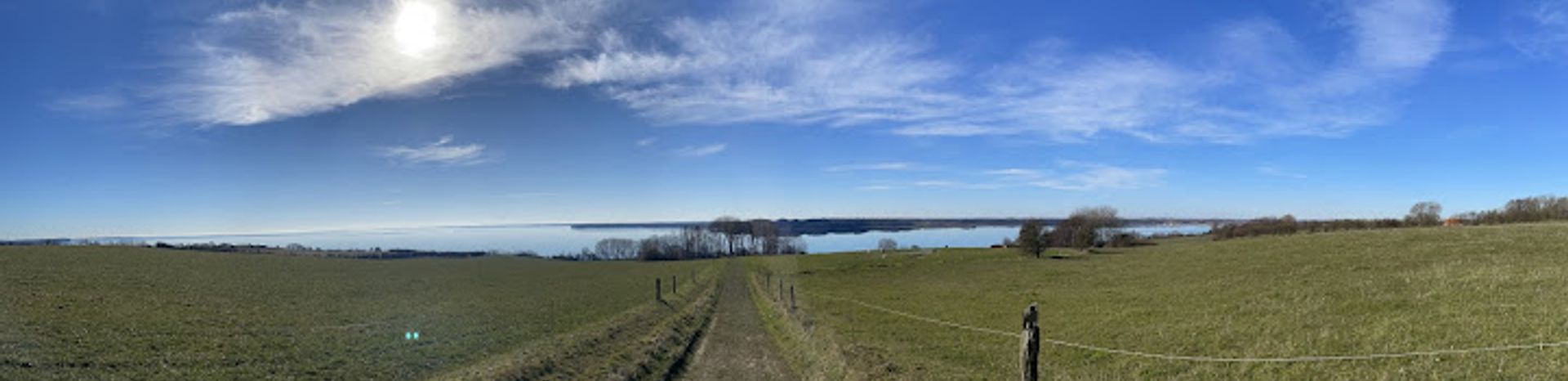
Genforeningsmærke på Dybbøl Skanse II
Memorial marker honoring Danish reunification and the 1864 battle's fallen defenders on a historic fortification site.
A solemn memorial marker on Dybbøl Skanse II commemorating Danish reunification and the heroic defense of 1864. This historic fortification site, part of the larger Dybbøl Banke complex, honors the soldiers who fought during the Second Schleswig War. The marker stands as a testament to Danish resilience and national identity, set within a landscape of preserved earthen fortifications overlooking the Alssund strait.
A brief summary to Genforeningsmærke på Dybbøl Skanse II
- Grønnekærvej 1, Sønderborg, 6400, DK
- Duration: 0.5 to 1.5 hours
- Free
-
 Outdoor
- Mobile reception: 4 out of 5
Local tips
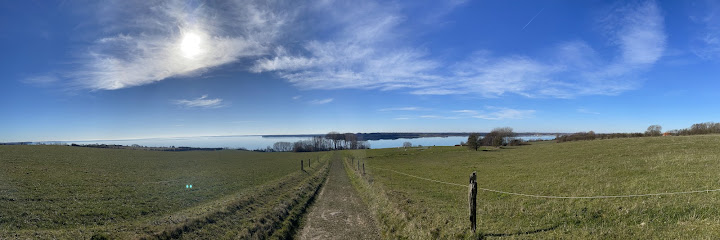
- Visit during clear weather to fully appreciate the panoramic views across Alssund and understand the strategic importance of the fortification's position overlooking the strait.
- Combine your visit with the nearby History Centre Dybbøl Banke and Dybbøl Mill museum to gain comprehensive understanding of the 1864 campaign and its historical significance.
- The site is accessible year-round and free to visit; allow time to walk the preserved earthworks and read the memorial inscriptions in quiet reflection.
- Bring binoculars to observe details of the fortification structure and the surrounding landscape that shaped the battle's outcome.

For the on-the-go comforts that matter to you
- Information Boards
- Seating Areas
Getting There
-
By Car from Sønderborg Town Centre
Drive south from Sønderborg town centre toward Dybbøl via Grønnekærvej, approximately 3 kilometers. The journey takes 5–8 minutes. Parking is available at the History Centre Dybbøl Banke visitor facilities nearby. The memorial site itself is freely accessible without vehicle access restrictions.
-
By Bus from Sønderborg
Local bus services operate from Sønderborg town centre to the Dybbøl area, with journey times of 10–15 minutes depending on the route. Services run regularly throughout the day. Confirm current schedules with local transport providers, as frequency varies seasonally. The memorial is a short walk from the main bus stops serving the Dybbøl Banke attractions.
-
By Bicycle from Sønderborg
Cycle south from Sønderborg town centre along local routes toward Dybbøl, approximately 3 kilometers. The journey takes 10–15 minutes on flat terrain. Bicycle parking facilities are available near the History Centre. This is a popular route for visitors exploring the region's cultural heritage sites.
-
Walking from History Centre Dybbøl Banke
The memorial marker is accessible via walking paths from the adjacent History Centre Dybbøl Banke, approximately 200–300 meters away. The terrain is gently sloping with good accessibility. Walking time is 5–10 minutes depending on pace and route chosen through the fortification landscape.
Genforeningsmærke på Dybbøl Skanse II location weather suitability
-
 Any Weather
-
 Clear Skies
Discover more about Genforeningsmærke på Dybbøl Skanse II
A Monument to National Reunification
The Genforeningsmærke (Reunification Memorial) on Dybbøl Skanse II stands as a powerful symbol of Danish national identity and the restoration of territorial unity. Erected following the reunification of North Schleswig with Denmark in 1920, this marker commemorates both the tragic events of 1864 and the triumphant return of Danish sovereignty. King Christian X himself participated in a grand celebration on Dybbøl Banke on 11 July 1920, marking the culmination of decades of longing for national restoration. The memorial represents the collective memory of a nation that refused to forget its losses and ultimately reclaimed what had been taken.The Battle of 1864 and Skanse II's Heroic Defense
Skanse II occupies a central place in the dramatic events of 18 April 1864, when Prussian and Austrian forces launched their assault on the Danish defensive line. The fortification was defended by Lieutenant Johan Anker and approximately 70 soldiers, supported by artillery positioned within the skanse. Despite fierce resistance, the position fell to overwhelming numbers—some 2,000 attackers required only ten minutes to overcome the defenders. Anker's courageous stand earned him legendary status; the Prussians valued his capture so highly that they gave specific orders to take him alive, which they succeeded in doing. His image was later placed on the German victory monument in Berlin, commemorating the assault. Within Skanse II's center stands a memorial stone honoring a Danish major who fell during the April fighting, preserving the memory of individual sacrifice.The Fortification Line and Its Strategic Importance
Dybbøl Skanse II was part of a continuous defensive arc of ten fortifications constructed between 1861 and 1863 by Danish engineer troops. The line stretched approximately three kilometers in a semicircle from Vemmingbund to Alssund, with Skanse II positioned on the slope leading toward Dybbøl Mill. Each skanse was a modest earthwork with concrete ammunition magazines and wooden blockhouses for shelter. The fortifications were designed to defend the Sønderborg peninsula against invasion from the south, but their wooden structures proved fatally vulnerable when subjected to the relentless Prussian bombardment that began on 15 March 1864. Over 8,000 grenades rained down on the Danish positions during six hours of continuous shelling on the day of the assault, reducing the fortifications to rubble.Prussian Reconstruction and the Path to Preservation
Following their victory, the Prussians demolished the ruined Danish skanses and constructed their own formidable fortification line between 1865 and 1871, incorporating the sites of the original Danish works. These new Prussian skanses formed part of the "Festung Sonderburg-Düppel," a major defensive complex comprising two armored skanse rows. However, these German fortifications never saw combat and were abandoned as military installations by 1883. After Denmark's reunification with North Schleswig in 1920, the Danish people undertook a public fundraising campaign to purchase the skanse area. The site was formally transferred to the state in 1924 as "Nationalparken Dybbøl Skanser" (Dybbøl Skanser National Park), ensuring its preservation as a monument to national heritage and historical memory.Landscape of Memory and Reflection
Today, visitors to Skanse II encounter a landscape shaped by centuries of military history. The visible earthworks represent the Prussian-era fortifications constructed atop the Danish positions, creating a palimpsest of conflict and reconstruction. The memorial marker itself serves as a focal point for reflection on the costs of war and the resilience of national identity. The site's position overlooking Alssund provides commanding views across the water toward Als, the island to which Danish forces retreated after the battle. The surrounding terrain, with its gentle slopes and open vistas, allows visitors to understand the tactical challenges faced by the defenders and the overwhelming force brought to bear against them.Iconic landmarks you can’t miss

Genforeningsmærke på Dybbøl Skanse II
0.0 km
Memorial marker honoring Danish reunification and the 1864 battle's fallen defenders on a historic fortification site.
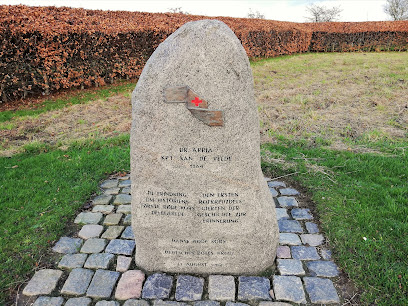
Mindesten for Røde Kors
0.6 km
A quiet memorial to the world's first Red Cross observers amid Denmark's most historic battlefield.
Tysk skanse X
0.8 km
Stille jordvolde på Dybbøl Banke, hvor en tysk skanse fortæller om tiden efter 1864 og fæstningsringen, der engang omklamrede Sønderborg.
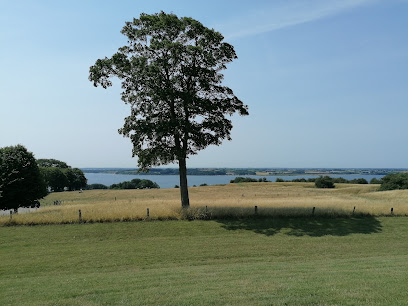
King's Redoubt
0.8 km
A preserved 1864 military fortress symbolizing Danish resilience and regional heritage.

Iskonditoriet
2.4 km
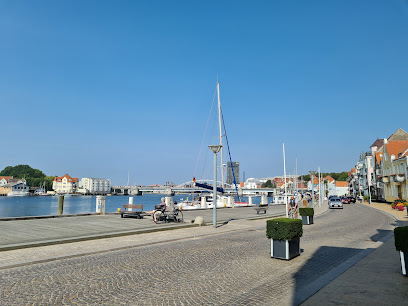
Byparkens Legeplads in Roskilde fuses creative play equipment and green park scenery for a free, family-friendly experience in the heart of the historic Danish city.
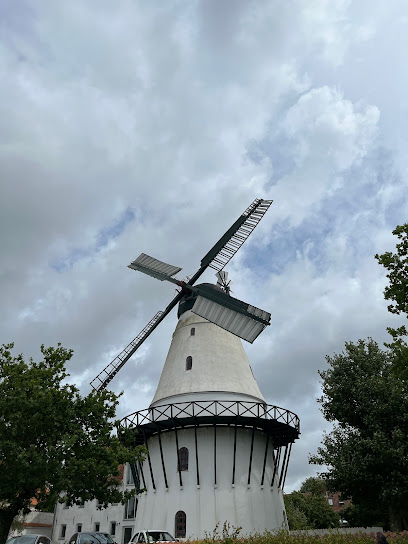
Windmill
2.4 km
Denmark's iconic windmill and national symbol of resilience, rebuilt after war and transformed into a living museum of history.
Papirgalleriet v/Gitte Kristjansen
2.6 km
A vibrant family-friendly playground in central Roskilde, Byparkens Legeplads offers open-air fun, creativity, and relaxation in the heart of the city’s beloved Byparken.
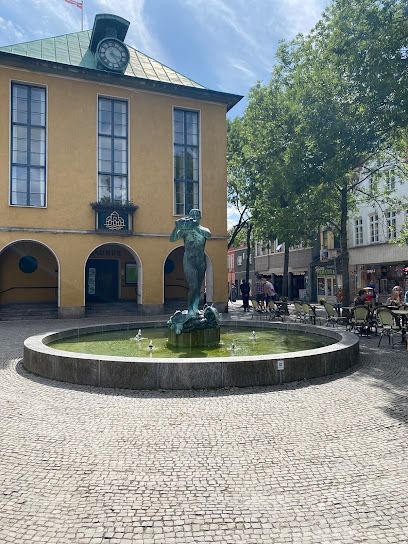
Memory stone
2.6 km
A modest monument on Sønderborg’s town-hall square, the Memory Stone offers a quiet pause for reflection amid the everyday bustle of this historic border town.
Sønderborg Kommunale Kommandocentral
3.0 km
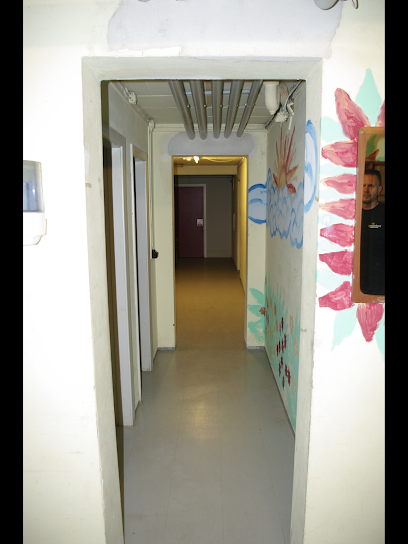
Hidden beneath Kongevej lies Sønderborg’s former Cold War nerve center, an underground command bunker built to keep the city running in times of crisis.
Gedenkstein für hingerichtete Widerstandskämpfer
3.4 km
Discreet harborfront memorial in Sønderborg honoring eleven young German sailors executed for mutiny in 1945, inviting quiet reflection on conscience and war.
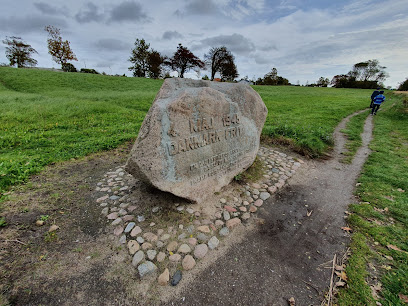
Mindesten for korporal Hammerström og konstabel Frederiksen
3.4 km
A modest stone on Sønderborg’s former shooting range honouring two fallen wartime servicemen, inviting a brief but powerful pause for remembrance and reflection.
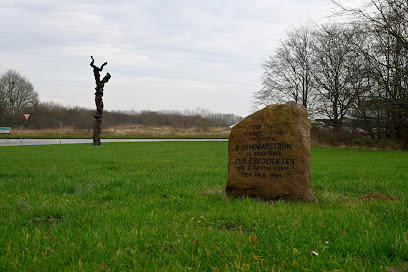
Befrielsessten i Vester Sottrup
5.8 km
A quiet stone marking Denmark's liberation and Vester Sottrup's wartime legacy.
Foundation country Schäferhaus
28.2 km
Explore the serene beauty of Foundation country Schaeferhaus, a nature preserve in Flensburg, perfect for relaxation, education, and wildlife observation.
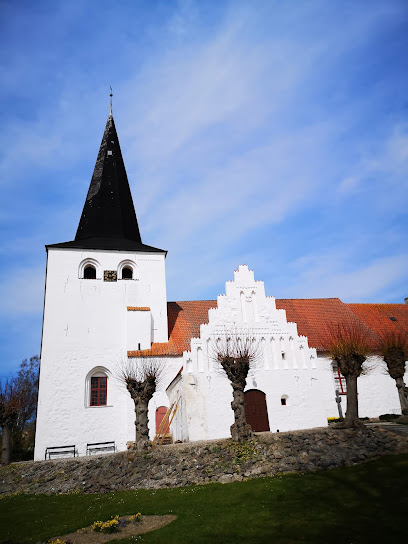
Bregninge Kirke
35.7 km
Medieval island church on a gentle Ærø hillside, where whitewashed stone, quiet fields and seafaring stories meet in a calm, contemplative setting.
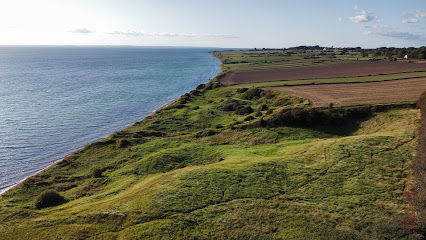
Forladt skorsten
36.5 km
A haunting brick ruin marking Ærø's vanished industrial era, standing silent on the island's edge.
Unmissable attractions to see

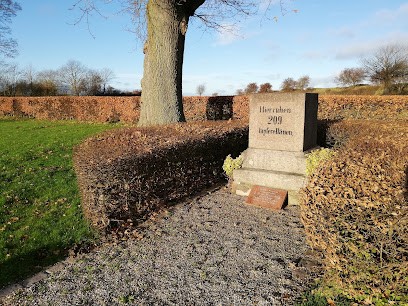
Fællesgravene på Toppen af Dybbøl Banke
0.7 km
A modest field of shared graves crowns Dybbøl Banke, where simple stones, open sky and rolling hills commemorate the fallen of Denmark’s fateful 1864 battlefield.
Dybbøl Mill
0.8 km
Historic Dybbøl Mill: a powerful symbol atop Sønderborg’s battlefield landscape, blending dramatic heritage, immersive exhibitions, and unforgettable views over southern Denmark.
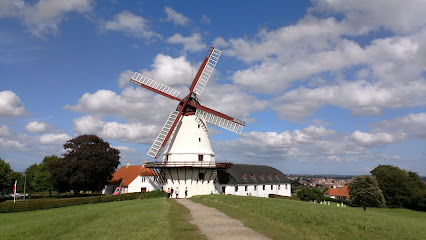
Genforeningstavle på Dybbøl tysk skanse X
0.8 km
A modest reunification plaque on Dybbøl’s former German Redoubt X, linking the 1864 battlefield to the peaceful border changes of 1920 in a quiet, open landscape.
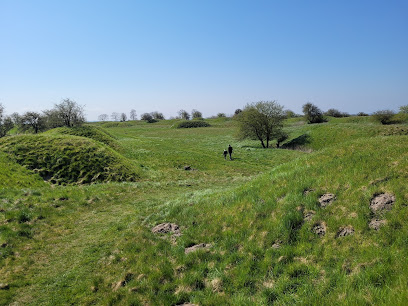
Dybbølstenen
1.2 km
A solitary Ice Age boulder resting in the fields near Dybbøl Banke, Dybbølstenen quietly links deep geological time with South Jutland’s historic landscape.
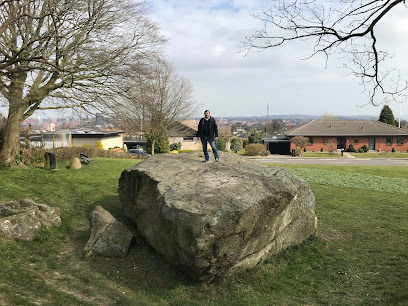
Memorial Stone for du Plat, Schau and Rosen
1.4 km
A modest stone on a Sønderborg side street commemorating three resistance fighters, offering a brief but powerful pause for reflection on Denmark’s wartime past.
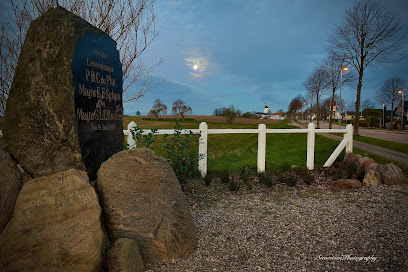
Mindesten for Løjtnant Rothenborg Muus
1.5 km
Mølleparken in Sønderborg offers green open spaces, shaded paths, and playgrounds—the perfect urban escape for families, picnickers, and those seeking serenity.
Mindesten for løjtnant A.P.Dorscheus
1.8 km
A modest roadside memorial stone in Sønderborg, honouring a fallen 19th‑century officer and quietly anchoring the turbulent history of the Schleswig wars in the everyday landscape.
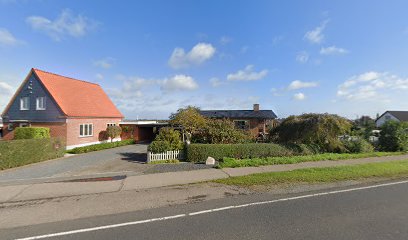
Dybbøl Strand
1.9 km
A peaceful Danish strand where sandy shores meet centuries of history and heritage.
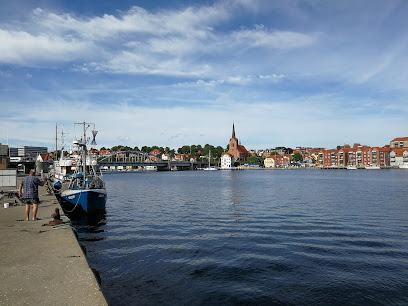
Sønderborg Castle
2.2 km
Centuries of royal drama, borderland wars and Southern Jutland stories unfold inside this waterfront fortress‑turned‑museum on the Alssund.
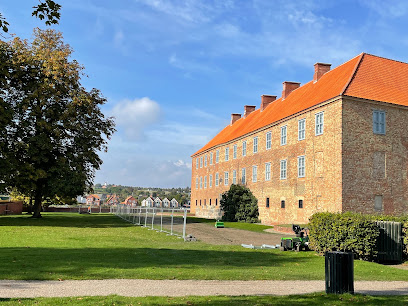
Fluepapiret
2.3 km
A compact, unspoiled urban beach where locals gather to swim in the Baltic's gentle waters.
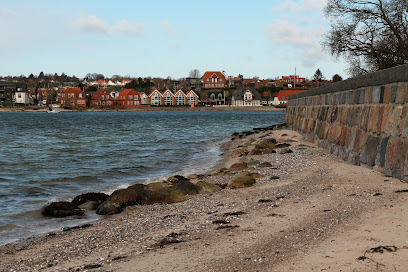
Sønderborg Beach
2.3 km
Pristine Danish beach with family-friendly waters, stunning sunsets, and a diving pier—perfect for seaside relaxation and photography.
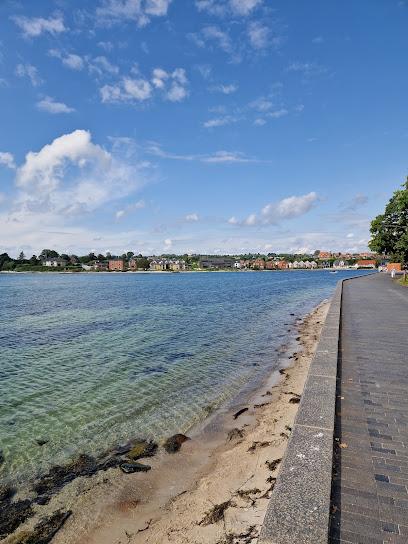
Historiske Vandringer – På sporet af 1. verdenskrig
2.3 km
A quiet harbour walk in Sønderborg that traces the invisible footprints of World War I through barracks, memorials and everyday streets in a former borderland town.
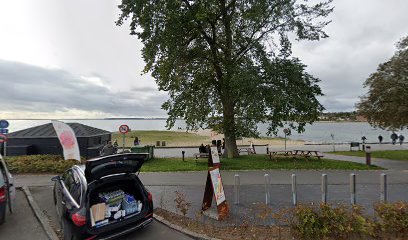
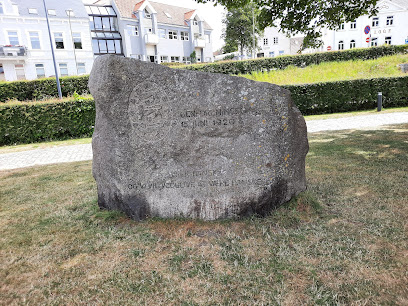
Genforeningssten i Sønderborg
2.3 km
A monumental tribute to Denmark's 1920 reunification, nestled near historic Sønderborg Castle.
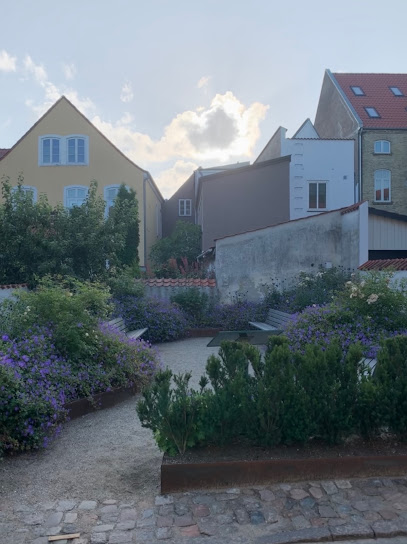
Visselulles Have
2.4 km
Small in size but rich in stories, Visselulles Have is a tranquil memorial garden that honours Sønderborg’s legendary female dockworker in her old neighbourhood.
Spanske trappe
2.5 km
A once-grey stairway turned into a colourful nature mural, the Spanske Trappe is Sønderborg’s playful urban shortcut and small-scale landmark between two city streets.
Essential places to dine

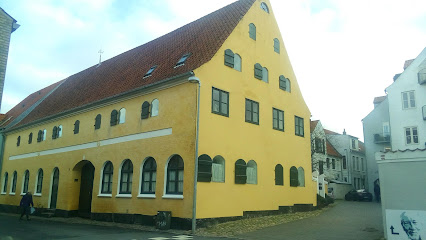
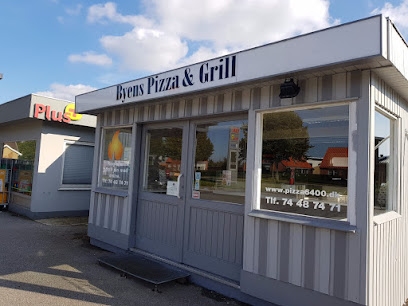
Byens Pizza & Grill Dybbøl - Sønderborg
1.6 km
Experience the best pizza, barbecue, and burgers in Sønderborg at Byens Pizza & Grill Dybbøl – where flavor meets comfort!
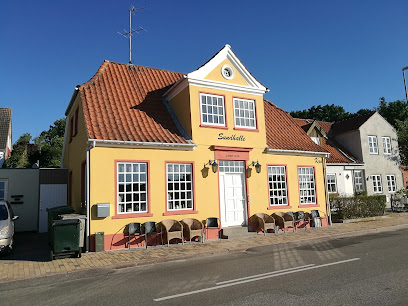
Restaurant Sundhalle V/Eva Iversen
2.1 km
Relaxed harborfront restaurant in Sønderborg serving hearty Danish comfort food and pub classics in a cozy, down-to-earth bar atmosphere by the water.
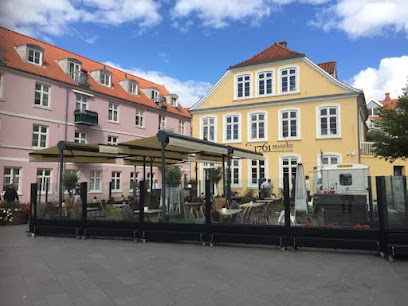
Grey Ghost ApS
2.3 km
Candlelit Danish brasserie in Sønderborg’s old town, blending hygge, seasonal cooking and carefully chosen wines in a warm, intimate setting.
Karikatur Restaurant og Bar i Sønderborg
2.3 km
Modern Nordic plates and inventive cocktails come together in a clean-lined, harbor-close restaurant that anchors Sønderborg’s contemporary dining scene.
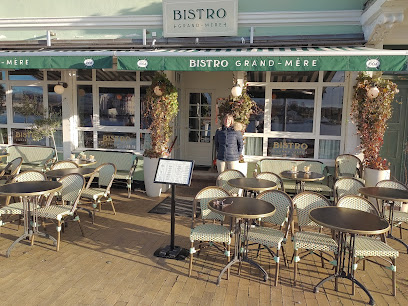
Bistro Grand Mère
2.4 km
Harborfront French bistro in Sønderborg, blending classic Gallic comfort dishes, thoughtful wines and a cozy green-paneled setting with views of the lively marina.
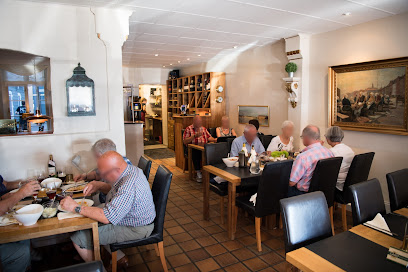
Restaurant Colosseum
2.4 km
Harbourfront Danish comfort food in a cosy, family-friendly setting with views over Sønderborg’s waterfront and a welcoming slice of Southern Jutland hygge.
Biehl
2.4 km
Honest Danish comfort food in the heart of Sønderborg's main street.
Restaurant Da Nico
2.4 km
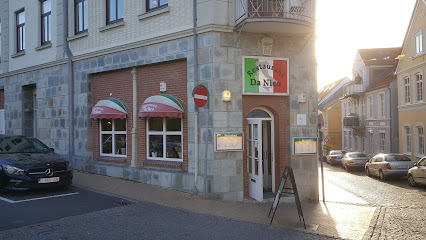
Authentic Italian brick-oven pizza and homemade pasta in the heart of Sønderborg.
Promenaden - Is med udsigt
2.4 km
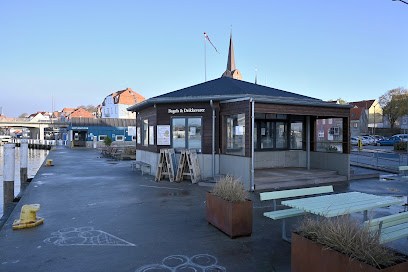
Casual harbourfront ice cream and hot dogs with wide-open views towards Sønderborg Castle, outdoor seating only and a playful, family-friendly seaside atmosphere.
Fox And Hounds
2.4 km
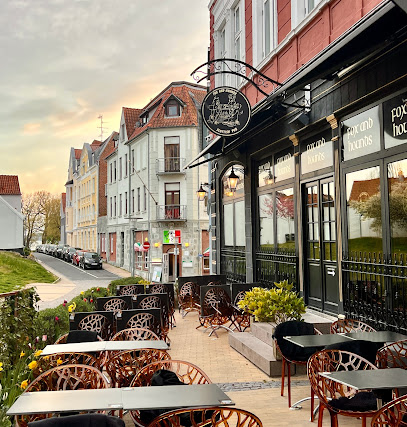
Scottish-style gastropub in central Sønderborg, pairing hearty ribs, burgers and steaks with an expansive beer and whisky selection in a warm, wood-paneled setting.
Niso Sushi ApS
2.5 km
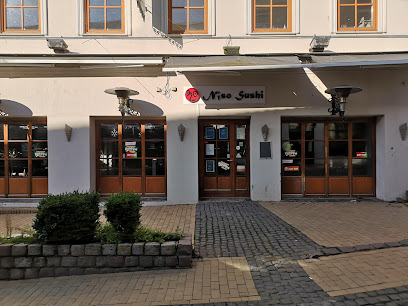
Lively running-sushi and Vietnamese restaurant in the heart of Sønderborg, serving endless plates of sushi and Asian bites in a relaxed, central setting.
Cafe Stjernen
2.5 km
Hearty Danish café classics, candlelit brasserie ambience and specialty beers in the heart of Sønderborg’s compact historic centre.
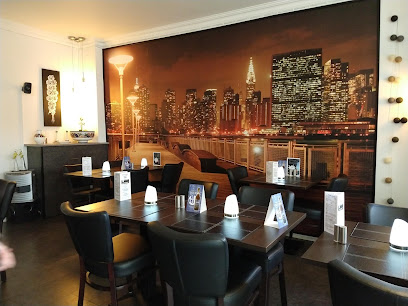
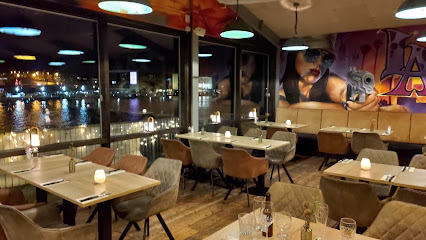
Torve-Hallen
2.5 km
Eclectic waterfront restaurant in Sønderborg pairing Italian-inspired comfort food, creative interiors and harbour views from morning coffee to late-night dinners.
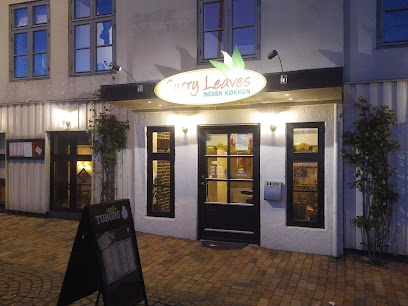
Curry Leaves
2.5 km
Authentic Indian flavors and attentive service in the heart of Sønderborg
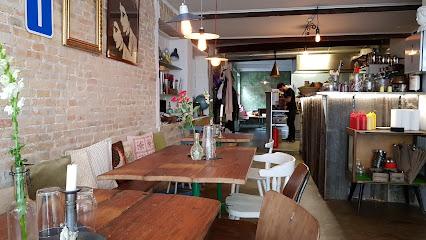
Lazy Dog Burgers - Worldclass Burgers from Sønderborg
2.5 km
World-class burgers and cocktails in the heart of historic Sønderborg
Markets, malls and hidden boutiques

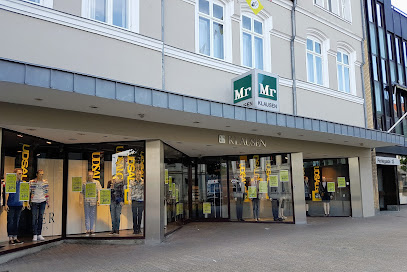
Mr Klausen Herre-og Drengetøj
2.7 km
Classic Danish mens- and boyswear on Sønderborg’s Perlegade, blending everyday essentials, occasion outfits and local Ringridning traditions in one friendly shop.
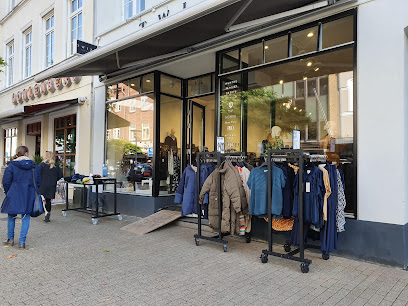
Twizt Fashion
2.7 km
Compact Danish fashion and lingerie boutique on Sønderborg’s main pedestrian street, combining everyday practicality with relaxed, personal service.
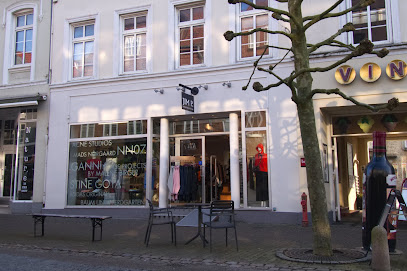
Jim P.
2.7 km
Curated fashion for discerning shoppers seeking distinctive style beyond the mainstream.
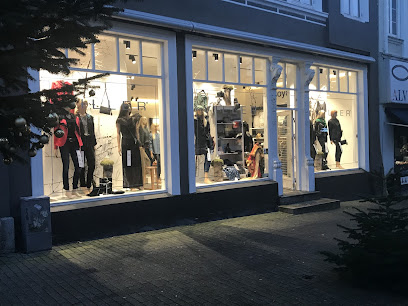
Viller
2.7 km
Independent women’s fashion boutique on Sønderborg’s main pedestrian street, blending Scandinavian style, curated brands and personal, one-to-one service.
JACK & JONES
2.7 km
Straightforward Scandinavian menswear in the heart of Borgen Shopping, ideal for denim, casual basics and smart-casual outfits under one convenient indoor roof.
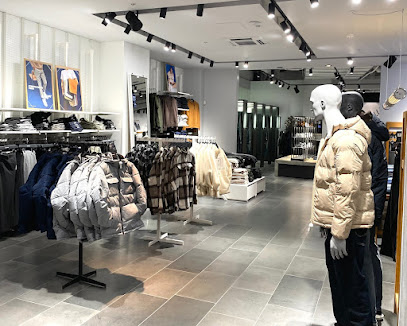
Zizzi - Sønderborg
2.7 km
Modern plus-size fashion for women in the heart of Sønderborg’s Borgen Shopping centre, combining Scandinavian style, generous sizing and friendly fit-focused advice.

Tøjeksperten
2.7 km
Denmark's largest menswear chain brings premium brands and accessible style to central Sønderborg.
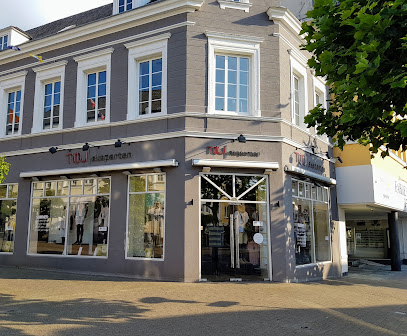
Normal
2.7 km
Bright, budget‑friendly beauty and everyday essentials in the heart of Borgen Shopping, perfect for quick top‑ups and casual browsing between Sønderborg sights.
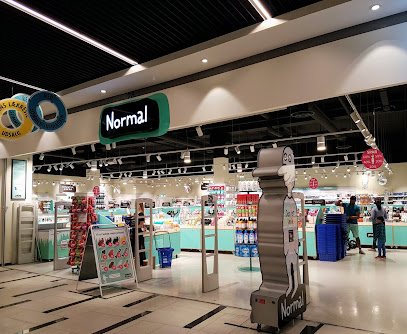
Borgen
2.8 km
Sønderborg's complete shopping experience: 40 stores, dining, cinema, and culture under one roof.
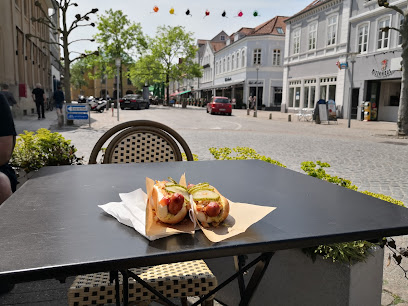
Gundtoft Sønderborg
2.8 km
Classic women's fashion since 1957, nestled on Sønderborg's charming pedestrian street.
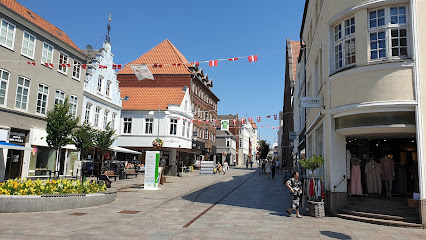
Kop & Kande
2.8 km
Welcoming Danish homeware and gift shop on Sønderborg’s main street, stocked with practical kitchen essentials, stylish tableware and thoughtful presents.
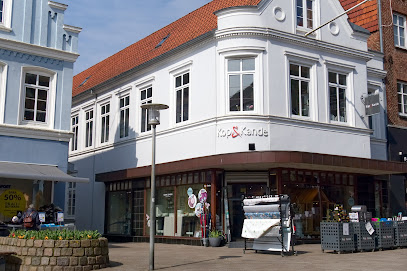
Noa Noa
2.8 km
A small Danish fashion boutique on Sønderborg’s main street, showcasing Noa Noa’s feminine, bohemian-inspired style in a calm, easy-to-browse setting.
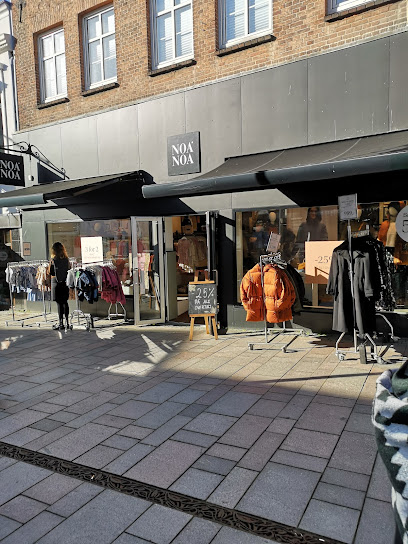
Masai
2.8 km
Danish fashion boutique celebrating bold colors, unique prints, and Scandinavian design excellence.
NEYE Borgen
2.8 km
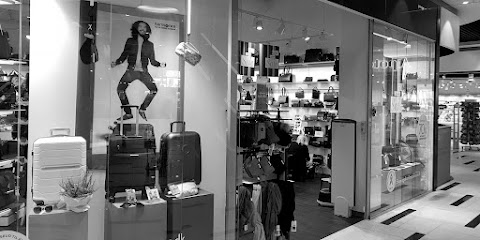
Modern Danish bag and luggage specialist in Borgen Shopping, offering quality brands, expert guidance and everyday purchases that help fund cancer research.
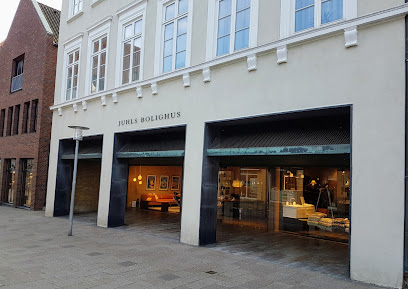
Juhl Bolighus A / S
2.8 km
A vast Danish design furniture house in Sønderborg’s historic center, blending showroom and museum to showcase timeless craftsmanship and iconic interiors.
Essential bars & hidden hideouts

Caféen
2.2 km
Lively, low‑priced bar inside Sønderborg’s Alsion complex, where students and locals meet for music, dancing and late‑night drinks by the harbour.
Visselulles Vinbar
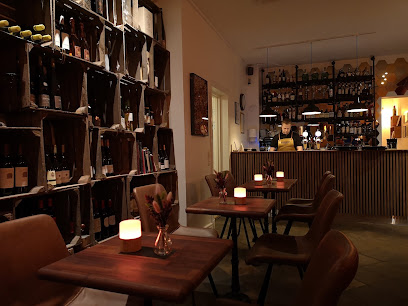
2.4 km
Intimate waterfront wine bar showcasing world-class vintages and French-inspired ambiance in historic Sønderborg.
Nebula.dk ApS
2.5 km
Atmospheric shisha lounge and cocktail bar in Sønderborg’s historic center, offering intimate lighting, cozy seating and slow-paced evenings for adults.
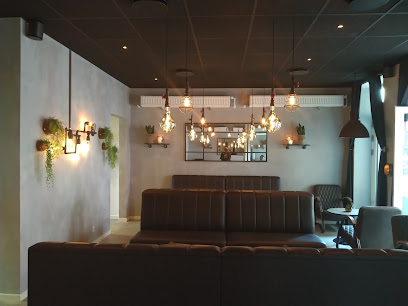
Freia Bar & Lounge
2.5 km
Harbourfront hotel bar with Nordic myth touches, crafted drinks and hygge-rich lounge seating overlooking Sønderborg’s Alssund and skyline.
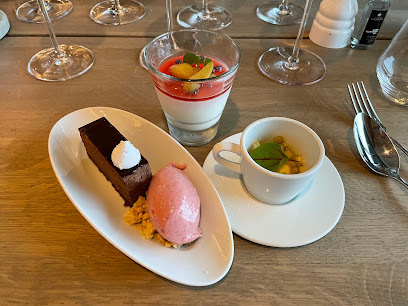
Rabalder Bar - Sønderborg
2.5 km
Tiny in size but big on volume, Rabalder Bar Sønderborg packs sing‑along hits, simple drinks and late‑night energy into one compact old‑town party den.
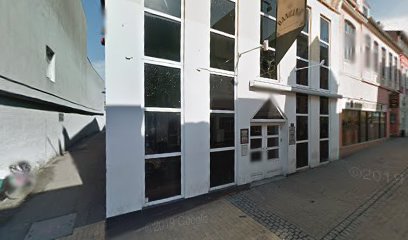
Penny Lane Sønderborg
2.5 km
Lively late‑night bar in central Sønderborg serving cocktails, beer and loud tunes from evening warm‑up to near‑club energy on weekend nights.
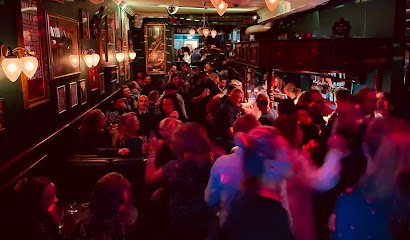
SKAAL Sønderborg
2.6 km
Modern craft beer bar and kitchen on Sønderborg’s main square, pouring rotating Danish brews and serving hearty comfort food in a stylish, urban setting.
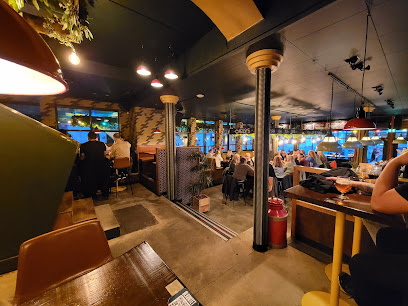
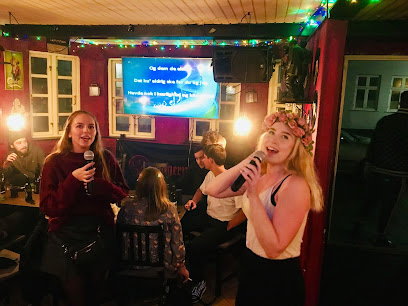
Old Danish Pub
2.6 km
Classic hygge-filled pub near Sønderborg’s main square, with affordable drinks, games, sports on screen and lively karaoke evenings on two cosy floors.
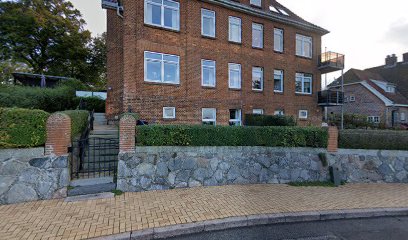
New Orleans Jazz I Sønderborg
2.6 km
Intimate, association-run jazz club in central Sønderborg, serving up New Orleans–inspired live music, close-up performances and a friendly, community atmosphere.
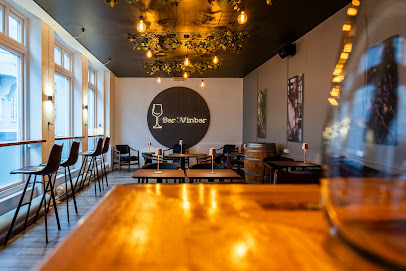
Bar' Vinbar
2.6 km
Central Sønderborg’s relaxed corner wine bar, pouring around 50 wines by the glass plus cocktails, coffee and light bites in a warm, informal atmosphere.
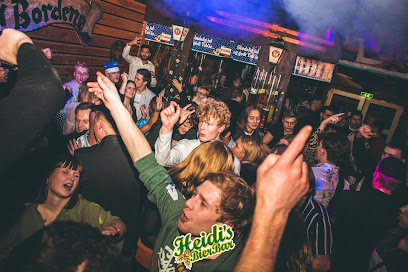
Heidi's Bier Bar Sønderborg
2.6 km
Loud alpine-themed beer hall and late-night party bar bringing après-ski energy, big steins and sing-along hits to Sønderborg’s central Rådhustorvet.
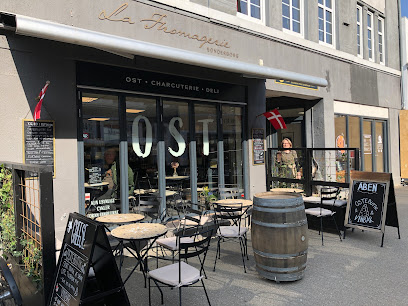
Den Lille Vinbar
2.7 km
Cosy fromagerie-style wine bar on Perlegade, pairing carefully selected bottles with generous cheese tapas in an intimate, continental-feeling corner of Sønderborg.
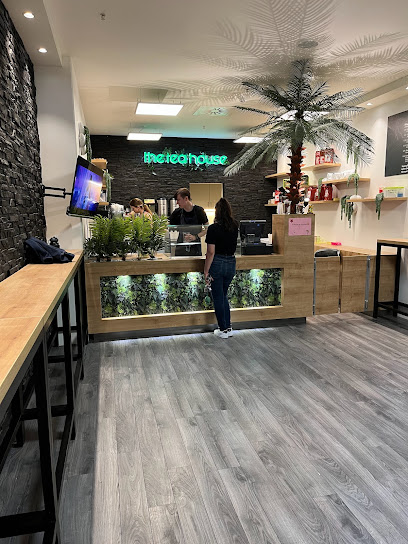
the tea house
2.7 km
South Jutland's premier bubble tea destination with customizable flavors and signature boba varieties.
Restaurant Viking - Pool and billiards Sønderborg
3.1 km
Authentic Danish neighborhood pub where locals gather for affordable drinks, billiards, and genuine community atmosphere.
Værtshus Chr. Iv
3.1 km
Classic brown beer hall on Sønderborg’s main street, serving simple drinks, local atmosphere and everyday Danish hygge from late morning into the evening.
Nightclubs & after hour spots

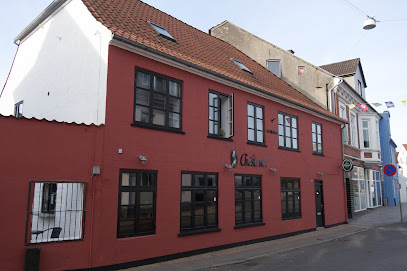
Kaizen ApS
2.5 km
Compact disco-style nightclub in central Sønderborg, pulsing with late-night beats, colourful lights and a straightforward bar for an unpretentious night out.
Dance All Over
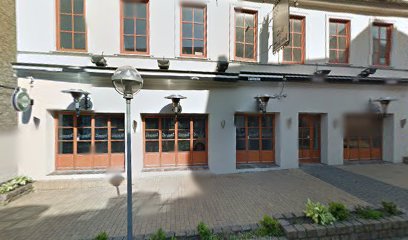
6.1 km
Sønderborg’s sociable dance hub, where fitness, swing and party-ready moves come together in energetic, community-driven classes across the city.
Ærø Whiskey Destilleri
42.2 km
Experience the artisanal charm of Ærø Whisky Distillery in Ærøskøbing, where local ingredients and traditional methods create unique island whiskies.

Ærø Jazzfestival
42.3 km
Experience the soul of Danish jazz at Ærø Jazzfestival, where international rhythms meet island heritage in the historic harbor of Ærøskøbing each summer.
Ela-Ela Schleswig
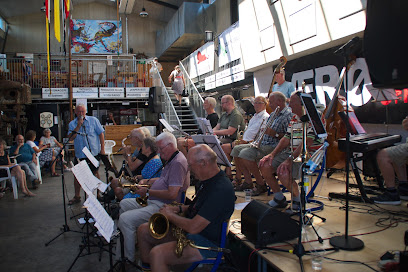
42.4 km
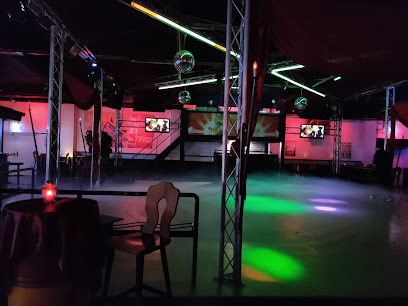
Discover the electrifying nightlife of Schleswig at Ela-Ela, where music and dancing come alive in an unforgettable disco experience.
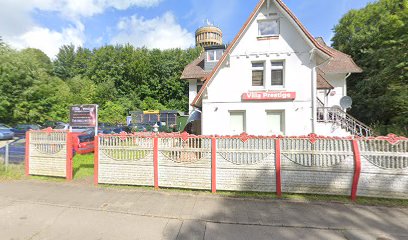
VILLA PRESTIGE Schleswig
43.4 km
Discover the vibrant nightlife at VILLA PRESTIGE Schleswig, a lively night club perfect for dancing and socializing until dawn.
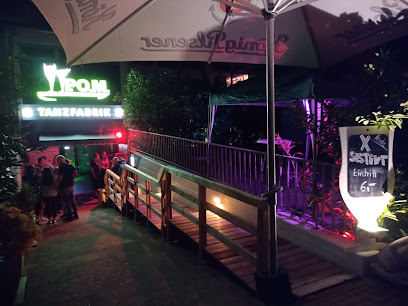
TANZ-FABRIK / Tanzlokal
44.4 km
Discover the vibrant nightlife of Schleswig at TANZ-FABRIK, where music and dance create unforgettable memories every Saturday night.
Ommel
47.1 km
A small, sociable island nightspot near Marstal where locals and travelers share quiet drinks, simple music and the easygoing charm of Ærø after dark.
Discothek Vineta
48.6 km
Discover the lively nightlife of Busdorf at Discothek Vineta, where vibrant music and dancing await in a welcoming atmosphere.
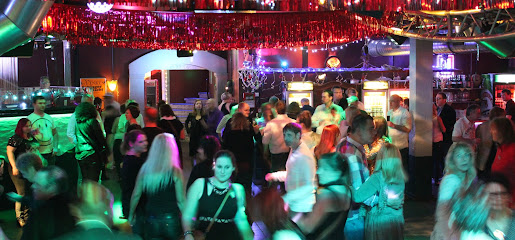
Al Capone
56.5 km
Tønder’s sole nightclub, Al Capone blends a rustic 1920s‑inspired mood, late‑night beats and strong drinks into an intimate speakeasy‑style party den.
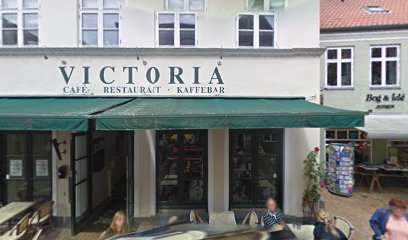
P2 Champagne & Cocktail Tønder
56.6 km
Intimate champagne and cocktail lounge bringing late-night sparkle and city-style glamour to the historic heart of Tønder.
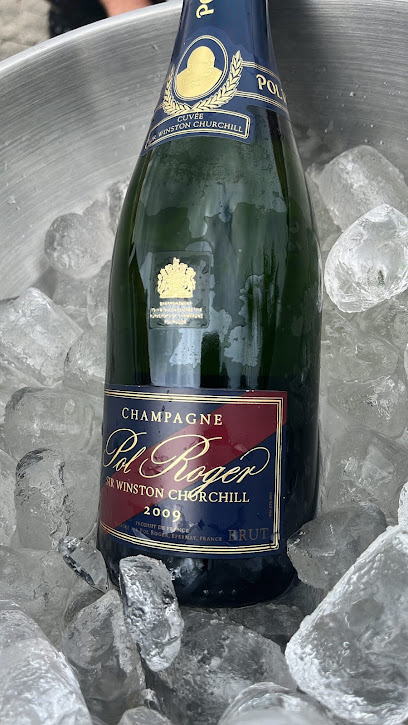
Crazy Daisy Svendborg
57.8 km
Compact, high-energy weekend nightclub in central Svendborg, serving mainstream beats, drinks and a sociable dance floor until the early hours.
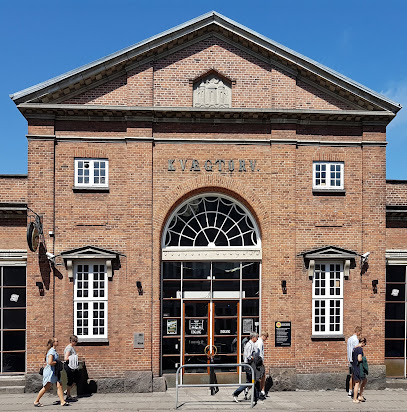
Kasket karl
61.6 km
Discover authentic Danish hospitality and local color at Kasket Karl, Rudkøbing’s beloved bodega on Langeland—a lively gathering spot offering drinks, history, and community.
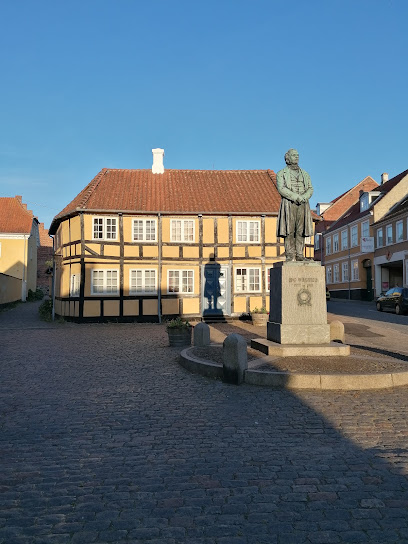
Langelands Jazzklub
62.4 km
Experience the vibrant local jazz scene at Langelands Jazzklub in Rudkøbing, where live music and island hospitality meet in one of Denmark’s most charming settings.
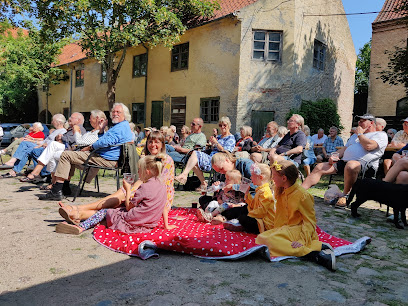
Cheyenne-Club
65.7 km
Experience the vibrant nightlife at Cheyenne-Club in Rendsburg, the ultimate disco club and restaurant for an unforgettable evening.
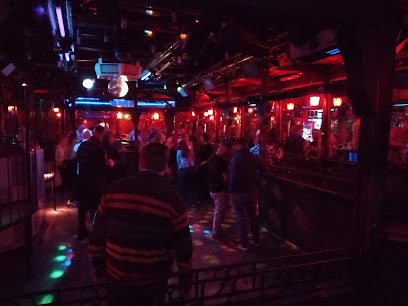
For the vibe & atmosphere seeker
- Romantic
- Scenic
- Unique
For the design and aesthetic lover
- Rustic Designs
For the architecture buff
- Historic
- Landmarks
- Heritage Neighborhoods
For the view chaser and sunset hunter
- Iconic Views
- Panoramas
For the social media creator & influencer
- Photo Spots
- Architectural Shots
For the eco-conscious traveler
- Protected Area
- Leave-No-Trace Critical
- Locally Managed
For the kind of experience you’re after
- Myth & Legends
- Cultural Heritage
- Photowalk
- Day Trip
For how adventurous you want the journey to be
- Easy Access
Location Audience
- Family Friendly
- Senior Friendly
- Solo Friendly
- Couple Friendly


