
Holmegaard Værk, South Zealand Travel Guide
A former glassworks reborn as a glowing world of Danish glass, ceramics and light, where historic furnaces, vast collections and living craftsmanship meet.
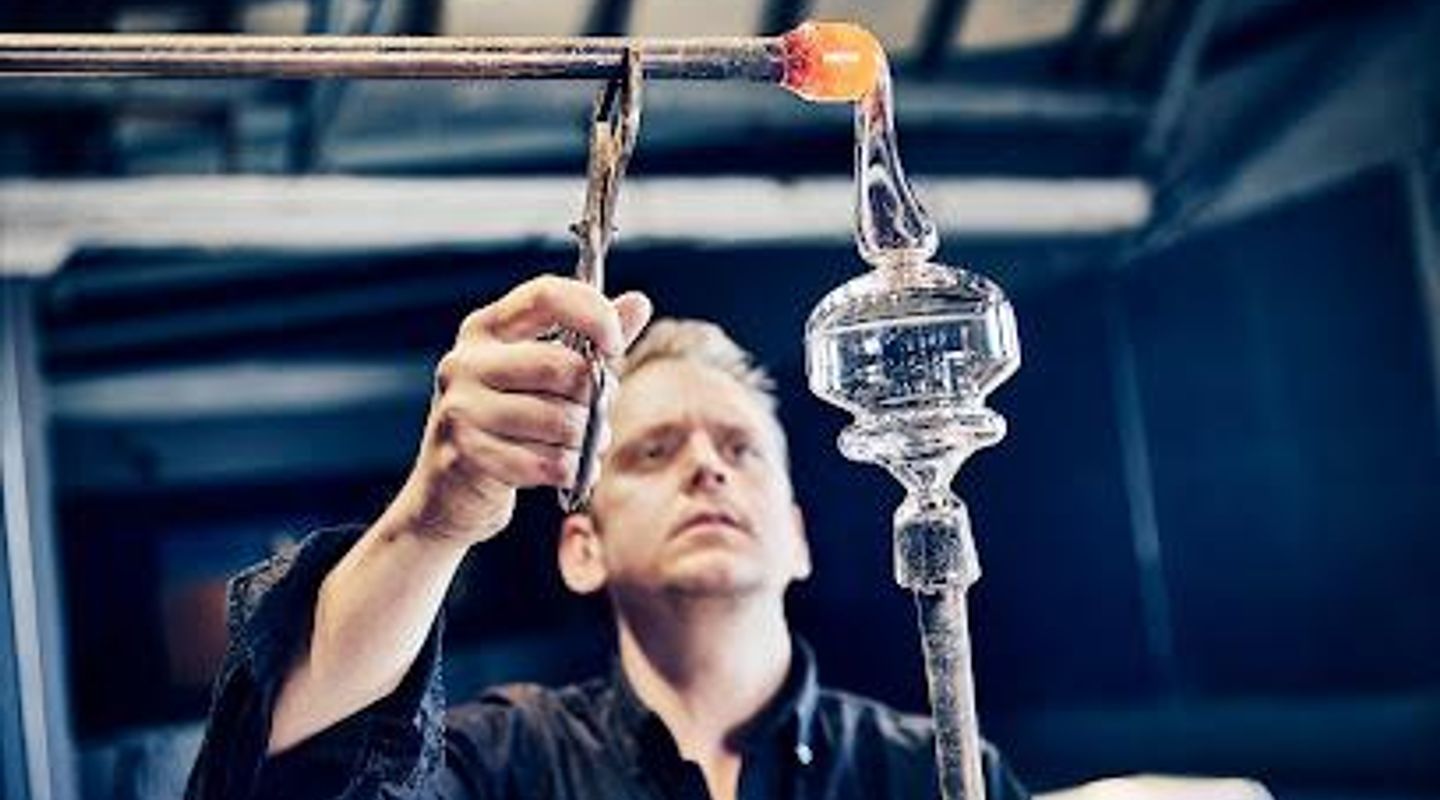
Holmegaard Værk is a vast glass, ceramics and design museum set inside the historic Holmegaard Glassworks on the edge of Holmegaard Mose in South Zealand. Across former factory halls and atmospheric furnace rooms, you wander past more than 40,000 pieces of Holmegaard glass, 6,000 Kähler ceramics, immersive light installations and a working hotshop where contemporary glassblowers fire up the ovens once again. It is part industrial heritage site, part design showcase and part creative playground for families.
A brief summary to Holmegaard Værk
- Glasværksvej 55, Holmegaard, 4684, DK
- Click to display
- Click to display
- Duration: 2 to 4 hours
- Mid ranged
-
 Mixed
Mixed
- Mobile reception: 4 out of 5

Know before you go
Hi, I'm Eve. Here are a few practical things to know before exploring Holmegaard Værk.
- Plan at least 2–3 hours to see both the glass and Kähler ceramics collections, the hotshop demonstrations and the atmospheric furnace hall without rushing.
- Time your visit to catch the glassblowing sessions in the hotshop, typically running in blocks late morning and early afternoon; check the day’s schedule on arrival.
- Bring a light layer even in summer; some of the vast brick halls can feel cool, while the hotshop is noticeably warmer near the furnaces.
- If visiting with children, look for the glass and ceramics ateliers where simple, quick creative activities let them decorate or shape a small piece to take home.
- Combine the museum with a short walk around Holmegaard Mose or the old glassworkers’ village to appreciate the landscape that powered the factory.
Do you manage this location?
Take control to get all the benefits, like improved information, better appearance, and stronger visibility across AI-powered discovery. Learn more about listing your business on Evendo
Activate your presenceOther nearby places you may find interesting
The closest places of the same kind, if this one is not quite what you had in mind.
Explore Holmegaard Værk on the Map
A handpicked selection of must-see spots near Holmegaard Værk, mapped for you.
Unlock the Best of Holmegaard Værk
Buy tickets
-
No tickets available
Book tours with entry

Book tours without entry
-
No tours available
Getting There
-
Car from Copenhagen
Driving from central Copenhagen to Holmegaard Værk typically takes around 1–1.25 hours, depending on traffic. The fastest routes use major motorways across Zealand before smaller regional roads lead into the countryside near Holmegaard. There is usually free or low-cost parking by the museum, but spaces can fill on busy weekends and school holidays, so allow extra time to park and walk from the car park to the entrance.
-
Train and bus via Næstved
From Copenhagen, regional trains to Næstved generally take 1–1.25 hours, running at least once an hour during the day. From Næstved, local buses towards Holmegaard or Fensmark add about 20–30 minutes, plus a short walk from the nearest stop to the museum. A combined return journey within Zealand by train and bus usually costs in the range of 150–250 DKK per adult, depending on ticket type and time of day.
-
Taxi from Næstved
If you arrive in Næstved by train or intercity bus, local taxis can take you directly to Holmegaard Værk in about 10–15 minutes. This option is convenient if you are travelling with luggage or young children, but expect to pay roughly 180–260 DKK each way, varying with traffic and time of day. Taxis are usually available at the main station rank; at quieter times it is wise to book ahead or ask station staff for assistance.
For the on-the-go comforts that matter to you
-
 Restrooms
-
 Drink Options
-
 Drinking Water
-
 Food Options
-
 Seating Areas
-
 Sheltered Areas
-
 Trash Bins
-
 Information Boards
-
 Visitor Center
Discover more about Holmegaard Værk
From working glassworks to design powerhouse
Holmegaard Værk occupies the old Holmegaard Glassworks, which began production in 1825 beside Holmegaard Mose, where peat once fuelled the roaring ovens. The factory grew from making simple bottles to refined tableware, helping define Danish glass design through the 20th century. When industrial production ceased in the 2000s, the sprawling complex might easily have fallen silent. Instead, it has been reimagined as a cultural centre where the story of nearly two centuries of craftsmanship is told through objects, architecture and light.Stepping inside, you sense the building’s industrial past everywhere: brick facades, steel beams, tall chimneys and the cavernous tank furnace hall are all preserved. Rather than recreating a nostalgic workshop, the museum layers contemporary design and carefully choreographed lighting onto the original fabric, so that pipes, furnaces and cooling channels become sculptural backdrops for the collections.Scandinavia’s largest glass and ceramics collections
The heart of Holmegaard Værk is its staggering collections. More than 40,000 pieces of Holmegaard glass are presented in high, warehouse-like galleries, many arranged on shelving that soars several metres to the ceiling. Every era is represented, from chunky green bottles and mouth-blown wine glasses to sleek, coloured stemware and sculptural vases that helped carry Danish design into homes around the world.Alongside the glass stands the largest collection of Kähler ceramics in the Nordic region. Rows of decorative vases, tableware and experimental studio pieces trace how clay, glaze and pattern evolved over generations. Together, glass and ceramics show how form, function and beauty intertwined in everyday Scandinavian objects long before “Danish design” became a global label.Heat, light and living craftsmanship
Beyond the static displays, the museum comes alive in the hotshop. Here, teams of contemporary glassblowers work in front of visitors, gathering honey-like molten glass from the furnace and shaping it into bowls, lamps or delicate stemware with practiced, choreographed movements. The blast of heat, the hiss of compressed air and the rhythmic turning of blowpipes reveal how demanding the craft has always been.In the former tank furnace hall, a spectacular 45‑ton mass of glass still fills the old oven, slowly solidified when production stopped. Carefully programmed lighting plays across this vast object and the surrounding pipes, evoking the glow of a working factory while underlining the site’s shift from industry to immersive art.Stories, soundscapes and creative workshops
Holmegaard Værk is designed to be explored at your own pace, guided by subtle sound, text and multimedia rather than dense academic labels. Audio stories voiced as personal accounts from glassworkers recount life on shifts, village traditions and the camaraderie that grew around the factory over generations. These narratives bring human warmth to the machinery and give context to the thousands of objects in the cases.Hands-on ateliers for glass decoration and ceramics invite you to experiment with the same materials used in the galleries, on a smaller scale. Simple techniques allow both adults and children to produce pieces to take home, turning the visit from passive observation into a tactile encounter with craft.Landscape, village and a day out in South Zealand
Outside the main halls, paths lead through the former glassworkers’ village and out towards Holmegaard Mose, a low, open landscape that once supplied the peat for the furnaces. The juxtaposition of wilderness, brick factory buildings and gleaming design objects highlights how closely industry and nature were intertwined here. On fine days, the outdoor areas offer quiet corners to pause between galleries.With its mix of industrial heritage, large-scale design collections, working artisans, shop and on-site dining, Holmegaard Værk easily fills half a day. It also pairs naturally with other South Zealand attractions nearby, making it a compelling anchor for exploring this quieter corner of Denmark beyond Copenhagen.












Your all‑in‑one travel companion app
Explore expert travel guides, compare and book tours, experiences, hotels, and more—all from the palm of your hand. Download now for seamless trip planning wherever your wanderlust takes you.


Explore More of South Zealand
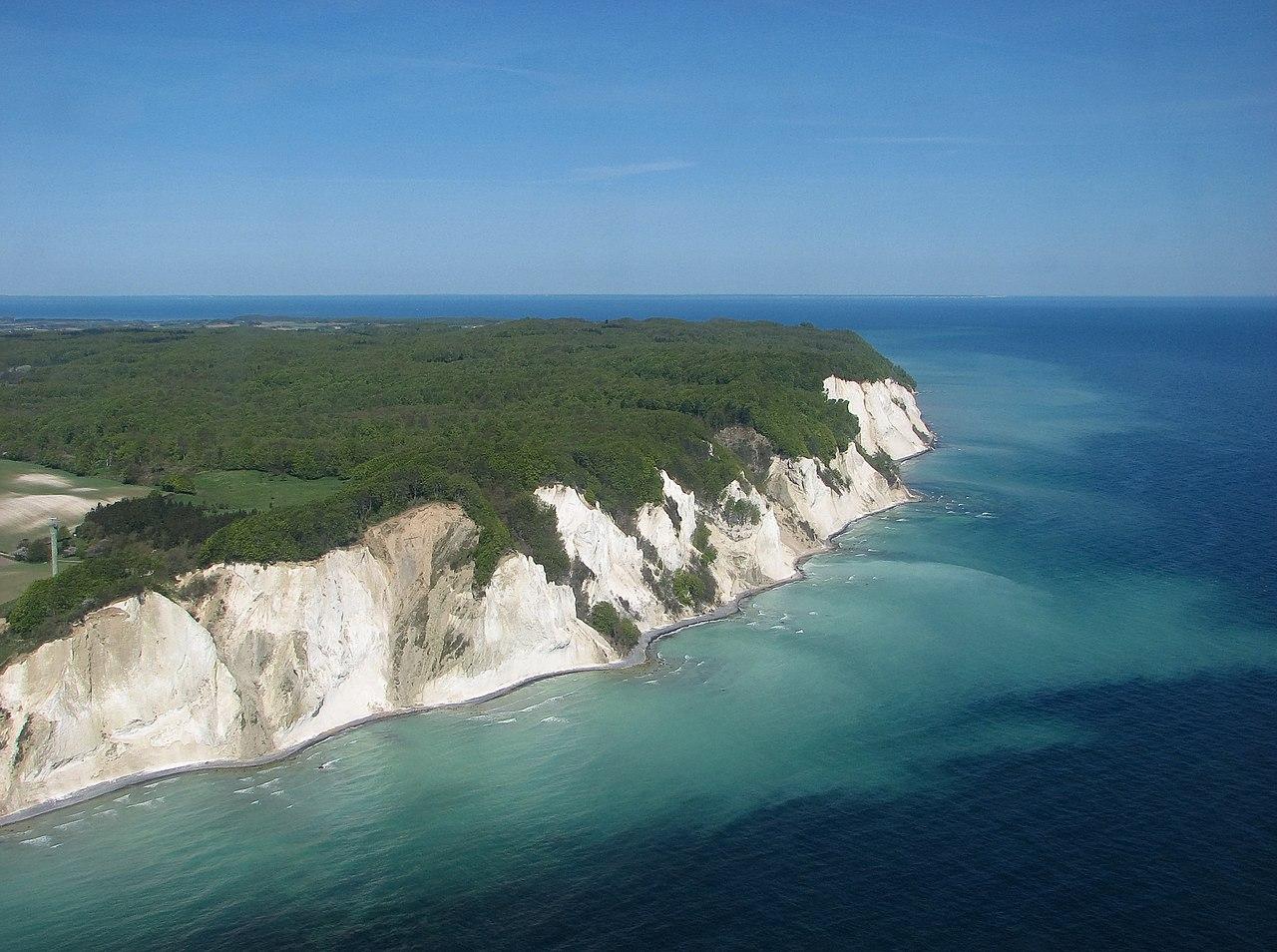
Looking beyond Holmegaard Værk? Discover South Zealand for broader travel guides, local hot-spots, and regional highlights.
Explore South Zealand