
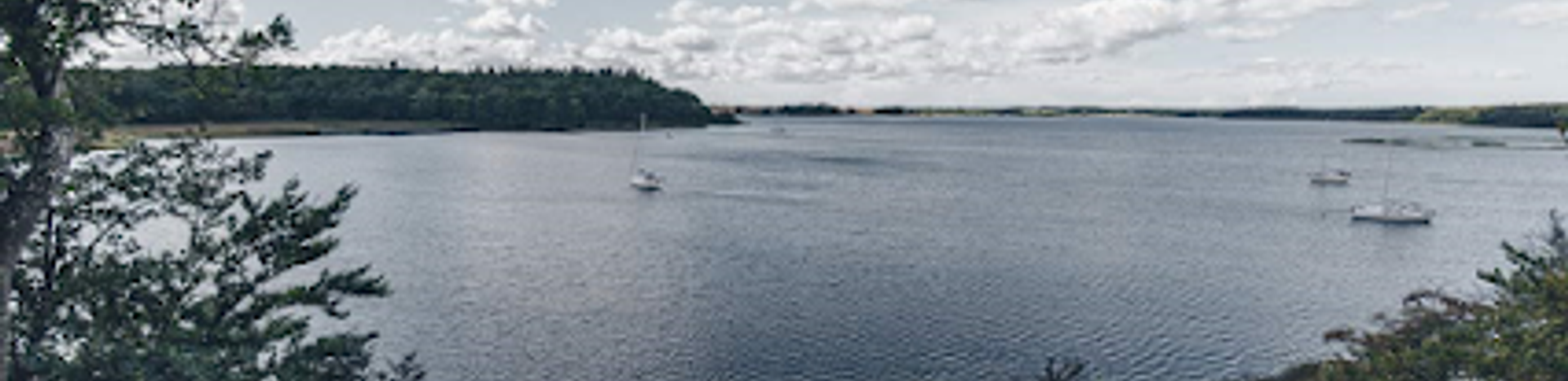
Skjoldungernes Land National Park
A gentle Danish national park where fjord, forest and farmland meet, Skjoldungernes Land weaves Ice Age scenery with ancient legends and everyday rural life.
Skjoldungernes Land National Park unfolds across 170 square kilometres of fjord, forest and farmland in central Zealand, just west of Copenhagen. This landscape around Roskilde Fjord blends salt meadows, coastal bluffs and rich birdlife with beech woods, lakes, manors and burial mounds dating back to the Stone Age and Viking era. Trails, shelters and swimming lakes make it an easy escape for hiking, cycling, picnics and quiet exploration of Denmark’s deep cultural roots.
A brief summary to National Park Skjoldungernes Land
- Ledreborg Alle 2B, Lejre, 4320, DK
- +4593597090
- Visit website
- Duration: 2 to 8 hours
- Free
-
 Outdoor
- Mobile reception: 4 out of 5
- Monday 12 am-12 am
- Tuesday 12 am-12 am
- Wednesday 12 am-12 am
- Thursday 12 am-12 am
- Friday 12 am-12 am
- Saturday 12 am-12 am
- Sunday 12 am-12 am
Local tips
- Plan your day around one area of the park at a time – for example Roskilde Fjord, Gl. Lejre or the central forests – as distances between highlights are greater than they appear on the map.
- Wear waterproof shoes or boots even in summer; sections of coastal meadows and low forest trails can be muddy after rain or morning dew.
- Bring binoculars if you are interested in birdlife; shallow bays and islands on Roskilde Fjord often host large flocks and occasional white‑tailed eagles.
- Download offline maps or the park’s app before you set out, as mobile coverage can weaken in some forest and fjord‑edge areas.
- Pack snacks and water for hikes; while towns lie inside the park, many trails run through quiet countryside with no food outlets nearby.

For the on-the-go comforts that matter to you
- Restrooms
- Drinking Water
- Seating Areas
- Picnic Areas
- Trash Bins
- Information Boards
- Visitor Center
- Sheltered Areas
Getting There
-
Regional train and bus from Copenhagen
From central Copenhagen, take a regional train towards Roskilde, then continue by train to Lejre; the combined rail journey typically takes 30–45 minutes with frequent departures throughout the day. A standard adult single ticket for this distance usually costs around 80–120 DKK, depending on ticket type and discount. From Lejre Station you can walk or use local buses and signed paths to reach different parts of the national park; surfaces are mostly paved or gravel and generally suitable for all fitness levels.
-
Car from Copenhagen area
Driving from Copenhagen to the national park area around Lejre and Roskilde generally takes 35–50 minutes, depending on traffic. There is no entrance fee for the park itself, but some trailheads, manors or lakeside areas may have designated car parks, which can be free or charge a modest hourly fee, typically in the range of 10–20 DKK per hour. Roads are paved and straightforward all year, though expect heavier traffic on weekday afternoons and summer weekends.
-
Cycling from Roskilde
If you are already in Roskilde, renting a bicycle is a practical way to explore parts of Skjoldungernes Land; cycling from the city centre into the surrounding park landscape usually takes 20–40 minutes depending on your route and fitness. Bike rental prices in the region are often around 100–200 DKK per day for a basic city or trekking bike. Expect a mix of paved lanes and gravel paths with gentle hills; this option suits most active visitors comfortable riding in light traffic and on unpaved surfaces.
National Park Skjoldungernes Land location weather suitability
-
 Any Weather
-
 Clear Skies
-
 Windy Conditions
-
 Hot Weather
-
 Cold Weather
-
 Mild Temperatures
-
 Rain / Wet Weather
Discover more about National Park Skjoldungernes Land
Ice Age Landscapes Shaped by Fjord and Forest
Skjoldungernes Land National Park stretches across one of Denmark’s most striking Ice Age landscapes, where rolling hills meet wide meltwater valleys and the long inlet of Roskilde Fjord. Here, low coastal bluffs give way to salt meadows, reed beds and shallow bays dotted with islands and islets. The fjord’s shifting light and big skies make it particularly atmospheric on clear days and in late afternoon. Inland, the terrain softens into a patchwork of deciduous forests, small lakes and cultivated fields bordered by hedgerows. Beech woods dominate many of the hills, opening into clearings and viewpoints across the water or over gently undulating farmland. This mosaic makes the park feel intimate rather than wild, ideal for relaxed exploration on short walks or longer day hikes.Traces of Stone Age Settlers and Viking Skjoldung Kings
Humans have shaped this landscape for millennia, and the park’s name recalls the legendary Skjoldung dynasty, the mythic royal family said to descend from King Skjold. Across the area you encounter burial mounds on ridge tops, stone ships, and other prehistoric monuments that hint at ritual life along the fjord in the Stone and Bronze Ages. The park also frames some of Denmark’s most important historic centres. The medieval city of Roskilde lies at the fjord’s head, with its brick cathedral – a UNESCO World Heritage Site – rising above the water. Nearby, the historic village landscape around Gl. Lejre connects myth and archaeology, while manors such as Ledreborg tie later aristocratic estates to the older rural patterns of fields, meadows and mills.Everyday Nature: Birdlife, Forest Paths and Fjord Shores
Nature here is less about dramatic peaks and more about subtle detail. Roskilde Fjord is a haven for waterbirds; in season you may spot migrating flocks, grazing geese or even white‑tailed eagles soaring over the water in search of fish and waterfowl. The shallow bays and mudflats are important feeding grounds, and some areas are protected for wildlife conservation. On land, the varied habitats favour songbirds, deer and small mammals, and spring brings wildflowers to forest floors and meadows. Lakes in the "green" heart of the park include clean bathing spots where locals swim on warm days, while simple campgrounds and shelters invite unhurried nights outdoors under big, star‑pricked skies when conditions are clear.Exploring on Foot, by Bike and from the Water
A dense network of marked paths makes the park easy to explore without technical skills. The Skjoldungesti trail network strings together many highlights, linking forests, lakes, viewpoints and historic sites. Sections can be walked in a few hours, or combined into full‑day hikes across varied terrain that remains mostly gentle and family friendly. Cyclists can follow quiet lanes through farmland and along the fjord, passing small harbours and villages where everyday Danish life continues beside the water. Kayakers and small boats gain a different perspective, gliding close to salt meadows and birdlife along sheltered stretches of the fjord. Throughout the park you find information boards, picnic spots and basic facilities that support low‑impact outdoor activities.A Living Cultural Landscape with Local Communities
Unlike remote wilderness parks, Skjoldungernes Land is very much a lived‑in landscape. Towns such as Roskilde and Lejre, working farms, small villages and manor estates all fall within the park’s boundary. Fields, grazing livestock and country lanes are as much a part of the scenery as forests and shoreline. This blend of nature and settlement underpins the park’s ethos: protecting key habitats and cultural sites while sustaining local communities and traditional land use. Management emphasises partnerships with landowners and municipalities, and visitors experience a national park that feels woven into daily life, rather than cordoned off from it.Seasonal Atmospheres and Ideal Conditions
Skjoldungernes Land can be visited year‑round, with each season offering a distinct mood. Spring brings fresh green beech leaves and migrant birds returning to the fjord. Summer is best for long hikes, cycling and swimming, when days are warm and evenings linger. Autumn colours the forests gold and copper, and misty mornings over the fjord add a quiet, contemplative feel. Winter tends to be cold and damp rather than extreme, with bare trees revealing more of the contours of hills and burial mounds. Trails usually remain accessible with proper footwear. Whatever the season, layers and wind protection make time along the open fjord more comfortable, while the forests offer shelter and a calmer microclimate for slower walks and picnics.Iconic landmarks you can’t miss

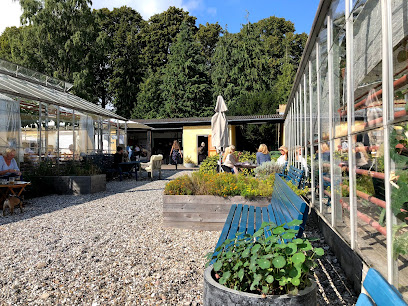
Sct Hans Have
4.2 km
Explore Aarhus’ signature waterfront, where innovative architecture, lively promenades, and maritime history create Denmark’s most vibrant urban shoreline.
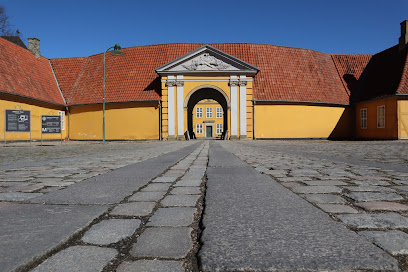
Det Kongelige Palæ i Roskilde
5.7 km
Baroque palace where Danish royalty met democracy, now a vibrant hub for art and culture.
Skänk Beer & Wine bar
6.2 km
Experience Aarhus’ celestial heritage at the Ole Rømer Observatory, where history, culture, and astronomy converge for hands-on stargazing and exploration.
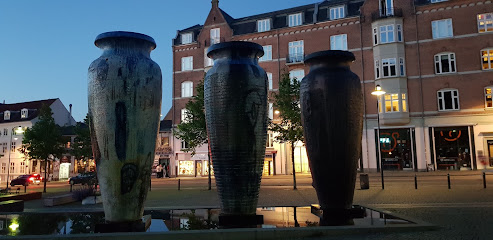
Roskildekrukkerne
6.3 km
Three colossal ceramic jars rising from a mirrored basin transform Roskilde’s station square into an open-air monument to a thousand years of city history.
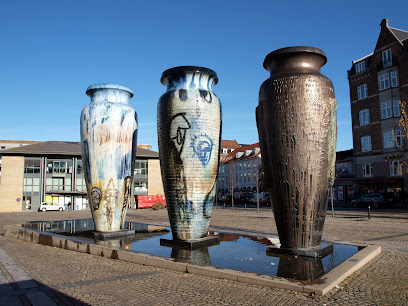
Masterhøj udsigtspost
7.1 km
Bronze Age mound commanding 360-degree views of Roskilde, fjord, and medieval heritage.
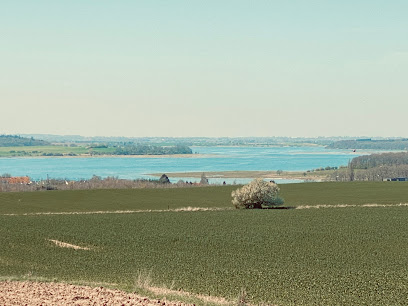
Køge Nord
21.4 km
A soaring timber‑lined footbridge and high‑speed rail hub turning everyday commuting into a slice of contemporary Danish architecture and panoramic landscape.
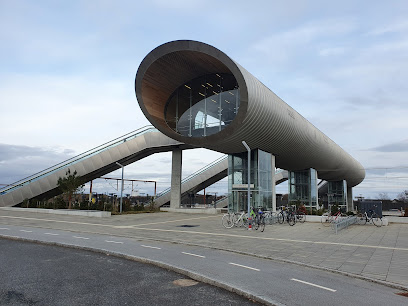
Jægerspris Castle
21.4 km
Discover Danish history and royal romance at Jægerspris Castle, a beautifully preserved estate with a captivating museum and scenic parklands, offering a glimpse into the lives of King Frederik VII and Countess Danner.
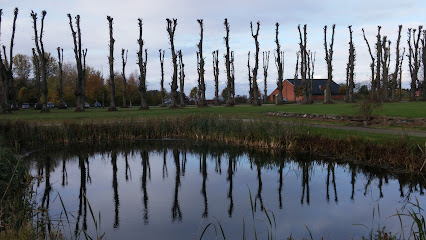
Thomas on the Mountain, The 6 Forgotten Giants
21.7 km
A welcoming wooden giant inviting you to sit, relax, and share the view from atop an Albertslund hilltop.
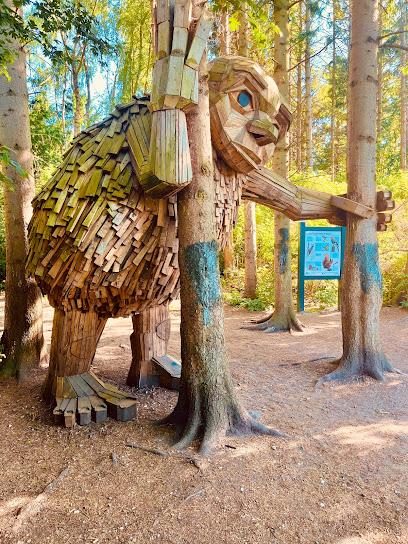
Køge Å
21.9 km
Explore Skagen’s maritime history with hands-on exhibits and live marine engines at Maskinrummet, an atmospheric museum in the heart of the harbour.
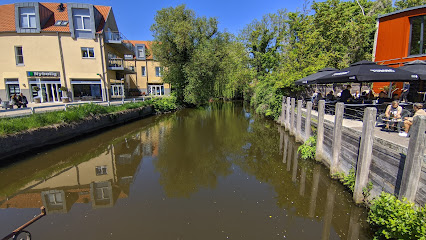
LegeJunglen
23.1 km
Discover LegeJunglen in Slangerup: An indoor playground paradise with slides, trampolines, and jungle-themed fun for kids of all ages, ensuring a memorable family day out, rain or shine.
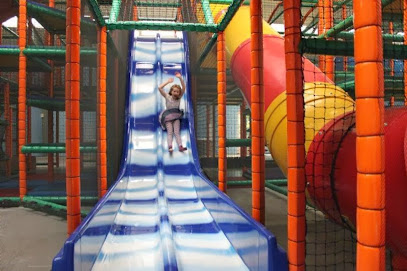
Pangea Park
23.5 km
Experience global wildlife up-close in Zealand’s countryside, with interactive exhibits, animal encounters, and a strong conservation focus at Pangea Park near Bjæverskov.
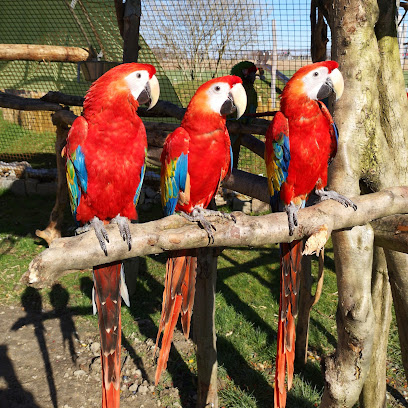
Køge Ås
23.8 km
Striking lighthouse at Denmark’s northern edge, offering panoramic views, interactive birdwatching, café, exhibitions, and a window into Skagen’s wild coastal nature.
Bronzestien - Køge Ås
25.1 km
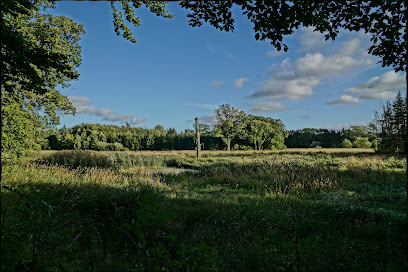
Stroll through ancient landscapes along Køge Ås, where prehistoric burial mounds and glacial history meet serene Danish woodlands near Køge.
Gammel Køgegård
25.2 km
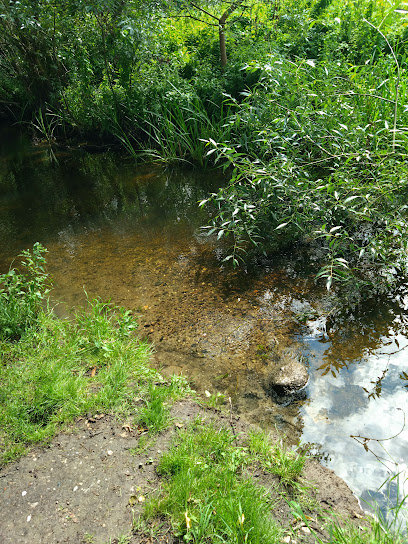
Discover the enchanting world of teddy bears at Skagen Bamsemuseum, a must-visit attraction in Denmark's northernmost town.
Søndersø
25.3 km
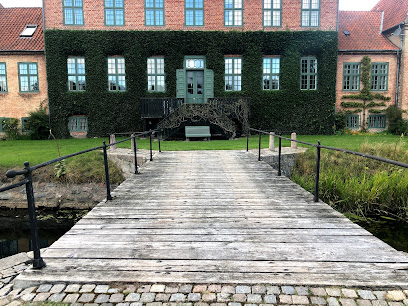
Escape to Søndersø: A serene lake in Værløse offering tranquil nature walks, birdwatching, and recreational activities amidst lush forests and historical landscapes.
Unmissable attractions to see

Boserup skov
1.2 km
Ancient beech forests, spring anemones, and fjord views in Denmark's most enchanting woodland sanctuary.
Nationalpark Skjoldungernes Land
1.6 km
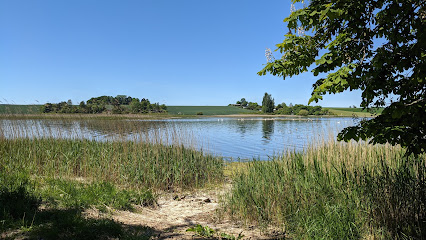
Ice Age hills, fjord horizons and saga‑laden burial mounds weave together in Skjoldungernes Land, Zealand’s first national park and a living tapestry of Danish nature and history.
Kornerup Å Trækfærge
1.9 km
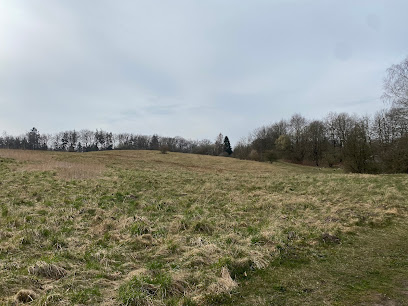
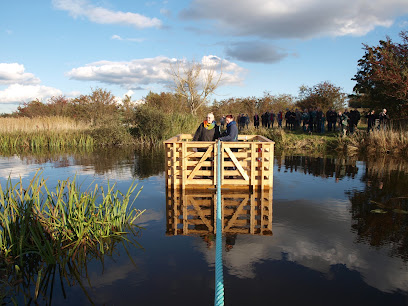
A hand-powered cable ferry in the Kornerup River Valley, turning a simple stream crossing into a playful pause amid open meadows, big skies and quiet Danish nature.
Kattinge Vig
1.9 km
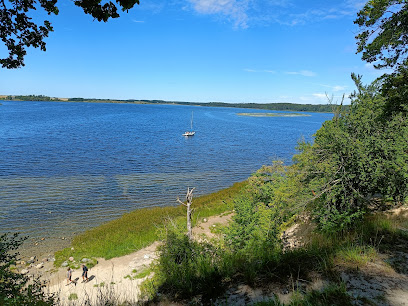
A sheltered fjord cove near Roskilde where protected nature, birdlife and gentle Scandinavian coastal scenery create a quiet escape for walkers, anglers and paddlers.
Rørmosen sti
3.2 km
A small, tranquil nature path with pond, reeds and everyday birdlife, tucked behind Roskilde’s Hørhusene homes for easy, close-to-town walks.
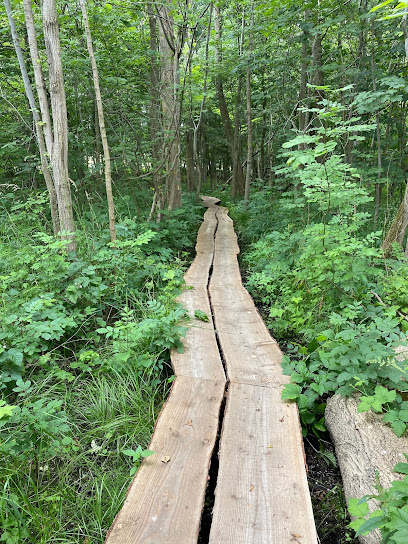
Trolden Runde Rie
4.4 km
A friendly wooden giant by Roskilde’s lakeside, Trolden Runde Rie pairs recycled art with open skies, easy walks and a touch of Nordic fairytale magic.
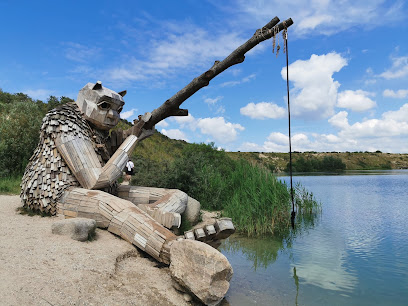
Lynghøj Lake
4.4 km
A reclaimed gravel pit turned blue-lake playground, Lynghøj Lake blends clear water, trails and a friendly wooden troll into Roskilde’s easiest nature escape.
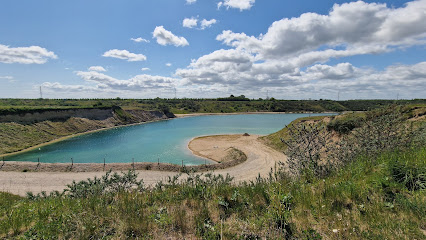
Lynghøjsøerne Runde Rie
4.4 km
Former gravel pits turned opal-blue lakes, winding trails and a wooden troll named Runde Rie make Lynghøjsøerne Roskilde’s playful pocket of wild nature.
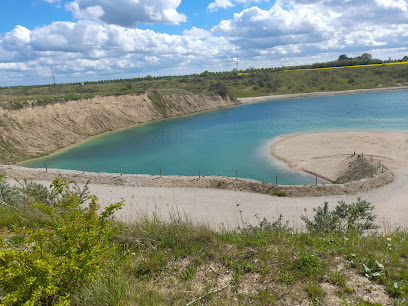
Koncertkapellet
4.8 km
Roskilde's intimate chapel-turned-concert hall for classical and acoustic music in a historic restored setting.
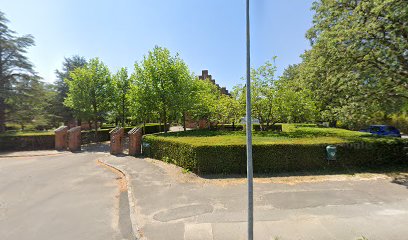
Vigen Strandpark
5.1 km
Calm fjord waters, a sandy strand and wide views to Roskilde’s skyline make Vigen Strandpark a relaxed, easy-going escape for swimming, paddling and picnics.
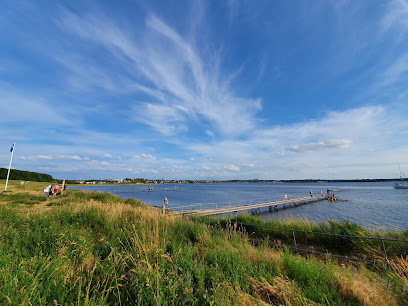
Roskilde Harbour
5.1 km
Historic fjordside harbour where Viking heritage, a modern marina and relaxed waterfront life meet beneath the towers of Roskilde Cathedral.
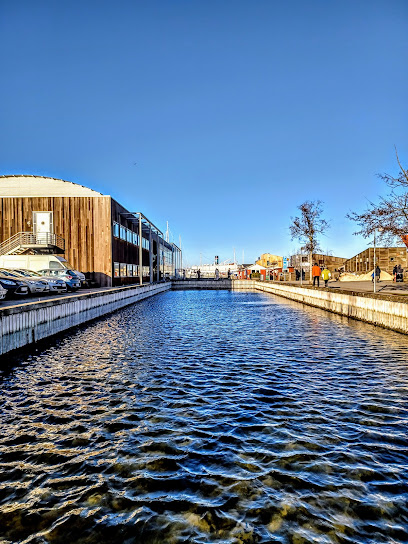
Puppe
5.2 km
A small but evocative public sculpture in Roskilde, “Puppe” offers a quiet moment of contemporary art amid everyday city life.
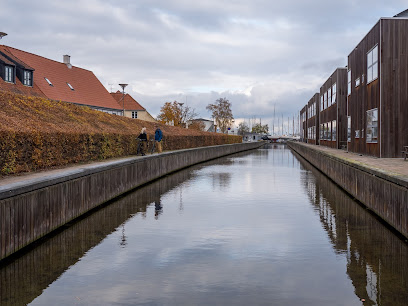
Helligkors Kilde
5.3 km
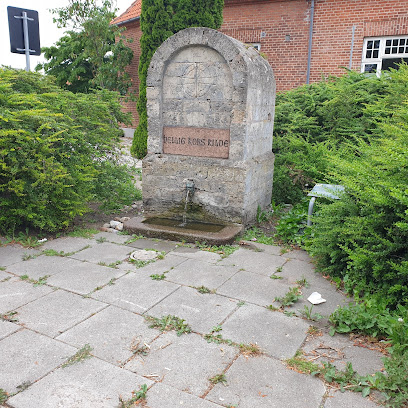
Once a famed holy spring and royal water source, Hellig Kors Kilde is now a quiet stone-framed reminder of Roskilde’s deep bond with its life-giving springs.
Viking Ship Museum
5.3 km
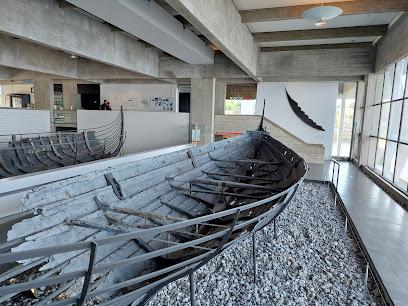
Original Viking ships, cutting-edge archaeology and a living boatyard unite on Roskilde Fjord to tell the story of how seafaring defined the Viking Age.
RoS Gallery
5.3 km
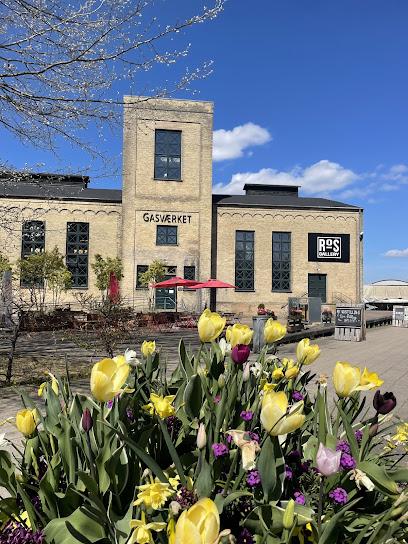
Contemporary art in a beautifully restored gasworks on Roskilde’s harbour, pairing industrial character with changing exhibitions and free, easy-going access.
Essential places to dine

Svogerslev Kro
3.6 km
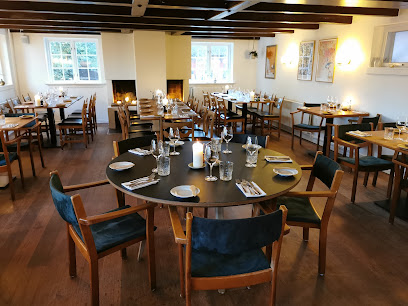
Historic countryside inn with Michelin-trained chef, seasonal Nordic cuisine, and overnight stays near Roskilde.
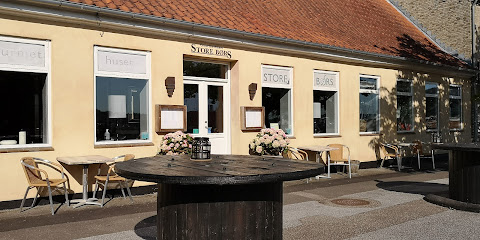
Restaurant Store Børs
5.2 km
Seasonal Danish gourmet dining overlooking Roskilde Fjord, where ingredient quality and informal elegance meet.
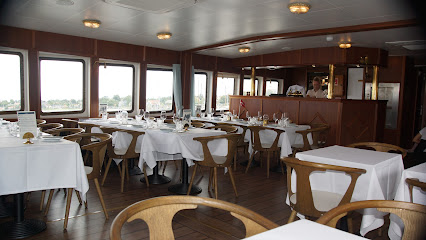
M/S Sagafjord - Restaurant Roskilde
5.2 km
Classic restaurant ship gliding across Roskilde Fjord, pairing seasonal local cuisine with slow, scenic cruises from the harbour’s edge.
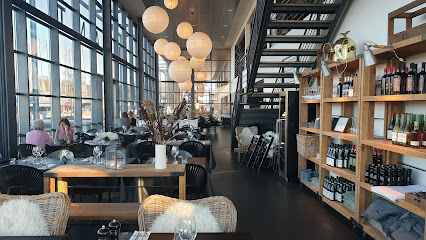
Snekken Trattoria
5.2 km
Waterfront Italian-inspired dining on Roskilde Harbour, pairing fjord views and a large terrace with relaxed brasserie dishes, brunch and all‑day service.
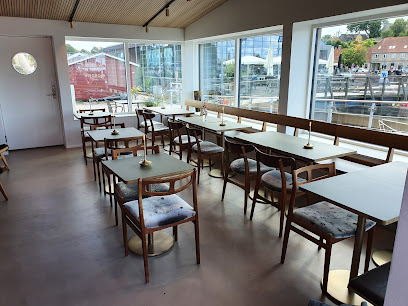
Café Fjordliv
5.2 km
Harbourfront Nordic–French café in Roskilde with its own sourdough bakery, organic coffee and seasonal small plates served beside the calm waters of the fjord.
Disotto
5.2 km
Cozy southern Italian ristobar in central Roskilde, serving classic antipasti, Neapolitan-style pizza and Italian wines in an intimate, evening-only setting.
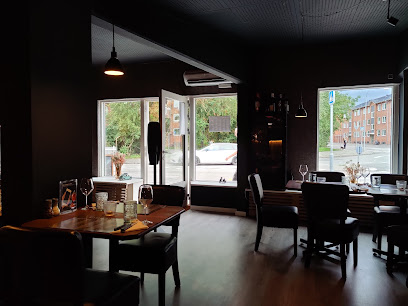
Restaurant Vigen
5.3 km
Waterfront Danish dining on Roskilde Fjord, where smørrebrød lunches and sunset dinners share the stage with sweeping views towards Roskilde’s historic skyline.
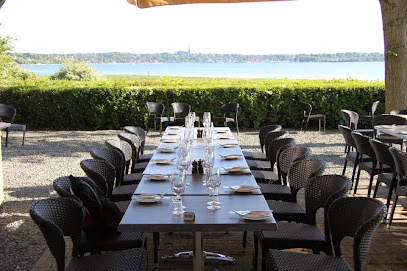
An No
5.3 km
Authentic Vietnamese street food in Roskilde, serving fresh homemade dishes from scratch with genuine Saigon spirit.
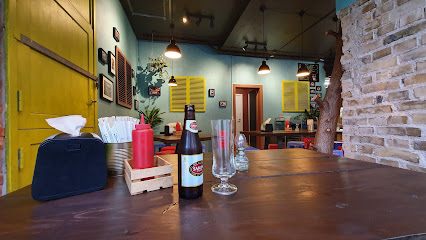
Viking Pizza Roskilde
5.4 km
Hearty pizzas and grill classics near Roskilde’s Viking harbour, serving no‑nonsense comfort food for families, locals and museum‑goers from late morning to evening.
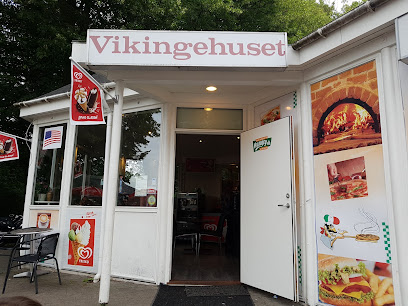
Restaurant That's Amore
5.5 km
Cozy, candlelit Italian restaurant in central Roskilde, serving wood-fired pizzas, hearty pasta and Italian wines in a warm, romantic yet relaxed setting.
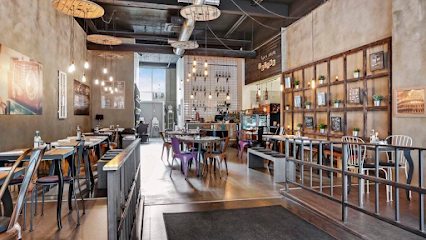
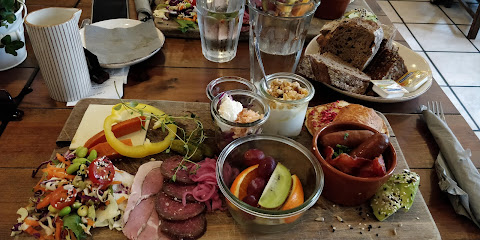
Café Korn - Roskilde
5.6 km
Cosy all‑day café and brasserie on Roskilde’s main pedestrian street, serving hearty brunches, burgers and salads in a warm, grocery‑style setting.
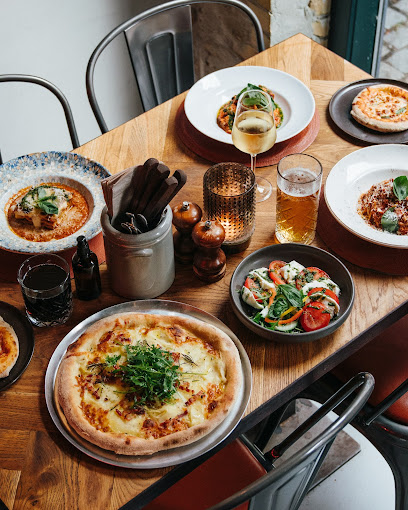
Marcella Pizza & Pasta - Restaurant Roskilde
5.6 km
Cozy Italian bistro in Roskilde’s main shopping street, serving Neapolitan-style pizzas, generous pasta dishes and easygoing, family-friendly comfort food.
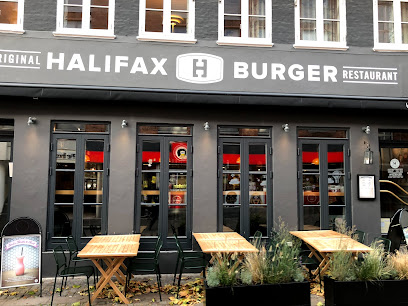
Halifax Burgers Roskilde
5.6 km
Casual build-your-own burger joint on Roskilde’s main street, pairing generous portions and craft drinks with a strong line-up of vegetarian and vegan options.
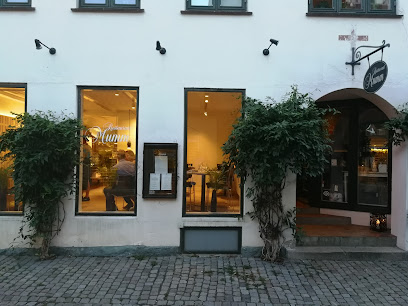
Restaurant Mumm I/S
5.6 km
Slow-food focused, seasonal small-plate dining in an intimate Roskilde townhouse with a leafy summer courtyard and a distinctly Nordic, wine-led evening atmosphere.
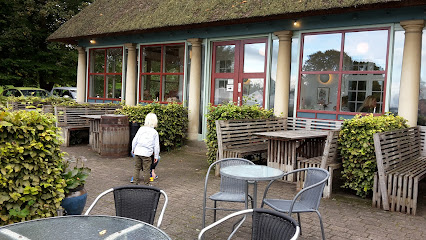
Pipers Hus
5.6 km
Classic Danish comfort food in a park pavilion with sweeping views over Roskilde Bypark, the harbour and fjord, blending city dining with a touch of nature.
Markets, malls and hidden boutiques

Hobbii
5.6 km
Denmark's premier yarn destination where creativity meets expert guidance and community.
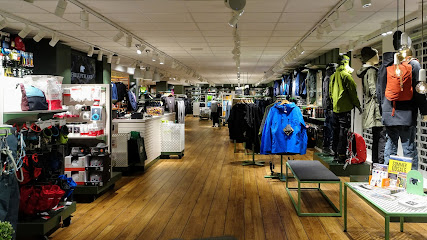
Friluftsland
5.6 km
Specialist outdoor shop in central Roskilde, equipping you with quality clothing, footwear and gear for Scandinavian weather, local escapes and longer adventures.
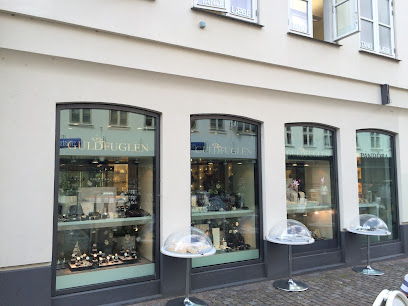
Guldfuglen A/S
5.6 km
Traditional Roskilde jeweller on lively Skomagergade, offering classic jewellery, watches and personal service in a calm, central setting.
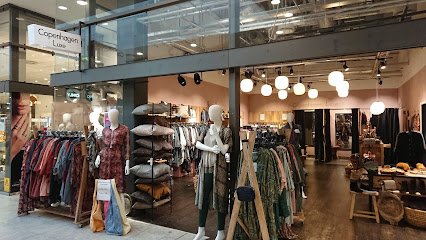
Copenhagen Luxe Roskilde
5.7 km
Curated Scandinavian fashion in natural materials on Roskilde's pedestrian shopping street.
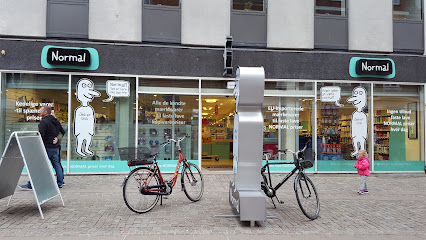
Normal
5.7 km
Brand-name products at unbeatable prices in central Roskilde's premier discount store.
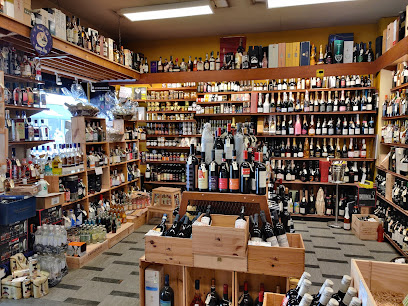
Den franske vinhandel
5.7 km
Historic Roskilde wine merchant with a cavernous cellar, freshly roasted coffee and gourmet treats, turning a simple shopping stop into a richly flavoured experience.
Boutique Dedenroth v / Helle Dedenroth
5.8 km
Owner-run women’s fashion boutique on Roskilde’s central square, offering curated, timeless clothing and a relaxed, personal shopping experience.
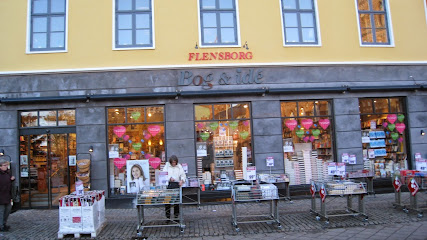
Bog & Idé
5.8 km
Central Roskilde’s cozy book and gift shop, where classic Danish bookselling meets games, stationery and everyday essentials on historic Stændertorvet.
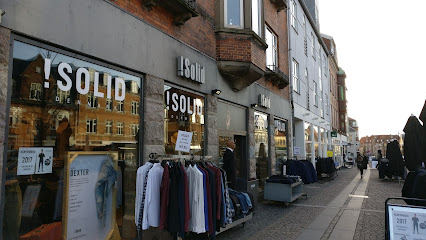
Perssons Roskilde
5.8 km
Contemporary fashion in the heart of Roskilde's historic shopping district.
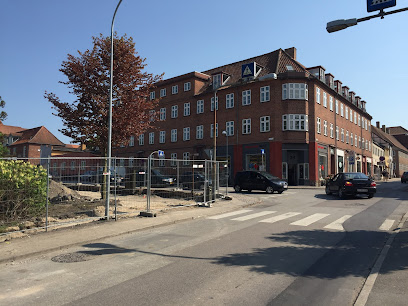
Red Cross Op Shop
5.8 km
Volunteer-run Red Cross thrift shop in central Roskilde, where affordable second-hand finds and everyday browsing quietly support humanitarian work.
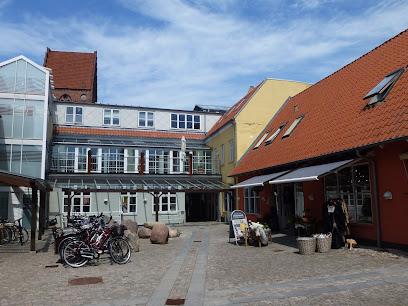
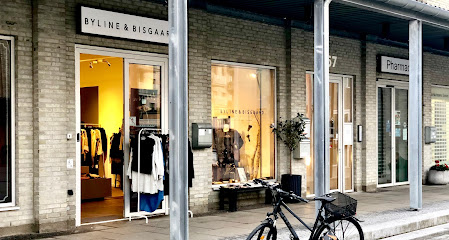
Byline Denmark (tidligere Byline & Bisgaard)
5.9 km
A cozy courtyard boutique in the heart of Roskilde, blending Scandinavian fashion, accessories, and gift ideas in a calm, well-curated setting.
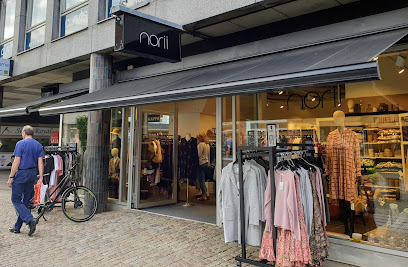
NORII Roskilde
5.9 km
A cozy Scandinavian womenswear boutique on Roskilde’s Algade, offering curated, timeless pieces and personal service in the heart of the historic city.
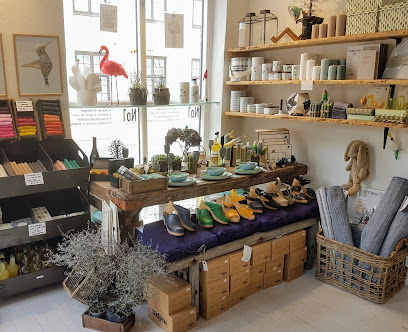
No 1 Butik
5.9 km
Intimate Roskilde lifestyle boutique blending Nordic design, playful gifts and gourmet treats into one cozy, carefully curated shopping stop.
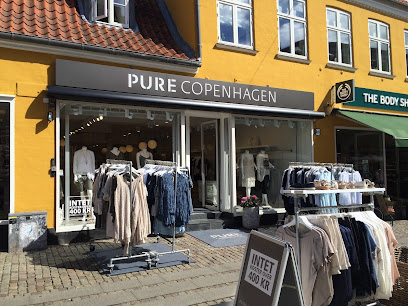
PURE Copenhagen
5.9 km
A cosy Roskilde boutique blending Scandinavian-inspired women’s fashion, personal styling, and a relaxed neighbourhood feel right on historic Algade.
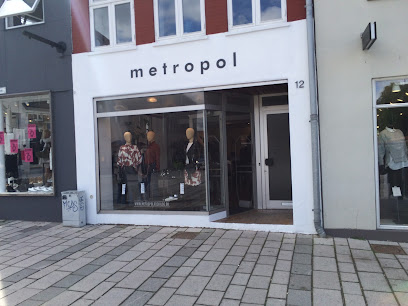
Metropol
5.9 km
Intimate Roskilde boutique in Djalma Lunds Gård, blending Scandinavian style, curated labels and a touch of vintage in a calm, welcoming shopping space.
Essential bars & hidden hideouts

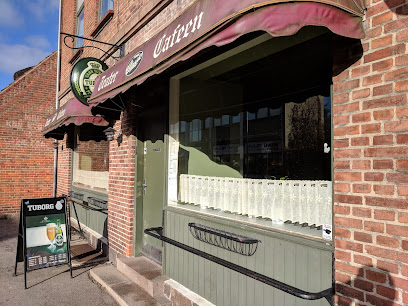
Teatercaféen
5.0 km
Unpretentious local beer hall in Roskilde where everyday life, cheap drinks and warm conversation matter more than design or trends.
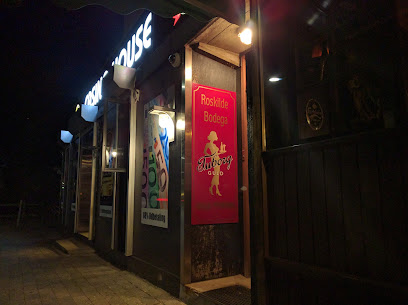
Roskilde Bodega
5.4 km
Classic Danish corner bar on Holbækvej with pool, darts, slot machines and a lively local crowd, offering an unpolished, authentic bodega atmosphere from day to late night.
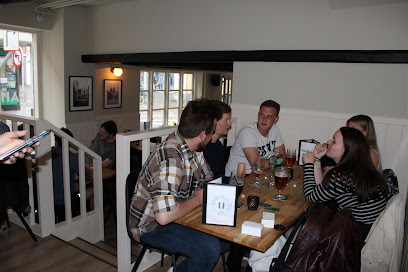
PAUSE
5.5 km
Intimate wine and beer bar in Roskilde's historic center, celebrating Nordic hospitality and craft beverages.
Ruder Konge Bodega
5.6 km
A timeworn Danish bodega in central Roskilde, offering cheap beer, pool tables and unpretentious pub life just off the city’s main pedestrian street.
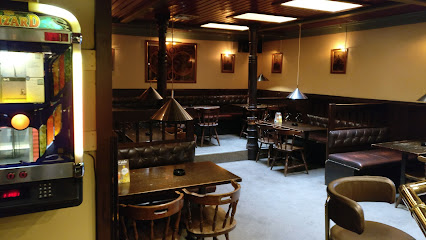
28 Live
5.6 km
A lively “youth club for adults” in central Roskilde, blending bar, games, live shows, sport and nightclub energy under one sociable roof.
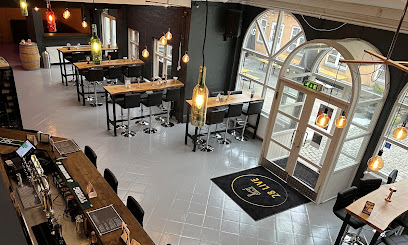
PROP Vin og Tapasbar
5.8 km
Intimate Roskilde wine bar pairing curated bottles with Mediterranean-inspired tapas in a candlelit room and sheltered courtyard, strictly for a relaxed 25+ crowd.
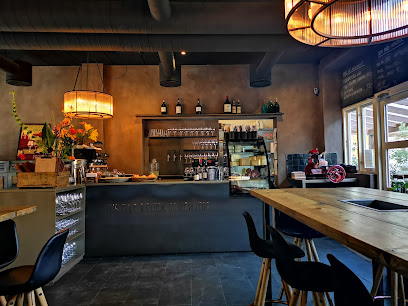
Gullanden
5.8 km
An unpretentious Roskilde pub with darts, DJ nights, cold beer and a loyal local crowd, where evenings stretch easily into the early hours.
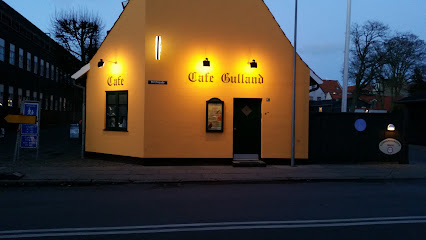
Gustav Wieds - Byens Ølbar
6.1 km
Craft-focused neighbourhood beer bar in central Roskilde, combining eight rotating taps, a cosy wooden interior, jukebox tunes and billiards in a relaxed local atmosphere.
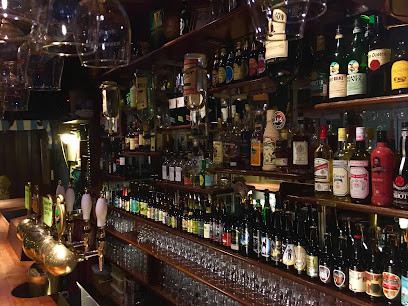
Klosterkælderen
6.2 km
Roskilde's premier craft beer cellar with 200+ beers and authentic Danish pub charm.
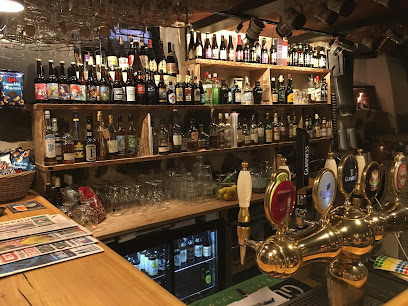
Mulligans Irish Pub
6.3 km
Authentic Irish pub in two storeys with live music, craft beers, and vibrant social atmosphere in central Roskilde.
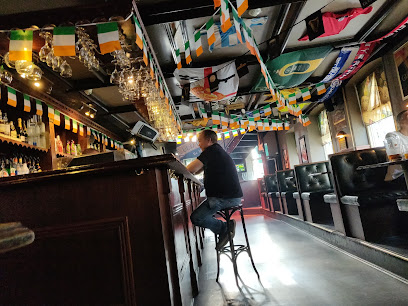
Copé Lounge
6.3 km
Urban lounge bar by Roskilde’s main square, blending backyard summer vibes, easygoing cocktails and cosy Danish hygge late into the night.
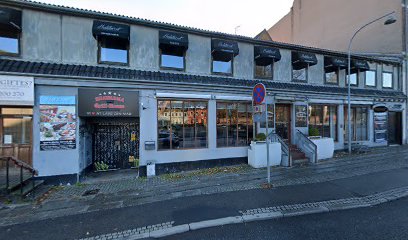
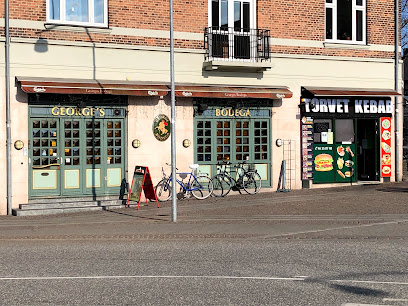
Georges Bodega
6.3 km
Old-school Danish bodega at Roskilde’s Hestetorvet, pouring cold beer from morning to late night with indoor smoking, local regulars and station-square views.
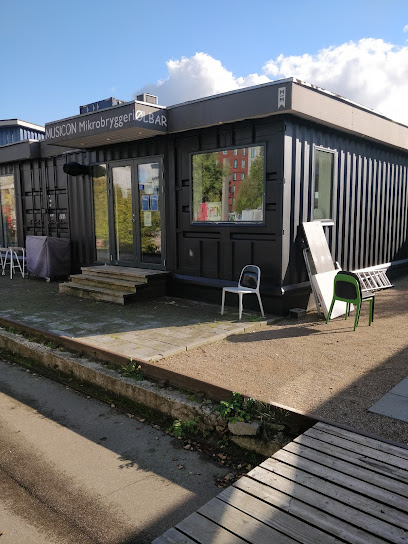
Musicon Mikrobryggeri
6.7 km
Local craft beer, stainless-steel tanks and live music energy in the heart of Roskilde’s creative Musicon district.
Vinbaren Muicon
6.8 km
An intimate wine bar in Roskilde’s Musicon district, pairing cozy Nordic warmth with a curated wine list and relaxed, conversation-friendly vibes.
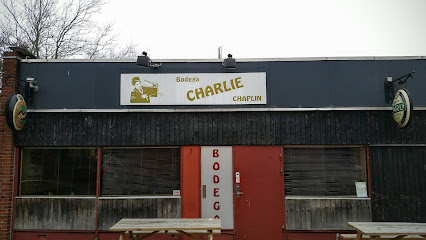
Charlie Chaplin
7.2 km
An unfussy neighbourhood bar in Roskilde, Charlie Chaplin pours cold beers and warm conversation in a relaxed local bodega setting far from the city’s tourist crowds.
Nightclubs & after hour spots

Danseriet
5.3 km
Frivilligdrevet danseklub i Roskilde med stort dansegulv, livebands og hyggelig stemning for danseglade gæster på tværs af aldre og niveauer.
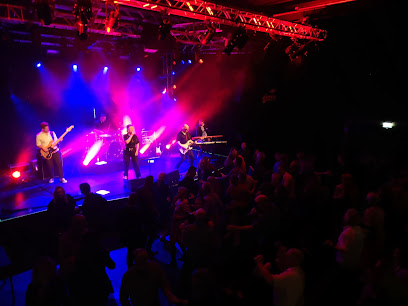
Garbos Roskilde
6.1 km
Cozy neighborhood nightclub in central Roskilde, blending casual bar vibes with a compact dance floor and late-night weekend energy on Hersegade.
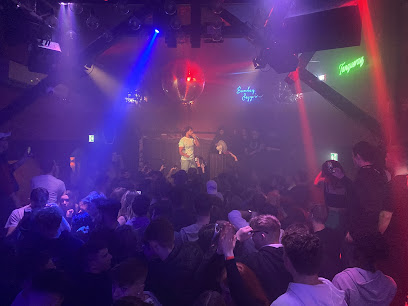
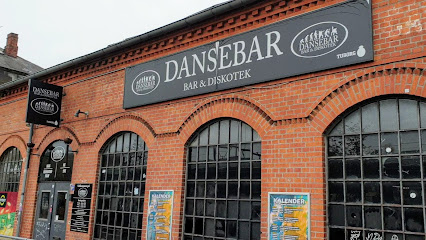
Dansebar Roskilde
6.2 km
Roskilde's premier multi-floor nightclub with dual dance spaces, three bars, and DJ-driven energy until dawn.
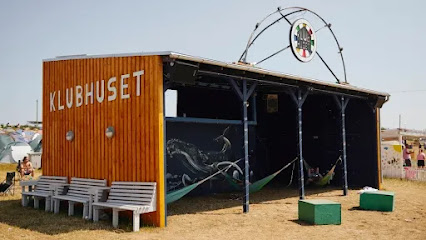
Klubhuset
7.3 km
Low-key local clubhouse turned disco-style nightspot, where a simple bar, small dance floor and regulars’ vibe create relaxed, unpretentious nights in Roskilde.
Tropicana DC
7.4 km
Compact Latin-flavoured nightclub on Roskilde’s industrial edge, delivering loud beats, simple drinks and a late-night dancefloor focused purely on partying.
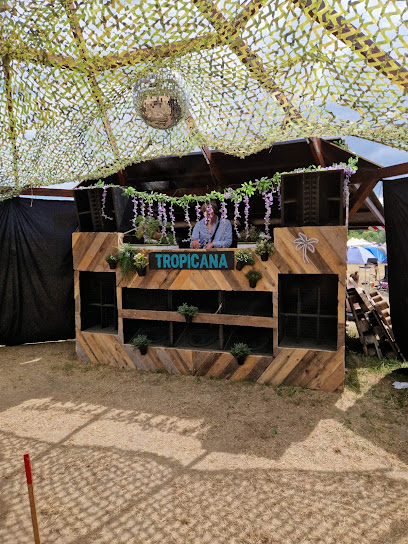
Den Dansende Viking
16.6 km
High-energy suburban nightclub in Egedal Centret, serving packed dance floors, late-night DJ sets and budget-friendly drinks for party-focused weekends.
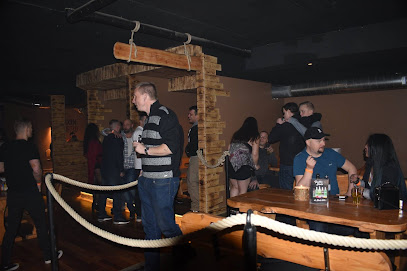
Club El Diablo
22.0 km
Adults-only entertainment venue offering a discreet, welcoming atmosphere for private social experiences.
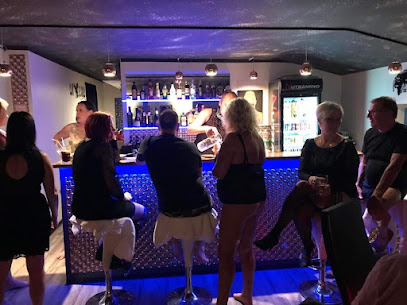
The Flame
26.2 km
Compact, high-energy nightclub by Køge’s harbor, serving up youthful beats, live acts and weekend dance-floor vibes in an intimate, no-frills setting.
LUSIO
26.2 km
Compact harbor-side nightclub in Køge with late Friday hours, a tight dance floor, and an intimate, no‑frills setting for Danish weekend nights out.
Bloom Nightclub
26.2 km
Late-night harborfront beats and a compact dance floor bring big-night energy to small-city Køge every Friday and Saturday.
Falafelberg
33.4 km
Discover the pulsating nightlife of Frederiksberg at Falafelberg, a night club offering delicious falafel and electrifying music for an unforgettable experience.
Haven - Events
33.4 km
Discover the electrifying nightlife at Haven, Frederiksberg's top night club, where music, dance, and fun come together for an unforgettable experience.
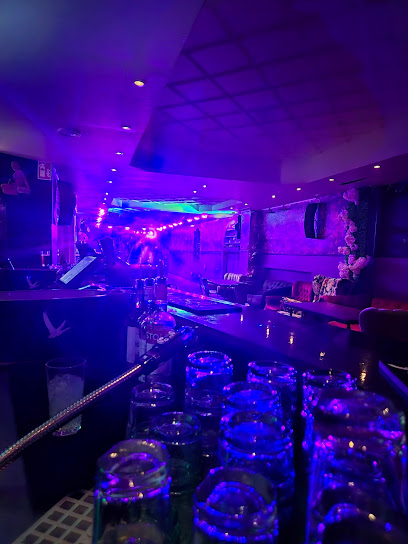
Afrobeat Palace Nightclub
33.7 km
Discover the energetic Afrobeat Palace Nightclub in Copenhagen, where music, dance, and multicultural vibes unite for an unforgettable nightlife experience.
The Union
35.0 km
Discover the vibrant nightlife at The Union, Copenhagen's premier night club offering electrifying music and an unforgettable experience.
Vela Lesbian Lgbtq+ NightClub
35.0 km
Experience the inclusive spirit and vibrant nightlife at Vela Lesbian LGBTQ+ Nightclub in Copenhagen, where every night is a celebration of love and diversity.
For the vibe & atmosphere seeker
- Relaxing
- Tranquil
- Zen
- Scenic
- Fun-filled
- Unique
- Casual
For the design and aesthetic lover
- Rustic Designs
For the architecture buff
- Parks & Gardens
- Heritage Neighborhoods
- Landmarks
For the view chaser and sunset hunter
- Iconic Views
- Panoramas
- Waterfront
- Sunset Spots
For the social media creator & influencer
- Photo Spots
- Selfie Spots
- Reel-Friendly
- Architectural Shots
For the eco-conscious traveler
- Sustainable
- Eco-Friendly
- Low Impact
- Protected Area
- Public-Transport Accessible
- Leave-No-Trace Critical
- Locally Managed
- Wildlife Habitat
- Nature Reserve
- National Park
For the kind of experience you’re after
- Mindfulness
- Meditation Spot
- Spiritual / Energy Spot
- Myth & Legends
- Cultural Heritage
- Photowalk
- Adventure Photo Shoot
- Nature Escape
- Roadtrip Stop
- Day Trip
- Weekend Getaway
- Festival / Event Nearby
For how adventurous you want the journey to be
- Easy Access
Location Audience
- Family Friendly
- Senior Friendly
- Child Friendly
- Teen Friendly
- Solo Friendly
- Couple Friendly
- Solo Female Friendly
- Vegetarian Friendly
- Vegan Friendly


