
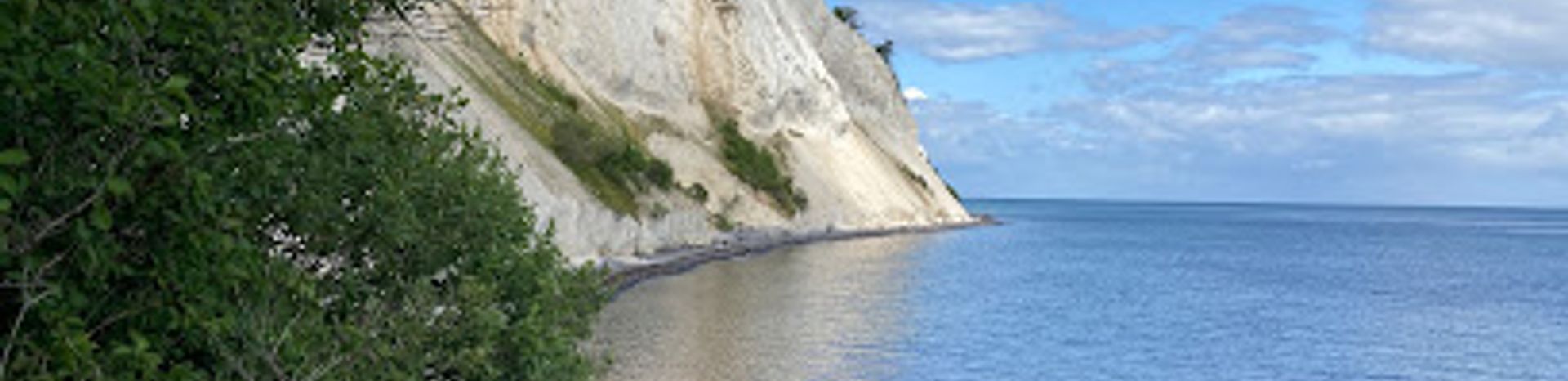
Stranden Møns Klint (Møns Klint Beach)
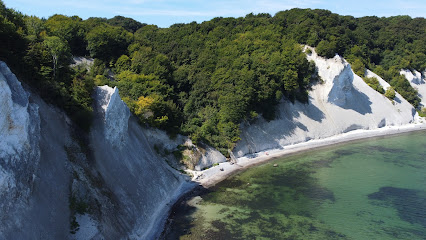
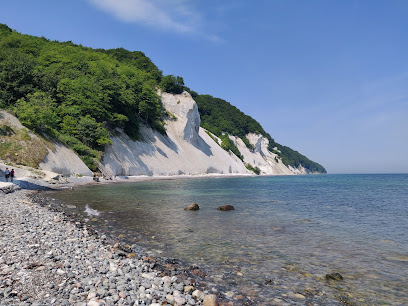
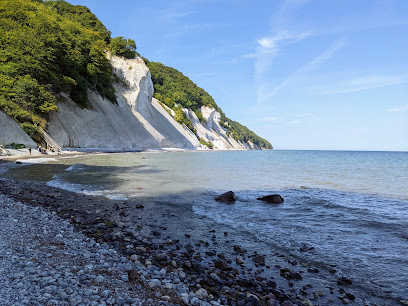
A narrow, wild pebble shore pressed between turquoise Baltic waves and Denmark’s towering white chalk cliffs on the island of Møn.
Stranden Møns Klint is the wild pebble beach at the foot of Denmark’s famous white chalk cliffs on the island of Møn, near Borre. Reached by long staircases through beech forest, the shore presses right up against 100‑plus‑metre walls of gleaming limestone, with turquoise Baltic water at your feet. It is a place for dramatic coastal scenery, fossil hunting, invigorating swims in clear but chilly water, and feeling the raw power of an ever‑changing landscape.
A brief summary to Stranden Møns Klint
- Borre, 4791, DK
- Duration: 1.5 to 4 hours
- Free
-
 Outdoor
- Mobile reception: 3 out of 5
Local tips
- Wear sturdy shoes or hiking sandals; the beach is covered in large, uneven flint stones and pebbles that can be slippery when wet.
- Prepare for a strenuous stair climb; there are several hundred steps between the cliff top and the beach, so allow time and take breaks on the way back up.
- Pack layers and a windproof jacket, as temperatures and wind conditions at the base of the cliffs can differ noticeably from the forest above.
- Avoid lingering directly under overhanging sections of cliff and be cautious after heavy rain or storms, when small rockfalls and slides are more likely.
- Bring water shoes if you plan to swim or paddle; the seabed is stony and can be uncomfortable or hard to balance on barefoot.

For the on-the-go comforts that matter to you
- Restrooms
- Drink Options
- Drinking Water
- Food Options
- Seating Areas
- Sheltered Areas
- Trash Bins
- Information Boards
- Visitor Center
Getting There
-
Car from Copenhagen
From central Copenhagen, driving to Møns Klint takes about 1.5–2 hours depending on traffic. The route uses major motorways and bridges onto Møn, then narrower rural roads across the island. Near the cliffs, the final stretch includes a well‑maintained gravel section. Parking is available by the GeoCenter at the cliff top for a modest daily fee in Danish kroner; spaces can fill by late morning in peak summer, so earlier arrival is advisable.
-
Car from Stege (Møn’s main town)
From Stege on Møn it is roughly a 30–40 minute drive to the cliff‑top parking above Stranden Møns Klint. The main island road is paved and straightforward, but side roads become narrow and occasionally single‑lane, so allow extra time and be prepared to slow for oncoming traffic. The final kilometres toward the GeoCenter may be on gravel but are suitable for regular cars in normal conditions. Parking is paid via machines or apps; bring a card or mobile payment option.
-
Public transport plus walk or bike
Without a car, travel by regional bus to Stege and then take bus 667 toward Magleby, a journey of about 30–45 minutes. Services generally run a few times per day and may be less frequent on weekends and outside summer. From Magleby it is around 5–6 kilometres to the cliff area, typically 1–1.5 hours on foot or 25–35 minutes by bicycle on country roads. Standard Danish bus fares apply; expect to pay a reasonable local fare in kroner for each leg, and always check current timetables and seasonal schedules.
Stranden Møns Klint location weather suitability
-
 Clear Skies
-
 Windy Conditions
-
 Mild Temperatures
-
 Cold Weather
-
 Hot Weather
Discover more about Stranden Møns Klint
Where Sea Meets the White Cliffs of Møn
Stranden Møns Klint is the narrow, stony beach running along the base of Møns Klint’s six‑kilometre wall of chalk on the eastern edge of the island of Møn. Here the Baltic Sea laps against a strip of pebbles and flint, while above you the white cliffs rise more than 100 metres almost straight out of the water. The contrast between dark seaweed, pale stones and luminous limestone makes the shoreline feel otherworldly, especially on bright days when the water turns a striking turquoise. Because the cliffs are constantly eroded by waves and weather, the beach is never quite the same from year to year. Fresh rockfalls leave pale fans of rubble at the base of the slopes, while older landslides are softened by vegetation. Walking here is to see geology in action, at human height and very close range.A Landscape Shaped Over Millions of Years
The chalk that towers above the beach formed around 70 million years ago, when this part of Denmark lay beneath a warm, shallow sea. Tiny marine organisms settled on the seabed, creating thick deposits of lime that were later lifted and shaped into today’s cliffs. Each lump of chalk and each flint nodule scattered along the beach is a fragment of that long‑vanished ocean. At low tide you can see white sediments brightening the seabed just offshore, giving the water its characteristic milky‑turquoise tone. The surrounding area is recognised for its special geology and biodiversity, with rare plants clinging to the cliff faces and beech forest clothing the plateau above. Peregrine falcons sometimes nest on the ledges, a reminder that this is as much a wildlife habitat as a scenic viewpoint.Experiencing the Beach Up Close
A visit to Stranden Møns Klint is physical as well as visual. To reach the shore you descend long wooden staircases from the forested cliff top, dropping through beech trees until the sound of the sea grows louder than the wind in the leaves. At the bottom, the beach is mostly pebbles and large, uneven flint stones rather than sand, so every step demands attention. This rough terrain is part of the appeal: it keeps the shoreline feeling wild, and the crunch of stones underfoot becomes a constant soundtrack as you walk beneath the cliffs. Swimmers and paddlers use the clear water on calmer days, though it can be chilly and the stony seabed makes water shoes very useful. Fossil hunters scan the shingle for ancient sea urchins and other traces of prehistoric life, especially after winter storms.Changing Light and Subtle Seasons
Light behaves in surprising ways at the base of Møns Klint. Even in high summer, the sun can slip behind the forested edge of the plateau earlier than you expect, throwing the beach into cool shadow while the Baltic beyond remains bright. In winter the cliffs may only catch narrow bands of sunlight, and the air quickly grows cold once the sun drops. Spring and early summer bring fresh green foliage to the trees above and clearer views across the water, while late summer often offers the warmest sea for brave swimmers. Autumn mists can lend the cliffs a mysterious air, softening outlines and muting colours so that you glimpse the pale faces through drifting veils of cloud. Whenever you come, conditions can change quickly, and the mix of shifting weather and constantly eroding rock is part of the site’s character.Respecting a Powerful Coastal Environment
Stranden Møns Klint is dramatic precisely because it is fragile. The same forces that create the spectacular scenery also make the area potentially hazardous. Rockfalls and minor landslides are natural and ongoing, so it is wise to avoid lingering directly beneath overhangs or fresh cracks in the cliff. The beach can be narrow at high tide, and some stretches may be blocked by fallen trees or boulders. There are no permanent facilities on the shoreline itself; amenities are concentrated at the top of the cliffs. This keeps the beach feeling raw and unspoilt, but it means you should arrive prepared, with sturdy footwear, layers for changing temperatures, and any food or water you might need. Walk gently, leave stones and fossils for others unless collecting is clearly permitted, and treat this remarkable meeting of sea and rock as the living, evolving place that it is.Iconic landmarks you can’t miss

Høje Møn
5.0 km
Denmark's tallest white chalk cliffs rise 128 meters above the Baltic, crowned by legendary tales and ancient forests.

Restaurant Portofino
5.5 km
Experience authentic Italian cuisine in a charming Danish setting at Restaurant Portofino, Møn. Fresh ingredients, traditional recipes, and a warm atmosphere await near Klintholm Havn.
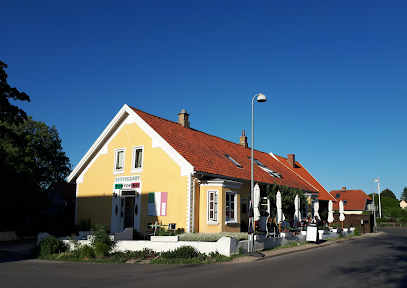
Pension Elmehøj
10.3 km
Experience Møn's charm at Pension Elmehøj: Affordable comfort near Stege, close to Møns Klint, Elmelunde Church, and the Camønoen hiking trail, perfect for families and budget travelers.
Cosy Farmhouse on Møn
13.4 km
Experience tranquility at Cosy Farmhouse on Møn: Discover rural charm, stunning landscapes, and authentic Danish hospitality on this idyllic island escape, a UNESCO Biosphere Reserve.
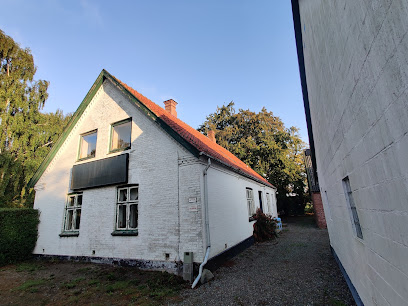
Rose Stege Restaurant
17.2 km
Discover the authentic tastes of Denmark at Rose Stege Restaurant, where delicious pizzas and local dishes await in a cozy atmosphere.
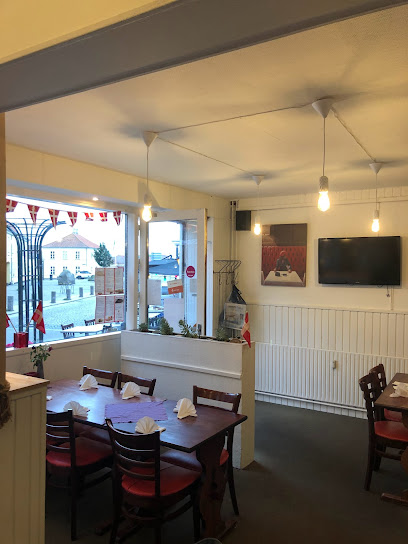
Restaurant pizzeria Delfino
17.2 km
Experience authentic Italian cuisine in the heart of Stege at Restaurant Pizzeria Delfino, where fresh ingredients and a warm atmosphere create a memorable dining experience for all.
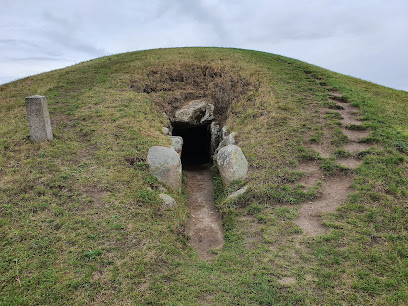
Kong Asgers Høj
26.3 km
Denmark's largest passage grave—a 5,000-year-old Neolithic monument of monumental stone and timeless mystery.
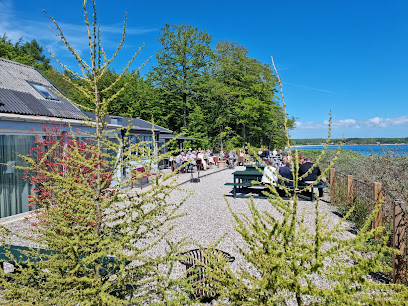
Pomle Nakke Traktørsted
32.2 km
Experience Danish coastal charm at Pomle Nakke Traktørsted, where stunning Baltic Sea views meet locally sourced cuisine for an unforgettable dining experience on Falster.
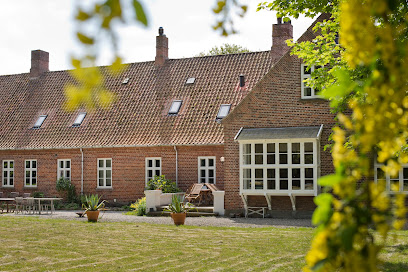
Bellinge House- Bed & Breakfast. Wellness.
40.5 km
Discover tranquility and wellness at Bellinge House, a charming bed & breakfast in Nykøbing Falster, Denmark, offering holistic treatments and serene accommodations.
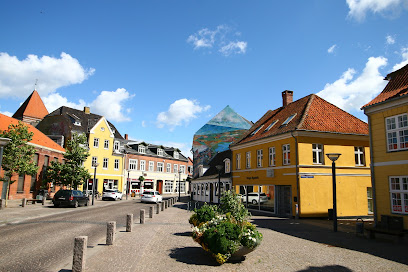
Falster
42.5 km
Discover Falster, Denmark: Pristine beaches, medieval history, and tranquil island charm await in this Baltic Sea gem, easily accessible from Copenhagen and Germany.
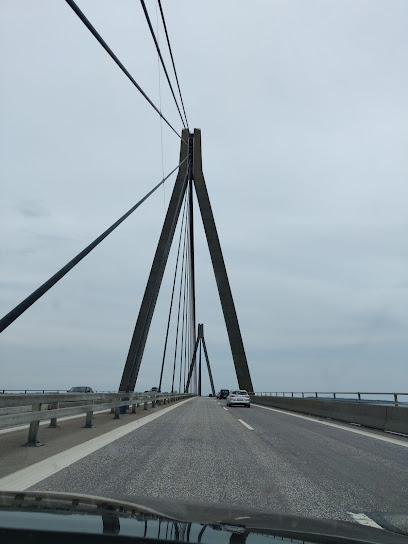
Crocodile Zoo, Falster
42.7 km
Explore the Crocodile Zoo in Falster, Denmark - a unique attraction featuring over 200 reptiles, engaging educational exhibits, and unforgettable family experiences.
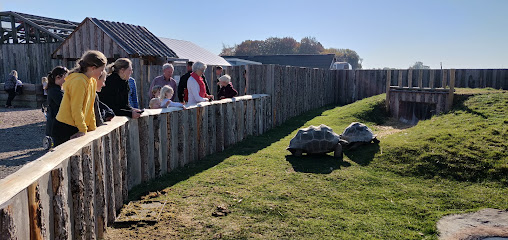
Masnedø Fort
42.8 km
Explore the rich history and stunning coastal views at Masnedø Fort, a must-visit historical landmark in Denmark.
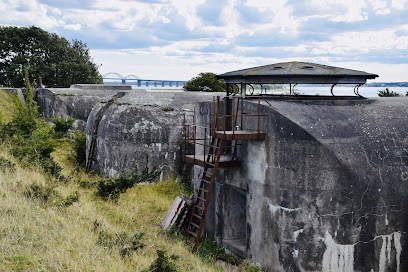
Zipline Systofte
44.8 km
Discover the thrill of soaring through the trees at Zipline Systofte in Nykøbing Falster - an unforgettable outdoor adventure awaits!
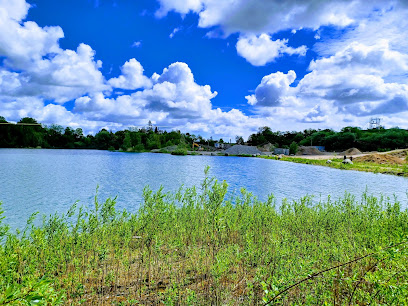
Hotel Falster
47.7 km
Experience Danish hospitality at Hotel Falster in Nykøbing Falster, offering comfortable accommodations, on-site dining, and easy access to local attractions and the South Sea Islands.
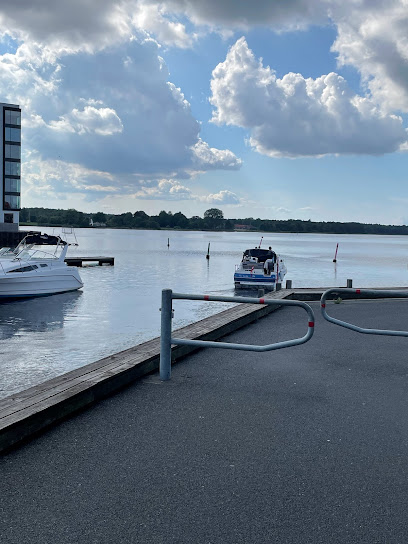
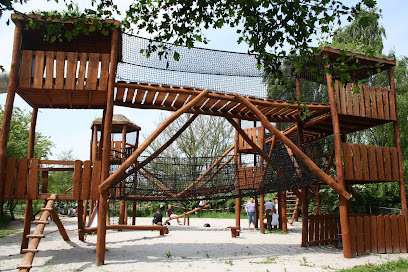
Guldborgsund Zoo & Botanisk Have
47.8 km
Discover the enchanting world of wildlife and gardens at Guldborgsund Zoo & Botanisk Have, a perfect family-friendly destination in Nykøbing Falster.
Unmissable attractions to see

Møns Klint
0.1 km
Towering white chalk cliffs, ancient beech forest and turquoise Baltic waters meet at Denmark’s most dramatic coastline on the wild eastern edge of Møn.
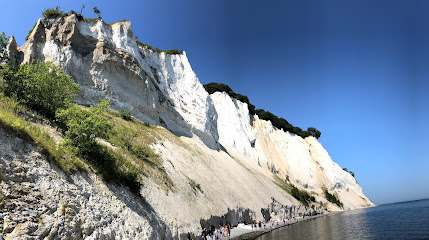
GeoCenter Møns Klint
0.3 km
Immersive cliff-top museum and nature hub revealing 70 million years of geology beside Denmark’s highest white chalk cliffs at Møns Klint.
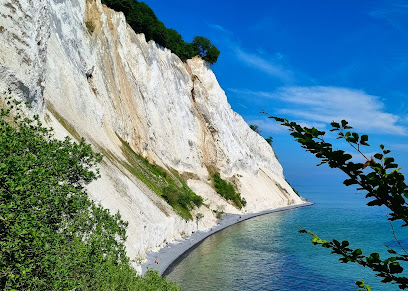
Moen lighthouse
2.3 km
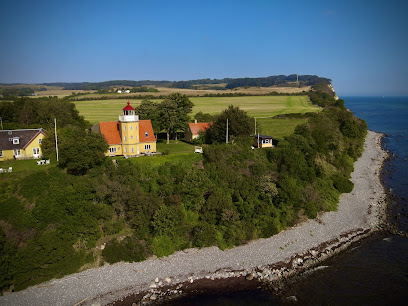
A quiet 19th‑century beacon perched above Denmark’s most dramatic chalk cliffs, where sea, sky and starlight meet on the far edge of the island of Møn.
Camp Møns Klint
2.4 km
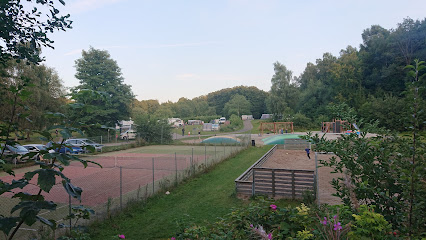
Forest-nestled campsite near Denmark's iconic white chalk cliffs, offering nature immersion with modern comfort.
Møns Klint Resort
2.4 km
Forest‑fringed basecamp for Denmark’s chalk cliffs, blending camping, cabins and family‑friendly facilities under some of Møn’s clearest, star‑filled skies.
Kvalitetssti Møns Klint
2.5 km
A compact quality trail threading beech forest, towering chalk cliffs and Baltic shoreline into one of Denmark’s most dramatic and rewarding coastal hikes.
Trappe Møns Klint
2.7 km
A steep wooden stairway plunging from beech forest to turquoise Baltic shore, Trappe Møns Klint is the most direct way into Denmark’s iconic white chalk cliffs.
Liselund
4.1 km
An 18th-century romantic garden palace where enlightened philosophy meets timeless beauty on the Danish island of Møn.
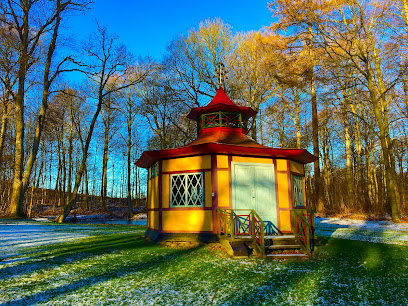
Det Kinesiske Lysthus
4.3 km
A delicate chinoiserie tea pavilion hidden in Liselund’s Romantic park, where 18th‑century fantasies of distant China still color a serene Danish landscape.
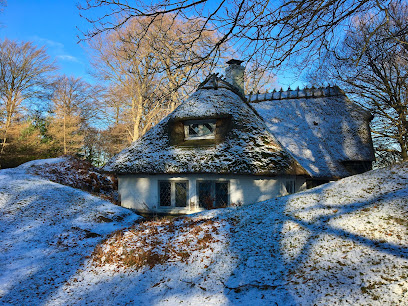
Norske Hus
4.4 km
A storybook thatched cottage tucked into the romantic gardens of Liselund Park, where Nordic vernacular architecture meets a carefully composed coastal landscape.
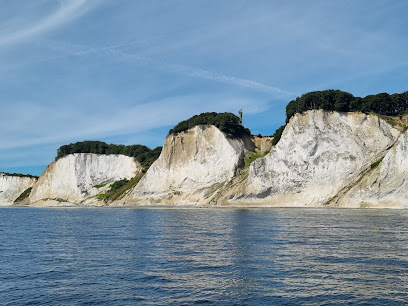
Sejlkutteren Discovery
5.7 km
Traditional wooden cutter tours from Klintholm Havn to the towering white cliffs of Møns Klint, blending maritime heritage, geology and Baltic Sea tranquillity.
Klintholm Harbor
5.7 km
A working Baltic fishing port turned relaxed marina village, Klintholm Harbor blends seaside cafés, child-friendly sands, history and boat access to dramatic Møns Klint.
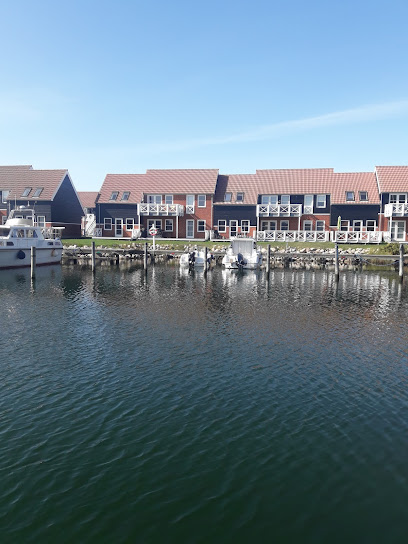
Råbylille Strand
10.4 km
A tranquil Baltic beach resort with golden sands, cottage charm, and access to Denmark's iconic white cliffs.
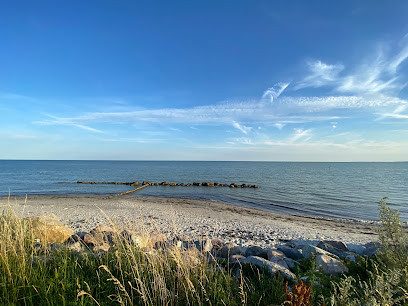
Møn
11.5 km
Discover centuries of seafaring tradition and maritime culture at Marstal Søfartsmuseum, the heart of nautical history on Ærø in Denmark’s South Funen Archipelago.
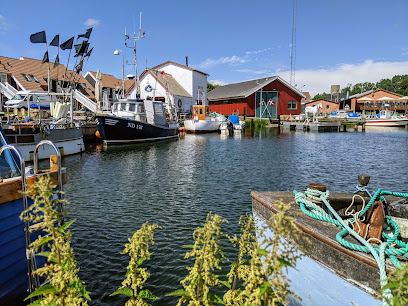
Møn Is
11.8 km
Organic ice cream farm and rural courtyard on Møn, where grazing cows, a cosy farm shop and rich, house-made scoops bring island agriculture deliciously to life.
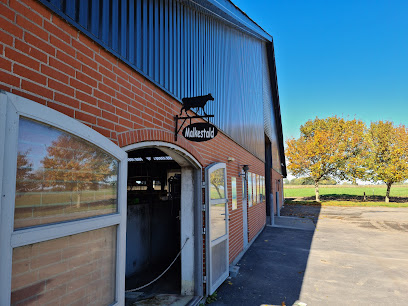
Essential places to dine

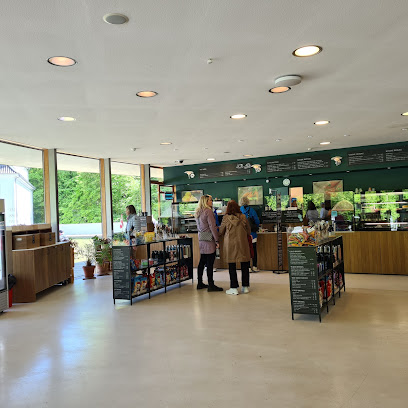
café Møns Klint
0.2 km
Clifftop café inside GeoCenter Møns Klint, serving classic Danish dishes, cakes and Klinteis with sweeping views over forest, chalk cliffs and Baltic Sea.
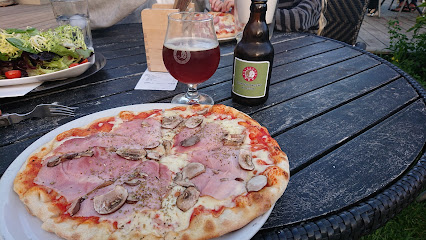
Restaurant Dark Sky
2.4 km
Casual pizza and comfort food at the heart of Camp Møns Klint, where relaxed evenings flow naturally into star-filled dark-sky nights over Møn.
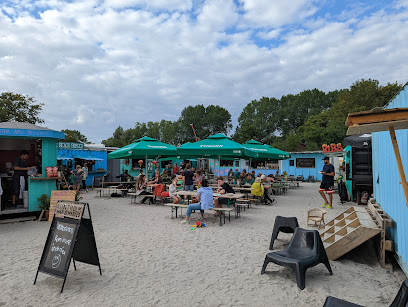
KLINTHOLM MAD & MARKED
5.5 km
Colorful beachfront food market where sand, sun, and diverse cuisines create the perfect Danish summer escape.
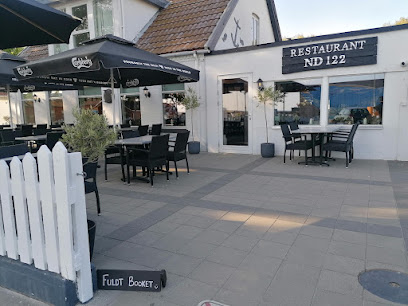
Restaurant ND122
5.5 km
Ambitious Nordic cooking in a relaxed harbour-side dining room on Møn, where seasonal menus, local produce and intimate atmosphere turn lunch or dinner into an occasion.
Restaurant Klintholm
5.6 km
Casual Danish comfort food near Klintholm Havn on Møn, offering hearty portions, a relaxed family feel and a handy lunch or early-dinner stop close to the sea.
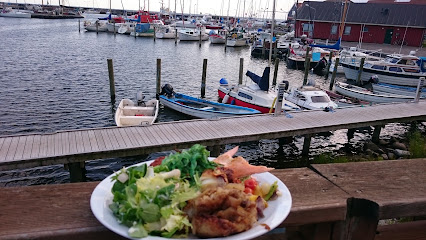
Klap Hesten
5.7 km
Harborfront brasserie and bar blending local flavors, coastal creativity, and Danish hygge in Klintholm Havn, the lively marina village of Møn.
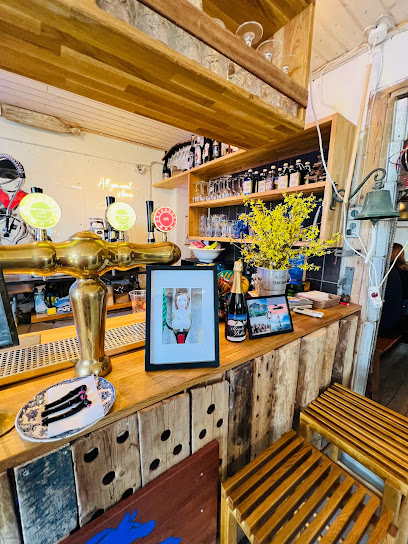
Is & Pølsehytten, Klintholm Havn
5.7 km
Harbor-side ice cream and hot dog kiosk bringing simple seaside treats, casual charm and a taste of Danish summer to Klintholm Havn on the island of Møn.
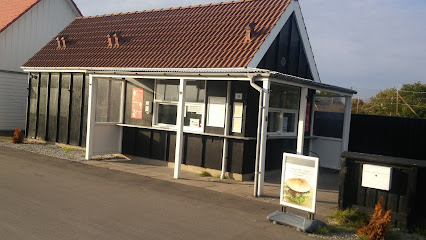
Egn Boutique Hotel & Restaurant
10.6 km
Romantic coastal hideaway on Møn, where intimate boutique rooms, a tranquil garden and gourmet Nordic dining meet just steps from Råbylille’s sandy beach.
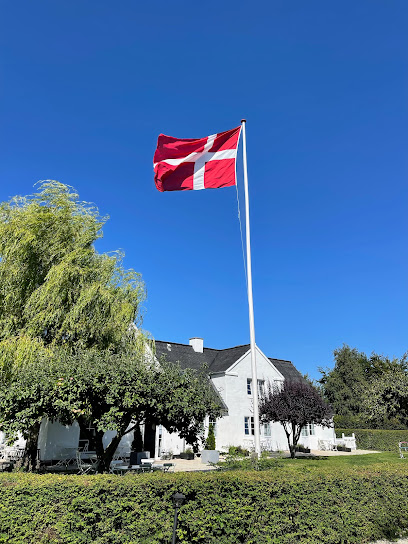
Restaurant Egn
10.6 km
Intimate Nordic fine dining on the island of Møn, where seasonal local produce, thoughtful pairings and quiet countryside surroundings create a slow, elegant evening.
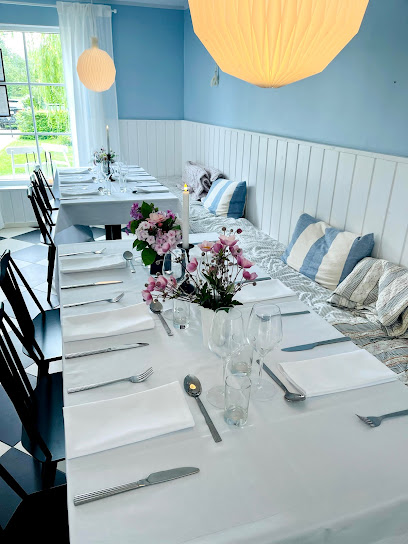
Møn Golf Resort - Hotel Præstekilde
13.1 km
Relaxed golf-and-nature retreat on Møn, with wide views over Stege Nor, an 18‑hole course on the doorstep and a terrace restaurant made for long sunsets.
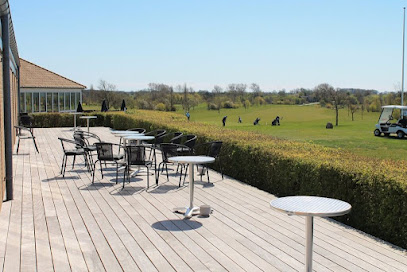
Staysail.Danmark is closed
15.5 km
Experience authentic Danish cuisine and serene boating adventures at Staysail.Danmark in beautiful Stege.
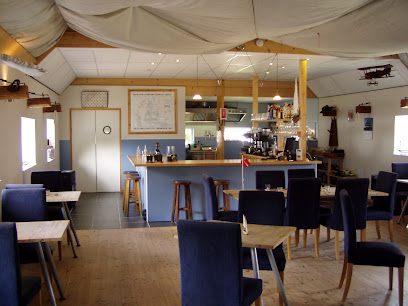
Hvidegaard Møn
15.5 km
Cozy countryside bed & breakfast and cafe on Møn, blending homemade food, garden calm and easy access to Stege and the dramatic cliffs of Møns Klint.
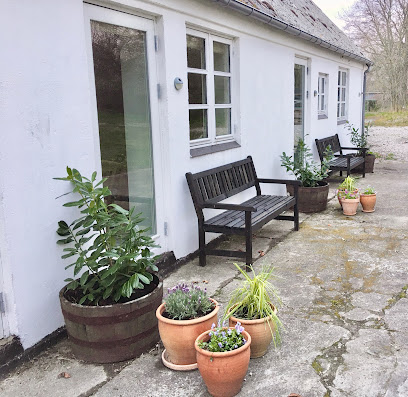
MØN AMI - The French Bistro 🇫🇷
17.0 km
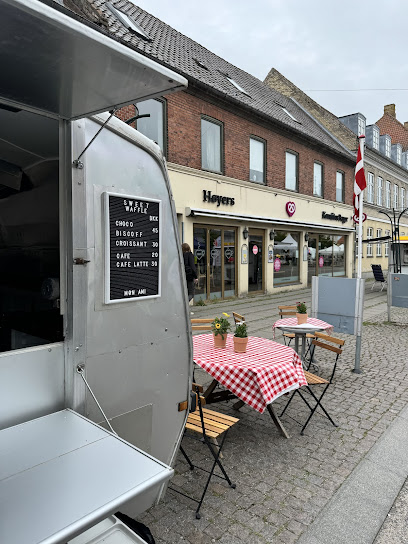
A tiny French-inspired bistro in Stege, where intimate island charm, slow-paced dining and classic Gallic flavours meet in one cosy neighbourhood room.
Møn Isola Pizza
17.0 km
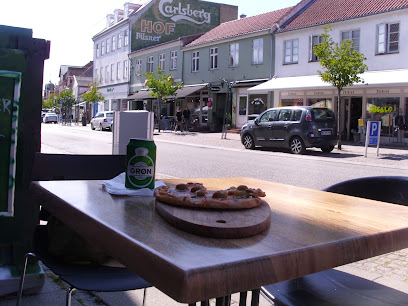
Casual, central pizzeria on Stege’s main street serving generous, no‑nonsense pizzas and takeaway boxes to fuel island adventures on Møn.
Slagter Stig
17.0 km
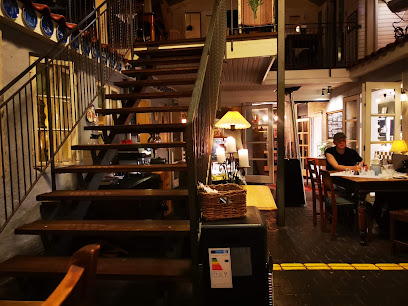
Traditional Danish butcher and eclectic brasserie in the heart of Stege, where hand‑picked cuts, candlelit dining and art-filled rooms create a distinctly Møn experience.
Markets, malls and hidden boutiques

Klintholm Manor
3.5 km
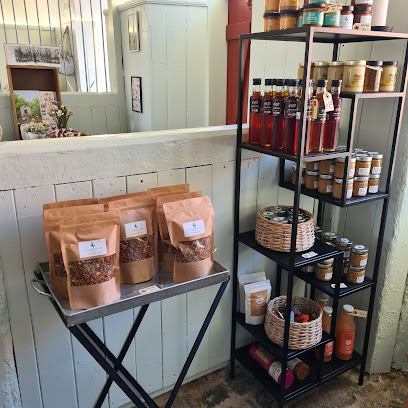
Historic Møn estate farm shop in former stables, pairing organic Hereford beef and local delicacies with a living glimpse of Danish manor and nature life.
Lundevang Gårdbutik
5.0 km
Small, down-to-earth farm shop on Møn, offering seasonal produce and local flavours along the road between Borre, Klintholm Havn and the cliffs of Møns Klint.
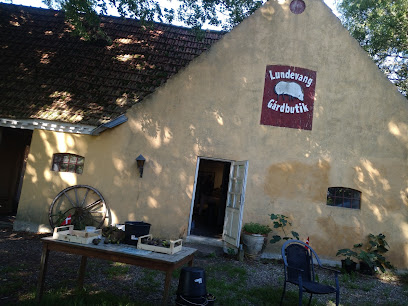
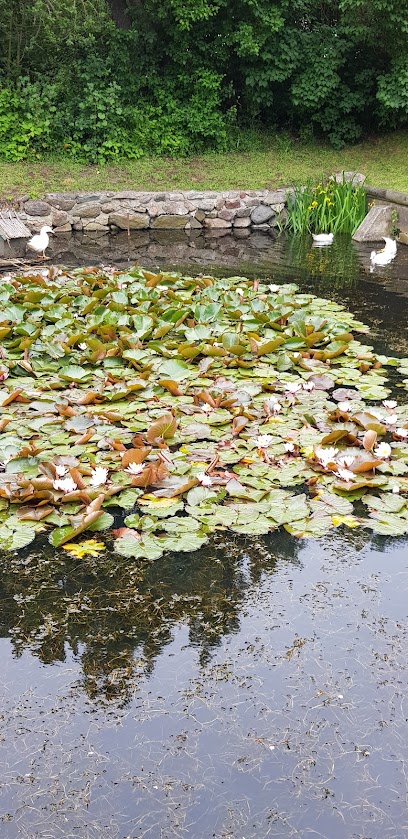
Wedele’s Hus
15.8 km
A cozy garden center in a traditional Danish house, Wedele’s Hus offers seasonal plants, local charm, and a peaceful green pause while exploring Stege and Møn.
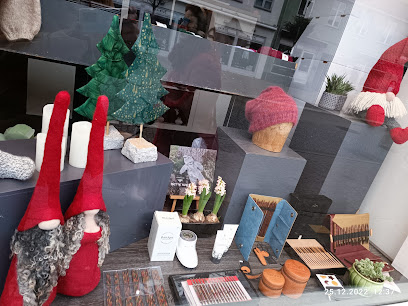
Sy Og Strik
17.0 km
A cosy knit and sewing shop in Stege’s historic main street, brimming with yarn, fabrics and friendly advice for creative travellers on the island of Møn.
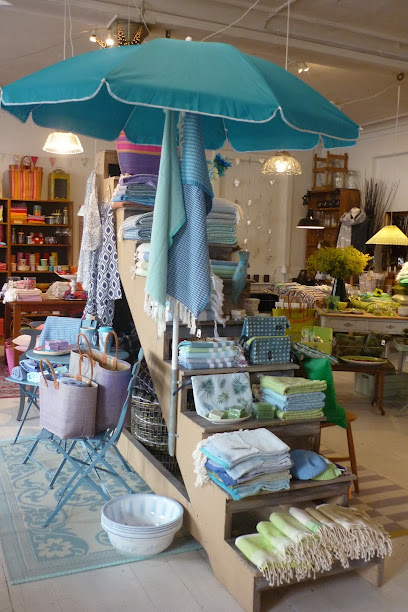
Colourlove Møn
17.0 km
A cosy, colour-drenched design boutique in Stege, filled with upcycled silk fashion, playful interiors and unique gifts inspired by the creative spirit of Møn.
Red Cross Op Shop
17.0 km
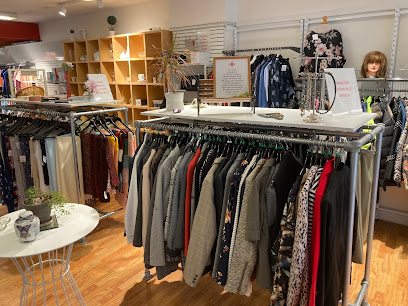
Volunteer-run second-hand treasure trove in Stege, where sustainable finds, local life and Red Cross humanitarian work come together under one modest roof.
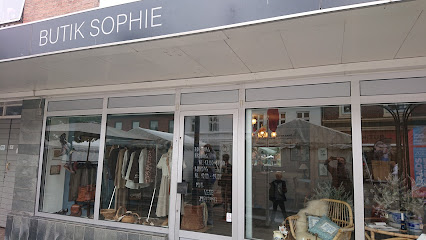
Butik Sophie
17.0 km
A cosy Scandinavian-style gift boutique on Stege’s main street, mixing hygge-filled home décor, textiles and small treasures in an intimate, relaxed setting.
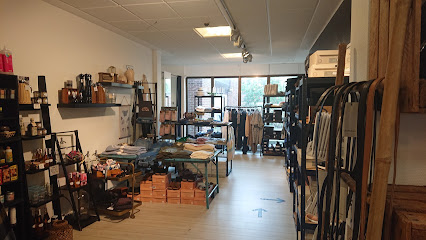
Moshroom
17.0 km
A cozy, offbeat clothing boutique on Stege’s main street, blending relaxed Scandinavian style, personal service and small-town island charm on Møn.
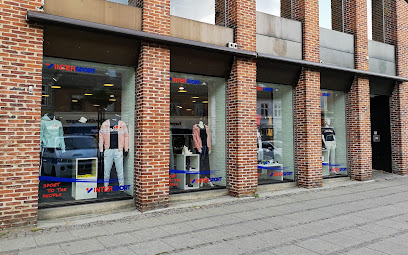
Intersport
17.1 km
Premier sporting goods retailer offering expert guidance, quality equipment, and professional services in central Stege.
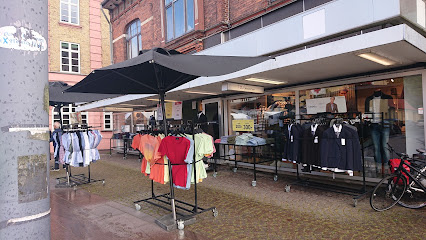
Tøjeksperten
17.1 km
Compact Danish menswear store on Stege’s main street, ideal for smart-casual outfits, emergency wardrobe fixes and climate-ready layers while exploring Møn.
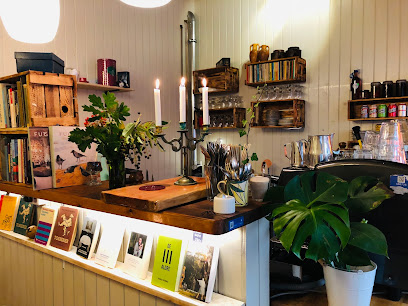
Fængselsgården Møn
17.1 km
Fængselsgården Møn - Stege’s historic prison yard reimagined as a creative brasserie, bookshop, and cultural nexus, inviting visitors to eat, browse, and experience local life.
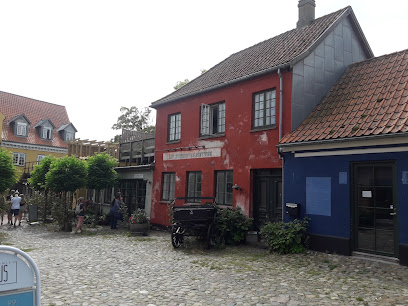
Vinhuset Møn
17.1 km
Atmospheric island wine shop in the heart of Stege, combining handpicked bottles, gourmet treats and personal, expert guidance in an intimate setting.
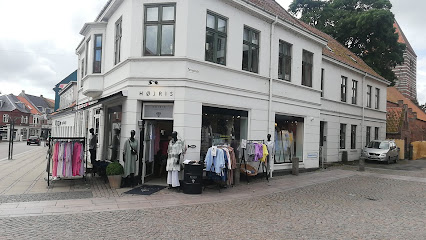
Højris Femme Clothing
17.1 km
A cosy women’s fashion boutique on Stege’s main street, blending Scandinavian style, quality fabrics and personal service in the heart of historic Møn.
Mønne
17.2 km
Authentic Danish gourmet deli celebrating Møn's local flavors and artisan traditions in historic Stege.
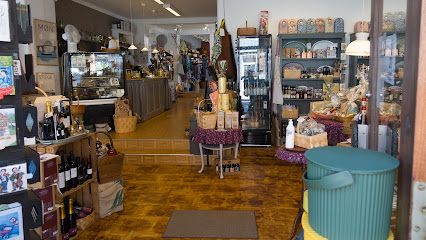
Nicolegarn
17.2 km
A cosy yarn shop on Stege’s main street, packed with colour, texture and friendly advice for knitters and crocheters exploring the island of Møn.
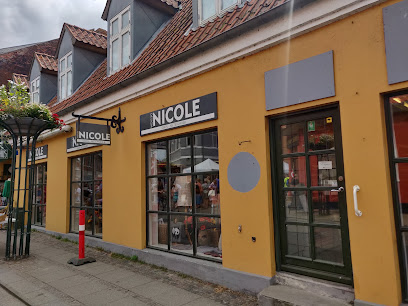
Essential bars & hidden hideouts

Pier To Heaven
5.7 km
Intimate harbor bar on Møn’s waterfront, blending creative cocktails, maritime charm and cozy candlelit corners right on the quay at Klintholm Havneby.
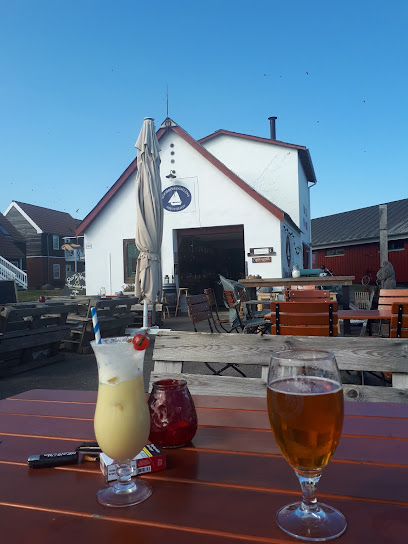
Cafe Borre
7.4 km
Homemade pastries and genuine warmth in a charming Borre village café.
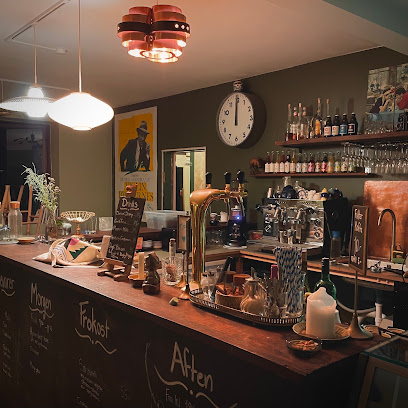
Mølleporten Øl- og Vinstue
17.0 km
A classic Danish “brown pub” on Stege’s main street, pairing local atmosphere, simple drinks and small-town charm just down from the town’s medieval gate.
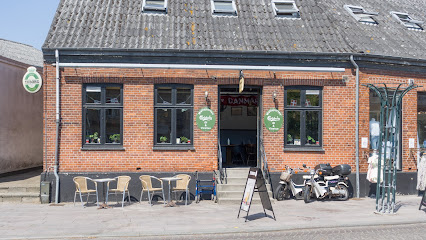
Ba'ryhl Bar & Café
17.0 km
Cosy café by day, intimate cocktail bar by night, Ba'ryhl brings small‑town warmth, good drinks and relaxed conversation to the heart of Stege on Møn.
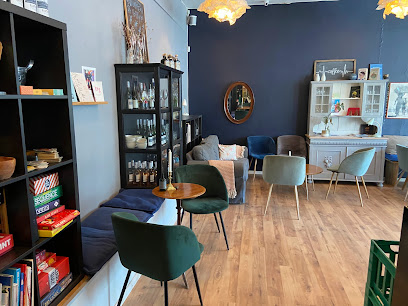
Sussis Bodega ApS
29.3 km
Rural Danish bodega in an 1800s house along Stavreby Strandvej, offering simple drinks, informal company and a quietly coastal countryside atmosphere.
Biblioteket
33.8 km
Casual neighborhood bar in central Stubbekøbing with extended hours and genuine local character.
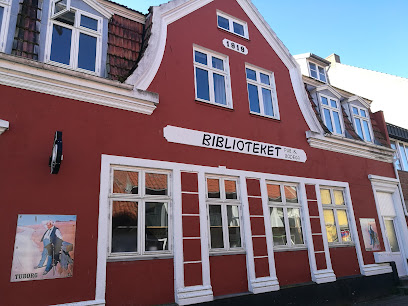
Rådhus Pub'en
41.4 km
Authentic Danish pub on the historic town square, where locals and travelers gather for genuine hospitality.
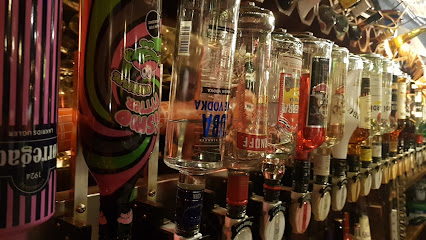
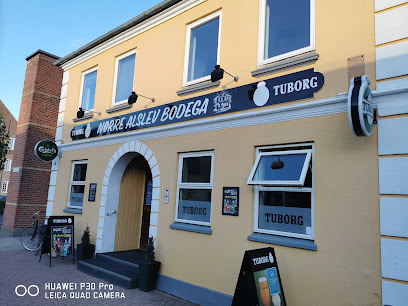
Nr. Alslev Bodega ApS
43.3 km
Laid-back neighborhood bodega in Nørre Alslev, pouring inexpensive beers and small-town Danish charm from late morning until midnight on weekends.
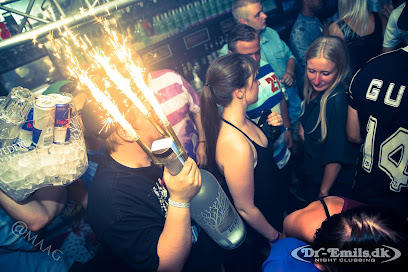
Dr. Emil Laboratory, Marielyst
48.4 km
Experience Marielyst's vibrant nightlife at Dr. Emil's Laboratory, featuring live music, dynamic dance floors, and a lively summer atmosphere.
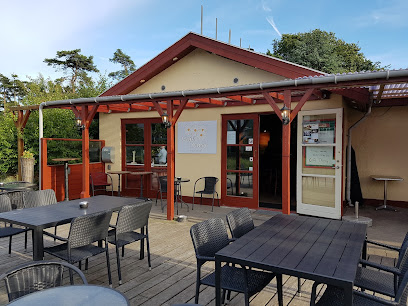
Café Daisy
48.4 km
Laid-back beachfront bar and café on Marielyst’s main strip, ideal for a casual drink or simple meal just moments from the wide sands of Falster’s popular resort.
Blå Stue
48.5 km
Cozy, blue-hued bar in the heart of Marielyst, blending Danish hygge, simple drinks and seaside village atmosphere just steps from the Falster shoreline.
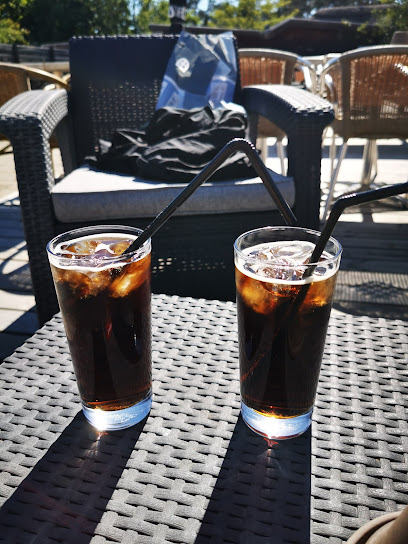
Jernbanecafeen Nykoebing Falster - Denmark
48.5 km
Unpretentious railway-side bar-café in Nykøbing Falster, where locals gather for relaxed evening drinks, conversations and classic, no-fuss Danish hospitality.
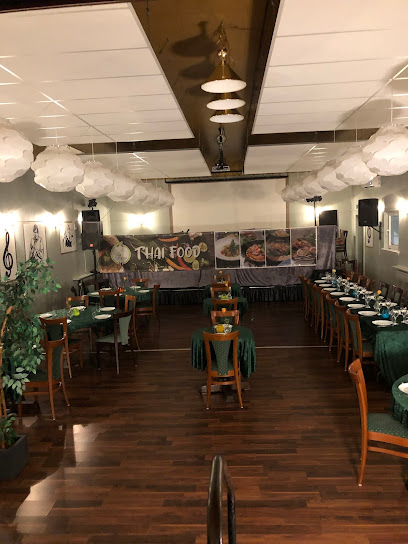
Fuglsang Musikforening
48.7 km
Experience the rich tradition of classical music at Fuglsang Musikforening in Nykøbing Falster's historic Fuglsang Manor.
jazz på tværs
48.7 km
Volunteer‑run jazz room bringing serious live music to a small Danish town, with intimate concerts, close‑up sound and a focus on listening over nightlife.
Riverside Jazz Club
48.7 km
Intimate riverside jazz nights in Nykøbing Falster, where volunteer spirit, close-up performances and a cosy bar atmosphere bring live Danish jazz to life.
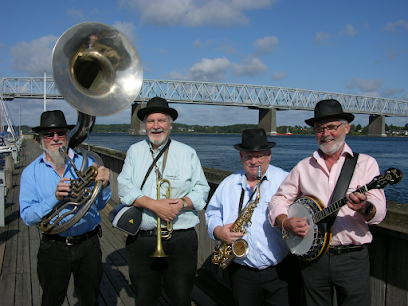
Nightclubs & after hour spots

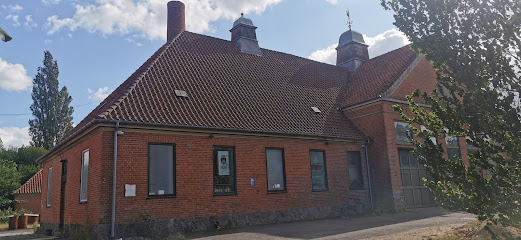
Loke MC - Helheim
48.7 km
Rural Danish biker clubhouse with Norse-mythology flair, offering intimate late-night gatherings, loud rock playlists and a no-frills bar far from mainstream nightlife.
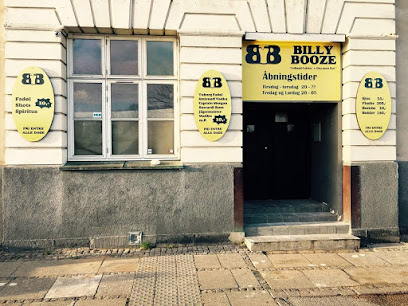
Billy Booze
48.7 km
Compact late-night disco in Nykøbing Falster with inexpensive drinks, loud hits and a casual dance floor vibe from Thursday to Saturday.
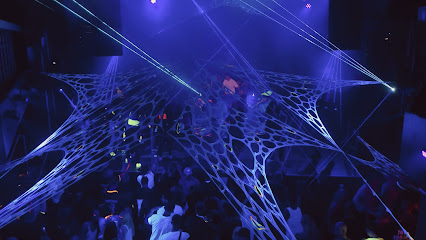
N.Y.K. Event
48.7 km
Compact late-night bar and nightclub in central Nykøbing Falster, mixing strong drinks, loud beats and a sociable dance floor that runs into the early morning.
Første sted
49.1 km
Compact, music-driven nightclub on central Slotsgade, offering an intimate, local slice of Nykøbing Falster’s late-night dancing and drinks scene.
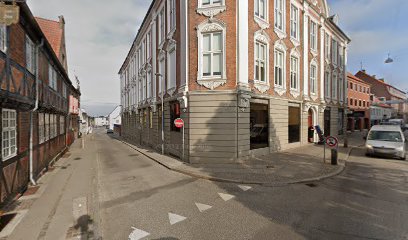
Avenue Næstved
58.1 km
Lively nightspot and flexible event hall in central Næstved, mixing dancefloor energy, festive dinners, stand-up comedy and themed parties under one roof.
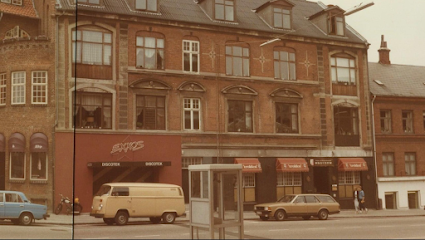
Crazy Daisy Næstved
58.3 km
High‑energy weekend nightclub in central Næstved, packing loud beats, flashing lights and a late‑night local crowd into a compact, classic Danish town‑club setting.
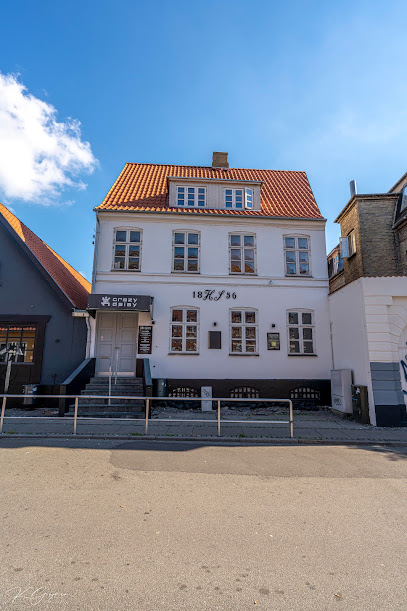
Step Inn I / S
58.3 km
Step Inn I / S is a centrally located Næstved bar offering a relaxed setting for drinks, socializing, and local nightlife with a distinctly Danish twist.
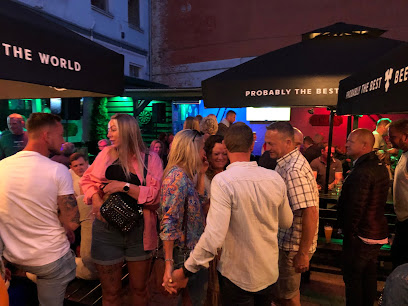
Bar z
58.3 km
Næstved's welcoming nightclub for Thursday-to-Saturday evening gatherings and social entertainment.
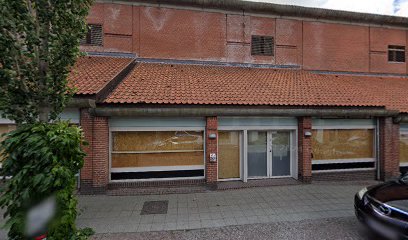
Sct. Jørgens Jazzklub
58.4 km
Experience live jazz in the heart of Næstved at Sct. Jørgens Jazzklub, where music and history harmonize.
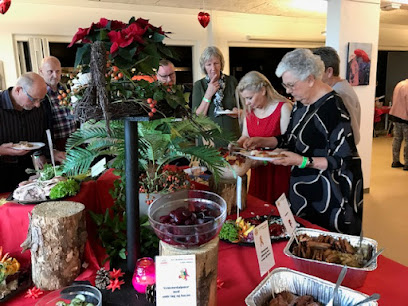
The Beach
58.4 km
The Beach is Næstved’s top karaoke bar, renowned for its vibrant ambiance, creative drinks, and a lineup of crowd-pleasing singalong nights in the city center.
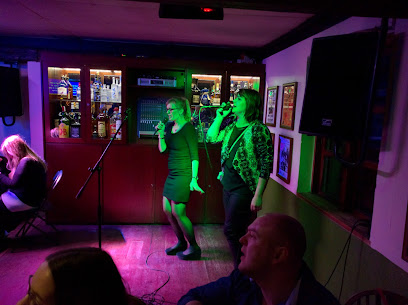
The Old Irish Pub
58.4 km
A vibrant Irish-themed pub in the heart of Næstved, offering live music, sports, draught beer, and a lively atmosphere for both locals and visitors.
Gedser Lighthouse
58.5 km
Explore Denmark's southernmost lighthouse, offering panoramic Baltic Sea views and rich maritime history.
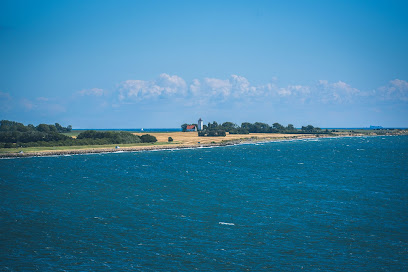
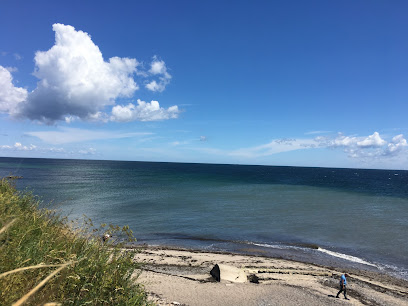
Gedser Odde
58.6 km
Discover the windswept beauty and migratory birdlife of Gedser Odde, Denmark's dramatic southernmost point where land and Baltic Sea converge.
Bloom Nightclub
59.0 km
Late-night harborfront beats and a compact dance floor bring big-night energy to small-city Køge every Friday and Saturday.
The Flame
59.0 km
Compact, high-energy nightclub by Køge’s harbor, serving up youthful beats, live acts and weekend dance-floor vibes in an intimate, no-frills setting.
For the vibe & atmosphere seeker
- Adventurous
- Relaxing
- Tranquil
- Scenic
- Unique
For the design and aesthetic lover
- Rustic Designs
For the architecture buff
- Viewpoints
- Parks & Gardens
- Sacred Sites
For the view chaser and sunset hunter
- Iconic Views
- Panoramas
- Waterfront
- Sunrise Spots
For the social media creator & influencer
- Instagrammable
- Photo Spots
- Selfie Spots
- Architectural Shots
- Reel-Friendly
For the eco-conscious traveler
- Low Impact
- Protected Area
- Public-Transport Accessible
- Leave-No-Trace Critical
- Wildlife Habitat
For the kind of experience you’re after
- Mindfulness
- Meditation Spot
- Cultural Heritage
- Photowalk
- Adventure Photo Shoot
- Nature Escape
- Roadtrip Stop
- Day Trip
- Weekend Getaway
For how adventurous you want the journey to be
- Requires Hike
- Physically Demanding
- Remote
Location Audience
- Family Friendly
- Senior Friendly
- Teen Friendly
- Child Friendly
- Solo Friendly
- Couple Friendly
- Solo Female Friendly
- Vegetarian Friendly
- Vegan Friendly


