
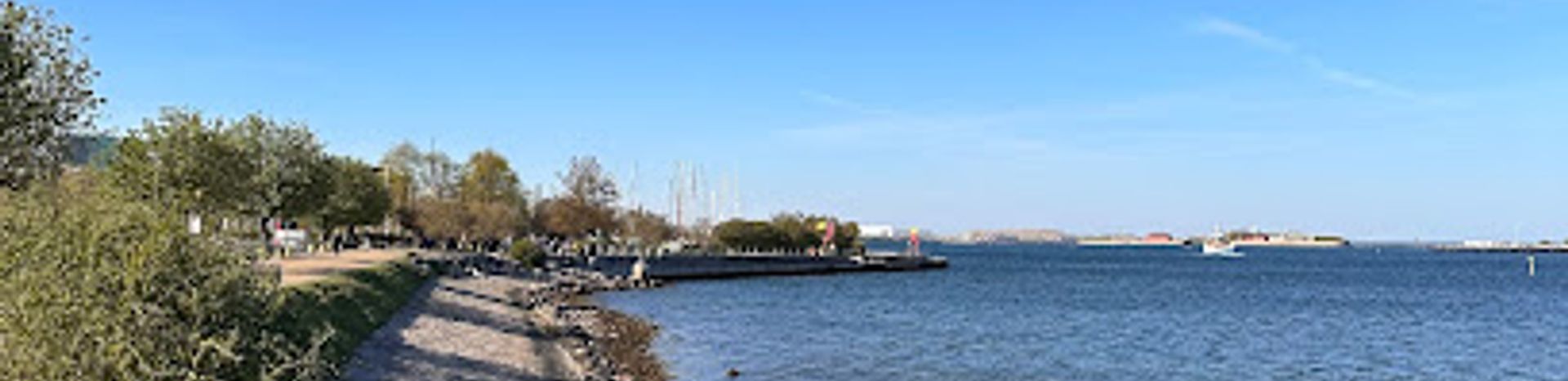
The Little Mermaid, Copenhagen
Copenhagen’s quietly powerful harbour icon, a small bronze mermaid on Langelinie whose fairytale origins and waterfront setting have come to symbolise the city.
Perched on a rock along Copenhagen’s Langelinie promenade, The Little Mermaid is a small bronze statue with a huge symbolic presence. Created by sculptor Edvard Eriksen and unveiled in 1913 as a gift from brewer Carl Jacobsen, she depicts Hans Christian Andersen’s famous mermaid caught between sea and land. Open and free to view at all hours, the statue anchors a scenic stretch of harbourfront near the star-shaped Kastellet fortress, cruise berths, and leafy waterfront paths that invite a slow, contemplative stroll.
A brief summary to The Little Mermaid
- Langelinie, København Ø, København Ø, 2100, DK
- Duration: 0.5 to 1.5 hours
- Free
-
 Outdoor
- Mobile reception: 5 out of 5
Local tips
- Arrive early in the morning or later in the evening for calmer light and fewer tour groups clustering around the statue.
- Combine your stop with a loop through nearby Kastellet fortress for star-shaped ramparts, grassy paths and harbour views.
- If you want close-up photos, wear shoes with good grip; the waterfront rocks can be slippery and uneven.
- Consider also viewing the statue from the water on a harbour or canal tour for a different angle and fewer crowds in the frame.
- The site is exposed year-round; bring layers, a hat or rain protection depending on the season, as harbour winds can feel colder than inland.

For the on-the-go comforts that matter to you
- Restrooms
- Seating Areas
- Trash Bins
- Information Boards
Getting There
-
Train and walk from central Copenhagen
From Copenhagen Central Station, take an S-train or regional train to Østerport Station, a ride of about 5–7 minutes. Trains run frequently throughout the day and are covered by standard zone tickets or city travel cards, typically costing the equivalent of a short city fare in Danish kroner. From Østerport it is a 15–20 minute walk on mostly flat pavements through or around Kastellet to reach the Langelinie waterfront and the statue. The route is suitable for most visitors but involves some cobblestones near the fortress.
-
City bus to the harbourfront
Several local buses serve the harbour area near Langelinie; routes that stop at Indiakaj bring you very close to The Little Mermaid, with only a few minutes’ level walk along the waterfront to reach the statue. Depending on traffic, the journey from central Copenhagen usually takes 10–20 minutes. Bus tickets use the same zone system as trains, and a single short journey typically costs the local standard fare in kroner or is included in day and city cards. Buses are low-floor and generally accessible, though they can be crowded at peak times and during cruise arrivals.
-
Cycling from the city centre
Copenhagen’s extensive cycle lanes make biking to The Little Mermaid a popular option. From central areas such as City Hall Square or Nyhavn, expect a ride of around 10–20 minutes each way on dedicated bike tracks for most of the route. You can use public bike-share schemes or rental shops; typical hire costs range from a few dozen Danish kroner for a short period up to a higher daily rate, depending on the service and bike type. The approach is mostly flat and straightforward but be prepared for wind along the open harbour and follow local cycling etiquette at junctions and crossings.
-
Walking via the harbourfront
For those already in the inner city, walking to The Little Mermaid is a scenic option. From central waterfront districts like Nyhavn, allow roughly 25–40 minutes one way at a moderate pace. The route follows broad pavements and promenades along the harbour, passing royal residences and viewpoints before reaching Kastellet and Langelinie. Surfaces are generally even, though some stretches near the fortress and quayside can be cobbled. This option is free and flexible but exposed to wind, sun and rain, so dress for the weather and consider shorter stages if mobility is limited.
The Little Mermaid location weather suitability
-
 Any Weather
-
 Clear Skies
-
 Mild Temperatures
-
 Cold Weather
-
 Windy Conditions
-
 Hot Weather
- Snow
Discover more about The Little Mermaid
A harbour icon born from a fairytale
The Little Mermaid sits quietly at the edge of Copenhagen’s harbour, a modest 1.25-metre bronze figure gazing towards the city from her granite rock. Inspired by Hans Christian Andersen’s melancholy tale of a mermaid yearning for a human soul, she was commissioned in 1909 by Carlsberg brewer Carl Jacobsen after he attended a ballet based on the story. Sculptor Edvard Eriksen completed the statue, unveiled in 1913, using ballerina Ellen Price as the model for the face and his wife, Eline, for the body. Despite her small scale, the statue has grown into a powerful emblem of Copenhagen. Her posture is introspective rather than triumphant, one hand resting on the rock, tail curled close, capturing the moment between two worlds. This quiet, almost vulnerable presence is part of what makes encountering her in person feel surprisingly intimate, even with the city’s skyline unfolding nearby.Waterfront setting at Langelinie
The statue’s home at Langelinie is as much a draw as the mermaid herself. This long promenade traces the water’s edge, with views across the harbour to modern districts, naval installations and passing ferries. Just behind rise the grassy ramparts and angular bastions of Kastellet, the distinctive star-shaped fortress that shapes the area’s topography. Here, sea breeze carries the cries of gulls and the low hum of harbour traffic. Cruise ships often loom into view, and sightseeing boats glide past to offer a water-level perspective of the sculpture. Benches and low walls along the promenade provide places to sit and watch changing light play over copper roofs, ship hulls and the mermaid’s weathered bronze surface.Stories of damage, copies and resilience
Over more than a century, The Little Mermaid has endured a turbulent life. She has been decapitated, had an arm sawn off, been splattered with paint and even blasted from her rock, each incident quickly repaired to restore her to the harbour. These episodes have turned the statue into an unintended chronicle of protest and artistic expression, as well as a symbol of the city’s determination to preserve its cultural icons. Authorised copies now sit in locations around the world, but the original remains anchored to Langelinie. For several months during Expo 2010 she left Copenhagen officially for the first time, displayed in Shanghai while a replica took her place in Tivoli Gardens. Returning to the harbour reinforced her role as a fixed point in the city’s imagination, a figure that always comes back to this same rock.Experiencing the statue up close
Visiting The Little Mermaid is straightforward and unhurried: there is no ticket booth or barrier, just a short detour off the promenade to the waterfront rocks. At low water, people sometimes clamber closer along the boulders, though the surfaces can be slippery and uneven. Many visitors prefer to stay on the paved edge, framing photos that include the statue, the harbour and Kastellet’s earthworks in a single composition. Lingering rather than rushing through can be rewarding. Early mornings bring softer light from behind the statue, often casting the harbour in pale blues and silver. Later in the day, reflections from tour boats and cruise liners add splashes of colour. In winter, she can appear almost sculpted from the cold itself, with wind whipping across the open water and occasional frost tracing her pedestal.Neighbouring sights along the citadel and quay
The mermaid rarely stands alone in an itinerary. Just inland, pathways lead through the grassy ramparts and star-shaped geometry of Kastellet, where bastions, moats and orderly barracks evoke Copenhagen’s military past. The combination of fortress, waterfront and statue makes this one of the city’s most atmospheric districts for a gentle walking circuit. Further along the quay, modern sculptures, piers and viewpoints continue the maritime theme. It is easy to tie a visit here into a wider harbourfront exploration, linking royal residences, museums and contemporary architecture. Yet it is often the memory of this single, quietly seated figure that lingers longest: a small mermaid who has come to represent an entire city’s relationship with the sea and with story.Iconic landmarks you can’t miss

Maritime Monument
0.2 km
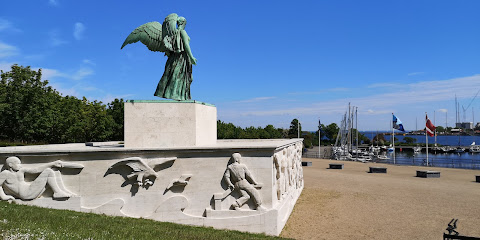
Honoring Denmark’s seafaring legacy, the Maritime Monument in Østerbro is a striking, evocative memorial nestled in the heart of Copenhagen’s leafy cityscape.
Iver Huitfeldt Memorial
0.2 km
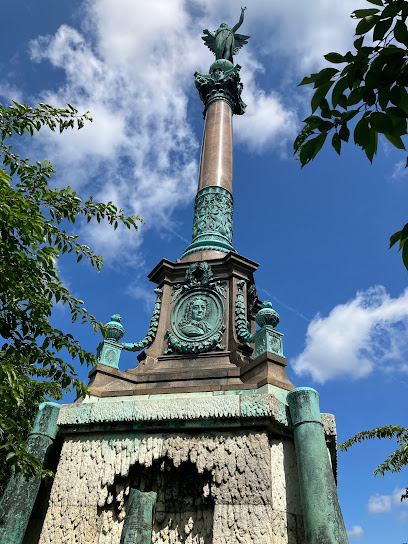
A soaring tribute to Danish heroism, the Iver Huitfeldt Memorial stands sentinel over Copenhagen’s harbor, blending history, artistry, and breathtaking waterfront views.
Our Fallen
0.5 km
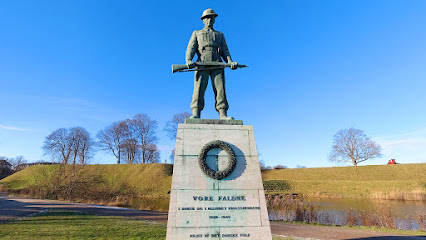
A bronze tribute to World War II sacrifice, standing sentinel at Kastellet's gate since 1957.
Horn mine
0.5 km
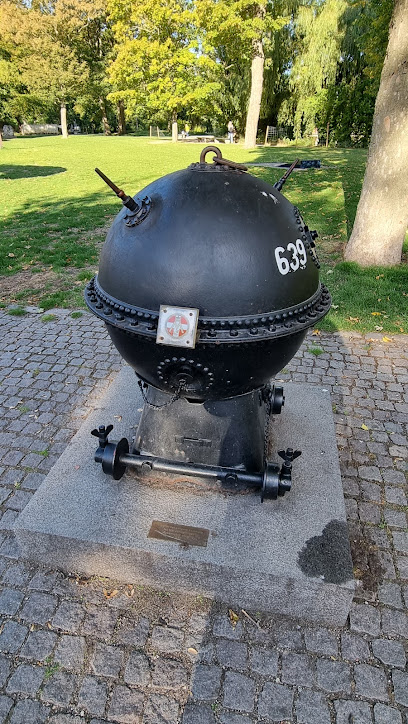
A disarmed World War II naval mine displayed in Churchill Park, turning a former weapon of the sea into a quiet reminder of conflict amid central Copenhagen’s greenery.
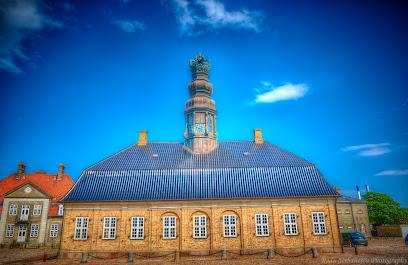
Nyholm Central Guardhouse
0.6 km
Discover Aarhus’s Latin Quarter, where historic charm meets a lively cultural scene, bustling cafés, artisan shops, and rich Danish heritage in the city’s oldest district.
I am Queen Mary
0.7 km
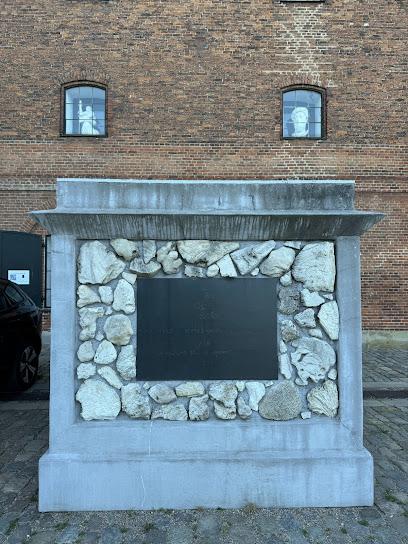
A powerful harborfront monument honoring rebel leader Mary Thomas, confronting Copenhagen’s colonial past beside the historic West Indian Warehouse.
Larsens Pl.
1.0 km
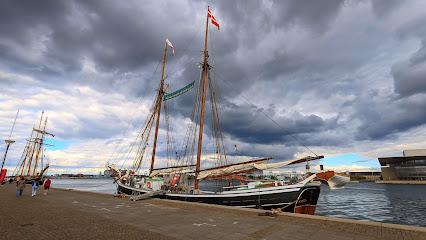
Historic waterfront where Scandinavian dreams embarked for America, now a refined promenade of heritage and harbour views.
St. Paul's Church
1.0 km
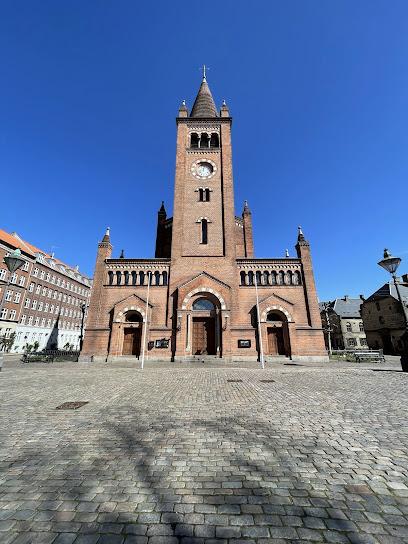
Neo‑Romanesque red brick meets ochre-yellow naval housing at this calm parish church, giving Nyboder a quiet spiritual heart amid central Copenhagen.
Rytterstatuen
1.1 km
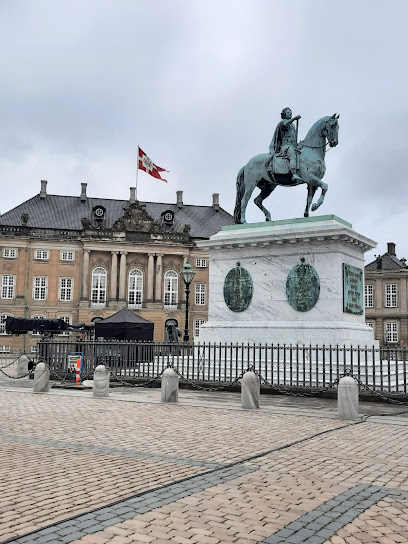
A towering bronze king on horseback, Rytterstatuen anchors Amalienborg’s royal square, uniting art, power and urban design in the heart of Copenhagen.
Amalienborg Palace
1.1 km
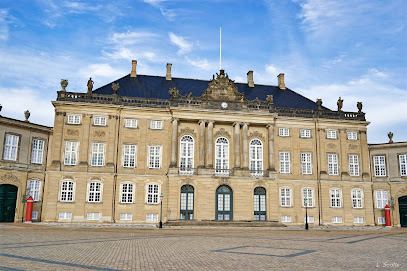
Explore the grandeur of Amalienborg Palace in Copenhagen, a stunning royal residence showcasing rich history and exquisite architecture.
Frederik's Church
1.1 km
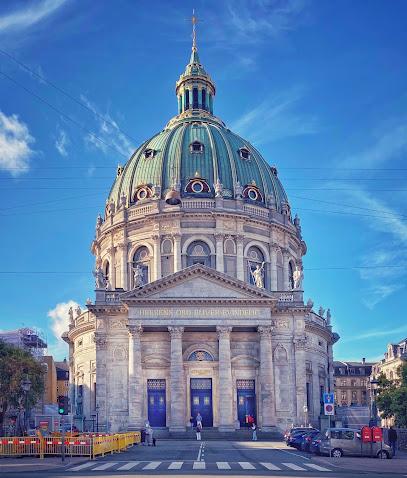
Copenhagen's iconic copper-domed masterpiece—a 145-year architectural triumph offering panoramic views and spiritual grandeur.
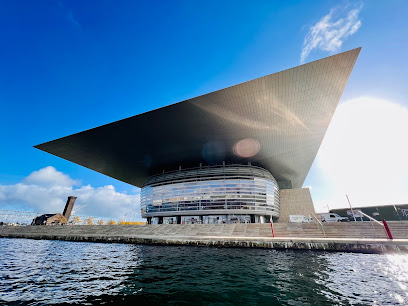
Copenhagen Opera House
1.2 km
An architectural landmark on Copenhagen’s harbor, the Opera House blends Scandinavian design with world-class performances and spectacular waterfront views.
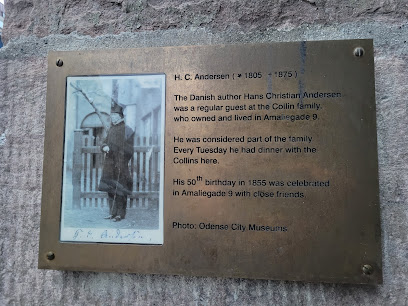
Hans Christian Andersen plaque
1.2 km
A modest plaque on elegant Amaliegade quietly marks Hans Christian Andersen’s presence amid the formal mansions and palace axis of Copenhagen’s Frederiksstaden.
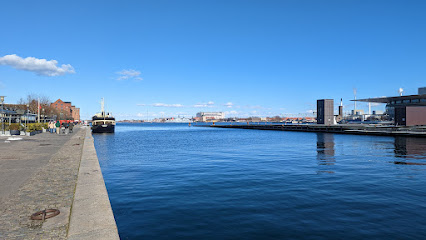
The Kissing Stairs
1.3 km
Copenhagen's beloved waterfront amphitheatre where culture, community, and harbour views converge.
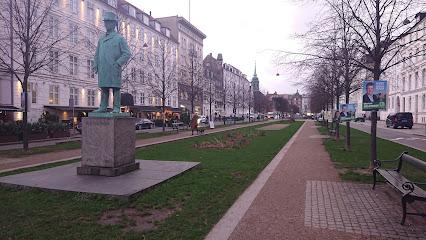
Sankt Annæ Pl.
1.3 km
Historic square blending royal heritage, climate innovation, and urban livability in central Copenhagen.
Unmissable attractions to see

Langelinie Pavillonen
0.2 km
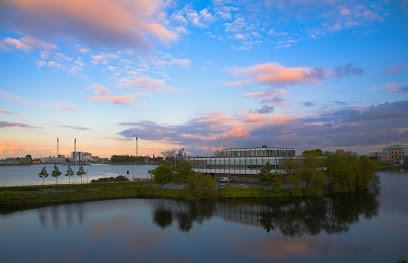
Experience modernist elegance and panoramic harbor views at Copenhagen's iconic Langelinie Pavillonen.
Monument to Denmark's international activities after 1948
0.2 km
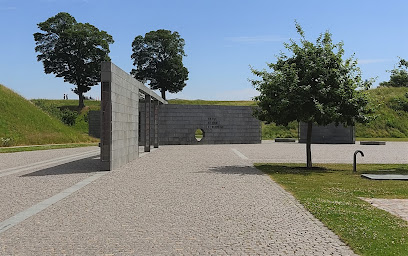
A quiet, contemporary memorial within Copenhagen’s star-shaped fortress, honoring Denmark’s post‑1948 international missions with flame, stone and thoughtful space.
Langelinieparken
0.2 km
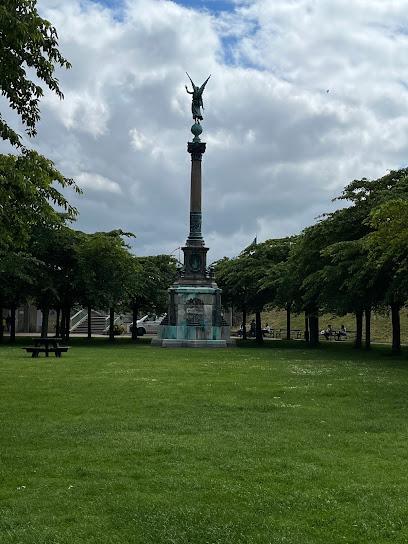
Leafy waterfront lawns, sculptures and sea views where cruise ships, mythic fountains and Copenhagen’s Little Mermaid all meet along a single harbourfront walk.
Langelinie Park
0.2 km
Explore Denmark's first public museum, showcasing the neoclassical masterpieces of Bertel Thorvaldsen in the heart of Copenhagen.
Inugsuk
0.3 km
Discover one of Europe's oldest and most innovative zoos, home to over 4,000 animals and award-winning habitats in the leafy heart of Frederiksberg, Copenhagen.
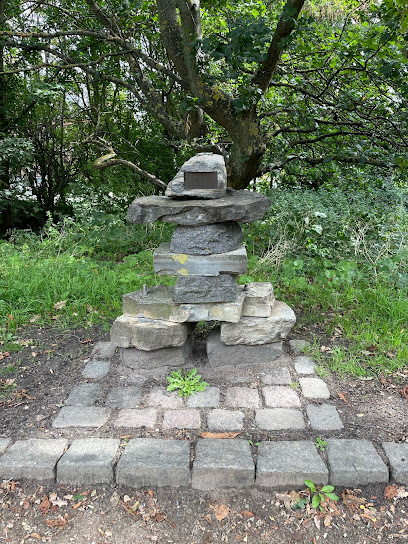
Kastellet
0.4 km
Explore Rosenborg Castle, Copenhagen's Renaissance masterpiece housing Denmark's crown jewels and royal regalia.
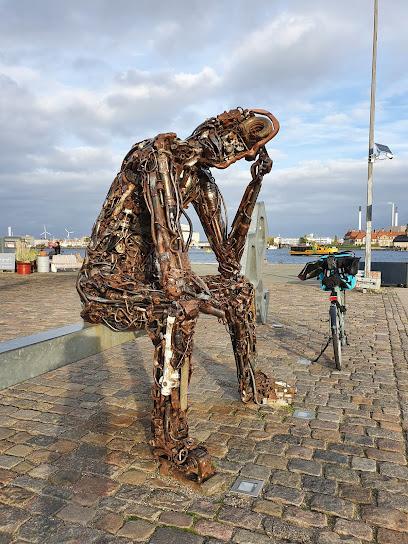
ZinkGlobal by Kim Michael
0.4 km
A contemplative scrap-metal thinker on Copenhagen’s harborfront, ZinkGlobal fuses recycled machinery with big ideas about the future and our industrial past.
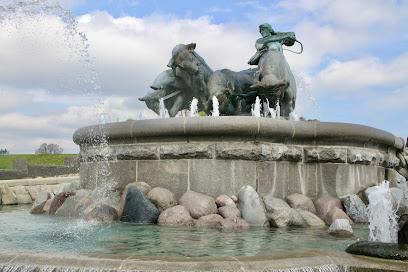
Gefion Fountain
0.4 km
Copenhagen’s creation myth cast in bronze, the Gefion Fountain hurls goddess, oxen and water into a powerful tableau beside the harbour and Churchillparken.
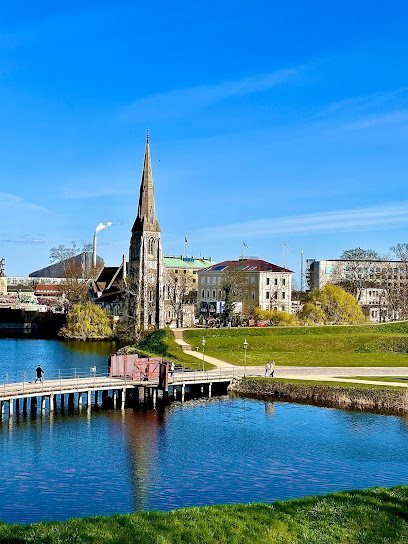
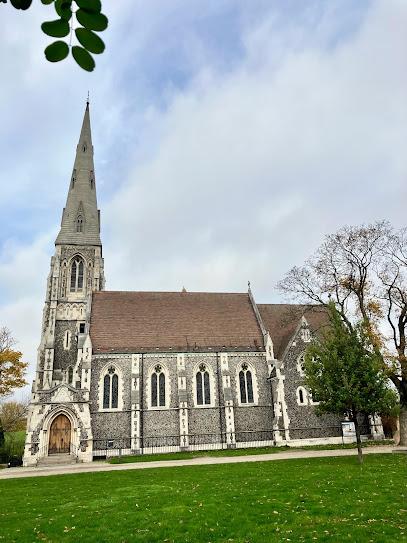
St Alban's Church
0.4 km
Step into history and legend at Kronborg Castle, a UNESCO World Heritage site famed as Hamlet’s ‘Elsinore,’ overlooking the spectacular Øresund Strait.
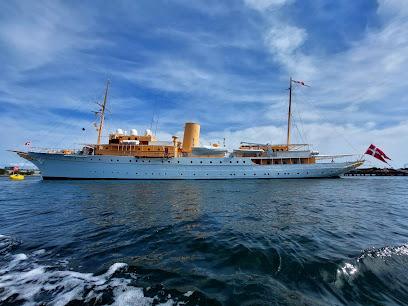
Kongeskibet Dannebrog
0.4 km
An elegant white royal yacht moored in Copenhagen’s harbour, Kongeskibet Dannebrog is a floating palace, naval vessel and living symbol of modern Danish monarchy.
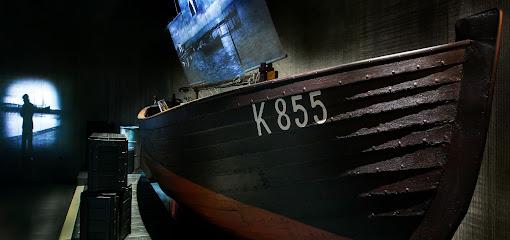
Museum of Danish Resistance
0.6 km
Go underground beneath Churchill Park to follow five real lives through Denmark’s World War II occupation, in an immersive museum of resistance, choices and courage.
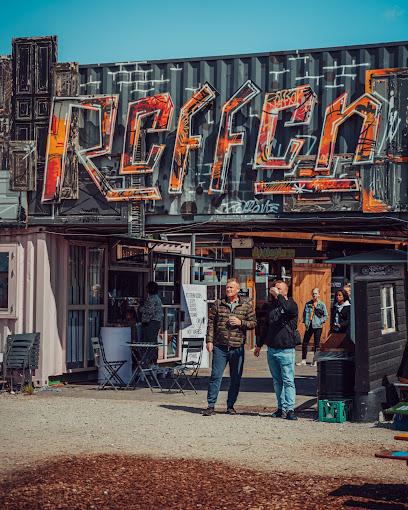
Reffen - Skøjteøen
0.6 km
Industrial harbour vibes meet global street food, live events and a glowing winter ice rink at Copenhagen’s most atmospheric container village.
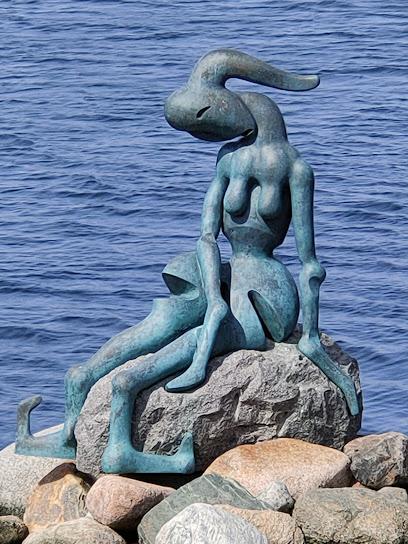
The Genetically Modified Little Mermaid by Bjørn Nørgaard
0.6 km
A darkly playful harbourfront sculpture that twists Copenhagen’s fairytale mermaid into a sharp, bronze critique of genetics, icons and postmodern life.
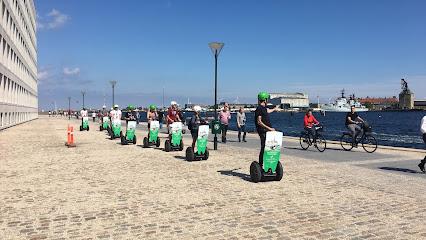
Segway Cruise Copenhagen
0.6 km
Discover St Alban’s Church, Copenhagen’s only Anglican church, where neo-Gothic architecture and lush parkland meet Danish and British history near the city's harbor.
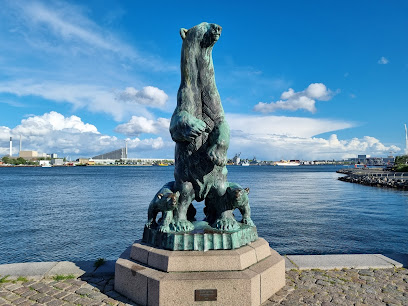
Langelinie
0.7 km
Copenhagen’s classic harbourfront promenade, where sea air, green parkland, and iconic sculptures like The Little Mermaid meet at the edge of the Øresund.
Essential places to dine

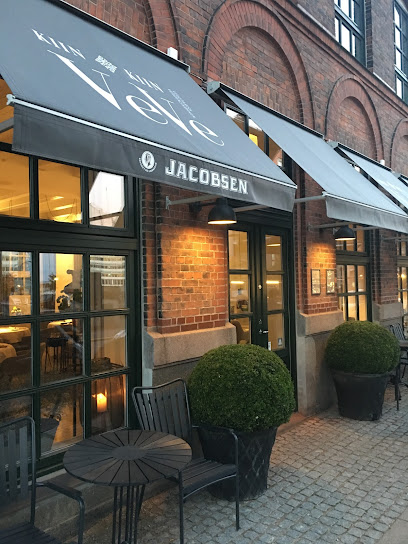
Veve
0.6 km
A destination for innovative, plant-based fine dining in Østerbro, where Nordic purity meets global flavors for an unforgettable vegetarian tasting menu experience.
La Banchina
0.8 km
Tiny blue harbour house on Refshaleøen blending seasonal pescatarian cooking, natural wines, sauna culture and swims into one uniquely Copenhagen experience.
Alchemist
0.9 km
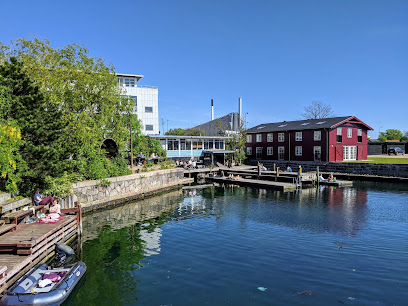
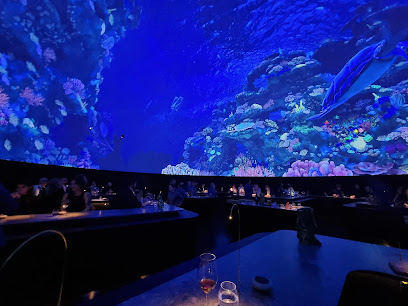
A boundary-pushing Copenhagen icon where fine dining, art installation and social commentary fuse into a five-hour, 50-course immersive experience under a vast projected dome.
Kokkeriet
1.1 km
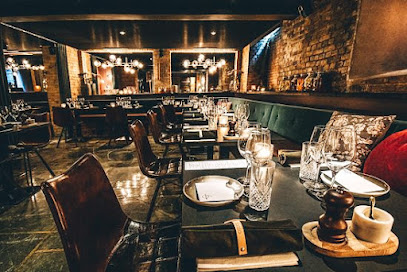
Intimate Michelin-starred townhouse in central Copenhagen, reimagining classic Danish cuisine as elegant modern tasting menus with curated wines and juices.
Dag H
1.2 km
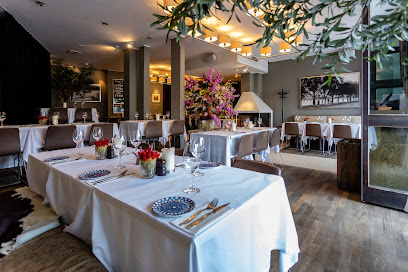
Stylish Østerbro brasserie offering classic bistro plates, all-day dining, and a cosmopolitan terrace in Copenhagen’s embassy quarter.
Aoc
1.3 km
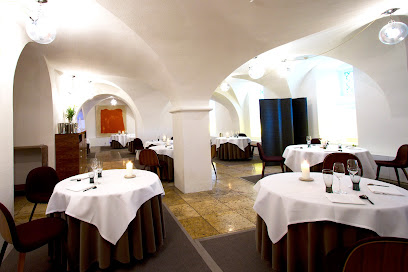
Two Michelin stars of bold Nordic flavors in a historic 17th-century cellar.
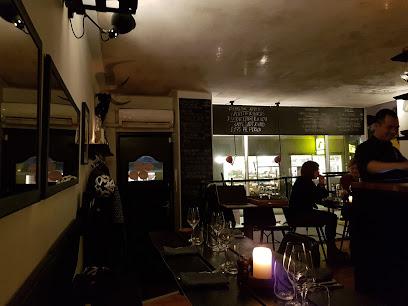
Restaurant Rebel
1.3 km
Seasonal Danish produce meets French technique at this relaxed, MICHELIN-recommended bistro on Store Kongensgade, where an open kitchen and inventive plates define the mood.
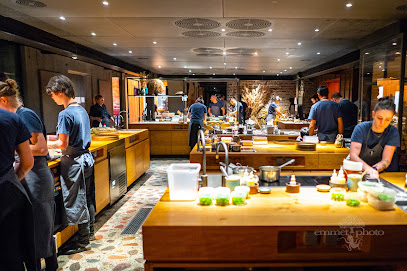
Noma
1.3 km
Boundary-pushing New Nordic tasting menus in an understated waterfront warehouse, where radical seasonality, fermentation and Danish warmth shape an immersive dining experience.
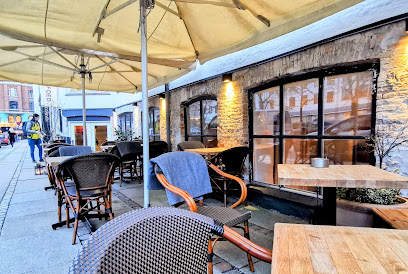
Restaurant Koefoed
1.4 km
Fine dining in a historic coal cellar celebrating Bornholm's culinary traditions and Danish gastronomy.
Restaurant Vita
1.4 km
Historic Danish dining in a former royal pharmacy, serving traditional smørrebrød and national classics.
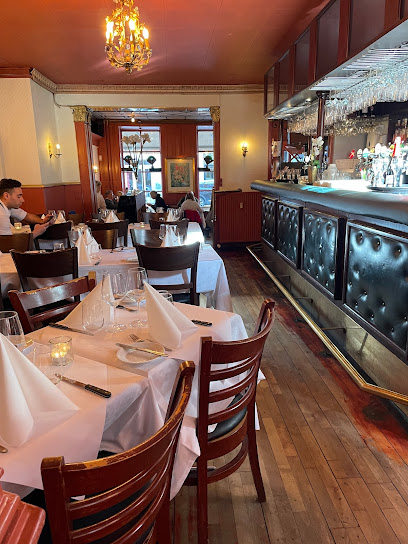
Den Lille Fede
1.5 km
Cosy, candlelit tasting-menu restaurant near Kongens Nytorv, where playful Nordic-inspired courses and thoughtful wine pairings turn dinner into an unhurried evening event.
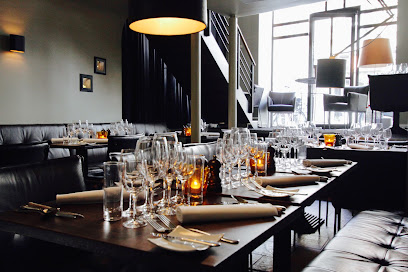
Khun Juk
1.5 km
Refined Thai dining tucked into Copenhagen’s iconic Nyhavn, where candlelit tables, fresh flowers and layered flavors turn dinner into an intimate evening event.
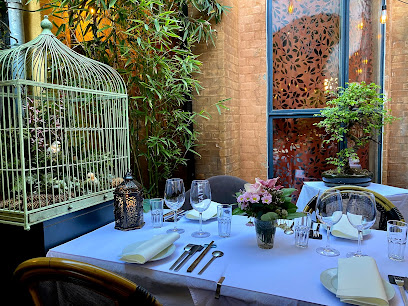
Nyhavns Færgekro
1.5 km
Classic Danish cooking and a famed herring buffet in a cozy canal-side tavern, set within one of Nyhavn’s colorful townhouses overlooking Copenhagen’s historic harbor.
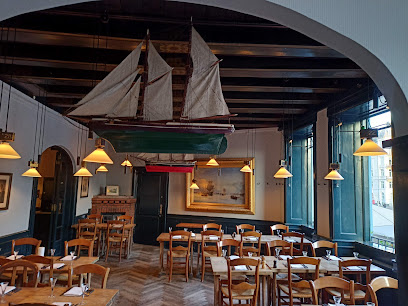
Skipperkroen
1.5 km
Harbourfront smørrebrød and seafood in an 18th‑century Nyhavn house, pairing classic Danish flavours with canal views from cosy rooms and a lively terrace.
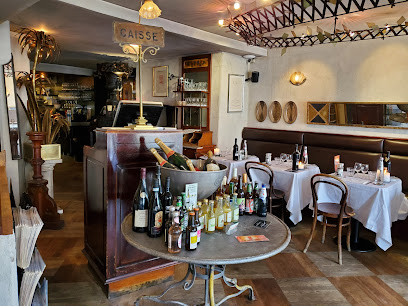
Cap Horn
1.5 km
Candlelit Nordic bistro in a historic Nyhavn townhouse, blending classic Danish seafood, canal views and cosy hygge from late morning to late evening.
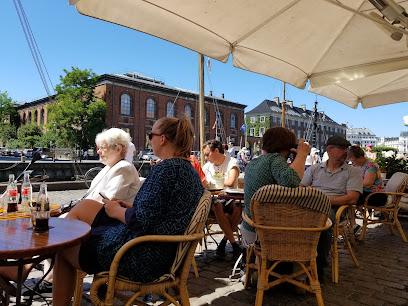
Markets, malls and hidden boutiques

The Crown souvenir
0.6 km
Compact, colorful souvenir stop on elegant Amaliegade, perfect for picking up Danish flags, Little Mermaid trinkets and royal-themed keepsakes near Amalienborg.
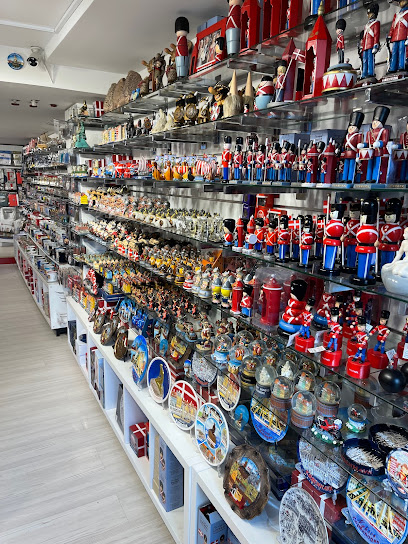
Royal Souvenir Shop
1.1 km
Compact and colourful, Royal Souvenir Shop on Bredgade distils Copenhagen into easy‑to‑pack gifts, from royal guards and Vikings to flags, mugs and playful keepsakes.
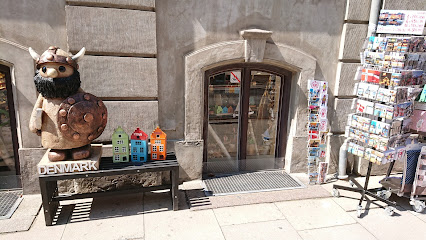
Maritime Antiques &
1.4 km
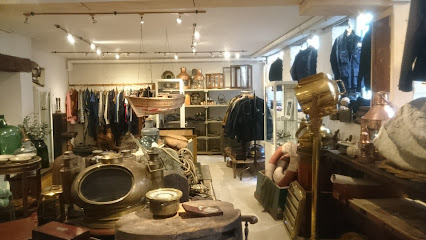
Atmospheric basement shop near Nyhavn where genuine maritime antiques share space with heritage-inspired clothing and rugged knitwear in a cosy, ship-like setting.
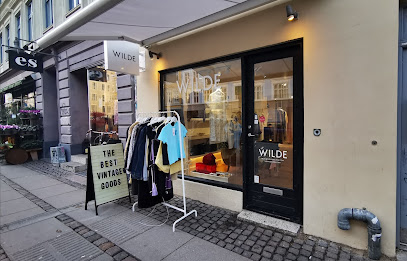
The Wilde Shop
1.5 km
A boutique vintage shop in Indre By, Copenhagen bringing together handpicked retro clothing, sustainable fashion, and curated Scandinavian style in a welcoming setting.
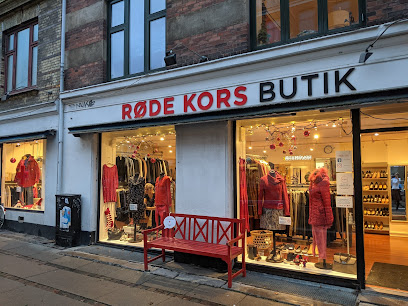
Red Cross Op Shop
1.5 km
A vibrant Østerbro thrift store where sustainable shopping, Danish design, and community spirit support Red Cross humanitarian work.
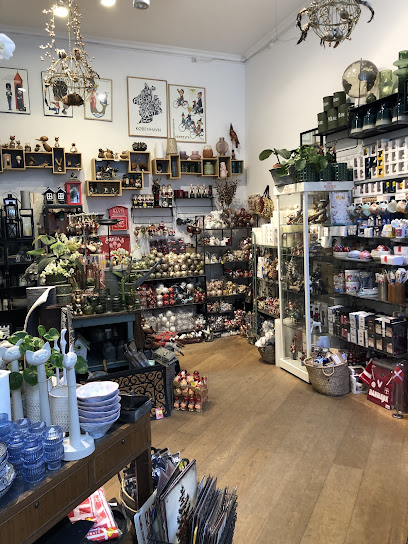
Zane
1.5 km
Intimate Copenhagen florist and design boutique on stylish Bredgade, blending seasonal blooms, Nordic homeware and thoughtful gifts in a cosy, lived-in space.
Copenhagenglass
1.5 km
Intimate glassblowing studio and shop near Nyhavn, where Danish maritime-inspired designs and hands-on sessions turn molten glass into memorable Copenhagen souvenirs.
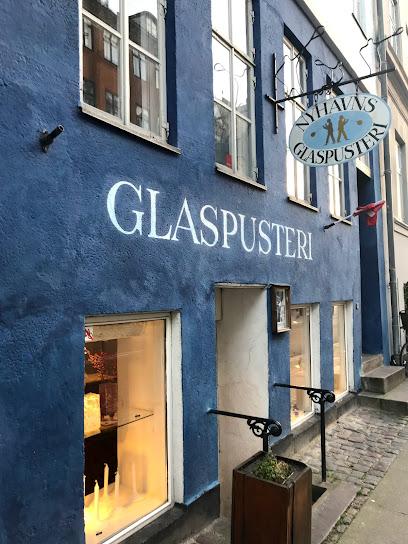
Copenhagen Souvenir & Design World of Memories
1.6 km
Denmark's largest souvenir chain with 14 locations offering over 2,000 authentic Danish keepsakes and contemporary design pieces.
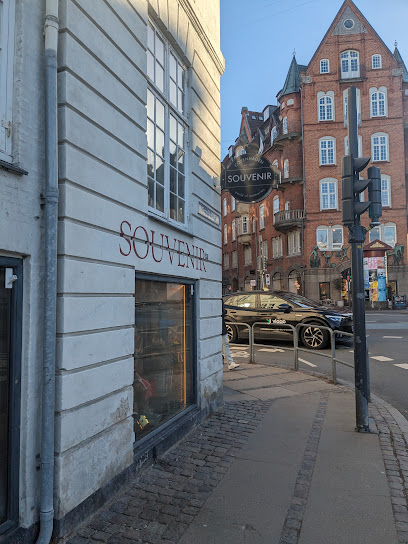
Viking Souvenirs
1.7 km
Authentic Danish and Viking-themed souvenirs in Copenhagen's historic city center.
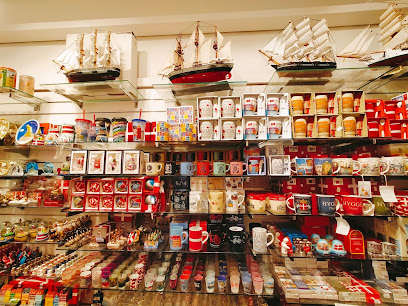
Danish Souvenirs & luggages
1.7 km
Central Strøget souvenir and luggage shop combining classic Danish mementos with practical travel gear, open long hours for convenient, last‑minute Copenhagen gifts.
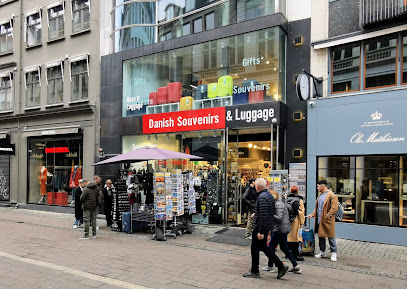
Storm - design art fashion
1.7 km
A pioneering Copenhagen concept store where avant-garde fashion, art, design objects and niche fragrances meet in a minimalist, gallery-like space on Store Regnegade.
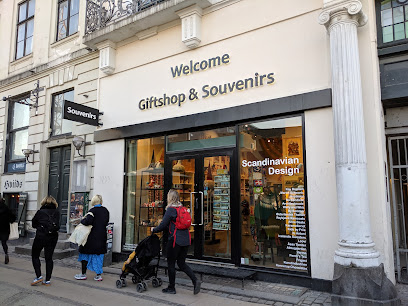
Welcome Giftshop & Souvenirs
1.7 km
Central Copenhagen’s cosy hygge boutique for Danish design, classic souvenirs, and easy last-minute gifts just off bustling Kongens Nytorv square.
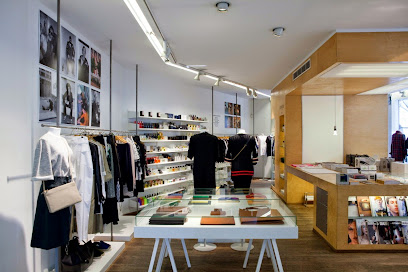
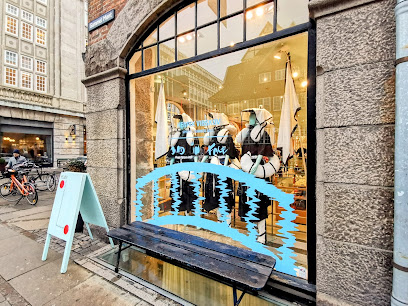
Henrik Vibskov Boutique
1.7 km
Step off the cobblestones of Gammel Mønt into Henrik Vibskov’s offbeat fashion laboratory, where avant‑garde silhouettes, artful interiors and curated design collide.
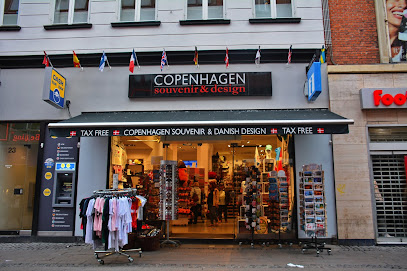
Copenhagen Souvenir & Design
1.7 km
Denmark's premier souvenir destination offering authentic Danish heritage, contemporary design, and quality gifts across seven city-center locations.
Magasin du Nord
1.8 km
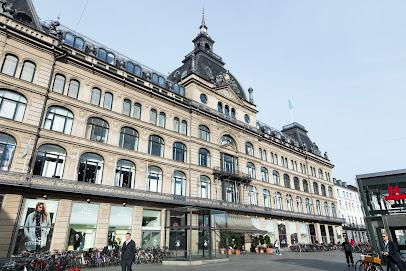
Copenhagen’s classic department store: historic architecture, Nordic style, gourmet treats and relaxed cafés gathered under one elegant roof on Kongens Nytorv.
Essential bars & hidden hideouts

Black Swan
1.0 km
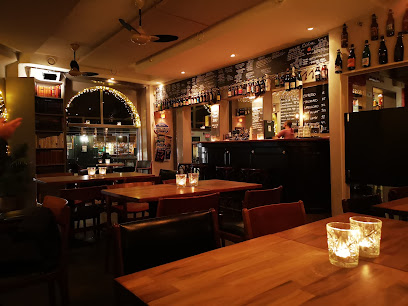
Craft-forward, cosy and unpretentious, Black Swan is Copenhagen’s inner-city local where rotating taps, serious cider and good conversation flow late into the night.
Chevy's
1.3 km
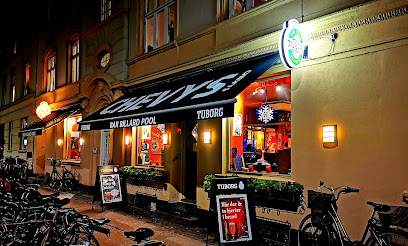
Discover the vibrant atmosphere of Chevy's in Østerbro, Copenhagen—where delicious drinks and good company create unforgettable nights.
ROOTS Vin Bar & Butik - Østerbro
1.4 km
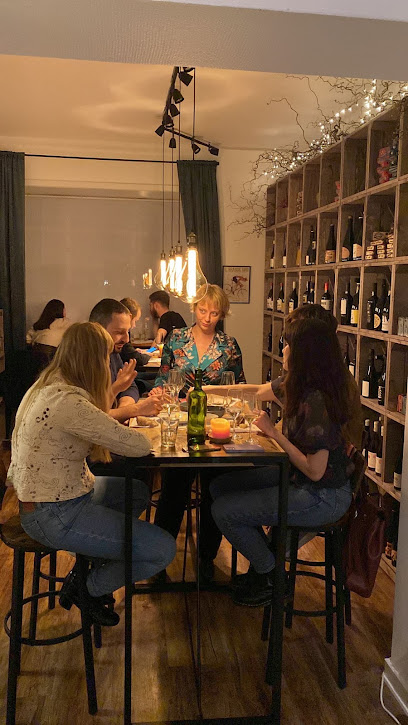
Explore the finest wines at ROOTS Vin Bar & Butik in Østerbro, Copenhagen – where every sip tells a story.
Østerbros Perle Pub
1.5 km
Experience the vibrant atmosphere of Østerbros Perle Pub in København Ø, where locals and tourists unite over drinks and laughter.
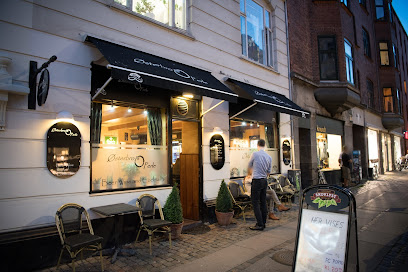
ØB
1.5 km
Experience the best of Copenhagen's nightlife at ØB, where great beer, tasty burgers, and a lively atmosphere come together.
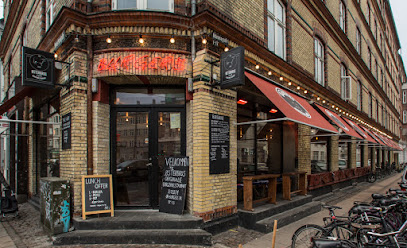
Trianglen 7
1.6 km
Experience the best of Copenhagen wine culture at Trianglen 7, a charming wine bar offering a curated selection and an inviting atmosphere.
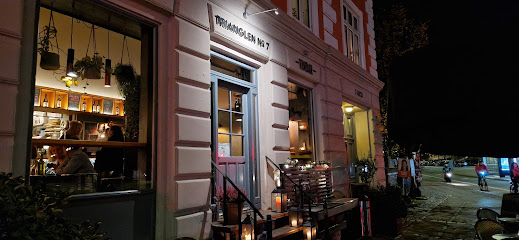
Søernes Ølbar
1.6 km
Discover Søernes Ølbar, a cozy craft beer haven by Copenhagen's lakes, offering an extensive selection of brews and breathtaking views.
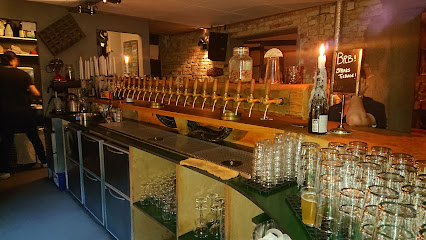
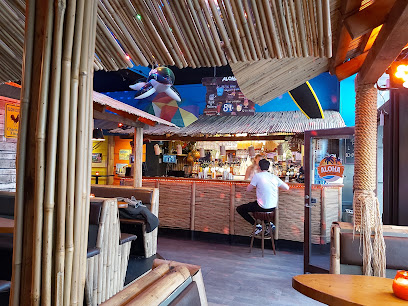
Aloha Beach Bar
1.6 km
Island-inspired cocktails, neon glow and late-night party vibes packed into a compact tropical bar just off Gothersgade in central Copenhagen.
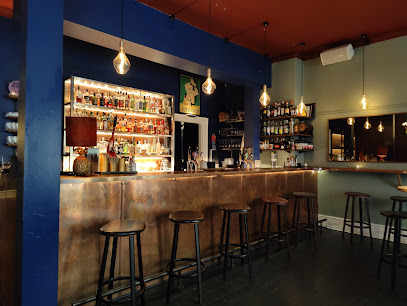
Bar Deco
1.6 km
Intimate Art Deco–inspired cocktail bar near Kongens Nytorv, pairing crafted drinks with moody lighting and a relaxed, grown‑up Copenhagen atmosphere.
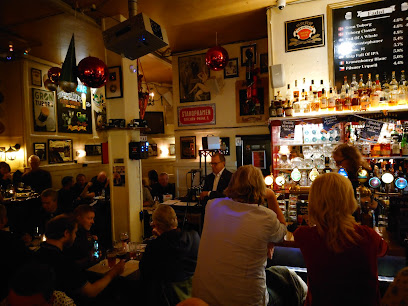
Trykbar
1.7 km
Cosy, central Copenhagen bar with a strong beer list, warm lighting and a laid-back, inclusive atmosphere that blends hygge with lively late-night energy.
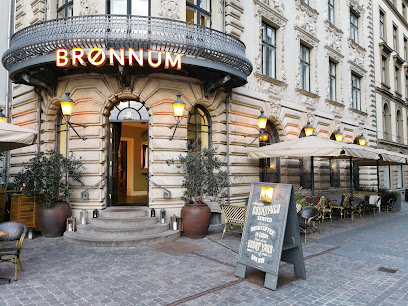
Brønnum
1.7 km
An opulent, multi‑room cocktail bar steps from Kongens Nytorv, where historic townhouse elegance meets contemporary mixology and candlelit late‑night conversation.
Balthazar
1.7 km
A luxurious Champagne bar at Hotel d’Angleterre, pairing an extensive bubbles list and crafted cocktails with velvet-luxe interiors and a lively DJ-backed ambience.
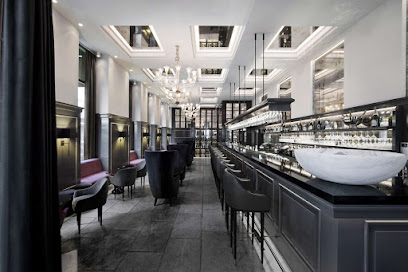
1105
1.7 km
Intimate, dimly lit cocktail bar in Copenhagen’s 1105 postcode, pairing dark, elegant interiors with carefully crafted Nordic-inspired drinks and classic mixes.
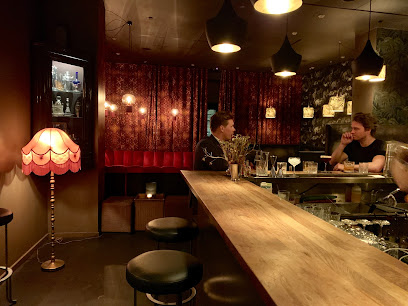
The Moose
1.8 km
Graffiti-plastered walls, infamous moose murals and cheap late-night beers make this smoky Indre By dive bar a gritty, unpolished slice of Copenhagen nightlife.
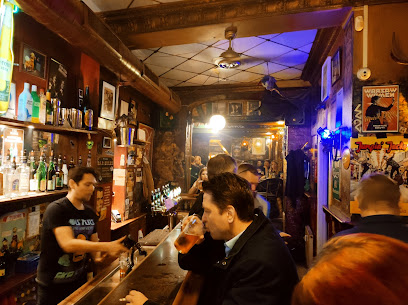
TATA Cocktail Bar
1.8 km
A velvet-draped, fireplace-warmed cocktail hideaway inside Hotel Sanders, where classic mixology, Danish design and theatre-inspired charm blend seamlessly.
Nightclubs & after hour spots

Culture Box
1.2 km
Discover the heartbeat of Copenhagen's nightlife at Culture Box, where music, art, and dance create an unforgettable experience.
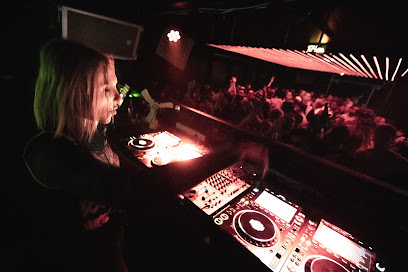
Mini Bar
1.6 km
Discover the vibrant nightlife of Copenhagen at Mini Bar, a premier night club offering eclectic tunes and a lively atmosphere for unforgettable nights.
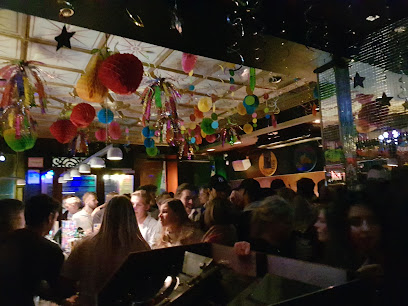
Lusso
1.7 km
A compact, high-end Copenhagen nightclub with champagne-forward table service, dim lighting and a stylish late-night crowd just steps from Kongens Nytorv.
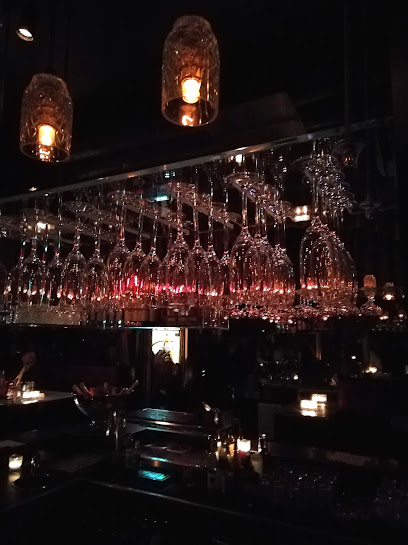
The Zoo
1.7 km
Intimate late-night nightclub on Sværtegade in Copenhagen’s historic center, blending a compact dance floor, DJ-driven beats and a casual, social bar atmosphere.
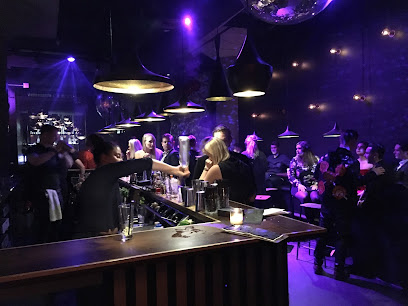
Operaen
2.1 km
Compact harbourfront nightclub near Copenhagen’s modern opera house, mixing DJ-driven beats, local crowds and late-night energy by the inner-city waterfront.
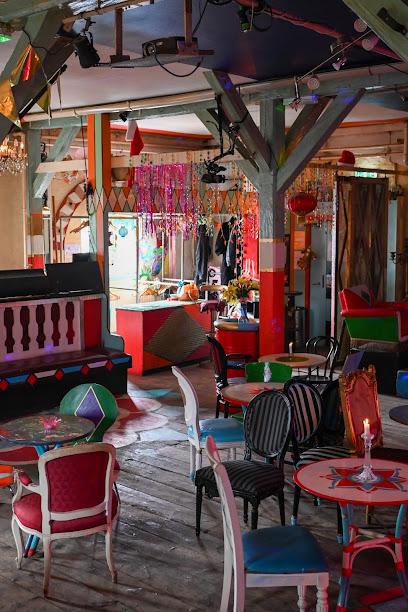
Mirage
2.2 km
Dive into the electrifying nightlife at Mirage, Copenhagen's premier night club for an unforgettable evening of music, dancing, and entertainment.

Arch
2.2 km
Discover the vibrant nightlife of Copenhagen at Arch, a premier night club offering electrifying music and an unforgettable atmosphere.
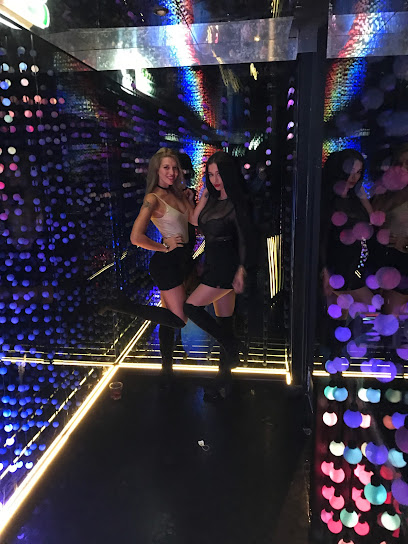
Chateau Motel
2.3 km
Discover the lively nightlife of Copenhagen at Chateau Motel, a top destination for cocktails and dancing in a vibrant atmosphere.
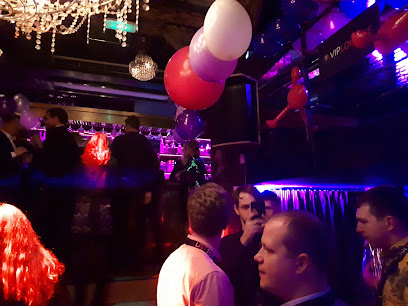
Hive
2.3 km
Copenhagen's premier high-end nightclub with cutting-edge design, VIP service, and immersive themed experiences.
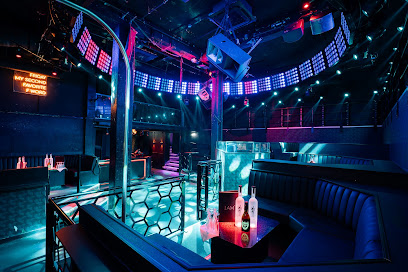
Rumors
2.3 km
Discover the heart of Copenhagen's nightlife at Rumors, where energetic vibes and unforgettable nights await you.
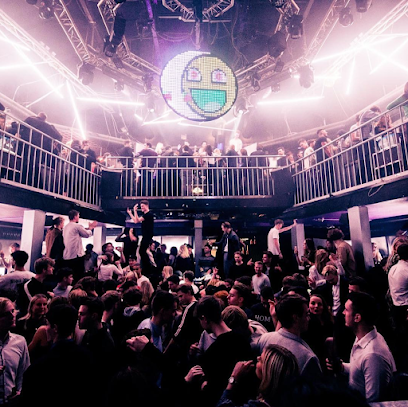
Mirror
2.3 km
Dive into the heart of Copenhagen's nightlife at Mirror, where the rhythm never stops and unforgettable memories are made.
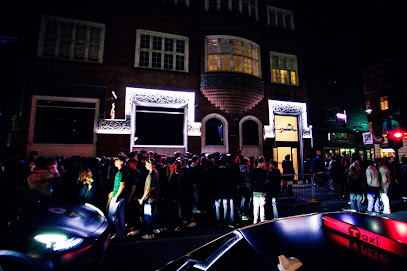
La Terraza
2.4 km
Compact nightclub on Studiestræde in Copenhagen’s old town, offering loud beats, straightforward drinks and an unpretentious late-night dance floor.
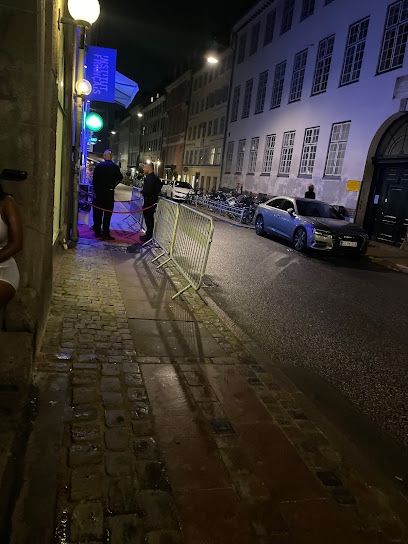
Miami Bar
2.4 km
Discover Copenhagen's nightlife at Miami Bar, where cocktails and dancing create unforgettable nights in a vibrant atmosphere.
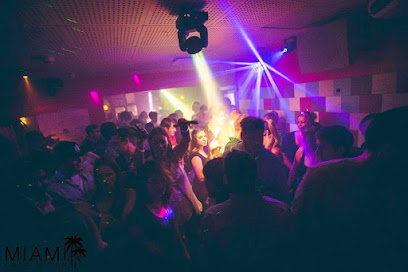
Zefside
2.4 km
Intimate cocktail den turned late-night dance spot, Zefside blends crafted drinks, DJ beats and canal-side charm in the heart of central Copenhagen.
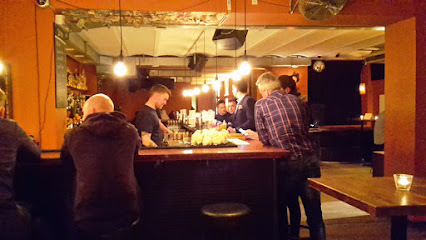
Dorsia
2.5 km
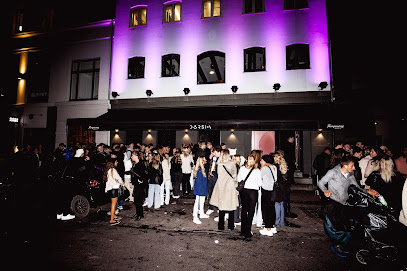
Central Copenhagen nightclub with late‑night DJs, cocktails and an image‑conscious crowd packed into a dark, modern interior off busy Kattesundet.
For the vibe & atmosphere seeker
- Scenic
- Unique
- Casual
- Fun-filled
For the design and aesthetic lover
- Minimalist Designs
- Vintage Styles
For the architecture buff
- Landmarks
- Viewpoints
- Parks & Gardens
- Heritage Neighborhoods
For the view chaser and sunset hunter
- Iconic Views
- Waterfront
- Sunrise Spots
For the social media creator & influencer
- Instagrammable
- Photo Spots
- Selfie Spots
- Architectural Shots
- Reel-Friendly
For the eco-conscious traveler
- Low Impact
- Public-Transport Accessible
For the kind of experience you’re after
- Photowalk
- Adventure Photo Shoot
- Cultural Heritage
- Roadtrip Stop
- Day Trip
For how adventurous you want the journey to be
- Easy Access
Location Audience
- Family Friendly
- Senior Friendly
- Child Friendly
- Teen Friendly
- Solo Friendly
- Couple Friendly
- Solo Female Friendly
- LGBT Friendly
- Business Friendly


