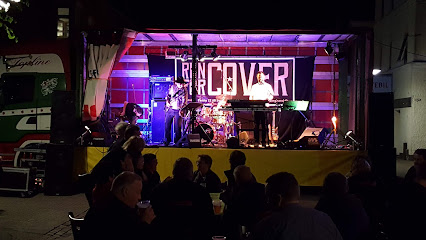
The Funen Village: Living Heritage of 19th-Century Denmark
Step into 19th-century Denmark at The Funen Village—a living museum near Odense where history unfolds in authentic farmhouses, gardens, and lively rural traditions.
The Funen Village is an open-air museum that transports visitors into rural Danish life of the 1800s. Set on the outskirts of Odense, this immersive site features authentic farmhouses, historical gardens, and costumed interpreters who recreate daily life, local crafts, and seasonal events. It's a unique opportunity to wander through cobbled lanes, meet farm animals, and experience the timeless rhythms of Denmark’s agricultural past.
A brief summary to Anno Dom 1913
- Kirketorvet 1, Vejle, 7100, DK
Local tips
- Plan your visit during one of the seasonal festivals for folk dancing, markets, or harvest celebrations.
- Most staff speak English and happily answer questions about daily life in the past, so don’t hesitate to engage.
- Check the activity schedule upon arrival to catch live demonstrations and interactive workshops.
- Children can meet and pet farm animals in the village, making it especially family-friendly.
- Bring a picnic or enjoy local treats in the café—meals showcase authentic Danish recipes.

Getting There
-
Walking
From Odense’s city center, a leisurely walk to The Funen Village allows visitors to pass through the leafy outskirts and past the Odense River. The museum is about 30–40 minutes away on foot, with parts of the route taking you through quiet parks and residential neighborhoods—ideal if you wish to savor a bit of local life en route.
-
Public Transport
Buses run regularly from Odense’s central train station and main square toward the southern edge of the city. The journey to The Funen Village is typically 15–20 minutes; single tickets for city buses cost around 24 DKK for adults. Stops near the museum are well signposted, and from there, grounds are reached via a short, clearly marked walk.
-
Taxi
Taxis from central Odense reach The Funen Village in approximately 10–15 minutes. Expect fares to range from 100 to 140 DKK, depending on traffic and time of day. There is convenient drop-off and parking at the museum entrance.
-
Driving/Parking
Arriving by car is straightforward, with ample parking available directly beside the site. Parking fees are modest, averaging 12–16 DKK per hour. The museum is located just a short drive from major city landmarks, making it easily accessible even during weekends and events.
Discover more about Anno Dom 1913
Iconic landmarks you can’t miss

VisitVejle
0.2 km
Explore Andelstrappen and Fortællegyngestolen in Odense: A fusion of nature's beauty and rich literary heritage.
The Midgård Well
0.3 km
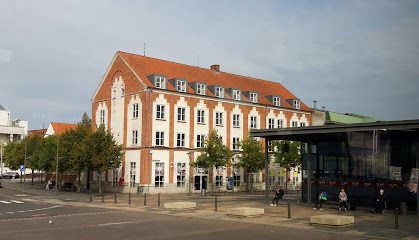
A coiled Norse serpent, a quiet city fountain and a whole mythic world wrapped into one small corner of central Vejle.
Vejle Vindmølle
0.9 km
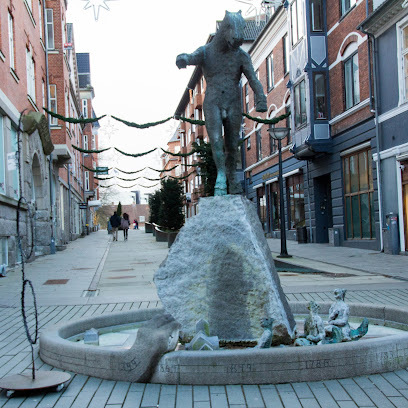
Historic windmill turned art gallery with panoramic city views and rotating contemporary exhibitions.
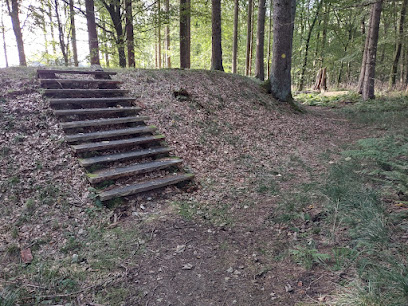
Troldborg Ring
12.4 km
Iron Age refuge fortress on a wooded hilltop, where grassy ramparts, “Devil’s Valley” slopes and wide views over Vejle Ådal bring deep Danish history to life.
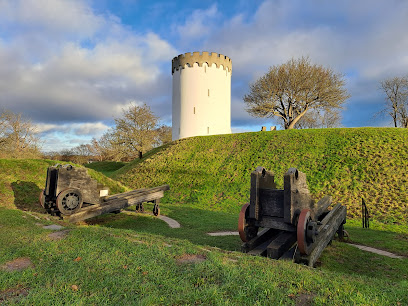
Fredericia Vold
20.7 km
Northern Europe's best-preserved fortress ramparts, where 370 years of Danish military history meets urban parkland.
Årtusindeskifte Eg
21.4 km
An ancient oak rooted in Horsens' heart, where nature and urban life converge in timeless harmony.
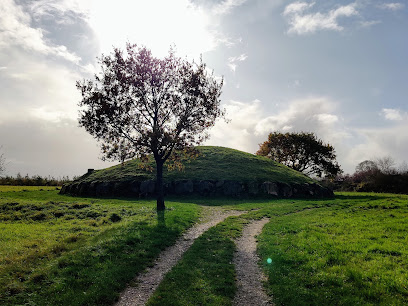
Jættestuen grønhøj
24.1 km
5.000 år gammel jættestue midt i det østjyske kulturlandskab – et stille møde mellem bondestenalderens stenkonstruktioner, skov, marker og Bygholm Sø.
Kolding St.
24.3 km
The compact rail and bus hub that delivers you straight into Kolding’s mix of castle-topped history, cobbled streets and fjord-side modern design.
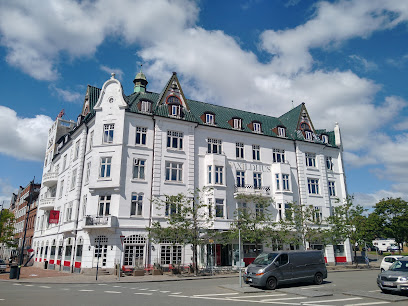
Milling Hotel Saxildhus
24.3 km
Neo-Gothic English church set by Copenhagen’s Churchill Park and Kastellet, famed for its stained-glass windows, flint architecture, and tranquil atmosphere.
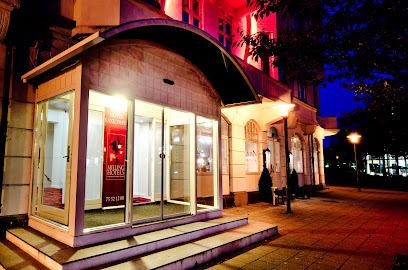
Saint Nicolas Church
24.4 km
Kolding’s oldest church, where medieval roots, Renaissance artistry, and daily parish life meet under a red-brick neo‑Gothic tower.
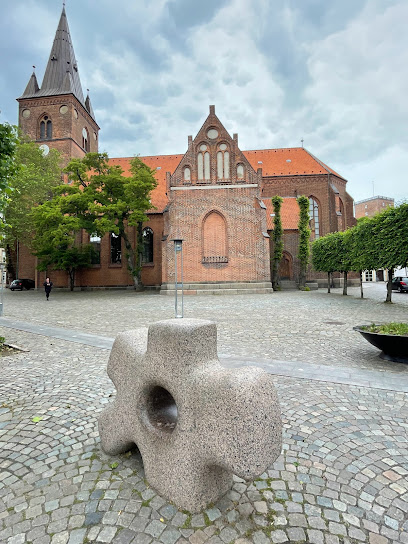
Borchs Gård
24.5 km
A vividly painted Renaissance townhouse from 1595, Borchs Gård brings Kolding’s mercantile past to life on the edge of lively Akseltorv square.
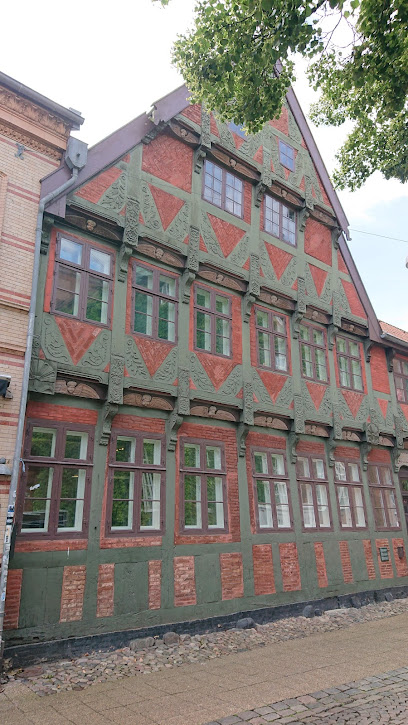
The Passage
24.5 km
Kolding's historic covered arcade where local shops, cafés, and the lively English Pub create an authentic downtown gathering space.
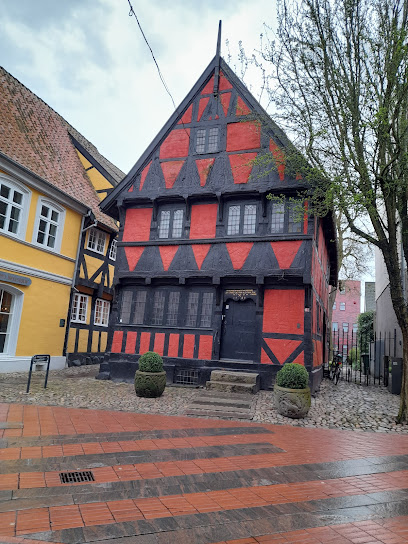
Villa Gertrud - Bed & Breakfast
24.6 km
St Alban’s Church is Copenhagen’s only Anglican church—an elegant Neo-Gothic landmark in Churchill Park, celebrated for its English architectural charm and tranquil location.
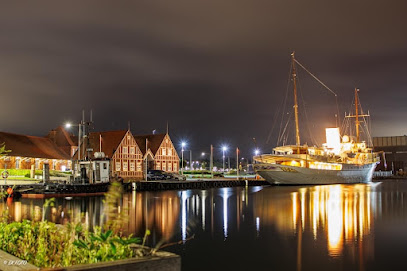
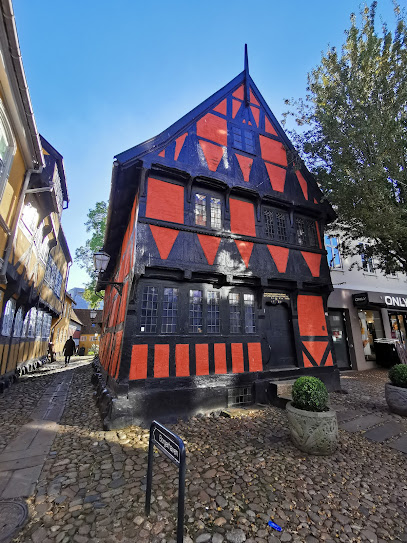
Helligkorsgade 18
24.6 km
Denmark's rarest medieval townhouse, where 437 years of history meet contemporary art.
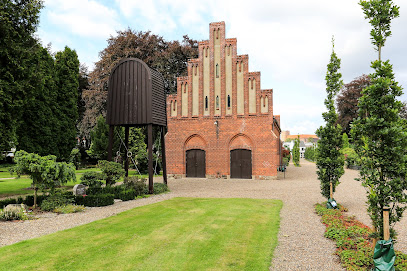
Old Cemetery
25.0 km
Discover St Alban's Church, Copenhagen's striking English Gothic landmark, nestled by Kastellet and Churchill Park, uniting Nordic and British heritage in a serene riverside setting.
Unmissable attractions to see

Brunnen Rathaus
0.1 km
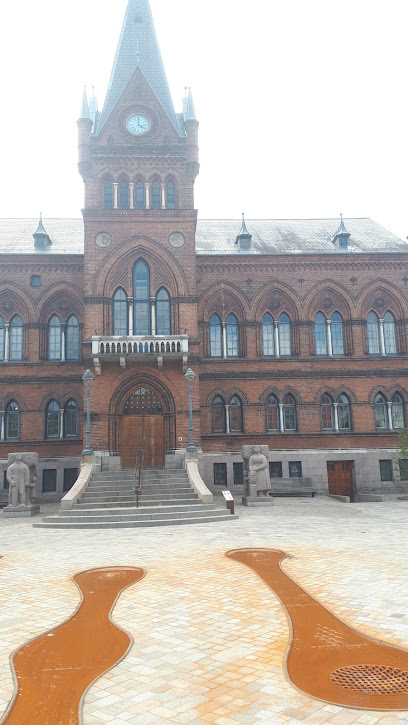
A modest ground-level fountain on Vejle’s main square, Brunnen Rathaus adds playful water, reflections and sound to the neo‑Gothic backdrop of the town hall.
Økolariet
0.1 km
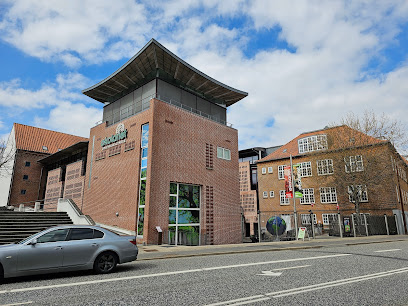
Hands‑on climate, nature and sustainability center in central Vejle, with immersive exhibits, a rooftop garden and free admission for all ages.
Kunsthal Vejle
0.2 km
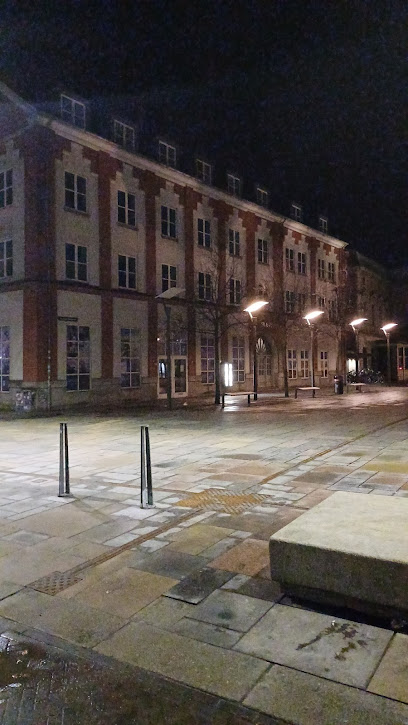
Artist-run contemporary art on Banegårdspladsen, transforming Vejle’s busy station square into a free, around-the-clock urban gallery for local and international voices.
The Vejle Local Heritage Archive
0.2 km
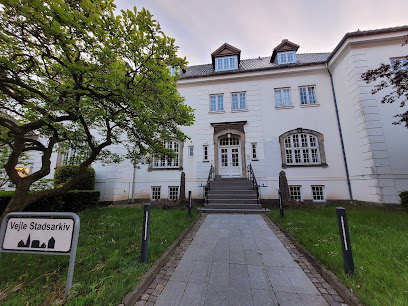
A quiet, document-filled heart of Vejle where photographs, records and maps preserve the city’s everyday history and help visitors trace stories across generations.
Mariaparken
0.3 km
A former parking lot turned vibrant green hub, Mariaparken blends multi-sport play, hammocks, grills and events into Vejle’s most central urban park.
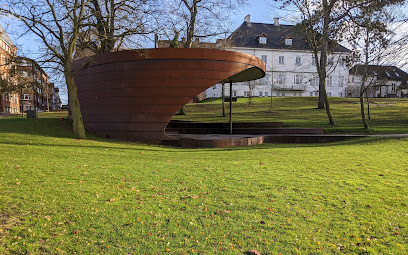
Vejle Art Museum
0.3 km
Free Danish art, from Golden Age painting to sensory contemporary installations, in a compact and inviting museum right in the centre of Vejle.
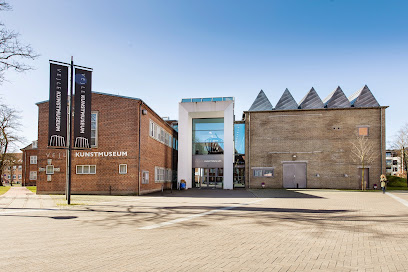
Byparken
0.4 km
Vejle's cherished urban park: fountains, streams, and tranquil green space in the city heart.
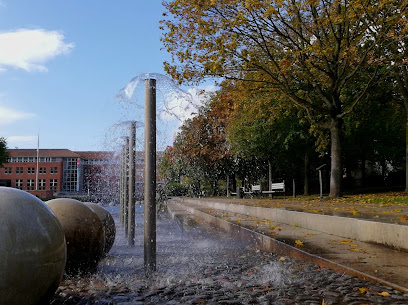
Kulturmuseet
0.7 km
Industrielle spinderihaller forvandlet til et levende museum om Vejles historie – fra moselig og jernalder til natteliv, arbejde og hverdagsliv i dag.
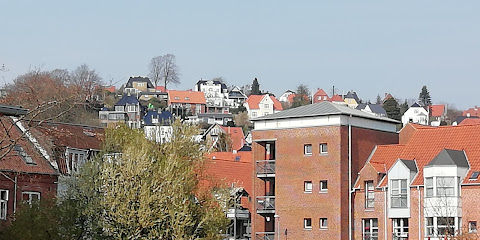
Spinderihallerne
0.7 km
Historic mill reimagined as Vejle's beating heart for art, design, innovation, and creative community.
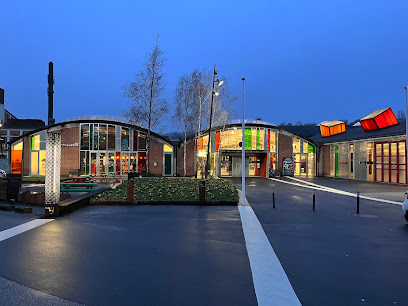
Tyrelodspynten
0.9 km
Compact hilltop park and neighborhood viewpoint where Vejle, its valley and Vejle Fjord unfold in a broad panorama above the trees of Sønderskoven.
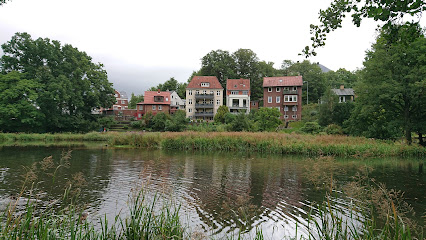
Vejle Kunstforening
0.9 km
Contemporary art in a historic 19th‑century windmill, where changing exhibitions and intimate spaces bring Vejle’s creative scene into a unique circular gallery.
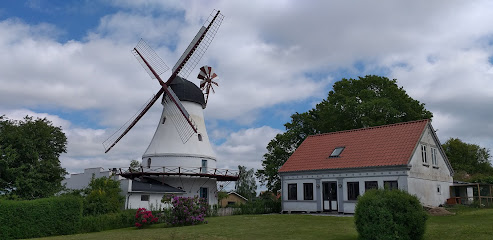
Biblioteksparken
0.9 km
Experience the serene beauty and cultural vibrancy of Biblioteksparken, Vejle's cherished urban oasis.
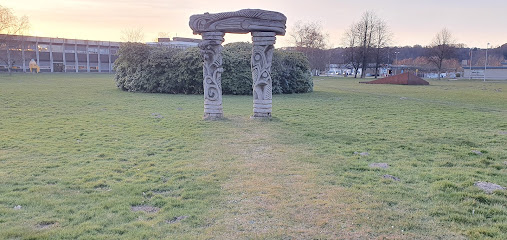
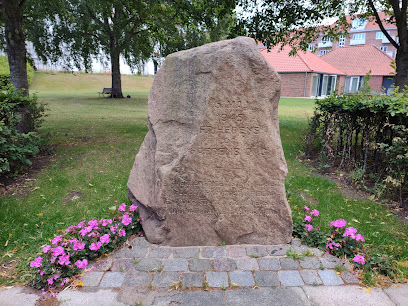
Befrielsessten i Vejle
1.0 km
Et stille hjørne af Vejle, hvor en enkel mindesten og et lille grønt anlæg fortæller den store historie om Danmarks befrielse i 1945.
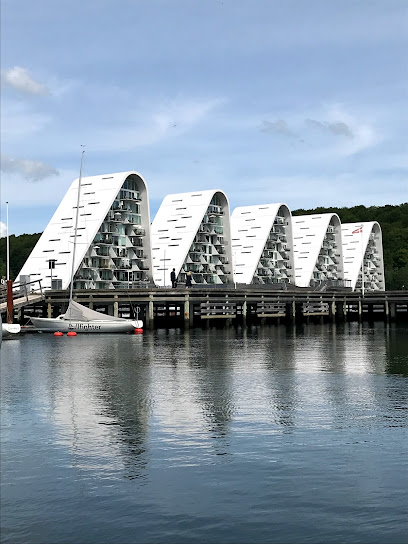
Vejle Havn Mole
1.5 km
A sleek fjordside pier framed by yachts, bold waterfront architecture and open sky, Vejle Havn Mole blends modern Danish design with calm, everyday harbor life.
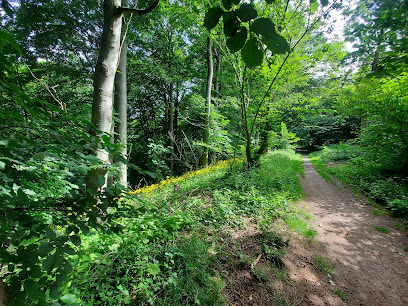
Pedersholm
1.7 km
Historic manor and leafy woodland on the edge of Vejle, where quiet paths, old trees and a stately façade create a gentle green pause between town and countryside.
Essential places to dine

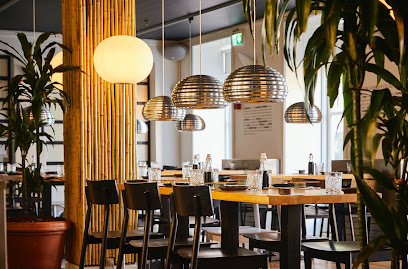
OASIA - sushi & wok
0.0 km
Fresh-made sushi and wok cuisine in central Vejle's premier hotel dining destination.
Jacobsen - Danish Eating House
0.0 km
Hearty Danish classics with a modern twist, served in a historic 1848 townhouse on Vejle’s church square with cosy dining rooms and extensive take-away.
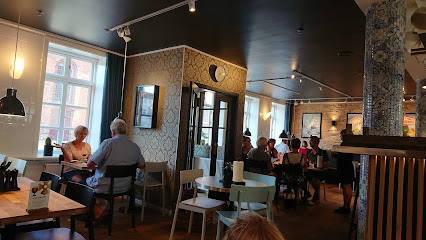
Bistecca
0.1 km
Modern Italian bistro and steakhouse in Vejle’s ToRVEhallerne, pairing fresh pasta, dry-aged steaks and a whisky bar in a stylish, lounge-like setting.
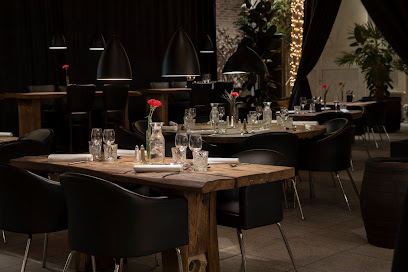
No 14 Vinbar
0.1 km
Spanish wines and tapas in an intimate historic courtyard setting, where expertise meets warmth.
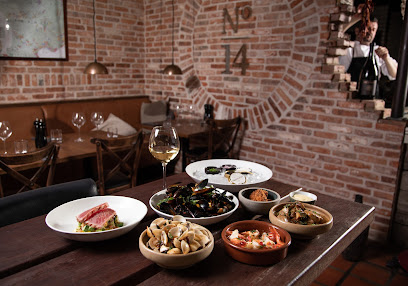
Garage Burgerbar
0.1 km
No‑nonsense American‑style burgers, fries and shakes served in a laid‑back, garage‑inspired bar right on Vejle’s central square, perfect for a quick and inexpensive bite.
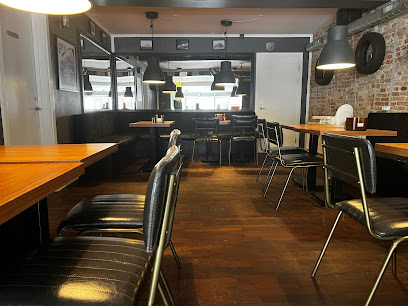
1401 - Tapas & Burgers
0.1 km
Casual Nordic tapas, gourmet burgers and brunch served in a relaxed, share‑friendly setting right on Vejle’s central Rådhustorvet.
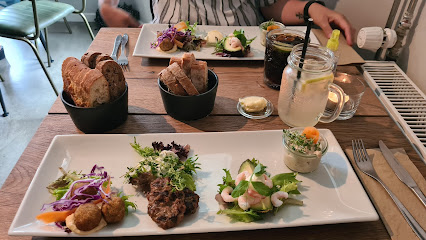
Meat & Eat Premium
0.1 km
Central Vejle steakhouse-style restaurant specialising in generous meat dishes, burgers and platters in a casual, social setting just off the main square.
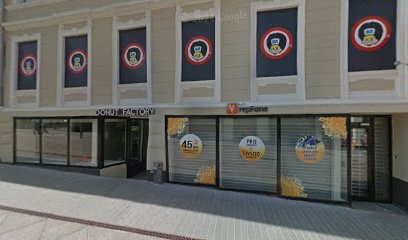
Caféen Den Gamle Arrest
0.1 km
Atmospheric café-restaurant in Vejle’s former town jail, blending historic brickwork and cosy candlelight with casual meals, drinks and sociable, laid-back charm.
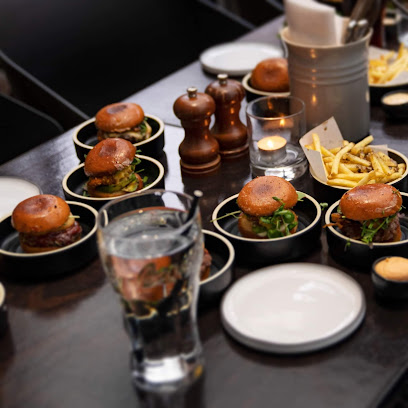
Restaurant Toscana v/Araz Tofek
0.2 km
Bright Italian dining in Vejle's central square with Mediterranean cuisine and curated wines.
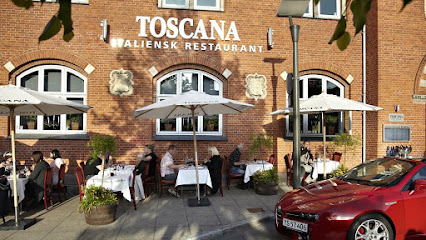
Tortilla Flats, Vejle
0.2 km
Vibrant Mexican dining on Vejle's waterfront since 1987—authentic flavors, colorful atmosphere, and warm hospitality.
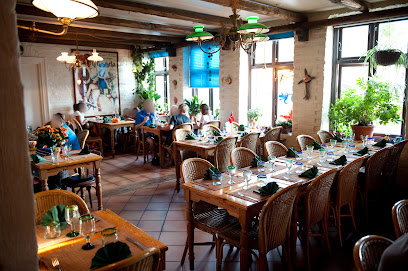
IZA Vejle
0.2 km
Japanese-inspired gastropub tucked in a historic Vejle backyard, serving pan-Asian sharing menus, bao and ramen with creative drinks in a cosy evening setting.
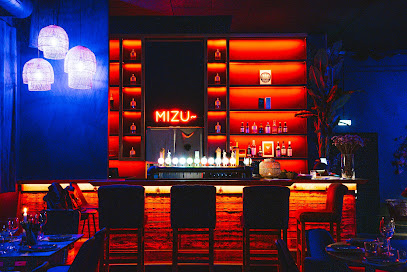
Cafe Vivaldi Vejle
0.2 km
Lively riverside café in central Vejle, serving generous brunches, pizzas and casual classics from late morning to evening in bright, modern surroundings.
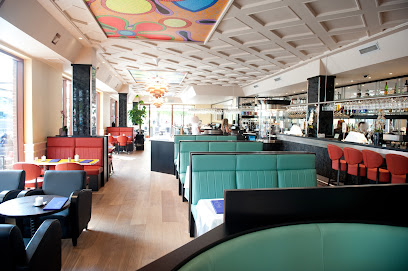
Cafe Velvet
0.2 km
Casual, all-day café in the heart of Vejle, known for generous brunch plates, comfort-food classics and a relaxed, central meeting-point atmosphere.
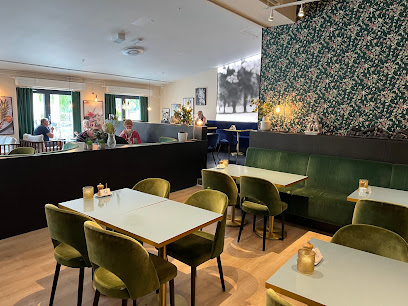
Madindustrien
0.2 km
Seasonal Danish cooking and “honest meals” served in a cosy courtyard restaurant that doubles as a relaxed banquet venue in the heart of Vejle.
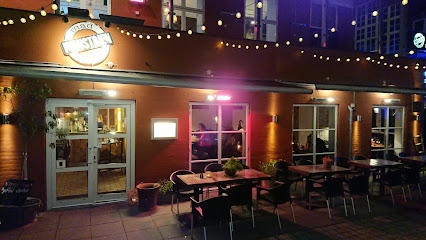
Restaurant Nögen
0.2 km
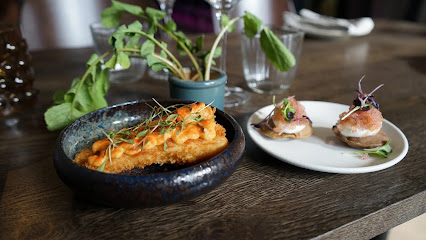
Inventive social dining in Vejle, where surplus seasonal ingredients become elegant tasting menus in a raw-meets-cozy New York–inspired setting.
Markets, malls and hidden boutiques

Kas'mir Vejle
0.1 km
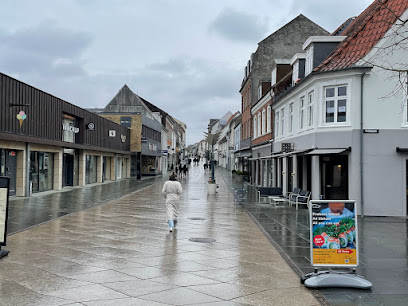
A calm, contemporary women’s fashion boutique on Vejle’s main shopping street, blending Scandinavian style, quality fabrics and carefully chosen accessories.
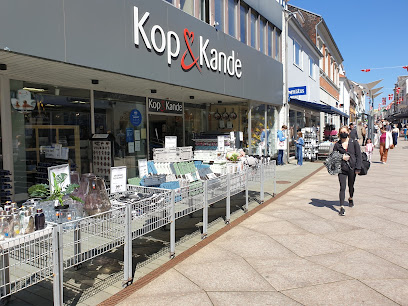
Kop & Kande
0.1 km
Central Vejle homeware and gift shop offering Danish design, practical kitchen tools and thoughtful presents in a bright, well-organised space on Søndergade.
Normal
0.1 km
Danish discount treasure hunt with fixed low prices and 100 new surprises every week.
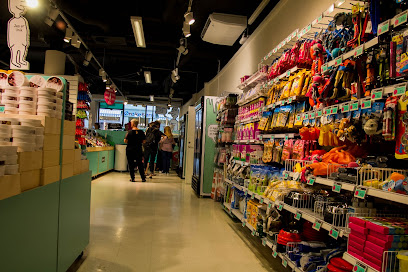
Flying Tiger Copenhagen
0.1 km
Colorful Danish design and affordable everyday essentials in Vejle's vibrant city center.
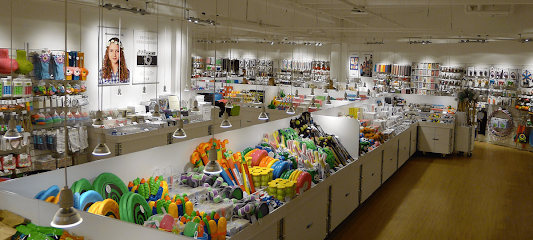
Søstrene Grene, Vejle
0.1 km
A cosy Danish design and hobby universe in central Vejle, where winding aisles, soft lighting and changing collections invite slow browsing and small creative discoveries.
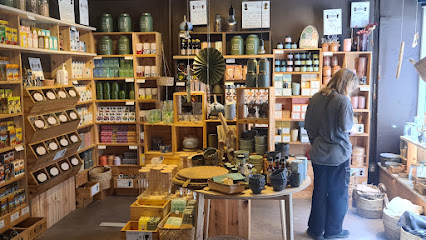
Gavehuset/Per Dam Nielsen
0.2 km
A traditional, small-scale gift and bag shop on Vejle’s Grønnegade, offering locally rooted presents and everyday accessories in a calm, personal setting.
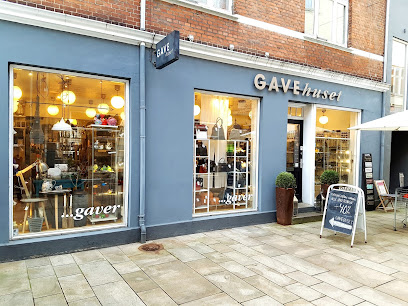
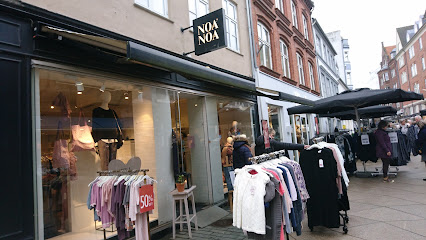
Noa Noa
0.2 km
A calm, Scandinavian fashion boutique in Vejle’s centre, showcasing Noa Noa’s feminine, bohemian-inspired designs in a warm, homely setting on Torvegade.
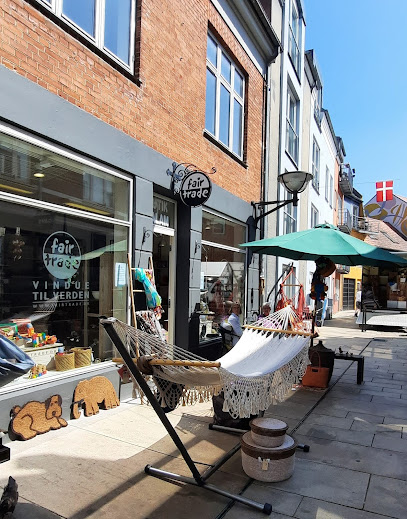
Fair Trade Butik Salam
0.2 km
A colourful fair-trade world shop in central Vejle, where ethical gifts, handmade crafts and global stories meet Scandinavian everyday life.
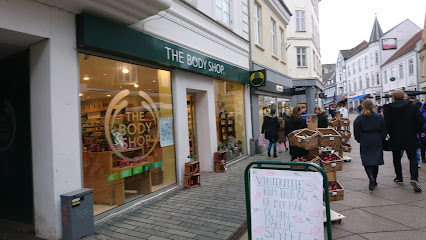
The Body Shop
0.3 km
Compact, cruelty‑free beauty hub on Nørregade in Vejle, packed with nature‑inspired skincare, body treats and ready-to-wrap gifts for quick yet mindful shopping.
Only
0.3 km
Central Vejle’s go-to women’s fashion store for trend-focused denim, dresses and everyday styles in a bright, modern high-street setting.

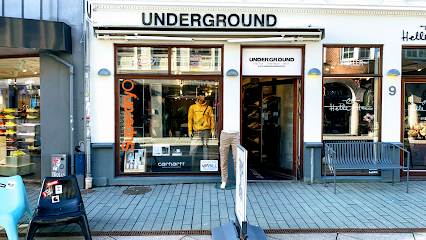
Underground
0.3 km
Compact streetwear and sneaker specialist in Vejle’s central shopping streets, blending skate-inspired labels and everyday urban style in an easygoing setting.
Frk. Brøndum ApS
0.3 km
A cosy Danish fashion boutique on Vejle’s Nørregade, offering curated everyday style, friendly guidance and relaxed browsing in the heart of the pedestrian streets.
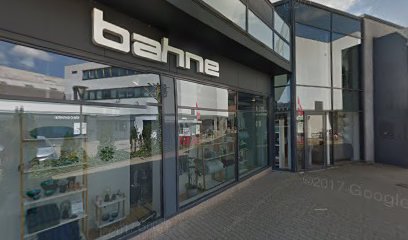
Bahne
0.3 km
A bright, central lifestyle store in Vejle, combining Scandinavian home design, fashion, wellness and gift ideas under one stylish roof on Nørregade.
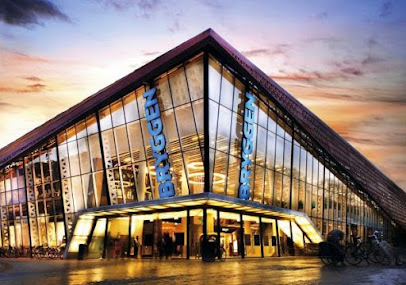
Bryggen
0.3 km
Vejle's vibrant shopping heart where contemporary design meets Nordic retail culture and diverse dining.
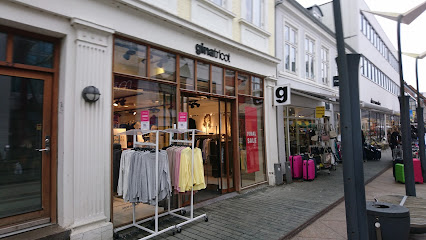
Gina Tricot
0.4 km
Compact Scandinavian womenswear store in central Vejle, offering fast-changing, affordable fashion and accessories along the city’s main pedestrian shopping street.
Essential bars & hidden hideouts

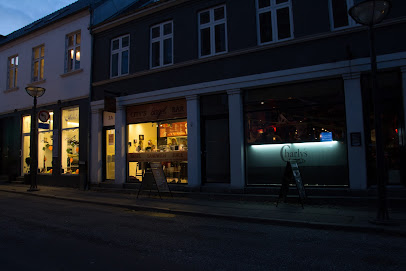
Charly's Pub
0.0 km
Cozy, live-music–driven pub in the heart of Vejle, pouring special beers and cocktails for an adult crowd in a relaxed, late-opening, party-friendly setting.
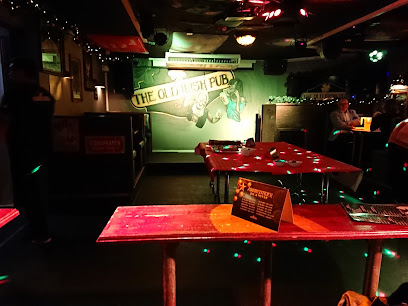
The Old Irish Pub
0.1 km
Lively Irish-themed bar and late-night discotheque bringing music, pints and party vibes to central Vejle’s Dæmningen street.
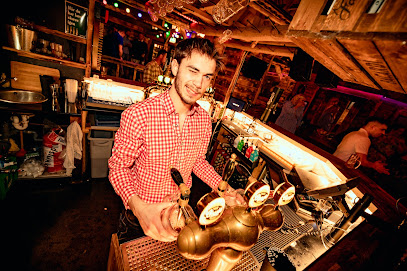
Zwei Grosse Bier Bar Vejle A/S
0.1 km
High-energy Alpine after-ski bar in the heart of Vejle, serving big beers, loud party hits and late-night antics on Dæmningen’s busy nightlife strip.
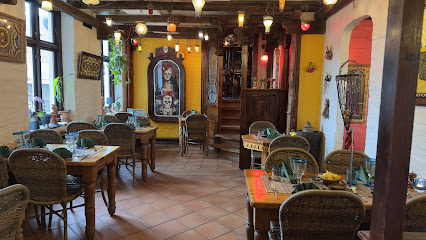
Mi Bar
0.2 km
Vejle's premier cocktail bar crafting quality drinks in a welcoming weekend atmosphere.
Tartan Pub
0.2 km
Vejle's legendary Scottish pub since 1975—dance, drink, and connect in authentic Celtic charm.
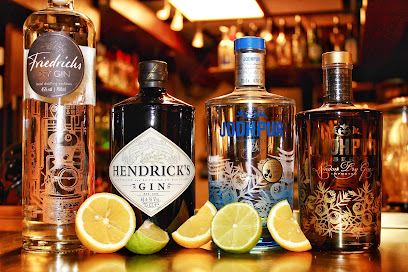
The Knee-high bar
0.2 km
Intimate basement bar in central Vejle with low ceilings, loud music, easygoing bartenders and a playful mix of beers, bombs and late-night conversation.
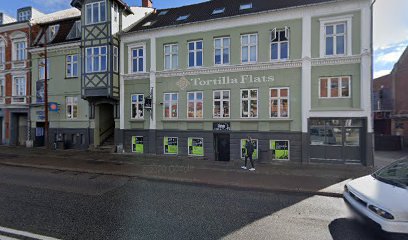
BarMix Vejle
0.2 km
Late‑night energy, chart hits and a mature party crowd in the heart of Vejle’s nightlife strip on Dæmningen.
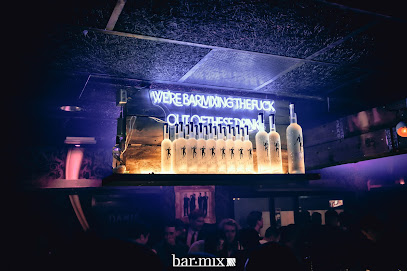
Lucky's Sports-bar
0.2 km
Lively sports hub in central Vejle, blending big-screen action, shuffleboard and arcade fun with a relaxed pub atmosphere and late-night bar energy.
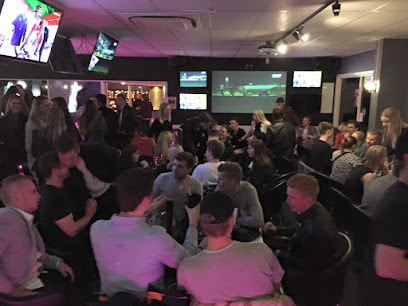
Sømærket v/Margit Østergaard Nielsen
0.2 km
Smoky, old-school brown bar by Vejle’s harbor, pouring inexpensive beers in a lively, no-frills atmosphere that feels more local living room than lounge.
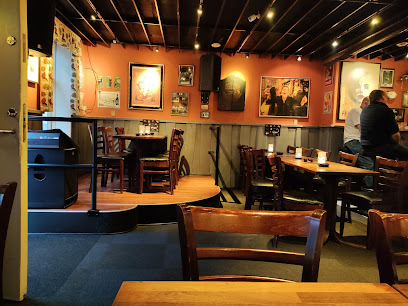
The Cat And Barrel
0.3 km
A warmly lit craft beer pub in central Vejle, blending British-style coziness, Danish microbrews, sports on screen and lively quiz and karaoke nights.
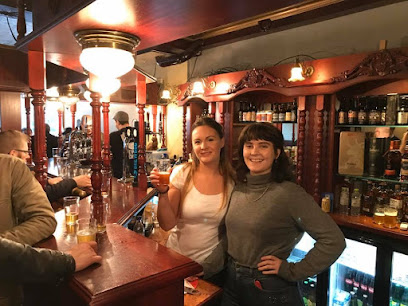
Lumskebugten Vejle
0.4 km
Authentic Danish bodega where maritime charm, live music, and genuine hospitality create unforgettable evenings.
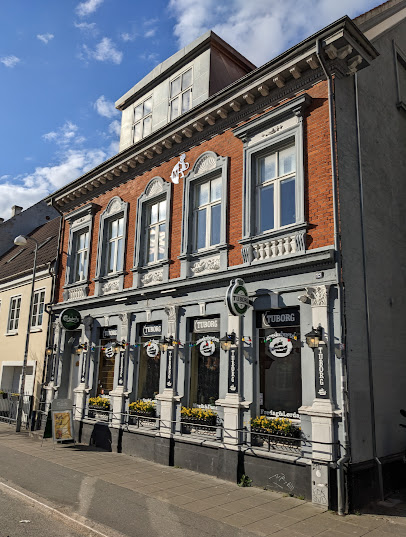
Marys Pub
0.5 km
Cosy, no-frills neighbourhood pub in central Vejle, pouring affordable beers and easygoing Danish hospitality from late morning until late at night.
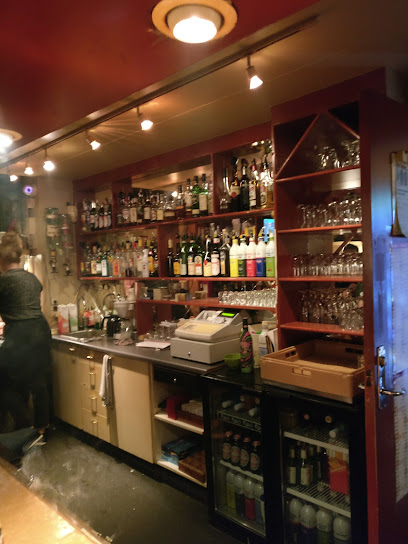
Ølstuen
0.5 km
Authentic Danish pub where locals gather for affordable beer, genuine conversation, and timeless community spirit.
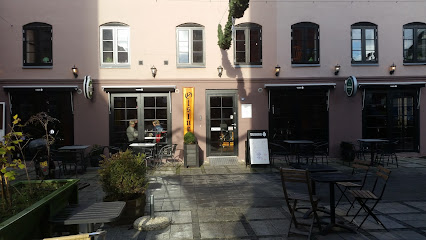
Klausen Bar
0.6 km
Unpretentious Danish bodega-style bar in central Vejle, offering inexpensive drinks, karaoke nights and a cosy local atmosphere from noon till late on select days.
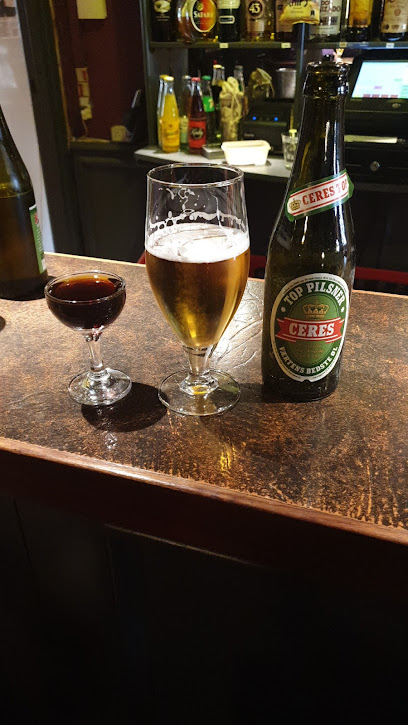
Borgerkroen
0.7 km
A classic Danish neighborhood bar on lively Vestergade in Vejle, serving cold beer, warm conversation and unpretentious pub atmosphere from late morning to midnight.
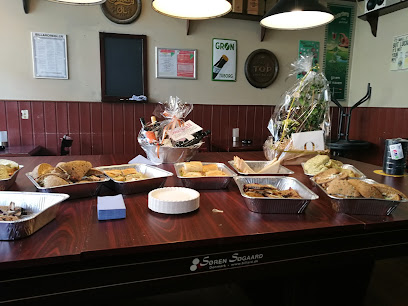
Nightclubs & after hour spots

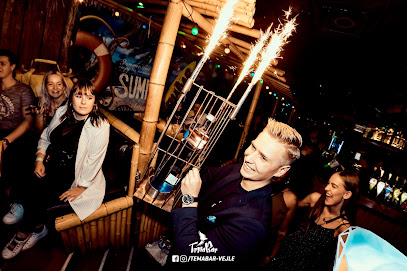
temabar APS 23-05
0.2 km
Tropical vibes and late-night dancing in Vejle's energetic weekend hotspot.
NOX Network Ltd.
4.3 km
Small-city Danish nightclub in Vejle with a central dance floor, upbeat chart music, and a straightforward, late-night party atmosphere.
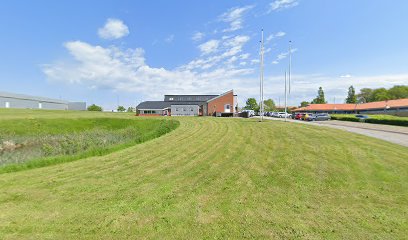
Tucan Swinger & wellness Club
15.8 km
Upscale swinger and wellness club in rural Jutland, blending spa comforts, themed erotic rooms and a structured, adults-only atmosphere for adventurous guests.
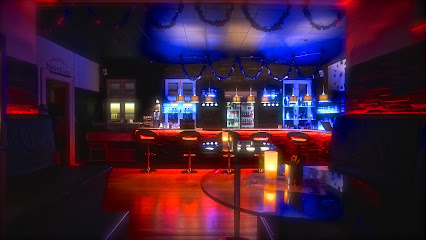
Horsens New Style Dance Club
20.7 km
Horsens' premier line dancing venue where beginners and advanced dancers unite in movement and community.
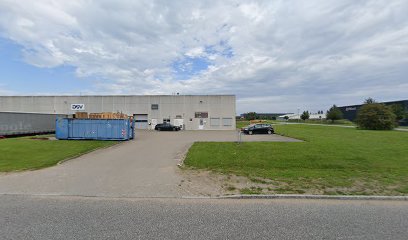
AHA Livestage
21.2 km
Intimate live music and cocktail-driven nightlife in the heart of Fredericia, where high-quality sound and curated events turn selected evenings into standout parties.
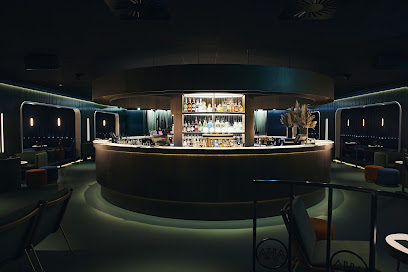
Pitstop
24.4 km
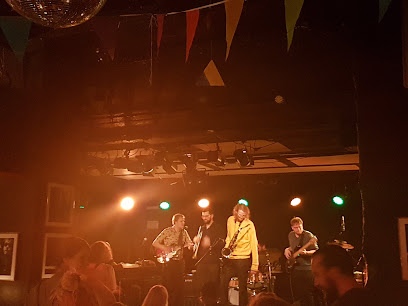
Small, central and loud, Pitstop is Kolding’s alternative live music stronghold, blending intimate gigs, late-night dancing and laid-back bar vibes in a historic building.
Mørks Kælder
24.4 km
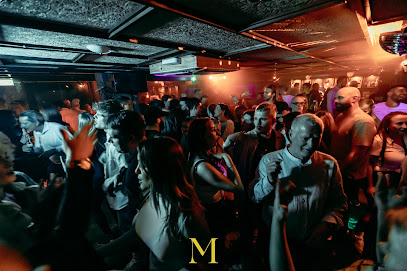
Modern basement nightclub in central Kolding, pouring drinks and classic dance tunes for a grown-up crowd late into the weekend night.
Discoteque Tordenskiold
24.5 km
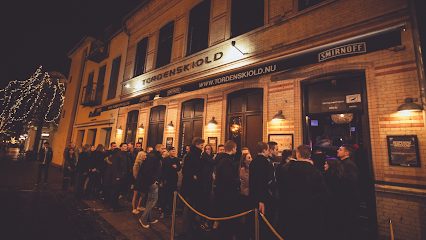
Denmark's oldest nightclub since 1973, pulsing with energy in central Kolding.
Koldingtivet Engen
24.5 km
Compact Kolding disco where locals pack the dance floor, mainstream hits fill the speakers and late-night energy turns a modest venue into a full-bodied club night.
PDD
25.2 km
Unpolished, late-night dancing and loud beats in an industrial-style nightclub setting on the edge of Horsens, built for energetic nights rather than polished decor.
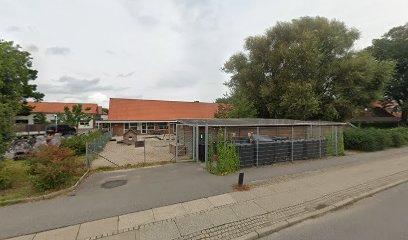
Oskar hossman
25.9 km
Compact, high-energy nightclub in central Horsens, where pulsing beats, colourful lights and a sociable crowd define the city’s after-hours heartbeat.
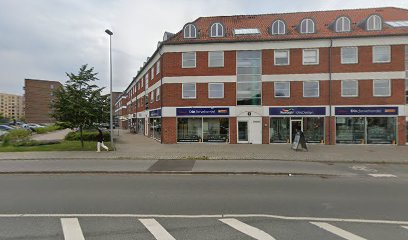
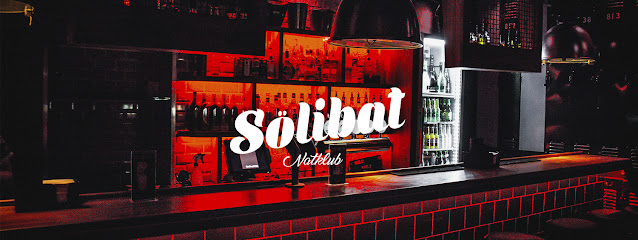
Sölibat Natklub
26.1 km
High-energy nightclub and bar in central Horsens with DJs, themed events, loud lights and a young crowd dancing late into the night.
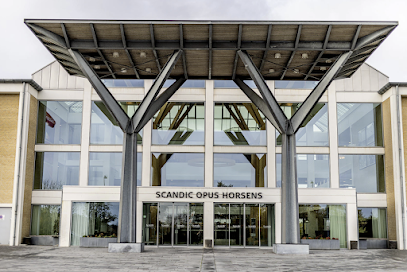
Scandic Opus Horsens
27.0 km
A contemporary Scandinavian hotel in Horsens with spa, dining, and panoramic city-to-nature views—an elegant gateway to both urban and outdoor experiences.
Fishi
30.1 km
Compact, no-frills nightclub in Vejen with loud beats, simple drinks and a friendly small-town crowd that keeps the dance floor moving late into the night.

Crazy Daisy Vejen
36.0 km
High-energy disco club in central Vejen, bringing late-night music, dancing and big-city nightclub vibes to a compact South Jutland town.