Historiske Dage Travel Guide
Free Guide: A lively Copenhagen history festival where lectures, debates and reenactors transform a modern university campus into a compact, walkable world of the past.



A brief summary of Historiske Dage
A lively Copenhagen history festival where lectures, debates and reenactors transform a modern university campus into a compact, walkable world of the past.
Historiske Dage is a lively history festival held at Aarhus University’s Danish School of Education campus on Tuborgvej in Copenhagen’s Bispebjerg district. Over a packed weekend, historians, authors, museums and reenactors turn lecture halls and foyers into a marketplace of ideas, with talks, debates, live performances and hands-on activities for all ages. The modern university setting keeps everything compact and indoors, ideal for springtime Copenhagen weather.
On-site amenities
 Restrooms
 Drink options
 Food options
 Seating areas
 Sheltered areas
 Trash bins
 Information boards
 Visitor centre
- Address
- Tuborgvej 164 c/o Aarhus Universitet, 2400 København
- Phone
- Website
Getting there
S-train from central Copenhagen
City bus within Copenhagen
Bicycle from inner Copenhagen
Taxi within the city
Discover more about Historiske Dage
A festival that turns history into a live experience
Historiske Dage is an annual festival devoted to bringing the past vividly into the present. Hosted within the buildings of Aarhus University’s Danish School of Education at Campus Emdrup on Tuborgvej, it gathers museums, archives, publishers, reenactors and scholars under one roof for a full weekend of talks, performances and interactive sessions. Instead of wandering between distant venues, you move from hall to hall, meeting different eras of history just a few steps apart.From Viking-age demonstrations to modern political history, the program is broad rather than narrow, with content aimed both at curious newcomers and dedicated enthusiasts. Live interviews with authors, on-stage debates, staged readings and small theatrical performances make the atmosphere closer to a cultural fair than an academic conference.
Modern university campus as an indoor festival ground
The venue is a contemporary university campus in Copenhagen’s northwestern Bispebjerg district, characterized by clean-lined lecture blocks, wide corridors and generous foyers. Classrooms become intimate spaces for specialised talks, while large auditoriums host headline conversations and bigger shows. High ceilings, large windows and functional Scandinavian design give the event an airy, organised feel even when it is busy.Because everything is concentrated indoors, the festival is largely independent of Copenhagen’s often changeable spring weather. Cloakrooms, seating areas and informal corners let you pause between sessions, leaf through a newly purchased book or study a small exhibition set up along the walls. Wayfinding is straightforward, with clear signage and staff on hand to direct you.
Talks, debates, and hands-on encounters with the past
At the heart of Historiske Dage are its themed stages and program strands. You might step into one auditorium for a deep dive into medieval power struggles, then move next door to hear journalists discuss how we remember the twentieth century. Short, focused sessions keep the pace brisk, encouraging you to sample unfamiliar topics as well as long-time interests.Alongside the spoken program, exhibits and stalls present everything from historical maps and specialist literature to educational games and crafts. Reenactors or museum educators may demonstrate period clothing, tools or military equipment, creating moments where you can handle replicas, ask questions and compare popular myths with current research. For many visitors, this chance to literally touch the past is as memorable as any keynote lecture.
Family-friendly atmosphere with room for curiosity
The indoor setting, amenities and structured schedule make the festival accessible to a wide range of visitors. Families can plan their day around shorter sessions and hands-on activities, while older visitors and students often gravitate toward more in-depth talks. The campus layout allows prams and wheelchairs to move between levels via lifts and ramps, and the compact footprint helps groups stay together without long walks.Quiet corners along the corridors or in adjacent lounges provide breathing space for those who prefer a calmer pace between events. Because multiple stages run simultaneously, you can tailor your own route through the program and choose between dense intellectual content or lighter, story-driven sessions.
Books, conversations and the social side of history
A central exhibition area functions as the festival’s social hub. Here, publishers showcase new titles, authors sign books, and representatives from museums and historical societies discuss their projects. It is a natural place to pick up reading recommendations or discover small institutions you might visit elsewhere in Denmark.Over the course of a day, many visitors find themselves returning to this hub between talks, using it as a meeting point, coffee stop and browsing area. The mix of stalls and informal seating encourages spontaneous conversations: one moment you might be listening to a curator explain a newly digitised archive, the next you are comparing notes on a lecture with complete strangers who share your curiosity about the past.
Seasonal highlight in Copenhagen’s cultural calendar
Historiske Dage typically takes place once a year, often in early spring, and has become a recurring fixture in Copenhagen’s cultural life. For locals, it offers a concentrated weekend of historical perspectives just as the city is emerging from winter; for visitors, it is an opportunity to see Danish and international history presented through a distinctly Nordic lens.Because the festival is event-based rather than a permanent exhibition, advance planning is essential. Programs, ticket information and theme announcements are released ahead of time, allowing you to build a personal schedule and decide whether to focus on Danish topics, global history, or a bit of everything. On the days it runs, Campus Emdrup transforms into a dense, walkable world of stories where every corridor leads to another chapter from the past.
Evendo Review Centre
 Google
Guest reviews
Best time to go
Quietest: Jan, Jul & Aug · before 7am or from 9pm
Busy times are Evendo estimates for a typical year, to help you plan. Actual crowds vary with events, school holidays and the weather.
Explore Historiske Dage on the map
A handpicked selection of must-see spots near Historiske Dage, mapped for you.
Get your free copy of our complete guide to Historiske Dage, delivered straight to you.
Everything on this page, from opening hours and how to get there to Eve’s tips and the best time to go, in one PDF you can read offline, print or share.
Already have an account? Sign in
Your Historiske Dage guide is ready.
We'll send it to · Not you? Sign out

Getting your guide ready…
We are putting together a fresh copy of the Historiske Dage guide. This can take up to a minute.
This can take a few moments. If your browser asks, choose Allow so the download can start. You'll find the guide in your Downloads folder.
Nothing happened? Download it again
Sorry, the guide is taking longer than usual. Please try again in a minute, or get it by email instead.
Other nearby places you may find interesting
The closest places of the same kind, if this one is not quite what you had in mind.
-
-
-
-
-


Swipe for more places
More to explore near Historiske Dage

 Best experiences near Historiske Dage
 Best hotels near Historiske Dage
 Best landmarks near Historiske Dage
 Best attractions near Historiske Dage
 Best shops near Historiske Dage
 Best restaurants near Historiske Dage
 Best bars near Historiske Dage
Do you manage this location?
Take control to get all the benefits, like improved information, better appearance, and stronger visibility across AI-powered discovery.
Explore more
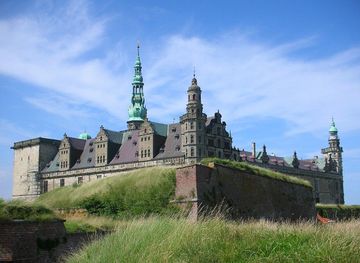
Explore more of Zealand
Discover the charm of Zealand, Denmark's largest island, blending vibrant city life in Copenhagen with serene coastal beauty and rich cultural heritage.
Explore Zealand
Explore more of Denmark
Discover Denmark: A perfect blend of history, modern design, and the cozy concept of hygge. Explore vibrant cities, serene landscapes, and world-class cuisine.
Explore Denmark