Background

Nørrebro

Copenhagen’s multicultural heartbeat: dense streets of bikes, cafés, street art and green pockets where everyday life and global influences mingle effortlessly.

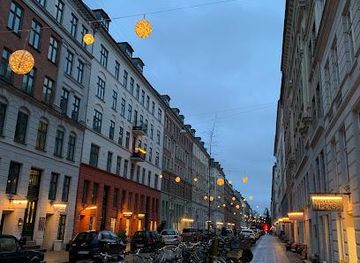
Nørrebro is Copenhagen’s most multicultural, lived‑in neighbourhood: a dense maze of tenement streets, indie boutiques, global eateries and creative hangouts just north of the historic centre. Once solidly working‑class, it has evolved into a youthful, bohemian district where street art, bike traffic and café culture define daily life. From Assistens Cemetery’s leafy paths to Superkilen’s bold design and the buzz of Jægersborggade and Blågårdsgade, it offers an urban, authentic slice of the city far from postcard clichés.

Plan your visit

A brief summary to Nørrebro

Opening times, essentials, and a few local tips gathered into one calmer, easier-to-scan planning section.

Plan your visit

📍
Copenhagen, Nørrebro, DK
🕒
Duration: 2 to 8 hours
💷
Free
🏛
Outdoor
📶
Mobile reception: 5 out of 5

Other nearby places you may find interesting

Explore places near Nørrebro

    See all →

    Unlock the Best of Nørrebro

    Find tickets, tours with entry, and experiences available for this location.

    Buy tickets

    No tickets available

    Book tours with entry

    No tours with entry available

    Book tours without entry

    No tours without entry available

    Getting There

    Metro

    From central Copenhagen, take the M3 Cityringen metro line toward either direction and get off at Nørrebros Runddel or Nørrebro Station; the ride from stations like Rådhuspladsen or Kongens Nytorv typically takes 5–10 minutes. Trains run every few minutes throughout the day. A single adult ticket within the city zones usually costs around 20–30 DKK, and all stations have stairs and escalators, with elevators at most newer stops.

    Bus

    Several high‑frequency bus routes run through Nørrebro along Nørrebrogade from the inner city, with journey times of about 10–20 minutes depending on traffic. Buses generally operate from early morning until late night, with slightly reduced service in the very early hours. Standard city bus tickets cost roughly 20–30 DKK and can be bought via travel apps or ticket machines; vehicles are low‑floor and suitable for strollers and wheelchairs.

    Bicycle

    Cycling from the historic centre to Nørrebro across the lakes and Dronning Louises Bro usually takes 10–20 minutes at a relaxed pace. The route follows dedicated bike lanes almost the entire way and is mostly flat, making it accessible even for less experienced riders. City bikes can be rented from numerous providers, typically from about 100–150 DKK per day, and lights are essential in darker months due to strict traffic rules.

    Walking

    On foot, reaching the southern edge of Nørrebro from the inner city around Nørreport Station takes roughly 20–30 minutes at a moderate pace. The walk follows broad pavements alongside the lakes and over Dronning Louises Bro, then continues into busier shopping streets. Surfaces are generally even, though cobblestones appear on some side streets; the route is straightforward but can feel exposed in windy or rainy weather.

    For the on-the-go comforts that matter to you

    Restrooms
    Drink Options
    Drinking Water
    Food Options
    Seating Areas
    Sheltered Areas
    Picnic Areas
    Trash Bins
    Information Boards
    Visitor Center

    Local tips

    Spend time on smaller streets like Jægersborggade, Blågårdsgade and Elmegade, where independent boutiques, bakeries and bars capture Nørrebro’s character.
    Use a bike to move between Dronning Louises Bro, Assistens Cemetery, Superkilen and Nørrebroparken; cycling is often quicker than public transport here.
    Plan at least one relaxed afternoon in Assistens Cemetery or Superkilen to balance the busy main streets with quieter, reflective green spaces.
    Evenings are lively around Sankt Hans Torv and Blågårdsgade, with plenty of casual spots for a drink or simple meal without formal reservations.
    Dress in layers: wind across the lakes and at Superkilen can feel cooler than in the sheltered side streets, even on sunny days.

    Nørrebro location weather suitability

    Catch the right light and the right mood, whether you want a bright city moment or a more cinematic evening visit.

    Weather icon
    Any Weather
    Weather icon
    Clear Skies
    Weather icon
    Mild Temperatures
    Weather icon
    Cold Weather
    Weather icon
    Rain / Wet Weather
    Weather icon
    Windy Conditions

    Discover more about Nørrebro

    A cosmopolitan district north of the city lakes

    Nørrebro spreads out just beyond Copenhagen’s lakes, a tightly packed neighbourhood where life spills onto pavements, squares and pocket parks. Historically a working‑class area outside the old city ramparts, it has grown into one of Copenhagen’s most characterful districts, known for its diversity, creativity and high energy. Here immigrant‑run kebab shops stand beside natural‑wine bars, and classic Danish bageri sit a few doors from ramen counters and taquerias. Streets are framed by four‑storey brick apartment blocks, their courtyards tucked away behind carriage arches. On the main artery, Nørrebrogade, buses and bikes dominate, while side streets slow to a gentler rhythm of prams, students and locals shopping for everyday essentials. It feels unmistakably residential, yet full of reasons for visitors to linger.

    Everyday life between cafés, street art and small shops

    Much of Nørrebro’s charm lies at eye level: hand‑painted shop signs, colourful murals, overflowing bike racks and café tables edging right up to the curb. Jægersborggade has become something of a calling card for the district, a short street packed with design boutiques, roasteries, bakeries, wine bars and small restaurants. Nearby, Blågårdsgade and Elmegade offer a looser, slightly scruffier mix of record shops, bars and vintage stores. Rather than grand monuments, the neighbourhood excels in small discoveries: a courtyard gallery, a specialty chocolate maker, a basement bar glowing in candlelight. In the evenings, the area’s many beer bars and music venues draw a young crowd, while shawarma and late‑night pizza counters hum well past midnight.

    Green spaces with unexpected stories

    For all its density, Nørrebro has pockets of greenery that serve as collective backyards. The most distinctive is Assistens Cemetery, a hybrid of burial ground and city park where locals picnic and sunbathe among old trees and gravel paths. Several of Denmark’s cultural giants are buried here, lending a quiet sense of history to an otherwise everyday public space. Further north, Nørrebroparken provides lawns, playgrounds and informal sports fields, reflecting the district’s family side. Superkilen, a linear urban park running through outer Nørrebro, showcases objects and design elements inspired by cultures from around the world: a Moroccan fountain, Thai boxing ring, swings from Iraq and more, all set against bold red and black surfacing. It encapsulates the neighbourhood’s diversity in physical form.

    Bridges, bikes and the rhythm of movement

    Movement is integral to the feel of Nørrebro. Dronning Louises Bro, the bridge linking the district with the inner city, carries a seemingly endless stream of cyclists and has become an informal social terrace on sunny days. People perch along the railings with takeaway coffee or beers, watching the sun sink behind the city as the lakes mirror the changing light. Within the neighbourhood, cycling is often the fastest way to get around, with bike lanes threading through almost every main street. Buses and metro stations on the Cityringen line keep it well connected, yet the streets retain a local rhythm. You feel this most at busy intersections around Nørrebros Runddel and Nørrebro Station, where commuters, families and students intersect amid shawarma stands and supermarkets.

    A neighbourhood in constant evolution

    Nørrebro’s story is one of continual reinvention. Industrial sites have been converted into creative hubs, old corner bars refreshed as natural‑wine hangouts, and new housing projects knit into the historic fabric. The district’s multicultural population has shaped its food scene and street life, while city projects have brought new parks and public spaces. Amid change, the area still carries a slightly rough‑around‑the‑edges charisma: graffiti on shuttered shopfronts, faded neon signs, and lived‑in stairwells with bicycles leaning against the walls. For many visitors, that mix of imperfection and creativity is precisely the appeal. Nørrebro feels less like a stage set and more like a functioning urban neighbourhood you can briefly inhabit, whether over a morning pastry, an afternoon in the park or a long evening wandering between bars and kebab joints.

    A brief summary to Nørrebro

    Use Tower Bridge as your starting point for nearby food, family ideas, nightlife, and more local discoveries.

    Plan around the quieter times

    A quick look at seasonal patterns and peak visiting hours.

    Busiest months of the year

    Seasonality

    Busiest hours of the day

    Footfall
    Mobile App
    Get the app

    Your all‑in‑one travel companion app

    Explore expert travel guides, compare and book tours, experiences, hotels, and more—all from the palm of your hand. Download now for seamless trip planning wherever your wanderlust takes you.
    File:Frederiksborg Slot Danmark 2015.JPG - Wikimedia Commons

    More about Hillerod

    Explore Hillerød: Discover Frederiksborg Castle, vibrant town life, and scenic nature trails in Denmark's charming North Zealand region.

    Tell me more about Hillerod

    Select Currency

    Choose the currency you want prices to display in.
