

Dominica Botanic Gardens Travel Guide - Free Web & App
Your ultimate guide to Dominica Botanic Gardens. Discover top landmarks, proposed trips, and local tips. Free on the web or via the Evendo companion app.


Dominica Botanic Gardens in Roseau combines tropical plants, historic trees and hurricane heritage with a tranquil gateway to Dominica’s nature and culture.
A Tropical Garden in Roseau
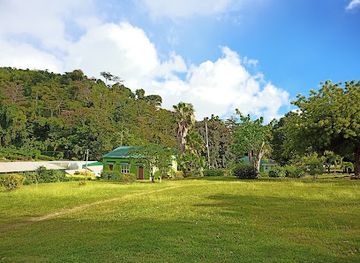
Dominica Botanic Gardens occupies about 40 acres on the southern side of Roseau, where cultivated landscapes, mature trees and tropical vegetation create a leafy introduction to the Nature Island. Established in the late nineteenth century, it is one of the Caribbean’s oldest botanical gardens and remains an important green space within Dominica’s capital. Paths lead through lawns and planted areas containing palms, flowering trees, tropical shrubs and other specimens suited to the island’s humid climate, while the surrounding hills provide a reminder that forested mountains begin only a short distance beyond the city.Read more about Dominica Botanic Gardens
History in the Landscape
A Starting Point for Exploring Roseau
When is the best time to visit Dominica Botanic Gardens?
Best: January–March · 28°C| Month | High (°C) | Rainfall (mm) |
|---|---|---|
| January (best) | 28 | 150 |
| February (best) | 28 | 150 |
| March (best) | 28 | 150 |
| April | 28 | 200 |
| May | 28 | 250 |
| June | 29 | 250 |
| July | 29 | 250 |
| August | 29 | 250 |
| September | 29 | 250 |
| October | 29 | 250 |
| November | 28 | 200 |
| December | 28 | 150 |
Getting to and around Dominica Botanic Gardens
How to get there
Transportation
Best landmarks in Dominica Botanic Gardens
The defining landmark of Dominica Botanic Gardens is the hurricane-damaged tree that holds a bus in its branches, an unusual but powerful memorial to Hurricane David’s impact on Dominica in 1979. The garden’s mature trees and long-established plantings are landmarks in a broader botanical sense, preserving a green landscape within Roseau and reflecting the island’s tropical conditions. Its spacious grounds also form an important visual counterpoint to the built-up capital and create a transition between the city and the forested uplands beyond it. The gardens are close to Roseau’s historic and civic landmarks, including the central market and waterfront, but these should be understood as neighbouring city features rather than structures within the botanical site. Their significance lies in the combination of horticultural heritage, urban greenery and visible environmental history.
-
Botanical garden
Dominica Botanical Gardens
Explore a lush tropical paradise in the heart of Roseau, Dominica, with diverse flora, iconic trees, and a rich history at the Botanical Gardens.
-
American
Botanical Gardens Gazebo
Find serenity amidst tropical flora at the Botanical Gardens Gazebo in Roseau, a historic and beautiful escape into nature.
-
Tourist attraction
Morne Bruce Viewpoint
Discover panoramic views and colonial history atop Morne Bruce in Roseau, Dominica, offering a unique blend of natural beauty and historical significance.
-
Hiking area
Jack's Walk Trail
Hike Jack's Walk in Roseau for panoramic views & a touch of Dominica's history. A short, scenic trail to Morne Bruce awaits!


Explore Dominica Botanic Gardens on the map
Plan your trip on one map. See where the top attractions, landmarks, restaurants and hotels are, and book hotels and experiences in a few clicks.
Best hotels in Dominica Botanic Gardens
Best restaurants in Dominica Botanic Gardens
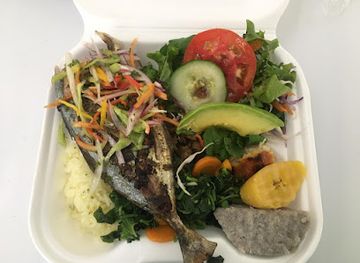
The Botanic Gardens do not constitute a restaurant district, so dining is concentrated in Roseau and its surrounding streets rather than inside the grounds. Visitors can find local cooking in small restaurants, cafés, takeaway counters and market stalls, with Dominican food shaped by Creole traditions, tropical agriculture and the island’s Caribbean setting. Dishes may feature provisions such as plantain, dasheen and breadfruit, alongside rice, vegetables, chicken and locally available fish; menus vary by establishment and season. Roseau Market is particularly relevant for understanding the island’s produce, although market food and opening patterns can change. Hotels and guesthouses may also provide meals, while visitors travelling beyond the capital will find dining options more dispersed. Carrying water and a snack is sensible when the gardens are one stop within a longer island itinerary.
-
American
Botanical Gardens Gazebo
Discover tranquility at Botanical Gardens Gazebo in Roseau—a lush paradise filled with tropical flora and rich history.
-
Restaurant
Pearl's Cuisine
Discover authentic Caribbean flavors at Pearl's Cuisine in Roseau - a culinary gem blending tradition with contemporary flair.
-
Restaurant
Kallaloo House
Discover authentic Dominican cuisine at Kallaloo House in Roseau - where every dish tells a story.

Best bars in Dominica Botanic Gardens
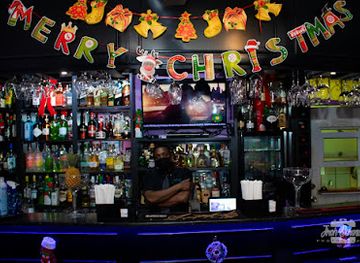
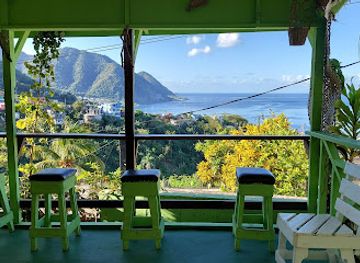
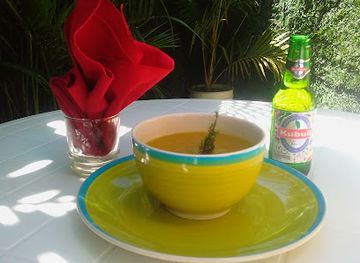
Evening entertainment associated with Dominica Botanic Gardens is found in Roseau rather than within the garden grounds, which are primarily a daytime attraction. The capital offers a modest selection of rum shops, bars, hotel lounges and casual places where visitors can hear Caribbean music, meet residents or enjoy a drink after exploring the city. Roseau’s evening atmosphere is generally social and unhurried rather than centred on a large nightclub district, and activity can vary according to the day, season and local events calendar. Traditional music, community celebrations and cultural performances may provide more distinctive entertainment than commercial nightlife, but availability should be checked locally. Visitors staying in guesthouses or hotels can ask hosts about current venues and events instead of assuming that every evening has scheduled entertainment.
-
American
Botanical Gardens Gazebo
Discover tranquility at the Botanical Gardens Gazebo in Roseau, where vibrant flora and serene ambiance create the perfect escape for nature lovers.
-
Restaurant
Escape Bar & Grill
Savor the vibrant culinary scene at Escape Bar & Grill, a delightful restaurant in Roseau offering local and international flavors in a welcoming atmosphere.
-
Bar
Top bar
Discover the vibrant atmosphere and exquisite drinks at Top Bar in Roseau, Dominica, a must-visit for every traveler.
-
Bar
Epic Restaurant and Bar
Discover the vibrant tastes and delightful atmosphere of Epic Restaurant and Bar, Roseau's top spot for food and drinks.
Best nightclubs in Dominica Botanic Gardens
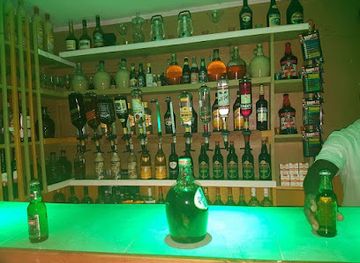
Evening entertainment associated with Dominica Botanic Gardens is found in Roseau rather than within the garden grounds, which are primarily a daytime attraction. The capital offers a modest selection of rum shops, bars, hotel lounges and casual places where visitors can hear Caribbean music, meet residents or enjoy a drink after exploring the city. Roseau’s evening atmosphere is generally social and unhurried rather than centred on a large nightclub district, and activity can vary according to the day, season and local events calendar. Traditional music, community celebrations and cultural performances may provide more distinctive entertainment than commercial nightlife, but availability should be checked locally. Visitors staying in guesthouses or hotels can ask hosts about current venues and events instead of assuming that every evening has scheduled entertainment.
-
Bar
Christoes Yard Bar
Discover the lively spirit of Roseau at Christoes Yard Bar, a local favorite for delicious cocktails and vibrant atmosphere.
-
Bar
Dead End Bar
Dive into the vibrant nightlife of Roseau at Dead End Bar, where friendly service and local flavors create unforgettable experiences.
-
Bar
Bar 52
Unwind at Bar 52 in Roseau, Dominica - a serene bar offering exquisite drinks and a cozy atmosphere for tourists seeking relaxation.
-
Night club
Truth Night Club
Discover the vibrant nightlife of Roseau at Truth Night Club, where music and culture unite for an unforgettable experience.


Best shops in Dominica Botanic Gardens
Shopping directly within Dominica Botanic Gardens is limited, so visitors normally use Roseau’s market, small shops and independent businesses for local products. Roseau Market is the most relevant place to encounter the island’s agricultural character, with produce and spices reflecting Dominica’s fertile volcanic environment and Creole food traditions. Craft sellers and small retailers in the capital may offer souvenirs, locally made items, art, clothing and practical goods, though stock and opening patterns vary. Visitors should distinguish everyday Dominican products from imported souvenirs and ask about the origin of items before buying. The gardens’ central position makes it easy to combine a plant-focused visit with shopping in Roseau, while more specialised purchases may require time in other towns or roadside communities around the island.
-
Book store
Jays Limited bookstore
Explore a world of literature and local culture at Jays Limited Bookstore in the heart of Roseau, Dominica.
-
 Clothing store
Fetish Fashion
Discover unique Caribbean fashion at Fetish Fashion in Roseau, where trendy apparel meets exceptional service.
-
Clothing store
The Kroc Shop
Explore The Kroc Shop in Roseau for a vibrant collection of Caribbean-inspired clothing and unique local designs that capture the island's essence.
-
Clothing store
Angols fashion
Explore unique local fashion at Angols Fashion in Roseau, where style meets affordability in the heart of the Dominican Republic.

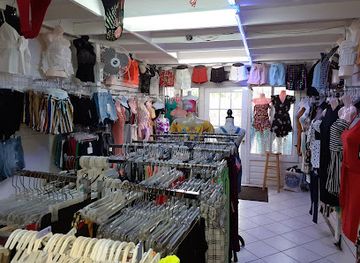
Get your free copy of our complete guide to Dominica Botanic Gardens, delivered straight to you.
Everything on this page, from attractions and restaurants to essentials and local phrases, in one PDF you can read offline, print or share.
Already have an account? Sign in
Your Dominica Botanic Gardens guide is ready.
We'll send it to · Not you? Sign out

Getting your guide ready…
We are putting together a fresh copy of the Dominica Botanic Gardens guide. This can take up to a minute.
This can take a few moments. If your browser asks, choose Allow so the download can start. You'll find the guide in your Downloads folder.
Nothing happened? Download it again
Sorry, the guide is taking longer than usual. Please try again in a minute, or get it by email instead.
Dominica Botanic Gardens essentials
Currency and Payment
Safety
Emergency Situations
Do's and Don'ts
Local Tips
From Eve
Local phrases worth knowing
You don't need to get them perfect. A few words go a long way, and locals appreciate the effort.
Basics
| English | Local | Say it |
|---|---|---|
| Hello | Bonjou | [bon-zho] |
| Goodbye | Orevwa | [o-rev-wa] |
| Yes | Wi | [wee] |
| No | Non | [non] |
| Please/You're welcome | Tanpri | [tan-pree] |
| Thank you | Mèsi | [meh-see] |
| Excuse me/Sorry | Eskize mwen | [es-kee-zay mwen] |
| How are you? | Kouman ou ye? | [koo-man oo yay] |
| Fine. And you? | Byen. E ou? | [byen. ay oo?] |
| Do you speak English? | Èske ou pale angle? | [es-ke oo pah-lay an-glay] |
| I don't understand | Mwen pa konprann | [mwen pah kon-pran] |
Eating & Drinking
| English | Local | Say it |
|---|---|---|
| I'd like to see the menu, please | Mwen ta renmen wè meni an, tanpri | [mwen tah ren-men way meh-nee an, tan-pree] |
| I don't eat meat | Mwen pa manje vyann | [mwen pah manj vyan] |
| Cheers! | Santé! | [san-tay] |
| I would like to pay, please | Mwen ta renmen peye, tanpri | [mwen tah ren-men pay-yay, tan-pree] |
Emergencies
| English | Local | Say it |
|---|---|---|
| Help! | Ed | [ed] |
| Go away! | Ale lwen! | [ah-lay lwen] |
| Call the Police! | Rele lapòl! | [re-lay la-pohl] |
| Call a doctor! | Rele yon doktè! | [re-lay yohn dok-tay] |
| I'm lost | Mwen pèdi | [mwen pay-dee] |
| I'm ill | Mwen malad | [mwen mal-ad] |
Shopping
| English | Local | Say it |
|---|---|---|
| I'd like to buy... | Mwen ta renmen achte... | [mwen tah ren-men ashtay] |
| I'm just looking | Mwen jis gade | [mwen zhee gah-day] |
| How much is it? | Konbyen sa koute? | [kon-byen sah koot] |
| That's too expensive | Sa tro chè | [sah troh cheh] |
| Can you lower the price? | Èske ou ka ba pri la? | [es-ke oo ka ba pree lah] |
Time & Numbers
| English | Local | Say it |
|---|---|---|
| What time is it? | Ki lè li ye? | [kee lay lee yay] |
| It's one o'clock | Li senk zè | [lee sank zay] |
| Half past (10) | Demi (disè) | [deh-mee dee-zay] |
| Morning | Mati | [mah-tee] |
| Afternoon | Apremidi | [ap-ray-mee-dee] |
| Evening | Aswè | [ah-sway] |
| Yesterday | Yè | [yay] |
| Today | Jodi a | [joh-dee ah] |
| Tomorrow | Demen | [deh-men] |
| 1 | Yon | [yohn] |
| 2 | De | [day] |
| 3 | Twaz | [twaz] |
| 4 | Kat | [kaht] |
| 5 | Senk | [sank] |
| 6 | Sis | [sees] |
| 7 | Sèt | [set] |
| 8 | Wit | [weet] |
| 9 | Nèf | [nef] |
| 10 | Disè | [dee-zay] |
Transport & Directions
| English | Local | Say it |
|---|---|---|
| Where's a/the...? | Kote...? | [koh-tay] |
| What's the address? | Ki adwès la? | [kee ad-way la] |
| Can you show me (on the map)? | Èske ou ka montre mwen (sou kat)? | [es-ke oo ka mon-tray mwen (soo kaht)] |
| When's the next (bus)? | Ki lè pwochen (bis la)? | [kee lay pwosh-en (bees la)] |
| A ticket (to ....) | Yon tikè (pou ....) | [yohn tee-kay (poo)] |
History of Dominica Botanic Gardens
A Colonial Botanic Foundation
Dominica Botanic Gardens was established in 1891 during the period when botanical gardens across the Caribbean served practical as well as ornamental purposes. Plants of agricultural, medicinal and horticultural interest were collected, cultivated and assessed in environments shaped by plantation agriculture and imperial trade. The Roseau site gave the garden a close relationship with the capital, making it both a public landscape and a place where tropical plant knowledge could be developed. Its long history distinguishes it from a recently created urban park and explains the presence of mature trees and established plantings within the city.
Plants, Agriculture and Island Knowledge
During the twentieth century, the gardens continued to reflect Dominica’s agricultural identity and its exceptionally varied tropical environment. Botanical collections and cultivated specimens helped illustrate the possibilities of growing plants in the island’s fertile volcanic soils, while the garden’s public role connected residents and visitors with the plant world beyond Roseau. Dominica’s economy and food culture have long depended on crops including bananas, citrus, root vegetables and other tropical produce, although the gardens should not be understood simply as a working farm. Their importance lies in preserving plant heritage and maintaining an accessible green institution in the capital.
Hurricane David and a Changed Landscape
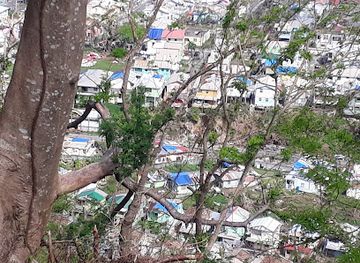
Hurricane David struck Dominica in August 1979 with destructive winds that severely affected settlements, agriculture, forests and public landscapes. The Botanic Gardens suffered extensive damage, but one fallen tree became an enduring symbol of the storm after it trapped a bus in its branches. The vehicle and tree remain associated with the gardens’ history, offering a direct and memorable illustration of how a major hurricane can transform even a carefully cultivated landscape. Recovery and regrowth also demonstrated the resilience of Dominica’s vegetation and the continuing value of the gardens as a living record of change.
A Living Green Space in Modern Roseau
In the contemporary city, the gardens serve as a public botanical landscape, a recreational setting and a base for appreciating Dominica’s natural identity before travelling into the interior. Their mature vegetation contributes to Roseau’s green character, while the site’s history links colonial botany, agriculture, severe weather and environmental awareness. The gardens are not a substitute for Dominica’s mountain rainforest, but they provide a more accessible setting in which visitors can encounter tropical plants and consider the island’s wider ecological heritage. Their continuing presence within the capital makes conservation and public access part of the attraction’s modern significance.
Dominica Botanic Gardens in Photos
Browse through our photo collection highlighting the charm and character of the destination.
Neighbouring destination travel guides
The closest destinations to Dominica Botanic Gardens, if you have time for more than one.
-

-
-

-

-


Swipe for more destinations
Explore more

Explore more of Saint George
Saint George, Dominica, combines Roseau’s history and markets with rainforest valleys, Trafalgar Falls and mountain trails into the island’s interior.
Explore Saint George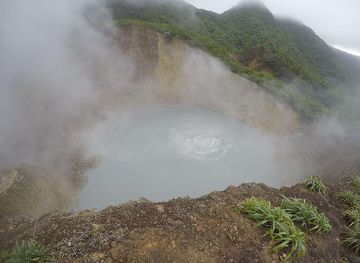
Explore more of Dominica
Discover Dominica: The Caribbean's Nature Island, where lush rainforests, volcanic landscapes, and vibrant culture await eco-tourists and adventure seekers.
Explore Dominica