

Free La Plaine Travel Guide & Mobile App
Plan your La Plaine trip with Evendo. Get free guides to top attractions, restaurants, hotels, and bars. Web access or download the mobile app.


La Plaine, Dominica, offers rainforest walks, Sari Sari Falls, rural village life and Atlantic landscapes in one of the island’s wildest corners.
Village Beneath the Rainforest
La Plaine lies on Dominica’s rugged south-eastern coast, within Saint Patrick Parish, where steep forested slopes descend towards the Atlantic and the La Plaine River. It is a small, agricultural settlement rather than a conventional resort town, with a main road, local shops, churches and houses scattered between gardens and hillsides. The village provides a useful base for exploring one of the island’s wetter and more secluded landscapes, where rivers, ravines and rainforest trails shape everyday life.Read more about La Plaine
Rivers, Farms and Waterfalls
A Quiet Corner of Dominica
When is the best time to visit La Plaine?
Best: January–March · 29°C| Month | High (°C) | Rainfall (mm) |
|---|---|---|
| January (best) | 29 | 150 |
| February (best) | 29 | 150 |
| March (best) | 29 | 150 |
| April | 30 | 150 |
| May | 30 | 150 |
| June | 30 | 150 |
| July | 30 | 150 |
| August | 30 | 150 |
| September | 30 | 150 |
| October | 30 | 150 |
| November | 30 | 150 |
| December | 29 | 150 |
Getting to and around La Plaine
How to get there
Transportation
Best attractions in La Plaine
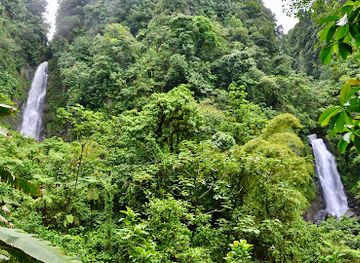
La Plaine’s attractions are primarily natural and rural rather than urban. The best-known excursion is the trail to Sari Sari Falls, where a forest route and river crossings lead to a powerful waterfall enclosed by steep vegetation; conditions can be demanding, so local guidance is sensible. The La Plaine River and surrounding valleys reveal the scale of Dominica’s rainfall and provide opportunities for quiet landscape viewing away from the island’s busier centres. The village itself offers a glimpse of everyday south-eastern life, with small farms, churches, roadside stalls and homes spread along the road. Nearby Rosalie adds access to the Atlantic coast and rural scenery, while the wider Saint Patrick area contains further rainforest and volcanic landscapes. These experiences are best approached as weather-dependent outdoor visits, not as formal attractions with extensive visitor infrastructure. There are few conventional museums, galleries or entertainment facilities in La Plaine, making its appeal closely tied to walking, scenery and community life.
-
Botanical garden
Dominica Botanical Gardens
Explore the lush beauty of the Dominica Botanical Gardens, a paradise for plant lovers and a serene escape in the heart of Roseau.
35 min drive · 15 km from city centre
-
Tourist attraction
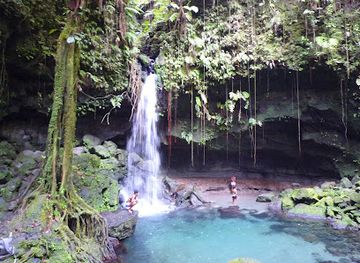
Emerald Pool
Explore the breathtaking Emerald Pool Trail in Dominica, where lush rainforests meet crystal-clear waters for an unforgettable tropical experience.
30 min drive · 10 km from city centre
-
Tourist attraction
Trafalgar Falls
Experience the breathtaking beauty of Trafalgar Falls, a stunning natural attraction in Dominica, surrounded by lush rainforest and vibrant wildlife.
28 min drive · 9.2 km from city centre
-
Tourist attraction
Titou Gorge
Explore the pristine beauty of Titou Gorge in Dominica, a natural wonder where adventure and tranquility meet in the heart of the Caribbean.
25 min drive · 8.2 km from city centre


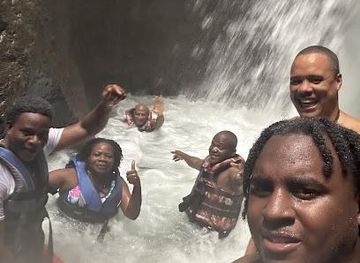
Best landmarks in La Plaine
La Plaine’s landmarks are mainly community buildings and natural features that express the character of Dominica’s south-east. The village’s Catholic church, including St Luke’s Church, reflects the enduring importance of parish life and Catholic practice in a region shaped by French and British colonial history. The La Plaine River is another defining local feature, linking settlement, farming and forest while feeding the dramatic waterways of the surrounding valleys. Sari Sari Falls, reached from the La Plaine area, has become a recognised natural landmark through its secluded setting and powerful cascade, although it is not a constructed monument and access is weather-dependent. Nearby Rosalie provides a coastal point of reference where mountain roads meet the Atlantic. The area’s scattered houses, small farms and churches are less monumental than Dominica’s colonial buildings in Roseau, but together they represent the island’s rural settlement pattern and continuing relationship with forest and water.
-
Botanical garden
Dominica Botanical Gardens
Explore a lush sanctuary in Dominica's capital, where history and nature intertwine amidst vibrant flora and iconic landmarks.
35 min drive · 15 km from city centre
-
Tourist attraction
Emerald Pool
Discover Dominica's Emerald Pool: A mesmerizing waterfall and emerald-green pool nestled in a lush rainforest paradise within Morne Trois Pitons National Park.
30 min drive · 10 km from city centre
-
Tourist attraction
Trafalgar Falls
Experience the breathtaking beauty of Dominica's Trafalgar Falls, where twin waterfalls, lush rainforest, and geothermal hot springs await your discovery.
28 min drive · 9.2 km from city centre
-
Tourist attraction
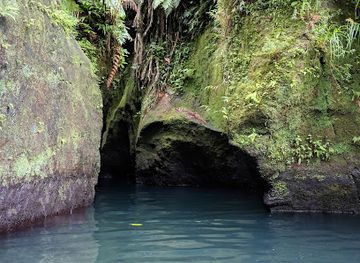
Titou Gorge
Swim through a volcanic gorge to a hidden waterfall in Dominica's stunning Morne Trois Pitons National Park. A Caribbean adventure like no other.
25 min drive · 8.2 km from city centre

Explore La Plaine on the map
Plan your La Plaine trip on one map. See where the top attractions, landmarks, restaurants, bars and hotels are, find what's near where you're staying, and book hotels and experiences in a few clicks.
Best hotels in La Plaine
Best restaurants in La Plaine
Dining in La Plaine is modest and local in character, centred on small eateries, village shops, home-style cooking and occasional roadside stalls rather than a large restaurant district. Dominican meals commonly draw on provisions such as plantain, dasheen, yam and breadfruit, alongside rice, vegetables, chicken, fish and other locally available ingredients. Fresh fruit, coconut and seasonal produce reflect the surrounding farms, while the island’s Creole and African-Caribbean heritage influences seasoning and preparation. Visitors may encounter hearty soups, stewed dishes and fried or baked snacks, although menus and opening patterns can be informal. It is sensible to arrange meals through accommodation hosts when planning a full day on the trails, as food choices are more limited than in Roseau. Rosalie and other settlements along the south-eastern road provide additional possibilities, but availability varies, so carrying water and simple provisions is practical.
-
Restaurant
Lacou Melrose House
Experience Dominica's rich culinary heritage at Lacou Melrose House in Roseau—where local flavors meet exquisite dining.
35 min drive · 15 km from city centre
-
Restaurant
Escape Bar & Grill
Discover authentic Dominican flavors at Escape Bar & Grill in Roseau - where great food meets vibrant atmosphere.
35 min drive · 15 km from city centre
-
Restaurant
One Pot Bar and Restaurant
Experience vibrant Caribbean flavors at One Pot Bar and Restaurant in Roseau—where delicious cuisine meets lively entertainment.
35 min drive · 15 km from city centre
-
Restaurant
Old Stone Grill And Bar
Experience authentic Caribbean flavors at Old Stone Grill And Bar in Roseau – where every meal tells a story.
35 min drive · 15 km from city centre


Best bars in La Plaine
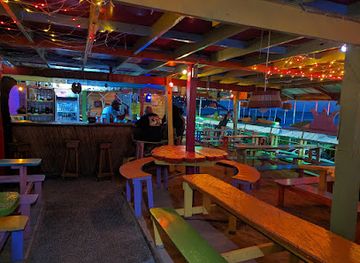
La Plaine has little of the club-based nightlife associated with larger Caribbean resorts. Evenings are generally quiet, with social life centred on homes, community gatherings, small local bars and conversation rather than late-night entertainment. Music may form part of village occasions and national celebrations, reflecting Dominica’s wider traditions of calypso, soca, reggae and bouyon, but scheduled performances should not be assumed. There are no substantial nightlife districts, rooftop-bar scenes or concentration of nightclubs in the settlement. Travellers staying locally are more likely to spend the evening dining, listening to the sounds of rural life or enjoying the dark, forested surroundings. Roads are poorly suited to casual late-night walking, and transport options become limited after dark, so evening plans need to remain close to accommodation or be arranged with a trusted driver.
-
Bar
Hi Rise Beach Bar
Experience the vibrant atmosphere of Hi Rise Beach Bar, where Caribbean flavors and scenic views meet in the heart of Roseau.
36 min drive · 16 km from city centre
-
Bar
Garage Bar
Unwind at Garage Bar in Roseau - a budget-friendly hotspot for drinks, local vibe, and unforgettable nights.
35 min drive · 15 km from city centre
-
Bar
River Rock Cafe and Bar
Discover the vibrant River Rock Cafe and Bar in Trafalgar, where Caribbean charm meets a lively atmosphere for an unforgettable experience.
30 min drive · 9.9 km from city centre
-
Bar
Epic Restaurant and Bar
Discover a culinary paradise at Epic Restaurant and Bar in Roseau, where local flavors and vibrant atmosphere create unforgettable dining experiences.
35 min drive · 15 km from city centre

Best nightclubs in La Plaine
La Plaine has little of the club-based nightlife associated with larger Caribbean resorts. Evenings are generally quiet, with social life centred on homes, community gatherings, small local bars and conversation rather than late-night entertainment. Music may form part of village occasions and national celebrations, reflecting Dominica’s wider traditions of calypso, soca, reggae and bouyon, but scheduled performances should not be assumed. There are no substantial nightlife districts, rooftop-bar scenes or concentration of nightclubs in the settlement. Travellers staying locally are more likely to spend the evening dining, listening to the sounds of rural life or enjoying the dark, forested surroundings. Roads are poorly suited to casual late-night walking, and transport options become limited after dark, so evening plans need to remain close to accommodation or be arranged with a trusted driver.
-
Bar
JRs Bar
Discover JRs Bar in Roseau, a lively nightlife hotspot perfect for enjoying cocktails, music, and a vibrant atmosphere in the heart of the Caribbean.
35 min drive · 15 km from city centre
-
Bar
De After 4 Lounge
Discover the vibrant nightlife of Roseau at De After 4 Lounge, a welcoming bar offering great drinks and a lively atmosphere for all.
35 min drive · 15 km from city centre
-
Dance club
NSE Night Club
Experience the vibrant nightlife at NSE Night Club in Anse De Mai, where music and dance create unforgettable memories.
53 min drive · 33 km from city centre
-
Night club
Club Access Bar & Grill
Discover the electrifying nightlife at Club Access Bar & Grill in San Sauveur, where exquisite dining meets an energetic nightclub atmosphere.
27 min drive · 8.9 km from city centre


Best shops in La Plaine
Shopping in La Plaine is practical and small-scale, with village shops, roadside sellers and occasional opportunities to buy fruit, vegetables, plantains, coconuts and other produce from nearby farms. The experience is closer to everyday provisioning than to a dedicated tourist market. Visitors may also find locally made food products or simple craft items through community contacts, although selection varies and there is no major shopping quarter or large artisan centre in the settlement. Dominica’s wider craft traditions include basketry, woodwork, woven goods and products made from local materials, but specialist browsing is more reliable in larger towns and established visitor markets elsewhere on the island. Cash in Eastern Caribbean dollars is useful for informal purchases. Ask before handling or photographing goods, and remember that seasonal produce, small-shop stock and opening patterns can change from day to day.
-
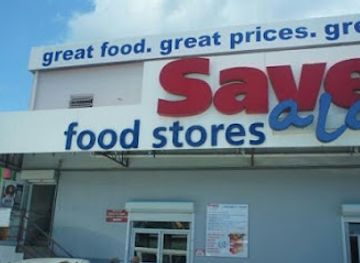
Discount supermarket
Save-A-Lot
Discover great savings on local groceries and snacks at Save-A-Lot, the premier discount supermarket in Roseau, Dominica.
35 min drive · 15 km from city centre
-
Fabric store
L.A. Dupigny & co Ltd
Explore L.A. Dupigny & Co Ltd in Roseau for a vibrant selection of local fabrics, perfect for unique souvenirs and creative projects.
35 min drive · 15 km from city centre
-
Grocery store
Majic Mart
Discover the flavors of Dominica at Majic Mart, an essential grocery store offering fresh produce and local goods in Mahaut.
37 min drive · 17 km from city centre
-
Women's clothing store
Dazzle Me
Discover unique women's fashion at Dazzle Me in Roseau, where local culture meets vibrant style in a charming boutique setting.
34 min drive · 14 km from city centre



Get your free copy of our complete guide to La Plaine, delivered straight to you.
Everything on this page, from attractions and restaurants to essentials and local phrases, in one PDF you can read offline, print or share.
Already have an account? Sign in
Your La Plaine guide is ready.
We'll send it to · Not you? Sign out

Getting your guide ready…
We are putting together a fresh copy of the La Plaine guide. This can take up to a minute.
This can take a few moments. If your browser asks, choose Allow so the download can start. You'll find the guide in your Downloads folder.
Nothing happened? Download it again
Sorry, the guide is taking longer than usual. Please try again in a minute, or get it by email instead.
La Plaine essentials
Currency and Payment
Safety
Emergency Situations
Do's and Don'ts
Local Tips
From Eve
Local phrases worth knowing
You don't need to get them perfect. A few words go a long way, and locals appreciate the effort.
Basics
| English | Local | Say it |
|---|---|---|
| Hello | Bonjou | [bon-joo] |
| Goodbye | Orevwa | [o-rev-wa] |
| Yes | Wi | [wee] |
| No | Non | [non] |
| Please/You're welcome | Tanpri | [tan-pree] |
| Thank you | Mèsi | [meh-see] |
| Excuse me/Sorry | Eskize mwen | [es-keez-ay mwenn] |
| How are you? | Kouman ou ye? | [koo-mahn oo yay] |
| Fine. And you? | Byen. E ou? | [byen. ay oo] |
| Do you speak English? | Eske ou pale angle? | [es-kay oo pah-lay an-glay] |
| I don't understand | Mwen pa konprann | [mwenn pa kohn-prann] |
Eating & Drinking
| English | Local | Say it |
|---|---|---|
| I'd like to see the menu, please | Mwen ta renmen wè meni an, tanpri | [mwenn tah ren-men way meh-nee an, tan-pree] |
| I don't eat meat | Mwen pa manje kawòn | [mwenn pa mahn-jay ka-wohn] |
| Cheers! | Santé! | [san-tay] |
| I would like to pay, please | Mwen ta renmen peye, tanpri | [mwenn tah ren-men pay-yay, tan-pree] |
Emergencies
| English | Local | Say it |
|---|---|---|
| Help! | Ed! | [ed] |
| Go away! | Ale! | [ah-lay] |
| Call the Police! | Rele lapòl! | [ray-lay lah-pohl] |
| Call a doctor! | Rele yon doktè! | [ray-lay yohn dohk-tay] |
| I'm lost | Mwen pedi | [mwenn pay-dee] |
| I'm ill | Mwen malad | [mwenn mah-lahd] |
Shopping
| English | Local | Say it |
|---|---|---|
| I'd like to buy... | Mwen ta renmen achte... | [mwenn tah ren-men ahsh-tay] |
| I'm just looking | Mwen jis gade | [mwenn zjee gah-day] |
| How much is it? | Konbyen sa koute? | [kohn-byen sah koo-tay] |
| That's too expensive | Sa tro chè | [sah troh chay] |
| Can you lower the price? | Ou ka ba pri la? | [oo ka bah pree lah] |
Time & Numbers
| English | Local | Say it |
|---|---|---|
| What time is it? | Ki lè li ye? | [kee lay lee yay] |
| It's one o'clock | Li enpil | [lee en-peel] |
| Half past (10) | Demi disè | [deh-mee dee-say] |
| Morning | Maten | [mah-ten] |
| Afternoon | Apremidi | [ah-pray-mee-dee] |
| Evening | Swè | [sway] |
| Yesterday | Yè | [yay] |
| Today | Jodi a | [joh-dee ah] |
| Tomorrow | Demen | [deh-men] |
| 1 | Yon | [yohn] |
| 2 | De | [day] |
| 3 | Twaz | [twaz] |
| 4 | Kat | [kaht] |
| 5 | Senk | [sank] |
| 6 | Sis | [sees] |
| 7 | Sèt | [set] |
| 8 | Wit | [weet] |
| 9 | Nèf | [nef] |
| 10 | Dis | [dee] |
Transport & Directions
| English | Local | Say it |
|---|---|---|
| Where's a/the...? | Ki kote gen yon/la...? | [kee koh-tay zhayn yohn/lah] |
| What's the address? | Ki adres la? | [kee ah-dress lah] |
| Can you show me (on the map)? | Ou ka montre mwen (sou kat)? | [oo ka mohn-tray mwenn (soo kaht)] |
| When's the next (bus)? | Ki lè pwochen (bis la)? | [kee lay pwosh-en (bees lah)] |
| A ticket (to ....) | Yon tikè (pou ....) | [yohn tee-kay (poo)] |
History of La Plaine
Kalinago Heritage and First Communities
Dominica’s first inhabitants included Indigenous peoples whose descendants are represented especially strongly in the island’s Kalinago Territory to the north-east. The south-eastern valleys around present-day La Plaine formed part of a wider landscape of forests, rivers and coastal routes used before European colonisation. Kalinago knowledge of plants, waterways and cultivation remains important to understanding Dominica’s environmental and cultural history, even though La Plaine itself is not within the modern Kalinago Territory. European accounts and later colonial settlement transformed these established relationships with the land.
French and British Colonial Rivalry
Dominica became a contested Caribbean possession during the colonial period, with French and British influence shaping settlement, administration and agriculture. Britain secured control of the island in the eighteenth century, although French cultural and linguistic influence endured in place names, Catholic traditions and forms of speech. The mountainous interior made large-scale plantation development more difficult than on some neighbouring islands, but the coastal valleys and river plains were nevertheless drawn into colonial agricultural systems. La Plaine’s later identity grew from this combination of rural settlement, tropical cultivation and transport links between the coast and interior.
Plantations, Enslavement and Emancipation
Colonial agriculture depended heavily on the forced labour of enslaved Africans, whose work and resistance shaped Dominica’s economy and communities. Enslavement was abolished in the British Empire in stages, with emancipation taking effect in Dominica in 1834 and the apprenticeship system ending in 1838. The post-emancipation countryside developed through small farming as well as estate production, helping create the dispersed rural communities that characterise much of Dominica today. African cultural traditions, Catholic practice, agricultural knowledge and extended family networks remain central to the island’s social identity.
Rural Agriculture and Village Development
During the nineteenth and twentieth centuries, roads, coastal shipping and local commerce connected south-eastern settlements more closely with the rest of Dominica. Small farmers cultivated provisions such as plantains, bananas, yams, dasheen and fruit, while commercial agriculture periodically shifted towards export crops. La Plaine developed as a service and community centre for surrounding farms and valleys, with churches, schools and shops supporting daily life. Its modern appearance reflects gradual rural development rather than a single planned foundation, and the landscape still reveals the relationship between cultivation, steep terrain and heavy rainfall.
Independence and Environmental Awareness
Dominica became an independent state in 1978, and national identity increasingly incorporated both African-Caribbean heritage and the protection of the island’s forests and watersheds. The Morne Trois Pitons National Park, established in 1975 and later recognised by UNESCO, helped place Dominica’s volcanic and rainforest environments within a broader conservation framework, although the park is not located in La Plaine village itself. Communities in the south-east have continued to balance farming, road access and nature-based tourism, with waterfalls and river trails becoming important visitor attractions.
Hurricane Maria and Community Recovery
Hurricane Maria struck Dominica in September 2017 as a Category 5 storm, causing extensive damage to homes, farms, forests, roads and communications across the island. La Plaine and neighbouring communities were affected both by the force of the hurricane and by the disruption of transport and agricultural livelihoods. Recovery involved local residents, the Dominican state and international assistance, while damaged vegetation gradually regenerated. The event remains part of contemporary local memory and explains why visitors should respect weather warnings, changing trail conditions and the practical limits of rural infrastructure.
La Plaine in Photos
Browse through our photo collection highlighting the charm and character of the destination.
Cities near La Plaine
The closest cities to La Plaine, if you have time for more than one stop.
-

-
-
-


Swipe for more cities
Explore more
Explore more of Dominica
Discover Dominica: The Caribbean's Nature Island, where lush rainforests, volcanic landscapes, and vibrant culture await eco-tourists and adventure seekers.
Explore Dominica