

Free Mahaut Travel Guide & Mobile App
Plan your Mahaut trip with Evendo. Get free guides to top attractions, restaurants, hotels, and bars. Web access or download the mobile app.


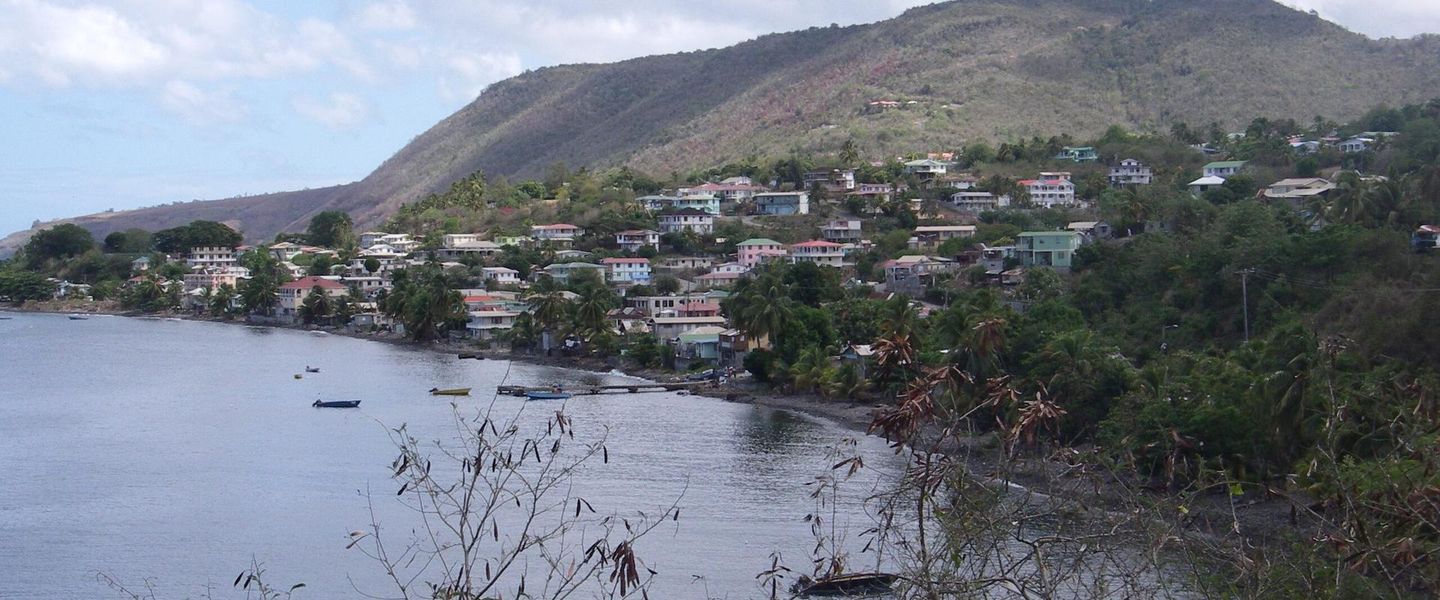


Mahaut, Dominica offers a quiet Caribbean village base near Roseau, with river scenery, local life, coastal views and access to rainforest adventures.
West Coast Setting
Mahaut is a small coastal settlement in Saint Paul Parish on Dominica’s west coast, positioned between the island’s capital, Roseau, and the villages leading towards the north-west. Its character is largely residential and local rather than resort-oriented, offering a more grounded introduction to Dominican life. The Mahaut River reaches the Caribbean Sea here, while steep, forested slopes rise inland towards the island’s mountainous interior. The setting combines a narrow coastal strip, tropical vegetation and views across the calm western waters.Read more about Mahaut
Village Life and Island Connections
Gateway to Dominica’s Landscapes
When is the best time to visit Mahaut?
Best: January–March · 30–31°C| Month | High (°C) | Rainfall (mm) |
|---|---|---|
| January (best) | 30 | 152 |
| February (best) | 30 | 110 |
| March (best) | 31 | 112 |
| April | 31 | 156 |
| May | 31 | 291 |
| June | 31 | 378 |
| July | 31 | 326 |
| August | 31 | 307 |
| September | 31 | 316 |
| October | 31 | 357 |
| November | 31 | 328 |
| December | 31 | 225 |
Getting to and around Mahaut
How to get there
Transportation
Best attractions in Mahaut
Mahaut’s attractions are modest and closely connected to its landscape and community life. The Mahaut River is the village’s defining natural feature, reaching the Caribbean coast and illustrating the short transition from rainforest-fed uplands to the sea. The shoreline offers changing views of Dominica’s western waters, though it is not a developed resort waterfront and conditions should be checked locally before swimming. Small local shops, roadside stalls and community spaces provide a glimpse of everyday Dominican life rather than a formal tourist quarter. Mahaut also works well as a base for visiting Roseau’s museums, botanical gardens and market, or for arranging guided journeys towards waterfalls, freshwater pools and rainforest in the island’s interior. Canefield Airport, near the village, is primarily a transport facility rather than a visitor attraction, but its position helps explain Mahaut’s role along the settled west-coast corridor. The experience here is rural, relaxed and rooted in place.
-
Tour agency
Extreme Dominica - Canyon Experience
Discover the thrill of canyoning and outdoor adventures at Extreme Dominica, where breathtaking nature meets unforgettable experiences.
19 min drive · 6.3 km from city centre
-
Tourist attraction
Middleham Falls
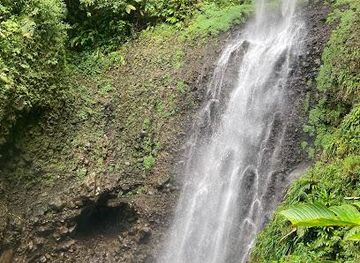
Explore Middleham Falls, Dominica's breathtaking waterfall surrounded by lush rainforest and vibrant wildlife, an essential stop for nature lovers and adventurers.
19 min drive · 6.3 km from city centre
-
Historical place museum
The Old Mill Cultural Centre
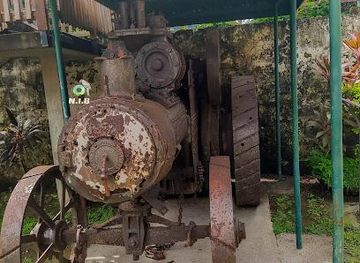
Explore Dominica's heritage at The Old Mill Cultural Centre, a captivating historical museum showcasing the island's rich culture and traditions.
10 min drive · 3.4 km from city centre
-
Memorial park
Edward Oliver Le Blanc Memorial Park
Discover the serene beauty and cultural significance of Edward Oliver Le Blanc Memorial Park in Mahaut, a peaceful retreat in Dominica's lush landscape.
7 min walk · 0.6 km from city centre

Best landmarks in Mahaut
Mahaut’s principal landmarks are modest features of a lived-in village rather than grand monuments. The Mahaut River is the settlement’s most distinctive physical reference point, linking the community to the island’s volcanic drainage system and the Caribbean coast. The coastal road and its bridges express Mahaut’s role in the west-coast transport corridor, connecting residential areas with Roseau, Canefield and neighbouring parishes. Local churches and community buildings also carry significance as places where generations have gathered for worship, education and public life, although they are working institutions rather than museum sites. The village’s low-rise homes, small businesses and roadside activity represent the architectural character of rural Dominica more accurately than monumental colonial design. For major historic landmarks, visitors generally travel to Roseau, where the Old Market, the Botanical Gardens and surviving colonial-era buildings provide a more substantial architectural record of the island’s capital.
-
Tour agency
Extreme Dominica - Canyon Experience
Discover Dominica's hidden canyons: rappel down waterfalls, swim in pristine pools, and explore the island's untouched rainforest with expert guides.
19 min drive · 6.3 km from city centre
-
Tourist attraction
Middleham Falls Dominica
Hike through lush rainforest to Dominica's tallest waterfall, a breathtaking natural wonder in Morne Trois Pitons National Park.
19 min drive · 6.3 km from city centre
-
Nature preserve
Salton Waterfalls
Discover Dominica's hidden gem: Salton Waterfalls, a serene rainforest escape with cascading waters and a refreshing natural pool.
14 min drive · 4.8 km from city centre


Explore Mahaut on the map
Plan your Mahaut trip on one map. See where the top attractions, landmarks, restaurants, bars and hotels are, find what's near where you're staying, and book hotels and experiences in a few clicks.
Best hotels in Mahaut
Best restaurants in Mahaut
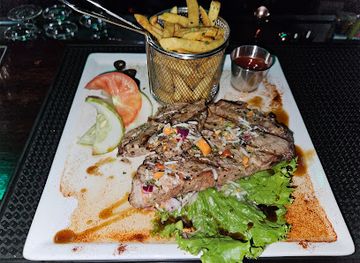
Mahaut’s dining scene is small and local, centred on family-run cookshops, roadside food sellers and informal establishments rather than a concentration of destination restaurants. Dominican cooking commonly brings together rice and peas, provisions such as plantain and dasheen, vegetables, stewed meats and freshly caught fish, with pepper sauces and seasonal produce adding depth. Callaloo soup and mountain chicken, traditionally prepared from frog legs, are associated with Dominican cuisine, although availability varies and mountain chicken is protected from harvest in some circumstances. Along the west coast, meals may reflect both agricultural produce from inland communities and seafood from the Caribbean. Roseau offers a broader choice of restaurants, cafés, bakeries and market food within easy reach by road. Visitors staying in Mahaut should ask hosts about current opening times, local cookshops and whether a small business accepts cards, as services are often informal and change with the day.
-
Restaurant
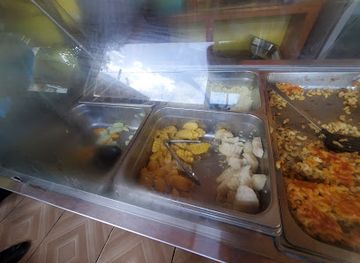
Zeb Zepis Bistro
Discover exquisite French cuisine at Zeb Zepis Bistro near Emerald Pool—an unforgettable dining experience amidst natural beauty.
20 min drive · 6.8 km from city centre
-
Restaurant
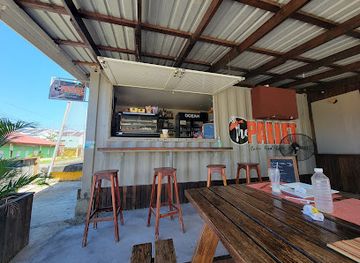
The Pallet
Experience authentic Caribbean cuisine at The Pallet in Roseau - where every dish celebrates local flavors and hospitality.
19 min drive · 6.4 km from city centre
-
Restaurant
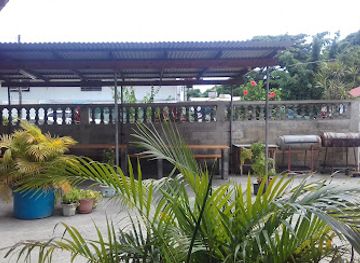
Rhona's Barbecue
Discover authentic Caribbean barbecue at Rhona's Barbecue in Canefield—where flavor meets culture in every delicious bite.
9 min drive · 3.2 km from city centre
-
Restaurant
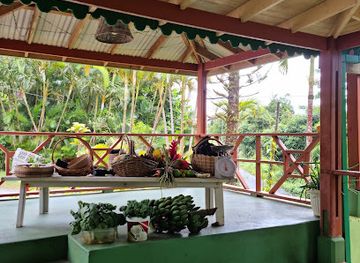
Road House, Restaurant & Bar
Experience authentic Dominican cuisine at Road House, Restaurant & Bar – where every meal tells a story of flavor and hospitality.
2 min walk · 0.2 km from city centre
Best bars in Mahaut
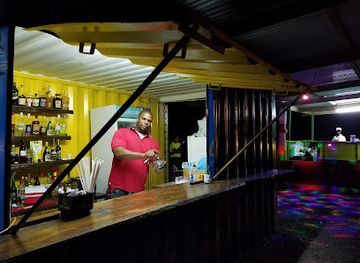
Mahaut has limited nightlife and is better suited to quiet evenings, informal socialising and drinks with local residents than to clubbing. Small bars and rum shops may provide a relaxed setting where conversation, music and sport are more important than elaborate cocktails, but opening patterns and atmosphere vary by day. There is no large, clearly defined entertainment quarter in the village. Roseau, a short journey south, offers the island’s widest range of evening options, including casual bars, restaurants, live music and cultural events when scheduled. Dominica’s nightlife is generally less concentrated than that of larger Caribbean resort islands, and evening travel between villages requires planning because public transport becomes less frequent. Respect local norms, keep noise moderate near homes and use a taxi if returning after dark.
-
 Bar
BarShorties Bar
Experience the lively atmosphere and local flavors at Shorties Bar, the perfect spot for a fun night out in Cochrane.
14 min drive · 4.5 km from city centre
-
Restaurant
Road House, Restaurant & Bar
Experience the vibrant flavors of local cuisine at Road House, Restaurant & Bar in Mahaut, a must-visit culinary gem for every traveler.
2 min walk · 0.2 km from city centre
-
Grill
Five star bar and grill
Discover the vibrant flavors of Mahaut at the Five Star Bar and Grill, where grilled delicacies and a lively atmosphere come together for an unforgettable dining experience.
12 min walk · 0.9 km from city centre
-
Grill
Old Skool Bar And Grill
Dive into the heart of Caribbean flavors at Old Skool Bar And Grill in Massacre, where every meal is a celebration of culinary delight.
6 min drive · 2.0 km from city centre

Best nightclubs in Mahaut
Mahaut has limited nightlife and is better suited to quiet evenings, informal socialising and drinks with local residents than to clubbing. Small bars and rum shops may provide a relaxed setting where conversation, music and sport are more important than elaborate cocktails, but opening patterns and atmosphere vary by day. There is no large, clearly defined entertainment quarter in the village. Roseau, a short journey south, offers the island’s widest range of evening options, including casual bars, restaurants, live music and cultural events when scheduled. Dominica’s nightlife is generally less concentrated than that of larger Caribbean resort islands, and evening travel between villages requires planning because public transport becomes less frequent. Respect local norms, keep noise moderate near homes and use a taxi if returning after dark.
-
Night club
PaperChaser's Night Club
Discover the bustling nightlife of Roseau at PaperChaser's Night Club, where the rhythms of the Caribbean come alive in a vibrant atmosphere.
19 min drive · 6.3 km from city centre
-
Disco club
Tu
Dive into the electrifying nightlife of Mero at Tu Disco Club, where vibrant music and unforgettable moments await every night.
19 min drive · 6.4 km from city centre
Best shops in Mahaut
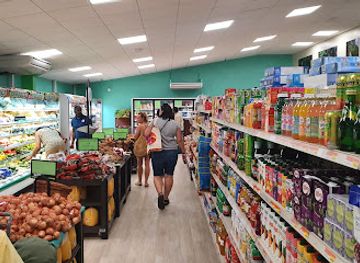
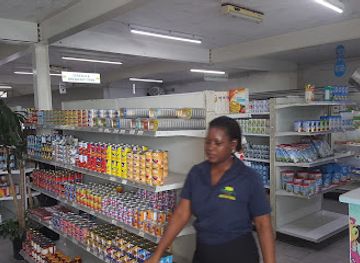
Shopping in Mahaut is practical and community-based, with small groceries, convenience shops, roadside sellers and occasional local produce rather than a large retail district. Visitors may find fruit, vegetables, root crops, snacks and everyday supplies, while a wider selection of crafts, books, clothing and market goods is available in Roseau. Dominica’s distinctive products include spices, cocoa, herbal preparations, preserved foods and handmade items using local materials, though stock varies between vendors and seasons. The Roseau market is the main nearby place to browse agricultural produce and locally made goods, while craft sellers across the island offer baskets, carvings and other traditionally influenced work. Bargaining should not be assumed in ordinary shops; ask politely where prices are unclear, and carry Eastern Caribbean dollars for small purchases.
-
Supermarket
S-Mart
Explore the vibrant S-Mart in Roseau, Dominica, where local flavors, fresh produce, and unique products await every visitor.
19 min drive · 6.2 km from city centre
-
Convenience store
Miniyas 7-11
Explore Canefield's Miniyas 7-11 for all your convenience needs and a taste of local Caribbean culture in Dominica.
10 min drive · 3.2 km from city centre
-
Grocery store
Mams
Experience the vibrant flavors of the Dominican Republic at Mams, your ultimate grocery destination in Massacre, offering fresh produce and local delicacies.
6 min drive · 2.0 km from city centre
-
Supermarket
Lindo Mart
Explore Lindo Mart in Roseau, the ultimate supermarket for local and international food products, fresh produce, and quality meats.
20 min drive · 6.6 km from city centre

Get your free copy of our complete guide to Mahaut, delivered straight to you.
Everything on this page, from attractions and restaurants to essentials and local phrases, in one PDF you can read offline, print or share.
Already have an account? Sign in
Your Mahaut guide is ready.
We'll send it to · Not you? Sign out

Getting your guide ready…
We are putting together a fresh copy of the Mahaut guide. This can take up to a minute.
This can take a few moments. If your browser asks, choose Allow so the download can start. You'll find the guide in your Downloads folder.
Nothing happened? Download it again
Sorry, the guide is taking longer than usual. Please try again in a minute, or get it by email instead.
Mahaut essentials
Currency and Payment
Safety
Emergency Situations
Do's and Don'ts
Local Tips
From Eve
Local phrases worth knowing
You don't need to get them perfect. A few words go a long way, and locals appreciate the effort.
Basics
| English | Local | Say it |
|---|---|---|
| Hello | Bonjou | [bon-joo] |
| Goodbye | Orevwa | [oh-rev-wah] |
| Yes | Wi | [wee] |
| No | Non | [non] |
| Please/You're welcome | Tanpri | [tahn-pree] |
| Thank you | Mèsi | [may-see] |
| Excuse me/Sorry | Eskize mwen | [es-kee-zay mwen] |
| How are you? | Kouman ou ye? | [koo-mahn oo yay] |
| Fine. And you? | Byen. E ou? | [byen. ay oo] |
| Do you speak English? | Èske ou pale angle? | [es-kay oo pah-lay an-glay] |
| I don't understand | Mwen pa konprann | [mwen pah kohn-prahn] |
Eating & Drinking
| English | Local | Say it |
|---|---|---|
| I'd like to see the menu, please | Mwen ta renmen wè meni a, tanpri | [mwen tah ren-men way meh-nee ah tahn-pree] |
| I don't eat meat | Mwen pa manje vyann | [mwen pah mahn-jay vyahn] |
| Cheers! | Santé! | [san-tay] |
| I would like to pay, please | Mwen ta renmen peye, tanpri | [mwen tah ren-men pay-yay tahn-pree] |
Emergencies
| English | Local | Say it |
|---|---|---|
| Help! | Ed! | [ed] |
| Go away! | Ale! | [ah-lay] |
| Call the Police! | Rele lapolis! | [reh-lay lah-po-leece] |
| Call a doctor! | Rele yon doktè! | [reh-lay yohn dohk-tay] |
| I'm lost | Mwen pedi | [mwen peh-dee] |
| I'm ill | Mwen malad | [mwen mah-lahd] |
Shopping
| English | Local | Say it |
|---|---|---|
| I'd like to buy... | Mwen ta renmen achte... | [mwen tah ren-men asht-ay] |
| I'm just looking | Mwen jis gade | [mwen zhees gah-day] |
| How much is it? | Konbyen sa koute? | [kohn-byen sah koot] |
| That's too expensive | Sa twò chè | [sah twah sheh] |
| Can you lower the price? | Èske ou ka ba pri la? | [es-kay oo kah bah pree lah] |
Time & Numbers
| English | Local | Say it |
|---|---|---|
| What time is it? | Kisa lè li ye? | [kee-sah lay lee yay] |
| It's one o'clock | Li senk | [lee sahnk] |
| Half past (10) | Demi (diz) | [deh-mee deez] |
| Morning | Maten | [mah-ten] |
| Afternoon | Apremidi | [ah-pray-mee-dee] |
| Evening | Aswè | [ah-sway] |
| Yesterday | Ye | [yay] |
| Today | Jodi a | [jo-dee ah] |
| Tomorrow | Demen | [deh-men] |
| 1 | Yon | [yohn] |
| 2 | De | [day] |
| 3 | Twaz | [twaz] |
| 4 | Kat | [kaht] |
| 5 | Senk | [sahnk] |
| 6 | Sis | [sees] |
| 7 | Sèt | [set] |
| 8 | Uit | [weet] |
| 9 | Nèf | [nef] |
| 10 | Dis | [dees] |
Transport & Directions
| English | Local | Say it |
|---|---|---|
| Where's a/the...? | Ki kote...? | [kee koh-tay] |
| What's the address? | Ki adres la? | [kee ah-dres lah] |
| Can you show me (on the map)? | Èske ou ka montre mwen (sou kat la)? | [es-kay oo kah mohn-tray mwen (soo kaht lah)] |
| When's the next (bus)? | Ki lè pwochen (bis la)? | [kee lay pwosh-en beess lah] |
| A ticket (to ....) | Yon tikè (pou ....) | [yohn tee-kay (poo)] |
History of Mahaut
Kalinago Roots and the Island Before Colonisation
Long before European settlement, Dominica was inhabited by Indigenous peoples, including the Kalinago, whose knowledge of the island’s forests, rivers and coastal waters shaped patterns of movement and subsistence. The west coast offered access to marine resources and fertile river valleys, although the mountainous terrain limited large-scale settlement. Mahaut’s modern history belongs to this wider landscape of Indigenous occupation, European colonisation and continuing Caribbean cultural exchange. The Kalinago presence remains an important part of Dominica’s national identity, particularly in the eastern territory where communities maintain cultural traditions, crafts and historical knowledge.
European Settlement on the West Coast
Dominica became contested by European powers from the seventeenth century, with French and British influence successively shaping the island’s political and economic development. Permanent settlements expanded along the more accessible coastal areas, including the west coast, while rivers provided routes through cultivated districts. Mahaut developed within this network of villages linked to Roseau and neighbouring parishes. The settlement did not become a large colonial town, but its position near a river and the principal coastal route made it part of the island’s enduring pattern of small agricultural and maritime communities.
Plantations, Labour and Rural Communities
Under colonial rule, Dominica’s economy relied on estates and smallholdings producing crops suited to its wet volcanic environment. Sugar was important in earlier periods, while coffee, cocoa, citrus, bananas and other produce later shaped rural livelihoods. The plantation system depended heavily on enslaved African labour until emancipation in 1834, after which formerly enslaved people and their descendants established independent communities and small farms. Villages such as Mahaut grew through this gradual rural transformation, with family networks, churches, local commerce and cultivation becoming more influential than the large estate economy.
From Crown Colony to Independence
During the twentieth century, Dominica experienced changes in agriculture, education, transport and political organisation as roads increasingly connected west-coast villages with Roseau and the rest of the island. Constitutional reforms expanded local representation before Dominica became an independent state in 1978. Mahaut’s contemporary identity reflects this national development: it remains a community within the parish system, connected to the capital but retaining its own local institutions and social networks. The west coast also became increasingly important as a settled corridor between Roseau, Canefield and northern villages.
Recovery and Resilience in the Modern Era
Dominica’s recent history has been marked by the opportunities and vulnerabilities of a mountainous Caribbean island. Tropical storms have repeatedly affected homes, roads, utilities and agriculture, while Hurricane Maria in 2017 caused extensive damage across the country. Mahaut, like other west-coast communities, has formed part of the wider national effort to restore infrastructure and livelihoods. Today the village sits within a country increasingly associated with rainforest conservation, nature-based tourism and climate resilience, while its everyday life continues to be shaped by family, community and the sea.
Mahaut in Photos
Browse through our photo collection highlighting the charm and character of the destination.
Cities near Mahaut
The closest cities to Mahaut, if you have time for more than one stop.
-
-
-

-


Swipe for more cities
Explore more
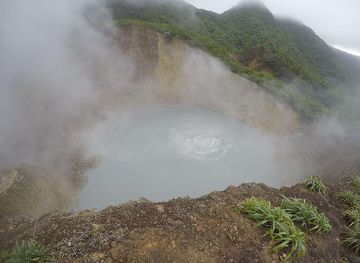
Explore more of Dominica
Discover Dominica: The Caribbean's Nature Island, where lush rainforests, volcanic landscapes, and vibrant culture await eco-tourists and adventure seekers.
Explore Dominica