

Trafalgar Falls, Dominica Travel Guide
Discover the awe-inspiring Trafalgar Falls in Dominica, where twin cascades, lush rainforest, and natural hot springs create an unforgettable nature experience.
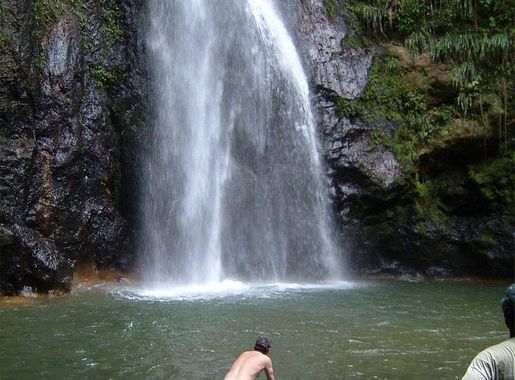
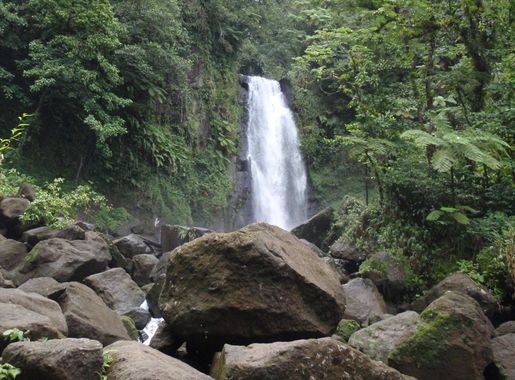
Nestled in the heart of Dominica, Trafalgar Falls is a breathtaking natural wonder that captivates visitors with its twin waterfalls. The larger of the two, known as 'Father Falls', plunges from a towering height, creating a powerful and mesmerizing cascade. Beside it, the 'Mother Falls' offers a gentler, yet equally enchanting, flow. These falls are surrounded by lush rainforest, making the journey to them a picturesque adventure. A visit to Trafalgar Falls is more than just a visual treat. The area around the falls is teeming with vibrant flora and fauna, providing nature enthusiasts with ample opportunities to explore and appreciate the island's biodiversity. The short trek to the viewing platform offers stunning vistas, and the sound of the waterfalls creates a tranquil ambiance that soothes the soul. For those seeking a bit more adventure, the natural hot springs near the falls provide a perfect spot to relax and rejuvenate after your hike. The warm waters are said to have therapeutic properties, adding a unique element to your visit. Whether you're a nature lover, a photographer, or simply in search of a peaceful retreat, Trafalgar Falls is a must-see destination in Dominica.

Know before you go
Hi, I'm Eve. Here are a few practical things to know before exploring Trafalgar Falls.
- Visit early in the morning to avoid crowds and enjoy the serene atmosphere.
- Wear sturdy walking shoes as the path can be slippery, especially after rain.
- Bring a swimsuit if you plan to enjoy the hot springs near the falls.
- Don't forget your camera for capturing the stunning views and vibrant wildlife.
- Hire a local guide for an enriched experience and to learn more about the flora and fauna.
Explore Trafalgar Falls: Things to Do, Places to Eat, Hotels & More
Handpicked recommendations for top attractions, local dining, accommodations, and more

Best attractions in Trafalgar Falls


Best landmarks in Trafalgar Falls
Top-rated picks
Best Landmarks

Middleham Falls Dominica
Discover Dominica's tallest waterfall, Middleham Falls, a breathtaking cascade hidden within the lush rainforest of Morne Trois Pitons National Park, offering an unforgettable hiking adventure.

Spanny Falls
Discover the unspoiled beauty of Spanny Falls in Dominica: a serene escape into lush rainforests, refreshing swimming holes, and tranquil natural landscapes, perfect for nature lovers.

Jacko Falls
Discover Jacko Falls: A peaceful Dominica nature escape with a swimmable waterfall steeped in maroon history, near Pont Cassé.

Trafalgar falls POTA
Discover the majestic twin waterfalls of Trafalgar Falls in Dominica, a breathtaking natural wonder offering stunning views, refreshing pools, and a memorable rainforest experience.

Best restaurants in Trafalgar Falls
Top-rated picks
Best Restaurants

Brunch and Munch
Discover Brunch and Munch in Fond Cani - where local flavors meet a cozy atmosphere for an unforgettable dining experience.

View Point Restaurant and Bar
Discover breathtaking views and authentic Caribbean cuisine at View Point Restaurant and Bar in beautiful Trafalgar, Roseau.

The Banana Leaf Restaurant
Experience authentic Caribbean flavors at The Banana Leaf Restaurant in Grand Fond - a culinary delight amidst tropical beauty.

Time 2 Eat @ Papillote
Experience authentic Caribbean cuisine in Trafalgar at Time 2 Eat @ Papillote - A must-visit dining spot for food lovers!

Best bars in Trafalgar Falls
Top-rated picks
Best Bars

River Rock Cafe and Bar
Discover the serene atmosphere of River Rock Cafe and Bar, where refreshing drinks meet breathtaking views in Trafalgar.

The Nook Café & Wine Bar
Discover the vibrant flavors and welcoming ambiance at The Nook Café & Wine Bar in Roseau, your go-to spot for relaxation and delicious cuisine.

View Point Restaurant and Bar
Experience breathtaking views and authentic Caribbean cuisine at View Point Restaurant and Bar in Trafalgar, Roseau.

Drop Anchor Bar
Experience the vibrant atmosphere and delightful flavors at Drop Anchor Bar in Roseau, the perfect spot for relaxation and local culture.

Best nightclubs in Trafalgar Falls
Top-rated picks
Best Nightclubs

River Rock Cafe and Bar
Discover tranquility at River Rock Cafe and Bar, Trafalgar's perfect retreat for refreshing drinks and relaxation amidst nature's beauty.

Club Access Bar & Grill
Dive into the exhilarating nightlife at Club Access Bar & Grill in San Sauveur, where great food, lively music, and unforgettable memories await.

The Velvet Lounge, Café-Bar
Experience the vibrant atmosphere of The Velvet Lounge, a stylish café-bar in Roseau offering delicious drinks and a lively social scene.

Water Bar
Experience the vibrant nightlife at Water Bar in Trafalgar, where refreshing drinks and a lively atmosphere await every visitor.

Best shops in Trafalgar Falls
Top-rated picks
Best Shops

Trafalgar Falls
Explore the stunning Trafalgar Falls in Dominica, where nature's beauty and adventure await amidst lush landscapes and cascading waters.

Majic Mart
Explore the vibrant flavors of Dominica at Majic Mart, your go-to grocery store for local and international delights in Mahaut.
Viewside Grocery Store (Resturant/bar)
Explore Upper Kings Hill's local flavors at Viewside Grocery Store, a vibrant supermarket and restaurant offering a taste of the region.

Mino's Snackette & Boutique
Experience the warmth of Dominica at Mino's Snackette & Boutique, where local flavors and genuine hospitality await every visitor.

Explore Trafalgar Falls on the Map
A handpicked selection of must-see spots in Trafalgar Falls, mapped for you.
Trafalgar Falls Essentials
-
Trafalgar Falls is located in the Morne Trois Pitons National Park in Dominica. The nearest airport is Douglas-Charles Airport, approximately 60 kilometers away. From the airport, you can take a taxi or rent a car to reach Trafalgar Falls. The journey typically takes around 1.5 to 2 hours by road. Alternatively, you can fly into Roseau, the capital city, and then take a taxi or a local bus to Trafalgar Falls, which is about a 30-minute drive.
-
Transportation options to Trafalgar Falls include taxis, car rentals, and local buses. Taxis are readily available and can be hired for a one-way or round trip. Renting a car offers the flexibility to explore the surrounding areas at your own pace. Local buses, known as 'minibuses,' operate between Roseau and nearby villages and can be a cost-effective option. However, they can be crowded and may not run on a fixed schedule.
-
The official currency in Dominica is the Eastern Caribbean Dollar (XCD). US dollars are also widely accepted, but it's advisable to carry some local currency for smaller purchases. Credit cards are accepted in most hotels, restaurants, and shops in Roseau, but it's wise to have cash on hand, especially when traveling to more remote areas like Trafalgar Falls. ATMs are available in Roseau.
-
Dominica is generally a safe destination for tourists. However, standard safety precautions should be taken. Avoid walking alone at night, especially in unfamiliar areas. Petty theft can occur, so keep an eye on your belongings. While there are no specific high-crime areas targeting tourists near Trafalgar Falls, it is always best to remain vigilant. Stick to well-trodden paths when hiking and avoid isolated areas.
-
In case of emergency, dial 999 for immediate assistance. The nearest medical facilities are located in Roseau. It is recommended to have travel insurance that covers medical emergencies. For minor health issues, there are pharmacies in Roseau where you can purchase over-the-counter medications. Always carry a basic first aid kit when hiking or exploring remote areas.
-
Fashion: Do wear comfortable and sturdy footwear for hiking to the falls. Avoid wearing flip-flops or high heels. Religion: Do respect local customs and traditions. When visiting churches or religious sites, dress modestly. Public Transport: Do be courteous and offer your seat to elderly passengers. Don't eat or drink on public transport. Greetings: Do greet people with a friendly 'hello' or 'good day.' A handshake is also common. Eating & Drinking: Do try local dishes and beverages. Don't refuse food or drink if offered by locals, as it is considered impolite.
-
To experience Trafalgar Falls like a local, visit early in the morning or late in the afternoon to avoid the tourist crowds. Engage with local guides; they often have fascinating stories and insights about the area. Take a dip in the hot springs located near the falls for a unique experience. Don't miss trying local delicacies such as callaloo soup and fresh tropical fruits. For a more immersive experience, consider staying in a guesthouse or eco-lodge nearby.
When is the best time to visit Trafalgar Falls?
Useful Local Phrases for Trafalgar Falls
You don't need to speak the language perfectly. Even learning a few simple words can make conversations warmer—and locals usually appreciate the effort.
— Eve

Here are the phrases I use most often in Trafalgar Falls. Try a few—you'll be surprised how far they go! 😊
❤️
-
- HelloWey yo dey
[wey yoh dey] - GoodbyeBaai
[baa-ee] - YesWi
[wee] - NoNon
[non] - Please/You're welcomePlees
[plees] - Thank youTank yu
[tank yoo] - Excuse me/SorrySkuz mi
[skooz mee] - How are you?How yo dey?
[how yoh dey] - Fine. And you?Ah dey gud. An yu?
[ah dey good. an yoo] - Do you speak English?Yu sabi Inglish?
[yoo sah-bee ing-lish] - I don't understandMi no sabi
[mee no sah-bee]
- HelloWey yo dey
-
- I'd like to see the menu, pleaseMi laik fi si di menu, pliiz
[mee like fee see dee menu, pleez] - I don't eat meatMi no et mit
[mee no eht meet] - Cheers!Chyaa
[chyaa] - I would like to pay, pleaseMi wud laik fi pey, pliiz
[mee wood like fee pay, pleez]
- I'd like to see the menu, pleaseMi laik fi si di menu, pliiz
-
- Help!Elp!
[elp] - Go away!Go we
[go way] - Call the Police!Kaal di Polis!
[kaal dee poh-lees] - Call a doctor!Kaal a dokta!
[kaal ah dok-tah] - I'm lostMi los
[mee loss] - I'm illMi sik
[mee sick]
- Help!Elp!
-
- I'd like to buy...Mi laik fi bay...
[mee like fee buy...] - I'm just lookingMi jas lukin
[mee jas look-in] - How much is it?Ou moch it cost?
[oh moch it cost] - That's too expensiveDat tu ekspensiv
[dat too expensive] - Can you lower the price?Yu kaan lowa di prais?
[yoo kahn low-ah dee price]
- I'd like to buy...Mi laik fi bay...
-
- What time is it?Wey tym it dey?
[wey time it dey] - It's one o'clockIt dey wan o'klok
[it dey one o-klok] - Half past (10)Haff pas (10)
[haff pass (10)] - MorningMawnin
[mawn-in] - AfternoonAftanun
[afta-noon] - EveningIvinin
[iv-in-in] - YesterdayYistadey
[yis-ta-day] - TodayTudey
[too-day] - TomorrowTamara
[ta-ma-ra] - 1Wan
[wan] - 2Tu
[too] - 3Tri
[tree] - 4Fo
[foh] - 5Faiv
[fayv] - 6Six
[siks] - 7Seven
[sev-en] - 8Eit
[ayt] - 9Nain
[nayn] - 10Ten
[ten]
- What time is it?Wey tym it dey?
-
- Where's a/the...?Wey...?
[wey] - What's the address?Wey di adres dey?
[wey dee adres dey] - Can you show me (on the map)?Yu kaan shuo mi (pan di map)?
[yoo kahn shoo-oh mee (pan dee map)] - When's the next (bus)?Wen di neks wan dey?
[wen dee neks one dey] - A ticket (to ....)A tiket (to ....)
[ah ticket (to)]
- Where's a/the...?Wey...?
History of Trafalgar Falls
-
Long before European colonization, the indigenous Kalinago people inhabited the island of Dominica, including the area around Trafalgar Falls. Known for their deep connection with nature, the Kalinago held the waterfalls in reverence, considering them sacred sites where spirits dwelled. Their legends and oral traditions speak of the natural beauty and the spiritual significance of the twin waterfalls, which they called the 'Mother' and 'Father' falls.
-
The arrival of European colonizers in the 15th century marked a significant turning point in the history of Dominica. The French and British fought for control over the island, with the French initially establishing settlements. The area around Trafalgar Falls was explored and mapped during these colonial conquests. The falls were named during this period, a testament to the colonial influence on the island's geography.
-
In the 18th and 19th centuries, European botanists and naturalists were drawn to Dominica's rich biodiversity. Trafalgar Falls became a focal point for botanical studies due to its unique flora and fauna. Researchers cataloged numerous plant species in the area, contributing significantly to the understanding of tropical ecosystems. Their work laid the foundation for modern conservation efforts.
-
During World War II, Dominica's strategic location in the Caribbean saw increased military activity. While Trafalgar Falls itself was not a site of conflict, the surrounding areas were used for military training and exercises. The presence of Allied forces brought temporary but significant changes to the local communities, including infrastructure developments that improved access to the falls.
-
In the late 20th century, Trafalgar Falls became a symbol of Dominica's commitment to environmental conservation. The area was designated as part of the Morne Trois Pitons National Park in 1975, a UNESCO World Heritage Site. Efforts were made to preserve the natural beauty and ecological integrity of the falls, promoting sustainable tourism and environmental education. Today, Trafalgar Falls stands as a testament to the island's dedication to preserving its natural heritage.
-
Trafalgar Falls holds a special place in the cultural landscape of Dominica. It is a popular destination for both locals and tourists, often featured in cultural festivals and celebrations. The falls are a source of inspiration for local artists, musicians, and storytellers, who draw from its beauty and history in their works. The twin falls continue to be a symbol of the island's natural splendor and cultural richness.
Cities in Trafalgar Falls
Browse our curated selection of top destinations, scenic points, and must-visit spots in the area.



Neighbouring destination travel guides
Browse our curated selection of top destinations, scenic points, and must-visit spots in the area.




Your all‑in‑one travel companion app
Explore expert travel guides, compare and book tours, experiences, hotels, and more—all from the palm of your hand. Download now for seamless trip planning wherever your wanderlust takes you.


Explore More of Saint George

Looking beyond Trafalgar Falls? Discover Saint George for broader travel guides, local hot-spots, and regional highlights.
Explore Saint GeorgeExplore More of Dominica
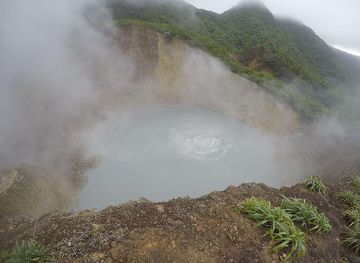
Looking beyond Trafalgar Falls? Discover Dominica for broader travel guides, local hot-spots, and regional highlights.
Explore DominicaTrafalgar Falls in Photos
Browse through our photo collection highlighting the charm and character of the destination.


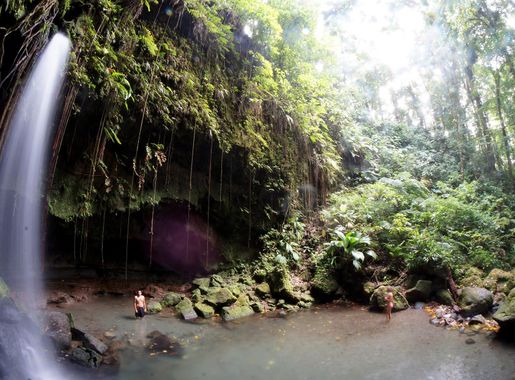

Trafalgar Falls: The Twin Jewel of Dominica
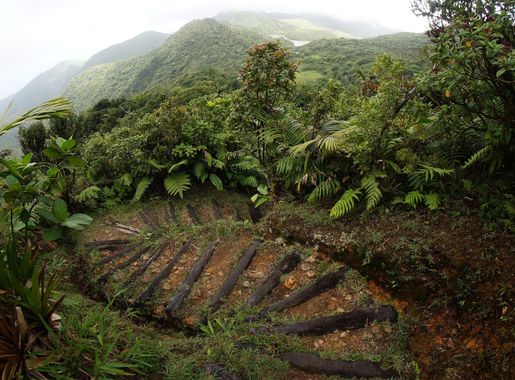
Nestled in the heart of Dominica, Trafalgar Falls is a breathtaking natural wonder that captivates visitors with its twin waterfalls. The larger of the two, known as 'Father Falls', plunges from a towering height, creating a powerful and mesmerizing cascade. Beside it, the 'Mother Falls' offers a gentler, yet equally enchanting, flow. These falls are surrounded by lush rainforest, making the journey to them a picturesque adventure. A visit to Trafalgar Falls is more than just a visual treat. The area around the falls is teeming with vibrant flora and fauna, providing nature enthusiasts with ample opportunities to explore and appreciate the island's biodiversity. The short trek to the viewing platform offers stunning vistas, and the sound of the waterfalls creates a tranquil ambiance that soothes the soul. For those seeking a bit more adventure, the natural hot springs near the falls provide a perfect spot to relax and rejuvenate after your hike. The warm waters are said to have therapeutic properties, adding a unique element to your visit. Whether you're a nature lover, a photographer, or simply in search of a peaceful retreat, Trafalgar Falls is a must-see destination in Dominica.