

Free Manabí Region Travel Guide & Mobile App
Explore Manabí Region with free travel guides. Discover regional history, expert tips, proposed trips, and audio guides on web or mobile app.


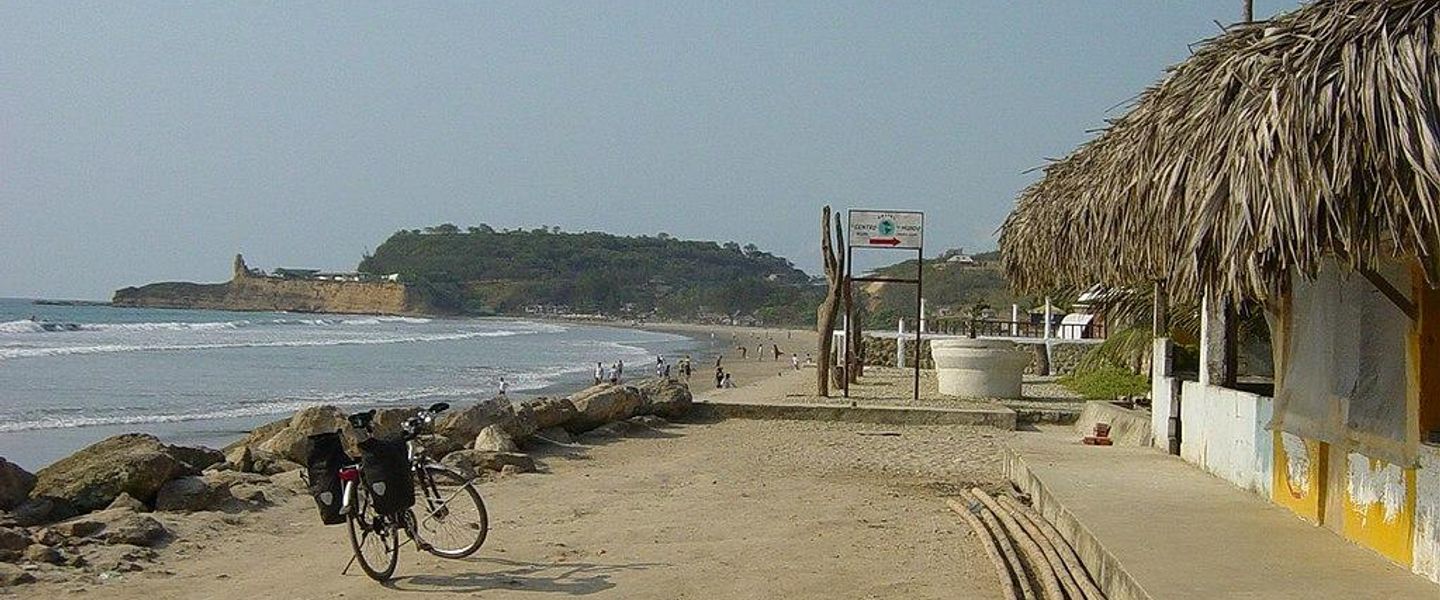


Explore Manabí’s Pacific beaches, dry forests, seafood traditions, archaeological heritage and coastal towns from Manta to Puerto López.
Read more about Manabí Region
When is the best time to visit Manabí Region?
Best: January–March · 29°C| Month | High (°C) | Rainfall (mm) |
|---|---|---|
| January (best) | 29 | 101 |
| February (best) | 29 | 111 |
| March (best) | 29 | 121 |
| April | 29 | 131 |
| May | 29 | 141 |
| June | 28 | 151 |
| July | 28 | 161 |
| August | 28 | 171 |
| September | 28 | 181 |
| October | 28 | 191 |
| November | 29 | 201 |
| December | 29 | 211 |
Getting to and around Manabí Region
How to get there
Transportation
Top city travel guides in Manabí Region
The cities of Manabí Region, and the easiest places to base yourself.

Swipe for more cities
Destinations in Manabí Region
Resorts, valleys and scenic spots worth a trip of their own.
-

-

-


Swipe for more destinations
Best attractions in Manabí Region
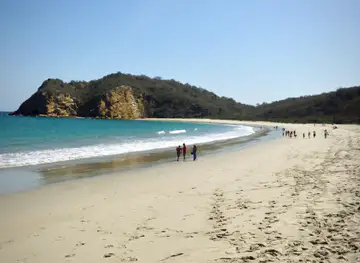
Manabí’s attractions range from urban museums and waterfronts to protected beaches, archaeological sites and working fishing communities. Manta offers the Museo del Cacao y Chocolate and the Museo Centro Cultural Manta, while Portoviejo provides access to regional history, craft traditions and the city’s post-earthquake renewal. Montecristi combines the Ciudad Alfaro cultural complex with workshops associated with toquilla-hat weaving. Along the southern coast, Machalilla National Park is the province’s defining natural attraction, bringing together dry forest, the beach of Los Frailes, the community and archaeological site of Agua Blanca, and marine excursions towards Isla de la Plata. Puerto López is a base for seasonal humpback-whale trips and coastal activities. Bahía de Caráquez and the Chone estuary offer mangrove and bird-watching settings, while smaller beaches and rural routes reveal a less urbanised side of the province. Outdoor experiences depend on weather, tides, road conditions and local conservation rules, particularly in protected habitats.
-
Tourist attraction
Malecon 2000
Explore the vibrant Malecon 2000 in Guayaquil, a stunning waterfront attraction packed with culture, entertainment, and breathtaking views of the Guayas River.
-
Park
Las Vegas Park
Explore the lush landscapes and delightful dining experiences at Las Vegas Park, Portoviejo's serene escape for nature lovers and families alike.
-
National park
Parque Nacional Machalilla
Discover the scenic beauty and rich biodiversity of Parque Nacional Machalilla, a premier national park in Ecuador perfect for adventure and relaxation.
-
Cultural center
Civic Center "Ciudad Alfaro"
Discover the heart of Ecuadorian culture at Civic Center Ciudad Alfaro, a vibrant hub of art, history, and local traditions in Montecristi.

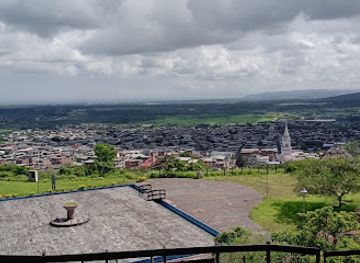
Best landmarks in Manabí Region
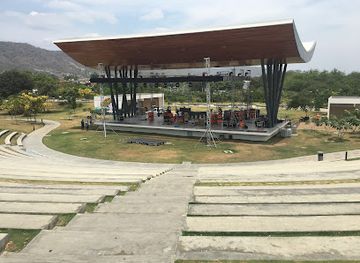
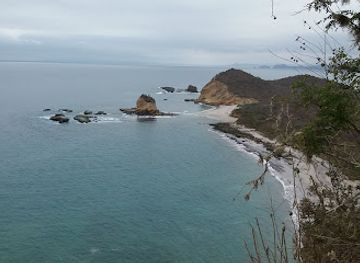
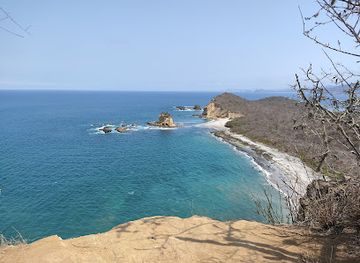
The Ciudad Alfaro complex at Montecristi is one of Manabí’s most significant civic landmarks, commemorating Eloy Alfaro and presenting the province’s place in Ecuador’s Liberal Revolution. The hill and archaeological area of Cerro Hojas-Jaboncillo, near Portoviejo, is important for understanding Manteño settlement, ceremonial life and regional exchange before Spanish rule. Farther south, Isla de la Plata forms a distinctive offshore landmark within the wider Machalilla protected landscape, its cliffs and marine setting visible on boat excursions from Puerto López. Los Frailes is recognised for its curving pale beach framed by dry forest and coastal hills, while the Chone estuary gives Bahía de Caráquez a geographical identity shaped by tidal water and mangrove habitat. In Manta, the port, waterfront and urban hills express the modern city’s maritime importance. Together these places represent Manabí’s principal symbolic themes: pre-Columbian civilisation, political history, fishing and the meeting of dry land with the Pacific.
-
Tourist attraction
Malecon Escenico Murcielago
Discover the vibrant beauty of Malecon Escenico Murcielago in Manta, Ecuador, where stunning ocean views and local culture await every traveler.
-
Tourist attraction
Playa Santa Marianita
Experience the tranquility and adventure of Playa Santa Marianita, a hidden gem on Ecuador's stunning Pacific coast.
-
Park
Las Vegas Park
Explore the lush landscapes and vibrant dining options at Las Vegas Park, a serene urban oasis in Portoviejo, Ecuador.
-
National park
Parque Nacional Machalilla
Explore the breathtaking landscapes and diverse wildlife of Parque Nacional Machalilla, Ecuador's coastal paradise for nature lovers and adventure seekers.
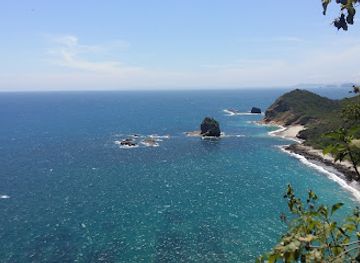
Explore Manabí Region on the map
Plan your trip on one map. See where the top cities, national parks and sights are, and book hotels and experiences in a few clicks.
Best hotels in Manabí Region
Best restaurants in Manabí Region
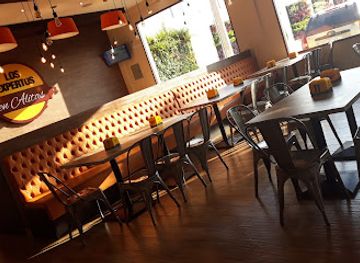
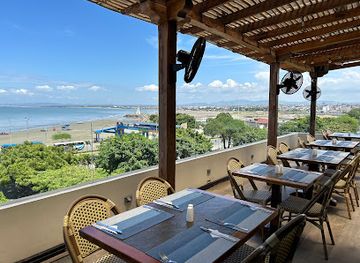
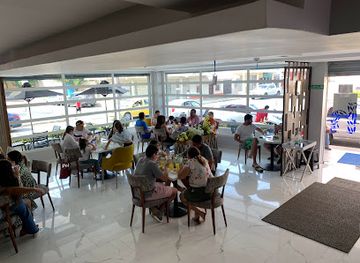
Manabí has one of Ecuador’s most recognisable coastal food cultures, built around fresh fish, prawns, crab, plantain, peanuts, cassava and local herbs. Typical preparations include viche, a substantial seafood and peanut soup; corviche, a plantain-based fish snack; tonga, often served as a wrapped rice-and-stew meal; and ceviche in several local styles. Sal prieta, a seasoned peanut and maize mixture, commonly accompanies plantain or seafood dishes. Manta and Portoviejo offer the widest choice of seafood restaurants, cafés and contemporary kitchens, while market eateries and roadside restaurants in smaller towns provide more informal interpretations of regional cooking. Around Puerto López, fish and shellfish are central to the menu, though seasonal availability varies. Look for busy establishments with good refrigeration and high turnover in hot weather, and ask whether a service charge is included before tipping.
-
American
Rollwings
Savor authentic American flavors at Rollwings in Portoviejo – your go-to destination for comfort food and warm hospitality.
-
Restaurant
Casa Rosada Lounge Restaurant
Savor the rich flavors of Ecuador at Casa Rosada Lounge Restaurant in Manta - where every meal tells a story.
-
Restaurant
Chavecito Restaurant
Experience authentic Ecuadorian cuisine at Chavecito Restaurant in Manta—where every dish tells a story.
-
Restaurant
Montubio cocina manabita
Savor the essence of Ecuador's coastal cuisine at Montubio Cocina Manabita - where tradition meets flavor in every dish.
Best bars in Manabí Region
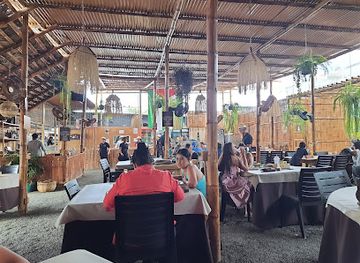
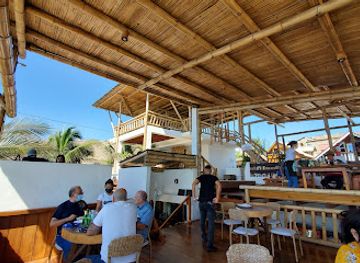
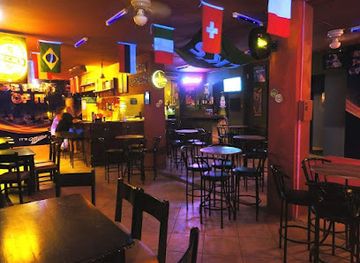
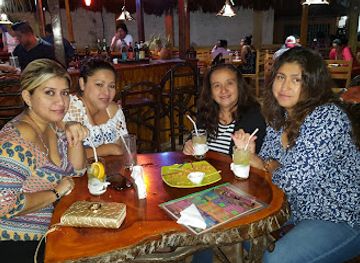
Manabí’s evening life is concentrated in Manta, Portoviejo and the larger coastal towns rather than spread evenly across the province. Manta has the broadest selection of seafront restaurants, cocktail bars, casual drinking spots and occasional live-music venues, with activity varying by neighbourhood and season. Portoviejo’s nightlife is more urban and locally oriented, combining restaurants, cafés and bars. In Bahía de Caráquez and Puerto López, evenings generally centre on seafood restaurants, small bars and relaxed beach-town venues rather than a large nightclub circuit. Rural communities and smaller resorts tend to wind down earlier. Ecuadorian beer, rum-based drinks and fresh juices are widely available, but alcohol is not necessary to take part in local evening culture. Use licensed taxis or established transport arrangements when returning from nightlife, particularly in unfamiliar areas.
-
Bar
Iguana Bar Restaurante
Experience the vibrant flavors and lively atmosphere of Iguana Bar Restaurante in Manta, Ecuador's coastal culinary gem.
-
Bar
Krug Pub Manta
Discover the vibrant Krug Pub Manta, a perfect blend of grilled delights, cocktails, and an inviting beer garden in the heart of Manta.
-
Bar
Rimini
Discover the vibrant atmosphere and exquisite cocktails at Rimini, a premier bar in Crucita, perfect for relaxation and entertainment by the sea.
-
Bar
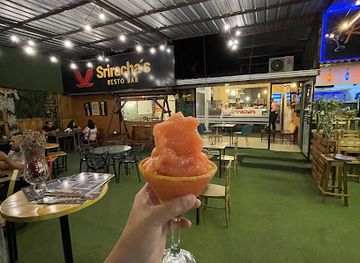
Sriracha's
Experience the vibrant nightlife at Sriracha's, a top bar in Portoviejo known for its cocktails, local flavors, and lively atmosphere.
Best nightclubs in Manabí Region
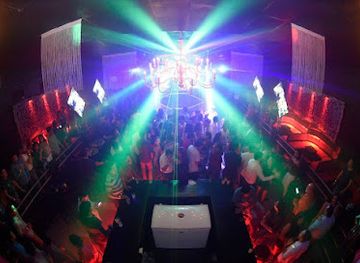
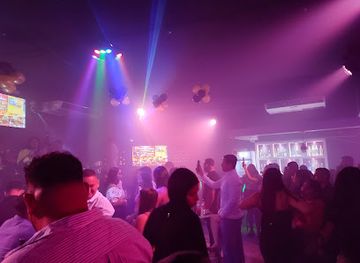
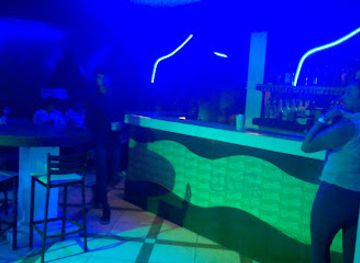
Manabí’s evening life is concentrated in Manta, Portoviejo and the larger coastal towns rather than spread evenly across the province. Manta has the broadest selection of seafront restaurants, cocktail bars, casual drinking spots and occasional live-music venues, with activity varying by neighbourhood and season. Portoviejo’s nightlife is more urban and locally oriented, combining restaurants, cafés and bars. In Bahía de Caráquez and Puerto López, evenings generally centre on seafood restaurants, small bars and relaxed beach-town venues rather than a large nightclub circuit. Rural communities and smaller resorts tend to wind down earlier. Ecuadorian beer, rum-based drinks and fresh juices are widely available, but alcohol is not necessary to take part in local evening culture. Use licensed taxis or established transport arrangements when returning from nightlife, particularly in unfamiliar areas.
-
Disco club
Discoteca Club Sensation Manta
Discover the vibrant nightlife at Discoteca Club Sensation Manta, where music and dance create unforgettable memories.
-
Night club
El Puente Night Club
Discover the excitement of Jaramijó's nightlife at El Puente Night Club, where local culture meets electrifying music and dance.
-
Disco club
Ibiza Disco Club
Discover the electrifying nightlife at Ibiza Disco Club in Portoviejo, where unforgettable dance experiences await you amidst pulsating music and vibrant crowds.
-
Disco club
Luxor Vip Club
Dive into Manta's energetic nightlife at Luxor Vip Club, where music, dancing, and unforgettable moments await.
Best shops in Manabí Region
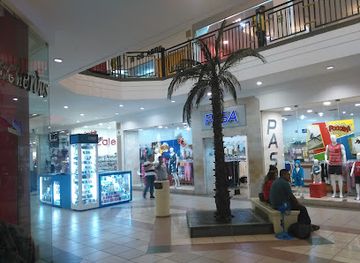
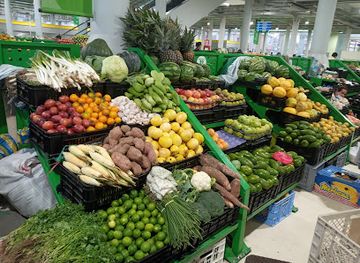
Shopping in Manabí is strongest in market towns, craft workshops and food markets rather than in luxury retail districts. Montecristi is the principal place to learn about and buy Ecuadorian toquilla hats, with quality, weave fineness and finishing reflected in substantial price differences; ask about workmanship and provenance rather than relying on the word “Panama”. Manta and Portoviejo have the province’s broadest selection of supermarkets, department-style stores, independent boutiques and practical shopping streets. Local markets are useful for plantains, tropical fruit, peanuts, spices, fresh produce and regional snacks, while coastal towns sell beachwear, shell-inspired souvenirs and small craft items. Choose legally made crafts and do not buy archaeological objects, wildlife products or materials taken from protected areas. A well-packed bag of sal prieta, coffee, locally produced chocolate or other durable food can make a more meaningful souvenir than mass-produced beach merchandise.
-
Shopping mall
Mall del Pacifico, Manta
Explore Mall del Pacifico in Manta, Ecuador - a vibrant shopping haven with diverse stores, delicious dining, and entertainment options for every traveler.
-
Shopping mall
El Paseo Shopping Portoviejo
Explore El Paseo Shopping Portoviejo for a unique blend of shopping, dining, and entertainment in the heart of Ecuador.
-
National park
Parque Nacional Machalilla
Explore the breathtaking landscapes and rich biodiversity of Parque Nacional Machalilla, a gem on Ecuador's coast offering adventure and tranquility.
-
Market
Central Market # 1
Explore the vibrant Central Market in Portoviejo, a cultural and culinary hub filled with local flavors, crafts, and the essence of Ecuadorian life.

Get your free copy of our complete guide to Manabí Region, delivered straight to you.
Everything on this page, from attractions and restaurants to essentials and local phrases, in one PDF you can read offline, print or share.
Already have an account? Sign in
Your Manabí Region guide is ready.
We'll send it to · Not you? Sign out

Getting your guide ready…
We are putting together a fresh copy of the Manabí Region guide. This can take up to a minute.
This can take a few moments. If your browser asks, choose Allow so the download can start. You'll find the guide in your Downloads folder.
Nothing happened? Download it again
Sorry, the guide is taking longer than usual. Please try again in a minute, or get it by email instead.
Manabí Region essentials
Currency and Payment
Safety
Emergency Situations
Do's and Don'ts
Local Tips
From Eve
Local phrases worth knowing
You don't need to get them perfect. A few words go a long way, and locals appreciate the effort.
Basics
| English | Local | Say it |
|---|---|---|
| Hello | Hola | [o-la] |
| Goodbye | Adiós | [a-dyos] |
| Yes | Sí | [see] |
| No | No | [no] |
| Please/You're welcome | Por favor | [por fa-vor] |
| Thank you | Gracias | [gra-thias] |
| Excuse me/Sorry | Perdón | [per-don] |
| How are you? | ¿Cómo estás? | [ko-mo es-tas] |
| Fine. And you? | Bien. ¿Y tú? | [byen. ee tu] |
| Do you speak English? | ¿Hablas inglés? | [a-blas in-glés] |
| I don't understand | No entiendo | [no en-tien-do] |
Eating & Drinking
| English | Local | Say it |
|---|---|---|
| I'd like to see the menu, please | Me gustaría ver el menú, por favor | [me gus-ta-ria ver el me-nu, por fa-vor] |
| I don't eat meat | No como carne | [no ko-mo kar-ne] |
| Cheers! | ¡Salud! | [sa-lud] |
| I would like to pay, please | Quisiera pagar, por favor | [ki-si-e-ra pa-gar, por fa-vor] |
Emergencies
| English | Local | Say it |
|---|---|---|
| Help! | ¡Ayuda! | [a-yu-da] |
| Go away! | ¡Vete! | [ve-te] |
| Call the Police! | ¡Llama a la policía! | [ya-ma a la po-li-cia] |
| Call a doctor! | ¡Llama a un doctor! | [ya-ma a un dok-tor] |
| I'm lost | Estoy perdido | [es-toy per-di-do] |
| I'm ill | Estoy enfermo | [es-toy en-fer-mo] |
Shopping
| English | Local | Say it |
|---|---|---|
| I'd like to buy... | Quisiera comprar... | [ki-si-e-ra kom-prar] |
| I'm just looking | Solo estoy mirando | [so-lo es-toy mi-ran-do] |
| How much is it? | ¿Cuánto cuesta? | [kwan-to kwes-ta] |
| That's too expensive | Eso es muy caro | [e-so es muy ka-ro] |
| Can you lower the price? | ¿Puedes bajar el precio? | [pwe-des ba-har el pre-cio] |
Time & Numbers
| English | Local | Say it |
|---|---|---|
| What time is it? | ¿Qué hora es? | [ke o-ra es] |
| It's one o'clock | Es la una | [es la u-na] |
| Half past (10) | Y media (10) | [ee me-dia (10)] |
| Morning | Mañana | [ma-nya-na] |
| Afternoon | Tarde | [tar-de] |
| Evening | Noche | [no-che] |
| Yesterday | Ayer | [a-yer] |
| Today | Hoy | [oy] |
| Tomorrow | Mañana | [ma-nya-na] |
| 1 | Uno | [u-no] |
| 2 | Dos | [dos] |
| 3 | Tres | [tres] |
| 4 | Cuatro | [kwat-ro] |
| 5 | Cinco | [sin-ko] |
| 6 | Seis | [says] |
| 7 | Siete | [sye-te] |
| 8 | Ocho | [o-cho] |
| 9 | Nueve | [nwe-ve] |
| 10 | Diez | [dyez] |
Transport & Directions
| English | Local | Say it |
|---|---|---|
| Where's a/the...? | ¿Dónde está un/una...? | [don-de es-ta un/una] |
| What's the address? | ¿Cuál es la dirección? | [kwal es la di-rec-ción] |
| Can you show me (on the map)? | ¿Puedes mostrarme (en el mapa)? | [pwe-des mos-trar-me (en el ma-pa)] |
| When's the next (bus)? | ¿Cuándo sale el próximo (bus)? | [kwan-do sa-le el pro-xi-mo (bus)] |
| A ticket (to ....) | Un boleto (a ...) | [un bo-le-to (a ...)] |
History of Manabí Region
Jama-Coaque and Manteño Coastal Civilisations
Long before Spanish colonisation, the Manabí coast supported complex societies connected to maritime routes and inland settlements. Jama-Coaque communities are associated especially with northern and central coastal Manabí, while Manteño culture developed strongly farther south and around places such as Cerro Hojas-Jaboncillo. Archaeological evidence includes ceramics, figurative art, shell working and traces of organised settlement. These traditions demonstrate that the coast was not an isolated frontier but part of active networks linking communities through fishing, farming, craft production and exchange.
Spanish Conquest and the Foundation of Portoviejo
Spanish expansion reached the Manabí coast in the sixteenth century, disrupting existing political and economic systems and introducing new forms of landholding, religion and administration. Portoviejo was founded as a Spanish settlement in 1535 and became an important inland-facing centre for the province. Coastal geography, difficult communications and the continuing importance of Indigenous and mixed communities shaped colonial development. Churches, street layouts and later civic buildings preserve elements of this long process, although the region’s cultural identity remains distinctly coastal and Manabí-based.
Colonial Trade, Cacao and Coastal Agriculture
During the colonial and early republican periods, Manabí’s economy combined cattle, agriculture, fishing, forest products and coastal trade. Cacao became particularly important in Ecuador’s wider export economy, while local production also included tobacco, coffee, tagua and food crops. Rivers, estuaries and small ports connected rural districts with maritime routes, even when roads were poor. This history helped create the province’s dispersed settlement pattern, in which market towns, fishing communities and agricultural areas remain closely linked.
Montecristi and the Liberal Revolution
Montecristi is closely associated with Eloy Alfaro, the Manabí-born leader of Ecuador’s Liberal Revolution. Alfaro’s movement challenged conservative political power in the late nineteenth century and brought major changes to the country’s state, education, church-state relations and transport ambitions. Although the revolution was national in scope, its Manabí origins remain important to regional memory. Montecristi’s museums and civic heritage interpret Alfaro’s career alongside the province’s longer traditions of craft, commerce and political activism.
Toquilla-Hat Weaving and International Trade
The finely woven straw hat commonly called a Panama hat is Ecuadorian in origin, and Manabí—particularly Montecristi—has long been one of its most respected production areas. The hats were made from toquilla straw and became internationally visible through nineteenth-century trade and their association with workers on the Panama Canal, despite the misleading popular name. Weaving remains a skilled, time-consuming craft whose quality depends on fibre preparation, technique and finishing. It is an important example of how a local rural industry acquired a global identity.
Ports, Fishing and Modernisation
In the twentieth century, Manta grew into a major fishing and commercial port, while roads and improved transport strengthened links between Manabí’s coastal towns and inland markets. Fishing, fish processing, agriculture, cattle and small-scale commerce became central to the modern economy. Urban growth changed Manta and Portoviejo substantially, but smaller communities retained strong connections to the sea and countryside. The province’s contemporary character reflects this combination of industrial ports, family fishing enterprises, agricultural districts and expanding tourism.
The 2016 Earthquake and Regional Recovery
A powerful earthquake struck Ecuador’s northern Pacific coast in April 2016, causing severe destruction and loss of life in Manabí, particularly in and around Manta, Portoviejo, Pedernales and other affected communities. Homes, historic buildings, businesses and public infrastructure were damaged, and recovery became a major regional and national effort. Rebuilding has altered parts of the urban landscape, while the event remains an important part of local memory. Visitors should understand that some townscapes and heritage structures reflect both older character and post-earthquake reconstruction.
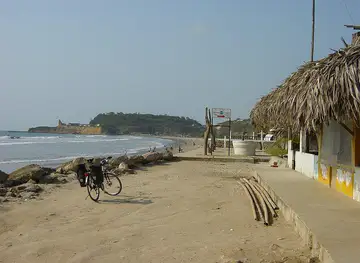
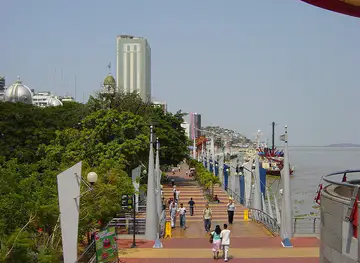
Manabí Region in Photos
Browse through our photo collection highlighting the charm and character of the destination.
Neighbouring regions of Manabí Region
The closest regions to Manabí Region, if you have time for more than one.
-
-
-
-

-


Swipe for more regions
Explore more

Explore more of Ecuador
Explore Ecuador: From the Amazon rainforest and Andean highlands to the Pacific coast and Galápagos Islands, discover diverse landscapes and vibrant cultures.
Explore Ecuador