

Cochasqui Archaeological Park, Sierra Travel Guide
Discover ancient pyramids, fascinating cultures, and stunning Andean landscapes at Cochasqui Archaeological Park, just north of Quito.
Explore the fascinating Cochasqui Archaeological Park, a pre-Inca site featuring unique truncated pyramids and burial mounds. Discover the remnants of the Quitu-Cara culture and their advanced astronomical knowledge, set amidst stunning Andean scenery.
A brief summary to Cochasqui Archaeological Park
- 3M3W+X76, Puntazanja, EC
- Click to display
- Monday 8 am-4:30 pm
- Tuesday 8 am-4:30 pm
- Wednesday 8 am-4:30 pm
- Thursday 8 am-4:30 pm
- Friday 8 am-4:30 pm
- Saturday 8 am-4:30 pm
- Sunday 8 am-4:30 pm

Know before you go
Hi, I'm Eve. Here are a few practical things to know before exploring Cochasqui Archaeological Park.
- Wear comfortable shoes for walking on uneven terrain and climbing the pyramids.
- Bring layers of clothing, as the weather at 3,100 meters can be unpredictable.
- Hire a local guide for a more in-depth understanding of the site's history and significance.
- Visit in March for the Mushuk Nina festival and experience the Andean New Year celebrations.
- Take advantage of the clear skies for stargazing, as Cochasqui is known for its astronomical importance.
Do you manage this location?
Take control to get all the benefits, like improved information, better appearance, and stronger visibility across AI-powered discovery. Learn more about listing your business on Evendo
Activate your presenceOther nearby places you may find interesting
The closest places of the same kind, if this one is not quite what you had in mind.

Explore Cochasqui Archaeological Park on the Map
A handpicked selection of must-see spots near Cochasqui Archaeological Park, mapped for you.
Unlock the Best of Cochasqui Archaeological Park
Buy tickets
-
No tickets available
Book tours with entry

Book tours without entry

Getting There
-
Bus
From Quito, take a bus from the Terminal La Ofelia to Malchinguí. Buses operated by Compañía Cangahua leave approximately every 30 minutes and cost around $3. The journey to Malchinguí takes about an hour. From Malchinguí, you can take a taxi to Cochasqui Archaeological Park, which is a short distance away. Agree on a fare with the driver before starting your journey. Alternatively, buses from the Mojanda company go to Tabacundo, where you can take a Malchingui company bus that leaves you one kilometer away from the park.
-
Car
If driving from Quito, take the Panamericana Norte highway. After the Guayllabamba roundabout, follow the signs towards Tabacundo and Ibarra. The park is located near kilometer 52, past the Cochasqui toll station. Exit the highway and follow the road signs to the Cochasqui Park. From the highway exit, it is approximately 8 km on a cobblestone road to reach the park. Parking is available at the park for a small fee.
-
Taxi
Taxis can be hired from Cayambe to Cochasqui. It is recommended to agree on a price and waiting time with the driver before departing. A taxi from Quito to Cochasqui would cost approximately $23-$28 and take around 45 minutes.
Discover more about Cochasqui Archaeological Park
More to explore near Cochasqui Archaeological Park













Your all‑in‑one travel companion app
Explore expert travel guides, compare and book tours, experiences, hotels, and more—all from the palm of your hand. Download now for seamless trip planning wherever your wanderlust takes you.


Explore More of Sierra
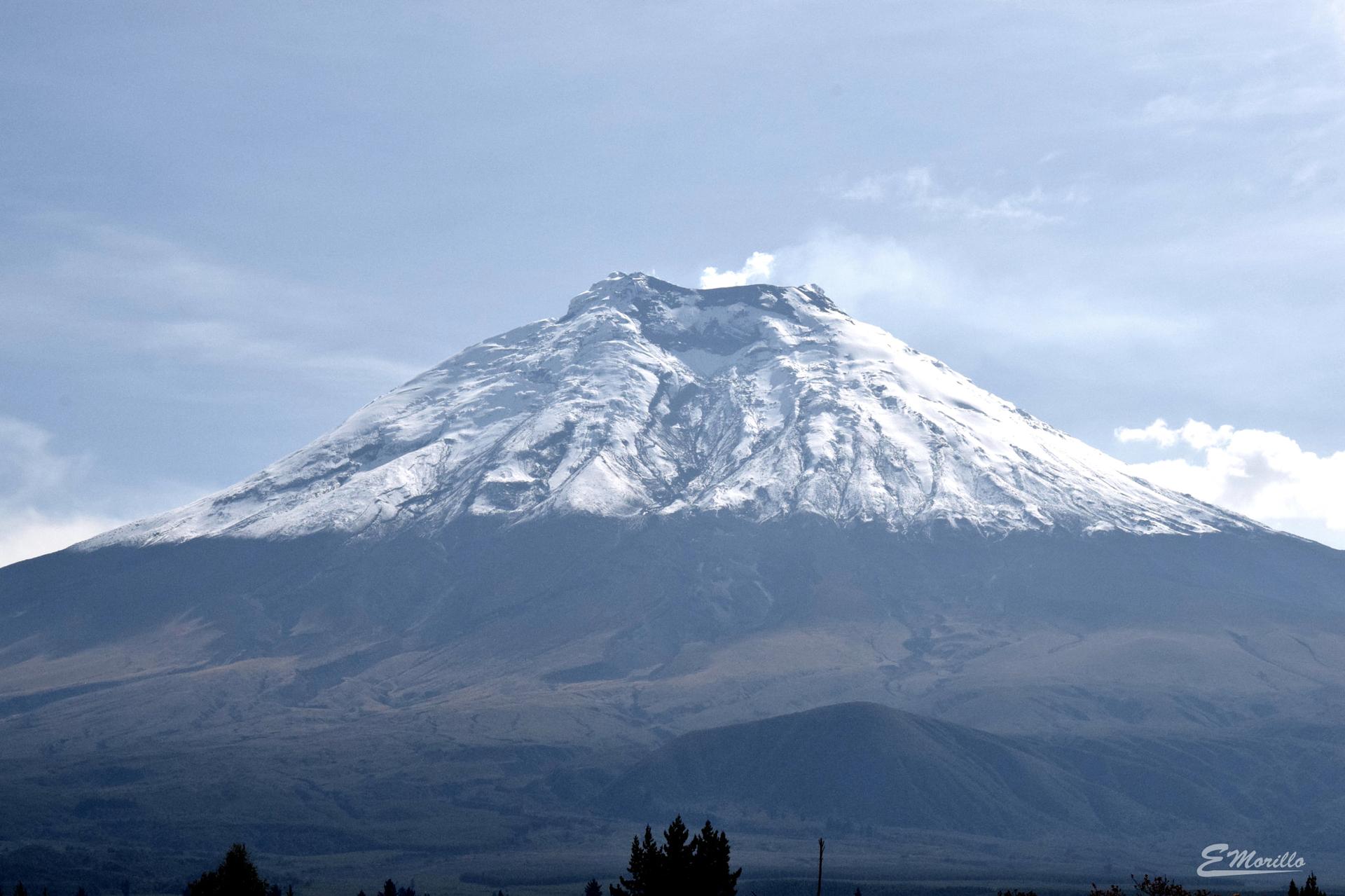
Looking beyond Cochasqui Archaeological Park? Discover Sierra for broader travel guides, local hot-spots, and regional highlights.
Explore Sierra
Explore Pucará de Rumicucho, an archaeological site in Ecuador that unveils ancient history amidst stunning natural beauty.
Explore the stunning Mojanda Lakes near Otavalo: Hike volcanic peaks, discover unique páramo ecosystems, and enjoy breathtaking Andean views.
