
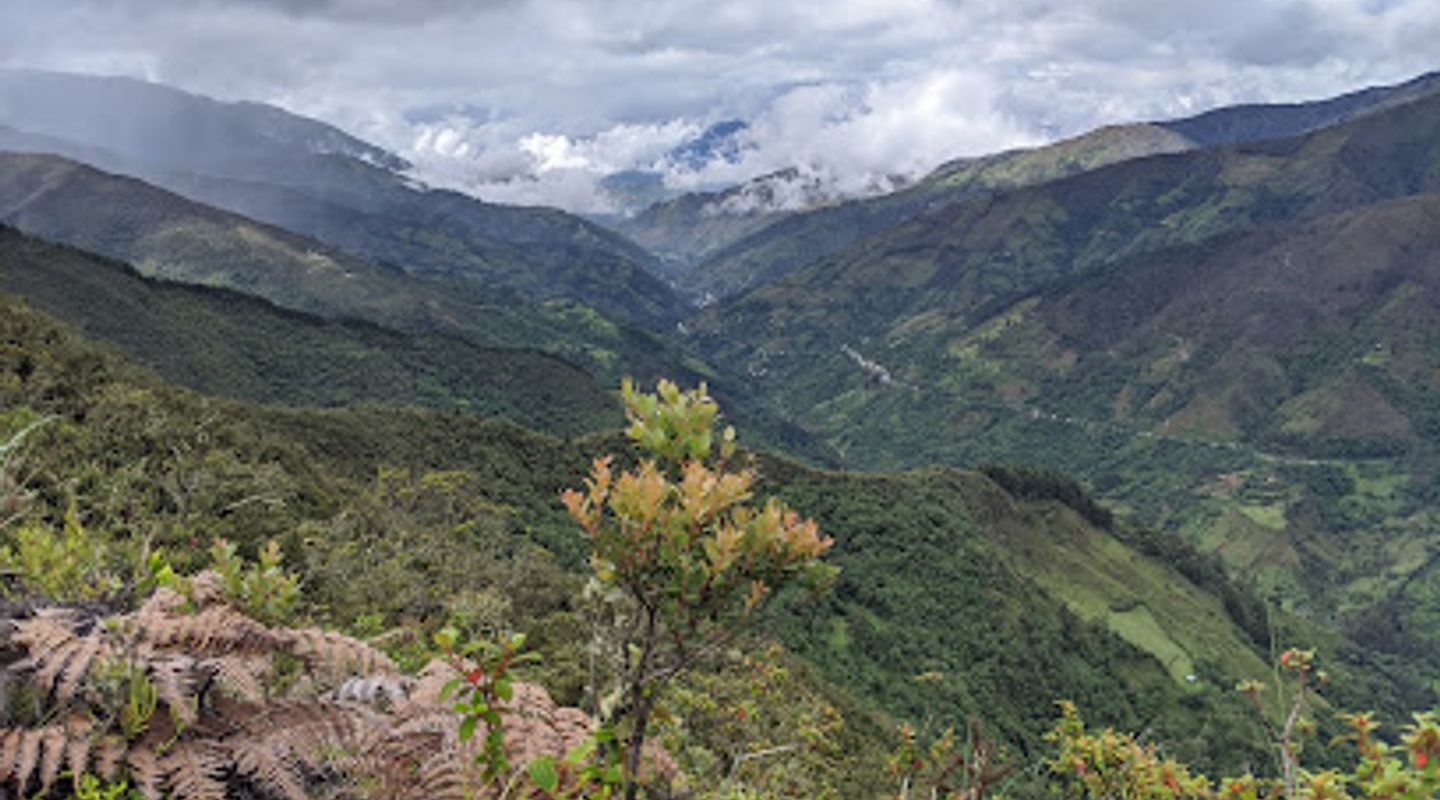
Parque Nacional Podocarpus, Southern Sierra Travel Guide
Explore Ecuador's Podocarpus National Park: a biodiverse paradise with cloud forests, hiking trails, and rare wildlife in the heart of the Andes.
Podocarpus National Park, nestled in southern Ecuador's Loja and Zamora Chinchipe provinces, is a haven for nature enthusiasts. Established in 1982, the park boasts exceptional biodiversity, ranging from montane forests to high-altitude grasslands, and is home to a vast array of plant and animal species, many of which are endemic.
A brief summary to Parque Nacional Podocarpus
- P234+9FH, Quitumbe, Quito, EC
- Click to display

Know before you go
Hi, I'm Eve. Here are a few practical things to know before exploring Parque Nacional Podocarpus.
- The dry season (June to September) is ideal for hiking and wildlife observation due to less rainfall.
- Bring binoculars to fully appreciate the park's diverse birdlife.
- Acquire trail maps from ranger stations or online before embarking on any hikes.
- Warm and light clothing is recommended, and rubber boots may be necessary depending on the area.
- Camping is permitted, but registration with park rangers is required for certain trails.
Do you manage this location?
Take control to get all the benefits, like improved information, better appearance, and stronger visibility across AI-powered discovery. Learn more about listing your business on Evendo
Activate your presenceOther nearby places you may find interesting
The closest places of the same kind, if this one is not quite what you had in mind.



Explore Parque Nacional Podocarpus on the Map
A handpicked selection of must-see spots near Parque Nacional Podocarpus, mapped for you.
Getting There
-
Public Transport
From Quito, take a bus from Terminal Terrestre Quitumbe to Zamora. The journey takes approximately 12 hours and costs between $18 and $30. From the Zamora bus terminal, you can walk to the park entrance in approximately 1 hour; the route is signposted. Alternatively, take a taxi or pickup truck from the terminal for around $4. Arrange for the driver to pick you up later, as there is no transportation available at the park entrance. From Loja, buses to Vilcabamba are available from the Loja terminal terrestre between 5:45 am and 9:15 pm. Tickets cost $0.5-$1. Ask to be dropped off at the park entrance. Shared taxis may also drop you off by the park gate building for $1.50 per person. Entrance to the park typically costs around $2 per person, payable in cash.
-
Taxi
From Zamora, a taxi to the Bombuscaro entrance of Podocarpus National Park costs approximately $4. Be sure to arrange a return trip with the taxi driver, as there is no regular taxi service at the park entrance. From Loja, a taxi to the Cajanuma admin center costs $8 to $12. Entrance to the park typically costs around $2 per person, payable in cash.
Discover more about Parque Nacional Podocarpus
More to explore near Parque Nacional Podocarpus













Your all‑in‑one travel companion app
Explore expert travel guides, compare and book tours, experiences, hotels, and more—all from the palm of your hand. Download now for seamless trip planning wherever your wanderlust takes you.


Explore More of Southern Sierra

Looking beyond Parque Nacional Podocarpus? Discover Southern Sierra for broader travel guides, local hot-spots, and regional highlights.
Explore Southern Sierra
Discover the vibrant culture and community spirit at Plaza 1 de Mayo, the heart of Loja, Ecuador, where tradition meets modern life.
Explore Podocarpus National Park, Ecuador: a biodiverse paradise with hiking trails, diverse ecosystems, and unique wildlife in the heart of the Andes.
