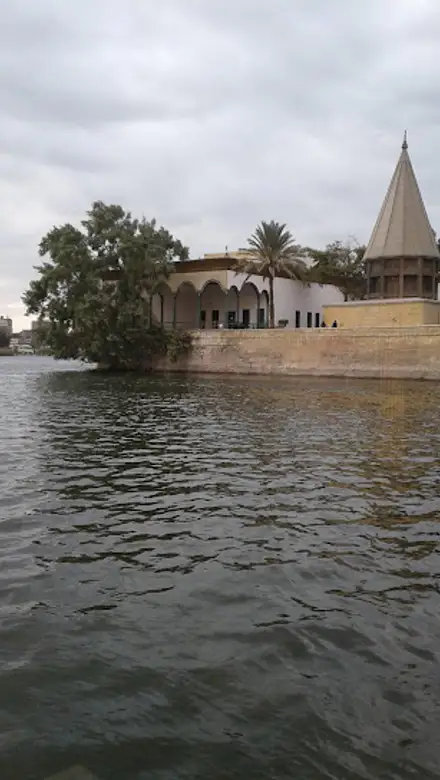
Rawda Island Nilometer Travel Guide
Free Guide: Explore the Rawda Island Nilometer: An ancient marvel that measured the Nile's floods and shaped Egyptian history.


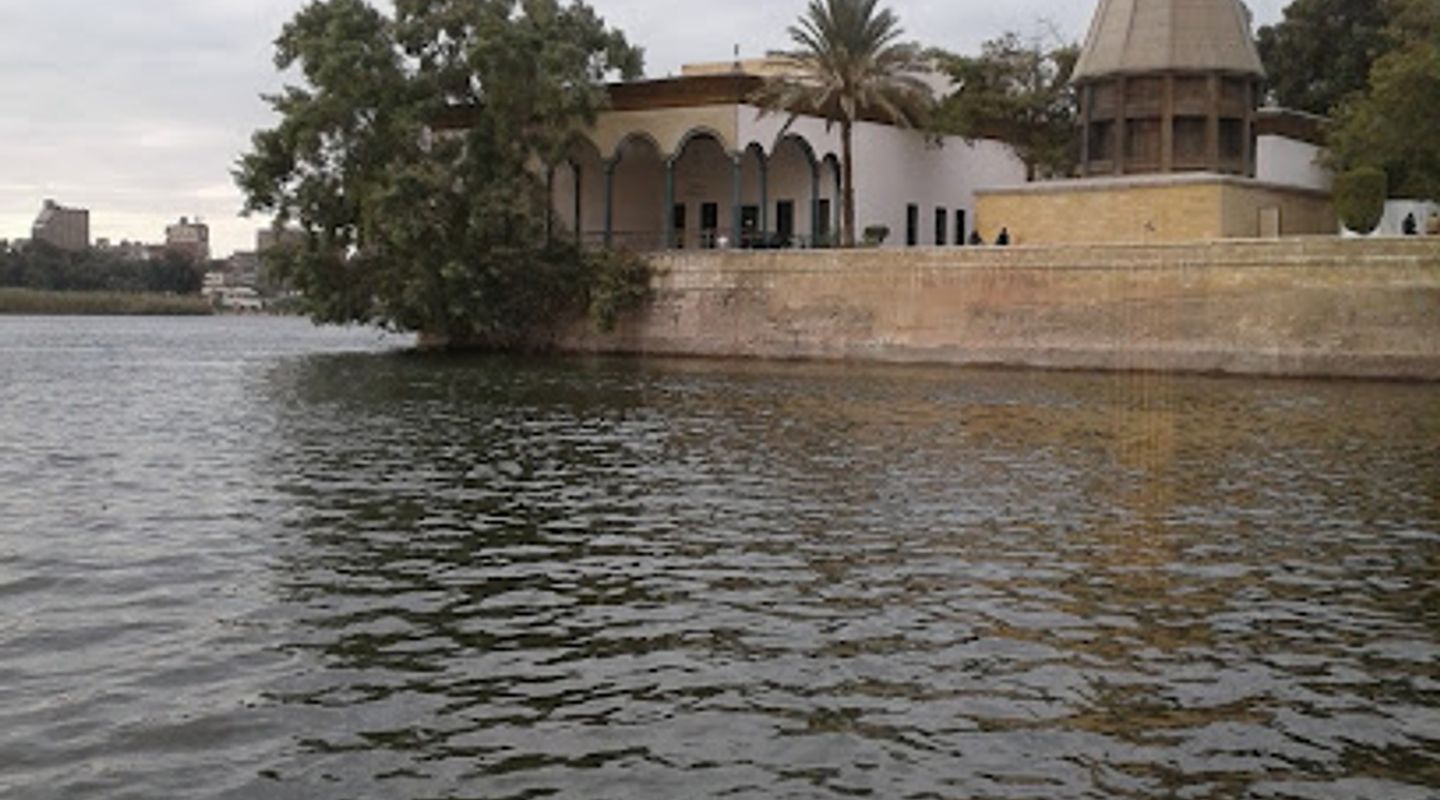
A brief summary of Rawda Island Nilometer
Explore the Rawda Island Nilometer: An ancient marvel that measured the Nile's floods and shaped Egyptian history.
The Rawda Island Nilometer, built in 861 AD, is one of the oldest structures in Egypt and a testament to ancient engineering. Used for centuries to measure the Nile River's water levels, it played a crucial role in predicting floods, managing irrigation, and determining agricultural taxes. Today, it offers visitors a glimpse into Egypt's past and the ingenuity of its people.
Opening hours
- Every day9 am–3:45 pm
Opening hours as listed on the venue’s Google Business Profile. Hours can change for services and special events, so check with the venue before you go.
- Address
- 264G+Q2J, Al-Miqyas Street, Southern Tip of Al-Roda Island, Cairo Governorate شارع المقياس, الطرف الجنوبي, لجزيرة الروضة, Cairo Governorate
- Website
Getting there
Public Transport
Taxi/Ride-sharing
Walking
Discover more about Rawda Island Nilometer
Overview
Located on the southern tip of Rawda Island in Cairo, the Nilometer stands as a remarkable historical landmark. Constructed in 861 AD by order of the Abbasid Caliph al-Mutawakkil, it is considered the oldest structure built after the Arab conquest that survives in its original form. The Nilometer was designed to measure the Nile River's water levels, a critical task for predicting annual floods, managing water distribution, and setting taxation levels based on agricultural productivity.The structure consists of a stone-lined well with a marble octagonal column at its center. The column, marked with measuring increments, indicated the height of the floodwaters as they rose through tunnels connecting the well to the Nile. Inscriptions of Qur'anic texts relating to water, vegetation, and prosperity adorn the walls, reflecting the Nilometer's significance in Egyptian life. A spiral staircase descends to the bottom of the well, though visitors may not be able to access it.For centuries, the Nilometer played a vital role in Egyptian society. Priests and rulers used its measurements to anticipate droughts, assess potential flood damage, and ensure fair taxation. The annual seven-day celebration of the Nile flood was a major event, attended by the sultan and senior officials. While the Aswan High Dam has rendered the Nilometer obsolete for its original purpose, it remains a powerful symbol of Egypt's rich history and its deep connection to the Nile.Today, visitors can explore this ancient structure and marvel at the engineering prowess of the past. The surrounding area offers picturesque views of the Nile, providing a serene escape from the bustling city. The Nilometer provides a unique opportunity to connect with Egypt's heritage and appreciate the ingenuity of its people.
Evendo Review Centre
 Google
Guest reviews
Explore Rawda Island Nilometer on the map
A handpicked selection of must-see spots near Rawda Island Nilometer, mapped for you.
Get your free copy of our complete guide to Rawda Island Nilometer, delivered straight to you.
Everything on this page, from opening hours and how to get there to Eve’s tips and the best time to go, in one PDF you can read offline, print or share.
Already have an account? Sign in
Your Rawda Island Nilometer guide is ready.
We'll send it to · Not you? Sign out

Getting your guide ready…
We are putting together a fresh copy of the Rawda Island Nilometer guide. This can take up to a minute.
This can take a few moments. If your browser asks, choose Allow so the download can start. You'll find the guide in your Downloads folder.
Nothing happened? Download it again
Sorry, the guide is taking longer than usual. Please try again in a minute, or get it by email instead.
Unlock the best of Rawda Island Nilometer
Skip-the-line tickets, guided tours with entry, and walking tours of the area, booked in a few clicks.
 Tour with entry
Sultan Hassan Mosque, Nilometer and Mohamed Ali Palace
from $38.00 Tour with entry
Tour To The Nilometer And Manial Palace With Felucca Ride
from $183.35 Tour with entry
Nilometer, Manial Palace And City Of The Dead\ Felucca Ride
from $200.45 Tour with entry
Private Tour to the Nilometer, Manial palace, City of The Dead With felucca Ride
from $200.45


Other nearby places you may find interesting
The closest places of the same kind, if this one is not quite what you had in mind.
-
-
-
-
-


Swipe for more places
More to explore near Rawda Island Nilometer

 Best experiences near Rawda Island Nilometer
 Best hotels near Rawda Island Nilometer
 Best landmarks near Rawda Island Nilometer
 Best attractions near Rawda Island Nilometer
 Best shops near Rawda Island Nilometer
 Best restaurants near Rawda Island Nilometer
 Best bars near Rawda Island Nilometer
Do you manage this location?
Take control to get all the benefits, like improved information, better appearance, and stronger visibility across AI-powered discovery.
Explore more

Explore more of Nile Delta
Explore the lush landscapes, ancient ruins, and vibrant culture of Egypt's Nile Delta, a region where history and nature intertwine beautifully.
Explore Nile Delta
Explore more of Egypt
Discover Egypt: From the timeless pyramids to the vibrant Red Sea, experience a land where ancient wonders meet modern adventures.
Explore Egypt