

Free Sinai Peninsula Travel Guide & Mobile App
Explore Sinai Peninsula with free travel guides. Discover regional history, expert tips, proposed trips, and audio guides on web or mobile app.


Experience the allure of Egypt's Sinai Peninsula: a captivating blend of natural beauty, historical significance, and thrilling adventures, nestled between two seas.
Read more about Sinai Peninsula
When is the best time to visit Sinai Peninsula?
Best: March–April, November · 22–27°C| Month | High (°C) | Rainfall (mm) |
|---|---|---|
| January | 18 | 5 |
| February | 19 | 4 |
| March (best) | 22 | 3 |
| April (best) | 27 | 1 |
| May | 31 | 1 |
| June | 35 | 0 |
| July | 37 | 0 |
| August | 37 | 0 |
| September | 35 | 0 |
| October | 30 | 1 |
| November (best) | 24 | 3 |
| December | 19 | 5 |
Getting to and around Sinai Peninsula
How to get there
Transportation
Top city travel guides in Sinai Peninsula
The cities of Sinai Peninsula, and the easiest places to base yourself.
-

-

-

-

-

-


Swipe for more cities
Destinations in Sinai Peninsula
Resorts, valleys and scenic spots worth a trip of their own.
-
-

-

-


Swipe for more destinations
Best attractions in Sinai Peninsula
The Sinai Peninsula, a gem of Egypt, offers a mesmerizing blend of natural beauty and historical wonders. Visitors can explore the stunning Red Sea coastline with its crystal-clear waters and vibrant coral reefs, perfect for diving and snorkeling enthusiasts. Inland, the dramatic desert landscape is dotted with rugged mountains, including the iconic Mount Sinai, where it is believed Moses received the Ten Commandments. The peninsula is also home to the ancient St. Catherine's Monastery, a UNESCO World Heritage site with a rich history and a collection of religious icons. Adventurers can trek through the mystical Colored Canyon, with its strikingly colorful rock formations, or unwind in the serene beaches of Sharm El Sheikh and Dahab, known for their luxurious resorts and vibrant nightlife. The Sinai Peninsula is a treasure trove of experiences, from spiritual pilgrimages to thrilling outdoor activities, making it an unforgettable destination for any traveler.
-
Tourist attraction
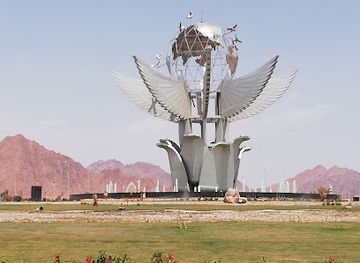
Peace Square
Discover the tranquility and cultural charm of Peace Square, a vibrant hub in Sharm Al Sheikh, where relaxation meets local traditions.
-
Nature preserve
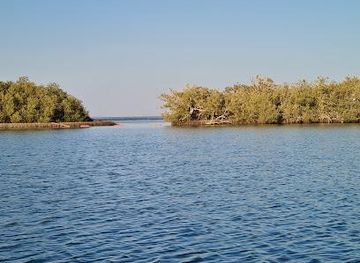
Nabq Nature Reserve
Discover the enchanting beauty of Nabq Nature Reserve, a unique blend of desert and marine ecosystems in South Sinai, perfect for nature lovers and adventure seekers.
-
Tourist attraction
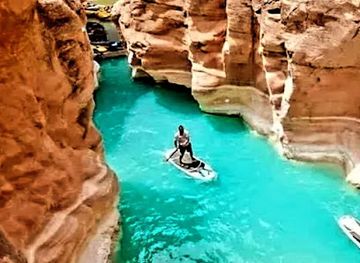
Wadi El Weshwash - وادي الوشواش
Discover the stunning beauty of Wadi El Weshwash, a natural oasis in South Sinai, perfect for adventure seekers and nature lovers alike.
-
Tourist attraction
Mashraba dive site
Explore the breathtaking Mashraba dive site in the Red Sea, a diver's paradise filled with vibrant marine life and stunning coral reefs.

Best landmarks in Sinai Peninsula
The Sinai Peninsula in Egypt offers a captivating blend of history, culture, and natural beauty that is sure to enchant every traveler. Begin your journey at the awe-inspiring Mount Sinai, where you can hike to the summit for a breathtaking sunrise and visit the historic St. Catherine's Monastery, one of the oldest working Christian monasteries in the world. For those seeking underwater adventures, the Red Sea's coral reefs at Sharm El Sheikh and Dahab are a diver's paradise, teeming with vibrant marine life. The rugged terrain of the Colored Canyon near Nuweiba presents an unparalleled opportunity for hiking and photography, with its striking hues and dramatic rock formations. Bedouin villages scattered throughout the desert offer a glimpse into traditional lifestyles, while the serene beaches of Taba provide the perfect backdrop for relaxation. Whether you're exploring ancient ruins, marveling at natural wonders, or immersing yourself in the rich local culture, the Sinai Peninsula is a destination that promises unforgettable experiences.
-
National park
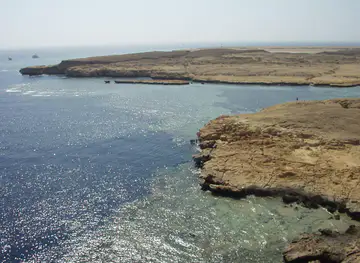
Ras Mohamed Nature Reserve
Experience the breathtaking beauty of Ras Mohamed Nature Reserve, a haven for nature lovers and adventure seekers in Egypt's Sinai Peninsula.
-
Historical landmark
White Canyon
Explore the serene beauty of White Canyon near Dahab, Egypt, a natural wonder sculpted by millennia of wind and water erosion.
-
Lodging
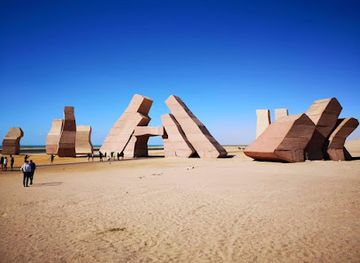
Sinai Ancient Egypt
Explore the stunning landscapes and rich history of Sinai Ancient Egypt, a gateway to adventures in the desert and the Red Sea.

Explore Sinai Peninsula on the map
Plan your trip on one map. See where the top cities, national parks and sights are, and book hotels and experiences in a few clicks.
Best hotels in Sinai Peninsula
Best restaurants in Sinai Peninsula
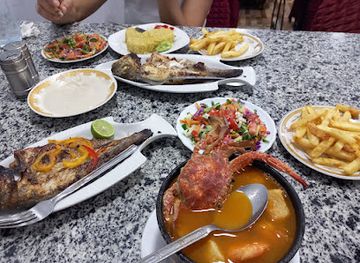
The Sinai Peninsula offers a vibrant and diverse dining scene that captures the essence of its rich cultural tapestry. Visitors can expect to indulge in an array of flavors, from traditional Bedouin feasts under starlit desert skies to fresh seafood caught daily from the Red Sea. Coastal towns like Sharm El Sheikh and Dahab boast a variety of international cuisines, with beachfront restaurants serving everything from Italian pasta to Japanese sushi, often accompanied by stunning ocean views. Inland, charming local eateries in towns like St. Catherine provide authentic Egyptian dishes such as ful medames and koshari, prepared with age-old recipes and spices. Whether you are feasting on grilled kebabs at an open-air market or savoring aromatic tagines in a cozy café, the culinary landscape of the Sinai Peninsula is sure to captivate and delight every palate.
-
Restaurant
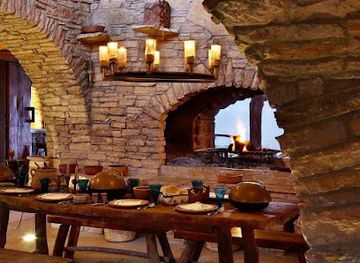
Castle Zaman slow-food restaurant
Experience authentic Egyptian cuisine amidst stunning landscapes at Castle Zaman slow-food restaurant in Taba.
-
Restaurant
Shahrazad Oriental Restaurant
Experience authentic Lebanese cuisine at Shahrazad Oriental Restaurant in Nuweiba - where every dish tells a story.
-
Seafood
Ganat Al Asmak Restaurant
Experience culinary excellence at Ganat Al Asmak Restaurant - where fresh seafood meets stunning coastal views in South Sinai.
-
Asian
L'Asiatique Restaurant
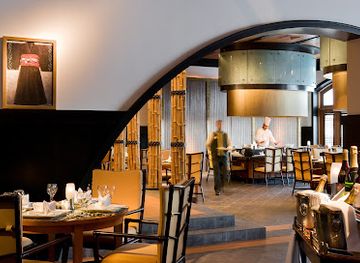
Discover exquisite Asian cuisine at L'Asiatique Restaurant in Taba – where every meal is a journey through flavors.
Best bars in Sinai Peninsula
The nightlife scene in the Sinai Peninsula is a mesmerizing blend of desert charm and coastal allure, offering an eclectic mix of experiences to suit every taste. In bustling resorts like Sharm El Sheikh and Dahab, visitors can expect vibrant beach bars and open-air nightclubs pulsating with international beats, where you can dance under the stars and sip on exotic cocktails. For those seeking a more laid-back vibe, the Bedouin-style lounges provide an intimate setting with traditional music, deliciously spiced shisha, and the serene backdrop of the desert night sky. The nightlife here is as diverse as the region itself, ranging from high-energy dance floors to tranquil seaside cafes, ensuring that every visitor finds their perfect nocturnal adventure.
-
Hotel
Mövenpick Taba
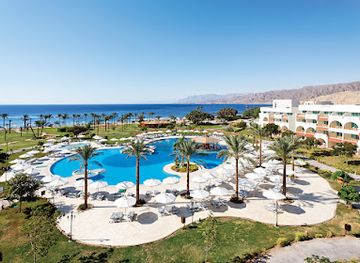
Discover luxury and tranquility at Mövenpick Taba, your gateway to the stunning Red Sea and unforgettable Egyptian adventures.
-
 Hotel
HotelMosaique Beach Resort Taba Heights
Experience unparalleled luxury and breathtaking views at Mosaique Beach Resort Taba Heights, your gateway to the stunning Red Sea.
-
Grill
The Tap East
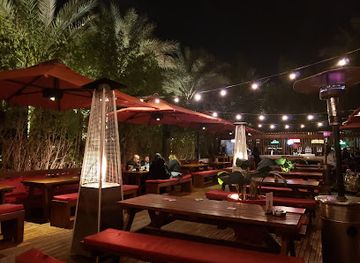
Discover The Tap East in New Cairo: A vibrant grill and bar experience with delicious food, refreshing drinks, and a lively atmosphere.
-
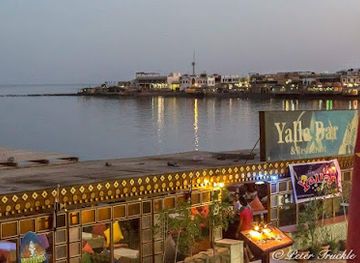
Bar
Yalla Bar Dahab
Experience the vibrant atmosphere of Yalla Bar Dahab, where delicious food, refreshing drinks, and stunning views come together for an unforgettable experience.
Best nightclubs in Sinai Peninsula
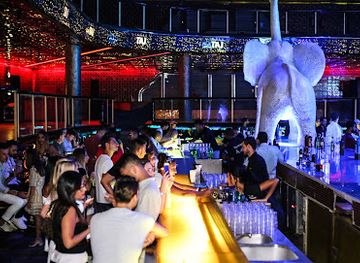
The nightlife scene in the Sinai Peninsula is a mesmerizing blend of desert charm and coastal allure, offering an eclectic mix of experiences to suit every taste. In bustling resorts like Sharm El Sheikh and Dahab, visitors can expect vibrant beach bars and open-air nightclubs pulsating with international beats, where you can dance under the stars and sip on exotic cocktails. For those seeking a more laid-back vibe, the Bedouin-style lounges provide an intimate setting with traditional music, deliciously spiced shisha, and the serene backdrop of the desert night sky. The nightlife here is as diverse as the region itself, ranging from high-energy dance floors to tranquil seaside cafes, ensuring that every visitor finds their perfect nocturnal adventure.
-
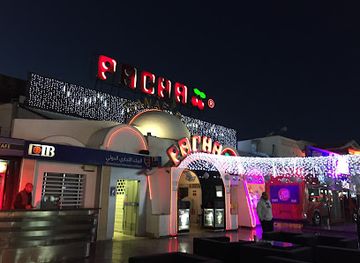
Night club
Pacha Sharm el Sheikh
Discover the pulsating nightlife of Pacha Sharm el Sheikh, where world-class DJs and vibrant dance floors create an unforgettable party experience.
-
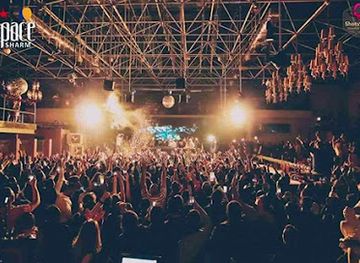
Night club
Space Sharm El Sheikh
Discover the vibrant nightlife at Space Sharm El Sheikh, where music, dance, and unforgettable memories await you in the heart of the Red Sea.
-
Night club
La Dolce Vita Club - (Sharm El Sheikh)
Discover the vibrant nightlife at La Dolce Vita Club in Sharm El Sheikh, a premier destination for dancing and entertainment in Egypt.
-
Night club
Taj Mahal Club - (Sharm El Sheikh)
Taj Mahal Club: Dive into Sharm El Sheikh's vibrant nightlife with exciting music, delicious food, and unforgettable memories.
Best shops in Sinai Peninsula
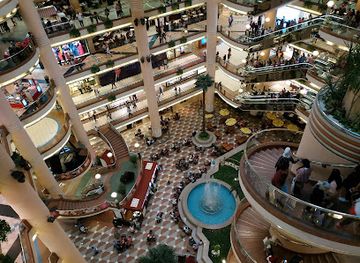
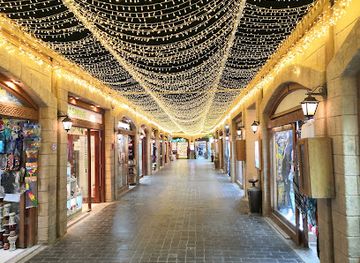
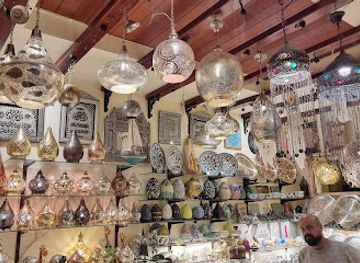
The shopping scene in the Sinai Peninsula offers an eclectic blend of traditional and modern experiences that captivate the senses. In bustling bazaars like Sharm El Sheikh's Old Market and Dahab's Assalah Market, visitors can discover a treasure trove of handcrafted jewelry, vibrant textiles, aromatic spices, and intricate Bedouin crafts, each piece telling its own story of the region's rich cultural tapestry. Modern shopping centers such as SOHO Square in Sharm El Sheikh provide a more contemporary retail experience, featuring international brands, gourmet dining, and lively entertainment, ensuring that every shopper finds something to delight in. Whether you're haggling for a unique keepsake or indulging in luxury goods, the Sinai Peninsula promises a shopping adventure as diverse and enchanting as its landscapes.
-
Shopping mall
Citystars Mall
Discover unparalleled shopping, dining, and entertainment at Citystars Mall, a premier destination in Cairo's vibrant Nasr City.
-
Bazar
Khan el-Khalili
Discover the vibrant markets of Khan el-Khalili, where history and culture come alive in Cairo's most famous bazaar.
-
Shopping mall
SOHO Square Sharm El Sheikh
Explore SOHO Square in Sharm El Sheikh, a premier shopping mall and entertainment venue offering diverse dining, shopping, and exciting events in a stunning atmosphere.
-
Shopping mall
Senzo Mall
Shop, dine, and unwind at Senzo Mall in Hurghada, a vibrant hub for shopping enthusiasts and families alike.

Get your free copy of our complete guide to Sinai Peninsula, delivered straight to you.
Everything on this page, from attractions and restaurants to essentials and local phrases, in one PDF you can read offline, print or share.
Already have an account? Sign in
Your Sinai Peninsula guide is ready.
We'll send it to · Not you? Sign out

Getting your guide ready…
We are putting together a fresh copy of the Sinai Peninsula guide. This can take up to a minute.
This can take a few moments. If your browser asks, choose Allow so the download can start. You'll find the guide in your Downloads folder.
Nothing happened? Download it again
Sorry, the guide is taking longer than usual. Please try again in a minute, or get it by email instead.
Sinai Peninsula essentials
Currency and Payment
Safety
Emergency Situations
Do's and Don'ts
Local Tips
From Eve
Local phrases worth knowing
You don't need to get them perfect. A few words go a long way, and locals appreciate the effort.
Basics
| English | Local | Say it |
|---|---|---|
| Hello | مرحبا | [Marhaba] |
| Goodbye | وداعا | [Wadā'an] |
| Yes | نعم | [Na'am] |
| No | لا | [Lā] |
| Please/You’re welcome | من فضلك | [Min faḍlik] |
| Thank you | شكرا | [Shukran] |
| Excuse me/Sorry | عفوا | [Afwan] |
| How are you? | كيف حالك؟ | [Kayfa ḥālak?] |
| Fine. And you? | بخير. وأنت؟ | [Bikhayr. Wa anta?] |
| Do you speak English? | هل تتحدث الإنجليزية؟ | [Hal tataḥaddath al-inglīziyya?] |
| I don't understand | لا أفهم | [Lā afham] |
Eating & Drinking
| English | Local | Say it |
|---|---|---|
| I’d like to see the menu, please | أود رؤية القائمة، من فضلك | [Awad rū'yat al-qā'ima, min faḍlik] |
| I don't eat meat | لا أتناول اللحم | [Lā atanāwal al-laḥm] |
| Cheers! | في صحتك! | [Fī ṣiḥṭik!] |
| I would like to pay, please | أود الدفع، من فضلك | [Awad al-daf' , min faḍlik] |
Emergencies
| English | Local | Say it |
|---|---|---|
| Help! | مساعدة! | [Musā'ada!] |
| Go away! | اذهب بعيدا! | [Idhhab ba'īdan!] |
| Call the Police! | اتصل بالشرطة! | [Ittṣil bil-shurṭa!] |
| Call a doctor! | اتصل بطبيب! | [Ittṣil biṭabīb!] |
| I’m lost | أنا ضائع | [Ana ḍā'iʿ] |
| I’m ill | أنا مريض | [Ana marīḍ] |
Shopping
| English | Local | Say it |
|---|---|---|
| I’d like to buy... | أود شراء... | [Awad shirā'] |
| I’m just looking | أنا فقط أنظر | [Ana faqaṭ anẓur] |
| How much is it? | كم ثمنه؟ | [Kam thamanuh?] |
| That’s too expensive | هذا مكلف جدا | [Hādhā mukallaf jiddan] |
| Can you lower the price? | هل يمكنك تخفيض السعر؟ | [Hal yumkinuka takhfīḍ al-si'r?] |
Time & Numbers
| English | Local | Say it |
|---|---|---|
| What time is it? | ما هو الوقت؟ | [Mā huwa al-waqt?] |
| It's one o'clock | الساعة الواحدة | [Al-sā'a al-wāḥida] |
| Half past (10) | نصف (10) | [Niṣf (10)] |
| Morning | صباح | [Ṣabāḥ] |
| Afternoon | بعد الظهر | [Ba'd al-ẓuhr] |
| Evening | مساء | [Masā'] |
| Yesterday | أمس | [Ams] |
| Today | اليوم | [Al-yawm] |
| Tomorrow | غدا | [Ghadan] |
| 1 | ١ | [Wāḥid] |
| 2 | ٢ | [Ithnān] |
| 3 | ٣ | [Thalātha] |
| 4 | ٤ | [Arba'a] |
| 5 | ٥ | [Khamsa] |
| 6 | ٦ | [Sitta] |
| 7 | ٧ | [Sab'a] |
| 8 | ٨ | [Thamānīya] |
| 9 | ٩ | [Tis'a] |
| 10 | ١٠ | [ʻAšara] |
Transport & Directions
| English | Local | Say it |
|---|---|---|
| Where's a/the...? | أين ال...؟ | [Ayn al...?] |
| What’s the address? | ما هو العنوان؟ | [Mā huwa al-‘unwān?] |
| Can you show me (on the map)? | هل يمكنك إخباري (على الخريطة)؟ | [Hal yumkinuka ikhbārī (ʿalā al-kharīṭa)?] |
| When’s the next (bus)? | متى يأتي (الباص) التالي؟ | [Matā ya'tī (al-bāṣ) al-tālī?] |
| A ticket (to ....) | تذكرة (إلى ....) | [Tadhkarah (ilā ....)] |
History of Sinai Peninsula
Ancient Trade Routes
The Sinai Peninsula has been a critical crossroad for ancient trade routes, linking Africa and Asia. Caravans carried goods such as incense, copper, and turquoise from the mines in Sinai to far-off markets in Egypt and beyond. The trade routes facilitated not just economic exchange, but also cultural interactions between diverse civilizations.
Pharaonic Egypt and Mining
During the Pharaonic era, the Sinai Peninsula was an essential source of valuable minerals, particularly copper and turquoise. The ancient Egyptians established mining expeditions in the region, evident from inscriptions found at Serabit el-Khadim that date back to the Middle Kingdom. These inscriptions provide fascinating insights into the mining operations and religious practices of the time.
Biblical Significance
The Sinai Peninsula holds immense religious significance, particularly in the Abrahamic traditions. It is traditionally identified as the location where Moses received the Ten Commandments from God on Mount Sinai. This event is commemorated by the Monastery of St. Catherine, one of the oldest working Christian monasteries in the world, which has been a pilgrimage site for centuries.
Roman and Byzantine Era
Under Roman and later Byzantine rule, the Sinai Peninsula continued to be a vital corridor for trade and military movements. The Romans constructed fortresses and watchtowers to safeguard their interests, and early Christian hermits and monks found refuge in the peninsula’s remote mountains and deserts, laying the foundation for monastic communities.
Islamic Conquests and Influence
The arrival of Islam in the 7th century brought significant changes to the Sinai Peninsula. The region became a part of the expanding Islamic caliphates, and its strategic importance was recognized by successive Islamic dynasties. Fortifications and caravanserais were built to protect and support pilgrims traveling to Mecca and Medina, further integrating Sinai into the Islamic world.
Ottoman Rule
The Sinai Peninsula was incorporated into the Ottoman Empire in the early 16th century. Ottoman control brought administrative changes and the construction of infrastructure to manage the region’s tribal communities and secure the pilgrimage routes. The Ottomans maintained a presence in Sinai until the early 20th century, leaving behind a legacy of architectural and cultural influences.
Modern Conflicts
In the 20th century, the Sinai Peninsula became a focal point of geopolitical conflicts, particularly between Egypt and Israel. The peninsula was occupied by Israel during the Six-Day War in 1967 but was returned to Egypt following the Camp David Accords in 1979. The history of these conflicts is still evident in the region, from military outposts to memorials.
Contemporary Significance
Today, the Sinai Peninsula is known for its stunning natural landscapes, including the Red Sea’s coral reefs, desert dunes, and rugged mountains. It is a popular destination for tourists seeking adventure, history, and spiritual experiences. The region continues to balance its rich historical heritage with modern development and tourism.
Sinai Peninsula in Photos
Browse through our photo collection highlighting the charm and character of the destination.
Neighbouring regions of Sinai Peninsula
The closest regions to Sinai Peninsula, if you have time for more than one.
-

-

-

-

-


Swipe for more regions
Explore more
Explore more of Egypt
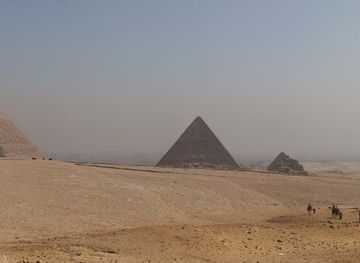
Discover Egypt: From the timeless pyramids to the vibrant Red Sea, experience a land where ancient wonders meet modern adventures.
Explore Egypt