

Free Zoba Anseba Travel Guide & Mobile App
Explore Zoba Anseba with free travel guides. Discover regional history, expert tips, proposed trips, and audio guides on web or mobile app.


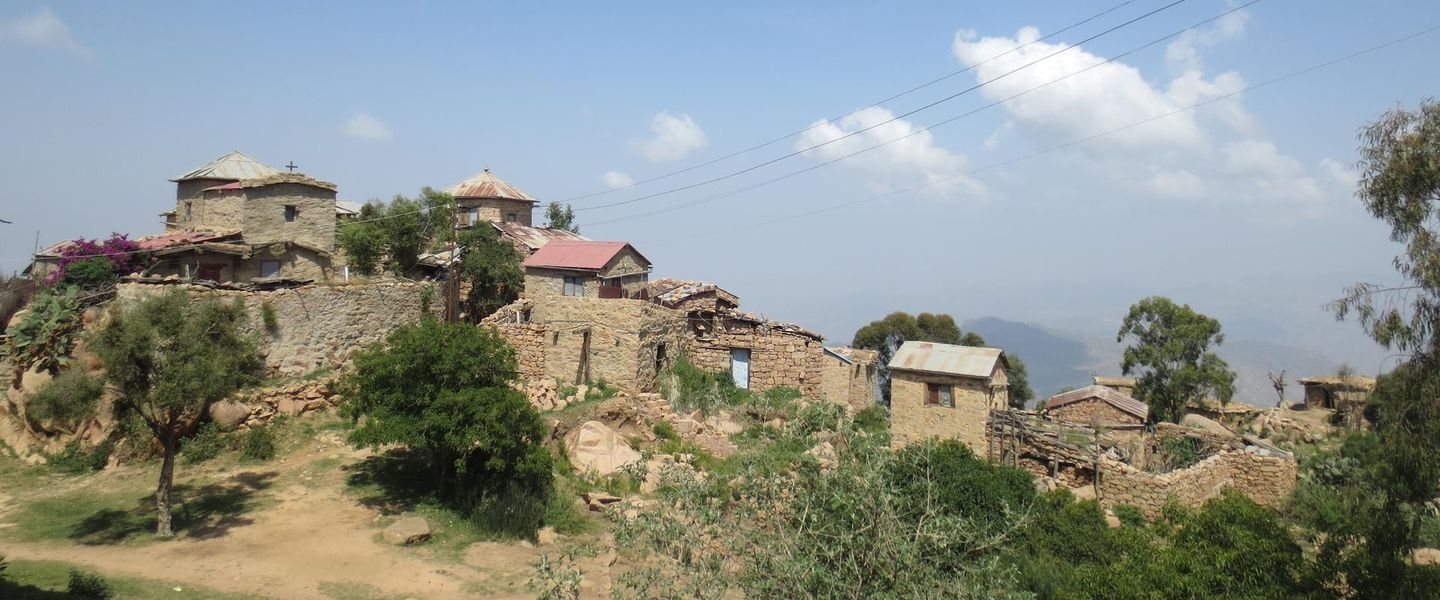


Zoba Anseba offers Keren’s wartime heritage, highland scenery, market culture and rural Eritrean landscapes beyond Asmara.
Read more about Zoba Anseba
When is the best time to visit Zoba Anseba?
Best: November–January · 25–27°C| Month | High (°C) | Rainfall (mm) |
|---|---|---|
| January (best) | 26 | 1 |
| February | 27 | 2 |
| March | 29 | 3 |
| April | 31 | 5 |
| May | 33 | 6 |
| June | 35 | 7 |
| July | 34 | 15 |
| August | 33 | 12 |
| September | 32 | 7 |
| October | 29 | 4 |
| November (best) | 27 | 2 |
| December (best) | 25 | 1 |
Getting to and around Zoba Anseba
How to get there
Transportation
Top city travel guides in Zoba Anseba
The cities of Zoba Anseba, and the easiest places to base yourself.

Swipe for more cities
Destinations in Zoba Anseba
Resorts, valleys and scenic spots worth a trip of their own.
-

-

-


Swipe for more destinations
Best attractions in Zoba Anseba
Zoba Anseba’s attractions combine Keren’s urban history with landscapes that become increasingly open and dry away from the Anseba River basin. Keren’s markets provide insight into regional trade, livestock commerce and everyday social life, while the town’s older streets and surviving colonial-era buildings offer a setting for understanding the changes brought by Italian administration. The religious site of Mariam Dearit, associated with a revered Marian shrine, is important for pilgrimage and local devotion and should be visited with appropriate permission and respect. Around Keren, hills and valleys connected with the 1941 Battle of Keren give historically minded travellers a way to read the terrain behind the military campaign. Beyond the town, rural Anseba is best experienced through authorised road journeys, with cultivated uplands, seasonal riverbeds, grazing areas and settlements revealing how communities adapt to limited water. The region is not organised around large visitor complexes or developed adventure infrastructure; its interest lies in historical interpretation, culturally respectful encounters, landscape observation and the movement between town and countryside.
-
Tourist attraction
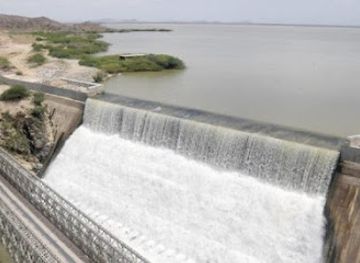
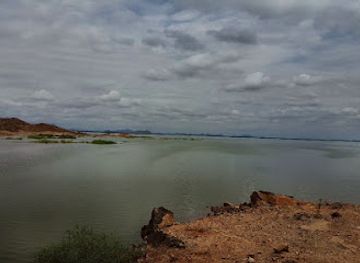
ዲጋ ከርከበት Kerkebt Dam
Experience the serene beauty and cultural richness of Kerkebt Dam in Eritrea, a perfect retreat for nature lovers and travelers seeking tranquility.
-
Tourist attraction
حفير كركبة الاقتصادي KARKABT DAM FOR ECONOMY
Discover the Karkabt Dam in Eritrea – a stunning blend of natural beauty and engineering prowess, perfect for nature lovers and adventure seekers.
-
 Tourist attraction
Anseba Eritrea
Explore Anseba, Eritrea: A captivating tourist attraction with stunning landscapes, rich culture, and unforgettable experiences for every traveler.
Best landmarks in Zoba Anseba
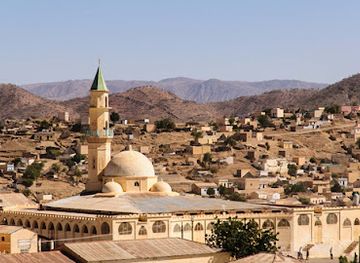
Keren’s most recognisable landmarks are connected to faith, war and its role as a regional market town. Mariam Dearit, a Marian shrine associated with a cave and pilgrimage tradition, has religious significance for Eritrean Christians and is approached as a place of devotion rather than simply a sightseeing stop. The town’s older civic and commercial buildings, including surviving structures from the Italian colonial period, mark Keren’s former administrative and trading importance. Cemeteries and memorials associated with the Battle of Keren preserve the memory of the 1941 campaign, while the surrounding ridges explain why control of the town was militarily important. The Anseba River and its seasonal valleys are natural landmarks in a broader geographical sense, shaping settlement, cultivation and movement even when water flow is limited. Outside Keren, historic and geographical features are dispersed, and access may depend on permits, road conditions and local guidance; visitors should not treat unmarked wartime remains as accessible monuments.
-
Tourist attraction
Anseba Eritrea
Explore Anseba, Eritrea – A stunning tourist attraction rich in natural beauty and cultural heritage, perfect for adventurous travelers.
Explore Zoba Anseba on the map
Plan your trip on one map. See where the top cities, national parks and sights are, and book hotels and experiences in a few clicks.
Best hotels in Zoba Anseba
Best restaurants in Zoba Anseba
Dining in Zoba Anseba is centred on Keren’s modest cafés, local eateries, household cooking and traditional restaurants rather than an extensive international restaurant scene. Meals commonly draw on Eritrea’s wider highland food culture: injera served with stews, lentils, vegetables, meat or fish where available, together with spiced sauces and roasted grains. Coffee is an important part of social hospitality, although visitors should accept it according to local circumstances and religious or household customs. Markets and small food sellers may provide bread, pulses, fruit, tea and snacks, but choice and availability can change with supply. In rural districts, meals are more likely to be arranged through accommodation, a guide or a local household than found through a dependable restaurant network. Keren’s culinary interest lies in the relationship between market produce, seasonal agriculture and Eritrea’s shared Tigrinya and Tigre-influenced food traditions, not in formal dining variety. Carrying sealed snacks is sensible on longer journeys.
-
Restaurant
ማእከላይ ከረን Central Keren
Discover authentic Eritrean cuisine at Central Keren - where tradition meets taste in every dish.
-
Restaurant
Hamid Aseyr حامد عصير
Experience authentic Eritrean cuisine at Hamid Aseyr in Keren – where every dish tells a story of tradition and flavor.
-
Oyster Bar
SLET restaurant and bar
Experience exquisite oysters and vibrant local cuisine at SLET Restaurant and Bar in Keren – where flavor meets culture.
Best bars in Zoba Anseba
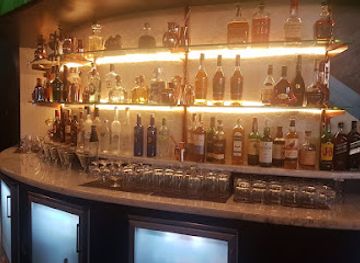
Keren’s evening life is relatively low-key and is shaped by cafés, traditional eateries, small bars, hotel-based social spaces and conversations in public gathering places rather than a large nightclub circuit. Coffee houses can be more culturally significant than late-night entertainment venues, while music and socialising tend to follow local patterns and may not be advertised for visitors. Alcohol availability and business hours can vary, and travellers should not assume that venues accept foreign currency or cards. In smaller Anseba settlements, evening activity generally centres on family, community and local cafés, with little organised nightlife for tourists. Respect religious observance, avoid excessive drinking and follow the guidance of accommodation staff, especially where movement after dark is restricted or transport options are limited.
-
Restaurant
ማእከላይ ከረን Central Keren
Explore the vibrant flavors of Eritrea at Central Keren - a culinary gem in Keren, perfect for an authentic dining experience.
-
Restaurant
Admas Restaurant & Bar
Discover the authentic flavors of Eritrea at Admas Restaurant & Bar, where every meal tells a story of tradition and hospitality.
-
Bar
Bar selam ባር ሰላም ( እንዳ ሳባ)
Experience the vibrant nightlife and rich cultural heritage of Eritrea at Bar Selam, the heart of Adi Kontsi's social scene.
-
Bar
Bar Jima
Experience the vibrant atmosphere of Bar Jima in Asmara, where refreshing drinks and lively conversation create the perfect getaway.

Best nightclubs in Zoba Anseba
Keren’s evening life is relatively low-key and is shaped by cafés, traditional eateries, small bars, hotel-based social spaces and conversations in public gathering places rather than a large nightclub circuit. Coffee houses can be more culturally significant than late-night entertainment venues, while music and socialising tend to follow local patterns and may not be advertised for visitors. Alcohol availability and business hours can vary, and travellers should not assume that venues accept foreign currency or cards. In smaller Anseba settlements, evening activity generally centres on family, community and local cafés, with little organised nightlife for tourists. Respect religious observance, avoid excessive drinking and follow the guidance of accommodation staff, especially where movement after dark is restricted or transport options are limited.
-
Bar
Yohana bar
Experience the vibrant nightlife at Yohana Bar in Keren, Eritrea, where local culture, delicious drinks, and friendly faces await you.
-
Bar
Sahil Amusement Park
Experience the thrill and excitement of Sahil Amusement Park in Keren, Eritrea, a perfect destination for family fun and adventure.
-
Disco club
West End
Discover the vibrant nightlife of Asmara at West End, Eritrea's premier disco club, where music and dance come alive.
Best shops in Zoba Anseba
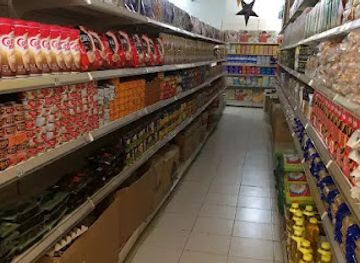
Shopping in Zoba Anseba is concentrated in Keren’s markets and high-street commercial areas, where everyday trade is more prominent than dedicated tourist retail. Visitors may find locally traded grains, pulses, spices, coffee, woven goods, clothing, household items and livestock-related products, with selection changing according to season and supply. Small shops can be useful for basic provisions, while market visits offer a clearer view of the commercial links between Keren, the highlands and surrounding lowland districts. Traditional textiles, baskets or other handmade objects should be bought respectfully and with an understanding that not every item is produced locally. Bargaining may be part of market practice, but it should remain courteous and proportionate. Carry Eritrean nakfa in small denominations, check goods before purchase and ask permission before photographing stalls or sellers. Outside Keren, retail choice is limited and visitors should obtain food, water and practical supplies before setting out on rural journeys.
-
Grocery store
Family Supermarket
Explore local flavors and quality goods at Family Supermarket in Asmara, your gateway to Eritrean culinary delights.
-
Store
Kahawta
Discover the charm of Kahawta in Asmara, where local craftsmanship meets a warm, welcoming atmosphere.
-
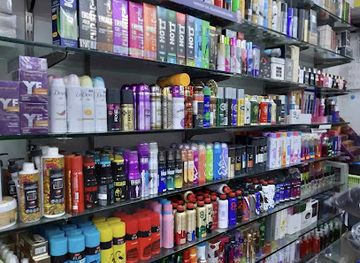
Cosmetics store
KOKOB SHOP ኮኾብ ሾፕ
Explore KOKOB SHOP: Asmara's premier destination for quality cosmetics, blending local charm with global beauty standards.
-
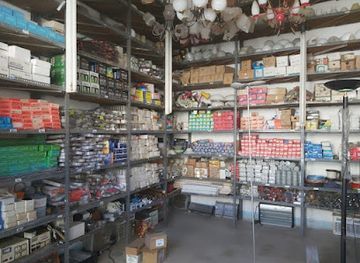
Electrical supply store
Kassa Asfaha Electric Shop (ካሳ ኣስፋሃ ናይ ኢሊክትሪክ ኣቑሑት መሸጣ)
Explore Kassa Asfaha Electric Shop in Asmara for all your electrical supply needs, featuring quality products and exceptional service.
Get your free copy of our complete guide to Zoba Anseba, delivered straight to you.
Everything on this page, from attractions and restaurants to essentials and local phrases, in one PDF you can read offline, print or share.
Already have an account? Sign in
Your Zoba Anseba guide is ready.
We'll send it to · Not you? Sign out

Getting your guide ready…
We are putting together a fresh copy of the Zoba Anseba guide. This can take up to a minute.
This can take a few moments. If your browser asks, choose Allow so the download can start. You'll find the guide in your Downloads folder.
Nothing happened? Download it again
Sorry, the guide is taking longer than usual. Please try again in a minute, or get it by email instead.
Zoba Anseba essentials
Currency and Payment
Safety
Emergency Situations
Do's and Don'ts
Local Tips
From Eve
Local phrases worth knowing
You don't need to get them perfect. A few words go a long way, and locals appreciate the effort.
Basics
| English | Local | Say it |
|---|---|---|
| Hello | ሰላም | [Selam] |
| Goodbye | ደህንነት | [Dehninet] |
| Yes | አዎን | [Awen] |
| No | አይ | [Ay] |
| Please/You're welcome | እቅፍ/እቅፍ እንደለም | [Iqif/Iqif Endelem] |
| Thank you | አመሰግናለሁ | [Amesegenallo] |
| Excuse me/Sorry | ይቅርታ | [Yiqirta] |
| How are you? | እንዴት ነህ/ነሽ? | [Endetneh/Nesh?] |
| Fine. And you? | ጥሩ እና አንተ/አንቺ? | [Tiru Ena Ante/Anchi?] |
| Do you speak English? | እንግሊዝኛ ትናገራለህ? | [Inglizgna Tnageraleh?] |
| I don't understand | አልተረዳኩም | [Alteradakum] |
Eating & Drinking
| English | Local | Say it |
|---|---|---|
| I'd like to see the menu, please | እቅፍ መነዘር እገኛለሁ | [Iqif Menazer Igenyallo] |
| I don't eat meat | እኔ ስጋ አልበላም | [Ine Siga Albelam] |
| Cheers! | ደስ ይበል! | [Des Yibel!] |
| I would like to pay, please | እቅፍ እንደ ክፍያ እገኛለሁ | [Iqif Enda Kifia Igenyallo] |
Emergencies
| English | Local | Say it |
|---|---|---|
| Help! | እባክህ እንዴት! | [Ebakih Endet!] |
| Go away! | ወደ ሌላ ይሂዱ! | [Wede Lela YiHidu!] |
| Call the Police! | ፖሊስ ይጥሩ! | [Polis Yit'ru!] |
| Call a doctor! | ዶክተር ይጥሩ! | [Dokter Yit'ru!] |
| I'm lost | እኔ ገድል ነኝ | [Ine Gedl Neny] |
| I'm ill | እኔ ታላቅ ነኝ | [Ine Talak Neny] |
Shopping
| English | Local | Say it |
|---|---|---|
| I'd like to buy... | እቅፍ ለመግዛት... | [Iqif LeMegzat...] |
| I'm just looking | እኔ ብቻ እመለከታለሁ | [Ine Bicha Imelikehtallo] |
| How much is it? | ስንት ነኝ? | [Sinet Neny?] |
| That's too expensive | ይህ በጣም ውድ ነው | [Yih Bet'am Wed New] |
| Can you lower the price? | ዋጋ ማስቀነስ ትችላለህ? | [Waga Maskenes Tichilaleh?] |
Time & Numbers
| English | Local | Say it |
|---|---|---|
| What time is it? | የምን ሰዓት ነው? | [Yemin Se'at New?] |
| It's one o'clock | አንድ ሰዓት ነው | [And Se'at New] |
| Half past (10) | ከ(10) በላይ | [Ke(10) Belay] |
| Morning | ጠዋት | [Tewat] |
| Afternoon | ከምሽት | [Kemeshit] |
| Evening | ምሽት | [Mishit] |
| Yesterday | ቀደም ወደ ስር | [Qedem Wede Sir] |
| Today | ዛሬ | [Zare] |
| Tomorrow | ነገ | [Nge] |
| 1 | 1 | [1] |
| 2 | 2 | [2] |
| 3 | 3 | [3] |
| 4 | 4 | [4] |
| 5 | 5 | [5] |
| 6 | 6 | [6] |
| 7 | 7 | [7] |
| 8 | 8 | [8] |
| 9 | 9 | [9] |
| 10 | 10 | [10] |
Transport & Directions
| English | Local | Say it |
|---|---|---|
| Where's a/the...? | ወዴት እንደ...? | [Wede Enda...?] |
| What's the address? | አድራሻ ምንድን ነው? | [Adirasha Mindin New?] |
| Can you show me (on the map)? | በካታ ይዝረው አለሁ? | [BeKata Yizrew Alehu?] |
| When's the next (bus)? | ቀጣይ በስ መንገድ እንዴት? | [Qet'ay Bes Menged Endet?] |
| A ticket (to ....) | ትኬት (ወደ ....) | [Ticket (Wede....)] |
History of Zoba Anseba
Early Settlement and the Anseba River Corridor
The Anseba River basin has long connected the central Eritrean highlands with lower-lying areas to the west and north. Seasonal water, arable pockets and routes suitable for livestock movement helped sustain settled farming and pastoral communities over many centuries. The wider region formed part of a cultural zone influenced by the highlands and by the trade routes crossing the Red Sea hinterland. Archaeological understanding of northern Eritrea remains incomplete, but the contrast between upland settlements and dry-season grazing landscapes is fundamental to Anseba’s historical geography.
Highland Kingdoms and Christian Traditions
Anseba’s highland districts were connected to the political and religious worlds of the northern Ethiopian and Eritrean plateau, where Christianity, Ge’ez literary traditions and long-established church institutions shaped public life. Muslim communities and Islamic trading networks were also important across the region’s routes towards the lowlands. Rather than forming an isolated cultural unit, Anseba developed through contact between highland agricultural settlements, pastoral societies and merchants moving between the interior and the Red Sea coast.
Trade, Keren and the Growth of Regional Markets
Keren developed as a significant market and communications centre because of its position between the highlands, western lowlands and routes towards the coast. Livestock, grain and other goods moved through the town, making its markets important to surrounding communities. The settlement’s importance increased as imperial and colonial administrations attempted to control roads, taxation and commerce. Keren’s present-day commercial role is therefore rooted in geography as much as in modern administration: it remains the principal urban meeting point for much of Zoba Anseba.
Italian Colonial Rule and Infrastructure
Italian rule in Eritrea brought new administrative structures, roads, military installations and urban building projects to Keren and the surrounding territory. Colonial development served strategic and economic purposes rather than benefiting all communities equally, and it was accompanied by coercive labour practices and racial hierarchies. Older streets, public buildings and transport alignments still provide visible reminders of this period, although the region’s history cannot be reduced to colonial architecture. Local religious, commercial and rural systems continued to shape everyday life alongside the imposed administration.
The Battle of Keren, 1941
The Battle of Keren was fought in the hills and approaches around Keren during the East African campaign of the Second World War. British-led Commonwealth forces eventually defeated Italian forces after intense fighting in difficult mountain terrain, opening the route towards Asmara and contributing to the collapse of Italian military control in Eritrea. The battle remains central to the region’s international historical significance. War cemeteries, memorials and battlefield landscapes around Keren preserve parts of that memory, although many sites require local guidance and official permission to visit.
Federation, Incorporation and the Struggle for Independence
After the Second World War, Eritrea was federated with Ethiopia in 1952, but the federal arrangement was dismantled and Eritrea was formally annexed by Ethiopia in 1962. Armed resistance followed, eventually becoming a prolonged independence struggle. Anseba’s rugged terrain, road links and proximity to important northern routes made the wider region significant during the conflict, although military access and historical detail remain sensitive. Eritrea achieved de facto independence in 1991 and internationally recognised independence in 1993, reshaping the political context in which Keren and Zoba Anseba developed.
Post-Independence Keren and Regional Continuity
Since independence, Keren has continued to function as a major northern Eritrean town, linking administration, trade, education and transport across Anseba. The region has also retained older patterns of seasonal farming, livestock movement, religious observance and market exchange. Economic life faces constraints from limited infrastructure, water stress and Eritrea’s tightly regulated political and commercial environment. For visitors, the contemporary region is best understood through the coexistence of a historic town, working markets, rural settlements and a landscape still shaped by earlier conflicts and long-established movement corridors.
Zoba Anseba in Photos
Browse through our photo collection highlighting the charm and character of the destination.
Neighbouring regions of Zoba Anseba
The closest regions to Zoba Anseba, if you have time for more than one.
-

-

-

-

-


Swipe for more regions
Explore more

Explore more of Eritrea
Discover Eritrea: A land of ancient history, stunning coastlines, and vibrant cultures nestled in the heart of the Horn of Africa.
Explore Eritrea