

Free Anseba Travel Guide & Mobile App
Explore Anseba with free travel guides. Discover regional history, expert tips, proposed trips, and audio guides on web or mobile app.


Explore Anseba in Eritrea for Keren’s markets, mountain landscapes, historic battlefields and distinctive highland-western cultural traditions.
Read more about Anseba
When is the best time to visit Anseba?
Best: March–April, November · 25–27°C| Month | High (°C) | Rainfall (mm) |
|---|---|---|
| January | 21 | 5 |
| February | 22 | 5 |
| March (best) | 25 | 8 |
| April (best) | 27 | 10 |
| May | 29 | 20 |
| June | 31 | 30 |
| July | 32 | 40 |
| August | 31 | 40 |
| September | 30 | 30 |
| October | 28 | 20 |
| November (best) | 25 | 10 |
| December | 22 | 5 |
Getting to and around Anseba
How to get there
Transportation
Top city travel guides in Anseba
The cities of Anseba, and the easiest places to base yourself.

Swipe for more cities
Destinations in Anseba
Resorts, valleys and scenic spots worth a trip of their own.
-

-

-


Swipe for more destinations
Best attractions in Anseba
Keren is Anseba’s main attraction centre, combining market life, colonial-era townscape and access to a rugged landscape of hills, dry valleys and seasonal watercourses. Its livestock and produce markets are important cultural and commercial experiences, although visitors should go with permission and treat traders and animals respectfully. The town’s churches, mosques and religious sites provide insight into the region’s overlapping Christian and Muslim traditions, while cemeteries and memorial places recall the Battle of Keren and later conflicts. Outside the town, road journeys reveal cultivated highland pockets, pastoral country and changing vegetation as routes descend towards the west. Keren’s surrounding hills are of interest to travellers studying military history and landscape, but access to particular battle locations may require official approval and local guidance. Anseba is not organised around a large collection of formal visitor facilities: museums, guided interpretation, reliable signage and outdoor services are limited. Its appeal lies instead in observing a historic trading town, understanding the geography that connects Eritrea’s highlands and lowlands, and travelling through landscapes where agriculture, grazing and seasonal rainfall shape everyday life.
-
 Mountain peak
Lalamba
Experience the stunning vistas and rich biodiversity at Lalamba Peak, a hidden gem for adventure seekers in Eritrea's breathtaking landscapes.
Best landmarks in Anseba
Keren’s most significant landmarks are closely connected with religion, trade and military history. The town’s religious compounds and shrines, including the revered Mariam Dearit site associated with devotion to Saint Mary, reflect the enduring importance of Christianity and pilgrimage in the region; visitors should confirm access arrangements and observe local etiquette. The Keren war cemeteries and memorial places commemorate the multinational forces involved in the 1941 Battle of Keren and give physical form to one of the decisive episodes of Eritrea’s colonial history. Keren’s older streets and surviving Italian-period buildings are less monumental than the architecture of Asmara, but they help explain the town’s role as an administrative and commercial link between highland and western Eritrea. The surrounding escarpments and rocky approaches are landmarks in their own right, both visually and strategically, since control of these passes determined movement during wartime. Seasonal valleys and the Anseba watershed complete the region’s geographical identity, though their appearance changes markedly with rainfall. Access to military or remote historical sites can be controlled, so local permission and guidance are essential.
-
Historical landmark
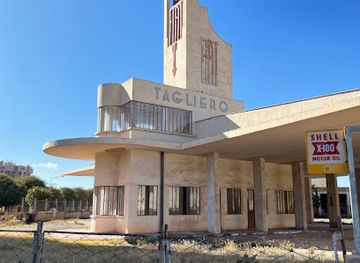
Fiat Tagliero ፡ፍያት ታሌሮ
Explore the iconic Fiat Tagliero in Asmara, Eritrea, a stunning example of modernist architecture and a symbol of the city's rich history.
-
Catholic cathedral
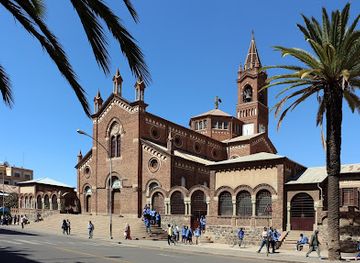
ኣስመራ ካቴድራል | Cathedral Our Lady of the Rosary
Explore the architectural beauty and spiritual richness of Asmara at the Cathedral Our Lady of the Rosary, a stunning cultural landmark in Eritrea.
-
National park
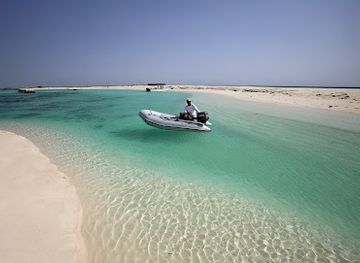
Dahlak Marine National Park
Discover the breathtaking beauty of Dahlak Marine National Park, where vibrant marine life meets pristine island landscapes in Eritrea.
-
Promenade
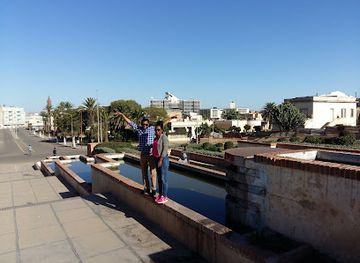
Mai jah jah
Discover the vibrant charm of Mai Jah Jah, a stunning promenade in Asmara, Eritrea, where culture and scenic beauty come together.
Explore Anseba on the map
Plan your trip on one map. See where the top cities, national parks and sights are, and book hotels and experiences in a few clicks.
Best hotels in Anseba
Best restaurants in Anseba
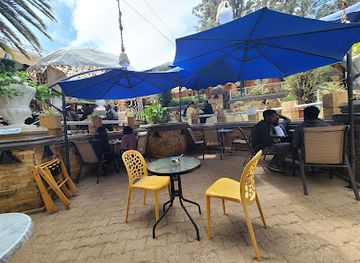
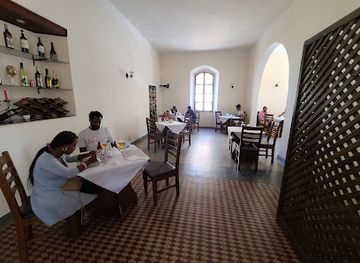
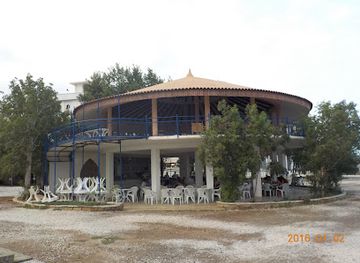
Dining in Anseba is generally informal and concentrated in Keren’s hotels, cafés, local eateries and private compounds rather than in a developed restaurant industry. Meals commonly reflect Eritrea’s wider culinary traditions, including injera served with stews, legumes, vegetables and meat, with preparation influenced by household, religious and regional preferences. Coffee is an important social ritual, and tea, spiced drinks and simple snacks are widely encountered. Markets and small food stalls may offer bread, beans, roasted grains or locally available produce, while pastoral areas contribute milk and meat products when supply permits. Visitors should expect limited menus, modest opening arrangements and occasional shortages, particularly outside Keren. Alcohol availability and serving practices vary by establishment and community; they should not be assumed. Because payment is usually in cash and refrigeration can be limited, choose busy, well-regarded places recommended by a local host, and carry drinking water on longer road journeys. The food experience is most closely tied to domestic cooking, market supply and shared hospitality rather than destination dining venues.
-
Restaurant
Ghibabo Restaurant And Pizzeria
Experience authentic Eritrean cuisine and delicious pizzas at Ghibabo Restaurant And Pizzeria in Asmara - a must-visit culinary destination.
-
Restaurant
Spaghetti And Pizza House
Experience authentic Italian cuisine infused with local flavors at Spaghetti And Pizza House in Asmara.
-
Italian
Al Sicomoro Restaurant
Discover the authentic taste of Italy at Al Sicomoro Restaurant in Asmara - where every meal is a celebration of flavor.
-
Eritrean
Golden Fork Fast Food
Savor authentic Eritrean flavors at Golden Fork Fast Food in Asmara - where delicious meets convenient.

Best bars in Anseba
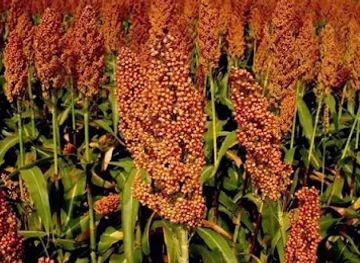
Anseba does not have a major international-style nightclub scene. Keren’s evening life is centred on cafés, hotel restaurants, tea and coffee places, and modest bars where residents meet, talk and listen to music. Some venues may show sport or provide occasional live entertainment, but opening arrangements and availability can change, and nightlife is generally quieter and more locally focused than in a large capital. In smaller towns and rural districts, evenings tend to revolve around family, religious and community life rather than dedicated entertainment precincts. Visitors should dress and behave discreetly, respect local religious and social norms, and ask accommodation staff or a trusted contact which places are appropriate. Alcohol should not be treated as the main route into local culture; coffee ceremonies, conversation, food and market-town atmosphere are more representative evening experiences. Because movement can be restricted and roads become difficult after dark, arrange transport in advance and avoid travelling between towns at night.
-
Bar
Yohana bar
Discover the heart of Keren at Yohana Bar, where local culture meets vibrant nightlife in a cozy atmosphere.
-
Bar
Bar Kebedesh
Experience the warmth of Eritrean hospitality at Bar Kebedesh, a vibrant bar in Asmara offering traditional drinks and a welcoming atmosphere.
-
Bar
Sahil Amusement Park
Experience the thrill of rides, games, and local cuisine at Sahil Amusement Park in Keren, Eritrea - a fun-filled destination for all ages.
-
Bar
حلحل
Discover the lively bar scene in Halhal, Eritrea, where local culture and vibrant nightlife come together in a welcoming atmosphere.
Best nightclubs in Anseba
Anseba does not have a major international-style nightclub scene. Keren’s evening life is centred on cafés, hotel restaurants, tea and coffee places, and modest bars where residents meet, talk and listen to music. Some venues may show sport or provide occasional live entertainment, but opening arrangements and availability can change, and nightlife is generally quieter and more locally focused than in a large capital. In smaller towns and rural districts, evenings tend to revolve around family, religious and community life rather than dedicated entertainment precincts. Visitors should dress and behave discreetly, respect local religious and social norms, and ask accommodation staff or a trusted contact which places are appropriate. Alcohol should not be treated as the main route into local culture; coffee ceremonies, conversation, food and market-town atmosphere are more representative evening experiences. Because movement can be restricted and roads become difficult after dark, arrange transport in advance and avoid travelling between towns at night.
-
Cafeteria
Bar Royal
Experience the authentic flavors of Eritrea at Bar Royal, a charming cafeteria in Asmara that invites you to savor local cuisine in a cozy setting.
-
Bar
Bar Jima
Experience the vibrant social scene at Bar Jima in Asmara, where local culture meets a lively atmosphere and delightful beverages.
-
Grill
Bar Zilli
Discover the delightful flavors of Eritrea and Italy at Bar Zilli, a must-visit grill and bar in the heart of Asmara.
-
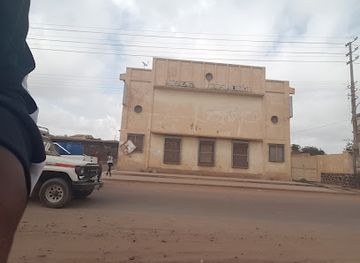
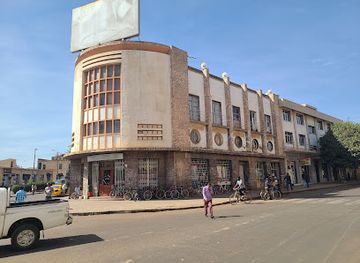
Night club
Disco Club
Dance the night away at Mitsiwa's premier Disco Club, where vibrant beats and a lively atmosphere create unforgettable nightlife experiences.

Best shops in Anseba
Shopping in Anseba is concentrated in Keren’s markets and independent commercial streets rather than large retail centres. The town is a useful place to observe and purchase everyday regional produce, including grains, pulses, spices, bread, coffee and goods connected with pastoral livelihoods, subject to availability and official restrictions. Livestock markets are primarily working commercial spaces, not souvenir attractions, and visitors should ask before taking photographs. Small shops may sell practical textiles, clothing, household items and imported goods, while locally made baskets, woven articles or simple handicrafts can sometimes be found through market traders or personal recommendations. Prices are normally paid in Eritrean nakfa, and cash is necessary; bargaining should be polite and moderate. Do not buy antiquities, military objects, archaeological material or suspiciously old religious items, as their removal may be illegal and damaging to heritage. Compared with Asmara, Anseba offers fewer galleries and specialist boutiques, but its markets provide a clearer sense of the region’s role as a commercial meeting point between farming communities, pastoralists and the west.
-
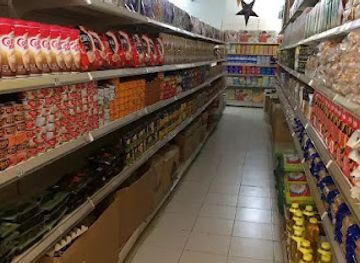
Grocery store
Family Supermarket
Explore the flavors of Eritrea at Family Supermarket in Asmara, where local culture meets everyday convenience.
-
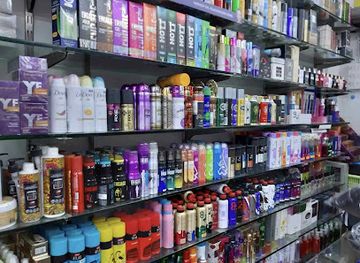
Cosmetics store
KOKOB SHOP ኮኾብ ሾፕ
Discover the best beauty products at Kokob Shop in Asmara, where local charm meets international cosmetics for every beauty enthusiast.
-
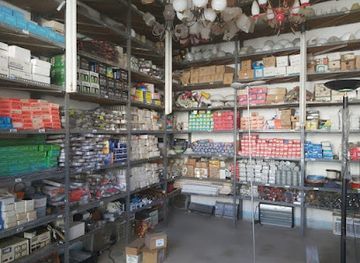
Electrical supply store
Kassa Asfaha Electric Shop (ካሳ ኣስፋሃ ናይ ኢሊክትሪክ ኣቑሑት መሸጣ)
Explore Asmara's vibrant electrical supply scene at Kassa Asfaha Electric Shop, your trusted source for quality electrical products.
-
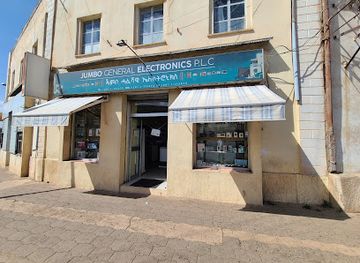
Electronics store
Jumbo General Electronics
Discover a world of electronics at Jumbo General Electronics in Asmara, offering top brands and expert service for all your tech needs.
Get your free copy of our complete guide to Anseba, delivered straight to you.
Everything on this page, from attractions and restaurants to essentials and local phrases, in one PDF you can read offline, print or share.
Already have an account? Sign in
Your Anseba guide is ready.
We'll send it to · Not you? Sign out

Getting your guide ready…
We are putting together a fresh copy of the Anseba guide. This can take up to a minute.
This can take a few moments. If your browser asks, choose Allow so the download can start. You'll find the guide in your Downloads folder.
Nothing happened? Download it again
Sorry, the guide is taking longer than usual. Please try again in a minute, or get it by email instead.
Anseba essentials
Currency and Payment
Safety
Emergency Situations
Do's and Don'ts
Local Tips
From Eve
Local phrases worth knowing
You don't need to get them perfect. A few words go a long way, and locals appreciate the effort.
Basics
| English | Local | Say it |
|---|---|---|
| Hello | Selam | [Se-lam] |
| Goodbye | Dehab | [De-hab] |
| Yes | Iye | [Ee-ye] |
| No | Ayu | [A-yu] |
| Please/You're welcome | Barka | [Bar-ka] |
| Thank you | Yekenyeley | [Ye-ken-ye-ley] |
| Excuse me/Sorry | B'ezhka | [Be-zh-ka] |
| How are you? | Kemey alek? | [Ke-mei a-lek] |
| Fine. And you? | Dehna. Kemey alek? | [De-hna. Ke-mei a-lek] |
| Do you speak English? | Englizi t'ek'elek? | [En-gli-zi te-ke-lek] |
| I don't understand | Aydelom | [Ay-de-lom] |
Eating & Drinking
| English | Local | Say it |
|---|---|---|
| I'd like to see the menu, please | Barka, yeman zeyfela | [Bar-ka, ye-man zei-fe-la] |
| I don't eat meat | Aydelom b'ayt | [Ay-de-lom be-it] |
| Cheers! | Nehsi! | [Ne-hsi] |
| I would like to pay, please | Barka, yeman b'ayti | [Bar-ka, ye-man be-it] |
Emergencies
| English | Local | Say it |
|---|---|---|
| Help! | Aydelom! | [Ay-de-lom] |
| Go away! | Ayu b'ey! | [A-yu be-y] |
| Call the Police! | Polis zeyt'ey! | [Po-lis zei-tey] |
| Call a doctor! | Doktor zeyt'ey! | [Dok-tor zei-tey] |
| I'm lost | Aydelom t'ek'ale | [Ay-de-lom te-ke-le] |
| I'm ill | Aydelom zeyt'ek'ay | [Ay-de-lom zei-te-kay] |
Shopping
| English | Local | Say it |
|---|---|---|
| I'd like to buy... | Barka, zeyb'ay | [Bar-ka, zei-b'ay] |
| I'm just looking | B'zelali | [Be-ze-la-li] |
| How much is it? | Kemey zeyt? | [Ke-mei zei-t] |
| That's too expensive | Zeyt'ek'ay | [Zei-te-kay] |
| Can you lower the price? | Zeyt'ek'ay aydey? | [Zei-te-kay ay-dey] |
Time & Numbers
| English | Local | Say it |
|---|---|---|
| What time is it? | Kemey zeyt'k'ay? | [Ke-mei zei-te-kay] |
| It's one o'clock | Zeyt'k'ay t'k'ulu | [Zei-te-kay te-ku-lu] |
| Half past (10) | Zeyt'k'ay b'halaf (10) | [Zei-te-kay be-ha-laf (10)] |
| Morning | B'ele | [Be-le] |
| Afternoon | B'ele zeyt'k'ay | [Be-le zei-te-kay] |
| Evening | B'ele zeyt'k'ay | [Be-le zei-te-kay] |
| Yesterday | Zeyt'k'ay b'ele | [Zei-te-kay be-le] |
| Today | Zeyt'k'ay | [Zei-te-kay] |
| Tomorrow | Zeyt'k'ay b'ele | [Zei-te-kay be-le] |
| 1 | Hade | [Ha-de] |
| 2 | Kulu | [Ku-lu] |
| 3 | Selasa | [Se-la-sa] |
| 4 | Arba'a | [Ar-ba-a] |
| 5 | Hamsa | [Ham-sa] |
| 6 | Sita | [Si-ta] |
| 7 | Seb'a | [Se-ba] |
| 8 | Semanya | [Se-ma-nya] |
| 9 | Tesa | [Te-sa] |
| 10 | Ashera | [As-he-ra] |
Transport & Directions
| English | Local | Say it |
|---|---|---|
| Where's a/the...? | Kemey zeyt'k'ay ...? | [Ke-mei zei-te-kay ...] |
| What's the address? | Kemey zeyt'k'ay zeyt'ey? | [Ke-mei zei-te-kay zei-tey] |
| Can you show me (on the map)? | Zeyt'k'ay t'ek'elek (b'map)? | [Zei-te-kay te-ke-lek (be-map)] |
| When's the next (bus)? | Kemey zeyt'k'ay b'ay bus? | [Ke-mei zei-te-kay be-ay bus] |
| A ticket (to ....) | B'ruka (b'...) | [Be-ru-ka (be-...)] |
History of Anseba
Ancient Highland and Lowland Exchange
Anseba’s position between the Eritrean highlands and the western lowlands has long encouraged movement of livestock, grain, salt and manufactured goods. Seasonal rivers and mountain corridors connected settled farming areas with pastoral routes, while communities speaking different languages participated in regional exchange. The surviving historical record is uneven, and many local traditions preserve knowledge that is not represented by a single monumental site. Keren’s later importance as a market town reflects this older geographical role: it stands at a meeting point between contrasting ecological zones rather than in an isolated highland basin.
Islamic and Christian Traditions
Anseba has been shaped by both Islamic and Christian traditions, with religious affiliation often intersecting with language, settlement and family history. Muslim communities have longstanding connections with trade and pastoral networks reaching towards the western lowlands, while Christian communities in and around the highlands maintain churches, festivals and pilgrimage practices. Religious life developed through local institutions as well as wider links across the Red Sea and the Horn of Africa. This layered history remains visible in the region’s places of worship, cemeteries, calendars and forms of community organisation.
Keren and the Expansion of Regional Trade
Keren grew in importance as transport corridors linked the central highlands with western Eritrea and the Sudanese frontier. Its markets served farmers and pastoralists from a wide surrounding area, making the town a commercial and administrative centre. Italian colonial rule altered the built environment and transport system, introducing new administrative buildings, roads and commercial forms while placing local production within a colonial economy. The town’s mixed architectural character and continuing market function are legacies of these overlapping periods rather than signs of a single historical identity.
Italian Colonial Rule and Local Resistance
Italy established colonial control over Eritrea at the end of the nineteenth century and extended administrative power through military posts, roads and taxation. In the Anseba area, colonial authority encountered established religious, commercial and community structures that were not simply replaced. Italian rule brought infrastructure and new towns’ administrative forms, but it was also coercive and unequal, involving land, labour and military mobilisation. The period left architectural and transport traces around Keren, while the wider history of Eritrea continued to be shaped by resistance, negotiation and the competing interests of local and imperial powers.
The Battle of Keren, 1941
The Battle of Keren was fought in the surrounding highlands from February to March 1941 during the East African campaign of the Second World War. British Commonwealth forces and Ethiopian and Eritrean allies fought Italian forces for control of the mountain passes and approaches to the town. The difficult terrain made the campaign especially demanding, and the eventual Allied victory helped end Italian colonial rule in Eritrea. War cemeteries and memorials around Keren preserve the memory of soldiers from several countries, while the battle remains one of the region’s defining historical events.
Federation, Annexation and the Eritrean Struggle
After the Second World War, Eritrea was federated with Ethiopia under a United Nations arrangement in 1952, but the federal system was progressively dismantled and annexation followed in 1962. Armed opposition developed into a prolonged independence struggle, affecting communities across Eritrea, including Anseba. The conflict disrupted rural life, movement and economic activity, and many families experienced displacement or military service. Eritrea achieved de facto independence in 1991 and internationally recognised independence in 1993. The region’s war memorials, cemeteries and oral histories must be understood within this wider national experience.
Post-Independence Regional Life
Since independence, Anseba has remained an important agricultural, pastoral and trading region, with Keren as its principal urban centre. Economic life continues to depend on rainfall, livestock, local commerce and links with other parts of Eritrea, while infrastructure and travel remain closely regulated. The region’s contemporary character is therefore neither purely colonial nor solely defined by wartime memory: it is also shaped by religious communities, market networks, family connections and adaptation to a dry environment. Visitors encounter a society whose recent history remains highly present in public life and official controls.
Anseba in Photos
Browse through our photo collection highlighting the charm and character of the destination.
Neighbouring regions of Anseba
The closest regions to Anseba, if you have time for more than one.
-

-

-

-

-


Swipe for more regions
Explore more

Explore more of Eritrea
Discover Eritrea: A land of ancient history, stunning coastlines, and vibrant cultures nestled in the heart of the Horn of Africa.
Explore Eritrea