

Free Gash-Barka Travel Guide & Mobile App
Explore Gash-Barka with free travel guides. Discover regional history, expert tips, proposed trips, and audio guides on web or mobile app.


Explore Gash-Barka’s seasonal rivers, western lowlands, market towns and diverse cultures through carefully planned overland travel in Eritrea.
Read more about Gash-Barka
When is the best time to visit Gash-Barka?
Best: December–February · 28–30°C| Month | High (°C) | Rainfall (mm) |
|---|---|---|
| January (best) | 30 | 4 |
| February (best) | 30 | 4 |
| March | 32 | 5 |
| April | 34 | 8 |
| May | 36 | 12 |
| June | 38 | 21 |
| July | 37 | 34 |
| August | 37 | 30 |
| September | 35 | 21 |
| October | 33 | 12 |
| November | 30 | 6 |
| December (best) | 28 | 3 |
Getting to and around Gash-Barka
How to get there
Transportation
Top city travel guides in Gash-Barka
The cities of Gash-Barka, and the easiest places to base yourself.
-

-

-
-

-

-


Swipe for more cities
Destinations in Gash-Barka
Resorts, valleys and scenic spots worth a trip of their own.
-

-

-

-


Swipe for more destinations
Best attractions in Gash-Barka
Gash-Barka’s attractions are primarily geographical, cultural and historical rather than purpose-built visitor facilities. Barentu provides the most practical introduction, with its markets and lowland setting, while Agordat offers a closer look at a river-based town whose history is tied to agriculture, livestock and regional commerce. The seasonal Gash and Barka valleys are important landscapes: after rain they can support cultivation and grazing, while in the dry season their channels and broad floodplains reveal the climatic limits that shape local life. Farther west, the roads towards Tessenei and Omhajer pass through increasingly open country and borderland settlements. Visitors may encounter traditional farming areas, pastoral landscapes and diverse community traditions, but access should be arranged through authorised local channels. There are few established museums, formal wildlife facilities or comprehensively interpreted archaeological sites, and facilities outside the main towns are sparse. The region is therefore suited to carefully planned overland travel, cultural observation and landscape study rather than a conventional sightseeing itinerary. Its strongest experiences come from seeing how settlements, markets, cultivation and seasonal watercourses fit together across a large and lightly serviced part of Eritrea.
-
 Garden
Korotieb በረኻ ኮሮቴብ
Explore the lush beauty of Korotieb Garden in Eritrea, a peaceful oasis perfect for relaxation, picnics, and family outings amidst vibrant nature.
-
Tourist attraction
Quelque part dans le monde
Experience the enchanting beauty and cultural richness of Eritrea at Quelque part dans le monde, a must-visit tourist attraction for every traveler.
Best landmarks in Gash-Barka
The most recognisable landmarks of Gash-Barka are its river valleys, historic townscapes and administrative centres rather than monumental buildings. Agordat’s position beside the Barka River gives it a distinctive geographical identity and recalls the town’s long role in farming, livestock exchange and movement between the lowlands and highlands. Barentu’s broad setting and public buildings reflect its modern role as the regional capital, while its surrounding plains show the relationship between settlement and seasonal agriculture. The Gash River and its floodplain are major natural reference points, though their appearance changes sharply between dry periods and the rains. In older parts of the towns, surviving or adapted colonial-era structures may provide glimpses of Italian administrative and commercial development, but they should be viewed as parts of living settlements rather than isolated monuments. Roads and bridges in the western lowlands can also have strategic significance, and photography may be restricted. Tessenei and Omhajer are notable primarily as western gateway towns whose location gives them importance within Eritrea’s border geography. Access and interpretation vary, so local authorisation is essential before treating any official or historic-looking structure as a visitor site.
-
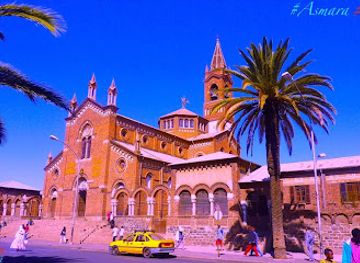
Catholic cathedral
ኣስመራ ካቴድራል | Cathedral Our Lady of the Rosary
Explore the architectural beauty and spiritual serenity of Cathedral Our Lady of the Rosary in Asmara, Eritrea's cultural gem and landmark.
-
Historical landmark
Molki Eritrea Gash barka
Explore the historical depth of Molki Eritrea Gash Barka, a captivating landmark in Tsibuk-Gra that showcases Eritrea's rich cultural heritage.
-
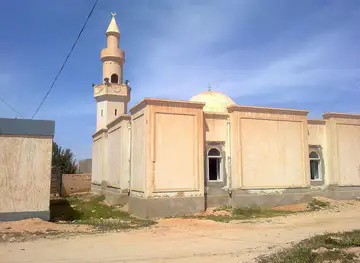
Mosque
Barentu Mosque
Discover the serene beauty and cultural significance of Barentu Mosque, a must-visit destination in Eritrea's spiritual landscape.
-
Water
Barka
Explore the serene waters of Barka, Eritrea, where tranquility meets natural beauty in a captivating landscape.
Explore Gash-Barka on the map
Plan your trip on one map. See where the top cities, national parks and sights are, and book hotels and experiences in a few clicks.
Best hotels in Gash-Barka
Best restaurants in Gash-Barka
Dining in Gash-Barka is straightforward and closely connected to Eritrea’s wider food culture. In Barentu, Agordat and other main towns, visitors can expect dishes based on injera, stews, legumes, grains and meat, with coffee served in an important social setting. Sorghum and millet are particularly relevant to the western lowlands, where agriculture is adapted to irregular rainfall; sesame and other locally grown products may also appear in markets or household cooking. Goat and other meats are common in regional foodways, while availability varies with transport and season. Small cafés and local eateries provide more realistic options than a developed restaurant scene, and accommodation may offer simple meals when arranged in advance. Visitors travelling into rural districts should carry snacks and treated or bottled water, since reliable food services are limited outside towns. Markets are useful for buying fruit, bread and basic provisions, but hygiene, storage and water conditions require ordinary traveller caution.
-
Restaurant
Ghibabo Restaurant And Pizzeria
Discover culinary delights at Ghibabo Restaurant And Pizzeria in Asmara - where Eritrean flavors meet Italian tradition.
-
Restaurant
Spaghetti And Pizza House
Experience a delightful blend of Eritrean warmth and Italian culinary excellence at Spaghetti And Pizza House in Asmara.
-
Italian
Al Sicomoro Restaurant
Discover authentic Italian flavors at Al Sicomoro Restaurant in Asmara, where delicious cuisine meets warm hospitality.
-
Eritrean
Golden Fork Fast Food
Discover authentic Eritrean cuisine at Golden Fork Fast Food - a vibrant spot in Asmara serving delicious local dishes with warm hospitality.

Best bars in Gash-Barka
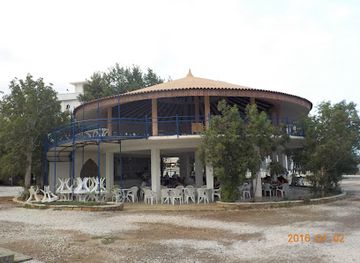
Gash-Barka does not have a major nightclub or late-night entertainment scene. Evening life is concentrated in modest cafés, restaurants, hotel compounds and local gathering places in Barentu, Agordat and the larger towns. Coffee, conversation and meals are more characteristic than organised nightlife, while music and social events may occur in community settings or on special occasions without a regular public schedule. Smaller settlements close early, and long-distance roads should not be travelled casually after dark because of limited lighting, services and changing road conditions. Alcohol availability is inconsistent and should never be assumed, particularly outside larger centres. Visitors are best served by arranging evening plans through their accommodation or local contact, respecting local customs and treating the region’s night-time quiet as a practical condition of travel rather than a deficiency.
-
Cafe
Bar Pasticceria Vittoria
Experience the rich flavors of Eritrea at Bar Pasticceria Vittoria, a cozy café in Asmara, serving delightful pastries and coffee.
-
Restaurant
Admas Restaurant & Bar
Experience authentic Eritrean cuisine at Admas Restaurant & Bar, a vibrant dining destination in Asmara with rich flavors and lively atmosphere.
-
Bar
Bar selam ባር ሰላም ( እንዳ ሳባ)
Discover the vibrant atmosphere and authentic Eritrean flavors at Bar Selam in Adi Kontsi, the perfect spot for relaxation and cultural immersion.
-
Bar
Bar Jima
Experience the vibrant nightlife of Asmara at Bar Jima, a lively bar offering local flavors and a social atmosphere.


Best nightclubs in Gash-Barka
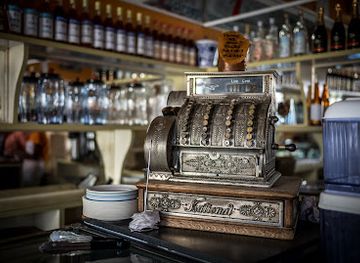
Gash-Barka does not have a major nightclub or late-night entertainment scene. Evening life is concentrated in modest cafés, restaurants, hotel compounds and local gathering places in Barentu, Agordat and the larger towns. Coffee, conversation and meals are more characteristic than organised nightlife, while music and social events may occur in community settings or on special occasions without a regular public schedule. Smaller settlements close early, and long-distance roads should not be travelled casually after dark because of limited lighting, services and changing road conditions. Alcohol availability is inconsistent and should never be assumed, particularly outside larger centres. Visitors are best served by arranging evening plans through their accommodation or local contact, respecting local customs and treating the region’s night-time quiet as a practical condition of travel rather than a deficiency.
-
Cafeteria
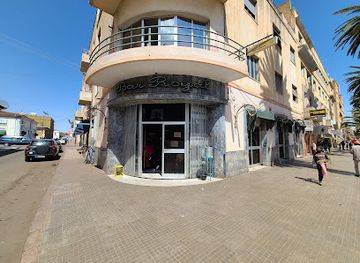
Bar Royal
Discover the cozy charm of Bar Royal in Asmara, offering a delightful menu and inviting atmosphere for a perfect dining experience.
-
Bar
Bar Jima
Discover Bar Jima, a lively bar in Asmara, Eritrea, offering a blend of local drinks and vibrant atmosphere perfect for tourists.
-
Night club
Disco Club
Discover the vibrant nightlife of Mitsiwa at Disco Club, where music and dance create an unforgettable experience.
-
Bar
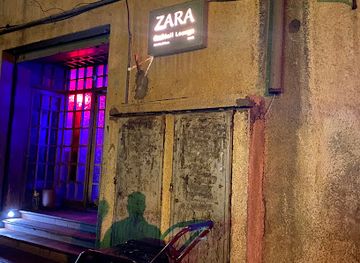
Bar Zara
Discover the vibrant charm of Bar Zara in Asmara, where local flavors meet a welcoming atmosphere for an unforgettable experience.

Best shops in Gash-Barka
Shopping in Gash-Barka is centred on practical town markets rather than purpose-built retail districts. Barentu and Agordat are the best places to look for staple foods, modest household goods, clothing, livestock-related products and locally traded agricultural produce. Tessenei and other western settlements also function as exchange points along routes towards the borders, but selection and availability can change with transport conditions and the season. Visitors may find woven items, baskets, leather goods or handmade household objects, although these should be bought from sellers who welcome the transaction and should not be presented as representative of every community. Sorghum, sesame and other regional foods may be available when in season, subject to national rules on taking agricultural products across borders. Carry Eritrean nakfa in small notes, bargain discreetly where bargaining is customary and avoid purchasing antiquities or old military material. Retail choice is limited, so essential supplies should be obtained in Asmara or stocked in Barentu before longer journeys.
-
Grocery store
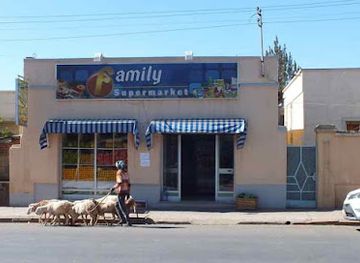
Family Supermarket
Explore the vibrant flavors of Eritrea at Family Supermarket – a local grocery store offering a taste of authentic Eritrean cuisine.
-
Store
Kahawta
Explore Kahawta in Asmara for authentic Eritrean products and a vibrant shopping experience, reflecting the rich culture and artistry of Eritrea.
-
Clothing store
Yemane Express
Discover authentic Eritrean fashion at Yemane Express in Senafe, where quality meets tradition in every garment.
-
Supermarket
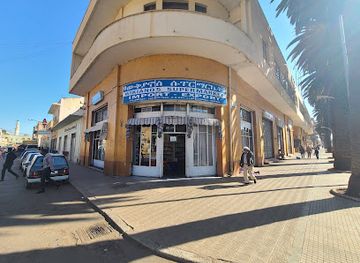
Wikianos Supermarket
Discover the flavors of Eritrea at Wikianos Supermarket, where local ingredients meet international products in a vibrant shopping experience.

Get your free copy of our complete guide to Gash-Barka, delivered straight to you.
Everything on this page, from attractions and restaurants to essentials and local phrases, in one PDF you can read offline, print or share.
Already have an account? Sign in
Your Gash-Barka guide is ready.
We'll send it to · Not you? Sign out

Getting your guide ready…
We are putting together a fresh copy of the Gash-Barka guide. This can take up to a minute.
This can take a few moments. If your browser asks, choose Allow so the download can start. You'll find the guide in your Downloads folder.
Nothing happened? Download it again
Sorry, the guide is taking longer than usual. Please try again in a minute, or get it by email instead.
Gash-Barka essentials
Currency and Payment
Safety
Emergency Situations
Do's and Don'ts
Local Tips
From Eve
Local phrases worth knowing
You don't need to get them perfect. A few words go a long way, and locals appreciate the effort.
Basics
| English | Local | Say it |
|---|---|---|
| Hello | ሰላም | [Selam] |
| Goodbye | ደህና ይቀይሩ | [Dehna yiqeyru] |
| Yes | እወ | [Iwe] |
| No | አይደለም | [Aydelam] |
| Please/You're welcome | እቅፍ ይቅርታ | [Eqif yikirta] |
| Thank you | እንደምን አመሰግናለሁ | [Endemin amesegenallo] |
| Excuse me/Sorry | እቅፍ ንቅስ | [Eqif niqes] |
| How are you? | ከመ እንዴት? | [Keme endet?] |
| Fine. And you? | ደህና እንዴትን? | [Dehna endet?] |
| Do you speak English? | እትወይ እንግሊዝኛ? | [Etwi Engilizna?] |
| I don't understand | እንደበይ አለኝ | [Endebey aleñ] |
Eating & Drinking
| English | Local | Say it |
|---|---|---|
| I'd like to see the menu, please | እቅፍ ይቅርታ መንደር እንደምን አይቀይር | [Eqif yikirta mendir endemin ayqeyr] |
| I don't eat meat | ድምብ አይበሉ | [Demb aybalu] |
| Cheers! | ይዘል ወይዘሉ | [Yizel weyizelu] |
| I would like to pay, please | እቅፍ ይቅርታ ክፍያ እንደምን አይቀይር | [Eqif yikirta kifiya endemin ayqeyr] |
Emergencies
| English | Local | Say it |
|---|---|---|
| Help! | እግዚአብሔር ይሕይወ! | [Egziabher yihiywe!] |
| Go away! | ኣይዋጋ! | [Aywaga!] |
| Call the Police! | ኣወዝ ፖሊስ! | [Awaz Polis!] |
| Call a doctor! | ኣወዝ ዶክተር! | [Awaz Dokter!] |
| I'm lost | እንደምን እታርሆ | [Endemin etarho] |
| I'm ill | እንደምን አለኝ | [Endemin aleñ] |
Shopping
| English | Local | Say it |
|---|---|---|
| I'd like to buy... | እቅፍ ይቅርታ ምን እይዚ | [Eqif yikirta min eyzi] |
| I'm just looking | እንደምን እታብእ | [Endemin etabih] |
| How much is it? | እንዴት ይከቅል? | [Endet yikeqel?] |
| That's too expensive | ይቅርታ ይከቅል ሰብ | [Yikirta yikeql seb] |
| Can you lower the price? | እትወይ ዋጋ ይከውል? | [Etwi waga yikewil?] |
Time & Numbers
| English | Local | Say it |
|---|---|---|
| What time is it? | ወይዘይ ምን ነይ? | [Weyzi min ney?] |
| It's one o'clock | እንደምን አለኝ አንድ | [Endemin aleñ and] |
| Half past (10) | ክዋርት ንህዝብ (10) | [Kwart nihezb (10)] |
| Morning | ጠዋት | [T'ewat] |
| Afternoon | እለተም አትም | [Eletem atem] |
| Evening | ምሽት | [Mishit] |
| Yesterday | ንዓንድ | [Ni'and] |
| Today | ዛሬ | [Zare] |
| Tomorrow | ኩሉ ዕለት | [Kulu ‘ilet] |
| 1 | አንድ | [And] |
| 2 | ሁለት | [Hulete] |
| 3 | ሶስት | [Sost] |
| 4 | አራት | [Arat] |
| 5 | አምስት | [Amist] |
| 6 | ስድስት | [S'dest] |
| 7 | ሰባት | [Sebat] |
| 8 | ስምንት | [Simint] |
| 9 | ዘወርወር | [Zewirwer] |
| 10 | ዐስር | [Asir] |
Transport & Directions
| English | Local | Say it |
|---|---|---|
| Where's a/the...? | ወይዘይ ኣይዊ? | [Weyzi aywi?] |
| What's the address? | ዝንዝይ ኣይዊ? | [Zenzai aywi?] |
| Can you show me (on the map)? | እትወይ ዝይብዝ በምስል? | [Etwi zeybzi bemisil?] |
| When's the next (bus)? | ወይዘይ ኣይዊ ንዓንድ? | [Weyzi aywi ni'and?] |
| A ticket (to ....) | ኣንድ ትኬት (ን...) | [And tiket (ni...)] |
History of Gash-Barka
Early Settlement and Western Lowland Exchange
The western lowlands have long been a zone of movement between the Eritrean escarpment, the Sudanese plains and the northern Ethiopian borderlands. Seasonal river valleys supported cultivation and grazing, while the broader region connected communities engaged in livestock keeping, farming and regional exchange. The archaeological record is less familiar to international visitors than the celebrated sites of Eritrea’s central and eastern areas, but Gash-Barka’s importance lies partly in this long continuity of movement. Kunama, Nara, Tigre, Bilen, Hidareb and other communities developed distinct social and agricultural traditions within an environment shaped by variable rainfall and river flows.
Agordat, River Valleys and Regional Commerce
Agordat grew in importance because of its position beside the Barka River and on routes linking the lowlands with the highlands and neighbouring territories. Agriculture, livestock and market exchange made the settlement an important western centre before and during the colonial period. The Barka valley’s economy depended on seasonal water and fertile stretches of land, supporting crops such as sorghum and millet as well as pastoral activity. This pattern created a network of market towns and rural settlements rather than a single dominant urban centre, a character that remains visible in the region today.
Italian Colonial Rule and Agricultural Schemes
Italian rule altered administration, transport and commercial agriculture in western Eritrea during the late nineteenth and early twentieth centuries. Roads and government posts connected settlements more closely to the colonial economy, while agricultural experiments and estates sought to use the lowlands for production. Agordat and other centres acquired buildings and institutions associated with the period, although much of the colonial infrastructure has weathered or been adapted. Colonial development was imposed within an already inhabited landscape and brought taxation, labour demands and political change as well as new transport links.
The British Military Administration, 1941–1952
After the defeat of Italy in the Second World War, Eritrea was administered by Britain until the territory’s federation with Ethiopia in 1952. Western towns and routes had strategic significance because of their proximity to Sudan and the wider Red Sea region. The period brought administrative reorganisation and continued debate over Eritrea’s political future. Although visitors will find relatively little formal interpretation in Gash-Barka, the era forms part of the layered history behind roads, government centres and the region’s links with its western neighbours.
Federation, Annexation and the Independence War
Eritrea entered a federation with Ethiopia in 1952, but the arrangement was dismantled and Eritrea was annexed by Ethiopia in 1962. Armed resistance expanded during the following decades, and the western lowlands became a strategically important theatre in the Eritrean War of Independence. The area’s borderlands, river corridors and dispersed settlements shaped military movement and civilian experience. The conflict affected communities through displacement, insecurity and disruption to agriculture. Its legacy remains politically and personally significant, so visitors should discuss the war with sensitivity and should not photograph military sites or checkpoints.
Independence and the Contemporary Western Lowlands
Eritrea achieved independence in 1991 after the fall of the Ethiopian government in Asmara, and formal independence followed in 1993. Since then, Gash-Barka has remained important for agriculture, livestock, transport and national border security. Barentu serves as the regional administrative centre, while Agordat, Tessenei and other towns support surrounding rural economies. Development has been constrained by the region’s climate, long distances and limited infrastructure. Contemporary Gash-Barka is therefore best understood through the interaction of post-war reconstruction, seasonal agriculture, cultural diversity and its continuing position on Eritrea’s western frontier.
Gash-Barka in Photos
Browse through our photo collection highlighting the charm and character of the destination.
Neighbouring regions of Gash-Barka
The closest regions to Gash-Barka, if you have time for more than one.
-

-

-

-

-


Swipe for more regions
Explore more

Explore more of Eritrea
Discover Eritrea: A land of ancient history, stunning coastlines, and vibrant cultures nestled in the heart of the Horn of Africa.
Explore Eritrea