

Senhit, Eritrea Travel Guide
Discover the hidden beauty of Senhit in Eritrea's highlands, where nature, history, and culture blend seamlessly to offer an unforgettable travel experience.
Nestled in the heart of Eritrea, Senhit is a hidden gem waiting to be discovered by adventurous travelers. This region, rich in history and culture, offers a unique blend of natural beauty and traditional Eritrean charm. The highlands of Senhit provide a stunning backdrop of rolling hills and terraced farmlands, making it an ideal destination for nature lovers and photographers alike. Exploring Senhit, visitors can immerse themselves in the local way of life. The bustling markets are filled with vibrant colors and the aroma of local spices, offering a sensory feast for first-time visitors. Senhit is also home to several historical sites, including ancient churches and colonial-era buildings, which tell the story of Eritrea's diverse past. For those interested in outdoor activities, Senhit offers numerous hiking trails that meander through picturesque landscapes. The region's cool climate makes it a pleasant escape from the coastal heat, and the friendly locals are always ready to share their stories and traditions with visitors. Senhit is not just a destination; it's an experience that leaves a lasting impression on all who visit.

Know before you go
Hi, I'm Eve. Here are a few practical things to know before exploring Senhit.
- Visit the local markets early in the morning to experience the buzz and get the freshest produce.
- Carry cash, as ATMs and card payment facilities can be scarce in rural areas.
- Hire a local guide to explore the hiking trails and learn more about the region's history and culture.
- Dress in layers, as the highland climate can vary significantly throughout the day.
Top City Travel Guides in Senhit
The cities of Senhit, and the easiest places to base yourself.


Destinations in Senhit
Resorts, valleys and scenic spots worth a trip of their own.


Explore Senhit: Things to Do, Places to Eat, Hotels & More
Handpicked recommendations for top attractions, local dining, accommodations, and more

Top Attractions & Sightseeing in Senhit
Top-rated picks
Best Attractions
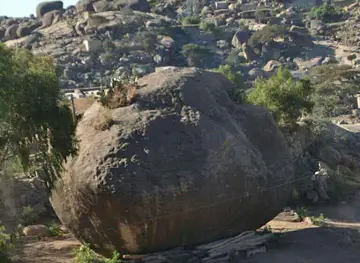
Mariam Debresina Monastery ገዳም ማርያም ደብረሲና
Explore the rich spiritual heritage of Eritrea at Mariam Debresina Monastery, a peaceful retreat offering stunning views and cultural insights.

Galay
Explore the natural beauty and rich cultural heritage of Galay, Eritrea, a captivating tourist attraction nestled in the heart of Halhal.
Qunie Eritrea Eritrea
Discover the breathtaking hiking trails of Qunie, Eritrea, where nature meets adventure in a serene and culturally rich landscape.
Anseba Eritrea
Explore the stunning landscapes and vibrant culture of Anseba, Eritrea's hidden gem, where history and nature blend seamlessly.

Best landmarks in Senhit
Top-rated picks
Best Landmarks
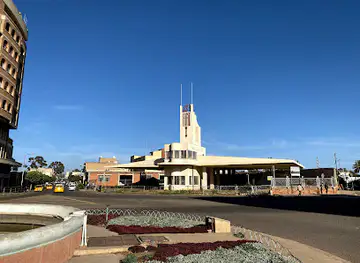
Fiat Tagliero ፡ፍያት ታሌሮ
Discover the iconic Fiat Tagliero in Asmara, a stunning example of modernist architecture and a historical landmark that captivates every visitor.

ኣስመራ ካቴድራል | Cathedral Our Lady of the Rosary
Explore the architectural beauty and spiritual serenity of Cathedral Our Lady of the Rosary in Asmara, a true gem of Eritrean heritage.
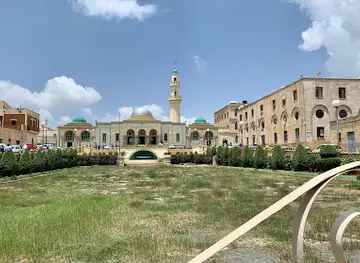
Khulafa al-Rashidun Mosque - ጃምዕ ኹለፋእ ኣልራሺዲን
Explore the beauty and tranquility of Khulafa al-Rashidun Mosque in Asmara, a stunning example of Islamic architecture and spiritual heritage.

Dahlak Marine National Park
Explore Dahlak Marine National Park, a hidden gem in Eritrea, where pristine beaches meet vibrant marine life and rich cultural heritage.

Best restaurants in Senhit
Top-rated picks
Best Restaurants

Ghibabo Restaurant And Pizzeria
Experience the rich flavors of Eritrea at Ghibabo Restaurant And Pizzeria – where tradition meets taste in every dish.

Golden Fork Fast Food
Discover authentic Eritrean cuisine at Golden Fork Fast Food in Asmara - where traditional flavors meet casual dining.

The Roof Garden
Experience exquisite Eritrean cuisine with breathtaking views at The Roof Garden in Asmara.

Bar Pasticceria Vittoria
Experience the sweet charm of Eritrea at Bar Pasticceria Vittoria - a delightful café offering exquisite pastries and welcoming ambiance.

Best bars in Senhit
Top-rated picks
Best Bars

Bar Pasticceria Vittoria
Discover the heart of Eritrean coffee culture at Bar Pasticceria Vittoria, a cozy cafe in Asmara offering sweet pastries and rich flavors.

Bar Royal
Experience the vibrant atmosphere and diverse menu at Bar Royal, the perfect cafeteria for tourists in Asmara, Eritrea.

Bar Jima
Experience the vibrant nightlife of Asmara at Bar Jima, where local culture meets refreshing drinks in a lively atmosphere.

Admas Restaurant & Bar
Experience the rich flavors of Eritrean cuisine at Admas Restaurant & Bar, a vibrant eatery in the heart of Asmara, perfect for food enthusiasts.

Best nightclubs in Senhit
Top-rated picks
Best Nightclubs

Bar Jima
Experience the vibrant culture of Asmara at Bar Jima, where refreshing drinks and local charm await in a lively atmosphere.

Admas Restaurant & Bar
Discover the vibrant flavors and nightlife at Admas Restaurant & Bar in Asmara, Eritrea – a culinary experience not to be missed!
Disco Club
Experience the electrifying nightlife at Disco Club in Mitsiwa, Eritrea, where vibrant music and dance await every visitor.
Bar Hiwnet
Experience the best of Eritrean and international cuisine at Bar Hiwnet in Asmara, where every meal is a delightful journey.

Best shops in Senhit
Top-rated picks
Best Shops

Eritrea Visit
Explore Eritrea with Eritrea Visit, your trusted travel agency for unforgettable adventures in East Africa's hidden gem.

Kahawta
Experience the charm of Eritrean culture at Kahawta, a vibrant store in Asmara offering unique local products and authentic souvenirs.

ማርካቶ | Markato
Discover the heart of Asmara at Markato Market, where fresh food and local culture come together in a vibrant shopping experience.

Kassa Asfaha Electric Shop (ካሳ ኣስፋሃ ናይ ኢሊክትሪክ ኣቑሑት መሸጣ)
Explore Kassa Asfaha Electric Shop in Asmara for top-notch electrical supplies and exceptional local service that meets all your needs.

Explore Senhit on the Map
A handpicked selection of must-see spots in Senhit, mapped for you.
Senhit Essentials
-
Senhit in Eritrea can be accessed via Asmara International Airport, which is the closest major airport. From Asmara, you can take a bus or hire a private taxi to reach Senhit. The journey takes approximately 4 to 5 hours by road. Keep in mind that road conditions can vary, so it might be beneficial to check for any travel advisories before your trip.
-
Transportation within Senhit is primarily via local taxis and minibuses. These are affordable and can take you to most parts of the region. For a more comfortable and personalized experience, consider renting a car with a driver. Walking is also an option for exploring local attractions within the town. Public transport can be crowded, so it is advisable to plan your journeys outside of peak hours.
-
The official currency in Eritrea is the Eritrean Nakfa (ERN). While credit cards are not widely accepted, cash is the preferred mode of payment. It is recommended to carry sufficient Nakfa with you, especially when traveling to remote areas. ATMs are scarce, so it is wise to withdraw enough cash in Asmara before heading to Senhit. Foreign currency can be exchanged at banks and authorized exchange points.
-
Senhit is generally a safe area for tourists, but it is prudent to take standard safety precautions. Avoid walking alone at night and always keep your belongings secure. While there are no specific high-crime areas targeting tourists, it is best to stay vigilant. Be cautious of pickpockets in crowded places and avoid displaying valuables in public.
-
In case of emergency, dial 1-8-8 to contact local emergency services. Medical facilities in Senhit are limited, so it is advisable to have travel insurance that covers medical emergencies. For serious medical issues, you may need to travel to Asmara where better facilities are available. Pharmacies are available in the town for minor health concerns.
-
Fashion: Do dress modestly, especially in rural areas and religious sites. Avoid wearing revealing clothing. Religion: Do respect local customs and traditions. Remove your shoes before entering religious sites. Public Transport: Do be respectful and offer your seat to elderly passengers. Don't eat or drink on public transport. Greetings: Do greet people with a handshake or a nod. Avoid overly enthusiastic gestures. Eating & Drinking: Do try local dishes and accept food offerings graciously. Don't refuse hospitality as it is considered impolite.
-
To experience Senhit like a local, visit the local markets where you can buy fresh produce and traditional Eritrean goods. Engage with locals, who are often friendly and willing to share stories about the region's history and culture. Don't miss visiting the historic sites such as the Debre Sina Monastery. For a unique experience, partake in a traditional coffee ceremony, which is a significant aspect of Eritrean culture.
When is the best time to visit Senhit?
Useful Local Phrases for Senhit
You don't need to speak the language perfectly. Even learning a few simple words can make conversations warmer—and locals usually appreciate the effort.
— Eve

Here are the phrases I use most often in Senhit. Try a few—you'll be surprised how far they go! 😊
❤️
-
- HelloSelam
[seh-lahm] - GoodbyeDehankey
[deh-hahn-kay] - YesEwe
[eh-weh] - NoAydelem
[ai-deh-lem] - Please/You're welcomeBeka/Dehankey
[beh-kah/deh-hahn-kay] - Thank youYekenyeley
[yeh-ken-yeh-lay] - Excuse me/SorryIshum
[ee-shoom] - How are you?Kemey alekha?
[keh-may ah-leh-khah?] - Fine. And you?Kef kam? Ande kam?
[keh-f kahm? ahn-deh kahm?] - Do you speak English?Englizi t'ek'eleh?
[en-glee-zee teh-keh-leh?] - I don't understandAykemey
[ai-keh-may]
- HelloSelam
-
- I'd like to see the menu, pleaseMenyuni b'aleh, beka
[men-yu-nee beh-ah-leh, beh-kah] - I don't eat meatAn me'ati aydelem
[ahn meh-ah-tee ai-deh-lem] - Cheers!Lahgai!
[lah-gai] - I would like to pay, pleaseAydeluh b'ay, beka
[ai-deh-loo beh-eye, beh-kah]
- I'd like to see the menu, pleaseMenyuni b'aleh, beka
-
- Help!Hadi!
[hah-dee] - Go away!Ruhum!
[roo-hoom] - Call the Police!Police t'ek'aleh!
[po-lee-seh teh-keh-leh!] - Call a doctor!Daktari t'ek'aleh!
[dahk-tah-ree teh-keh-leh!] - I'm lostAna t'k'ay
[ah-nah t'kah-ee] - I'm illAna m'k'ay
[ah-nah m'kah-ee]
- Help!Hadi!
-
- I'd like to buy...Aydeluh b'ay...
[ai-deh-loo beh-eye...] - I'm just lookingAna b'ayti
[ah-nah beh-eye-tee] - How much is it?Kam y't'aye?
[kahm ee-t'ah-yeh?] - That's too expensiveY'ka b'leza
[yeh-kah beh-leh-zah] - Can you lower the price?T'ek'aleh al'ay b'leza?
[teh-keh-leh ahl-eye beh-leh-zah?]
- I'd like to buy...Aydeluh b'ay...
-
- What time is it?Kam waqt y'ka?
[kahm wahqt ee-kah?] - It's one o'clockY'ka wahd
[ee-kah wahd] - Half past (10)Nesf waqti (10)
[nesf wahq-tee (10)] - MorningSaba
[sah-bah] - AfternoonBa'ad al'zuhr
[bah-ad al-zoohr] - EveningMasaa
[mah-sah] - YesterdayAmshi
[ahm-shee] - TodayAl-yom
[ahl-yohm] - TomorrowGhad
[ghahd] - 1Wahd
[wahd] - 2Ithnain
[ith-nain] - 3Thalatha
[thah-lah-thah] - 4Arba'a
[ahr-bah-ah] - 5Khamsa
[khahm-sah] - 6Sitta
[see-tah] - 7Sab'a
[sahb-ah] - 8Thamaniya
[thah-mah-nee-yah] - 9Tis'a
[tis-ah] - 10Ashara
[ah-shah-rah]
- What time is it?Kam waqt y'ka?
-
- Where's a/the...?Wain y'ka...?
[wain ee-kah...?] - What's the address?Kam al'address?
[kahm al-ah-dres?] - Can you show me (on the map)?T'ek'aleh a'ni (fi al-kharta)?
[teh-keh-leh ah-nee (fee al-khar-tah)?] - When's the next (bus)?Kam waqt al-bus al-jai?
[kahm wahqt al-boos al-jai?] - A ticket (to ....)Tazkara (ila....)
[taz-kah-rah (ee-lah....)]
- Where's a/the...?Wain y'ka...?
History of Senhit
-
The history of Senhit begins with the Beja people, an ancient nomadic tribe that has roamed the region for thousands of years. Known for their distinct language and culture, the Beja people have left an indelible mark on the area. Their influence can still be seen in the traditional customs and way of life in Senhit.
-
During the medieval period, Senhit was part of the Kingdom of Medri Bahri, a powerful state that played a significant role in the region's history. Medri Bahri, meaning 'Land of the Sea,' was known for its strategic coastal and highland territories. The kingdom's influence extended to Senhit, bringing trade, culture, and architectural advancements to the area.
-
In the 16th century, the Ottoman Empire extended its reach into the Horn of Africa, including the Senhit region. Ottoman control brought new administrative structures, trade opportunities, and architectural styles. The remnants of Ottoman influence can still be seen in some of the older buildings and fortifications in the area.
-
Senhit, like much of Eritrea, fell under Italian colonial rule in the late 19th and early 20th centuries. The Italian occupation brought significant changes, including the development of infrastructure, roads, and public buildings. Many of the colonial-era structures still stand today, offering a glimpse into this period of Senhit's history.
-
One of the most significant historical events in Senhit is the Battle of Keren, which took place during World War II. British and Commonwealth forces clashed with Italian troops in this strategic town, leading to a pivotal victory for the Allies. The battle is commemorated in various memorials and sites around Senhit, serving as a reminder of the region's role in global history.
-
Following Eritrea's independence from Ethiopia in 1993, Senhit has been part of the nation's efforts to rebuild and develop. The post-independence era has seen significant changes, including improvements in infrastructure, education, and healthcare. The resilience and determination of the people of Senhit are evident in their efforts to preserve their cultural heritage while embracing modernity.
-
Senhit is rich in cultural traditions and festivals that reflect its diverse history. Traditional music, dance, and crafts are integral to the region's cultural identity. Festivals such as the Eritrean Independence Day and various religious celebrations are marked with vibrant parades, music, and communal feasts, showcasing the area's cultural vibrancy.
Neighbouring Regions of Senhit
The closest regions to Senhit, if you have time for more than one.




Your all‑in‑one travel companion app
Explore expert travel guides, compare and book tours, experiences, hotels, and more—all from the palm of your hand. Download now for seamless trip planning wherever your wanderlust takes you.


Explore More of Eritrea

Looking beyond Senhit? Discover Eritrea for broader travel guides, local hot-spots, and regional highlights.
Explore EritreaSenhit in Photos
Browse through our photo collection highlighting the charm and character of the destination.


Senhit: The Gateway to Eritrea's Highlands
Nestled in the heart of Eritrea, Senhit is a hidden gem waiting to be discovered by adventurous travelers. This region, rich in history and culture, offers a unique blend of natural beauty and traditional Eritrean charm. The highlands of Senhit provide a stunning backdrop of rolling hills and terraced farmlands, making it an ideal destination for nature lovers and photographers alike. Exploring Senhit, visitors can immerse themselves in the local way of life. The bustling markets are filled with vibrant colors and the aroma of local spices, offering a sensory feast for first-time visitors. Senhit is also home to several historical sites, including ancient churches and colonial-era buildings, which tell the story of Eritrea's diverse past. For those interested in outdoor activities, Senhit offers numerous hiking trails that meander through picturesque landscapes. The region's cool climate makes it a pleasant escape from the coastal heat, and the friendly locals are always ready to share their stories and traditions with visitors. Senhit is not just a destination; it's an experience that leaves a lasting impression on all who visit.