

Free Talsi Travel Guide & Mobile App
Plan your Talsi trip with Evendo. Get free guides to top attractions, restaurants, hotels, and bars. Web access or download the mobile app.


Talsi, Latvia, pairs nine green hills and tranquil lakes with Kurzeme history, churches, museums, scenic walks and authentic local culture.
A Town Shaped by Hills and Water
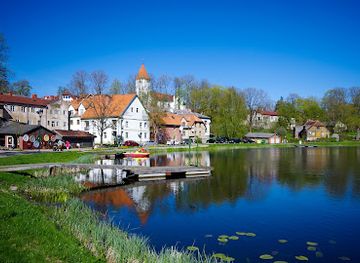
Talsi rises among a chain of wooded hills in western Latvia’s Kurzeme region, where Lake Talsi and the smaller Vilkmuiža Lake help define the town’s distinctive landscape. Often associated with its nine hills, it is a compact place in which steep streets, viewpoints, gardens and quiet residential lanes create a more intimate experience than Latvia’s larger cities. The historic centre gathers around the lakes, while the surrounding countryside opens into forests, farmland and the gently rolling landscapes of northern Kurzeme.Read more about Talsi
Heritage in the Historic Centre
Local Life in Kurzeme
When is the best time to visit Talsi?
Best: June–August · 21–23°C| Month | High (°C) | Rainfall (mm) |
|---|---|---|
| January | -1 | 23 |
| February | 0 | 20 |
| March | 3 | 18 |
| April | 10 | 24 |
| May | 18 | 28 |
| June (best) | 21 | 35 |
| July (best) | 23 | 36 |
| August (best) | 21 | 32 |
| September | 16 | 28 |
| October | 10 | 25 |
| November | 4 | 22 |
| December | 1 | 24 |
Getting to and around Talsi
How to get there
Transportation
Best attractions in Talsi
Talsi’s principal attractions are concentrated within an easily walkable landscape of hills and water. Lake Talsi provides the town’s defining setting, with paths and viewpoints that reveal the relationship between the historic centre and its surrounding slopes. Vilkmuiža Lake adds a quieter natural focus and is also associated with important archaeological discoveries. At Talsi Regional Museum, exhibitions explore local archaeology, history, art and everyday life in Kurzeme, while the former manor setting on Ķēniņkalns adds architectural context. Talsi Hillfort introduces the much earlier Curonian history of the area, and the town’s churches offer contrasting glimpses of its religious heritage. Streets around the centre, small green spaces and elevated viewpoints reward slow exploration, particularly when seasonal events bring local music, crafts and community life into public places.
-
Tourist attraction
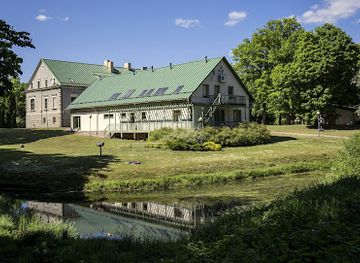
Talsi Regional Museum
Explore the vibrant history and culture of Talsi at the Talsi Regional Museum, where every exhibit tells a story.
17 min walk · 1.4 km from city centre
-
Tourist attraction
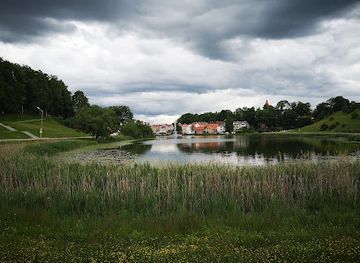
Talsu ezera promenāde
Experience Talsu Ezera Promenāde: A beautiful lakeside stroll in Talsi, Latvia, where nature meets culture in a serene setting.
11 min walk · 0.8 km from city centre
-
Tourist attraction
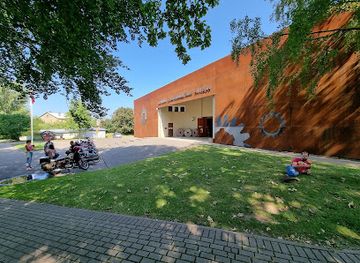
Latvian Agricultural Museum
Explore Latvia's agricultural past at the Latvian Agricultural Museum in Talsi, where history and culture meet in a charming rural setting.
6 min drive · 1.9 km from city centre
-
Tourist attraction
Piemineklis Koklētājs
Explore the Piemineklis Koklētājs in Talsi, a stunning tribute to Latvia’s rich heritage and a serene spot for tourists to unwind.
13 min walk · 1.0 km from city centre
Best landmarks in Talsi
Talsi’s landmarks express the town’s layered history and its unusual setting among nine hills. Talsi Hillfort represents the Curonian settlement that predates the present urban landscape, while Ķēniņkalns is associated with the Talsi Regional Museum and provides one of the clearest elevated perspectives over the town. Talsi Evangelical Lutheran Church is a longstanding religious and civic reference point, and the town’s Orthodox Church adds evidence of the region’s varied confessional history. Lake Talsi and Vilkmuiža Lake are landmarks in the geographical as well as cultural sense: their shores, slopes and archaeological associations help explain the town’s development. Rather than forming a monumental skyline, these places create a sequence of historical markers connected by streets, viewpoints, water and changing levels.
-
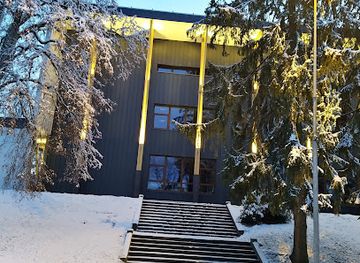
Cultural center
Talsu tautas nams
Experience the cultural heart of Talsi at Talsu Tautas Nams, a historic center for arts, events, and community gatherings.
8 min walk · 0.6 km from city centre
-
Museum
Talsi Regional Museum
Explore the captivating history, culture, and art of the Talsi region at this museum housed in a stunning 19th-century manor.
17 min walk · 1.4 km from city centre
-
Tourist attraction
Talsu ezera promenāde
Discover Talsi's lakeside charm: Stroll along the scenic Talsu Ezera Promenāde for stunning views, art, and tranquility in the heart of Latvia.
11 min walk · 0.8 km from city centre
-
Museum
Latvian Agricultural Museum
Explore Latvia's agricultural heritage at the Latvian Agricultural Museum in Talsi, featuring vintage machinery and rural life exhibits.
6 min drive · 1.9 km from city centre
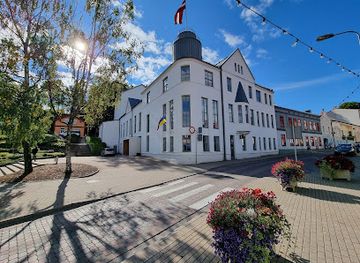
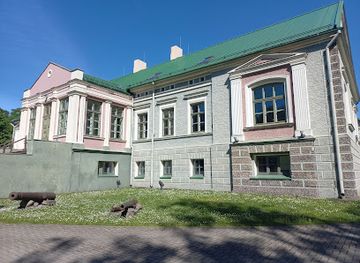
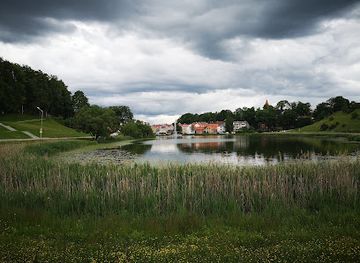
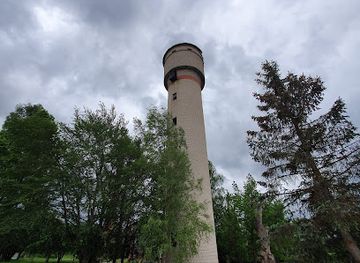
Explore Talsi on the map
Plan your Talsi trip on one map. See where the top attractions, landmarks, restaurants, bars and hotels are, find what's near where you're staying, and book hotels and experiences in a few clicks.
Best hotels in Talsi
Best restaurants in Talsi
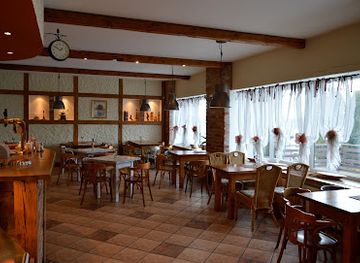
Talsi’s food scene reflects the produce and traditions of Kurzeme rather than a highly specialised urban restaurant culture. Latvian staples such as grey peas, rye bread, potato dishes, soups, smoked fish and pork-based meals appear alongside modern café cooking and familiar European fare. The surrounding countryside contributes dairy products, berries, mushrooms and preserves, while the nearby Baltic coast influences the availability and importance of fish in regional cooking. Cafés and casual restaurants in and around the centre are suited to a relaxed lunch or coffee between walks, and local fairs or seasonal events may bring home baking, preserves and crafts into the public sphere. Menus and opening patterns can be seasonal, so smaller establishments should be approached as part of the town’s everyday rhythm rather than as a concentrated dining district.
-
Cafe
Bine
Experience authentic Latvian cuisine at Bine Café in Talsi - where every dish tells a story of tradition and taste.
3 min walk · 0.2 km from city centre
-
Cafe
Kiviskrogs , kafejnica
Discover Kiviskrogs Cafe in Laidzes Pag: A charming retreat serving local delicacies amidst stunning scenery.
12 min drive · 3.9 km from city centre
-
Pizza
Stender's Pizza
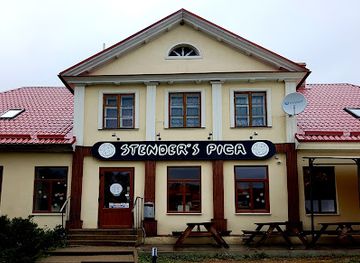
Experience delicious pizza at Stender's Pizza in Talsi – where quality ingredients meet authentic flavors in a cozy setting.
10 min walk · 0.8 km from city centre
-
Cultural center
Talsu tautas nams
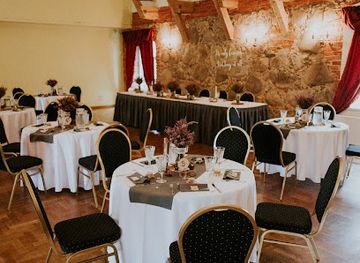
Experience the vibrant arts and culture at Talsu Tautas Nams in beautiful Talsi, Latvia – where tradition meets creativity.
8 min walk · 0.6 km from city centre
Best bars in Talsi
Talsi has a modest evening scene suited more to conversation, local gatherings and cultural events than to large nightclubs. Cafés and restaurants in the centre provide the main options for an early evening drink or meal, while local celebrations and municipal cultural programmes may include concerts, performances and community festivities. The town’s lakes and hills take on a quieter character after dark, and evening walks should stay on well-lit streets, particularly in winter. Visitors seeking extensive clubbing, late-night live music or a broad choice of cocktail venues will find more variety in larger Latvian cities. In Talsi, nightlife is closely connected with the social calendar, local hospitality and occasional events rather than a permanently busy entertainment quarter.
-
Cafe
Kiviskrogs , kafejnica
Discover Kiviskrogs in Laidzes Pag., a charming café serving authentic Latvian cuisine in a cozy atmosphere.
12 min drive · 3.9 km from city centre
-
Restaurant
Jazz Coffee
Experience the harmonious blend of exquisite coffee and delightful ambiance at Jazz Coffee in Talsi, Latvia.
10 min walk · 0.8 km from city centre
-
 Hotel
HotelHotel Talsi
Discover Talsi's charm at Hotel Talsi, your cozy retreat for exploring Latvia's beautiful landscapes and rich culture.
6 min walk · 0.5 km from city centre
-
Grocery store
Rika I & K , SIA, Veikals
Discover local flavors and community spirit at Rika I & K, Talsi's charming grocery store offering a delightful selection of Latvian products.
1 min walk · 0.1 km from city centre
Best nightclubs in Talsi
Talsi has a modest evening scene suited more to conversation, local gatherings and cultural events than to large nightclubs. Cafés and restaurants in the centre provide the main options for an early evening drink or meal, while local celebrations and municipal cultural programmes may include concerts, performances and community festivities. The town’s lakes and hills take on a quieter character after dark, and evening walks should stay on well-lit streets, particularly in winter. Visitors seeking extensive clubbing, late-night live music or a broad choice of cocktail venues will find more variety in larger Latvian cities. In Talsi, nightlife is closely connected with the social calendar, local hospitality and occasional events rather than a permanently busy entertainment quarter.
-
Night club
Sound n’ Soul
Discover the heart of Talsi's nightlife at Sound n’ Soul, a vibrant night club offering live music, delicious drinks, and an unforgettable dance experience.
6 min walk · 0.5 km from city centre
-
Night club
Ballite Ballitee
Unleash your night at Ballite Ballitee, Talsi's hottest night club, with electrifying music, vibrant atmosphere, and unforgettable experiences.
8 min walk · 0.6 km from city centre
-
Night club
Club B-52
Experience the pulsating energy of Talsi's nightlife at Club B-52, where unforgettable nights and electrifying music await you.
7 min walk · 0.6 km from city centre
-
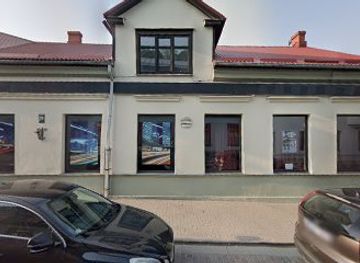
Bar
Melnais kakis , spelu klubs-bars
Discover the vibrant nightlife at Melnais Kakis, a lively bar in Talsi, perfect for sipping cocktails and meeting locals.
5 min walk · 0.4 km from city centre
Best shops in Talsi
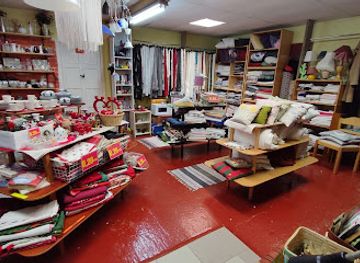
Shopping in Talsi is oriented towards everyday local life, regional produce and small-scale craft rather than major retail districts. The town centre contains practical shops, cafés and independent businesses, while markets and seasonal fairs may offer rye bread, preserves, honey, smoked products, knitted goods, ceramics and other items associated with Latvian domestic and craft traditions. Visitors interested in regional workmanship should look for cultural events and artisan showcases, where products are often presented by makers from Talsi Municipality and wider Kurzeme. Larger supermarkets cover routine needs, but specialist retail is limited compared with Riga or Liepāja. The most distinctive purchases are usually edible or handmade, providing a more direct connection with the surrounding countryside than mass-produced souvenirs.
-
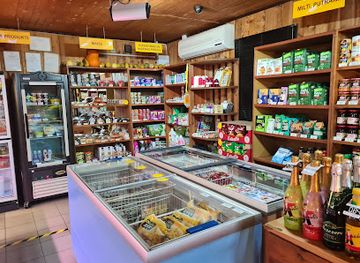
Grocery store
Rika I & K , SIA, Veikals
Discover local flavors and fresh products at Rika I & K, Talsi's beloved grocery store offering a taste of Latvia.
1 min walk · 0.1 km from city centre
-
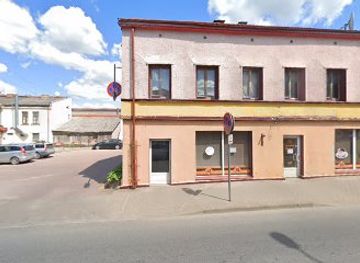
Clothing store
Skandinavs , SIA, Veikals
Explore the diverse offerings of Skandinavs in Talsi, where second-hand treasures await every thrift enthusiast.
4 min walk · 0.4 km from city centre
-
Clothing store
Ltd. BETOLLI
Explore the finest fashion at Ltd. BETOLLI in Talsi, where local style meets unique designs for an unforgettable shopping experience.
13 min walk · 1.1 km from city centre
-
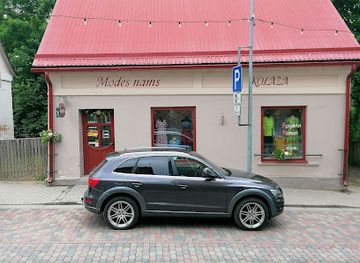
Clothing store
Kolāža
Explore Kolāža in Talsi for unique clothing that combines modern trends with the charm of local Latvian fashion.
7 min walk · 0.5 km from city centre
Get your free copy of our complete guide to Talsi, delivered straight to you.
Everything on this page, from attractions and restaurants to essentials and local phrases, in one PDF you can read offline, print or share.
Already have an account? Sign in
Your Talsi guide is ready.
We'll send it to · Not you? Sign out

Getting your guide ready…
We are putting together a fresh copy of the Talsi guide. This can take up to a minute.
This can take a few moments. If your browser asks, choose Allow so the download can start. You'll find the guide in your Downloads folder.
Nothing happened? Download it again
Sorry, the guide is taking longer than usual. Please try again in a minute, or get it by email instead.
Talsi essentials
Currency and Payment
Safety
Emergency Situations
Do's and Don'ts
Local Tips
From Eve
Local phrases worth knowing
You don't need to get them perfect. A few words go a long way, and locals appreciate the effort.
Basics
| English | Local | Say it |
|---|---|---|
| Hello | Sveiki | [Svei-ki] |
| Goodbye | Uz redzēšanos | [Uz red-ze-sha-nos] |
| Yes | Jā | [Ya] |
| No | Nē | [Ne] |
| Please/You're welcome | Lūdzu | [Loo-dzu] |
| Thank you | Paldies | [Pal-dies] |
| Excuse me/Sorry | Atvainojiet | [At-vai-no-yiet] |
| How are you? | Kā jums klājas? | [Ka yums kla-yas] |
| Fine. And you? | Labi. Un jums? | [La-bi. Oon yums?] |
| Do you speak English? | Vai jūs runājat angļu valodā? | [Vai yoos roo-nai-at ang-lu va-lo-da] |
| I don't understand | Es nesaprotu | [Es ne-sa-pro-tu] |
Eating & Drinking
| English | Local | Say it |
|---|---|---|
| I'd like to see the menu, please | Es vēlētos redzēt ēdienkarti, lūdzu | [Es vee-le-tohs red-zeht e-die-en-kar-ti, loo-dzu] |
| I don't eat meat | Es neēdu gaļu | [Es nee-doo ga-lu] |
| Cheers! | Priekā! | [Prie-ka] |
| I would like to pay, please | Es vēlētos samaksāt, lūdzu | [Es vee-le-tohs sa-ma-ksaat, loo-dzu] |
Emergencies
| English | Local | Say it |
|---|---|---|
| Help! | Palīdzība! | [Pa-lee-dzi-ba] |
| Go away! | Iet prom! | [Yiet prom] |
| Call the Police! | Sauciet policiju! | [Sau-tsieht po-li-tsi-yu] |
| Call a doctor! | Sauciet ārstu! | [Sau-tsieht aar-stu] |
| I'm lost | Es esmu pazudis/pazudusi | [Es es-mu pa-zu-dis/pa-zu-du-si] |
| I'm ill | Man ir slikti | [Man eer sli-k-ti] |
Shopping
| English | Local | Say it |
|---|---|---|
| I'd like to buy... | Es vēlētos nopirkt... | [Es vee-le-tohs no-peerkt] |
| I'm just looking | Es tikai skatos | [Es ti-kai ska-tos] |
| How much is it? | Cik tas maksā? | [Tsik tas mak-saa] |
| That's too expensive | Tas ir pārāk dārgi | [Tsas eer pa-raak daar-gi] |
| Can you lower the price? | Vai jūs varat samazināt cenu? | [Vai yoos va-rat sa-ma-zi-naat tse-nu] |
Time & Numbers
| English | Local | Say it |
|---|---|---|
| What time is it? | Cik ir pulkstenis? | [Tsik eer pulk-ste-nis] |
| It's one o'clock | Ir viens pulkstenis | [Eer viens pulk-ste-nis] |
| Half past (10) | Pus divpadsmit | [Pus deev-pad-smit] |
| Morning | Rīts | [Reets] |
| Afternoon | Pēcpusdiena | [Peech-pus-die-na] |
| Evening | Vakars | [Va-kars] |
| Yesterday | Vakar | [Va-kar] |
| Today | Šodien | [Sho-dien] |
| Tomorrow | Rīt | [Reet] |
| 1 | Viens | [Viens] |
| 2 | Divi | [Dee-vee] |
| 3 | Trīs | [Tree-s] |
| 4 | Četri | [Che-tri] |
| 5 | Pieci | [Pie-tsi] |
| 6 | Seši | [Se-shi] |
| 7 | Septiņi | [Sep-tsee-ni] |
| 8 | Astoņi | [As-to-nee] |
| 9 | Devīti | [De-vee-ti] |
| 10 | Desmit | [Des-mit] |
Transport & Directions
| English | Local | Say it |
|---|---|---|
| Where's a/the...? | Kur ir...? | [Koor eer] |
| What's the address? | Kāda ir adrese? | [Ka-da eer a-dre-se] |
| Can you show me (on the map)? | Vai jūs varat mani norādīt (uz kartes)? | [Vai yoos va-rat ma-ni no-ra-diit (uz kar-tes)] |
| When's the next (bus)? | Kad būs nākamais (autobuss)? | [Kad boos na-ka-ma-ees (au-to-booss)] |
| A ticket (to ....) | Biļete (uz ....) | [Bi-ye-te (uz)] |
History of Talsi
Curonian Beginnings and Talsi Hillfort
The Talsi area was inhabited by Curonians, a Baltic people whose communities occupied much of western Latvia before the region was absorbed into the medieval Livonian political order. Talsi Hillfort, associated with the old settlement, stands as the clearest physical reminder of this early period, while archaeological discoveries around the town and Vilkmuiža Lake have helped illuminate local life before written records became abundant. The settlement’s position among hills and waterways offered both natural resources and defensible ground. Although the surviving townscape is much later, these earlier layers explain why Talsi is regarded as one of Kurzeme’s historically important inland centres rather than simply a modern administrative town.
Medieval Livonia and German Rule
During the medieval period, western Latvia became part of Livonia, a Christian political landscape shaped by German military orders, ecclesiastical authorities and emerging towns. Talsi developed within this wider framework, although it did not become a major fortified city on the scale of Riga or nearby coastal strongholds. Religious administration, estate ownership and trade routes influenced settlement patterns across the region, gradually linking local communities with larger centres. The legacy of this period is found less in grand medieval buildings than in the long historical continuity of the settlement and the later churches, roads and estate structures that grew from the political and economic order established in medieval Kurzeme.
Duchy of Courland and Regional Development
From the sixteenth century, much of Kurzeme was governed by the Duchy of Courland and Semigallia, a Lutheran state whose economy depended on agriculture, timber, crafts and trade. Talsi functioned as a local centre within this rural region, serving surrounding estates and farming communities. The duchy’s connections with Baltic ports and European commerce encouraged the movement of goods, skills and ideas, even though Talsi remained a small inland settlement. Changes in estate administration and religious life helped shape the cultural landscape later visible in the town, including the position of churches and the relationship between the settlement and the countryside around it.
Russian Empire and Nineteenth-Century Change
After the end of the Duchy of Courland in 1795, Talsi became part of the Russian Empire. Nineteenth-century administration, improved roads and expanding regional commerce strengthened its role as a local service centre. The town’s population and built environment gradually diversified, with religious communities and civic institutions contributing to its character. The period also belongs to the wider awakening of Latvian cultural and national consciousness, when language, education and local associations became increasingly important across the region. Talsi’s later churches, public buildings and town plan reflect this era of steady development rather than rapid industrialisation.
Latvian Independence and Municipal Life
Latvia declared independence in 1918, establishing a national framework in which Talsi became part of the country’s new civic and administrative life. The interwar years brought the consolidation of local institutions, education and cultural activity, while Talsi served the surrounding Kurzeme countryside as a market and services centre. The town was affected by the upheavals of the Second World War and the subsequent Soviet annexation of Latvia, which altered political, economic and social life throughout the region. Despite these disruptions, local traditions and institutions preserved a strong sense of place tied to the hills, lakes and communities of northern Kurzeme.
Contemporary Talsi in Kurzeme
Since the restoration of Latvian independence in 1991, Talsi has developed as the administrative centre of Talsi Municipality and as a cultural gateway to northern Kurzeme. Heritage conservation, museums, churches, public spaces and lakeside landscapes now form the principal framework of the visitor experience. The town’s identity is expressed through local festivals, regional arts and connections with surrounding rural communities rather than through large-scale industry or mass tourism. Contemporary Talsi therefore presents its history in a layered way: Curonian archaeology, medieval and ducal-era memory, nineteenth-century civic growth and modern Latvian life all remain legible within a compact, hill-set town.
Talsi in Photos
Browse through our photo collection highlighting the charm and character of the destination.
Cities near Talsi
The closest cities to Talsi, if you have time for more than one stop.
-

-

-

-

-


Swipe for more cities
Explore more

Explore more of Latvia
Explore Latvia: A Baltic treasure with rich history, stunning landscapes, vibrant festivals, and warm hospitality. Discover Riga's charm and Latvia's natural beauty.
Explore Latvia