

Free Nólsoy Travel Guide & Mobile App
Plan your Nólsoy trip with Evendo. Get free guides to top attractions, restaurants, hotels, and bars. Web access or download the mobile app.


Nólsoy in the Faroe Islands offers ferry-accessible village life, sea-cliff walks, Faroese heritage, birdwatching and the lighthouse at Borðan.
Island Life Across the Sound
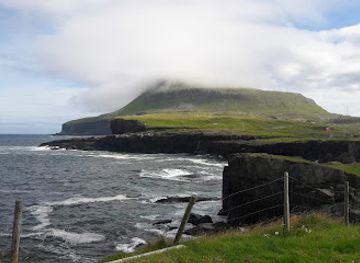
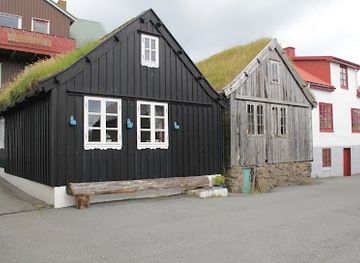
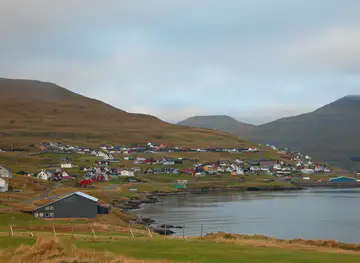
Nólsoy is a small island settlement in the Faroe Islands, lying across the water from Tórshavn and reached by a short ferry journey from the capital. Its compact village gathers around a sheltered harbour, where brightly painted houses, turf-roofed buildings and working boats reflect the practical traditions of Faroese coastal life. Beyond the settlement, open slopes rise towards a long, windswept ridge, with the Atlantic visible in almost every direction.Read more about Nólsoy
Heritage and the Sea
Cliffs, Birds and Borðan
When is the best time to visit Nólsoy?
Best: June–August · 13–15°C| Month | High (°C) | Rainfall (mm) |
|---|---|---|
| January | 7 | 151 |
| February | 7 | 121 |
| March | 7 | 131 |
| April | 9 | 111 |
| May | 11 | 101 |
| June (best) | 13 | 91 |
| July (best) | 15 | 81 |
| August (best) | 15 | 81 |
| September | 13 | 91 |
| October | 11 | 111 |
| November | 9 | 121 |
| December | 7 | 131 |
Getting to and around Nólsoy
How to get there
Transportation
Best landmarks in Nólsoy
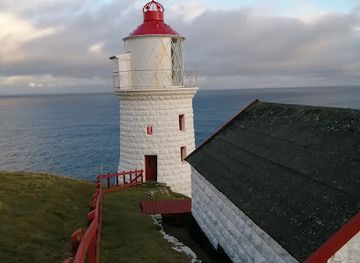
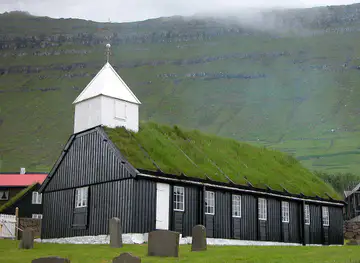
Nólsoy's most meaningful landmarks are modest in scale but closely tied to island identity. The village church provides a focal point for the settlement and reflects the continuing importance of community institutions in Faroese villages. The harbour is another defining landmark, linking the island to Tórshavn and preserving the practical relationship between residents and the sea. Nólsoyar Páll's legacy is present throughout the village and in the local museum, which connects the island with one of the best-known figures in Faroese maritime and cultural history. At the southern end of the island, Borðan lighthouse stands as a functional maritime marker in an exposed landscape rather than a grand architectural monument. Together, these places show how Nólsoy's identity has been shaped by navigation, worship, local memory and life at the edge of the North Atlantic.
-
Cafe
Maggie's café
Discover Maggie's Café in Nólsoy, where local flavors meet stunning views, creating an unforgettable dining experience in the heart of the Faroe Islands.
9 min drive · 2.9 km from city centre
-
Strait
Nólsoyarfjørður
Explore the serene beauty of Nólsoyarfjørður, a stunning strait in the Faroe Islands, perfect for nature lovers and adventure seekers alike.
13 min drive · 4.3 km from city centre
-
Tourist attraction
Nólsoy Lighthouse
Explore the stunning Nólsoy Lighthouse, a historic maritime beacon offering breathtaking views and a glimpse into the Faroe Islands' natural beauty.
11 min drive · 3.8 km from city centre
-
Tourist information center
Visit Nólsoy
Explore the hidden beauty of Nólsoy, a serene island in the Faroe Islands, known for its stunning landscapes, rich history, and welcoming culture.
9 min drive · 2.8 km from city centre
Explore Nólsoy on the map
Plan your Nólsoy trip on one map. See where the top attractions, landmarks, restaurants, bars and hotels are, find what's near where you're staying, and book hotels and experiences in a few clicks.
Best hotels in Nólsoy
Best restaurants in Nólsoy
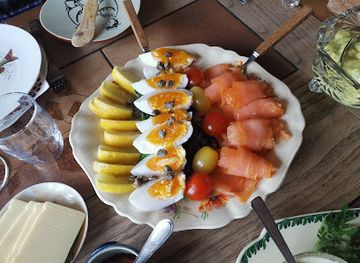
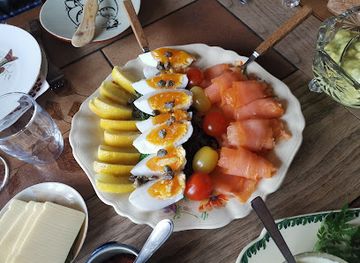
Nólsoy has a very limited and seasonal food scene rather than a concentration of restaurants. Visitors may find a small café or locally hosted meal operating at particular times, but opening arrangements are not guaranteed and should be checked before the ferry journey. The most characteristic food experiences are connected with Faroese home cooking and hospitality, where locally sourced fish, lamb, potatoes, bread and preserved foods reflect the islands' climate and maritime economy. In practical terms, bringing a packed lunch from Tórshavn is sensible for a day devoted to walking, especially when travelling outside the main visitor season. The village is not a destination for restaurant-hopping; its culinary interest lies in the possibility of informal local hospitality and in understanding how island households have traditionally made use of a narrow range of land and sea resources.
-
Restaurant
Hjá Maud
Experience authentic Faroese cuisine at Hjá Maud in Nólsoy - where local flavors meet stunning island scenery.
9 min drive · 2.9 km from city centre
Best bars in Nólsoy
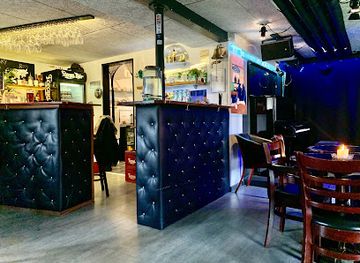
Nólsoy does not have a conventional nightlife district, nightclub circuit or extensive evening entertainment. Social life is centred on the village community, the harbour and occasional local gatherings rather than late-opening venues. The island's quiet evenings can be rewarding in their own way: summer light lingers across the sound, and the absence of urban noise makes the weather, sea and bird calls unusually present. Visitors seeking bars, live music or theatre generally find a broader choice in Tórshavn, although the ferry timetable needs careful attention before planning a late return. Alcohol should be consumed responsibly, particularly when walking near water or exposed ground, and visitors should remember that Nólsoy is a residential community rather than a party destination.
-
Cafe
Maggie's café
Discover the cozy charm of Maggie's Café in Nólsoy, where delicious local dishes and stunning views await every visitor.
9 min drive · 2.9 km from city centre
-
Restaurant
Hjá Maud
Experience authentic Faroese cuisine at Hjá Maud in Nólsoy, where local flavors meet stunning island views.
9 min drive · 2.9 km from city centre
Best shops in Nólsoy
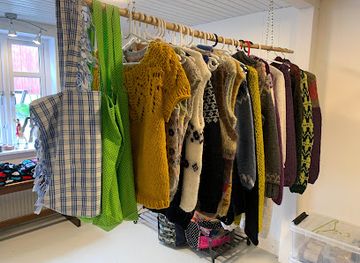
Shopping on Nólsoy is extremely limited, with no substantial retail district, department store or market. The village museum may provide a small opportunity to learn about or acquire locally connected material, but visitors should not expect a dependable selection of souvenirs or specialist shops. Distinctive Faroese goods such as woollen knitwear, handmade crafts, books and local foods are more readily found in Tórshavn and other larger settlements. On Nólsoy, the most meaningful form of shopping is often connected with supporting small-scale local hospitality or purchasing a locally made item when one is genuinely offered. Bring essentials from the capital, particularly food and outdoor supplies, rather than assuming they can be bought after arrival. Any purchase should respect the island's small community and limited commercial infrastructure.
-
Clothing store
Handmade in Nólsoy
Explore the artistry of the Faroe Islands at Handmade in Nólsoy, where unique handcrafted clothing and accessories await.
8 min drive · 2.8 km from city centre
-
Grocery store
Matvørubúðin
Experience authentic Faroese culture at Matvørubúðin, a charming grocery store in Nólsoy, offering local products and a taste of island life.
9 min drive · 2.8 km from city centre
Get your free copy of our complete guide to Nólsoy, delivered straight to you.
Everything on this page, from attractions and restaurants to essentials and local phrases, in one PDF you can read offline, print or share.
Already have an account? Sign in
Your Nólsoy guide is ready.
We'll send it to · Not you? Sign out

Getting your guide ready…
We are putting together a fresh copy of the Nólsoy guide. This can take up to a minute.
This can take a few moments. If your browser asks, choose Allow so the download can start. You'll find the guide in your Downloads folder.
Nothing happened? Download it again
Sorry, the guide is taking longer than usual. Please try again in a minute, or get it by email instead.
Nólsoy essentials
Currency and Payment
Safety
Emergency Situations
Do's and Don'ts
Local Tips
From Eve
Local phrases worth knowing
You don't need to get them perfect. A few words go a long way, and locals appreciate the effort.
Basics
| English | Local | Say it |
|---|---|---|
| Hello | Halló | [hah-loh] |
| Goodbye | Farvæl | [far-veyl] |
| Yes | Ja | [yah] |
| No | Nei | [ney] |
| Please/You're welcome | Vælkomin | [vahyl-ko-min] |
| Thank you | Takk fyri | [tahk fy-ree] |
| Excuse me/Sorry | Fyrirgjørd mítt | [fy-ri-gyurth meet] |
| How are you? | Hvussu gongur tað? | [khoos-soo gohn-goor tah?] |
| Fine. And you? | Gott. Og tú? | [got ohg too?] |
| Do you speak English? | Talar tú enskt? | [tah-lahr too en-skht?] |
| I don't understand | Eg skilji ikki | [eh skil-yee ihk-ki] |
Eating & Drinking
| English | Local | Say it |
|---|---|---|
| I'd like to see the menu, please | Eg vil síggja matsedilin, vænta so | [eh vil see-ya maht-she-dil-in vyan-tah soh] |
| I don't eat meat | Eg eti ikki kjøt | [eh eh-tee ihk-ki khut] |
| Cheers! | Skaal! | [skahl] |
| I would like to pay, please | Eg vil gjalda, vænta so | [eh vil gyahl-dah vyan-tah soh] |
Emergencies
| English | Local | Say it |
|---|---|---|
| Help! | Hjálp! | [hyowlp] |
| Go away! | Far burtur! | [far boor-tur] |
| Call the Police! | Ring til Løgregluna! | [ring teel loo-gree-gloo-nah] |
| Call a doctor! | Ring til ein læknari! | [ring teel ain laik-nah-ree] |
| I'm lost | Eg eri týstur | [eh eh-ree teest-ur] |
| I'm ill | Eg eri sjúkur | [eh eh-ree shyoo-koor] |
Shopping
| English | Local | Say it |
|---|---|---|
| I'd like to buy... | Eg vil keypa... | [eh vil key-pah] |
| I'm just looking | Eg eri bara at síggja | [eh eh-ree bah-rah at see-ya] |
| How much is it? | Hvat kostar tað? | [khwat kohs-tahr tah?] |
| That's too expensive | Tað er ov dýrt | [tahr ehr ohv deert] |
| Can you lower the price? | Kanstu lætta prísin? | [khan-stoo lai-tah pree-sin] |
Time & Numbers
| English | Local | Say it |
|---|---|---|
| What time is it? | Hvussu nógv er klokkan? | [khoos-soo no-gv air khloh-kahn] |
| It's one o'clock | Tað er eitt | [tah ehr ayht] |
| Half past (10) | Hálvgvart (10) | [khalv-gvahrt] |
| Morning | Morgun | [mohr-goon] |
| Afternoon | Eftirmiðdagur | [eft-ir-mee-thah-goor] |
| Evening | Kvøld | [kvuhl] |
| Yesterday | Í gjár | [ee gyaur] |
| Today | Í dag | [ee dah] |
| Tomorrow | Í morgin | [ee mohr-gin] |
| 1 | Eitt | [ayht] |
| 2 | Tvær | [tvayr] |
| 3 | Tríggjar | [tree-gyar] |
| 4 | Fýra | [foo-rah] |
| 5 | Fimm | [feem] |
| 6 | Seks | [seks] |
| 7 | Sjey | [shay] |
| 8 | Átta | [owt-tah] |
| 9 | Ni | [nee] |
| 10 | Tíggju | [tee-gyoo] |
Transport & Directions
| English | Local | Say it |
|---|---|---|
| Where's a/the...? | Hvar er ein/hvør...? | [kvar air ain/khvor] |
| What's the address? | Hvat er adressan? | [khwat air ah-dress-an] |
| Can you show me (on the map)? | Kanstu vísa meg (á kortinum)? | [khan-stoo vee-sah mayg (ow kohr-tin-um)] |
| When's the next (bus)? | Nær fer næsta (bustur)? | [nair fair nay-stah (boos-toor)] |
| A ticket (to ....) | Ein billet (til ....) | [ain bee-let teel] |
History of Nólsoy
An Island Settlement in the Faroese Sound
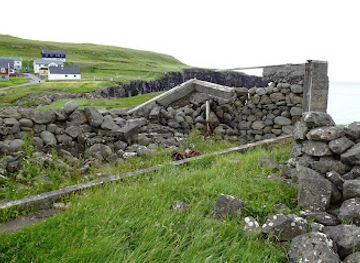
Nólsoy developed as a settled farming and fishing community on an island strategically placed beside the waters leading towards Tórshavn. Like other Faroese villages, its early history was shaped by a mixed economy of sheep husbandry, small-scale cultivation, bird catching and fishing. The settlement's position offered access to the sea while its surrounding slopes provided limited pasture. Traditional stone and timber buildings, often protected by turf roofs, reflect the climate and materials available in the North Atlantic. For centuries, movement between Nólsoy and the larger settlements of Streymoy depended on small boats and favourable weather, reinforcing the island's close-knit social character.
Nólsoyar Páll and Faroese Identity
Nólsoy is particularly associated with Poul Poulsen, better known as Nólsoyar Páll, who was born on the island in 1766. A seaman, poet and determined critic of restrictions affecting Faroese trade, he became an important figure in the cultural memory of the islands. Nólsoyar Páll built and sailed the vessel Royndin Fríða, linking maritime skill with a wider desire for economic independence and renewed contact beyond the Danish trade system. He disappeared at sea in 1809 while attempting to obtain supplies during the Napoleonic Wars. His life and writings later contributed to the revival of Faroese language and national consciousness.
Fishing, Farming and Island Society
During the nineteenth and twentieth centuries, Nólsoy's economy continued to combine fishing with sheep farming and other forms of subsistence. The sea provided both food and employment, but it also brought danger, uncertain weather and periods of hardship. Families maintained strong connections with Tórshavn and neighbouring islands while preserving local customs within the village. Improved boats, communication and public services gradually reduced the isolation that had defined earlier generations. The settlement's surviving houses, harbour traditions and community institutions offer a visible reminder of a society that adapted to modern life without abandoning its maritime foundations.
A Changing Relationship with Tórshavn
Nólsoy's proximity to Tórshavn has shaped its modern development. Regular ferry services made travel for work, education, trade and public services easier, while the capital became increasingly important to the island's economy. At the same time, Nólsoy retained a distinct village identity and remained home to residents engaged in fishing, local services and small-scale activities. The ferry crossing now allows visitors to encounter an inhabited island without the infrastructure of a major tourist centre. This balance between accessibility and remoteness is central to understanding Nólsoy today.
Heritage and Conservation Today
Contemporary Nólsoy presents its history through the village landscape, local collections and stories connected with the sea. Its cliffs and slopes also have ecological importance, particularly as breeding grounds for seabirds, including European storm petrels. Walking routes and interest in Faroese heritage have brought more visitors, but the island remains sensitive to weather, seasonal conditions and limited services. Conservation therefore depends on respectful access, avoiding disturbance to birds and keeping to established paths where possible. Nólsoy's modern identity rests on this combination of living community, maritime memory and exposed North Atlantic nature.
Nólsoy in Photos
Browse through our photo collection highlighting the charm and character of the destination.
Cities near Nólsoy
The closest cities to Nólsoy, if you have time for more than one stop.
-

-

-

-
-


Swipe for more cities
Explore more
Explore more of Faroe Islands
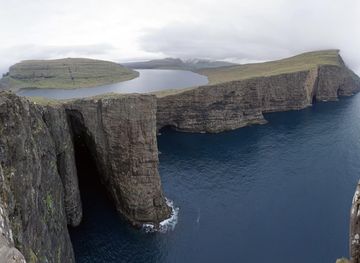
Discover the Faroe Islands: A land of rugged beauty, rich history, and tranquil villages, perfect for nature lovers and adventurers seeking an off-the-beaten-path destination.
Explore Faroe Islands