

Free Eysturoy Travel Guide & Mobile App
Explore Eysturoy with free travel guides. Discover regional history, expert tips, proposed trips, and audio guides on web or mobile app.


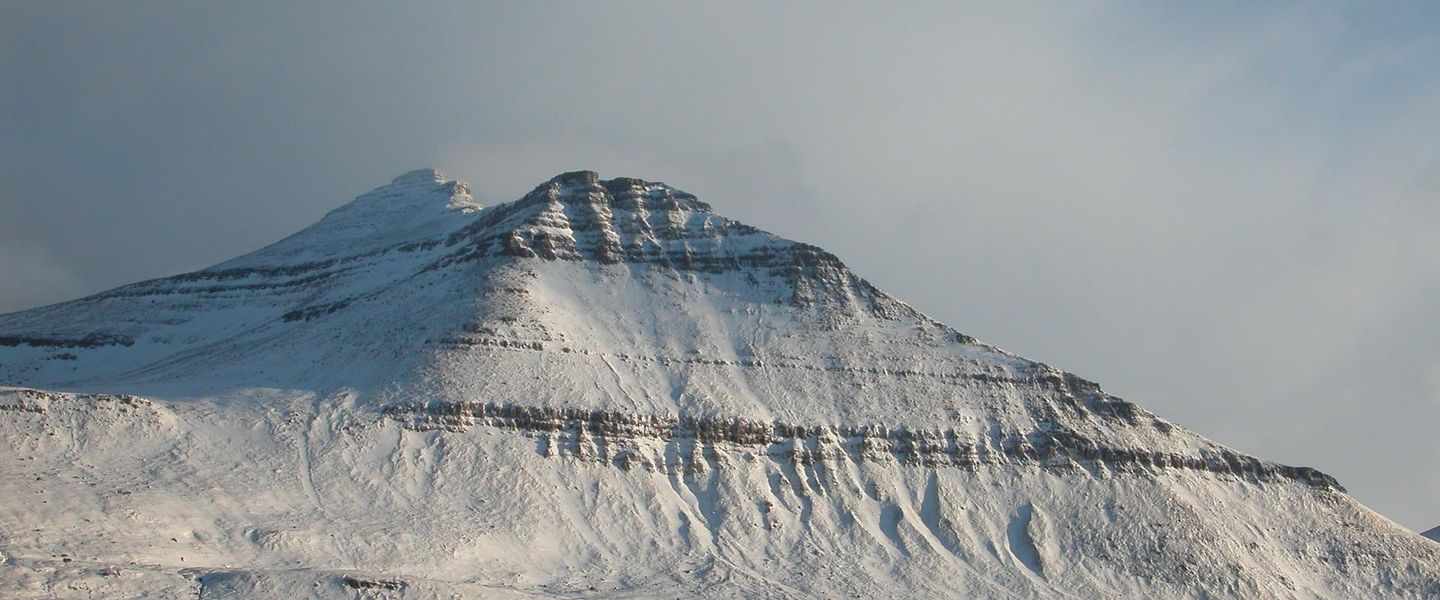


Explore Eysturoy in the Faroe Islands for high mountain walks, fjord villages, sea views, Viking heritage and distinctive coastal scenery.
Read more about Eysturoy
When is the best time to visit Eysturoy?
Best: June–August · 11–13°C| Month | High (°C) | Rainfall (mm) |
|---|---|---|
| January | 6 | 160 |
| February | 6 | 130 |
| March | 6 | 120 |
| April | 7 | 100 |
| May | 9 | 80 |
| June (best) | 11 | 70 |
| July (best) | 13 | 60 |
| August (best) | 13 | 90 |
| September | 12 | 120 |
| October | 9 | 150 |
| November | 7 | 160 |
| December | 6 | 180 |
Getting to and around Eysturoy
How to get there
Transportation
Top city travel guides in Eysturoy
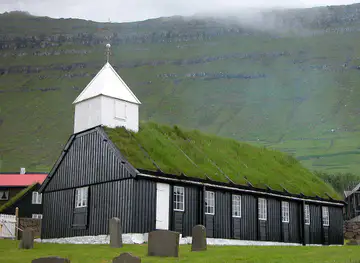
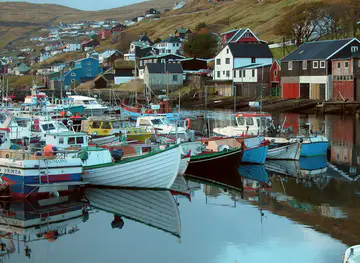
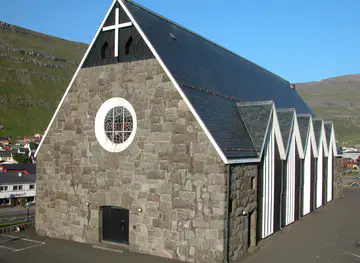
The cities of Eysturoy, and the easiest places to base yourself.
-
-
-
-

-

-
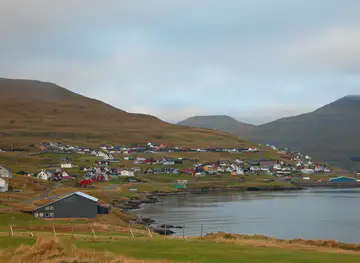


Swipe for more cities
Destinations in Eysturoy
Resorts, valleys and scenic spots worth a trip of their own.
-
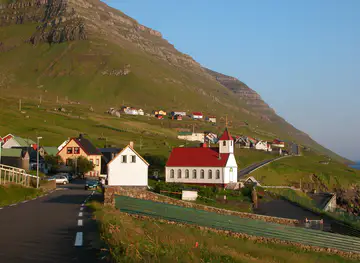
-

-

-

-

-


Swipe for more destinations
Best attractions in Eysturoy
Eysturoy's attractions are primarily landscape-led, with human history closely woven into the mountains and fjords. The village of Gjógv is known for its dramatic natural gorge and harbour, while Eiði provides access to highland scenery and views towards the sea stacks Risin og Kellingin. Oyndarfjørður has unusual rocking stones moved by the sea, and the Gøta area offers cultural interpretation of Faroese Viking and rural heritage through local museums and historic buildings. Around Funningur and the northern valleys, scenic roads lead between steep peaks, pasture and small settlements. Walkers can choose from village paths and coastal routes to demanding mountain ascents, including approaches towards Slættaratindur for experienced hikers in suitable conditions. Birdlife, sheep farming and open views across the North Atlantic are part of the experience, although conditions can be exposed. The Eysturoyartunnilin adds a contemporary attraction: its underwater roundabout and illuminated artwork demonstrate how modern engineering has become part of the Faroese travel landscape. Visitors should regard the island as a collection of journeys rather than a single attraction, allowing time for weather, photography and brief stops at harbours, churches and viewpoints.
-
Tourist attraction
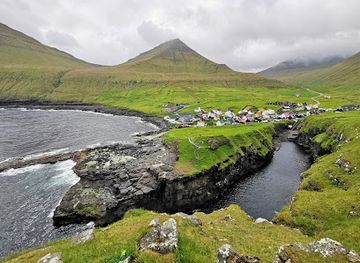
Gjógv Natural Harbour
Discover Gjógv Natural Harbour: a picturesque Faroese village with dramatic cliffs, a unique sea-filled gorge, and stunning North Atlantic views.
-
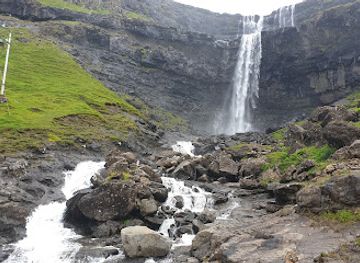
Tourist attraction
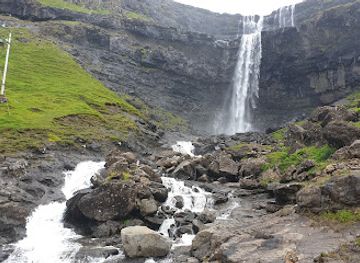
Fossá
Experience the breathtaking Fossá Waterfall, the Faroe Islands' tallest cascade, offering stunning views and easy access to nature's power.
-
Tourist attraction
Tjørnuvik Beach
Experience the dramatic beauty of Tjørnuvík Beach in the Faroe Islands: black sands, towering cliffs, and legendary sea stacks await.
-
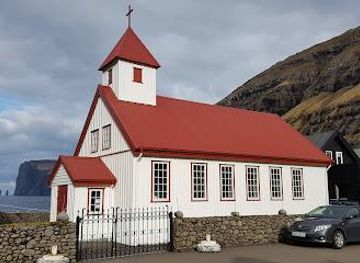
Lutheran church
Tjørnuvík Kirkja
Discover the charm of Tjørnuvík Kirkja, a picturesque Lutheran church nestled in the stunning landscape of the Faroe Islands.


Best landmarks in Eysturoy
Slættaratindur is Eysturoy's most significant natural landmark and, at 880 metres, the highest mountain in the Faroe Islands. Its profile dominates views across the northern part of the island, although cloud and weather can conceal it. From the coast near Eiði, the sea stacks known as Risin og Kellingin rise offshore and are among the archipelago's most recognisable geological forms, linked to a well-known Faroese legend. Gjógv's narrow sea gorge is both a natural landmark and the defining feature of its village, where it forms a sheltered harbour between high slopes. In the Gøta area, the village churches, historic houses and cultural sites express the continuity of Faroese settlement from older farming communities to modern island life. The old church at Funningur stands in a valley framed by mountains, while Oyndarfjørður's rocking stones demonstrate the force of waves acting on the coastline. The Eysturoyartunnilin's central roundabout, decorated with an illuminated sculptural installation, provides a striking modern counterpoint to turf-roofed houses, cliffs and traditional harbours.
-
Historical place
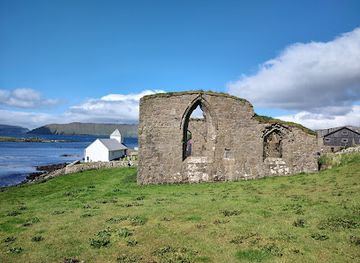
Kirkjubømúrurin
Explore the historic charm of Kirkjubøur, a scenic village in the Faroe Islands, rich in culture and breathtaking landscapes.
-
Tourist attraction
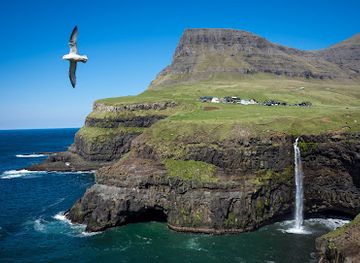
Múlafossur Waterfall
Explore the breathtaking Múlafossur Waterfall, a stunning natural attraction in Gasadalur, Faroe Islands, where nature's beauty meets tranquility.
-
Tourist attraction
Gjógv Natural Harbour
Explore the stunning Gjógv Natural Harbour in the Faroe Islands, a picturesque blend of dramatic landscapes, charming village life, and rich cultural heritage.
-
Tourist attraction
Fossá
Discover the breathtaking beauty of Fossá, the highest waterfall in the Faroe Islands, surrounded by stunning landscapes and serene nature.
Explore Eysturoy on the map
Plan your trip on one map. See where the top cities, national parks and sights are, and book hotels and experiences in a few clicks.
Best hotels in Eysturoy
Best restaurants in Eysturoy
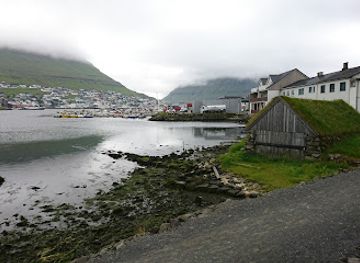
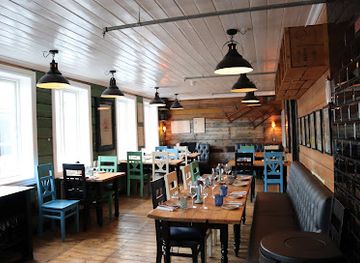
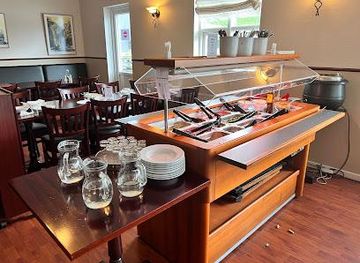
Dining on Eysturoy reflects the wider Faroese food culture while remaining closely connected to local communities and the sea. Fish and shellfish are central, and menus may include cod, salmon or other North Atlantic catches, alongside lamb, potatoes, seasonal vegetables and traditional baked goods. Fermented foods, including ræst meat or fish, belong to an older preservation tradition and are usually encountered as part of a considered local meal rather than casual fast food. Runavík and the settlements around Skálafjørður offer the broadest choice of cafés, restaurants and everyday dining, while smaller villages may have limited or seasonal provision. Rural inns, guesthouses and community-oriented cafés can be useful places to try Faroese dishes without expecting a large restaurant scene. Local beer and coffee commonly accompany meals, and some accommodation providers can arrange or recommend evening dining. Because distances are short on a map but services are dispersed, check availability and book ahead where possible, particularly outside the busiest summer period.
-
Cafe
Fríða Kaffihús
Discover local flavors and rich history at Fríða Kaffihús in Klaksvík - your cozy retreat in the heart of the Faroe Islands.
-
Scandinavian
Katrina Christiansen
Experience authentic Faroese cuisine at Katrina Christiansen in Tórshavn—where local flavors meet Scandinavian tradition.
-
Restaurant
Vestmanna Tourist Centre
Vestmanna Tourist Centre: Launchpad for bird cliff boat adventures, Faroese dining, wax museum wonders, and souvenirs amid Streymoy's dramatic seascapes.
-
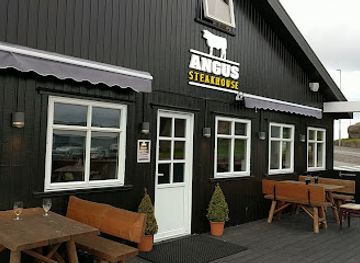
Restaurant
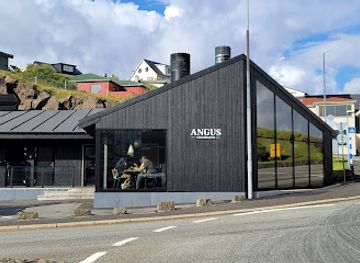
Angus Steakhouse
Experience the best steaks in Tórshavn at Angus Steakhouse - where quality meets local flavor.
Best bars in Eysturoy
Eysturoy does not have a large, concentrated nightclub scene; evening life is more closely associated with pubs, restaurants, cafés and community events. Runavík and the communities along Skálafjørður provide the greatest choice for an evening drink, while smaller settlements such as Eiði, Gjógv and Oyndarfjørður are generally quieter and may depend on accommodation-based dining or occasional local events. Traditional Faroese pubs offer a setting for conversation, beer and televised sport, and some venues may host live music or cultural gatherings rather than operate as late-night clubs. The Gøta area has particular importance in Faroese music culture, although events and venue arrangements vary over time. Craft beer and Faroese spirits may appear on drinks lists, but alcohol is not the sole focus of local evening culture. Plan transport before going out, especially when staying in a rural village, since late public transport can be limited and driving after drinking is not an option.
-
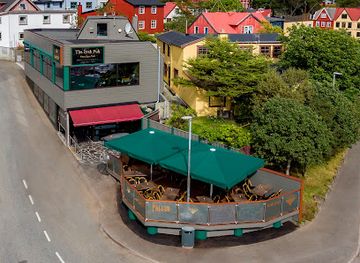
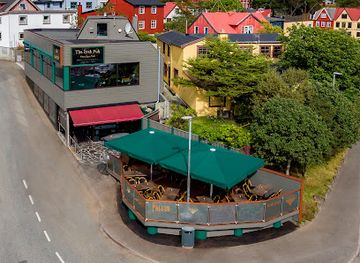
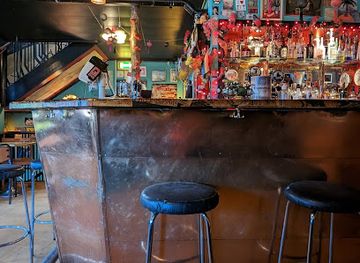
Irish pub
Irish Pub Torshavn
Experience the warm ambiance and delightful cuisine at Irish Pub Torshavn, a must-visit for every traveler in Tórshavn, Faroe Islands.
-
Restaurant
Angus Steakhouse
Savor exceptional steaks and fresh seafood in a cozy and inviting setting at Angus Steakhouse in Tórshavn, Faroe Islands.
-
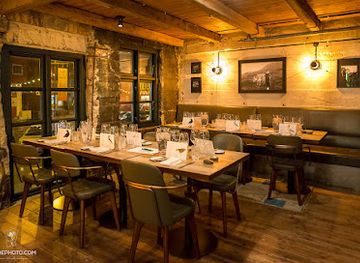
Restaurant
THE TARV Grillhouse
Discover the flavors of the Faroe Islands at THE TARV Grillhouse, Tórshavn's premier dining destination for fresh, local cuisine.
-
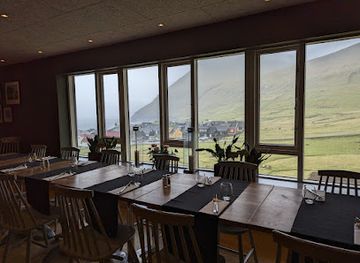
Restaurant
Gjaargardur Guesthouse Gjogv
Discover the flavors of the Faroe Islands at Gjaargardur Guesthouse Gjogv, where local cuisine meets stunning natural beauty.
Best nightclubs in Eysturoy
Eysturoy does not have a large, concentrated nightclub scene; evening life is more closely associated with pubs, restaurants, cafés and community events. Runavík and the communities along Skálafjørður provide the greatest choice for an evening drink, while smaller settlements such as Eiði, Gjógv and Oyndarfjørður are generally quieter and may depend on accommodation-based dining or occasional local events. Traditional Faroese pubs offer a setting for conversation, beer and televised sport, and some venues may host live music or cultural gatherings rather than operate as late-night clubs. The Gøta area has particular importance in Faroese music culture, although events and venue arrangements vary over time. Craft beer and Faroese spirits may appear on drinks lists, but alcohol is not the sole focus of local evening culture. Plan transport before going out, especially when staying in a rural village, since late public transport can be limited and driving after drinking is not an option.
-
Irish pub
Irish Pub Torshavn
Discover the charm of Torshavn at Irish Pub Torshavn, where traditional Irish culture meets local hospitality in a cozy setting.
-
Bar
Sirkus Bar
Experience the vibrant nightlife of Tórshavn at Sirkus Bar, where local flavors and lively atmosphere meet for an unforgettable evening.
-
Bar
Mikkeller Tórshavn
Discover the vibrant craft beer culture at Mikkeller Tórshavn, where every pint tells a story and every visit is an experience.
-
Bar
Glitnir
Discover Glitnir, a cozy bar in Tórshavn offering an extensive drink selection and a welcoming atmosphere perfect for relaxation.
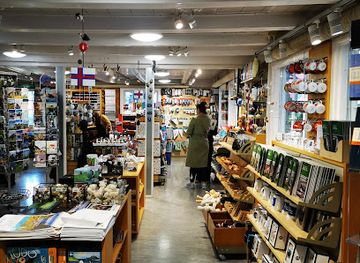
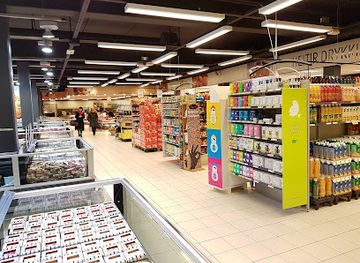
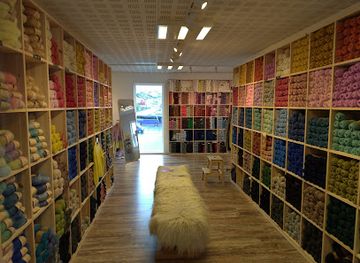
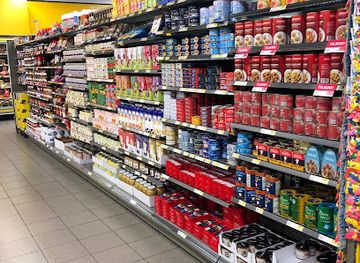
Best shops in Eysturoy
Shopping on Eysturoy is modest and practical rather than centred on large retail districts. Runavík and the surrounding settlements provide the widest selection of supermarkets, everyday shops, outdoor supplies and services, while smaller villages have fewer permanent outlets. Visitors looking for regional products can seek out Faroese woollen goods, knitwear, locally produced food, books, ceramics, handicrafts and small art pieces, although availability varies by season and location. Markets and community events may offer homemade baking, preserves or crafts, but they are not always held on a fixed schedule. Faroese wool products make useful souvenirs suited to the climate, while packaged seafood, sweets and locally made drinks are easier to transport than fresh or fermented foods. Independent galleries and craft sellers are more likely to be found in larger settlements or through accommodation recommendations than in dedicated shopping quarters. For a broader retail selection, Tórshavn, outside Eysturoy, is the main shopping centre of the Faroe Islands and can be visited as a separate excursion.
-
Gift shop
H. N. Jacobsens Bókahandil
Explore H. N. Jacobsens Bókahandil in Tórshavn for unique books, local crafts, and memorable souvenirs that reflect the beauty of the Faroe Islands.
-
Supermarket
Miklagarður
Discover the rich flavors of the Faroe Islands at Miklagarður, the premier supermarket in Tórshavn offering fresh and organic local produce.
-
Knit shop
Navia (yarn)
Explore Navia in Toftir, where Faroese knitting traditions meet high-quality craftsmanship in a cozy knit shop.
-
Grocery store
Bónus Norðskála
Explore the flavors of the Faroe Islands at Bónus Norðskála, your go-to grocery store for local produce and unique delicacies.
Get your free copy of our complete guide to Eysturoy, delivered straight to you.
Everything on this page, from attractions and restaurants to essentials and local phrases, in one PDF you can read offline, print or share.
Already have an account? Sign in
Your Eysturoy guide is ready.
We'll send it to · Not you? Sign out

Getting your guide ready…
We are putting together a fresh copy of the Eysturoy guide. This can take up to a minute.
This can take a few moments. If your browser asks, choose Allow so the download can start. You'll find the guide in your Downloads folder.
Nothing happened? Download it again
Sorry, the guide is taking longer than usual. Please try again in a minute, or get it by email instead.
Eysturoy essentials
Currency and Payment
Safety
Emergency Situations
Do's and Don'ts
Local Tips
From Eve
Local phrases worth knowing
You don't need to get them perfect. A few words go a long way, and locals appreciate the effort.
Basics
| English | Local | Say it |
|---|---|---|
| Hello | Hallo | [ˈhɑːloʊ] |
| Goodbye | Farvæl | [ˈfɑːrvæl] |
| Yes | Ja | [jɑː] |
| No | Nei | [neɪ] |
| Please/You're welcome | Vinaliga | [ˈviːnəˌliːɡə] |
| Thank you | Takk fyri | [tɑkː ˈfɪri] |
| Excuse me/Sorry | Um leið og | [ʊm leɪð ɔɡ] |
| How are you? | Hvussu gongur? | [ˈhʊsʊ ˈɡɔŋʊr] |
| Fine. And you? | Gott. Og tú? | [ɡɔt ɔɡ tu] |
| Do you speak English? | Tú tosa enskt? | [tu ˈtɔsɑ ɛŋskʧt] |
| I don't understand | Eg skilji ikki | [eɪɡ ˈʃɪljɪ ˈɪki] |
Eating & Drinking
| English | Local | Say it |
|---|---|---|
| I'd like to see the menu, please | Eg vil gita matseðilin, vinarliga | [eɪɡ vɪl ˈɡɪtə ˈmɑtseðilɪn ˈviːnɑrliɡə] |
| I don't eat meat | Eg ét ikki kjöt | [eɪɡ ˈet ˈɪkɪ ˈkʲʌt] |
| Cheers! | Skál! | [skɔl] |
| I would like to pay, please | Eg vil gita at greiða, vinarliga | [eɪɡ vɪl ˈɡɪtə ɑt ˈɡreɪðɑ ˈviːnɑrliɡə] |
Emergencies
| English | Local | Say it |
|---|---|---|
| Help! | Hjálp! | [jaʊlp] |
| Go away! | Far burtur! | [fɑr ˈbʊrʊr] |
| Call the Police! | Ring til løgregluna! | [rɪŋ tɪl ˈlœrɛɡlunɑ] |
| Call a doctor! | Ring til lækna! | [rɪŋ tɪl ˈlæknɑ] |
| I'm lost | Eg eri týddur | [eɪɡ ˈɛri ˈtʊðʊr] |
| I'm ill | Eg eri sjúkur | [eɪɡ ˈɛri ˈɕʊːkʊr] |
Shopping
| English | Local | Say it |
|---|---|---|
| I'd like to buy... | Eg vil keypa... | [eɪɡ vɪl ˈkɛɪpɑ] |
| I'm just looking | Eg eri bara at leita | [eɪɡ ˈɛri ˈbɑːrɑ æt ˈleɪtɑ] |
| How much is it? | Hvat kostar tað? | [kvat ˈkɔstɑr θɑð] |
| That's too expensive | Tað er ov dýrt | [θɑð ɛr ɔv ˈdyːrt] |
| Can you lower the price? | Kanni tú lækka prísin? | [ˈkɑnni tu ˈlɛkɑ ˈpriːsɪn] |
Time & Numbers
| English | Local | Say it |
|---|---|---|
| What time is it? | Hvat tíð er tað? | [kvat tiːð ɛr θɑð] |
| It's one o'clock | Klokkan er eitt | [ˈklɔkɑn ɛr ɛɪt] |
| Half past (10) | Fimm minuttir yvir (10) | [fɪm mɪˈnʊttɪr ˈiːvɪr (10)] |
| Morning | Morgun | [ˈmɔrɡʊn] |
| Afternoon | Seinnapart | [ˈsɛinˌpɑrt] |
| Evening | Aftan | [ˈɑftɑn] |
| Yesterday | Í gjár | [i jɑːr] |
| Today | Í dag | [i dɑːɡ] |
| Tomorrow | Í morgin | [i ˈmɔrɡɪn] |
| 1 | 1 | [1] |
| 2 | 2 | [2] |
| 3 | 3 | [3] |
| 4 | 4 | [4] |
| 5 | 5 | [5] |
| 6 | 6 | [6] |
| 7 | 7 | [7] |
| 8 | 8 | [8] |
| 9 | 9 | [9] |
| 10 | 10 | [10] |
Transport & Directions
| English | Local | Say it |
|---|---|---|
| Where's a/the...? | Hvar er ein/tey...? | [hvar ɛr eɪn/teɪ...] |
| What's the address? | Hvat er adressan? | [kvat ɛr əˈdrɛsən] |
| Can you show me (on the map)? | Kanni tú vísa mær (á kortinum)? | [ˈkɑnni tu ˈviːsɑ mɛr (ɔ ˈkɔrtɪnʊm)] |
| When's the next (bus)? | Nær kemur næsta (buss)? | [nɛr ˈkɛmur ˈnɛstɑ (bʊs)] |
| A ticket (to ....) | Ein miði (til ....) | [eɪn ˈmiːðɪ (tɪl ....)] |
History of Eysturoy
Viking Settlement and Norse Society
Norse settlement in the Faroe Islands began during the Viking Age, following earlier periods of possible Irish or Scottish monastic activity. On Eysturoy, the Gøta area is particularly associated with early settlement and later became an important local centre. Traditional accounts connect the island with powerful Viking-age figures, although saga material combines history and legend. The pattern of compact villages, pasture, boat access and shared mountain resources developed over centuries, and many modern communities still occupy sites whose importance derives from this early Norse landscape.
The Medieval Church and Parish Landscape
After the Christianisation of the Faroes around the turn of the second millennium, churches and parish organisation became central to settlement life. Medieval communities on Eysturoy combined farming, fishing and the management of common grazing land. Later churches, including those at villages such as Funningur and Eiði, stand within landscapes shaped by this long religious and agricultural history. Parish boundaries also influenced local identity, routes and community institutions long before modern roads connected the island's fjords.
The Royal Monopoly and Maritime Trade
From the seventeenth century until the mid-nineteenth century, Faroese commerce was constrained by the Danish royal trade monopoly. Islanders relied heavily on subsistence farming, fishing and the exchange of wool, fish and other goods through tightly controlled channels. Eysturoy's fjords provided natural landing places, but difficult terrain limited overland travel. The ending of the monopoly in 1856 encouraged wider commercial activity and helped create the conditions for a more outward-looking maritime economy.
Fishing, Farming and Village Development
During the nineteenth and twentieth centuries, fishing became increasingly important beside traditional sheep farming and hay production. Motorised boats, improved harbour facilities and later roads altered settlements along the Skálafjørður and around the island's east coast. Runavík grew as a service and commercial centre, while smaller villages retained close connections with local pasture, boat landings and community life. The built environment consequently combines older timber houses with later industrial, residential and civic development.
The Faroese Home Rule Era
The Faroe Islands became a self-governing community within the Kingdom of Denmark under the Home Rule Act of 1948. This arrangement gave Faroese institutions substantial responsibility for domestic affairs while Denmark retained areas such as defence and some aspects of foreign policy. Eysturoy participates in this broader Faroese political and cultural framework through its municipalities, schools, churches and local associations. Faroese language and cultural expression, once under considerable pressure, are now central to public life across the island.
Modern Roads and Undersea Connections
For much of Eysturoy's history, sea routes and narrow mountain roads determined how villages communicated. Twentieth-century road building improved links around the fjords, while ferries and bridges connected the island to neighbouring parts of the archipelago. The Eysturoyartunnilin, opened in 2020, created a direct road connection beneath the sea to Streymoy and included a distinctive roundabout installation by Faroese artist Tróndur Patursson. The tunnel represents the latest stage in a long transformation from isolated coastal communities to an integrated island network.
Eysturoy in Photos
Browse through our photo collection highlighting the charm and character of the destination.
Neighbouring regions of Eysturoy
The closest regions to Eysturoy, if you have time for more than one.
-

-

-

-

-


Swipe for more regions
Explore more
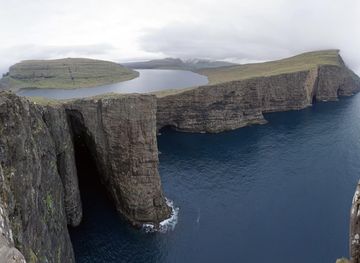
Explore more of Faroe Islands
Discover the Faroe Islands: A land of rugged beauty, rich history, and tranquil villages, perfect for nature lovers and adventurers seeking an off-the-beaten-path destination.
Explore Faroe Islands