

Levi Travel Guide - Free Web & App
Your ultimate guide to Levi. Discover top landmarks, proposed trips, and local tips. Free on the web or via the Evendo companion app.


Levi, Finland: Lapland skiing, northern lights, reindeer experiences, fell scenery, summer hiking and the culture of Kittilä in every season.
Fell Landscapes and Northern Light
Levi lies in Finnish Lapland, in the municipality of Kittilä, where the broad, rounded slopes of Levi Fell rise above the village of Sirkka. Best known as one of Finland’s largest ski resorts, the destination has a distinctly seasonal character: winter brings reliable snow-based activities and long twilight skies, while summer reveals quiet fell paths, birch woodland, wetlands and bright evenings beneath the midnight sun. The surrounding landscape is characteristic of northern Finland, with open uplands, coniferous forests, lakes and wide river valleys rather than dramatic alpine peaks.Read more about Levi
A Resort Shaped by the Seasons
Lapland Culture and Outdoor Life
When is the best time to visit Levi?
Best: June–August · 15–18°C| Month | High (°C) | Rainfall (mm) |
|---|---|---|
| January | -8 | 19 |
| February | -7 | 13 |
| March | -2 | 16 |
| April | 2 | 16 |
| May | 8 | 21 |
| June (best) | 16 | 26 |
| July (best) | 18 | 29 |
| August (best) | 15 | 29 |
| September | 10 | 26 |
| October | 5 | 25 |
| November | 0 | 26 |
| December | -6 | 23 |
Getting to and around Levi
How to get there
Transportation
Best attractions in Levi
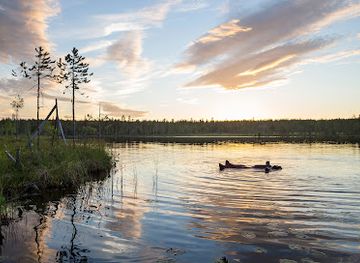
Levi Fell is the destination’s central attraction, with a network of ski runs in winter and marked hiking and mountain-biking routes in the snow-free months. From the upper slopes, visitors can look across forests, lakes and the broad valley around Sirkka, while the resort’s surrounding trails lead into quieter fell and woodland terrain. Immeljärvi, close to Levi, is an important local landscape feature and a focus for seasonal outdoor recreation, although conditions and permitted activities vary. The village of Sirkka and Levi’s resort centre provide the main visitor services, including ski facilities, equipment hire and activity bases. Beyond the immediate resort, the wider Kittilä area offers river landscapes, reindeer-related experiences and access towards other Lapland destinations. Pallas-Yllästunturi National Park lies farther west and is a separate protected area rather than part of Levi itself, but it may be visited as a regional excursion by travellers with sufficient time.
-
Plaza
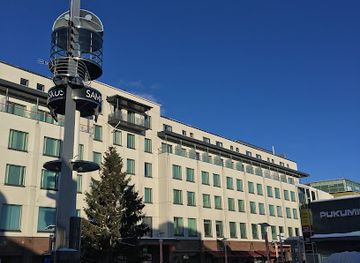
Lordi's Square
Experience the vibrant heart of Rovaniemi at Lordi's Square, a unique plaza blending culture, events, and rock 'n' roll history.
-
Tourist attraction
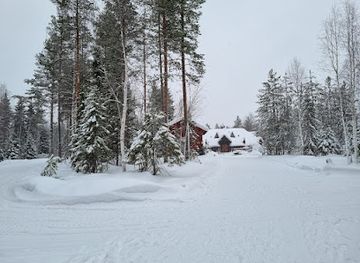
Santa Claus Secret Forest – Joulukka
Experience the magic of Christmas year-round in Rovaniemi's Secret Forest: meet Santa, explore elf secrets, and create unforgettable memories.
-
Tourist attraction
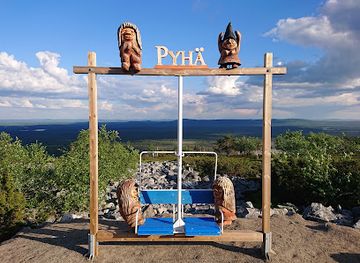
Huttu-Ukko Art Route
Discover art inspired by Lapland's history and nature on the Huttu-Ukko Art Route in Pyhä-Luosto National Park.
Best landmarks in Levi
Levi Fell is the defining natural landmark, its rounded profile and open upper slopes standing above the forests and settlement of Sirkka. Unlike the sharper peaks of the Alps, it represents the broad fell landscapes characteristic of Finnish Lapland and provides extensive views across the Kittilä countryside. Immeljärvi, a nearby lake, adds an important watery element to the local scenery and changes character markedly between the open-water and frozen seasons. The resort’s ski runs, lifts and competition course are modern landmarks of Levi’s transformation into an international winter-sports destination, while the surrounding reindeer-grazing landscape reflects older relationships between people and the northern environment. Other notable features are dispersed across the wider region rather than gathered in a historic town centre, making Levi’s landscape and seasonal infrastructure more significant than monumental architecture.
-
Theme park
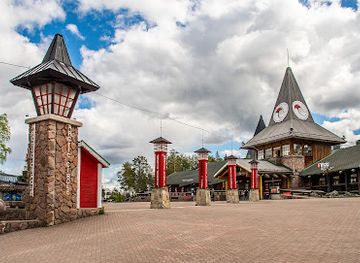
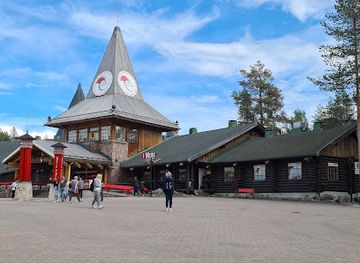
Santa Claus Village
Discover the enchanting Santa Claus Village in Rovaniemi, where Christmas spirit shines bright all year round in a magical Arctic setting.
-
Tourist attraction
Santa Claus Office
Experience the wonder of the Santa Claus Office in Rovaniemi, where Christmas magic comes alive year-round with Santa meetings and festive activities.
-
Restaurant
Amarillo, Rovaniemi
Discover Amarillo in Rovaniemi, a vibrant restaurant offering a fusion of Finnish and international cuisine in a welcoming atmosphere.
-
Tour agency
Safartica
Explore the Arctic with Safartica, Rovaniemi’s leading tour agency for unforgettable adventures and unique experiences in Lapland.

Explore Levi on the map
Plan your trip on one map. See where the top attractions, landmarks, restaurants and hotels are, and book hotels and experiences in a few clicks.
Best hotels in Levi
Best restaurants in Levi
Levi’s dining scene is concentrated in and around the resort centre, where visitors find restaurants, cafés, hotel dining rooms and relaxed après-ski venues rather than a traditional network of large towns. Lapland ingredients shape many menus, with reindeer, Arctic and freshwater fish, mushrooms, cloudberries, bilberries and lingonberries appearing in both Finnish and contemporary regional cooking. Leipäjuusto, a mild Finnish cheese often served with cloudberry, is another familiar northern speciality. Menus also include familiar international options suited to an international ski resort. Outside Levi, dining choices are more dispersed and may be attached to accommodation, activity bases or rural businesses around Sirkka and Kittilä. Visitors travelling into the surrounding countryside should not expect restaurants at every trailhead or scenic stop, and advance planning is particularly useful during busy winter periods.
-
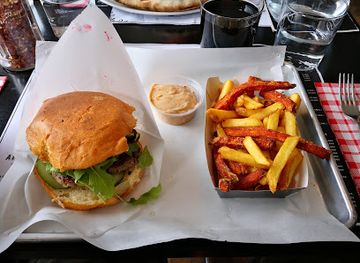
Hamburger
Kauppayhtiö
Discover Kauppayhtiö in Rovaniemi: A must-visit restaurant offering delicious burgers, pizzas, and drinks in a warm atmosphere.
Best bars in Levi
Levi has one of Lapland’s liveliest resort-based evening scenes, centred on the compact village area and shaped strongly by the ski season. Visitors can find traditional pubs, hotel bars, après-ski venues and restaurants that remain active after the lifts close, with entertainment levels varying according to the time of year and the resort calendar. The atmosphere is generally concentrated rather than spread across a large town, and quieter evenings are easy to find outside the centre. Winter holiday periods and ski events can bring a busier social scene, while summer evenings tend to be more relaxed and oriented towards dining and outdoor activities. Beyond Levi and Sirkka, nightlife is limited, so travellers staying in rural accommodation should plan transport carefully rather than assume regular late-evening connections.
-
Bar
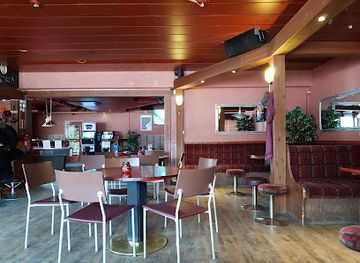
Pub Red Pepper
Discover the vibrant atmosphere of Pub Red Pepper in Rovaniemi, where drinks, music, and friendship come together in an unforgettable experience.
-
Pub
Lapin leiskun pirtti
Experience the warmth of Finnish hospitality at Lapin Leiskun Pirtti, a cozy pub in Sodankylä offering local delicacies and a friendly atmosphere.
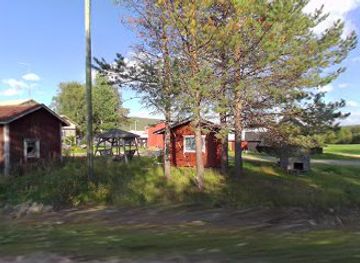
Best nightclubs in Levi
Levi has one of Lapland’s liveliest resort-based evening scenes, centred on the compact village area and shaped strongly by the ski season. Visitors can find traditional pubs, hotel bars, après-ski venues and restaurants that remain active after the lifts close, with entertainment levels varying according to the time of year and the resort calendar. The atmosphere is generally concentrated rather than spread across a large town, and quieter evenings are easy to find outside the centre. Winter holiday periods and ski events can bring a busier social scene, while summer evenings tend to be more relaxed and oriented towards dining and outdoor activities. Beyond Levi and Sirkka, nightlife is limited, so travellers staying in rural accommodation should plan transport carefully rather than assume regular late-evening connections.
-
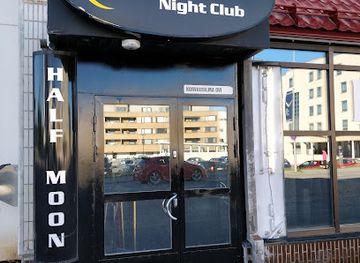
Night club
Half Moon
Dive into Rovaniemi's electrifying nightlife at Half Moon, where music and dance create unforgettable Arctic experiences.
Best shops in Levi
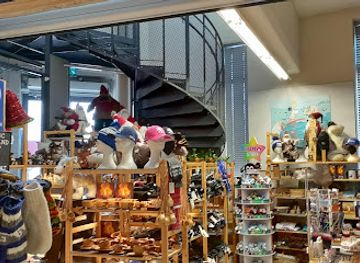
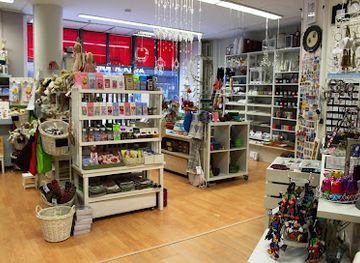
Shopping in Levi is concentrated around the resort centre and is geared towards practical outdoor needs, Lapland souvenirs, food and locally inspired crafts rather than extensive urban retail. Visitors can find ski and winter-sports equipment, clothing, groceries, gifts, Finnish design items and small-scale artisan products in the village area. Regional foods such as berry products, cloudberry preserves, smoked or dried fish and other Lapland specialities may be available through local shops, although selection varies by season and business. Reindeer-related products and Sámi-inspired goods require thoughtful purchasing: look for clear information about origin and craftsmanship rather than assuming that every northern-themed item is locally made. Kittilä provides additional everyday services, while remote parts of the surrounding region have few shopping facilities, so supplies for longer outdoor excursions should be arranged in Levi or another substantial settlement.
-
Shopping mall
Shopping Centre Revontuli
Experience a unique shopping adventure at Shopping Centre Revontuli in Rovaniemi, where Finnish charm meets modern retail.
-
Gift shop
Tiinuska
Discover unique souvenirs and local crafts at Tiinuska, Rovaniemi's premier gift shop showcasing the charm of Lapland's artistry.
Get your free copy of our complete guide to Levi, delivered straight to you.
Everything on this page, from attractions and restaurants to essentials and local phrases, in one PDF you can read offline, print or share.
Already have an account? Sign in
Your Levi guide is ready.
We'll send it to · Not you? Sign out

Getting your guide ready…
We are putting together a fresh copy of the Levi guide. This can take up to a minute.
This can take a few moments. If your browser asks, choose Allow so the download can start. You'll find the guide in your Downloads folder.
Nothing happened? Download it again
Sorry, the guide is taking longer than usual. Please try again in a minute, or get it by email instead.
Levi essentials
Currency and Payment
Safety
Emergency Situations
Do's and Don'ts
Local Tips
From Eve
Local phrases worth knowing
You don't need to get them perfect. A few words go a long way, and locals appreciate the effort.
Basics
| English | Local | Say it |
|---|---|---|
| Hello | Hei | [hay] |
| Goodbye | Näkemiin | [nah-keh-meen] |
| Yes | Kyllä | [kuu-lah] |
| No | Ei | [ay] |
| Please/You're welcome | Ole hyvä | [oh-le hu-vah] |
| Thank you | Kiitos | [kee-tohs] |
| Excuse me/Sorry | Anteeksi | [ahn-tehk-see] |
| How are you? | Mitä kuuluu? | [mee-tah koo-loo] |
| Fine. And you? | Hyvin. Entä sinä? | [hoo-vin. en-tah see-nah] |
| Do you speak English? | Puhutko englantia? | [poo-hoot-koh eng-lahn-tee-ah] |
| I don't understand | En ymmärrä | [en um-mah-rah] |
Eating & Drinking
| English | Local | Say it |
|---|---|---|
| I'd like to see the menu, please | Saisinko nähdä ruokalistan, kiitos | [sai-sin-koh neh-dah roo-kah-lees-tahn, kee-tohs] |
| I don't eat meat | En syö lihaa | [en syu lee-hah] |
| Cheers! | Kippis! | [kip-pis] |
| I would like to pay, please | Haluan maksaa, kiitos | [hah-lu-ahn mahk-sah, kee-tohs] |
Emergencies
| English | Local | Say it |
|---|---|---|
| Help! | Apua! | [ah-poo-ah] |
| Go away! | Mene pois! | [meh-neh poys] |
| Call the Police! | Soita poliisille! | [soy-tah poh-lee-see-leh] |
| Call a doctor! | Soita lääkärille! | [soy-tah lah-kar-ee-leh] |
| I'm lost | Olen eksyksissä | [oh-len ek-suk-see-sah] |
| I'm ill | Olen sairas | [oh-len sah-ee-rahs] |
Shopping
| English | Local | Say it |
|---|---|---|
| I'd like to buy... | Haluan ostaa... | [hah-lu-ahn oh-stah] |
| I'm just looking | Katson vain | [kaht-sohn vain] |
| How much is it? | Paljonko se maksaa? | [pahl-yon-koh seh mahk-sah] |
| That's too expensive | Se on liian kallis | [se ohn lee-an kahl-lis] |
| Can you lower the price? | Voitko laskea hintaa? | [voyt-koh lah-say-ah hin-tah] |
Time & Numbers
| English | Local | Say it |
|---|---|---|
| What time is it? | Mikä kello on? | [mee-kah keh-loh ohn] |
| It's one o'clock | On yksi | [ohn ook-see] |
| Half past (10) | Puoli (10) | [poo-oh-lee (kym-men-tah)] |
| Morning | Aamu | [ah-moo] |
| Afternoon | Iltapäivä | [eel-tah-pai-vah] |
| Evening | Ilta | [eel-tah] |
| Yesterday | Eilen | [ay-len] |
| Today | Tänään | [tah-nahn] |
| Tomorrow | Huomenna | [hoo-oh-men-nah] |
| 1 | Yksi | [ook-see] |
| 2 | Kaksi | [kahk-see] |
| 3 | Kolme | [kohl-meh] |
| 4 | Neljä | [nel-yah] |
| 5 | Viisi | [vee-see] |
| 6 | Kuusi | [koo-see] |
| 7 | Seitsemän | [sate-seh-man] |
| 8 | Kahdeksan | [kah-dek-sahn] |
| 9 | Yhdeksän | [uh-dek-sahn] |
| 10 | Kymmenen | [kum-men-en] |
Transport & Directions
| English | Local | Say it |
|---|---|---|
| Where's a/the...? | Missä on... | [mee-sah ohn] |
| What's the address? | Mikä on osoite? | [mee-kah ohn oh-soy-teh] |
| Can you show me (on the map)? | Voitko näyttää minulle (kartalla)? | [voyt-koh nayt-tah min-ool-le (kar-tahl-lah)] |
| When's the next (bus)? | Milloin on seuraava (bussi)? | [mil-loin ohn seh-oo-rah-vah (boo-see)] |
| A ticket (to ....) | Lippu (....) | [lee-poo] |
History of Levi
A Fell Landscape Shaped by Ice
Levi’s rounded fell is part of the ancient upland landscape of Finnish Lapland, shaped over long geological periods and later remodelled by the repeated advances and retreats of continental ice sheets. Glacial activity helped form the broad valleys, lakes, exposed slopes and deposits that characterise the Kittilä region. The fell itself is not a high alpine mountain but an elevated, open landscape rising above surrounding forests and wetlands. This combination of accessible slopes and extensive natural terrain later made Levi well suited to both winter sports and summer recreation.
Sámi Culture and Northern Livelihoods
The wider Kittilä area lies within the cultural sphere of northern Indigenous Sámi history, whose communities have long maintained close relationships with the land through seasonal movement, fishing, hunting and reindeer herding. The region’s later settlement also developed around agriculture adapted to a short growing season, forestry, fishing and small-scale trade. Reindeer herding remains an important part of Lapland’s cultural and economic landscape, although the modern tourism centre has transformed Levi’s role from a rural fell locality into an international visitor destination.
From Rural Fell to Ski Resort
Levi’s organised tourism developed during the twentieth century as improved roads, air connections and interest in Lapland’s winter landscapes brought more visitors north. Skiing gradually became the destination’s defining commercial activity, and lifts, pistes, accommodation and supporting services expanded around Levi Fell. The resort’s growth has taken place alongside the persistence of surrounding woodland, waterways and reindeer-grazing landscapes. This contrast between concentrated visitor infrastructure and extensive rural surroundings remains central to Levi’s character.
International Winter-Sports Profile
Levi gained a stronger international profile through the expansion of its ski infrastructure and its role in elite competition. Since the early 2000s, the resort has regularly hosted a FIS Alpine Ski World Cup slalom event, traditionally held early in the season. The competition helped establish Levi as a recognised venue for high-level alpine skiing while reinforcing its wider reputation as one of Finland’s principal winter destinations. Tourism now extends beyond skiing to northern-lights excursions, husky and reindeer activities, snowmobile tours and summer outdoor recreation.
Levi in Photos
Browse through our photo collection highlighting the charm and character of the destination.
Cities in Levi
The towns and cities of Levi, and the easiest places to base yourself.

Swipe for more cities
Neighbouring destination travel guides
The closest destinations to Levi, if you have time for more than one.
-

-

-

-

-
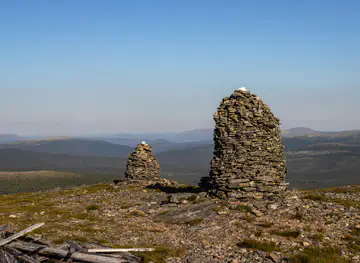


Swipe for more destinations
Explore more
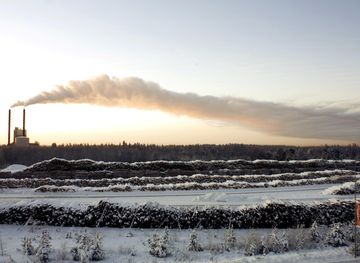
Explore more of Lapland
Discover the magic of Lapland, Finland - a land of endless winter adventures, mesmerizing Northern Lights, and rich Sámi culture, perfect for family fun and serene escapes.
Explore Lapland
Explore more of Finland
Explore Finland, where the Midnight Sun meets the Northern Lights, offering a unique blend of natural beauty, rich culture, and unforgettable experiences.
Explore Finland