

Free Greater Orlando Travel Guide & Mobile App
Explore Greater Orlando with free travel guides. Discover regional history, expert tips, proposed trips, and audio guides on web or mobile app.


Greater Orlando combines world-famous theme parks with Central Florida lakes, springs, museums, diverse dining and easy access to outdoor escapes.
Read more about Greater Orlando
When is the best time to visit Greater Orlando?
Best: February, April, November · 23–28°C| Month | High (°C) | Rainfall (mm) |
|---|---|---|
| January | 21 | 60 |
| February (best) | 23 | 61 |
| March | 26 | 81 |
| April (best) | 28 | 53 |
| May | 31 | 91 |
| June | 33 | 197 |
| July | 34 | 185 |
| August | 34 | 198 |
| September | 33 | 162 |
| October | 29 | 104 |
| November (best) | 25 | 56 |
| December | 21 | 54 |
Getting to and around Greater Orlando
How to get there
Transportation
Top city travel guides in Greater Orlando
The cities of Greater Orlando, and the easiest places to base yourself.
-

-

-
-


Swipe for more cities
Destinations in Greater Orlando
Resorts, valleys and scenic spots worth a trip of their own.
-

-

-

-
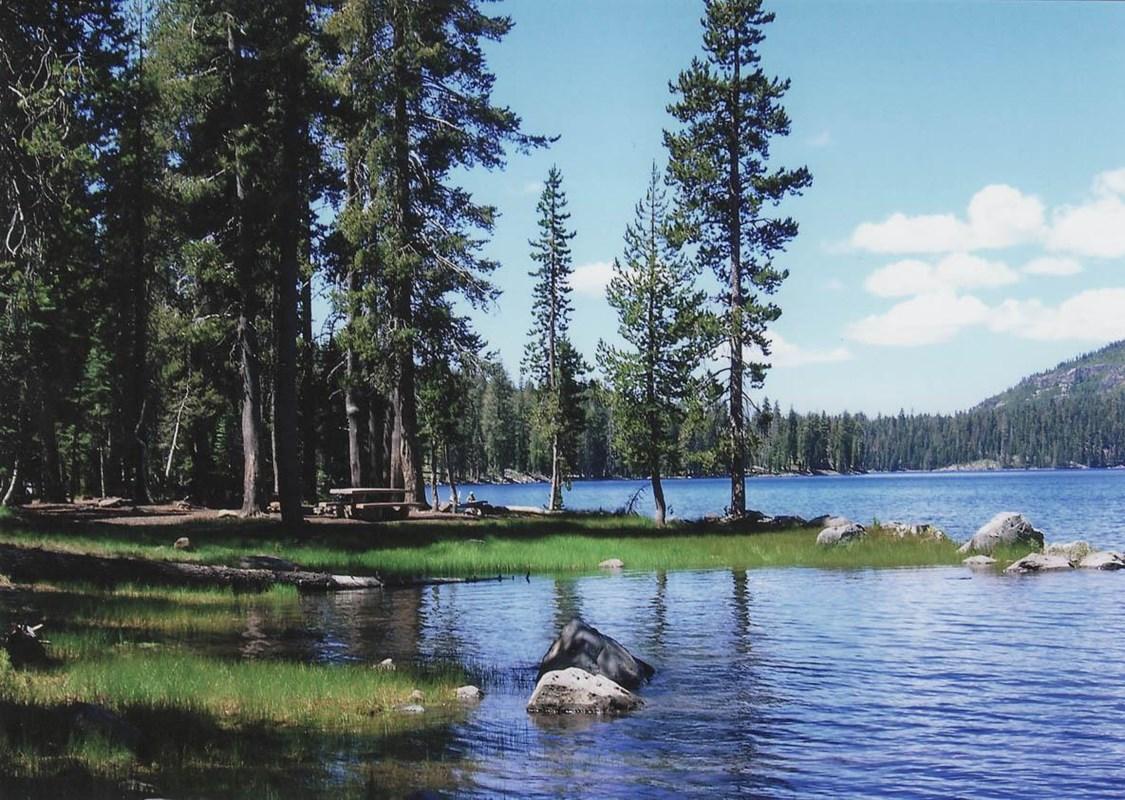 Juniper Springs Recreation Area
 in Florida offers crystal-clear springs, forest trails, canoeing on Juniper Run and historic Ocala National Forest scenery.
-

-


Swipe for more destinations
Best attractions in Greater Orlando
Greater Orlando’s best-known attractions are its large theme-park resorts, including Walt Disney World in the Lake Buena Vista and Bay Lake area, Universal Orlando Resort in Orlando and SeaWorld Orlando on the International Drive corridor. Their themed environments, rides, performances and family facilities are substantial destinations in their own right, but they require advance planning and realistic allowances for walking and transport. Beyond the resort zone, Orlando offers the Orlando Science Center, the Orlando Museum of Art and the Dr Phillips Center for the Performing Arts, while Winter Park contributes the Charles Hosmer Morse Museum of American Art and lakeside cultural districts. Outdoor attractions provide a different perspective: Wekiwa Springs State Park offers clear spring water, woodland trails and paddling near the northern metropolitan area, and the St Johns River and Lake Apopka landscapes support boating, wildlife observation and cycling in suitable areas. Historic Sanford, the gardens and parks around Winter Park, and the rural edges of Osceola and Lake counties add smaller-scale excursions. The region’s attraction landscape is therefore a combination of engineered entertainment, museums, historic communities and subtropical environments.
-
Amusement park
Walt Disney World® Resort
Discover the magic of Walt Disney World® Resort in Florida, where thrilling rides, enchanting experiences, and unforgettable memories await every visitor.
-
Shopping mall
Disney Springs
Experience the enchanting blend of shopping, dining, and entertainment at Disney Springs, a must-visit destination in Lake Buena Vista, Florida.
-
Theme park
Magic Kingdom Park
Discover the magic and excitement at Magic Kingdom Park in Bay Lake, Florida, the ultimate destination for family fun and adventure.
-
Theme park
Epcot
Experience the magic of innovation and global cultures at Epcot in Bay Lake, Florida, where adventure meets education.


Best landmarks in Greater Orlando
Greater Orlando’s most recognisable landmarks are closely connected with the region’s transformation into an international tourism centre. Cinderella Castle at Magic Kingdom is the visual emblem of Walt Disney World, while the resort’s carefully planned parks and hotel skylines have reshaped the landscape of south-western Orange County. Universal Orlando’s globe and themed structures provide another prominent visitor image in Orlando, and the Orlando Eye observation wheel on International Drive is a visible marker of the resort corridor. Downtown, the Lake Eola Park fountain and the Dr Phillips Center for the Performing Arts help define the civic and cultural centre. Outside the modern attractions, Winter Park’s historic streets, chain of lakes and Rollins College campus express an earlier lakeside development pattern, while the Charles Hosmer Morse Museum is noted for its collection of American decorative art. Sanford’s brick-lined historic centre and nineteenth-century commercial buildings reflect its former role as a river and railway town. Natural landmarks are equally important: the spring basin at Wekiwa Springs and the wetlands around Lake Apopka show the water-rich environment that existed before suburban expansion and remains central to Central Florida’s identity.
-
Park
Lake Eola Park
Experience the beauty of Lake Eola Park, an urban oasis in Orlando, perfect for relaxation, recreation, and picturesque views.
-
Amusement park
Gatorland
Explore the thrill of wildlife at Gatorland in Orlando, where adventure meets education in the heart of Florida's alligator haven.
-
Museum
Ponce de Leon Inlet Lighthouse & Museum
Explore the Ponce de Leon Inlet Lighthouse & Museum, a historical treasure showcasing Florida's maritime heritage and breathtaking views.
-
Science museum
Orlando Science Center
Explore the Orlando Science Center, where science meets fun in an interactive paradise for all ages, right in the heart of Orlando.


Explore Greater Orlando on the map
Plan your trip on one map. See where the top cities, national parks and sights are, and book hotels and experiences in a few clicks.
Best hotels in Greater Orlando
Best restaurants in Greater Orlando
Greater Orlando’s dining scene reflects the region’s international population and visitor economy rather than one narrowly defined local cuisine. Resort areas contain restaurants ranging from familiar international chains to chef-led dining, while Orlando’s urban neighbourhoods support Caribbean, Puerto Rican, Brazilian, Vietnamese, Korean, Indian, Ethiopian and many other traditions. Winter Park’s Park Avenue and nearby districts are established places for cafés, independent restaurants and more formal dining, and Sanford combines restaurants and bars with its historic centre. Cuban, Latin American and Southern influences are especially visible across Central Florida, while seafood, citrus, barbecue and key lime pie reflect wider Florida foodways rather than an exclusively Orlando origin. Farmers’ markets and specialty shops are useful for Florida produce, baked goods, hot sauces and locally made items. Breakfast cafés, casual eateries and food halls suit visitors spending long days at attractions, while hotel and resort dining offers convenience at a range of prices. Tipping is customary in table-service restaurants, and sales tax is added to displayed prices.
-
Restaurant
The Cheesecake Factory
Discover The Cheesecake Factory in Orlando - where an extensive menu meets delectable desserts in a family-friendly atmosphere.
-
Seafood
The Boathouse
Experience exquisite seafood and American cuisine at The Boathouse in Lake Buena Vista with stunning waterfront views.
-
Tapas
Café Tu Tu Tango
Discover the vibrant culinary artistry at Café Tu Tu Tango in Orlando - where tapas meet creativity in an eclectic atmosphere.
-
American
Hash House A Go Go
Experience innovative American cuisine at Hash House A Go Go in Orlando—where hearty portions meet delightful flavors.


Best bars in Greater Orlando
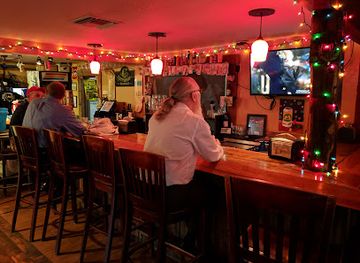
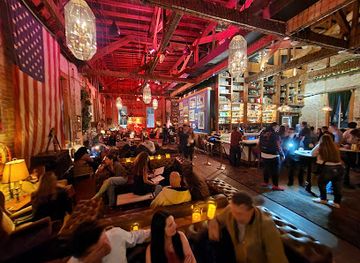
Evening life in Greater Orlando is concentrated in several distinct areas rather than one central nightlife district. Downtown Orlando has cocktail bars, restaurants, live music and clubs, with Church Street and surrounding streets forming a long-established urban entertainment area. Mills 50, Ivanhoe Village and the Audubon Park Garden District offer additional dining and bar options, while Winter Park’s Park Avenue has a more polished evening atmosphere centred on restaurants, wine bars and cafés. The International Drive and resort corridors cater to visitors with themed venues, hotel bars, dinner shows and late-opening entertainment, although offerings and operating arrangements change frequently. Historic Sanford has a walkable centre of pubs, breweries, bars and live music venues, giving the northern part of the region a distinct setting. The area also has a substantial craft-beer culture and occasional performances at theatres and music venues. Outside the main towns, evenings are generally quieter and centred on restaurants, hotel facilities or local pubs rather than nightclubs.
-
Live music bar
Tin Roof
Discover Tin Roof in Orlando: A lively live music bar and restaurant offering delicious food and unforgettable entertainment on International Drive.
-
Restaurant
Gnarly Barley
Discover the culinary delights and craft brews at Gnarly Barley, Orlando's vibrant brewpub and restaurant, perfect for foodies and beer lovers.
-
Cocktail bar
Mathers Social Gathering
Experience the elegance of Mathers Social Gathering, Orlando’s premier cocktail bar, where creativity meets luxury in every drink.
-
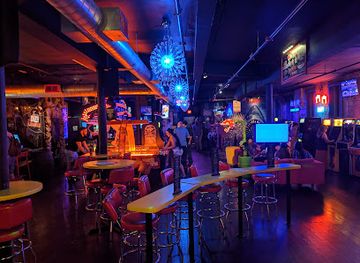
Bar
1-up Orlando
Experience the vibrant nightlife of Orlando at 1-up Orlando, a unique bar blending retro gaming and an extensive drink menu.
Best nightclubs in Greater Orlando
Evening life in Greater Orlando is concentrated in several distinct areas rather than one central nightlife district. Downtown Orlando has cocktail bars, restaurants, live music and clubs, with Church Street and surrounding streets forming a long-established urban entertainment area. Mills 50, Ivanhoe Village and the Audubon Park Garden District offer additional dining and bar options, while Winter Park’s Park Avenue has a more polished evening atmosphere centred on restaurants, wine bars and cafés. The International Drive and resort corridors cater to visitors with themed venues, hotel bars, dinner shows and late-opening entertainment, although offerings and operating arrangements change frequently. Historic Sanford has a walkable centre of pubs, breweries, bars and live music venues, giving the northern part of the region a distinct setting. The area also has a substantial craft-beer culture and occasional performances at theatres and music venues. Outside the main towns, evenings are generally quieter and centred on restaurants, hotel facilities or local pubs rather than nightclubs.
-
Resort hotel
Vacation Village at Parkway
Discover the ultimate vacation experience at Vacation Village at Parkway, a luxurious resort hotel in Kissimmee, Florida, perfect for families and adventurers.
-
Restaurant
The Cheesecake Factory
Experience a diverse menu and famous cheesecakes at The Cheesecake Factory in Orlando, a top choice for families and dessert lovers.
-
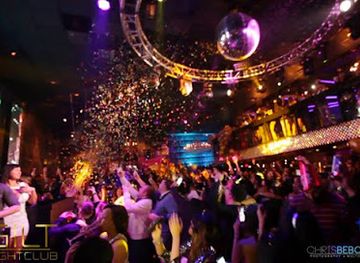
Night club
GILT Concert Venue
Discover the electrifying atmosphere of GILT Concert Venue, Orlando's premier night club for unforgettable live music and vibrant nightlife experiences.
-
Resort hotel
The Berkley, Orlando
Experience the perfect blend of comfort and adventure at The Berkley, Orlando, your ideal resort hotel in Kissimmee, Florida.



Best shops in Greater Orlando
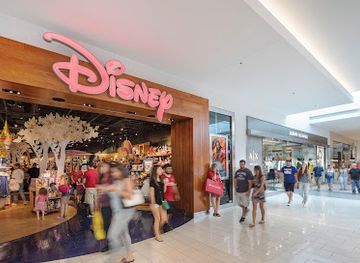
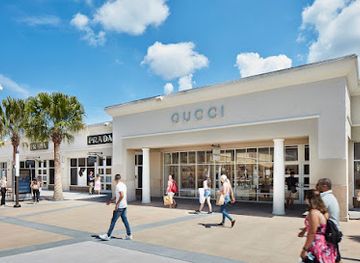
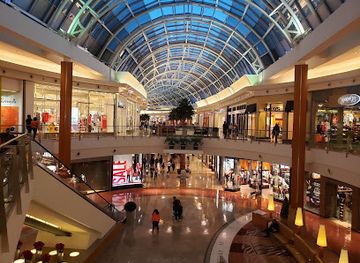
Shopping in Greater Orlando ranges from large retail complexes and outlet districts to independent boutiques, galleries and food markets. The main resort corridors contain extensive visitor retail, including themed merchandise, souvenirs and international brands, while The Mall at Millenia and nearby commercial areas provide a more conventional upscale shopping experience. Orlando International Premium Outlets and other outlet centres attract visitors seeking discounted branded goods, though transport and peak-period parking can be time-consuming. Winter Park’s Park Avenue is better suited to independent boutiques, galleries, homeware and books, with a more local and walkable character. Historic Sanford offers small shops, antiques, art and locally focused retail around its centre, while neighbourhood districts in Orlando provide vintage clothing, records, speciality foods and crafts. Farmers’ markets are useful places to look for Florida citrus products, preserves, honey, baked goods and handmade items, although product ranges vary by season. Regional souvenirs often feature citrus, alligators, space or theme-park imagery; visitors should distinguish genuinely local food and craft products from mass-produced merchandise.
-
Shopping mall
The Florida Mall
Discover endless shopping, dining, and entertainment at The Florida Mall, Orlando's largest shopping destination, perfect for tourists and locals alike.
-
Outlet mall
Orlando Vineland Premium Outlets
Discover unbeatable deals at Orlando Vineland Premium Outlets, where designer brands meet exceptional discounts in a vibrant shopping atmosphere.
-
Shopping mall
The Mall at Millenia
Experience luxury shopping and fine dining at The Mall at Millenia, Orlando's top destination for a unique retail adventure.
-
Shopping mall
Lake Buena Vista Factory Stores
Experience unbeatable shopping deals at Lake Buena Vista Factory Stores in Orlando, a must-visit outlet mall with top brands and exciting dining options.

Get your free copy of our complete guide to Greater Orlando, delivered straight to you.
Everything on this page, from attractions and restaurants to essentials and local phrases, in one PDF you can read offline, print or share.
Already have an account? Sign in
Your Greater Orlando guide is ready.
We'll send it to · Not you? Sign out

Getting your guide ready…
We are putting together a fresh copy of the Greater Orlando guide. This can take up to a minute.
This can take a few moments. If your browser asks, choose Allow so the download can start. You'll find the guide in your Downloads folder.
Nothing happened? Download it again
Sorry, the guide is taking longer than usual. Please try again in a minute, or get it by email instead.
Greater Orlando essentials
Currency and Payment
Safety
Emergency Situations
Do's and Don'ts
Local Tips
From Eve
Local phrases worth knowing
You don't need to get them perfect. A few words go a long way, and locals appreciate the effort.
Basics
| English | Local | Say it |
|---|---|---|
| Hello | Hey | [Hey] |
| Goodbye | See ya | [See ya] |
| Yes | Yep | [Yep] |
| No | Nah | [Nah] |
| Please/You're welcome | Sure thing | [Shur thing] |
| Thank you | Thanks | [Thanks] |
| Excuse me/Sorry | Sorry | [Sorry] |
| How are you? | How ya doing? | [How ya doin'?] |
| Fine. And you? | Good. You? | [Good. You?] |
| Do you speak English? | Do you speak English? | [Do you speak English?] |
| I don't understand | I don't get it | [I don't get it] |
Eating & Drinking
| English | Local | Say it |
|---|---|---|
| I'd like to see the menu, please | Can I see the menu? | [Can I see the menu?] |
| I don't eat meat | I'm vegetarian | [I'm vegetarian] |
| Cheers! | Cheers! | [Cheers!] |
| I would like to pay, please | Can I get the check? | [Can I get the check?] |
Emergencies
| English | Local | Say it |
|---|---|---|
| Help! | Help! | [Help!] |
| Go away! | Leave me alone! | [Leave me alone!] |
| Call the Police! | Call the cops! | [Call the cops!] |
| Call a doctor! | Call a doctor! | [Call a doctor!] |
| I'm lost | I'm lost | [I'm lost] |
| I'm ill | I'm not feeling well | [I'm not feeling well] |
Shopping
| English | Local | Say it |
|---|---|---|
| I'd like to buy... | I'm looking to buy... | [I'm looking to buy...] |
| I'm just looking | Just browsing | [Just browsing] |
| How much is it? | What's the price? | [What's the price?] |
| That's too expensive | That's way too pricey | [That's way too pricey] |
| Can you lower the price? | Can you do any better on the price? | [Can you do any better on the price?] |
Time & Numbers
| English | Local | Say it |
|---|---|---|
| What time is it? | What time is it? | [What time is it?] |
| It's one o'clock | It's one o'clock | [It's one o'clock] |
| Half past (10) | Half past ten | [Half past ten] |
| Morning | Morning | [Morning] |
| Afternoon | Afternoon | [Afternoon] |
| Evening | Evening | [Evening] |
| Yesterday | Yesterday | [Yesterday] |
| Today | Today | [Today] |
| Tomorrow | Tomorrow | [Tomorrow] |
| 1 | 1 | [1] |
| 2 | 2 | [2] |
| 3 | 3 | [3] |
| 4 | 4 | [4] |
| 5 | 5 | [5] |
| 6 | 6 | [6] |
| 7 | 7 | [7] |
| 8 | 8 | [8] |
| 9 | 9 | [9] |
| 10 | 10 | [10] |
Transport & Directions
| English | Local | Say it |
|---|---|---|
| Where's a/the...? | Where's the nearest...? | [Where's the nearest...?] |
| What's the address? | What's the address? | [What's the address?] |
| Can you show me (on the map)? | Can you point it out on the map? | [Can you point it out on the map?] |
| When's the next (bus)? | When's the next bus? | [When's the next bus?] |
| A ticket (to ....) | A ticket to... | [A ticket to...] |
History of Greater Orlando
Indigenous Central Florida and Early European Contact
Before European settlement, the lakes, wetlands and river systems of Central Florida supported Indigenous communities, including peoples associated with the broader Timucuan and Ais cultural world. They fished, hunted, gathered plant foods and travelled through a landscape shaped by waterways rather than modern roads. Spanish expeditions reached the interior during the sixteenth century, bringing disease, conflict and major social disruption. By the eighteenth century, Indigenous populations had been severely reduced, while the region became connected to the shifting frontier between Spanish Florida, British interests and later the United States.
The United States Frontier and the Seminole Wars
After Florida became a United States territory in 1821, Central Florida was drawn into the conflicts known collectively as the Seminole Wars. Military roads, forts and settler outposts appeared as the federal government sought to remove Seminole people to the west. The campaigns caused displacement and violence and should not be reduced to a simple story of frontier progress. Orlando was founded in the mid-nineteenth century during this period of expanding settlement, while the surrounding lakes and pine lands gradually became part of an agricultural and military frontier.
Citrus, Railways and the Growth of Towns
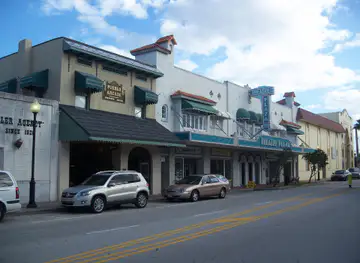
During the late nineteenth and early twentieth centuries, railways made Central Florida’s interior more accessible and encouraged the development of towns, farms and commercial exchanges. Citrus cultivation became especially important, with orange groves spreading across parts of Orange, Lake, Seminole and Osceola counties. Sanford also developed as a transport and agricultural centre on the St Johns River, handling produce and connecting inland communities with wider markets. Freezes, disease, land conversion and changing agricultural economics later reduced the dominance of citrus, but groves and citrus-related place names remain part of the regional landscape.
The Great Freeze and Agricultural Transformation
Severe freezes in the 1890s damaged or destroyed much of Florida’s citrus production, including groves in the Orlando area, and prompted growers to reconsider where and how fruit could be cultivated. The industry recovered in altered form, but the episode showed the vulnerability of a regional economy tied closely to climate and a single crop. In the twentieth century, improved roads, drainage, suburban development and land speculation gradually transformed former agricultural areas. Many communities now occupy land that was once grove, pasture, pine forest or wetland.
The Arrival of Walt Disney World
The opening of Walt Disney World in 1971 marked a decisive transformation in Greater Orlando’s history. The resort was built south-west of the established city on a large tract of relatively undeveloped land and introduced a new model of destination tourism based on coordinated attractions, hotels, transport and real-estate development. Its economic influence accelerated road building, population growth and international recognition, while also reshaping land use across the region. The resort remains a major employer and a defining element of Central Florida’s visitor economy.
Theme-Park Expansion and a Global Metropolitan Region
Universal Orlando Resort, SeaWorld Orlando and numerous other attractions expanded the area’s tourism economy from the 1970s onwards, and convention, retail, aviation and hospitality industries grew alongside them. Orlando International Airport became a major gateway, while suburbs and planned communities spread through Orange, Seminole, Osceola and Lake counties. The result is a diverse metropolitan region whose identity combines entertainment, international migration, education, healthcare, technology, agriculture and nature-based recreation. Contemporary Greater Orlando is therefore both a global tourism centre and a substantial Central Florida urban area.
Greater Orlando in Photos
Browse through our photo collection highlighting the charm and character of the destination.
Neighbouring regions of Greater Orlando
The closest regions to Greater Orlando, if you have time for more than one.
-

-

-

-
-


Swipe for more regions
Explore more

Explore more of Florida
Discover Florida: A Sunshine State full of dazzling beaches, iconic theme parks, rich history, and stunning natural parks, offering endless adventures for every traveler.
Explore Florida