

Sebastian Inlet State Park, Florida Travel Guide
Discover the natural beauty and rich history of Sebastian Inlet State Park, a premier destination for fishing, surfing, and wildlife viewing on Florida's east coast.
Sebastian Inlet State Park is a paradise for nature lovers and adventure seekers. Located on Florida's east coast, this park is renowned for its beautiful beaches and stunning views of the Atlantic Ocean. The park offers a wide range of activities including fishing, surfing, and swimming. Its waters are teeming with fish, making it a popular spot for anglers. The waves are perfect for surfing, attracting enthusiasts from all over the world. For those who prefer a more relaxed visit, the park's sandy beaches are ideal for sunbathing and picnicking. The park is also home to a diverse array of wildlife. Visitors can spot manatees, dolphins, and a variety of bird species. The Indian River Lagoon, which borders the park, is one of the most biologically diverse estuaries in North America. The park's nature trails provide an excellent opportunity to explore this unique ecosystem. Along the way, visitors can learn about the local flora and fauna from informative signs and displays. Sebastian Inlet State Park is rich in history as well. The McLarty Treasure Museum, located within the park, showcases artifacts from the 1715 Spanish treasure fleet that was shipwrecked nearby. The museum offers a fascinating glimpse into the past and is a must-visit for history buffs. Whether you're looking to catch a wave, cast a line, or simply soak up the sun, Sebastian Inlet State Park has something for everyone.

Know before you go
Hi, I'm Eve. Here are a few practical things to know before exploring Sebastian Inlet State Park.
- Bring sunscreen and plenty of water; the Florida sun can be intense, especially during the summer.
- Check the tide schedules if you plan on fishing or surfing; the conditions can vary greatly.
- Visit the McLarty Treasure Museum early in the day to avoid crowds and get the most out of your visit.
- Pack a picnic; there are several scenic spots within the park to enjoy a meal with a view.
- Wear comfortable shoes if you plan on exploring the nature trails; some paths can be uneven.
Explore Sebastian Inlet State Park: Things to Do, Places to Eat, Hotels & More
Handpicked recommendations for top attractions, local dining, accommodations, and more

Best attractions in Sebastian Inlet State Park
Top-rated picks
Best Attractions

The National Navy UDT-SEAL Museum
Explore the legacy of the Navy SEALs at The National Navy UDT-SEAL Museum, a unique tribute to bravery and military history in Fort Pierce, Florida.

Fort Pierce Inlet State Park
Experience the stunning coastal beauty and abundant wildlife at Fort Pierce Inlet State Park, a premier destination for outdoor adventures and relaxation.

Riverview Park
Discover the beauty of Riverview Park in Sebastian, FL, where nature meets recreation along the scenic Indian River Lagoon.

Saint Sebastian River Preserve State Park
Experience the serene beauty and diverse wildlife of Saint Sebastian River Preserve State Park, a perfect retreat for nature lovers and adventure seekers.

Best landmarks in Sebastian Inlet State Park
Top-rated picks
Best Landmarks

Riverview Park
Experience the serene beauty of Riverview Park in Sebastian, FL. Enjoy outdoor activities, breathtaking views, and a peaceful atmosphere for all ages.

Saint Sebastian River Preserve State Park
Explore the serene landscapes and diverse ecosystems at Saint Sebastian River Preserve State Park, a must-visit for nature lovers in Florida.

Mel Fisher's Treasures
Explore the captivating world of treasure hunting at Mel Fisher's Treasures Museum in Sebastian, Florida, where maritime history comes alive.

Sebastian Inlet
Explore the stunning landscapes and diverse wildlife of Sebastian Inlet, a top destination for outdoor adventures on Florida's Treasure Coast.

Best restaurants in Sebastian Inlet State Park
Top-rated picks
Best Restaurants

Grills Seafood Deck & Tiki Bar
Discover fresh seafood and vibrant coastal dining at Grills Seafood Deck & Tiki Bar in Cape Canaveral, where every meal is paired with stunning water views.

Capt Hirams Resort
Discover Capt Hirams Resort in Sebastian: A perfect blend of relaxation and adventure by the Indian River Lagoon.

Cracker Barrel Old Country Store
Discover authentic Southern cuisine at Cracker Barrel Old Country Store in Vero Beach – where every meal feels like home.

The Shack Riverfront Restaurant & Outback Tiki bar
Experience exquisite seafood and steaks at The Shack Riverfront Restaurant & Outback Tiki Bar while enjoying live music and stunning river views.

Best bars in Sebastian Inlet State Park
Top-rated picks
Best Bars

Squid Lips
Experience the best of waterfront dining at Squid Lips, where fresh seafood meets stunning views in beautiful Sebastian, Florida.

Mulligan's Beach House
Experience the flavors of American cuisine and fresh seafood at Mulligan's Beach House, a family-friendly restaurant with stunning river views in Sebastian, Florida.

Earl's Hideaway Lounge
Experience the vibrant atmosphere of Earl's Hideaway Lounge, a riverside bar in Sebastian, Florida, perfect for drinks, food, and live music.

Tiki Bar & Grill
Experience tropical dining at Tiki Bar & Grill, offering delicious food, vibrant atmosphere, and stunning views on the Indian River in Florida.

Best nightclubs in Sebastian Inlet State Park
Top-rated picks
Best Nightclubs

Capt Hirams Resort
Discover the perfect blend of relaxation and adventure at Capt Hirams Resort, a premier destination in Sebastian, Florida.

Earl's Hideaway Lounge
Experience the vibrant coastal charm of Earl's Hideaway Lounge, where great drinks and live music meet stunning river views in Sebastian, Florida.

Tiki Bar & Grill
Discover the vibrant flavors and tropical ambiance at Tiki Bar & Grill, a must-visit destination in Sebastian, Florida, for food lovers and sunset seekers alike.

Portside Pub & Grille
Experience the delightful flavors and welcoming ambiance of Portside Pub & Grille in beautiful Sebastian, Florida, where dining meets relaxation.

Best shops in Sebastian Inlet State Park
Top-rated picks
Best Shops

Buried Treasures Antiques
Explore a world of vintage treasures at Buried Treasures Antiques in Sebastian, Florida, where every item tells a story and awaits your discovery.

The Shoppes of Sebastian
Explore The Shoppes of Sebastian, a delightful shopping mall in Florida featuring a variety of stores, dining, and community events for all ages.

Addicted2Stuff
Discover unique jewelry and fashionable clothing at Addicted2Stuff, a charming boutique in Sebastian, Florida, perfect for souvenir shopping.

Beyond Useless Boutique
Explore Beyond Useless Boutique: A treasure trove of quirky gifts and unique souvenirs in Sebastian, Florida, making shopping a delightful adventure.

Explore Sebastian Inlet State Park on the Map
A handpicked selection of must-see spots in Sebastian Inlet State Park, mapped for you.
Sebastian Inlet State Park Essentials
-
Sebastian Inlet State Park is located on the east coast of Florida, approximately halfway between Melbourne and Vero Beach. The nearest major airports are Orlando International Airport (MCO) and Melbourne Orlando International Airport (MLB). From these airports, you can rent a car and drive to the park. The park is accessible via State Road A1A, which runs along the coast. If you are coming from the west, take I-95 and exit at Palm Bay Road, then follow the signs to the park.
-
Having a car is the most convenient way to explore Sebastian Inlet State Park and the surrounding areas. There are parking lots available within the park. For those who prefer not to drive, some local shuttle services and taxis are available, but they may need to be arranged in advance. Biking is also a popular mode of transportation within the park, and rental bikes are available nearby.
-
The official currency in the United States is the US Dollar (USD). Most establishments within and around Sebastian Inlet State Park accept major credit and debit cards. However, it is advisable to carry some cash for smaller vendors or in case of technical issues with card processing. ATMs are available in nearby towns like Melbourne Beach and Vero Beach.
-
Sebastian Inlet State Park is generally a safe area for tourists. However, it's important to follow standard safety precautions. Do not leave valuables unattended, especially on the beach or in your car. Be cautious of rip currents when swimming, and always swim in designated areas. There are no specific high-crime areas targeting tourists, but it is always best to stay vigilant and aware of your surroundings.
-
In case of emergency, dial 911 for immediate assistance. There are first aid stations located within the park, and park rangers are available to help with emergencies. Melbourne Regional Medical Center is the nearest hospital, providing comprehensive medical services. It is recommended to have travel insurance that covers medical emergencies.
-
Fashion: Do wear comfortable, casual clothing suitable for outdoor activities. Swimwear is appropriate on the beach but cover up when away from the water. Religion: There are no specific religious customs to observe in the park. Public Transport: Public transport options are limited, so plan accordingly. Greetings: Do greet people with a smile or a friendly 'hello.' Eating & Drinking: Do try local seafood at nearby restaurants. Don’t litter; always use designated trash and recycling bins.
-
To experience Sebastian Inlet State Park like a local, visit during the early morning or late afternoon to avoid the crowds and enjoy the sunrise or sunset. Take part in local fishing activities, as the inlet is a popular spot for anglers. Explore the park’s nature trails and watch for local wildlife, including manatees and various bird species. Don’t miss the McLarty Treasure Museum for a glimpse into the area's history of shipwrecks and treasure hunting.
When is the best time to visit Sebastian Inlet State Park?
Useful Local Phrases for Sebastian Inlet State Park
You don't need to speak the language perfectly. Even learning a few simple words can make conversations warmer—and locals usually appreciate the effort.
— Eve

Here are the phrases I use most often in Sebastian Inlet State Park. Try a few—you'll be surprised how far they go! 😊
❤️
-
- HelloHowdy
[haw-dee] - GoodbyeSee ya later
[see ya lay-ter] - YesYep
[yep] - NoNah
[nah] - Please/You're welcomePlease
[pleez] - Thank youThanks
[thanks] - Excuse me/SorrySorry
[sor-ree] - How are you?Howdy
[haw-dee] - Fine. And you?Just fine. You?
[just fine. yoo] - Do you speak English?Speak English?
[speek ing-lish] - I don't understandDon't get it
[dohnt get it]
- HelloHowdy
-
- I'd like to see the menu, pleaseMenu, please
[men-yoo pleez] - I don't eat meatNo meat for me
[noh meet for mee] - Cheers!Cheers!
[cheers!] - I would like to pay, pleasePay, please
[pay pleez]
- I'd like to see the menu, pleaseMenu, please
-
- Help!Help!
[help!] - Go away!Go away!
[go away!] - Call the Police!Police!
[puh-lees] - Call a doctor!Doctor!
[dok-ter] - I'm lostLost
[lost] - I'm illSick
[sik]
- Help!Help!
-
- I'd like to buy...Wanna buy...
[wanna buy] - I'm just lookingJust looking
[just looking] - How much is it?How much?
[how much] - That's too expensiveToo pricey
[too pry-see] - Can you lower the price?Lower the price?
[loh-er the pryce]
- I'd like to buy...Wanna buy...
-
- What time is it?Time?
[time] - It's one o'clockOne o'clock
[wun oh-klok] - Half past (10)Half past (10)
[haff past (10)] - MorningMorning
[morn-ing] - AfternoonAfternoon
[af-ter-noon] - EveningEvening
[ee-ven-ing] - YesterdayYesterday
[yes-ter-day] - TodayToday
[to-day] - TomorrowTomorrow
[to-mor-row] - 1One
[wun] - 2Two
[too] - 3Three
[three] - 4Four
[four] - 5Five
[five] - 6Six
[six] - 7Seven
[seven] - 8Eight
[ate] - 9Nine
[nine] - 10Ten
[ten]
- What time is it?Time?
-
- Where's a/the...?Where's the...?
[wheres the] - What's the address?Address?
[add-dress] - Can you show me (on the map)?Show me (on map)?
[show me on map] - When's the next (bus)?Next bus?
[next bus] - A ticket (to ....)Ticket (to ...)
[ticket to]
- Where's a/the...?Where's the...?
History of Sebastian Inlet State Park
-
Sebastian Inlet, which connects the Indian River Lagoon to the Atlantic Ocean, was first artificially cut in 1924. The endeavor aimed to enhance navigation and improve fishing opportunities. However, the inlet has been reshaped and reconstructed multiple times due to natural forces and human intervention.
-
In the early 18th century, Spanish treasure fleets frequently sailed along Florida's east coast, including the dangerous waters near Sebastian Inlet. The 1715 Treasure Fleet, carrying immense wealth from the New World back to Spain, was caught in a hurricane and wrecked along the coast. This event has made the area a hotspot for treasure hunters and historians alike.
-
Long before European settlers arrived, the area around Sebastian Inlet was inhabited by the Ais tribe. This Native American tribe thrived along the coastal and riverine environments, utilizing the abundant resources for fishing, hunting, and gathering. Archaeological evidence of their presence includes shell middens and other artifacts.
-
During the Great Depression, the Civilian Conservation Corps played a significant role in the development of many state parks, including Sebastian Inlet State Park. Established in the 1930s, the CCC constructed various facilities and improved infrastructure, leaving a lasting legacy on the park's landscape.
-
The first bridge over Sebastian Inlet was completed in 1927, facilitating transportation and commerce in the region. Over the years, the bridge has been replaced and upgraded to accommodate increasing traffic and to withstand the challenging coastal conditions.
-
In recent decades, Sebastian Inlet State Park has become a focal point for environmental conservation and restoration efforts. Initiatives include the protection of sea turtle nesting sites, the preservation of native vegetation, and the maintenance of water quality in the Indian River Lagoon.
Neighbouring destination travel guides
Browse our curated selection of top destinations, scenic points, and must-visit spots in the area.



Your all‑in‑one travel companion app
Explore expert travel guides, compare and book tours, experiences, hotels, and more—all from the palm of your hand. Download now for seamless trip planning wherever your wanderlust takes you.


Explore More of Space Coast

Looking beyond Sebastian Inlet State Park? Discover Space Coast for broader travel guides, local hot-spots, and regional highlights.
Explore Space CoastExplore More of Florida

Looking beyond Sebastian Inlet State Park? Discover Florida for broader travel guides, local hot-spots, and regional highlights.
Explore FloridaSebastian Inlet State Park in Photos
Browse through our photo collection highlighting the charm and character of the destination.




Sebastian Inlet State Park: Florida's Coastal Gem
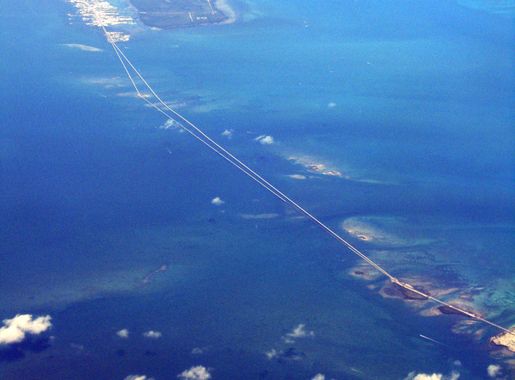
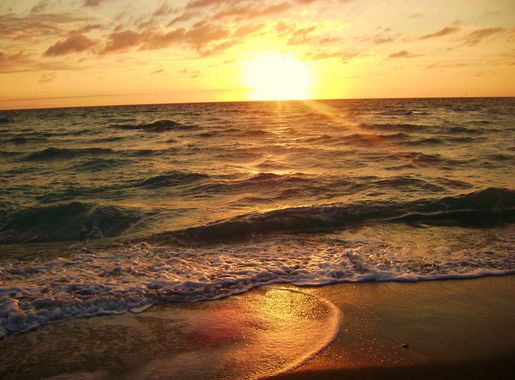
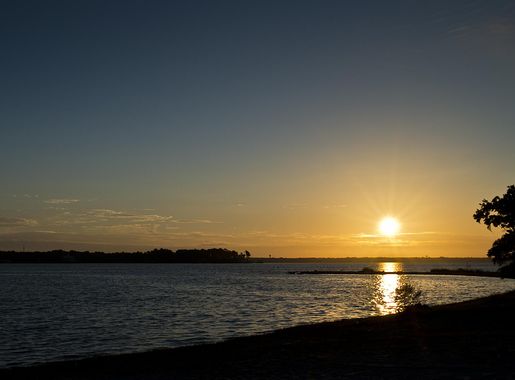
Sebastian Inlet State Park is a paradise for nature lovers and adventure seekers. Located on Florida's east coast, this park is renowned for its beautiful beaches and stunning views of the Atlantic Ocean. The park offers a wide range of activities including fishing, surfing, and swimming. Its waters are teeming with fish, making it a popular spot for anglers. The waves are perfect for surfing, attracting enthusiasts from all over the world. For those who prefer a more relaxed visit, the park's sandy beaches are ideal for sunbathing and picnicking. The park is also home to a diverse array of wildlife. Visitors can spot manatees, dolphins, and a variety of bird species. The Indian River Lagoon, which borders the park, is one of the most biologically diverse estuaries in North America. The park's nature trails provide an excellent opportunity to explore this unique ecosystem. Along the way, visitors can learn about the local flora and fauna from informative signs and displays. Sebastian Inlet State Park is rich in history as well. The McLarty Treasure Museum, located within the park, showcases artifacts from the 1715 Spanish treasure fleet that was shipwrecked nearby. The museum offers a fascinating glimpse into the past and is a must-visit for history buffs. Whether you're looking to catch a wave, cast a line, or simply soak up the sun, Sebastian Inlet State Park has something for everyone.