

Free Sun Coast Travel Guide & Mobile App
Explore Sun Coast with free travel guides. Discover regional history, expert tips, proposed trips, and audio guides on web or mobile app.


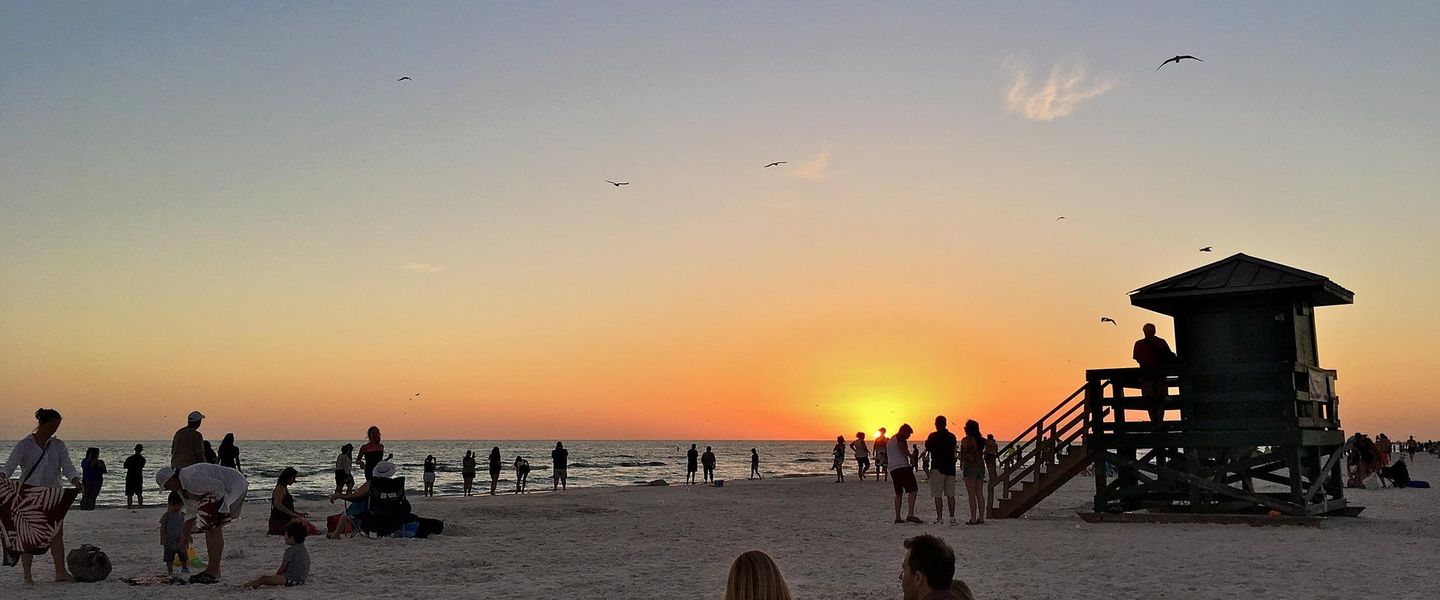


Explore Florida’s Sun Coast for Gulf beaches, Tampa Bay culture, Sarasota arts, mangrove wildlife and relaxed coastal towns from Clearwater to Naples.
Read more about Sun Coast
Getting to and around Sun Coast
How to get there
Transportation
Top city travel guides in Sun Coast
The cities of Sun Coast, and the easiest places to base yourself.
-
-

-

-

-

-


Swipe for more cities
Destinations in Sun Coast
Resorts, valleys and scenic spots worth a trip of their own.
-

-

-

-
-

-


Swipe for more destinations
Best attractions in Sun Coast
The Sun Coast’s attractions range from major urban museums to protected wetlands and long beaches. Tampa and St Petersburg provide the region’s densest cultural offering, including the Salvador Dalí Museum, the Museum of Fine Arts in St Petersburg, the Tampa Museum of Art and the historic district of Ybor City. Sarasota adds the John and Mable Ringling Museum of Art, theatre and performing arts, while nearby beaches offer a different pace. Clearwater Beach, Fort De Soto Park and the islands around Sanibel and Captiva are suited to swimming, walking, boating and birdwatching, subject to local conditions. Inland, Myakka River State Park provides trails, wetlands and opportunities to observe Florida wildlife, while the Caloosahatchee and Charlotte Harbor areas introduce estuary landscapes. In the south, Naples is a base for botanical gardens, nature excursions and access towards the Ten Thousand Islands. Attractions are widely dispersed, so a balanced itinerary should combine city museums with one or two carefully chosen coastal or wetland areas rather than attempting every beach community.
-
Amusement park
Walt Disney World® Resort
Discover the magic of Walt Disney World® Resort in Florida, where unforgettable adventures and enchanting experiences await for visitors of all ages.
-
Shopping mall
Disney Springs
Discover the enchanting blend of shopping, dining, and entertainment at Disney Springs, a must-visit destination for every tourist in Orlando.
-
Theme park
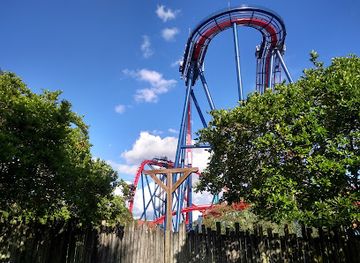
Busch Gardens Tampa Bay
Discover the ultimate blend of adventure and nature at Busch Gardens Tampa Bay, where thrilling rides and exotic wildlife await your exploration.
-
 Hotel
Seminole Hard Rock Hotel & Casino Tampa
Discover the excitement at Seminole Hard Rock Hotel & Casino Tampa, where luxury meets thrilling entertainment.

Best landmarks in Sun Coast
The Sun Coast’s most recognisable landmarks reflect its Gulf geography, multicultural history and twentieth-century cultural development. Tampa’s historic Ybor City is distinguished by brick cigar factories, narrow streets and buildings associated with Cuban, Spanish and Italian immigration. In St Petersburg, the Salvador Dalí Museum is an immediately recognisable waterfront cultural building, while the Sunshine Skyway Bridge forms a major visual landmark across Tampa Bay, though its approaches and structure are experienced from surrounding roads and viewpoints rather than as a conventional walking attraction. Sarasota’s John and Mable Ringling Museum complex represents the city’s circus and cultural legacy, and the Ca’ d’Zan mansion is notable for its Mediterranean Revival architecture. Fort Myers preserves the winter estates of Thomas Edison and Henry Ford, whose grounds and buildings illuminate the city’s early twentieth-century development. Farther south, Naples Pier has long served as a symbolic Gulf waterfront structure, while the mangrove islands, tidal channels and broad beaches around southwest Florida are natural landmarks shaped by storms, tides and changing shorelines.
-
Tourist attraction
Busch Gardens Tampa Bay
Experience the thrill of Busch Gardens Tampa Bay, where exhilarating rides meet captivating wildlife and cultural adventures in the heart of Florida.
-
Tourist attraction
Seminole Hard Rock Hotel & Casino Tampa
Discover the ultimate fusion of luxury, gaming, and entertainment at Seminole Hard Rock Hotel & Casino Tampa - a premier destination for tourists.
-
Historical landmark
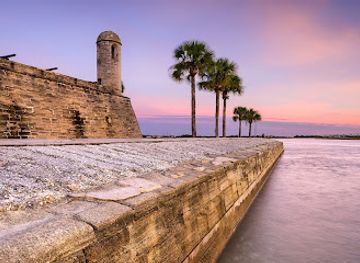
Castillo de San Marcos National Monument
Discover the rich history and stunning views of Castillo de San Marcos, an iconic fortress in St. Augustine, Florida, that tells the story of America's past.
-
Historical landmark
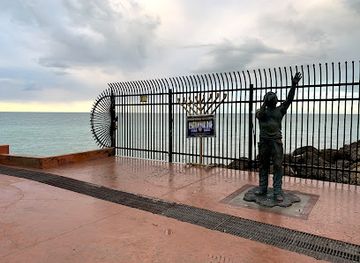
Southernmost Point of the Continental U.S.A.
Discover the Southernmost Point of the Continental U.S.A., where the beauty of Key West meets rich maritime history and iconic photo opportunities.

Explore Sun Coast on the map
Plan your trip on one map. See where the top cities, national parks and sights are, and book hotels and experiences in a few clicks.
Best hotels in Sun Coast
Best restaurants in Sun Coast
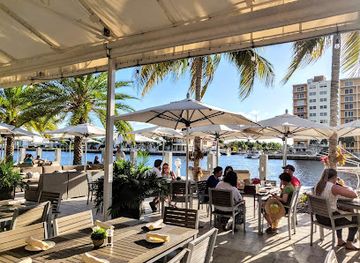
Dining along the Sun Coast reflects Gulf seafood, Florida agriculture and the cultural diversity of its larger cities. Tampa has a particularly strong Cuban-influenced food tradition, with the pressed Cuban sandwich and related café cooking associated with Ybor City and West Tampa, alongside seafood restaurants, steakhouses and contemporary dining. Sarasota, Fort Myers and Naples offer everything from waterfront cafés and independent bistros to polished restaurants serving fish, shellfish and seasonal produce. Grouper, stone crab when in season, shrimp and oysters appear on menus, although availability and sustainability vary. Farmers’ markets provide citrus, tropical fruit, vegetables, honey, baked goods and prepared foods, while breweries and casual eateries are common in urban districts. On barrier islands, dining often centres on relaxed seafood restaurants and cafés; in inland communities, look for family-run establishments and American regional cooking. Menus can change with catches, weather and seasonal closures, so local listings remain useful.
-
Seafood
Sharky's On the Pier
Experience fresh seafood and stunning waterfront views at Sharky's On the Pier in Venice, Florida - where every meal feels like a beach vacation.
-
Seafood
Rusty Bellies Waterfront Grill, Inc.
Discover fresh seafood delights at Rusty Bellies Waterfront Grill in Tarpon Springs - where stunning views meet culinary excellence.
-
American
Shooters Waterfront
Discover delightful American cuisine with fresh seafood and stunning waterfront views at Shooters Waterfront in Fort Lauderdale.
-
Seafood
Walt's Fish Market Restaurant
Experience the freshest seafood in Sarasota at Walt's Fish Market Restaurant - where coastal flavors meet warm hospitality.



Best bars in Sun Coast
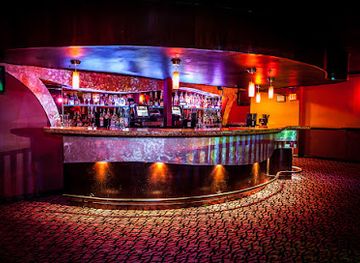
Nightlife is concentrated in Tampa, St Petersburg, Sarasota, Fort Myers and Naples rather than spread evenly along the coast. Tampa offers the broadest mix, from historic Ybor City bars and live-music venues to cocktail lounges and brewery districts. St Petersburg has a walkable downtown evening scene with bars, restaurants, arts venues and occasional live performances, while Sarasota combines restaurants, theatre and smaller late-evening venues. Clearwater and other beach communities favour waterfront bars, casual live music and seasonal entertainment, though the atmosphere varies considerably by island and town. Fort Myers and Naples offer restaurants, breweries, cocktail bars and selected live-music venues rather than a continuous club district. In smaller coastal settlements, evenings generally centre on dining, sunset gatherings and traditional pubs or bars. Check local transport arrangements before drinking, as distances between beach accommodation and nightlife areas can be considerable.
-
Bar
Flora-Bama
Discover Flora-Bama, a lively beachfront bar and restaurant known for its live music, delicious cuisine, and vibrant Gulf Coast atmosphere.
-
American
Whiskey Joe's | Tampa
Experience the vibrant flavors and stunning waterfront views at Whiskey Joe's, a tropical oasis in Tampa, Florida.
-
Seafood
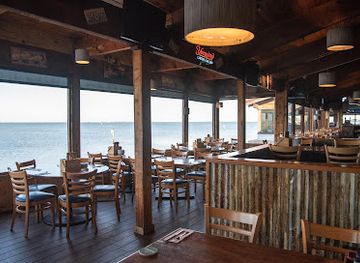
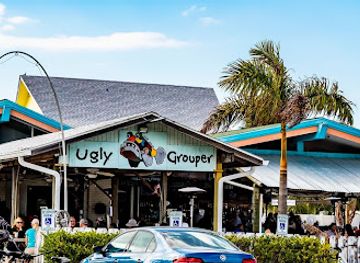
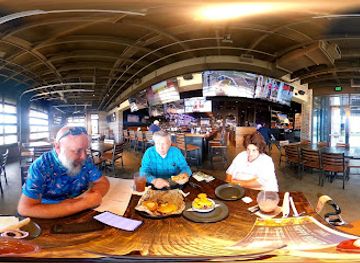
The Ugly Grouper
Discover the flavors of the sea at The Ugly Grouper, where vibrant dining meets live music and a family-friendly atmosphere.
-
Restaurant
Walk-On's Sports Bistreaux - Wesley Chapel Restaurant
Discover the lively dining experience at Walk-On's Sports Bistreaux, where delicious food meets the excitement of sports in Wesley Chapel.

Best nightclubs in Sun Coast
Nightlife is concentrated in Tampa, St Petersburg, Sarasota, Fort Myers and Naples rather than spread evenly along the coast. Tampa offers the broadest mix, from historic Ybor City bars and live-music venues to cocktail lounges and brewery districts. St Petersburg has a walkable downtown evening scene with bars, restaurants, arts venues and occasional live performances, while Sarasota combines restaurants, theatre and smaller late-evening venues. Clearwater and other beach communities favour waterfront bars, casual live music and seasonal entertainment, though the atmosphere varies considerably by island and town. Fort Myers and Naples offer restaurants, breweries, cocktail bars and selected live-music venues rather than a continuous club district. In smaller coastal settlements, evenings generally centre on dining, sunset gatherings and traditional pubs or bars. Check local transport arrangements before drinking, as distances between beach accommodation and nightlife areas can be considerable.
-
Tiki bar
Ka'Tiki
Discover tropical drinks and delicious bites at Ka'Tiki, the lively tiki bar on Treasure Island, Florida, perfect for tourists seeking fun and relaxation.
-
Night club
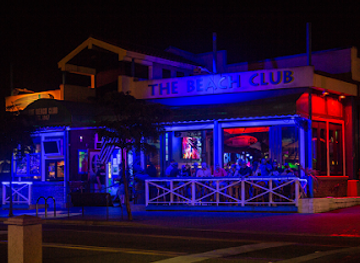
The Beach Club
Discover the vibrant nightlife at The Beach Club in Sarasota, where live music, great drinks, and beach vibes create unforgettable memories.
-
Night club
Club Prana
Experience the vibrant nightlife at Club Prana, Ybor City's premier night club, featuring electrifying music, themed events, and a unique atmosphere.
-
Night club
The Castle
Discover electrifying nightlife at The Castle in Ybor City, Tampa, where captivating decor meets unforgettable music and dancing.


Best shops in Sun Coast
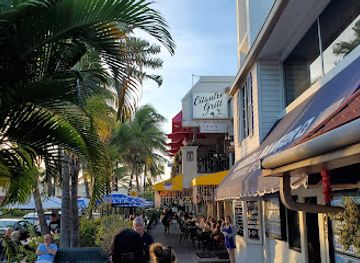
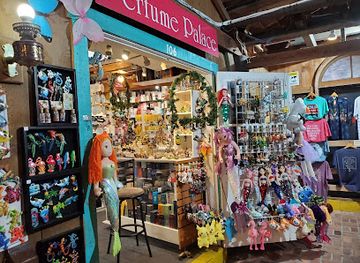
Shopping varies from urban districts and outlet-style retail to independent island stores and produce markets. Tampa provides the broadest metropolitan choice, including historic Ybor City shops, downtown retail and larger commercial areas, while St Petersburg is known for galleries, independent boutiques, books, design goods and arts-oriented shopping. Sarasota combines galleries, antiques, fashion and specialist shops in and around its central districts, with additional retail in nearby communities. Fort Myers and Naples offer a mixture of high-street stores, galleries, craft shops, jewellery and resort-oriented retail, although the character ranges from practical local shopping to affluent seasonal districts. On barrier islands, look for beachwear, local artwork, shell-themed goods and small independent shops, while farmers’ markets across the region are useful for citrus, honey, sauces, baked products and other Florida food items. Choose products made locally where possible and remember that market days, vendors and seasonal opening patterns can change.
-
Shopping mall
St. Armands Circle
Explore St. Armands Circle: A vibrant shopping and dining oasis in Sarasota, Florida, offering unique boutiques, delicious restaurants, and scenic parks.
-
Shopping mall
Bal Harbour Shops
Discover the epitome of luxury shopping and dining at Bal Harbour Shops, Florida's premier destination for high-end retail therapy.
-
Shopping mall
Tin City Waterfront Shops
Explore the unique charm of Tin City Waterfront Shops in Naples, where shopping, dining, and breathtaking waterfront views come together.
-
Shopping mall
Suncoast Crossing
Explore Suncoast Crossing, the vibrant shopping mall in Spring Hill, Florida, featuring diverse stores, delightful dining, and grocery convenience for all visitors.


Get your free copy of our complete guide to Sun Coast, delivered straight to you.
Everything on this page, from attractions and restaurants to essentials and local phrases, in one PDF you can read offline, print or share.
Already have an account? Sign in
Your Sun Coast guide is ready.
We'll send it to · Not you? Sign out

Getting your guide ready…
We are putting together a fresh copy of the Sun Coast guide. This can take up to a minute.
This can take a few moments. If your browser asks, choose Allow so the download can start. You'll find the guide in your Downloads folder.
Nothing happened? Download it again
Sorry, the guide is taking longer than usual. Please try again in a minute, or get it by email instead.
Sun Coast essentials
Currency and Payment
Safety
Emergency Situations
Do's and Don'ts
Local Tips
From Eve
Local phrases worth knowing
You don't need to get them perfect. A few words go a long way, and locals appreciate the effort.
Basics
| English | Local | Say it |
|---|---|---|
| Hello | Hey | [Hay] |
| Goodbye | See ya | [See yah] |
| Yes | Yup | [Yup] |
| No | Nope | [Nope] |
| Please/You're welcome | No problem | [No prob-lum] |
| Thank you | Thanks | [Thanks] |
| Excuse me/Sorry | Sorry | [Sorry] |
| How are you? | How ya doin'? | [How yah doin'?] |
| Fine. And you? | Good. And you? | [Good. An' you?] |
| Do you speak English? | You speakin' English? | [Yoo speakin' English?] |
| I don't understand | I don't get it | [I don't get it] |
Eating & Drinking
| English | Local | Say it |
|---|---|---|
| I'd like to see the menu, please | Can I see the menu? | [Can I see the menu?] |
| I don't eat meat | I'm a vegetarian | [I'm a vege-tay-rian] |
| Cheers! | Cheers! | [Cheers!] |
| I would like to pay, please | Can I get the check? | [Can I get the check?] |
Emergencies
| English | Local | Say it |
|---|---|---|
| Help! | Help! | [Help!] |
| Go away! | Leave me alone! | [Leave me a-lone!] |
| Call the Police! | Call 911! | [Call 911!] |
| Call a doctor! | Get a doctor! | [Get a doctor!] |
| I'm lost | I’m lost | [I’m lost] |
| I'm ill | I’m not feelin' good | [I’m not feelin' good] |
Shopping
| English | Local | Say it |
|---|---|---|
| I'd like to buy... | I wanna buy... | [I wanna buy...] |
| I'm just looking | Just browsing | [Just browsing] |
| How much is it? | What’s the price? | [What’s the price?] |
| That's too expensive | That’s way too pricey | [That’s way too pricey] |
| Can you lower the price? | Can you give me a deal? | [Can you give me a deal?] |
Time & Numbers
| English | Local | Say it |
|---|---|---|
| What time is it? | What time is it? | [What time is it?] |
| It's one o'clock | It's one o'clock | [It's one o'clock] |
| Half past (10) | Half past ten | [Half past ten] |
| Morning | Morning | [Morning] |
| Afternoon | Afternoon | [Afternoon] |
| Evening | Evening | [Evening] |
| Yesterday | Yesterday | [Yesterday] |
| Today | Today | [Today] |
| Tomorrow | Tomorrow | [Tomorrow] |
| 1 | One | [One] |
| 2 | Two | [Two] |
| 3 | Three | [Three] |
| 4 | Four | [Four] |
| 5 | Five | [Five] |
| 6 | Six | [Six] |
| 7 | Seven | [Seven] |
| 8 | Eight | [Eight] |
| 9 | Nine | [Nine] |
| 10 | Ten | [Ten] |
Transport & Directions
| English | Local | Say it |
|---|---|---|
| Where's a/the...? | Where’s a...? | [Where’s a...?] |
| What's the address? | What’s the address? | [What’s the address?] |
| Can you show me (on the map)? | Can you point it out? | [Can you point it out?] |
| When's the next (bus)? | When's the next bus? | [When's the next bus?] |
| A ticket (to ....) | A ticket to ... | [A ticket to ...] |
History of Sun Coast
Indigenous Gulf Coast societies before European colonisation
Long before modern cities developed, the Gulf coast supported several Indigenous peoples, including the Tocobaga around Tampa Bay and the Calusa in southwest Florida. Their economies relied on fishing, shellfish, hunting, gathering and sophisticated use of shallow coastal waters and estuaries. Shell middens and archaeological evidence record long settlement, although many sites have been damaged by development and storms. European diseases, warfare, enslavement and colonial disruption severely reduced Indigenous populations from the sixteenth century onwards. Their presence remains an essential part of the region’s history, even though the modern landscape often conceals it.
Spanish exploration and the colonial frontier
Spanish expeditions reached Florida’s Gulf coast in the sixteenth century, beginning a long period of contested imperial influence. The coast was difficult for European powers to control because of its shallow waters, dense vegetation and dispersed Indigenous communities. Spanish missions and trading networks operated unevenly, while later British and American rule altered political boundaries and patterns of land ownership. The region remained comparatively remote for centuries, with fishing, maritime activity and small settlements more important than large-scale urban development.
Nineteenth-century settlement and the Seminole conflicts
During the nineteenth century, American settlement expanded through military roads, homesteading, cattle raising and coastal trade. The Seminole Wars affected central and southern Florida, as the United States sought to remove Seminole people and consolidate control of the peninsula. Fortifications and military routes helped increase American presence, although much of the Sun Coast remained lightly populated. Towns such as Tampa and Fort Myers developed from frontier and military settings into commercial centres, while fishing, agriculture and small-scale shipping supported coastal communities.
Railways, citrus and the growth of coastal towns
Railway expansion in the late nineteenth and early twentieth centuries transformed the Gulf coast. Improved connections brought settlers, tourists and investment, while citrus cultivation and cattle ranching became important regional industries. Tampa grew as a port and manufacturing centre, with Ybor City shaped by Cuban, Spanish and Italian cigar workers. Sarasota, Fort Myers and other communities developed new civic and residential identities as rail access made the coast more reachable. The period established the transport links and agricultural economy that preceded modern mass tourism.
Twentieth-century tourism and urban expansion
Automobiles, improved roads, air conditioning and post-war population growth changed the Sun Coast more radically than the railway era. Barrier islands and waterfront districts became destinations for holidaymakers, retirees and seasonal residents, while Tampa, St Petersburg, Sarasota, Fort Myers and Naples expanded inland. Hotels, condominiums, marinas and commercial centres reshaped the shoreline. Sarasota also gained an important cultural profile through the Ringling legacy and the development of museums and performing arts. Rapid growth brought prosperity but also pressure on wetlands, beaches, water supplies and historic neighbourhoods.
Conservation and the contemporary coastal economy
From the late twentieth century onwards, public agencies, researchers and local organisations placed greater emphasis on protecting mangroves, estuaries, wetlands and barrier-island habitats. Places such as Myakka River State Park, J.N. 'Ding' Darling National Wildlife Refuge and the Ten Thousand Islands region illustrate the importance of conservation to the modern visitor economy. The Sun Coast now balances tourism, residential development, ports, agriculture and environmental management. Hurricane damage, coastal erosion, sea-level rise and harmful algal blooms continue to influence planning and everyday life along the Gulf.
Sun Coast in Photos
Browse through our photo collection highlighting the charm and character of the destination.
Neighbouring regions of Sun Coast
The closest regions to Sun Coast, if you have time for more than one.
-
-

-
-

-


Swipe for more regions
Explore more

Explore more of Florida
Discover Florida: A Sunshine State full of dazzling beaches, iconic theme parks, rich history, and stunning natural parks, offering endless adventures for every traveler.
Explore Florida