

Free Central Florida Travel Guide & Mobile App
Explore Central Florida with free travel guides. Discover regional history, expert tips, proposed trips, and audio guides on web or mobile app.


Central Florida combines Orlando attractions, freshwater lakes, citrus country, wildlife, historic towns and the Space Coast in one varied itinerary.
Read more about Central Florida
Getting to and around Central Florida
How to get there
Transportation
Top city travel guides in Central Florida
The cities of Central Florida, and the easiest places to base yourself.
-

-

-

-
-

-


Swipe for more cities
Destinations in Central Florida
Resorts, valleys and scenic spots worth a trip of their own.
-

-

-

-

-

-


Swipe for more destinations
Best attractions in Central Florida
Central Florida's attractions range from large-scale entertainment to wetlands, gardens and space heritage. Orlando's theme parks and associated resort districts are the region's most internationally recognised draw, but they represent only one part of the visitor landscape. Museums, galleries and performing-arts venues provide cultural depth in Orlando and Winter Park, while historic districts in Sanford, Mount Dora and Lakeland offer a slower urban rhythm. Around Winter Haven and the surrounding lake country, boating, freshwater fishing and water-based recreation are central experiences. Natural areas protect pine flatwoods, cypress wetlands, scrub and bird habitat, with opportunities for walking, kayaking and wildlife observation. On the Atlantic side, the Kennedy Space Center Visitor Complex interprets human spaceflight and rocket technology, while Merritt Island National Wildlife Refuge and Canaveral National Seashore provide access to dunes, lagoons and coastal wildlife. Visitors should plan by area: an Orlando theme-park day, a lakes-and-towns day and a Space Coast excursion can involve substantial driving and should not be treated as interchangeable local stops.
-
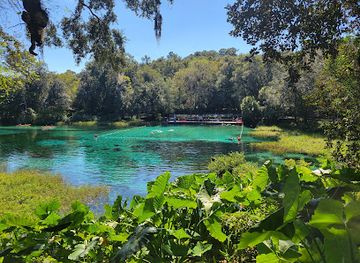
Rainbow Springs State Park
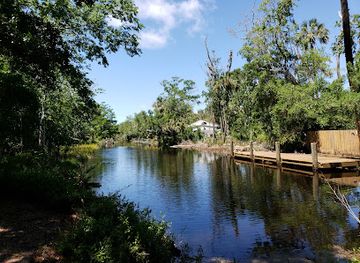
Experience the breathtaking beauty of Rainbow Springs State Park in Dunnellon, Florida, with its crystal-clear waters and lush landscapes.
-
State park
Ellie Schiller Homosassa Springs Wildlife State Park
Explore Ellie Schiller Homosassa Springs Wildlife State Park, where native wildlife and scenic trails create an unforgettable Florida nature experience.
-
Tourist attraction
Madame Tussauds Orlando
Discover lifelike wax figures of your favorite celebrities at Madame Tussauds Orlando, a must-visit attraction for entertainment enthusiasts and tourists alike.
-
State park
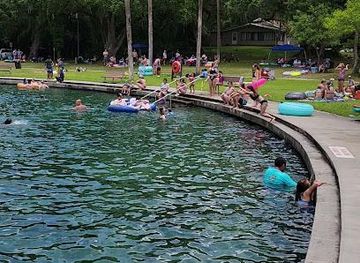
De León Springs State Park
Explore De León Springs State Park, a natural gem in Florida featuring crystal-clear springs, hiking trails, and vibrant wildlife encounters.

Best landmarks in Central Florida
Central Florida's most recognisable landmarks express three different histories: entertainment, space exploration and the natural geography of the peninsula. The Orlando skyline and the large-scale resort complexes along International Drive and the wider tourist corridor symbolise the area's transformation into a global visitor centre, although the parks themselves are carefully managed attractions rather than historic monuments. On the Atlantic coast, the launch complexes and towering rockets interpreted at the Kennedy Space Center represent the engineering and political history of the United States space programme. The wide lagoons, dunes and beaches of the Merritt Island and Canaveral coastal landscape form a contrasting natural landmark system, shaped by tides, storms and wildlife. Inland, the chain of lakes around Winter Haven, the cypress-lined waterways near Kissimmee and the historic streets of Sanford, Winter Park and Mount Dora provide more understated markers of Central Florida's identity. Citrus groves, palms, pine flatwoods and the low, water-rich horizon are also characteristic visual features, revealing why the region cannot be reduced to its major theme parks.
-
Park
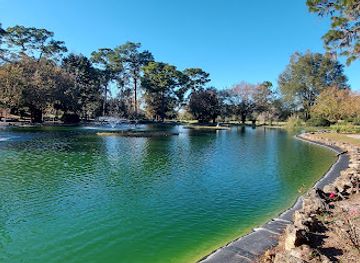
Sholom Park
Experience tranquility and natural beauty at Sholom Park, a serene escape in Ocala, Florida, perfect for nature lovers and family outings.
-
State park
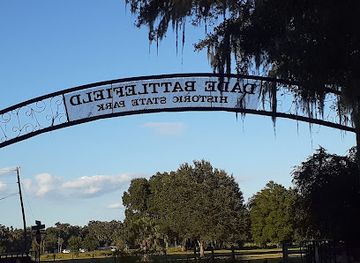
Dade Battlefield Historic State Park
Discover Dade Battlefield Historic State Park, where history and nature intertwine in Florida's stunning landscape.
-
Historical landmark
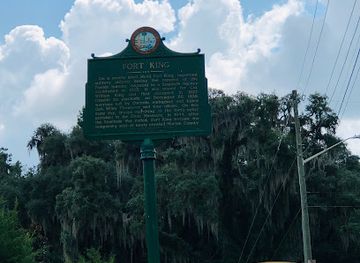
Fort King National Historic Landmark
Discover the rich history and natural beauty at Fort King National Historic Landmark, a captivating destination in Ocala, Florida.
-
Historical landmark
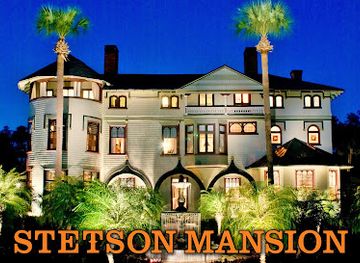
Stetson Mansion
Explore the Stetson Mansion, a historic landmark in DeLand, Florida, showcasing exquisite Gilded Age architecture and lush gardens.
Explore Central Florida on the map
Plan your trip on one map. See where the top cities, national parks and sights are, and book hotels and experiences in a few clicks.
Best hotels in Central Florida
Best restaurants in Central Florida
Central Florida's dining scene reflects the region's international population, tourism economy and agricultural history. Orlando has broad representation from Caribbean, Latin American, Asian, Southern and contemporary American cuisines, alongside chef-led restaurants, bakeries, cafés and the substantial dining offer attached to resort districts. Outside the metropolitan core, restaurants and cafés in Winter Park, Sanford, Lakeland, Mount Dora and Winter Haven include independent dining rooms, diners, local breweries and relaxed lakeside establishments. Citrus remains an important regional reference, appearing in juices, preserves, desserts and seasonal produce, while seafood is especially associated with the Atlantic coast rather than the inland centre. Farmers' markets and farm shops can provide citrus, honey, vegetables and prepared foods, though availability varies by season. Traditional American breakfast restaurants, barbecue, seafood shacks and casual family dining are practical choices on road journeys, while reservations are sensible for popular restaurants in Orlando and during busy holiday periods.
-
Tapas
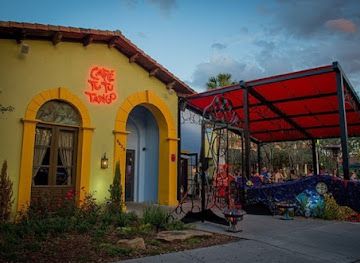
Café Tu Tu Tango
Discover the vibrant flavors and artistic ambiance at Café Tu Tu Tango in Orlando - where every meal is a masterpiece.
-
Restaurant
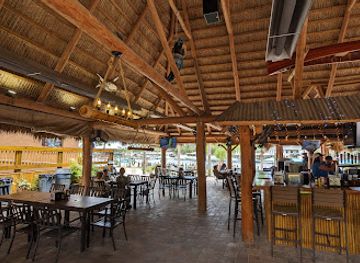
The Freezer Tiki Bar
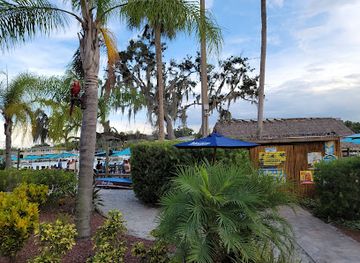
Discover tropical delights at The Freezer Tiki Bar in Homosassa - where every sip feels like a vacation.
-
Restaurant
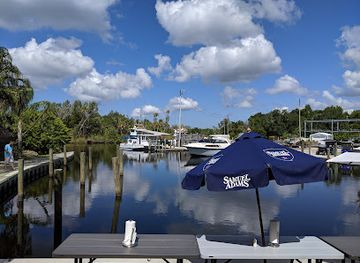
Crump's Landing
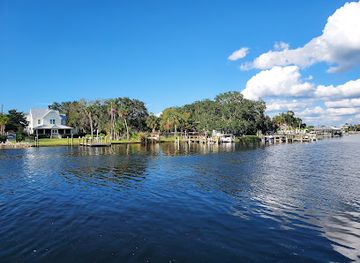
Discover Crump's Landing: A vibrant tiki bar offering fresh seafood and stunning river views in Homosassa, Florida.
-
Tapas
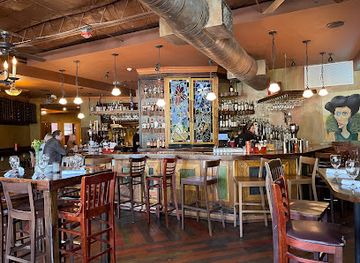
Santiago's Bodega
Savor the essence of Spanish cuisine at Santiago's Bodega – where every dish tells a story of flavor.
Best bars in Central Florida
Nightlife is concentrated in Orlando, where the resort corridor, downtown and nearby neighbourhoods offer cocktail bars, breweries, live music, comedy, theatre and late-night venues. The character changes outside the metropolitan centre: Winter Park, Sanford, Lakeland, Winter Haven and Mount Dora are better known for pubs, wine bars, restaurants, craft beer and occasional live performances than for large club districts. The Space Coast has relaxed waterfront and beach-town evening options, with activity varying between Cocoa, Cocoa Beach and other coastal communities. Large entertainment complexes provide themed evening venues, but visitors should check admission arrangements and transport plans rather than assuming venues can be reached easily on foot. In the inland lake districts, evenings are generally quieter and often centre on dining, local events or a traditional American bar. Drink-driving laws are strictly enforced, so arrange a designated driver or suitable transport.
-
Restaurant
The Freezer Tiki Bar
Experience the vibrant atmosphere at The Freezer Tiki Bar in Homosassa, where tropical drinks and delicious food blend with a fun, laid-back vibe.
-
Restaurant
Crump's Landing
Experience the vibrant flavors and scenic views at Crump's Landing, a premier tiki bar and restaurant in sunny Homosassa, Florida.
-
Live music bar
Tin Roof
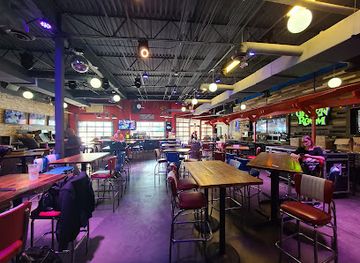
Explore Tin Roof in Orlando for a perfect blend of live music, delicious food, and vibrant nightlife.
-
Seafood
Marguerita Grill
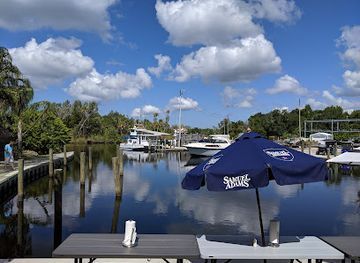
Experience the best of coastal dining at Marguerita Grill, where fresh seafood meets stunning river views in Homosassa, Florida.
Best nightclubs in Central Florida
Nightlife is concentrated in Orlando, where the resort corridor, downtown and nearby neighbourhoods offer cocktail bars, breweries, live music, comedy, theatre and late-night venues. The character changes outside the metropolitan centre: Winter Park, Sanford, Lakeland, Winter Haven and Mount Dora are better known for pubs, wine bars, restaurants, craft beer and occasional live performances than for large club districts. The Space Coast has relaxed waterfront and beach-town evening options, with activity varying between Cocoa, Cocoa Beach and other coastal communities. Large entertainment complexes provide themed evening venues, but visitors should check admission arrangements and transport plans rather than assuming venues can be reached easily on foot. In the inland lake districts, evenings are generally quieter and often centre on dining, local events or a traditional American bar. Drink-driving laws are strictly enforced, so arrange a designated driver or suitable transport.
-
Grill
Old Mill Tavern
Experience the perfect blend of delicious food, refreshing drinks, and friendly vibes at Old Mill Tavern in Homosassa, Florida.
-
Restaurant
Florida Cracker Monkey Bar
Experience the vibrant flavors of Florida at the Florida Cracker Monkey Bar, a restaurant and bar offering delicious pizzas and refreshing cocktails.
-
Night club
GILT Concert Venue
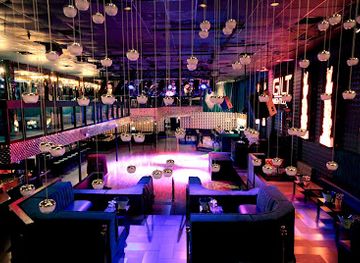
Discover GILT Concert Venue: Orlando's premier nightlife destination for electrifying music and unforgettable parties in a vibrant atmosphere.
-
Night club
Aero Rooftop Bar & Lounge
Discover the vibrant Aero Rooftop Bar & Lounge in Orlando, where stunning skyline views meet exquisite cocktails and a lively atmosphere.

Best shops in Central Florida
Shopping in Central Florida ranges from large resort-oriented retail complexes and outlet centres around Orlando to independent high streets, antiques and local produce in smaller towns. Winter Park is associated with boutiques, galleries, design shops and established dining streets, while Mount Dora has a strong presence of antiques, collectibles, independent gifts and craft-oriented retailers. Sanford and Lakeland provide historic commercial areas with locally owned shops, galleries, booksellers and cafés, and Winter Haven combines everyday retail with smaller specialist businesses. Farmers' markets and farm shops are useful places to look for citrus products, honey, preserves, hot sauces, baked goods and seasonal produce, though market days differ. Shopping near major attractions often focuses on branded merchandise and convenience, whereas the lake towns offer a more regional selection of art, antiques and handmade goods. Sales tax is added at checkout, and visitors should check luggage restrictions before buying liquids, food products or fragile crafts.
-
Shopping mall
The Florida Mall
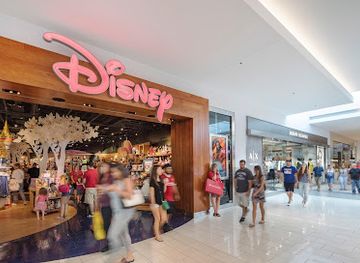
Shop, dine, and explore at The Florida Mall, Orlando's largest shopping experience with over 250 stores and entertainment options.
-
Outlet mall
Orlando Vineland Premium Outlets
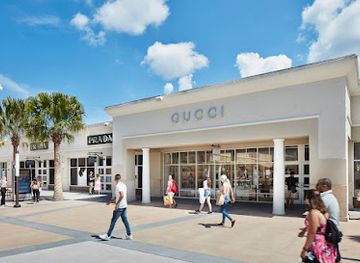
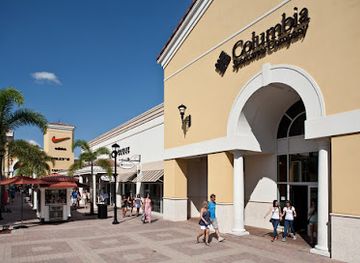
Discover unbeatable deals at Orlando Vineland Premium Outlets, the ultimate shopping destination for designer brands and unique finds in Orlando.
-
Shopping mall
Lake Buena Vista Factory Stores
Discover unbeatable discounts at Lake Buena Vista Factory Stores, Orlando's premier outlet shopping destination, perfect for tourists and locals alike.
-
Outlet mall
Orlando International Premium Outlets
Explore unbeatable deals at Orlando International Premium Outlets, the ultimate shopping destination for tourists in sunny Florida.

Get your free copy of our complete guide to Central Florida, delivered straight to you.
Everything on this page, from attractions and restaurants to essentials and local phrases, in one PDF you can read offline, print or share.
Already have an account? Sign in
Your Central Florida guide is ready.
We'll send it to · Not you? Sign out

Getting your guide ready…
We are putting together a fresh copy of the Central Florida guide. This can take up to a minute.
This can take a few moments. If your browser asks, choose Allow so the download can start. You'll find the guide in your Downloads folder.
Nothing happened? Download it again
Sorry, the guide is taking longer than usual. Please try again in a minute, or get it by email instead.
Central Florida essentials
Currency and Payment
Safety
Emergency Situations
Do's and Don'ts
Local Tips
From Eve
Local phrases worth knowing
You don't need to get them perfect. A few words go a long way, and locals appreciate the effort.
Basics
| English | Local | Say it |
|---|---|---|
| Hello | Hey there | [Hay thair] |
| Goodbye | See ya | [See yah] |
| Yes | Yep | [Yep] |
| No | Nah | [Nah] |
| Please/You're welcome | No problem | [No prob-lum] |
| Thank you | Thanks | [Thanx] |
| Excuse me/Sorry | Sorry 'bout that | [Sorry 'bout that] |
| How are you? | How ya doin'? | [How yah doin'?] |
| Fine. And you? | Good. And you? | [Good. An' you?] |
| Do you speak English? | Can ya speak English? | [Can yah speak English?] |
| I don't understand | I don't get it | [I don't get it] |
Eating & Drinking
| English | Local | Say it |
|---|---|---|
| I'd like to see the menu, please | Can I see the menu? | [Can I see the men-yoo?] |
| I don't eat meat | I’m a vegetarian | [I'm a vege-tair-ee-an] |
| Cheers! | Cheers! | [Cheers!] |
| I would like to pay, please | Can I get the check? | [Can I get the chek?] |
Emergencies
| English | Local | Say it |
|---|---|---|
| Help! | Help! | [Help!] |
| Go away! | Leave me alone! | [Leave me alone!] |
| Call the Police! | Call 911! | [Call nine-one-one!] |
| Call a doctor! | Get a doctor! | [Get a doctor!] |
| I'm lost | I’m lost | [I'm lost] |
| I'm ill | I'm not feeling good | [I'm not feelin' good] |
Shopping
| English | Local | Say it |
|---|---|---|
| I'd like to buy... | I want to buy... | [I want to buy...] |
| I'm just looking | Just browsing | [Just browsin'] |
| How much is it? | What's the price? | [What's the price?] |
| That's too expensive | That's way too pricey | [That's way too pry-see] |
| Can you lower the price? | Can ya bring it down? | [Can yah bring it down?] |
Time & Numbers
| English | Local | Say it |
|---|---|---|
| What time is it? | What time is it? | [What time is it?] |
| It's one o'clock | It's one o'clock | [It's one o'clock] |
| Half past (10) | Half past ten | [Half past ten] |
| Morning | Morning | [Mornin'] |
| Afternoon | Afternoon | [Afternoon] |
| Evening | Evening | [Evenin'] |
| Yesterday | Yesterday | [Yesterday] |
| Today | Today | [Today] |
| Tomorrow | Tomorrow | [Tomorrow] |
| 1 | One | [One] |
| 2 | Two | [Two] |
| 3 | Three | [Three] |
| 4 | Four | [Four] |
| 5 | Five | [Five] |
| 6 | Six | [Six] |
| 7 | Seven | [Seven] |
| 8 | Eight | [Eight] |
| 9 | Nine | [Nine] |
| 10 | Ten | [Ten] |
Transport & Directions
| English | Local | Say it |
|---|---|---|
| Where's a/the...? | Where's the nearest...? | [Where's the nearest...?] |
| What's the address? | What's the address? | [What's the address?] |
| Can you show me (on the map)? | Can ya point it out? | [Can yah point it out?] |
| When's the next (bus)? | When's the next bus? | [When's the next bus?] |
| A ticket (to ....) | One ticket to... please | [One ticket to... please] |
History of Central Florida
Indigenous peoples and the pre-colonial landscape
Central Florida has a long Indigenous history involving peoples including the Timucua and, later, the Seminole. Communities used the region's lakes, wetlands, rivers and pine lands for fishing, hunting, cultivation and travel. Archaeological evidence around waterways records settlement and changing relationships with the environment. European colonisation, disease, warfare and forced displacement severely disrupted Indigenous life, while Seminole communities maintained a presence in the Florida interior despite military campaigns and removal pressures. This history remains important when interpreting place names, museums, historic sites and contemporary discussions of land and sovereignty.
Spanish Florida and changing colonial control
Spain claimed Florida from the sixteenth century, although effective control was limited beyond coastal settlements and mission networks. The interior of Central Florida was shaped by encounters among Indigenous communities, Spanish authorities, escaped enslaved people and later American settlers. Florida became a United States territory in 1821 and a state in 1845, following periods of Spanish and British rule. The region's modern roads and cities do not erase this earlier geography: waterways, Indigenous trails and coastal access routes continued to influence movement and settlement.
The Seminole Wars and nineteenth-century settlement
The Seminole Wars of the nineteenth century were part of the United States' campaign to remove Seminole people from Florida. Fighting and military occupation affected the central peninsula, while forts, roads and supply routes supported expanding American settlement. After the Civil War, farms, cattle operations and small communities grew around lakes and navigable waterways. Reconstruction and the development of rail connections helped link inland settlements to coastal ports and larger markets, laying foundations for towns that later became part of the Orlando and Lakeland urban regions.
Citrus, railways and the growth of inland towns
Citrus cultivation became a defining Central Florida industry during the late nineteenth and early twentieth centuries. Railways carried oranges and other produce to markets while also bringing visitors, investors and new residents to communities such as Orlando, Sanford, Winter Haven and Lakeland. Freezes periodically damaged groves, but citrus remained central to the regional economy and identity. Many lakeside roads, packing districts, grove landscapes and local products reflect this agricultural era, even where suburban growth has replaced working groves.
The arrival of the space programme
The establishment of the missile and space complex at Cape Canaveral and neighbouring Merritt Island transformed Florida's Atlantic coast after the Second World War. Central Florida became closely associated with the United States space programme, particularly the development and launch of crewed missions, satellites and later Space Shuttle operations. The programme brought engineers, technicians, construction workers and new communities to the region, while launch facilities and protected wildlife habitats developed side by side. The Space Coast remains one of the clearest expressions of twentieth-century technological history in Florida.
Theme parks, tourism and metropolitan expansion
The opening of Walt Disney World in 1971 accelerated Central Florida's transformation from a principally agricultural and seasonal region into an international tourism centre. Hotels, roads, airports, attractions and service industries expanded rapidly around Orlando, followed by further development at Universal Orlando Resort and other entertainment districts. Population growth spread beyond the city into Orange, Seminole, Osceola, Lake and Polk counties. Tourism now coexists with healthcare, education, technology, aviation, agriculture and space-related industries, making the region economically and socially more diverse than its theme-park reputation suggests.
Central Florida in Photos
Browse through our photo collection highlighting the charm and character of the destination.
Neighbouring regions of Central Florida
The closest regions to Central Florida, if you have time for more than one.
-

-

-

-

-


Swipe for more regions
Explore more

Explore more of Florida
Discover Florida: A Sunshine State full of dazzling beaches, iconic theme parks, rich history, and stunning natural parks, offering endless adventures for every traveler.
Explore Florida