Fort Paté Travel Guide
Free Guide: Discover Fort Paté, a key piece of Vauban's 'Bolt of the Estuary' on the Gironde, offering a glimpse into 17th-century military strategy and stunning estuary views.


A brief summary of Fort Paté
Discover Fort Paté, a key piece of Vauban's 'Bolt of the Estuary' on the Gironde, offering a glimpse into 17th-century military strategy and stunning estuary views.
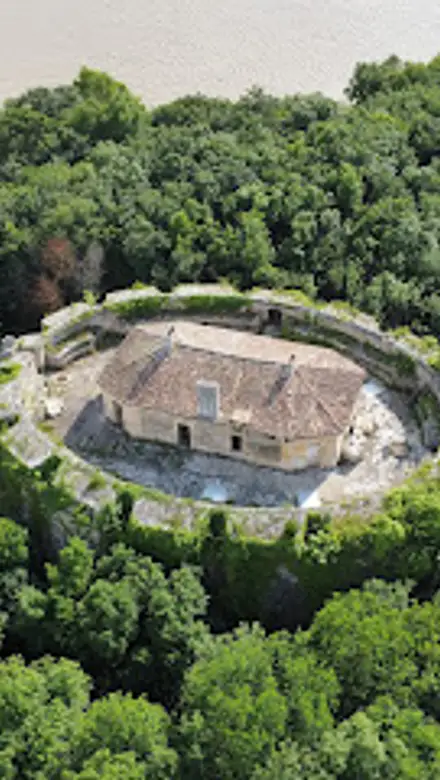
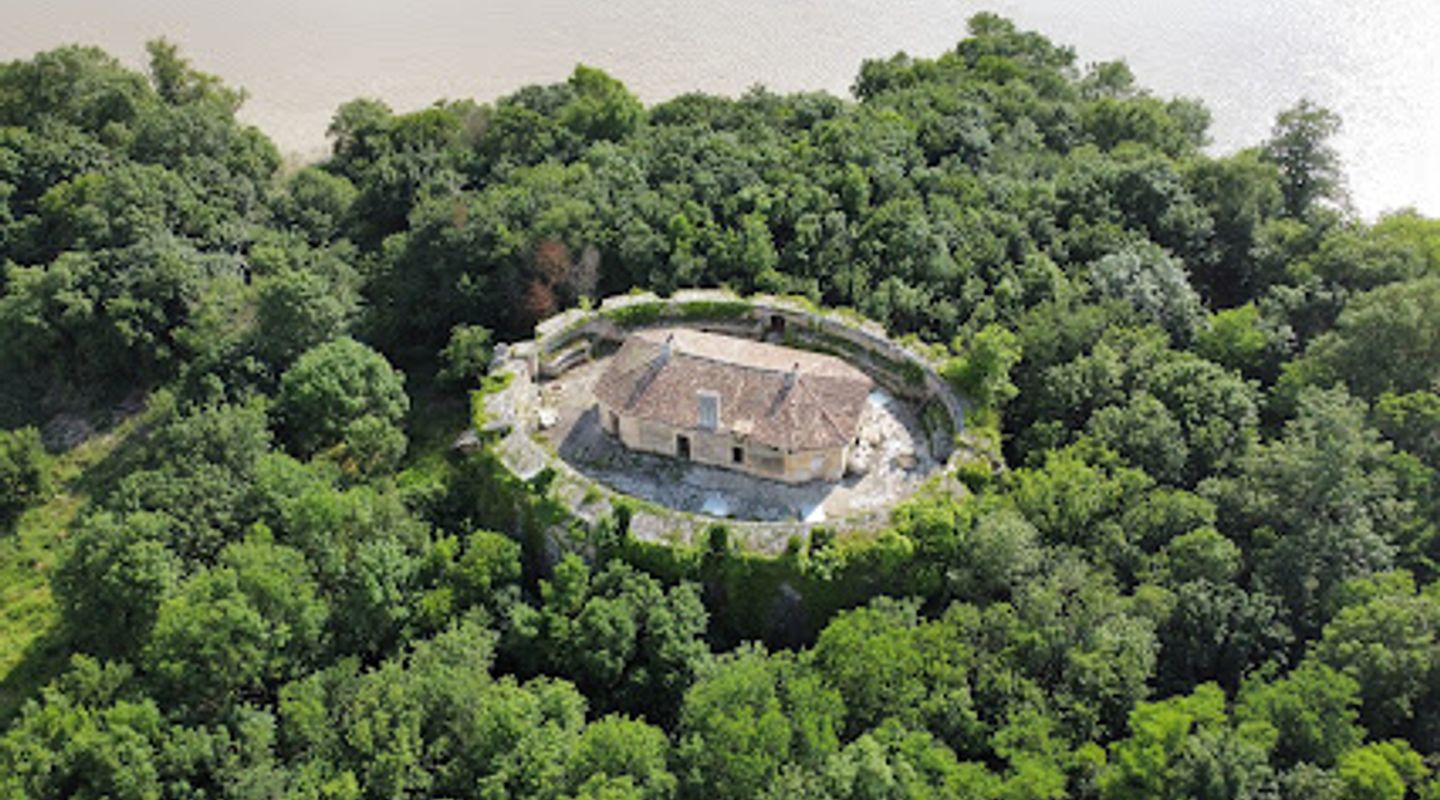
Rising from a small island in the Gironde estuary, Fort Paté stands as a silent sentinel, a testament to 17th-century military engineering. Part of Vauban's strategic 'Bolt of the Estuary,' along with the Citadel of Blaye and Fort Médoc, this UNESCO World Heritage site once controlled access to Bordeaux. Built between 1689 and 1693, the fort's compact, oval design and sturdy construction are a marvel, considering the unstable island it occupies. Though small, it played a crucial role in the defense system, enabling crossfire to block enemy ships. Today, it offers a glimpse into France's rich military past and the ingenuity of Vauban's fortifications. While not always accessible for tours, its imposing presence can be admired from boat trips on the estuary, offering a unique perspective on this historical landmark and its strategic importance.
- Address
- 33390 Blaye
Getting there
Boat Tour
Discover more about Fort Paté
Overview
Fort Paté, a diminutive yet formidable structure, emerges from the waters of the Gironde estuary, a silent witness to centuries of French military history. This small, oval-shaped fort, perched on a modest island, forms an integral part of the 'Bolt of the Estuary' (Verrou de l'Estuaire), a strategic defensive system conceived by the renowned military engineer Sébastien Le Prestre de Vauban during the reign of Louis XIV. Vauban, recognizing the vulnerability of Bordeaux to naval incursions via the Gironde, designed a trio of fortifications to control the river passage. Fort Paté, strategically positioned on an island, worked in concert with the imposing Citadel of Blaye on the right bank and Fort Médoc on the left bank to create a deadly crossfire zone, effectively sealing off the estuary. Construction of Fort Paté commenced in 1689 and concluded in 1693, a remarkable feat considering the challenging environment. The island itself presented a significant engineering hurdle. Prone to flooding and composed of unstable, muddy ground, it required an innovative foundation to support the weight of the fort. Vauban's engineers devised a system of wooden pilings and a grillage foundation, essentially creating a raft upon which the fort could rest. This ingenious solution ensured the fort's stability, although it did experience some subsidence in the years following its construction. The fort's design is a testament to Vauban's mastery of military architecture. Its compact, oval shape maximized defensive capabilities while minimizing its footprint on the small island. High, thick walls, constructed of stone and brick, provided robust protection against enemy fire. Two artillery platforms, one at the base and another at the summit, allowed the fort to unleash a devastating barrage of cannon fire upon any approaching vessels. The interior of the fort housed barracks for a small garrison of soldiers, as well as essential facilities such as a cistern for freshwater, a chapel, and a powder magazine. Despite its formidable appearance, Fort Paté saw limited military action throughout its history. The 'Bolt of the Estuary' was only tested once, during the Napoleonic Wars, when it successfully deterred an attempted British invasion. In the centuries that followed, the fort gradually lost its strategic importance and fell into disuse. Today, Fort Paté stands as a captivating historical landmark, a testament to the ingenuity and strategic vision of Vauban. Although it is privately owned and not always open to the public, the fort can be admired from a distance during boat trips on the Gironde estuary. These cruises offer a unique perspective on the fort, allowing visitors to appreciate its strategic location and its role in the 'Bolt of the Estuary'. From the water, the fort's imposing silhouette rises dramatically from the island, its weathered walls bearing witness to the passage of time. The surrounding estuary teems with life, a vibrant ecosystem of birds, fish, and other wildlife. The combination of historical significance and natural beauty makes Fort Paté a truly unforgettable sight. Visiting Fort Paté offers a chance to step back in time and imagine the lives of the soldiers who once manned its ramparts. It is a reminder of the strategic importance of the Gironde estuary and the vital role it played in the defense of Bordeaux. More than just a military structure, Fort Paté is a symbol of French ingenuity, resilience, and the enduring power of human creativity. While a visit to Fort Paté itself may not always be possible, the experience of viewing it from the Gironde estuary is a rewarding one. The boat trips provide not only stunning views of the fort but also offer insights into the history and ecology of the estuary. Knowledgeable guides share stories of Vauban, the 'Bolt of the Estuary,' and the natural wonders of this unique environment. As you gaze upon Fort Paté, consider the challenges faced by Vauban's engineers as they sought to build a formidable fortress on a shifting, unstable island. Appreciate the strategic brilliance of the 'Bolt of the Estuary' and its role in protecting Bordeaux from enemy attack. And marvel at the enduring legacy of this small but mighty fort, a testament to the power of human ingenuity and the enduring allure of history.
Evendo Review Centre
 Google
Guest reviews
Explore Fort Paté on the map
A handpicked selection of must-see spots near Fort Paté, mapped for you.
Get your free copy of our complete guide to Fort Paté, delivered straight to you.
Everything on this page, from opening hours and how to get there to Eve’s tips and the best time to go, in one PDF you can read offline, print or share.
Already have an account? Sign in
Your Fort Paté guide is ready.
We'll send it to · Not you? Sign out

Getting your guide ready…
We are putting together a fresh copy of the Fort Paté guide. This can take up to a minute.
This can take a few moments. If your browser asks, choose Allow so the download can start. You'll find the guide in your Downloads folder.
Nothing happened? Download it again
Sorry, the guide is taking longer than usual. Please try again in a minute, or get it by email instead.
Other nearby places you may find interesting
The closest places of the same kind, if this one is not quite what you had in mind.
-
-
-
-
-


Swipe for more places
More to explore near Fort Paté

 Best experiences near Fort Paté

 Best hotels near Fort Paté

 Best landmarks near Fort Paté

 Best attractions near Fort Paté

 Best shops near Fort Paté

 Best restaurants near Fort Paté

 Best bars near Fort Paté
Do you manage this location?
Take control to get all the benefits, like improved information, better appearance, and stronger visibility across AI-powered discovery.
Explore more
Explore more of Aquitaine Coast
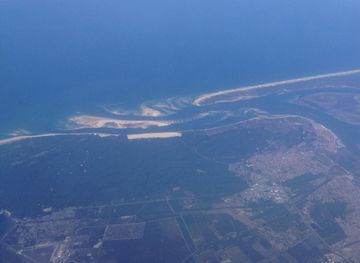
Discover the Aquitaine Coast: A blend of golden beaches, historic charm, and surf culture in the heart of southwestern France.
Explore Aquitaine Coast
Explore more of France
Explore France: A land of romance, history, and unparalleled beauty, from the iconic streets of Paris to the serene landscapes of Provence and the luxury of the French Riviera.
Explore France