Château Lagrange: A Legacy of Wine in Saint-Julien
Discover Château Lagrange, a Third Growth classified estate in Saint-Julien-Beychevelle, where centuries of winemaking tradition blend with modern innovation for an unforgettable Bordeaux experience.
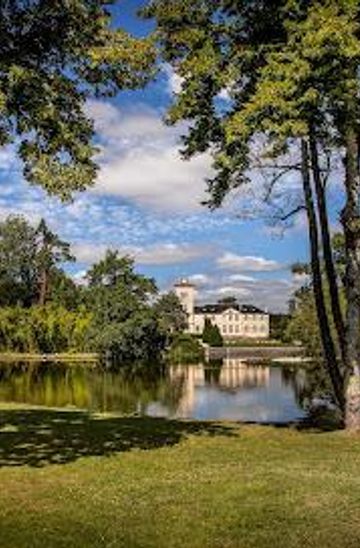
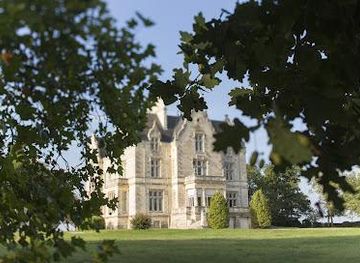
Château Lagrange, a Third Growth classified estate in Saint-Julien-Beychevelle, boasts a rich history dating back to the Middle Ages. Once known as the Noble House of Lagrange Monteil, the estate has evolved through centuries of ownership, including a period under Baron de Brane. The estate's transformation into a renowned wine producer began in 1842 with Count Duchâtel's innovative drainage system. Today, under Suntory ownership since 1983, Château Lagrange blends tradition with modern techniques, offering visitors immersive tours, tastings, and even cooking classes that fuse local flavors with Japanese culinary artistry. Explore the vineyards, cellars, and the iconic Tuscan-style tower, and discover the secrets behind its exceptional wines.
A brief summary to Château Lagrange
- Château Lagrange, Saint-Julien-Beychevelle, 33250, FR
- Click to display
- Click to display
- Monday 8 am-5:30 pm
- Tuesday 8 am-5:30 pm
- Wednesday 8 am-5:30 pm
- Thursday 8 am-5:30 pm
- Friday 8 am-5:30 pm

Know before you go
Hi, I'm Eve. Here are a few practical things to know before exploring Château Lagrange.
- Book tours and tastings in advance, especially during peak season, to ensure availability.
- Consider participating in a blending workshop for a hands-on experience in crafting your own wine.
- Explore the estate's culinary offerings, including cooking classes that fuse local flavors with Japanese techniques.
- Take time to admire the iconic Tuscan-style tower, a symbol of Château Lagrange's rich history and visionary outlook.
- Check the weather forecast and dress accordingly, as tours often involve walking through the vineyards.
Do you manage this location?
Take control to get all the benefits, like improved information, better appearance, and stronger visibility across AI-powered discovery. Learn more
Activate your presence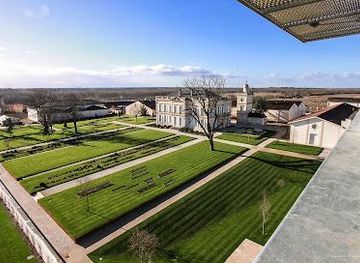
Getting There
-
Driving
From the center of Saint-Julien-Beychevelle, Château Lagrange is easily accessible by car. Head west on the D2 towards Pauillac. The chateau is located directly on your right, a short drive from the village center. Limited parking is available on-site.
-
Public Transport
If arriving by bus from Bordeaux, take the 424 bus to the 'Bourg' stop in Saint-Julien-Beychevelle. From the bus stop, it's approximately a 20-minute walk to Château Lagrange. Head west towards the D2, then turn right and follow the D2 to the chateau. A single bus fare costs around €3.
-
Taxi/Ride-Share
Taxis and ride-sharing services like Uber are available in the area. A taxi from the center of Saint-Julien-Beychevelle to Château Lagrange will cost approximately €15-€20. Confirm the fare before starting your journey.
Discover more about Château Lagrange
Explore the best of what Château Lagrange has to offer













More about Aquitaine
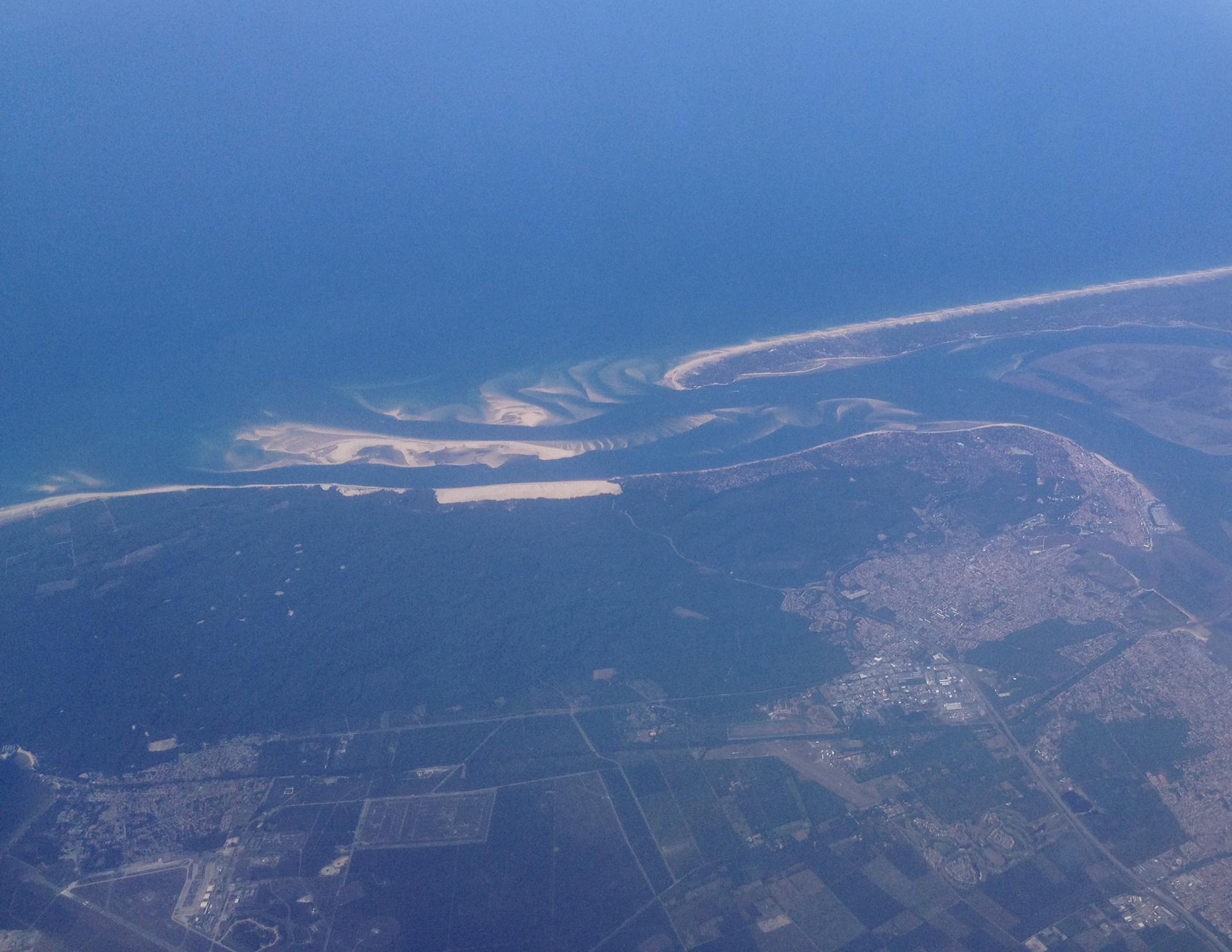
Discover Aquitaine, a stunning region in southwestern France known for its beautiful beaches, historic towns, and world-famous Bordeaux wines.
Tell me more about Aquitaine
Discover Château Siran, a family-owned Médoc estate since 1859, blending history, art, and exceptional Margaux wines. Explore cellars, gardens, and a unique nuclear bunker.

Discover centuries of winemaking tradition at Château Gruaud Larose, a prestigious Bordeaux estate offering immersive tours, exquisite tastings, and panoramic views of the Médoc region.