

Musée Lapidaire, Avignon Travel Guide
Free Guide: Discover ancient civilizations in a stunning Baroque chapel: Musée Lapidaire in Avignon showcases Greek, Roman, and Etruscan treasures, offering a serene journey through time.


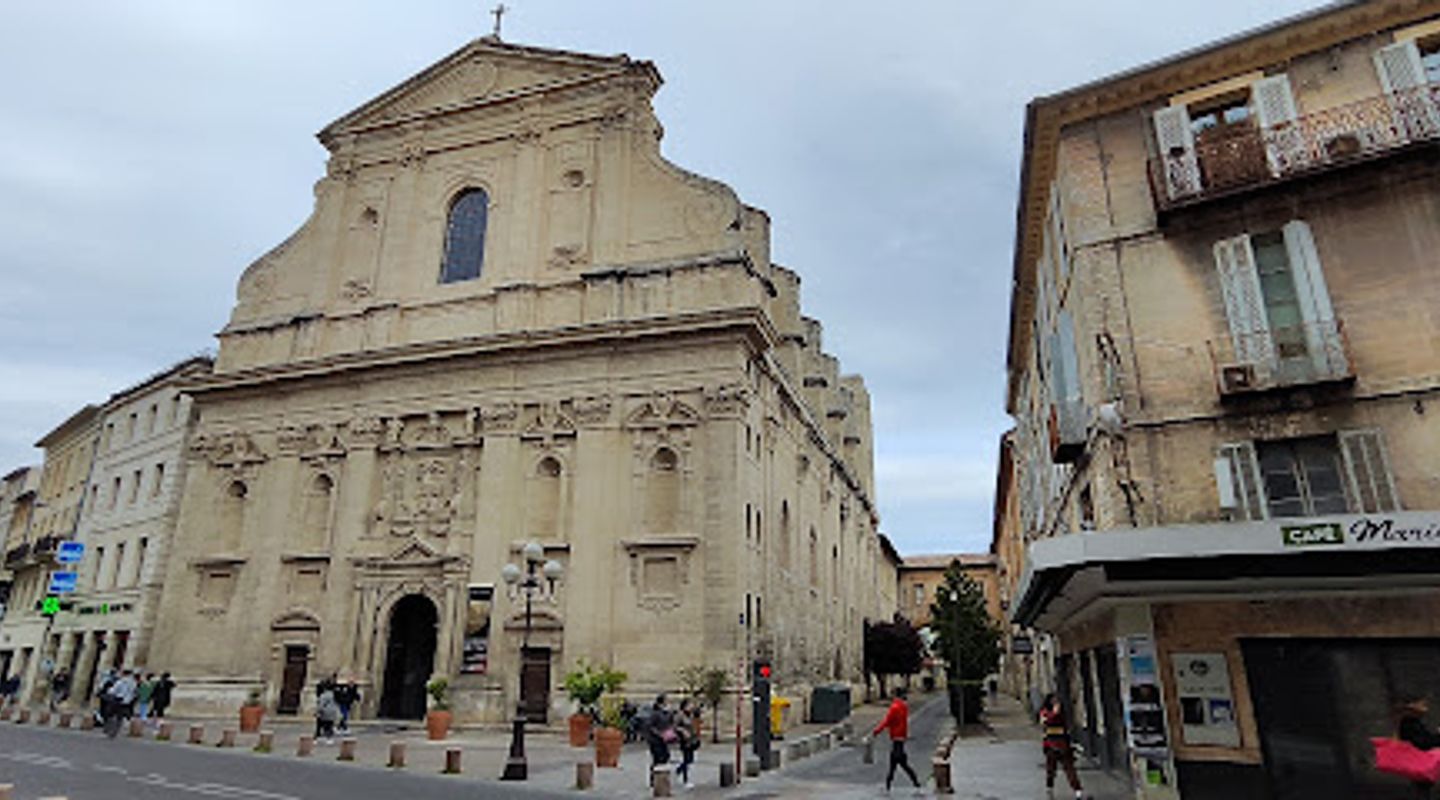
A brief summary of Musée Lapidaire
Discover ancient civilizations in a stunning Baroque chapel: Musée Lapidaire in Avignon showcases Greek, Roman, and Etruscan treasures, offering a serene journey through time.
Housed in a stunning 17th-century Baroque chapel in the heart of Avignon, the Musée Lapidaire offers a captivating journey through ancient civilizations. Since 1933, this archaeological museum, an annex of the Musée Calvet, has showcased a remarkable collection of Greek, Roman, Etruscan, Gallo-Roman, and early Christian artifacts. Wander through the serene chapel, admiring sculptures, pottery, and funerary monuments that whisper tales of bygone eras. Highlights include the Tarasque of Noves, a unique statue of a mythical man-eating monster, and the statue of the Warrior of Vachères. The museum's location on Rue de la République makes it easily accessible, inviting visitors to delve into the region's rich past and appreciate the artistry of ancient cultures. The Musée Lapidaire provides a tranquil escape into history, where the echoes of antiquity resonate within a beautiful architectural setting.
Opening hours
- MonClosed
- Tue10 am–1 pm, 2 pm–7 pm
- Wed10 am–1 pm, 2 pm–7 pm
- Thu10 am–1 pm, 2 pm–7 pm
- Fri10 am–1 pm, 2 pm–7 pm
- Sat10 am–1 pm, 2 pm–7 pm
- Sun10 am–1 pm, 2 pm–7 pm
Opening hours as listed on the venue’s Google Business Profile. Hours can change for services and special events, so check with the venue before you go.
- Address
- 27 Rue de la République, 84000 Avignon
- Phone
- Website
Getting there
Walking
Public Transport
Taxi/Ride-Share
Driving
Discover more about Musée Lapidaire
Overview
The Musée Lapidaire, nestled in the heart of Avignon, is a captivating archaeological museum housed within the city's former Jesuit College chapel. This stunning Baroque building, a work of art in itself, provides a serene and atmospheric setting for a remarkable collection of ancient artifacts. Since 1933, the Musée Lapidaire has served as an annex to the Musée Calvet, showcasing the city's extensive archaeological holdings. Stepping inside the Musée Lapidaire is like stepping back in time. The museum's collection spans several millennia, encompassing artifacts from various ancient civilizations, including the Greeks, Romans, Etruscans, Gallo-Romans, and early Christians. The displays are thoughtfully arranged, allowing visitors to trace the evolution of art, culture, and religious beliefs in the region. The building that houses the Musée Lapidaire is itself a significant historical artifact. The Jesuit College chapel was constructed in the 17th century, with Étienne Martellange initially drafting the plans in 1616, and François de Royers de la Valfenière later taking over from 1620. Its Baroque architecture, characterized by soaring arches, intricate carvings, and a sense of grandeur, provides a fitting backdrop for the museum's ancient treasures. The chapel's design reflects the opulence and artistic sensibilities of the Counter-Reformation period. The Musée Lapidaire's collection began with the cabinet of curiosities of Esprit Calvet (1728-1810), the founder of the museum that bears his name. Calvet bequeathed his rich collection of antiques to the city of Avignon. The collection was enriched in the 19th and 20th centuries by countless purchases, notably in 1841, that of part of the Venetian collection of Nani di San Trovaso but also by donations, such as that granted in 1986 by the great collector, Marcel Puech. In 2018, a selection of Egyptian works, housed until then at the Musée Calvet, joined the site. Among the museum's most prized possessions is the Tarasque of Noves, a unique sculpture depicting a mythical creature said to have terrorized the region in ancient times. This androphagous monster is a testament to the rich folklore and artistic traditions of the Celts. The statue of the Warrior of Mondragon is another piece of Celtic art. The Greek section of the Musée Lapidaire features a diverse array of sculptures, pottery, and funerary monuments. These artifacts offer insights into the artistic achievements and cultural practices of the ancient Greeks, who exerted a profound influence on the development of Western civilization. The collection includes original Greek works from the Hellenistic period. The Roman collection showcases the grandeur and sophistication of the Roman Empire. Visitors can admire monumental statues, intricate mosaics, and everyday objects that provide a glimpse into the lives of Roman citizens. The museum also features a collection of inscriptions and architectural elements from Roman Gaul, offering evidence of the Roman presence in the region. The Etruscan artifacts on display at the Musée Lapidaire provide a window into the mysterious world of the Etruscans, an ancient civilization that flourished in Italy before the rise of Rome. The collection includes funerary urns, pottery, and other objects that reflect the Etruscans' unique artistic style and religious beliefs. The Gallo-Roman section of the museum highlights the fusion of Roman and Celtic cultures that occurred in Gaul (modern-day France) during the Roman period. Visitors can examine sculptures, inscriptions, and architectural fragments that demonstrate the blending of these two distinct traditions. The early Christian collection at the Musée Lapidaire offers a glimpse into the emergence of Christianity in the region. The collection includes sarcophagi, mosaics, and other artifacts that reflect the early Christians' beliefs and practices. The Musée Lapidaire is located on Rue de la République, Avignon's main thoroughfare, making it easily accessible to visitors. Its central location also makes it a convenient starting point for exploring other attractions in the city, such as the Palais des Papes and the Pont d'Avignon. The Musée Lapidaire is more than just a museum; it is a portal to the past, a place where visitors can connect with the ancient civilizations that shaped the region and the world. Its serene atmosphere, remarkable collection, and stunning architecture make it a must-see destination for anyone interested in history, art, and culture. A visit to the Musée Lapidaire is an unforgettable journey through time, a chance to discover the beauty and wonder of antiquity in the heart of Avignon. The museum's collection is constantly evolving, with new acquisitions and temporary exhibitions adding to its appeal. Whether you are a seasoned archaeologist or a casual tourist, you are sure to find something to fascinate and inspire you at the Musée Lapidaire. The Musée Lapidaire is a testament to the enduring power of art and culture to connect us to the past. It is a place where the echoes of ancient civilizations can still be heard, and where the beauty of antiquity can be appreciated by all.
Evendo Review Centre
 Google
Guest reviews
Explore Musée Lapidaire on the map
A handpicked selection of must-see spots near Musée Lapidaire, mapped for you.
Get your free copy of our complete guide to Musée Lapidaire, delivered straight to you.
Everything on this page, from opening hours and how to get there to Eve’s tips and the best time to go, in one PDF you can read offline, print or share.
Already have an account? Sign in
Your Musée Lapidaire guide is ready.
We'll send it to · Not you? Sign out

Getting your guide ready…
We are putting together a fresh copy of the Musée Lapidaire guide. This can take up to a minute.
This can take a few moments. If your browser asks, choose Allow so the download can start. You'll find the guide in your Downloads folder.
Nothing happened? Download it again
Sorry, the guide is taking longer than usual. Please try again in a minute, or get it by email instead.
Unlock the best of Musée Lapidaire
Skip-the-line tickets, guided tours with entry, and walking tours of the area, booked in a few clicks.


Other nearby places you may find interesting
The closest places of the same kind, if this one is not quite what you had in mind.
-
-


Swipe for more places
More to explore near Musée Lapidaire

 Best experiences near Musée Lapidaire
 Best hotels near Musée Lapidaire
 Best landmarks near Musée Lapidaire
 Best attractions near Musée Lapidaire
 Best shops near Musée Lapidaire
 Best restaurants near Musée Lapidaire
 Best bars near Musée Lapidaire
Do you manage this location?
Take control to get all the benefits, like improved information, better appearance, and stronger visibility across AI-powered discovery.
Explore more
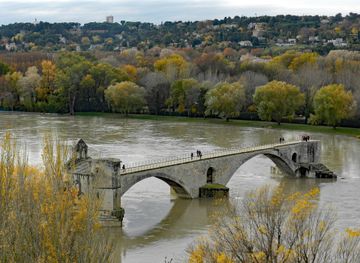
Explore more of Pont Saint-Bénézet
Discover the timeless allure of Pont Saint-Bénézet in Avignon, a medieval bridge steeped in legend and history, offering stunning views and a glimpse into the past.
Explore Pont Saint-Bénézet
Explore more of Avignon
Discover the historic charm, cultural vibrancy, and culinary delights of Avignon, the heart of Provence and a UNESCO World Heritage site.
Explore Avignon
