

Free Pays de la Loire Travel Guide & Mobile App
Explore Pays de la Loire with free travel guides. Discover regional history, expert tips, proposed trips, and audio guides on web or mobile app.


Explore Pays de la Loire for Loire Valley châteaux, Atlantic beaches, historic cities, vineyards, cycling routes and distinctive western French cuisine.
Read more about Pays de la Loire
When is the best time to visit Pays de la Loire?
Best: June–August · 23–26°C| Month | High (°C) | Rainfall (mm) |
|---|---|---|
| January | 9 | 61 |
| February | 10 | 52 |
| March | 13 | 45 |
| April | 16 | 46 |
| May | 20 | 55 |
| June (best) | 23 | 40 |
| July (best) | 26 | 35 |
| August (best) | 26 | 40 |
| September | 22 | 50 |
| October | 18 | 65 |
| November | 13 | 72 |
| December | 9 | 72 |
Getting to and around Pays de la Loire
How to get there
Transportation
Top city travel guides in Pays de la Loire
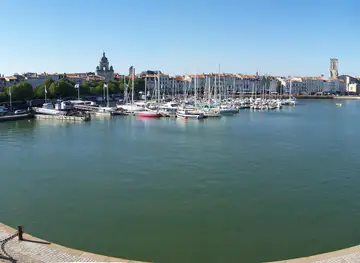
The cities of Pays de la Loire, and the easiest places to base yourself.
-

-

-
-

-

-


Swipe for more cities
Destinations in Pays de la Loire
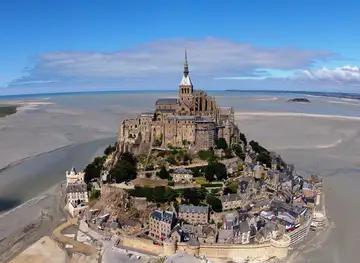
Resorts, valleys and scenic spots worth a trip of their own.
-

-
-

-

-

-


Swipe for more destinations
Best attractions in Pays de la Loire
Pays de la Loire offers a broad mixture of historic, cultural and outdoor attractions. Around Angers and Saumur, visitors can explore medieval and Renaissance châteaux, wine landscapes, abbeys and gardens within the Loire Valley setting. Château d'Angers is notable for its fortress architecture and Apocalypse Tapestry, while Saumur's hilltop château overlooks the river and the historic town. Nantes provides museums, galleries and large-scale cultural installations in former industrial spaces, and Saint-Nazaire interprets shipbuilding, ocean liners and the estuary. Le Mans combines the Cité Plantagenêt with museums and motor-racing heritage. Beyond the cities, the region includes the salt marshes and beaches of the Vendée, the Marais poitevin fringe in southern Vendée, the Loire estuary and extensive cycling routes. Outdoor activities range from walking and birdwatching to canoeing, sailing and coastal cycling, while family attractions and seasonal cultural programmes add variety without overshadowing the region's older architectural and agricultural landscapes.
-
Theme park
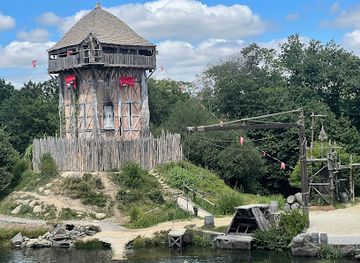
Puy du Fou
Experience epic historical adventures at Puy du Fou, France's award-winning theme park with spectacular shows and immersive villages.
-
 Castle
Château de Chambord
Explore Château de Chambord, the Loire Valley's largest and most iconic Renaissance château, with its unique architecture and rich history.
-
Castle
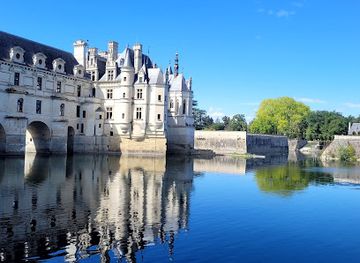
Château de Chenonceau
Discover Château de Chenonceau, the 'Ladies’ Château' in the Loire Valley, a Renaissance masterpiece with a rich history and stunning architecture.
-
Tourist attraction
Les Machines de l'Île
Experience the extraordinary: Giant mechanical creatures come to life at Nantes' Les Machines de l'Île, a blend of art, science, and imagination.
Best landmarks in Pays de la Loire
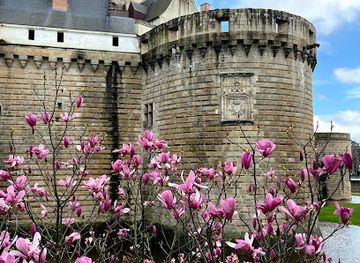
The most recognisable landmarks of Pays de la Loire range from fortified medieval architecture to maritime and industrial structures. Château d'Angers dominates the city with its massive dark-stone walls and towers, while the Apocalypse Tapestry inside gives the fortress exceptional historical and artistic importance. In Le Mans, the Cité Plantagenêt preserves Roman walls, medieval lanes and timber-framed houses above the modern city. Saumur's château occupies a prominent position above the Loire and is one of the region's most memorable river landmarks. Nantes Cathedral and the city's historic merchant architecture express a different phase of urban history, rooted in religion and Atlantic commerce. Along the estuary, Saint-Nazaire's shipyards and maritime heritage provide a powerful industrial counterpoint to castles and churches. On the coast, the long beaches, dunes, salt marshes and tidal landscapes of Vendée form natural landmarks whose appearance changes with weather, season and water level.
-
Theme park
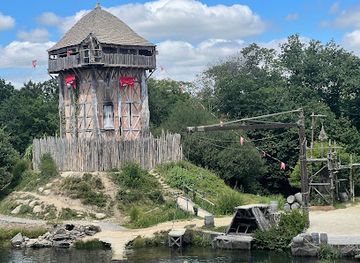
Puy du Fou
Explore Puy du Fou, a magical theme park in France where history comes alive through spectacular shows and immersive attractions for the whole family.
-
Castle
Château de Chambord
Explore the breathtaking Château de Chambord, a Renaissance masterpiece surrounded by lush landscapes, rich history, and captivating architecture.
-
Castle
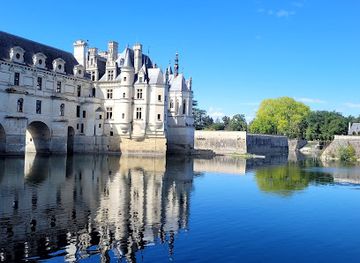
Château de Chenonceau
Explore the enchanting Château de Chenonceau, a historic castle with breathtaking gardens, rich history, and architectural beauty in the heart of the Loire Valley.
-
Castle
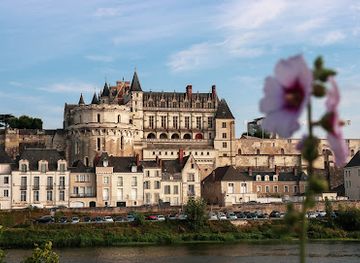
Château Royal d'Amboise
Experience the majestic beauty and rich history of Château Royal d'Amboise, a must-visit castle in the heart of the Loire Valley.
Explore Pays de la Loire on the map
Plan your trip on one map. See where the top cities, national parks and sights are, and book hotels and experiences in a few clicks.
Best hotels in Pays de la Loire
Best restaurants in Pays de la Loire
Dining in Pays de la Loire is shaped by the meeting of inland farming, Loire vineyards and the Atlantic. Around Nantes and the estuary, seafood, shellfish and fish sit alongside produce from the surrounding countryside, while Muscadet is a natural partner for oysters and other coastal flavours. Anjou and Saumur are associated with a wide range of still and sparkling wines, and their restaurants often work with local vegetables, river fish, pork and regional cheeses. Vendée contributes brioche vendéenne, seafood, potatoes and farm produce, with local specialities varying between coast, marsh and inland communities. Traditional cafés, crêperies, bakeries, market stalls and rural inns remain important, while Nantes, Angers and Le Mans offer contemporary dining and wine bars. Farmers' markets are particularly useful for discovering fruit, vegetables, charcuterie, cheeses and baked goods without reducing regional cuisine to a single signature dish.
-
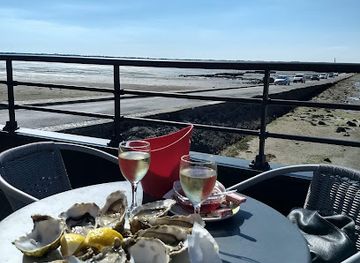
Angler fish restaurant
Le Relais du Gois
Experience exquisite seafood dining at Le Relais du Gois in Beauvoir-sur-Mer - where local flavors meet culinary artistry.
-
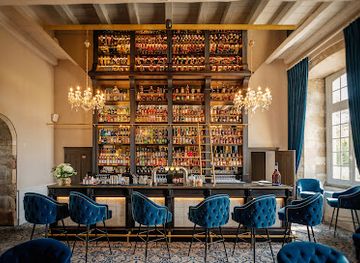
Restaurant
L'Abbaye de Villeneuve
Experience exquisite French cuisine and historical charm at L'Abbaye de Villeneuve, where every meal tells a story.
-
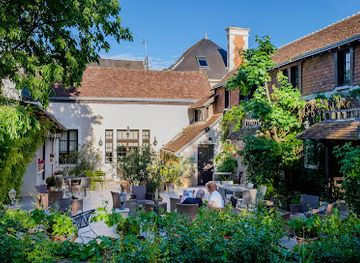
Hotel
Auberge du Bon Laboureur
Experience unparalleled luxury at Auberge du Bon Laboureur in Chenonceaux - where haute cuisine meets exquisite hospitality.
-
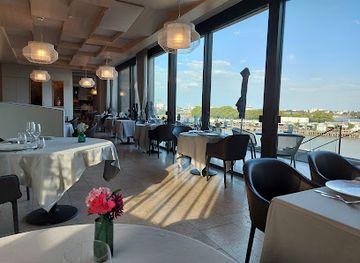
Fine Dining
Restaurant L'Atlantide 1874 - Maison Guého
Experience fine dining at its best with stunning river views at Restaurant L'Atlantide 1874 in Nantes.
Best bars in Pays de la Loire
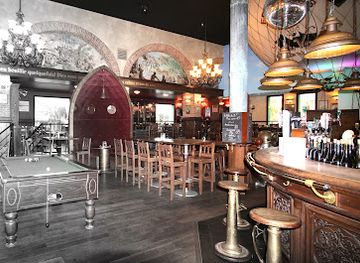
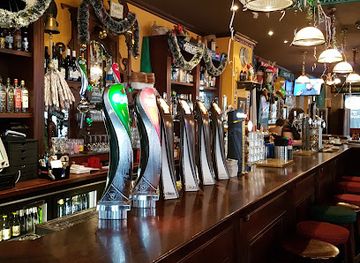
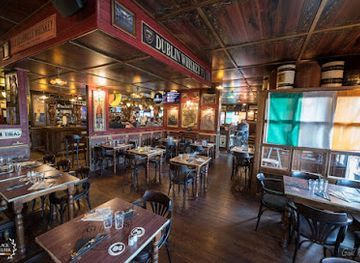
Evening life varies markedly across Pays de la Loire. Nantes has the region's broadest choice of bars, live-music venues, cultural spaces and late-night restaurants, with activity concentrated around central streets and the former industrial districts on the Loire. Angers and Le Mans have lively student and cultural populations, producing a substantial selection of pubs, wine bars, cafés and music venues, while Saumur offers a more restrained evening centred on restaurants, wine and historic-town hospitality. In Saint-Nazaire and the larger coastal resorts, nightlife becomes more seasonal, with seafront venues and summer entertainment. Smaller towns and rural areas generally rely on traditional cafés, village bars, restaurants, breweries and occasional concerts rather than extensive club scenes. Check current arrangements locally, particularly outside the main cities and beyond the summer period.
-
Bar
French Pub
Immerse yourself in the vibrant culture of French cuisine and drinks at the lively French Pub in Saint-Sébastien-sur-Loire.
-
Pub
Gigg's Irish Pub
Discover Gigg's Irish Pub in Nantes: A lively Irish atmosphere with hearty food, refreshing brews, and live sports for an unforgettable experience.
-
Bar
Black Shelter
Experience the vibrant nightlife of Carquefou at Black Shelter, where delicious food meets live music in an unforgettable atmosphere.
-
Live music bar
Le Chat noir
Discover vibrant nightlife at Le Chat Noir, Nantes' premier live music bar serving cocktails and brasserie delights in a lively atmosphere.
Best nightclubs in Pays de la Loire
Evening life varies markedly across Pays de la Loire. Nantes has the region's broadest choice of bars, live-music venues, cultural spaces and late-night restaurants, with activity concentrated around central streets and the former industrial districts on the Loire. Angers and Le Mans have lively student and cultural populations, producing a substantial selection of pubs, wine bars, cafés and music venues, while Saumur offers a more restrained evening centred on restaurants, wine and historic-town hospitality. In Saint-Nazaire and the larger coastal resorts, nightlife becomes more seasonal, with seafront venues and summer entertainment. Smaller towns and rural areas generally rely on traditional cafés, village bars, restaurants, breweries and occasional concerts rather than extensive club scenes. Check current arrangements locally, particularly outside the main cities and beyond the summer period.
-
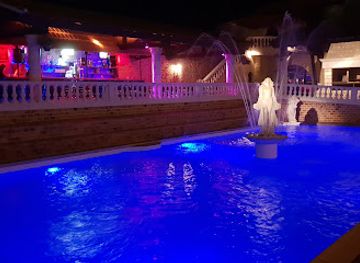
Disco club
Discothèque Le Manoir
Discover the electrifying nightlife at Discothèque Le Manoir, a premier disco club in Sainte-Hermine, where the music never stops and fun takes the lead.
-
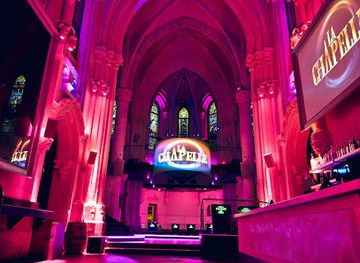
Disco club
La Chapelle
Experience the vibrant nightlife of Angers at La Chapelle, a premier disco club offering unforgettable dance and music experiences.
-
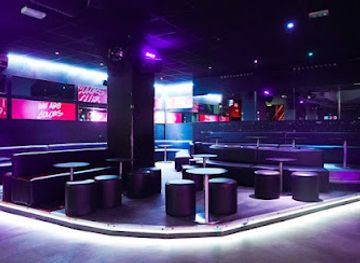
Night club
New Factory
Discover the heartbeat of Nantes' nightlife at New Factory, a lively night club offering unforgettable experiences and vibrant energy.
-
Night club
The Loft - Nightclub
Discover the vibrant nightlife at The Loft Nightclub in Nantes – where dancing, cocktails, and unforgettable moments await.

Best shops in Pays de la Loire
Shopping in Pays de la Loire is strongest in its historic market towns and larger cities rather than in a single regional retail district. Nantes offers the widest urban choice, from central high-street shops and department stores to independent design, food and book businesses. Angers and Le Mans combine mainstream retail with smaller shops around historic central streets, while Saumur is well suited to browsing for wine, local food and antiques. Town and village markets are useful for seasonal fruit, vegetables, cheese, charcuterie, bread and seafood, particularly along the coast. Regional purchases can include Anjou or Saumur wines, Muscadet from the Nantes area, Vendée brioche, salt and preserved foods from coastal districts, as well as ceramics, crafts, books and artwork from independent makers. Market schedules and seasonal stalls vary, so it is sensible to check locally rather than assume that every town operates a daily market.
-
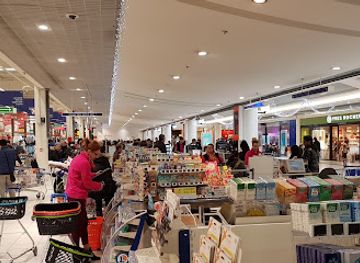
Shopping mall
Centre Commercial Atlantis
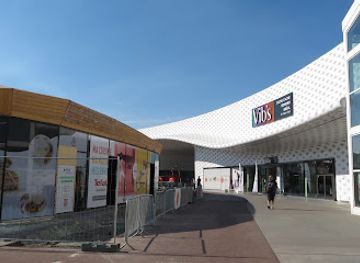
Explore the Centre Commercial Atlantis in Saint-Herblain, a premier shopping destination featuring diverse shops and delicious dining options.
-
Shopping mall
Passage Pommeraye
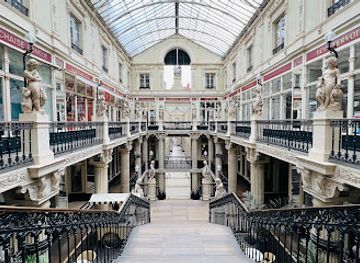
Explore the historic elegance of Passage Pommeraye, Nantes' stunning shopping arcade with unique shops and exquisite architecture.
-
Shopping mall
Atoll Angers
Experience the best of shopping and dining at Atoll Angers, a vibrant mall with diverse stores and delightful dining options.
-
Shopping mall
Centre Commercial Beaulieu
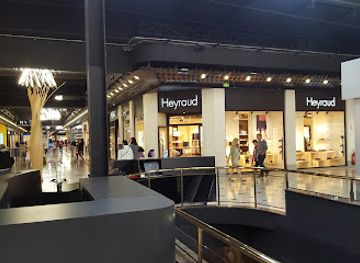
Discover a shopping paradise at Centre Commercial Beaulieu in Nantes, with diverse stores, dining, and essential services for an unforgettable experience.
Get your free copy of our complete guide to Pays de la Loire, delivered straight to you.
Everything on this page, from attractions and restaurants to essentials and local phrases, in one PDF you can read offline, print or share.
Already have an account? Sign in
Your Pays de la Loire guide is ready.
We'll send it to · Not you? Sign out

Getting your guide ready…
We are putting together a fresh copy of the Pays de la Loire guide. This can take up to a minute.
This can take a few moments. If your browser asks, choose Allow so the download can start. You'll find the guide in your Downloads folder.
Nothing happened? Download it again
Sorry, the guide is taking longer than usual. Please try again in a minute, or get it by email instead.
Pays de la Loire essentials
Currency and Payment
Safety
Emergency Situations
Do's and Don'ts
Local Tips
From Eve
Local phrases worth knowing
You don't need to get them perfect. A few words go a long way, and locals appreciate the effort.
Basics
| English | Local | Say it |
|---|---|---|
| Hello | Bonjour | [bɔ̃.ʒuʁ] |
| Goodbye | Au revoir | [o ʁə.vwar] |
| Yes | Oui | [wi] |
| No | Non | [nɔ̃] |
| Please/You're welcome | S'il vous plaît | [sil vu plɛ] |
| Thank you | Merci | [mɛʁ.si] |
| Excuse me/Sorry | Excusez-moi | [ɛk.sky.ze mwa] |
| How are you? | Comment ça va? | [kɔ.mɑ̃ sa va] |
| Fine. And you? | Bien. Et vous? | [bjɛ̃ e vu] |
| Do you speak English? | Parlez-vous anglais? | [paʁ.le vu ɑ̃.ɡlɛ] |
| I don't understand | Je ne comprends pas | [ʒə nə kɔ̃.pʁɑ̃ pa] |
Eating & Drinking
| English | Local | Say it |
|---|---|---|
| I'd like to see the menu, please | Je voudrais voir le menu, s'il vous plaît | [ʒə vu.dʁɛ vwaʁ lə mə.ny sil vu plɛ] |
| I don't eat meat | Je ne mange pas de viande | [ʒə nə mɑ̃ʒ pa də vjɑ̃d] |
| Cheers! | Santé! | [sɑ̃.te] |
| I would like to pay, please | Je voudrais payer, s'il vous plaît | [ʒə vu.dʁɛ pe.je sil vu plɛ] |
Emergencies
| English | Local | Say it |
|---|---|---|
| Help! | Au secours! | [o sə.kuʁ] |
| Go away! | Allez-vous-en! | [a.le vu.zɑ̃] |
| Call the Police! | Appelez la police! | [a.pe.le la pɔ.lis] |
| Call a doctor! | Appelez un médecin! | [a.pe.le ɛ̃ me.dɛ.sɛ̃] |
| I'm lost | Je suis perdu | [ʒə sɥi pɛʁ.dy] |
| I'm ill | Je suis malade | [ʒə sɥi ma.lad] |
Shopping
| English | Local | Say it |
|---|---|---|
| I'd like to buy... | Je voudrais acheter... | [ʒə vu.dʁɛ aʃ.te] |
| I'm just looking | Je regarde juste | [ʒə ʁə.ɡaʁd ʒyst] |
| How much is it? | Combien ça coûte? | [kɔ̃.bjɛ̃ sa kut] |
| That's too expensive | C'est trop cher | [sɛ tʁo ʃɛʁ] |
| Can you lower the price? | Pouvez-vous baisser le prix? | [pu.ve vu bɛ.se lə pʁi] |
Time & Numbers
| English | Local | Say it |
|---|---|---|
| What time is it? | Quelle heure est-il? | [kɛl œʁ ɛ til] |
| It's one o'clock | Il est une heure | [il ɛ yn œʁ] |
| Half past (10) | Dix heures et demie | [dis œʁ e də.mi] |
| Morning | Matin | [ma.tɛ̃] |
| Afternoon | Après-midi | [a.pʁɛ mi.di] |
| Evening | Soir | [swaʁ] |
| Yesterday | Hier | [jɛʁ] |
| Today | Aujourd'hui | [o.ʒuʁ dɥi] |
| Tomorrow | Demain | [də.mɛ̃] |
| 1 | Un | [œ̃] |
| 2 | Deux | [dø] |
| 3 | Trois | [tʁwa] |
| 4 | Quatre | [katʁ] |
| 5 | Cinq | [sɛ̃k] |
| 6 | Six | [sis] |
| 7 | Sept | [sɛt] |
| 8 | Huit | [ɥit] |
| 9 | Neuf | [nœf] |
| 10 | Dix | [dis] |
Transport & Directions
| English | Local | Say it |
|---|---|---|
| Where's a/the...? | Où est un/une...? | [u ɛ ɛ̃/yn] |
| What's the address? | Quelle est l'adresse? | [kɛl ɛ l‿a.dʁɛs] |
| Can you show me (on the map)? | Pouvez-vous me montrer (sur la carte)? | [pu.ve vu mə mɔ̃.tʁe syʁ la kaʁt] |
| When's the next (bus)? | Quand est le prochain (bus)? | [kɑ̃ ɛ lə pʁɔ.ʃɛ̃ (bys)] |
| A ticket (to ....) | Un billet (pour ....) | [ɛ̃ bi.jɛ (puʁ ....)] |
History of Pays de la Loire
Prehistoric and Roman Landscapes
The territory now covered by Pays de la Loire contains evidence of settlement from prehistoric times, including megalithic monuments in parts of the Vendée and Loire-Atlantique. Roman rule brought roads, towns, estates and agricultural organisation to western Gaul. Julius Caesar's campaigns and the later Roman province of Gallia Lugdunensis affected the region, while settlements such as Vindunum, the predecessor of Le Mans, and the area around Juliomagus, ancient Angers, became important centres. Roman influence can still be traced through archaeological remains, road alignments and the enduring importance of several urban sites.
Angevin Power and the Plantagenets
During the Middle Ages, Anjou became one of western Europe's most influential political territories. The counts of Anjou developed power around Angers and expanded their authority through marriage, inheritance and military force. Henry II, count of Anjou before becoming king of England in 1154, created the Angevin Empire, linking territories in France and the British Isles. The legacy is especially visible in Angers Castle, the Cité Plantagenêt in Le Mans and the region's network of monasteries, fortified towns and aristocratic estates.
Medieval Fortresses, Abbeys and Trade
From the eleventh to the fifteenth centuries, the Loire and its tributaries supported trade while a chain of fortresses protected routes and political frontiers. Saumur, Angers, Laval, Le Mans and numerous smaller towns developed around castles, bridges, markets and religious foundations. The region's waterways carried wine, grain, salt and building materials, linking inland communities with the Atlantic. Medieval religious houses also shaped land use, drainage and farming, leaving churches, abbeys and monastic remains among the most important historic features of present-day Pays de la Loire.
The Wars of Religion and the Renaissance
The sixteenth century brought both prosperity and conflict. Protestant and Catholic communities competed for influence, and several towns in the region were drawn into the Wars of Religion. At the same time, commercial wealth and royal patronage encouraged new forms of architecture. Châteaux, town houses and churches adopted Renaissance features, particularly around the Loire and in Anjou. The period also strengthened the importance of wine production and river commerce, foundations of regional economies that remain evident in the landscapes and built heritage around Saumur and Angers.
Atlantic Commerce and the Port of Nantes
From the seventeenth century, Nantes became a major Atlantic port, handling trade in wine, salt, sugar and other commodities. The port's prosperity transformed the city through quays, merchant houses and public buildings, but it was also deeply connected to the transatlantic slave trade. Modern Nantes commemorates and interprets this history through museums, memorials and public spaces rather than presenting the city's commercial past solely as an era of prosperity. The wider estuary likewise developed around shipbuilding, navigation and industries linked to the Atlantic.
The Vendée War and Revolutionary Upheaval
The French Revolution produced a violent civil conflict in the Vendée and neighbouring parts of western France from 1793. Resistance to conscription, religious policy and revolutionary government drew together communities in a royalist and Catholic uprising, while republican forces responded with military campaigns and severe reprisals. The conflict caused extensive loss of life and left a lasting political and cultural memory. Its interpretation remains an important part of the history of Vendée, Maine-et-Loire and nearby districts, where memorials, churches and local traditions recall the upheaval.
Napoleonic Planning and Industrial Change
Napoleon Bonaparte reshaped parts of western France administratively and physically. La Roche-sur-Yon was founded in 1804 as a planned military and administrative town, with a rational central layout that contrasts with the older settlements elsewhere in the region. During the nineteenth century, railways, canals, mechanised industry and port development altered the relationship between countryside and city. Le Mans became an important railway centre, while Nantes and Saint-Nazaire expanded through shipbuilding, engineering and maritime commerce.
Twentieth-Century Industry and Cultural Renewal
The twentieth century brought war, reconstruction and major economic change. Saint-Nazaire's shipyards became one of Europe's best-known centres of large-scale shipbuilding, while Nantes diversified beyond its historic port economy. Rural areas experienced agricultural modernisation and population shifts towards larger towns. Since the late twentieth century, former industrial sites have been reused for museums, performance spaces and creative projects, especially in Nantes and along the Loire. This renewal has added a contemporary cultural layer without erasing the region's maritime and industrial inheritance.
Pays de la Loire in Photos
Browse through our photo collection highlighting the charm and character of the destination.
Neighbouring regions of Pays de la Loire
The closest regions to Pays de la Loire, if you have time for more than one.
-

-

-

-

-


Swipe for more regions
Explore more

Explore more of France
Explore France: A land of romance, history, and unparalleled beauty, from the iconic streets of Paris to the serene landscapes of Provence and the luxury of the French Riviera.
Explore France